The global smartphone landscape shifted significantly on September 9, 2026, when Apple officially took the wraps off its highly anticipated next-generation device lineup during its marquee autumn keynote event. While the rollout of the standard iPhone 18 Pro series brought expected incremental upgrades to Cupertino’s flagship slab phones, the undisputed star of the show was Apple’s long-rumored, highly speculative first-ever foldable smartphone: the iPhone Duo. Arriving nearly a decade after Android original equipment manufacturers (OEMs) pioneered the foldable category, the iPhone Duo instantly validates the form factor for the mainstream consumer market. Yet, a closer examination of its hardware design, user interface capabilities, and camera architecture reveals a familiar narrative—Apple is heavily borrowing innovations that competing platforms like Samsung and Google introduced years prior.
A Decade of Evolution: The Context of Apple’s Foldable Debut
To understand the weight of Apple’s entry into the foldable arena, one must examine the timeline of the category. Samsung ignited the modern foldable race in 2019 with the release of the original Galaxy Fold, a device that suffered from early growing pains, including fragile inner displays and mechanical hinge concerns. Over the next seven years, Android competitors—notably Samsung, Google, Motorola, and Xiaomi—poured billions of research and development dollars into perfecting book-style and clamshell foldables.
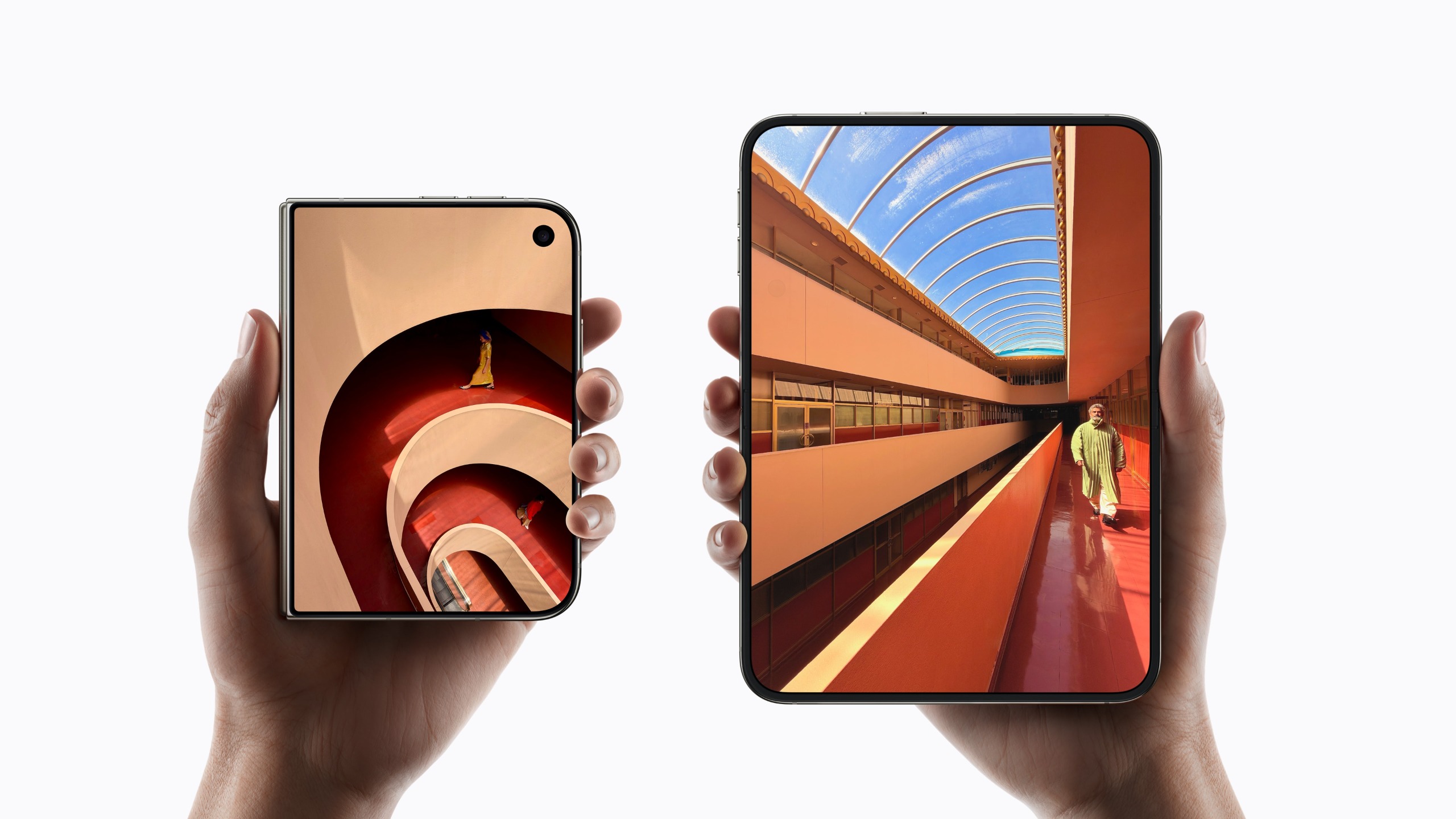
By the time Apple announced the iPhone Duo in late 2026, Android foldables had reached a state of relative maturity. Google’s pioneering work on shorter, wider "passport-style" cover displays with the original Pixel Fold established an ergonomic blueprint that favored usability when closed. Samsung subsequently adopted similar dimensions for its Galaxy Z Fold series, and Xiaomi showcased comparable wide-aspect foldables at consumer technology expos like IFA. Therefore, while the iPhone Duo represents a massive paradigm shift for Apple loyalists, industry analysts note that the underlying form factor follows a path well-trodden by its competitors.
Architectural Parallels: Design, Stylus Support, and Under-Display Cameras
The hardware specifications of the iPhone Duo highlight several engineering challenges that Apple has finally solved to its exacting standards, though none of these solutions are entirely unprecedented in the mobile ecosystem.
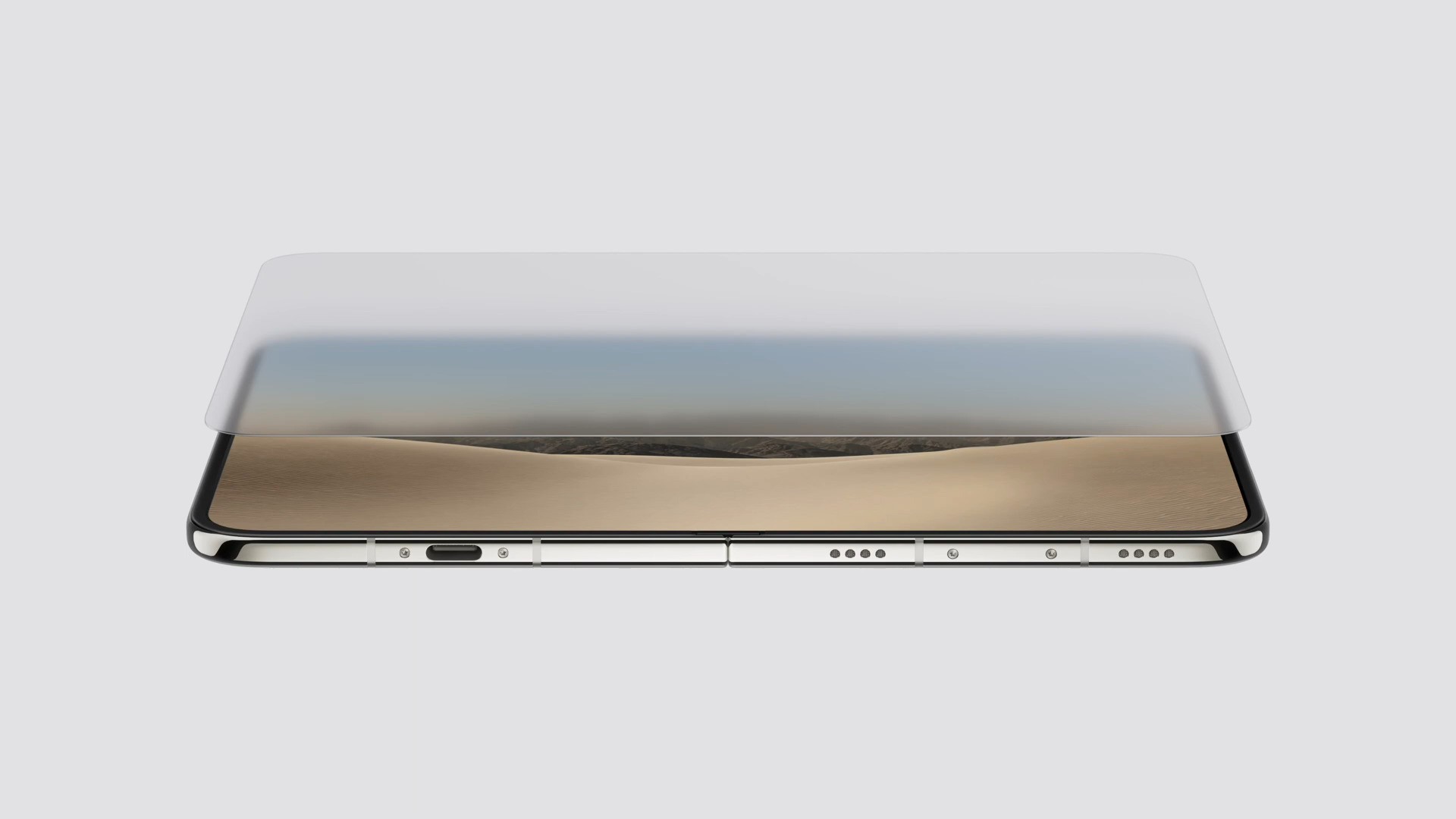
The device features a 7.6-inch inner flexible display equipped with a specialized matte nano-texture finish. This anti-reflective coating is designed to mitigate the inherent glare issues that plague plastic-polymer foldable screens under direct sunlight. However, Samsung introduced a similar anti-reflective layer earlier in 2026 with the release of the Galaxy Z Fold 8 Ultra, proving that optical clarity on flexible panels had already become a primary focus across the industry.
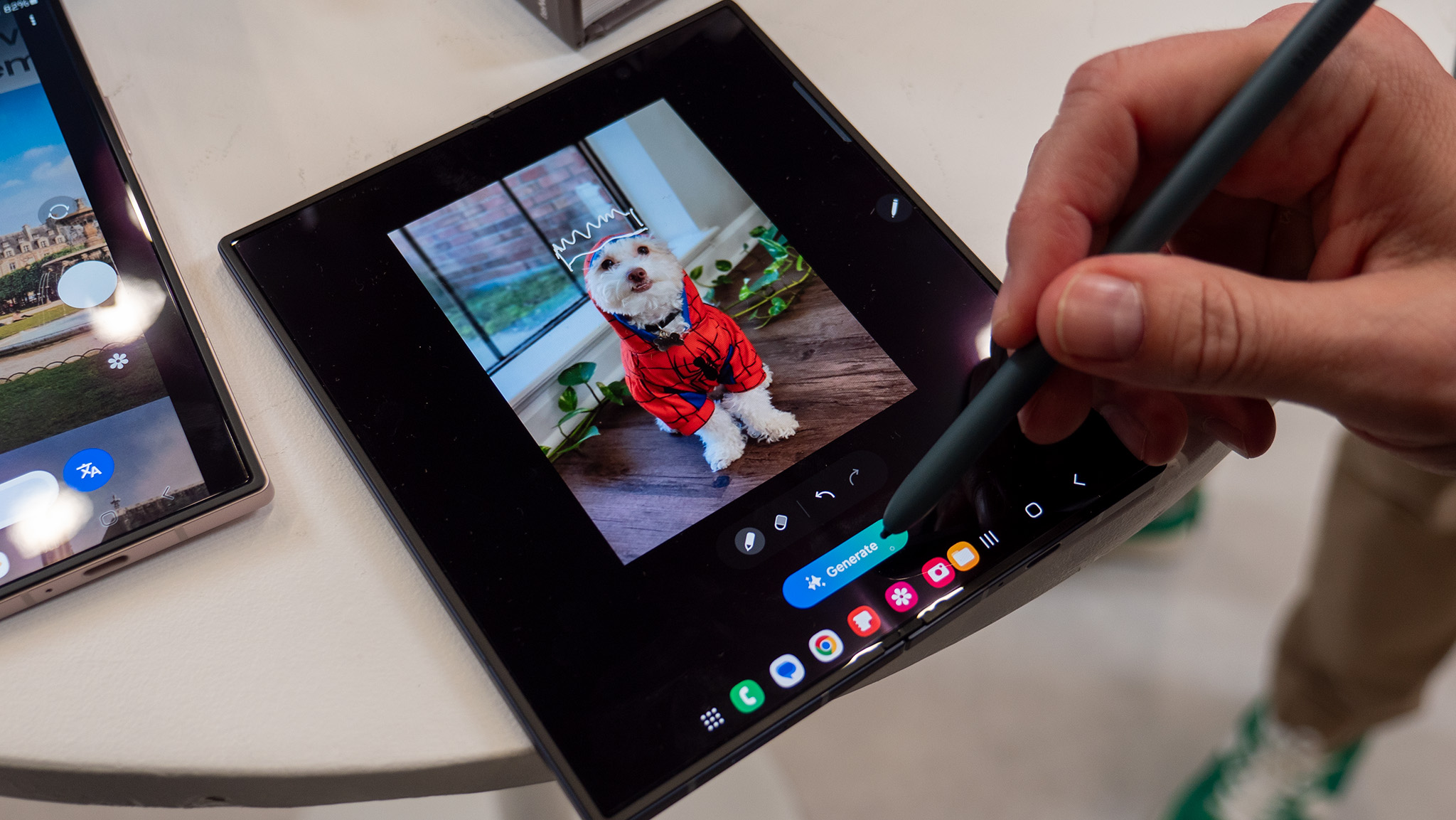
Furthermore, the iPhone Duo introduces system-wide Apple Pencil compatibility across both its inner and outer screens. While this unlocks productivity and creative workflows for note-takers and digital artists, Samsung maintained S Pen support on its Galaxy Z Fold lineage for numerous generations before streamlining its ultra-thin form factors. Similarly, the inclusion of an under-display camera (UDC) on the iPhone Duo’s inner screen—aimed at delivering an uninterrupted viewing experience—mirrors a technology that Samsung utilized and later refined across multiple iterations of its foldable portfolio.
Another hallmark of the iPhone Duo’s hardware is its advanced friction-based hinge, which enables multi-angle stopping power. Known in the Android ecosystem as "Flex Mode," this functionality allows users to prop the device open at various angles for hands-free video calls, media consumption, and low-light astrophotography. Samsung has optimized its software suite around Flex Mode since the early days of its foldable lineup, demonstrating that Apple is once again adopting a mature ecosystem interaction model.
Bringing Pro Controls to the iPhone 18 Pro
While the iPhone Duo captured the hardware headlines, the traditional iPhone 18 Pro series introduced a long-overdue addition to Apple’s imaging software: native manual camera controls, branded by the company as "Pro Controls."
For years, mobile photographers embedded within the Apple ecosystem relied on third-party applications to achieve granular adjustments over shutter speed, ISO, white balance, and manual focus. With the iPhone 18 Pro, Apple has integrated these parameters directly into the default camera interface, shifting the device’s identity from a purely automated point-and-shoot camera to a versatile tool capable of satisfying professional-grade creative demands.
Despite the enthusiastic reception from Apple enthusiasts, manual camera controls have been a staple of Android flagship devices—such as Samsung’s Galaxy S series and Sony’s Xperia lineup—for well over a decade. The inclusion closes a functional feature gap that prosumer creators have long highlighted as a primary advantage of competing operating systems.
Software Synergy: Multitasking, App Pairs, and Dual View
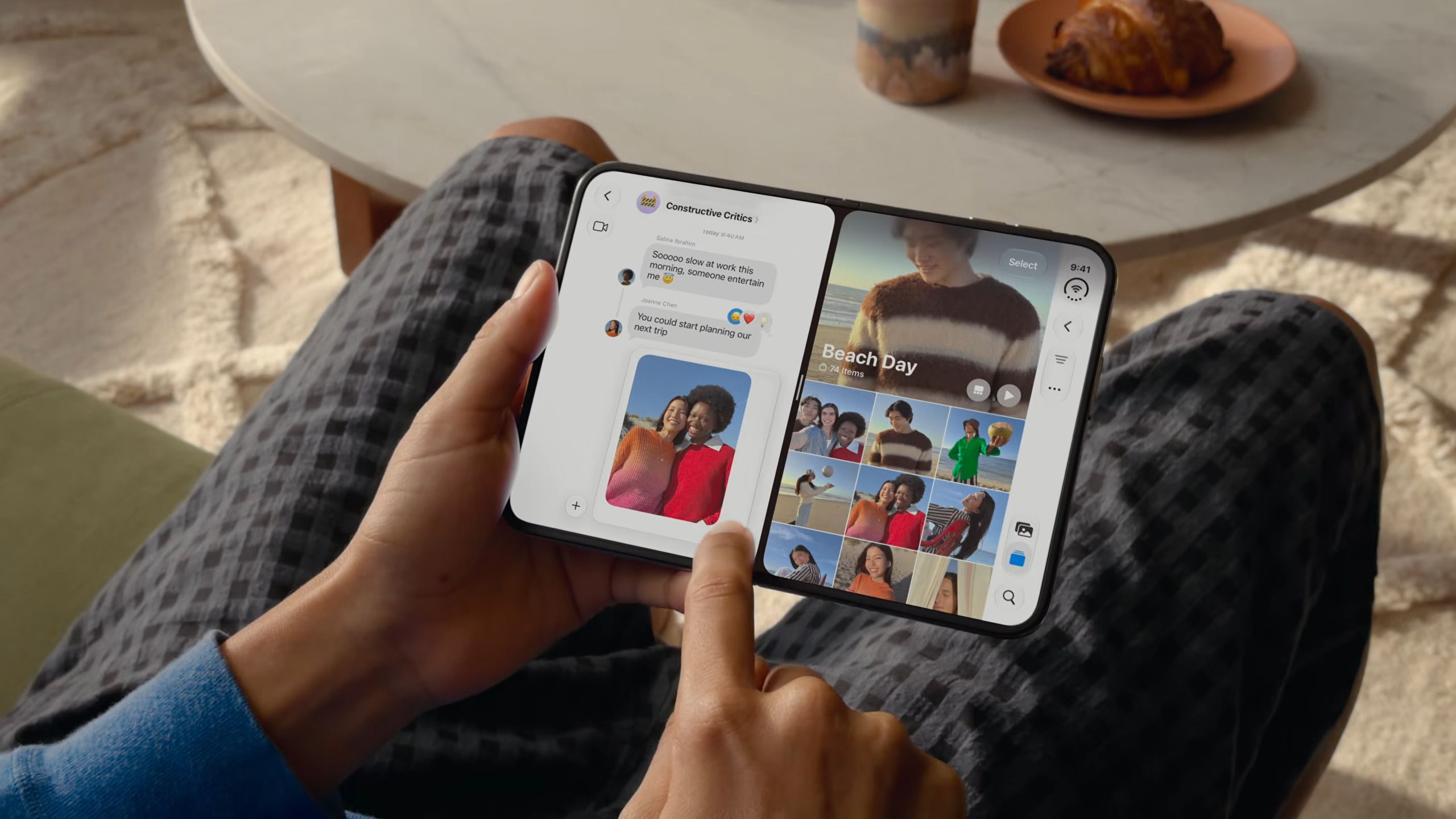
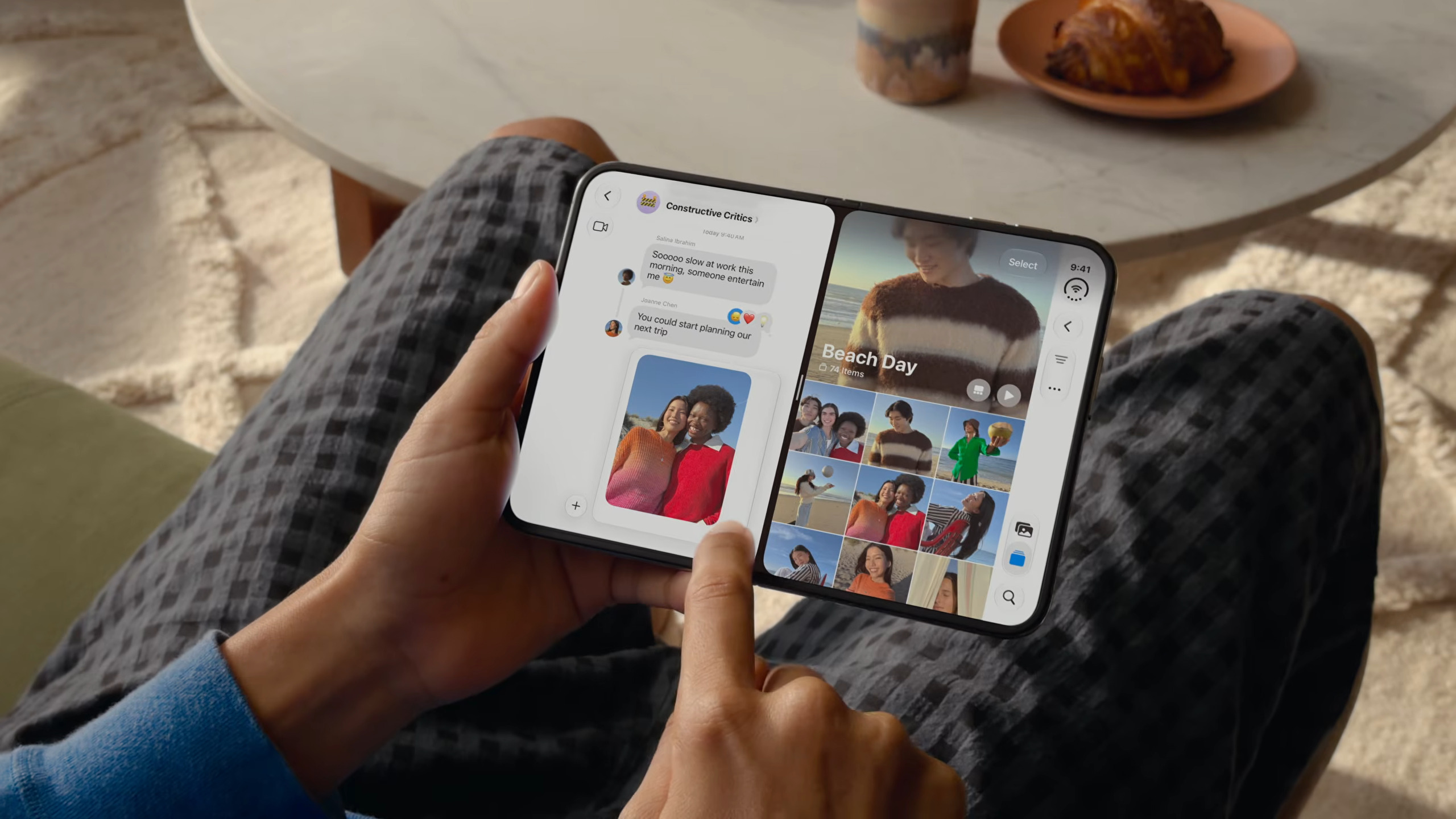
Hardware is only half the battle when it comes to foldable devices; software optimization dictates the long-term viability of dual-screen productivity. The iPhone Duo introduces robust split-screen multitasking, allowing users to run two applications simultaneously on the expansive inner display. Additionally, Apple has introduced "App Pairs," enabling users to save customized combinations of frequently used apps and launch them instantly side-by-side with a single tap.
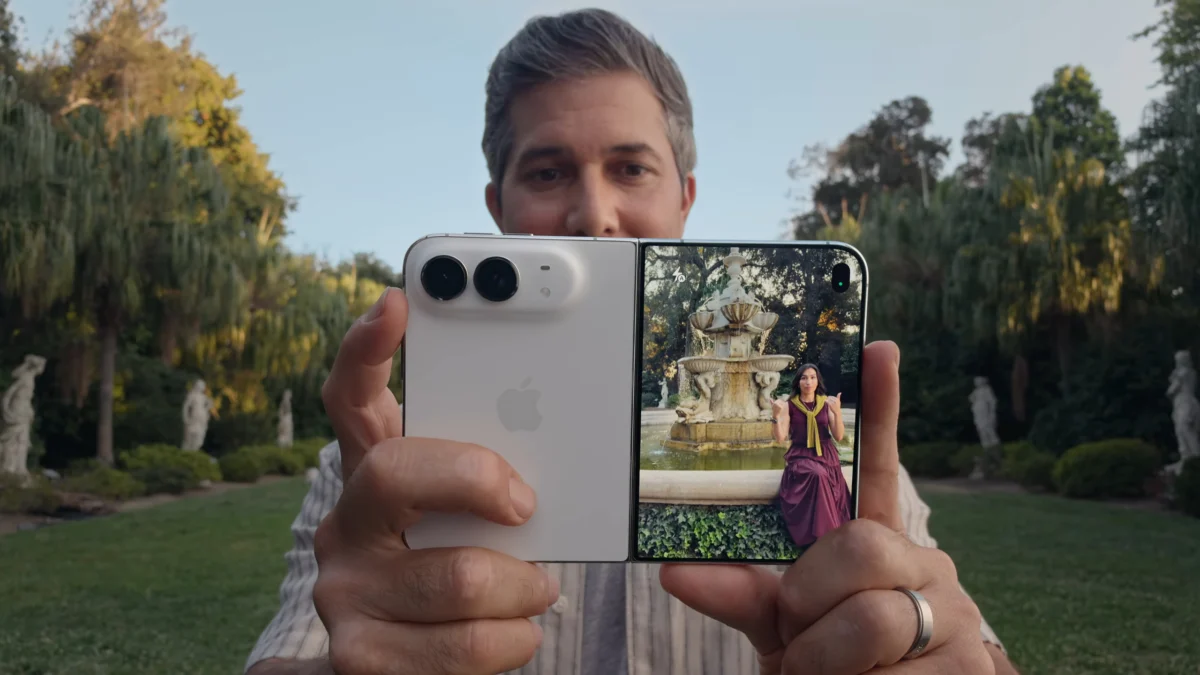
Another notable software feature is "Dual View," which repurposes the outer cover display as a live viewfinder for subjects during portrait photography, allowing them to see how they are framed while the photographer utilizes the primary rear camera array.
While these software additions are executed with Apple’s trademark polish and fluid animations, they closely mirror functionality that Motorola, Samsung, and other Android OEMs have offered for years. Split-screen layouts, paired app shortcuts, and dual-screen camera previews are foundational elements of Android’s large-screen software guidelines.
Market Implications and Industry Outlook
The launch of the iPhone Duo is widely projected to catalyze mainstream consumer adoption of foldable technology. Historically, Apple’s entry into a nascent product category—whether MP3 players, tablets, or smartwatches—signals to the broader market that the technology has graduated from an experimental niche to an essential consumer good.
Market research analysts anticipate that Apple’s supply chain muscle and brand equity will drive a significant surge in foldable smartphone shipments globally throughout late 2026 and 2027. Competitors like Samsung and Google are expected to respond by accelerating their own hardware innovations, particularly focusing on chassis durability, creaseless display technology, and AI-driven multitasking integrations.
Ultimately, while the iPhone Duo and iPhone 18 Pro series rely heavily on foundational concepts pioneered by Android manufacturers, Apple’s unique ability to integrate hardware, software, and services into a cohesive ecosystem ensures that the competitive race for mobile supremacy remains fiercer than ever. As consumers evaluate whether to invest in Apple’s first foldable or stick with established Android alternatives, the bar for mobile engineering has indisputably been raised across the entire industry.