Apple’s latest iteration of its mobile operating system, iOS 27, introduces a suite of transformative updates to the Home app, signaling a strategic pivot toward smarter, more cohesive automated living. As the technology giant prepares for an anticipated fall hardware rollout that is expected to include a new proprietary line of security cameras and smart home peripherals, the software foundation laid in iOS 27 provides a sophisticated framework for managing these upcoming devices. These updates are characterized by a heavy reliance on Apple Intelligence—the company’s proprietary AI architecture—to streamline user interactions and elevate the fidelity of home security monitoring.
Chronology of HomeKit Evolution
Since the inception of HomeKit in 2014, Apple has incrementally expanded its smart home ecosystem, moving from basic accessory pairing to the implementation of Matter, the universal connectivity standard, and the refinement of HomeKit Secure Video (HKSV).
The trajectory of this development has been marked by several key milestones:
- 2014: Launch of HomeKit, providing a standardized protocol for home automation.
- 2019: Introduction of HomeKit Secure Video, prioritizing privacy by processing footage locally or within encrypted iCloud storage.
- 2022: Adoption of the Matter standard, allowing cross-platform interoperability with devices from Amazon, Google, and Samsung.
- 2026: Release of iOS 27, marking the integration of Apple Intelligence to contextualize home activity and increase resolution standards.
This chronological progression demonstrates a clear shift from basic connectivity to intelligent, context-aware environments. By moving beyond simple triggers—such as "if motion, then record"—Apple is now enabling the system to understand the sequence of events as a narrative, reducing the cognitive load on the user.
Elevating HomeKit Secure Video to 4K Resolution
Perhaps the most requested feature in the history of HomeKit Secure Video has been the transition from 1080p to 4K resolution. For years, users have lamented the limitation of the 1080p ceiling, particularly as third-party cameras from manufacturers like Eufy, Arlo, and Logitech transitioned to 2K and 4K sensors.
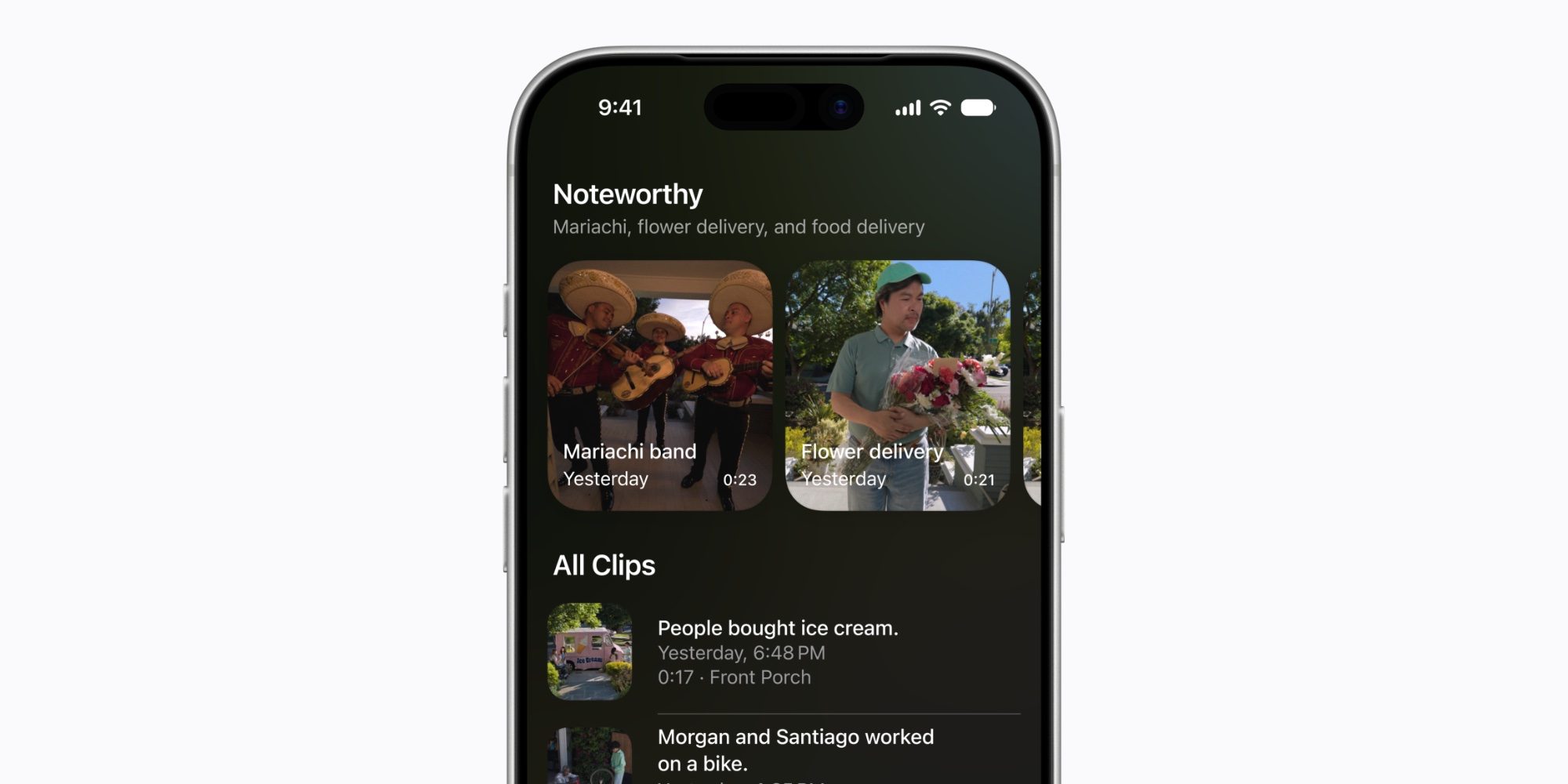
With iOS 27, Apple has officially lifted the 1080p restriction for supported hardware. This update allows compatible cameras to stream and archive footage in 4K, providing a four-fold increase in pixel density. The technical implication of this is significant; higher resolution allows for clearer digital zooming on recorded footage, which is essential for identifying license plates, facial features, or package labels—use cases that were previously hindered by the lack of clarity in standard 1080p feeds.
Furthermore, Apple Intelligence will augment this visual data. While the specific AI-powered video features were not fully detailed in the preliminary release notes, the integration suggests that the Home app will perform better object recognition, distinguishing between delivery personnel, known family members, and transient motion with higher accuracy than previous iterations.
Real-Time Notification Synthesis
One of the most disruptive aspects of modern smart home management is "notification fatigue." As users add more sensors—contact sensors on windows, motion detectors in hallways, and smart locks on doors—the volume of alerts can become overwhelming.
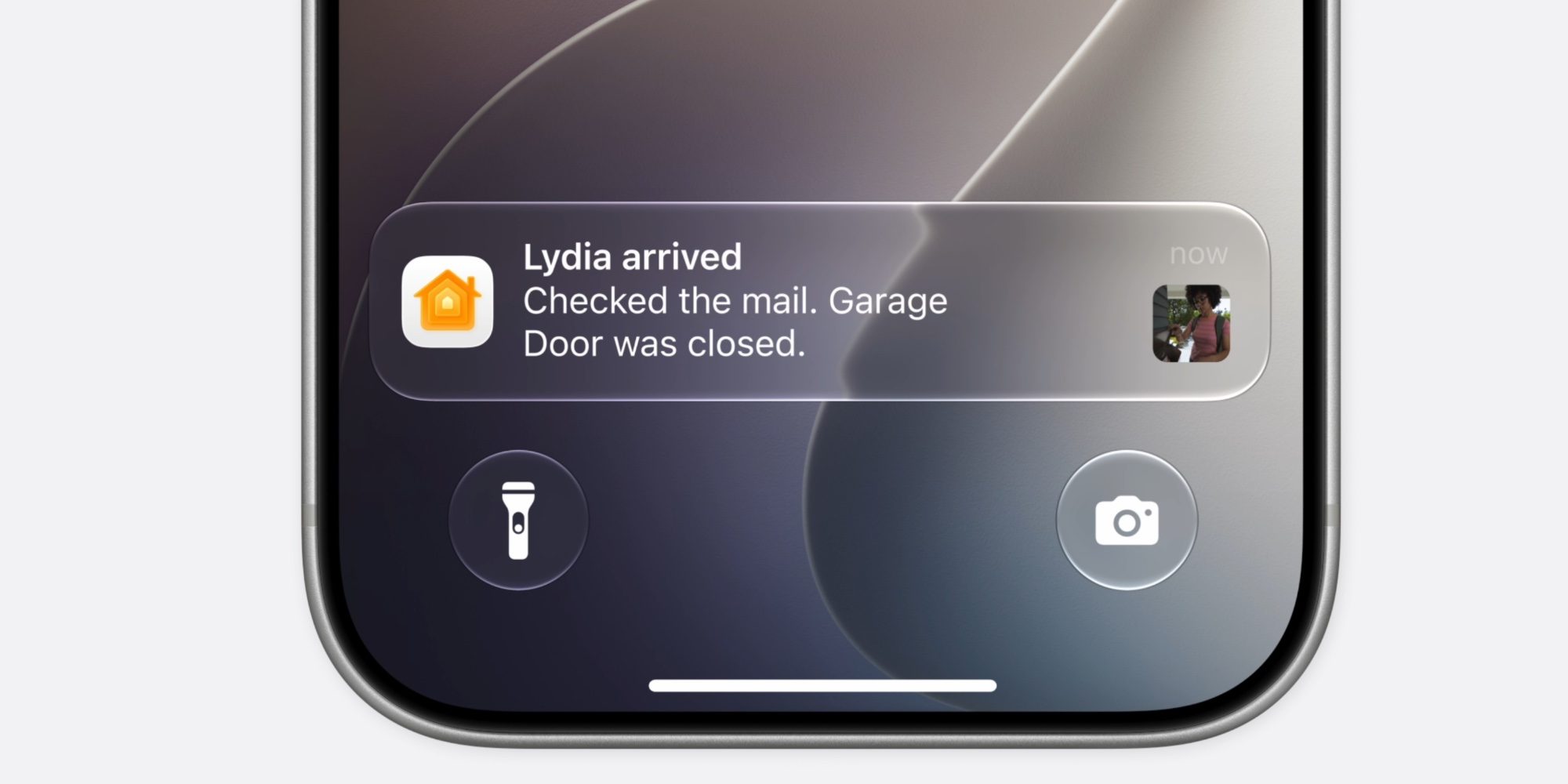
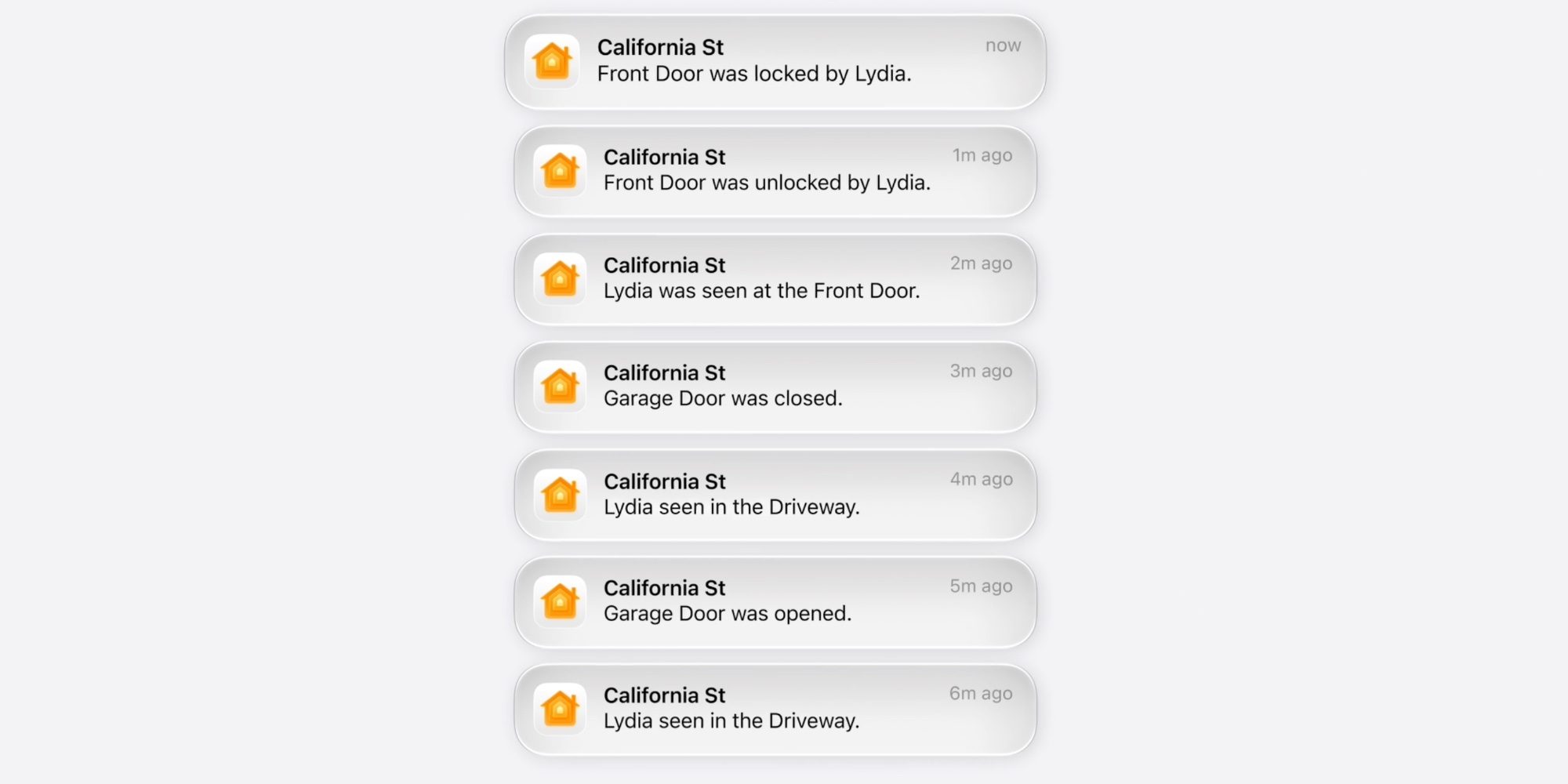
In iOS 27, Apple is addressing this through "Reduce Notifications," a feature powered by Apple Intelligence that acts as an analytical layer over the Home app’s alerting system. Rather than firing off a barrage of individual, disconnected alerts, the system will now analyze incoming data streams to identify related activities.
For instance, if a resident arrives home, triggers the porch motion sensor, unlocks the front door, and switches on the entryway lights, the Home app will no longer send four separate notifications. Instead, it will synthesize these events into a single, evolving notification. As the activity progresses in real-time, the notification updates its text to reflect the status of the entire sequence. This "summary-first" approach is expected to reduce the time users spend triaging their lock screens, allowing them to digest the state of their home at a glance.
Analysis of Implications for the Smart Home Market
The integration of Apple Intelligence into the Home app suggests that Apple is moving away from a passive hub model to an active assistant model. The broader implications of this shift are twofold:
1. Increased Hardware Synergy: By aligning software updates with the rumored launch of Apple-branded security cameras, the company is positioning itself to capture a larger share of the "prosumer" smart home market. If Apple’s hardware is optimized to leverage the full 4K and AI capabilities of iOS 27, it creates a "walled garden" effect where the most premium features are only accessible via first-party devices.
2. Privacy as a Competitive Differentiator: Apple continues to double down on its stance that AI processing should occur on-device whenever possible. Unlike competitors that rely heavily on cloud-based processing for video analytics, Apple’s HomeKit Secure Video remains tethered to iCloud+ with end-to-end encryption. The addition of sophisticated AI-driven notification synthesis without compromising this privacy model remains a central pillar of Apple’s marketing strategy.
Industry Reactions and Expert Outlook
While formal industry response to the iOS 27 beta remains in the early stages, analysts at major technology firms have noted that the move toward real-time, consolidated notifications is a necessary step for the maturation of the smart home.

"The smart home has suffered from being too ‘chatty,’" says one independent automation analyst. "By using AI to synthesize events, Apple is moving the needle from ‘smart’ to ‘intuitive.’ If the user doesn’t have to parse through ten separate notifications to understand that their family member is home, the system provides genuine utility rather than just digital noise."
However, there remains a challenge regarding the hardware ecosystem. The transition to 4K recording will undoubtedly put pressure on home network bandwidth and iCloud storage limits. For households with multiple cameras recording in 4K, data consumption will increase substantially, potentially necessitating a re-evaluation of home internet service plans and iCloud+ storage tiers.
Future-Proofing the Home
The updates in iOS 27 are not merely cosmetic; they represent a fundamental architectural shift. As the company prepares for a fall release of new hardware, the software update ensures that existing users have a reason to stay within the ecosystem while laying the groundwork for more advanced, AI-driven automation.

As the smart home sector continues to grow—with global market revenue expected to reach hundreds of billions by the end of the decade—Apple’s focus on privacy-centric, intelligent orchestration provides a clear path for expansion. Whether through the superior resolution of 4K video or the efficiency of reduced notification clutter, iOS 27 aims to provide a frictionless experience that serves as the backbone for the next generation of home security and automation.
For now, developers and power users are testing these features in the initial developer preview, with a public release expected in the coming months. As the fall event approaches, industry observers will be watching closely to see how these software improvements translate into actual hardware performance, particularly regarding the rumored Apple-branded security camera lineup. For the average consumer, the message is clear: the home of the future is not just about having more sensors, but about having a system that can intelligently make sense of the world around it.