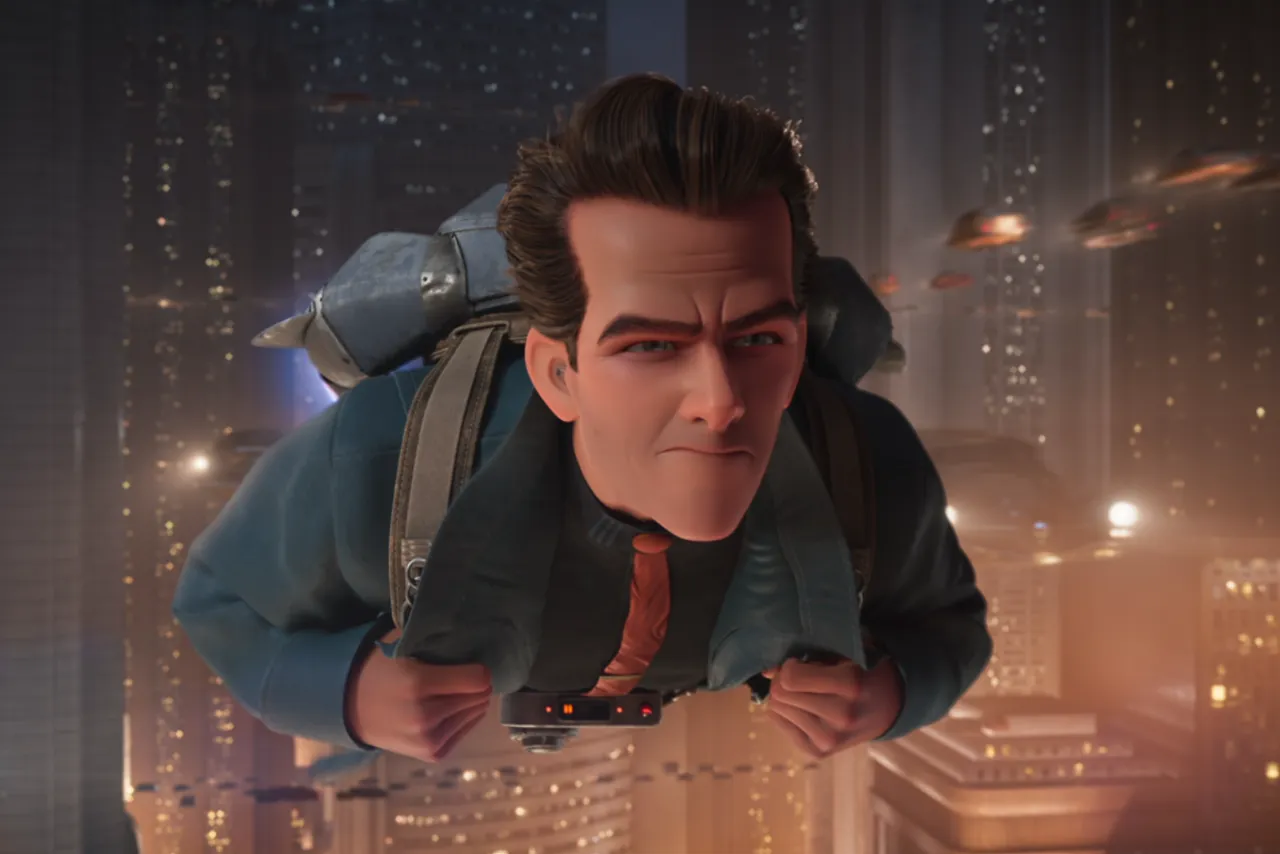
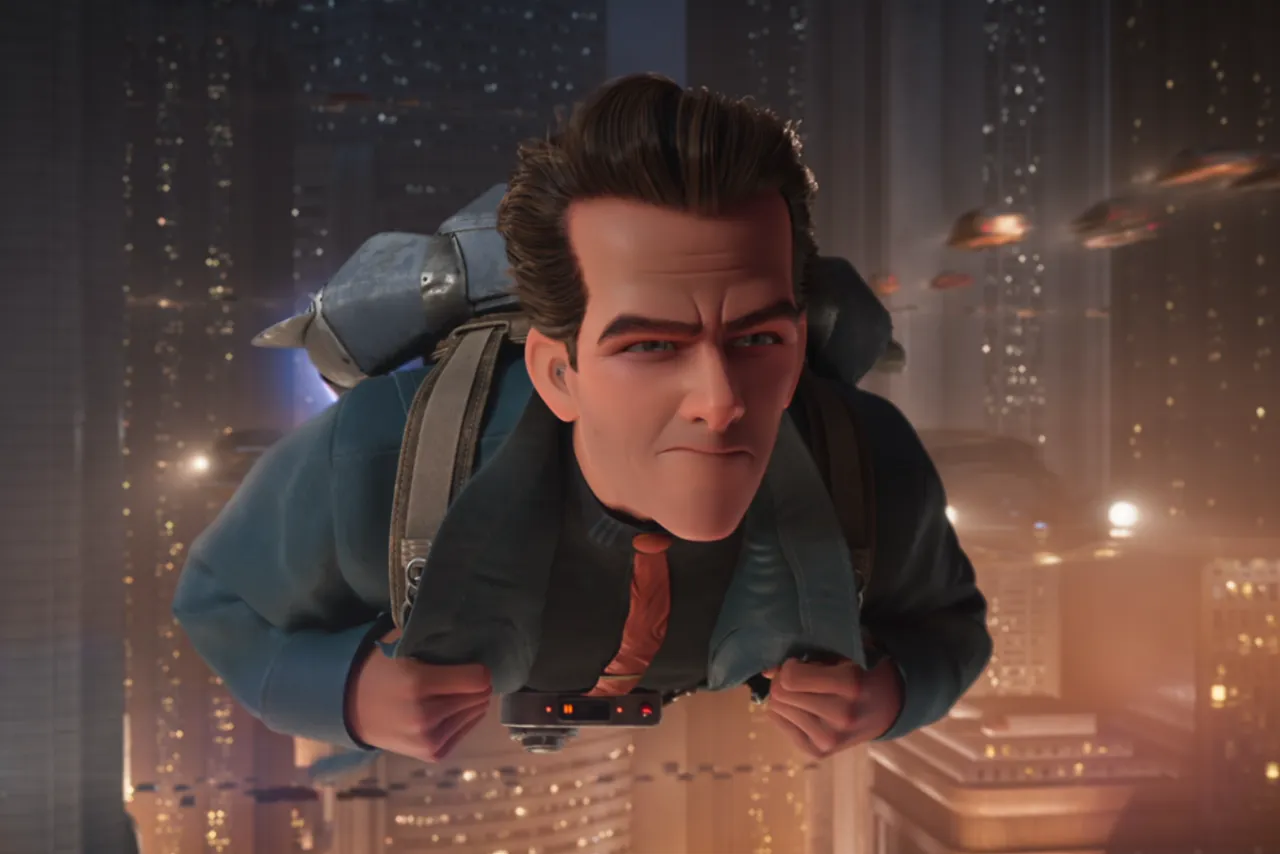
The landscape of animated cinema is undergoing a significant transformation, driven by technological advancements and shifting studio strategies. At the forefront of this evolution is Skydance Animation, a studio that has steadily carved out a reputation for delivering high-concept, visually ambitious storytelling. The studio has officially unveiled comprehensive updates regarding one of its most anticipated upcoming projects, the science-fiction noir feature film titled Ray Gunn. This announcement has ignited considerable interest across the entertainment industry, particularly given the project’s unique creative lineage, its genre-blending aspirations, and its positioning within a fiercely competitive animation market.
Ray Gunn represents a distinct departure from conventional family-oriented animation, leaning heavily into mature stylistic conventions such as classic detective noir, hard-boiled tropes, and speculative science fiction. As studios increasingly seek to diversify their portfolios to capture older demographics—ranging from young adults to lifelong animation enthusiasts—projects like Ray Gunn are serving as critical testing grounds for the commercial viability of sophisticated, genre-driven animated storytelling on a major theatrical scale.
The Creative Vision and Production Background
At the helm of Ray Gunn is acclaimed filmmaker Brad Bird, a towering figure in the animation industry whose storied career includes directing critical and commercial masterpieces such as The Iron Giant, The Incredibles, Ratatouille, and Mission: Impossible – Ghost Protocol. Bird’s involvement immediately elevates the project, establishing high expectations for its narrative depth, intricate world-building, and kinetic action sequences.
The film has been in various stages of development and production for an extended period, reflecting the meticulous craftsmanship that characterizes Bird’s directorial approach. Skydance Animation has positioned Ray Gunn as a cornerstone of its long-term strategic growth. The studio, which has been expanding its production pipeline through high-profile creative partnerships, sees the film as an opportunity to showcase its technical prowess and narrative ambition.
While specific plot details remain closely guarded by studio executives, promotional materials and early production teases suggest a retro-futuristic setting populated by gumshoe detectives, mysterious femme fatales, and high-tech corporate conspiracies. The fusion of traditional noir aesthetics with expansive science-fiction universe building requires a delicate balance of tone, a challenge that Bird has historically navigated with precision in works like The Incredibles and The Iron Giant.
Historical Context and Studio Strategy
To understand the significance of Ray Gunn, it is necessary to examine the broader trajectory of Skydance Animation. Originally launched as a division of Skydance Media, the animation arm has steadily built its infrastructure, recruiting top-tier talent from major competitors like Pixar, Disney, and DreamWorks. The studio’s early slate focused primarily on family-centric fare, such as Luck and Spellbound, distributed in partnership with major streaming platforms and theatrical distributors.
However, the greenlighting and active development of Ray Gunn signal a deliberate pivot toward broader demographic appeal. In the modern cinematic ecosystem, animated features that successfully target mature audiences remain a rarity outside of niche independent releases or specific international imports, such as anime features. By investing heavily in a prestige sci-fi noir project directed by a proven auteur, Skydance is attempting to prove that high-end computer-generated animation can successfully command the same cultural and financial weight as live-action science fiction blockbusters.
Industry analysts have noted that the timing of Skydance’s slate expansion aligns with a broader industry-wide reevaluation of streaming versus theatrical release models. As audiences demonstrate a renewed appetite for distinct visual spectacles on the big screen, studios are realigning their production pipelines to ensure that high-budget animated projects offer theatrical-grade world-building and technical refinement.
Production Timeline and Milestones
The development timeline of Ray Gunn highlights the complex, iterative nature of high-end animated feature production. The project was initially conceived years ago, undergoing various phases of script refinement, visual development, and technological pipeline testing before securing its current production momentum.
Throughout its gestation, the film has benefited from advancements in rendering software, lighting technology, and artificial intelligence-assisted pipeline optimization, tools that modern animation studios increasingly rely on to achieve hyper-detailed environments. For Ray Gunn, these technological enhancements are crucial in realizing the dense, rain-slicked cityscapes, neon-lit alleys, and intricate mechanical designs native to the sci-fi noir genre.
Skydance Animation has structured its release schedule to accommodate the rigorous demands of Brad Bird’s production style. Animation veterans understand that meticulous storyboarding, iterative character design, and complex action choreography require years of dedicated labor. Consequently, industry observers have closely monitored studio updates for concrete scheduling announcements, mapping the film’s progress from early concept art phases to full-scale animation production.
Industry Implications and Market Analysis
The release of Ray Gunn carries significant implications for the broader entertainment sector. For one, it challenges the long-standing industry assumption that feature-length animation must cater universally to young children to achieve box office viability. While family films frequently dominate the highest-grossing animation charts, adult-leaning and genre-bending animated films—when executed with high production values—possess the potential to capture passionate, underserved demographics.
Furthermore, the project strengthens Skydance Media’s overarching portfolio, reinforcing its status as a diversified content producer capable of rivaling legacy studios across multiple genres. In an era where intellectual property acquisition dictates much of Hollywood’s greenlight process, an original, director-driven science fiction property like Ray Gunn stands out as a high-risk, high-reward endeavor.
Competitors and industry stakeholders are likely to view the performance and reception of Ray Gunn as a bellwether for future original sci-fi animation investments. If the film achieves its intended critical and commercial goals, it could pave the way for a resurgence of mature, stylized animated features within major studio pipelines, expanding the artistic boundaries of the medium.
Official Release Schedule and Future Outlook
As production continues to advance, anticipation surrounding the film’s rollout has reached new heights. Skydance Animation has officially confirmed that Ray Gunn is slated to premiere in theaters on April 4, 2026. This spring release window places the film in a strategic position, avoiding the hyper-crowded summer blockbuster season while offering a distinct, high-profile alternative to traditional early-year releases.
As the premiere date approaches, marketing campaigns are expected to ramp up, offering audiences their first comprehensive look at the film’s voice cast, full narrative scope, and visual aesthetic. Until then, Ray Gunn remains one of the most closely watched original animation projects on the horizon, promising a compelling fusion of timeless detective storytelling and futuristic cinematic ambition.