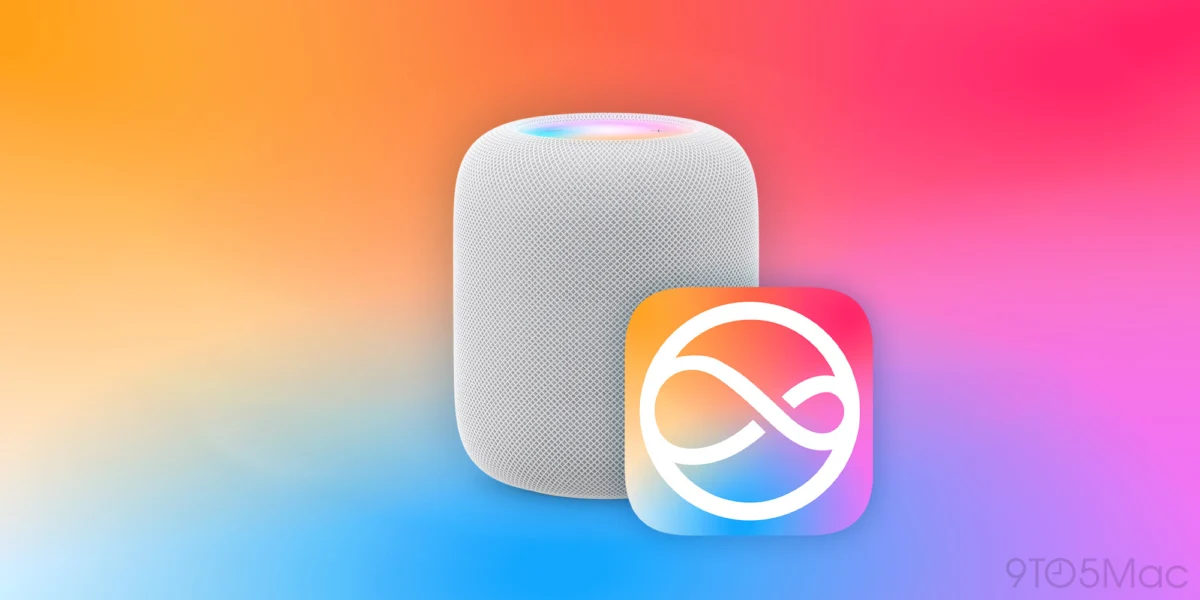
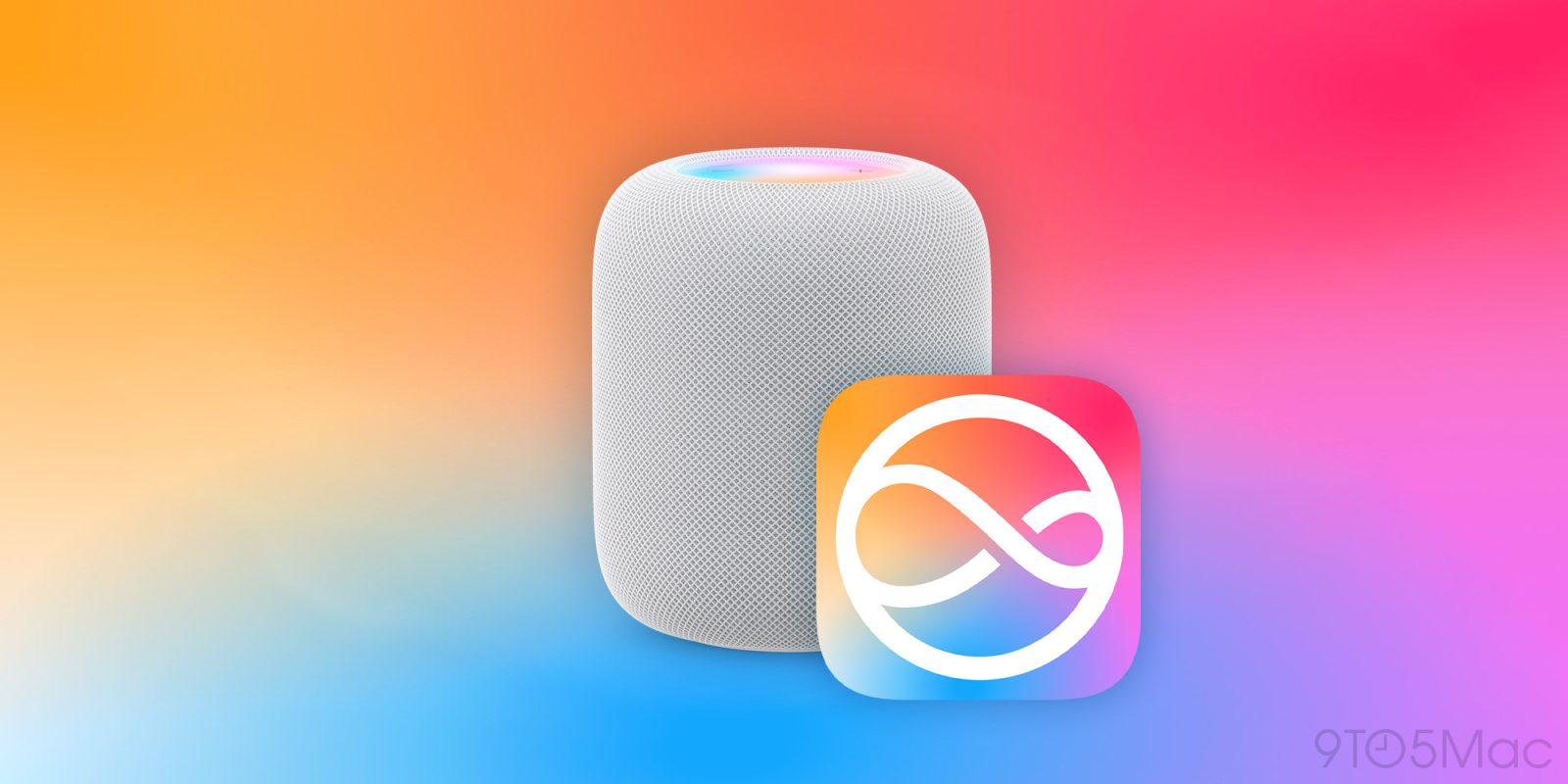
For several years, Apple’s smart home division has remained largely stagnant, with core products like the HomePod mini and Apple TV 4K relying on aging internal architectures that have struggled to keep pace with the rapidly evolving landscape of generative AI. However, industry analysts and supply chain reports indicate that the company is on the precipice of a significant pivot. With the maturity of Apple Intelligence, the firm is preparing to launch a comprehensive suite of new hardware designed to transform the home into an integrated, AI-driven ecosystem.
The stagnation in Apple’s home product line has been largely attributed to the limitations of its previous hardware, which lacked the neural processing power required to run sophisticated large language models locally. With the recent integration of Siri AI, the primary technological bottleneck has been removed, signaling that a major hardware refresh is imminent. This shift marks a departure from Apple’s past strategy of maintaining home devices as simple media conduits, moving toward a vision where the home hub acts as the central brain of a user’s digital life.
Imminent Hardware Refresh: HomePod mini and Apple TV 4K
The first phase of this expansion is expected to arrive this autumn. Reports suggest that Apple will introduce iterative but necessary updates to its existing lineup, focusing on performance parity with its mobile and computing devices.
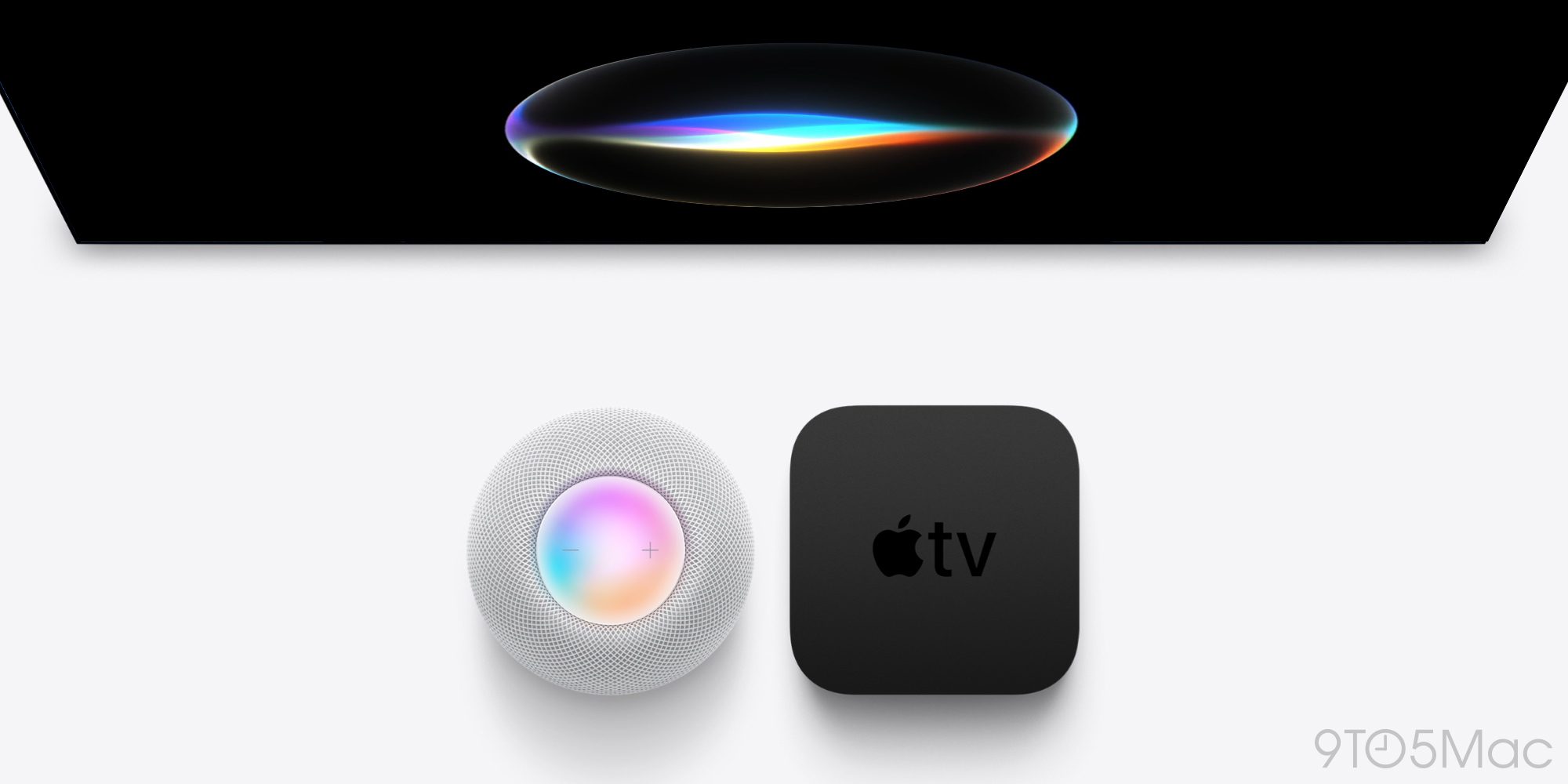
The HomePod mini, which has seen minimal internal hardware changes since its introduction, is widely expected to transition from the aging S5 chip to the more robust S9 processor. This upgrade is not merely for speed; the S9 silicon provides the neural engine capacity required to process Siri requests locally, enhancing privacy and reducing latency. Furthermore, the inclusion of the N1 wireless chip—which premiered in the iPhone—will likely improve Ultra Wideband (UWB) performance, enabling more seamless handoff experiences between mobile devices and the home speaker. While audio quality improvements are anticipated, the primary value proposition of the new mini will be its newfound ability to function as a fully-fledged, AI-capable assistant.
Simultaneously, the Apple TV 4K is slated for a significant internal upgrade. Moving from the A15 Bionic chip to the A17 Pro represents a substantial leap in graphical and computational overhead. While critics have noted that the A17 Pro is entering its third year of existence, it remains more than capable of handling the heavy lifting of local Apple Intelligence features, such as smart content summarization and advanced voice-to-text processing. Rumors also persist regarding a refinement of the Siri Remote, potentially addressing user feedback regarding ergonomics and build quality. Apple currently positions the HomePod mini at $129 and the Apple TV 4K at $199, and maintaining these price points will be critical for Apple to remain competitive against aggressive pricing from rivals like Amazon and Google.
The Rise of HomeOS and the Smart Hub Transition
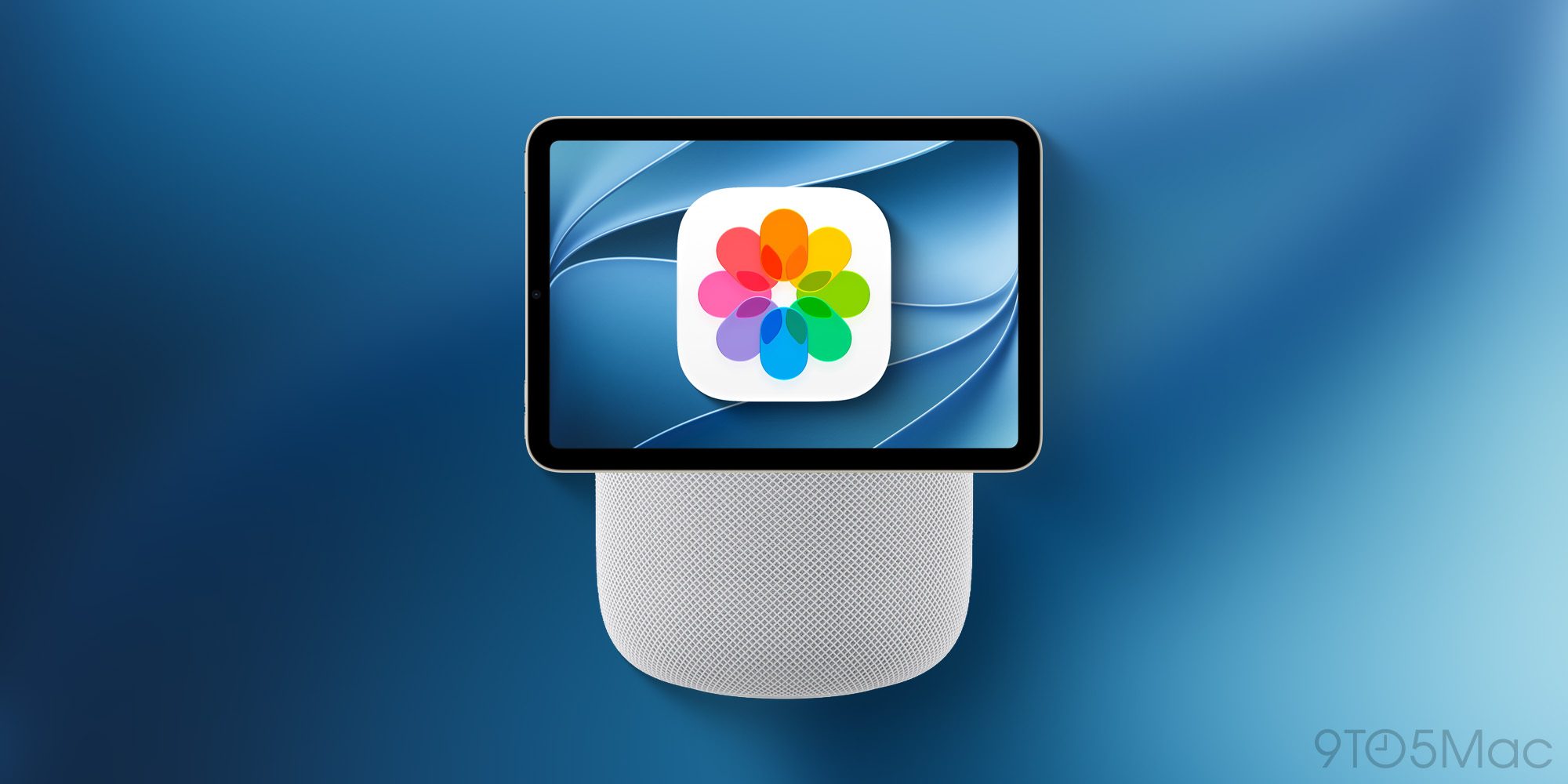
Beyond mere upgrades, the most anticipated development is the introduction of a dedicated smart home hub, internally referred to by some as the HomePad. This represents a long-gestating project that has transitioned through multiple design iterations. Current reports indicate the development of two distinct variants: a wall-mounted display that utilizes a magnetic mounting system, and a tabletop version featuring a speaker base.
Both devices are expected to run on a new, specialized operating system dubbed homeOS. This platform is designed specifically for ambient computing—the idea that technology should be ever-present yet unobtrusive. By providing a 7-inch display, these devices will move beyond voice-only interaction, allowing users to engage in FaceTime calls, manage complex smart home automations, and view granular home security data. The integration of the A18 chip into these devices suggests that Apple is prioritizing long-term software support and heavy local AI processing, ensuring these hubs remain relevant for years rather than months.
The launch window for these products is currently slated for late 2026 into early 2027. This timeline suggests that Apple is positioning the home hub to serve as the definitive entry point for the next generation of its smart home ecosystem, effectively moving the Apple TV out of the role of "primary hub" and into its more traditional home theater niche.
Expanding into Home Security and Robotics
The long-term roadmap for Apple’s home division extends well beyond speakers and displays. For the first time, Apple is preparing to enter the smart home accessory market directly, with development focused on high-end security cameras and smart doorbells. Historically, Apple has focused on the software layer via HomeKit and the Home app, leaving the hardware manufacturing to third-party partners. This shift signifies a strategic desire to control the end-to-end user experience, mirroring the company’s success in the smartphone and wearable markets.
By manufacturing its own security hardware, Apple can guarantee tighter integration with its ecosystem—specifically regarding Face ID-enabled doorbells and end-to-end encrypted video storage in iCloud. This move directly challenges market leaders like Google’s Nest and Amazon’s Ring, leveraging the strength of Apple’s privacy-first brand image to court security-conscious consumers.
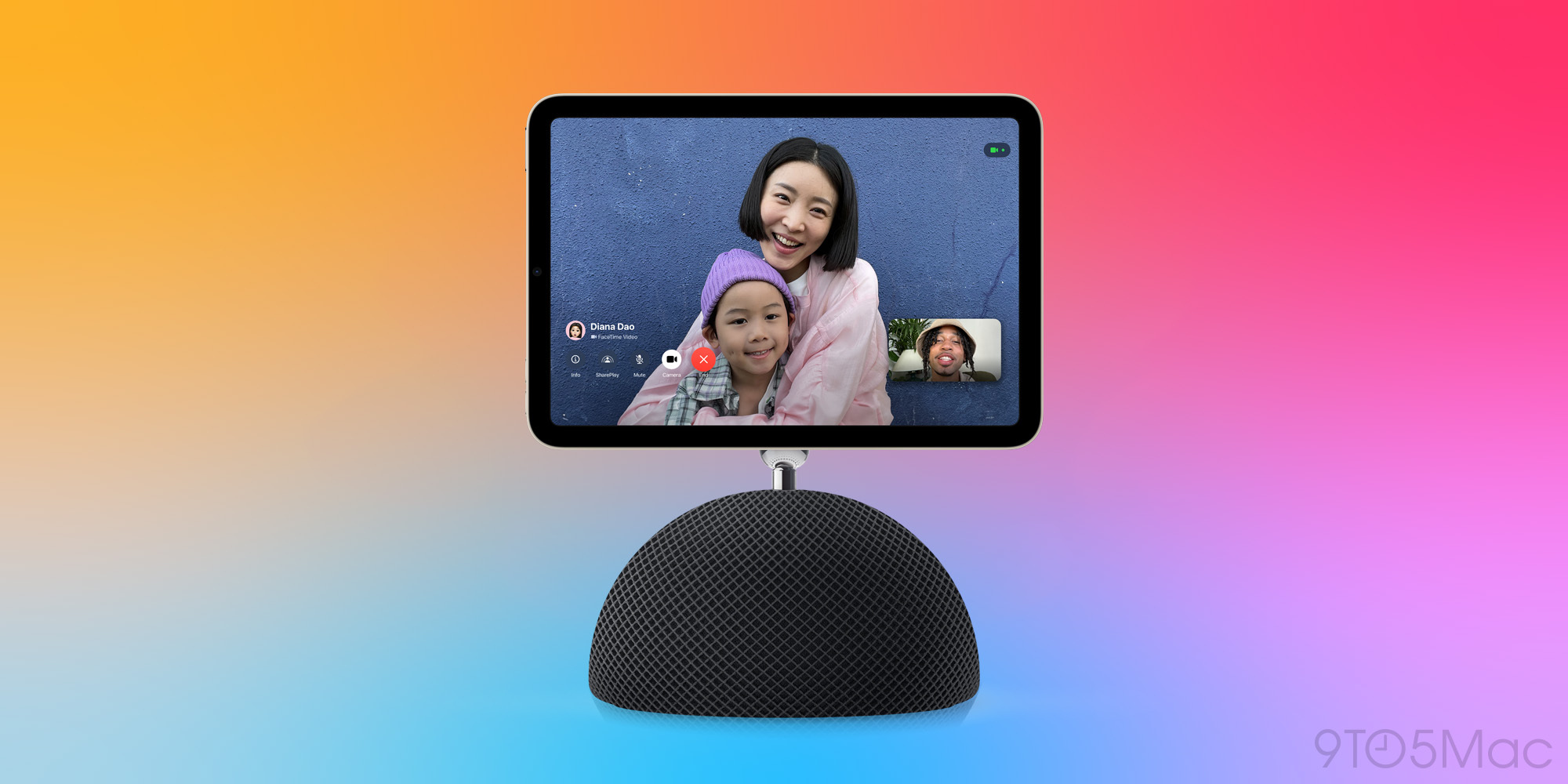
Further down the product pipeline, more speculative reports point toward a tabletop robotic device featuring a large 9-inch display mounted on an articulating, robotic arm. This device, often described as a hybrid of a smart display and a robotic assistant, would be capable of tracking the user’s movement during a video call or adjusting its viewing angle to provide optimal visibility. While this project remains in the research and development phase, it highlights Apple’s ambition to move beyond static screens and into the realm of active, kinetic home assistance.
Strategic Implications and Market Analysis
The implications of this hardware expansion are profound. For years, the smart home market has been fragmented by interoperability issues, with the Matter standard providing only a partial solution. By controlling both the software (homeOS) and the core hardware (hubs, cameras, and assistants), Apple is attempting to create a "walled garden" that is more reliable, secure, and intuitive than the competition.
However, the challenge for Apple remains price sensitivity. While the company has established a premium tier in the smartphone and laptop markets, the smart home sector is notoriously price-sensitive. If the new hub and security accessories are priced significantly higher than their competitors, Apple may struggle to achieve the market penetration necessary for homeOS to become the industry standard.
Furthermore, the integration of Apple Intelligence into the home environment raises important questions regarding data governance. As these devices become more capable of analyzing the user’s home life, habits, and social interactions, Apple’s reliance on local, on-device processing will be its greatest differentiator. By performing tasks on the A18 and S-series chips rather than in the cloud, Apple can offer a privacy narrative that is currently difficult for cloud-dependent competitors to match.

The chronology of these releases indicates a methodical approach: first, stabilize the existing ecosystem with chips capable of running modern AI; second, introduce a new, dedicated hub to unify the experience; and finally, branch out into specialized hardware like security and robotics to lock in user loyalty. As the home becomes the next major battleground for generative AI, Apple’s strategy appears to be one of cautious but deliberate investment, ensuring that when the hardware does arrive, it is deeply integrated and fundamentally prepared for the next decade of ambient computing. The coming months will be decisive as the company moves from theoretical development into the consumer marketplace.