The open-source smart home automation platform Home Assistant has officially rolled out its latest major monthly update, Home Assistant 2026.9. This release marks a significant milestone in bridging the gap between complex industrial protocols and user-friendly consumer interfaces. With a focus on streamlining device connectivity, improving accessibility, and expanding local-first capabilities, the 2026.9 cycle addresses longstanding community requests while deepening the platform’s integration with the broader Open Home Foundation ecosystem.
Main Facts of the Release
The Home Assistant 2026.9 update delivers a comprehensive array of functional enhancements, architectural modernizations, and user-interface overhauls. Among the most notable updates is the modernization of the Modbus protocol integration, allowing compatible hardware such as solar inverters, heat pumps, and energy meters to be natively configured directly through the graphical user interface without requiring manual YAML register mapping.
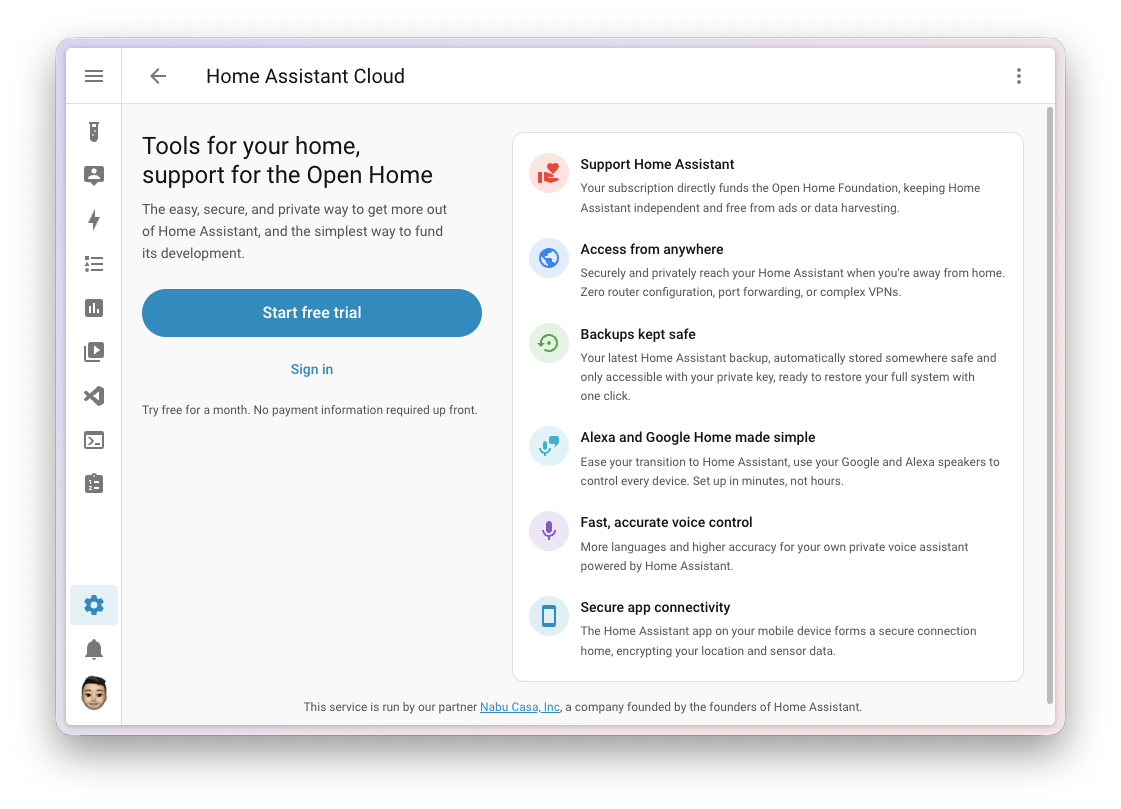
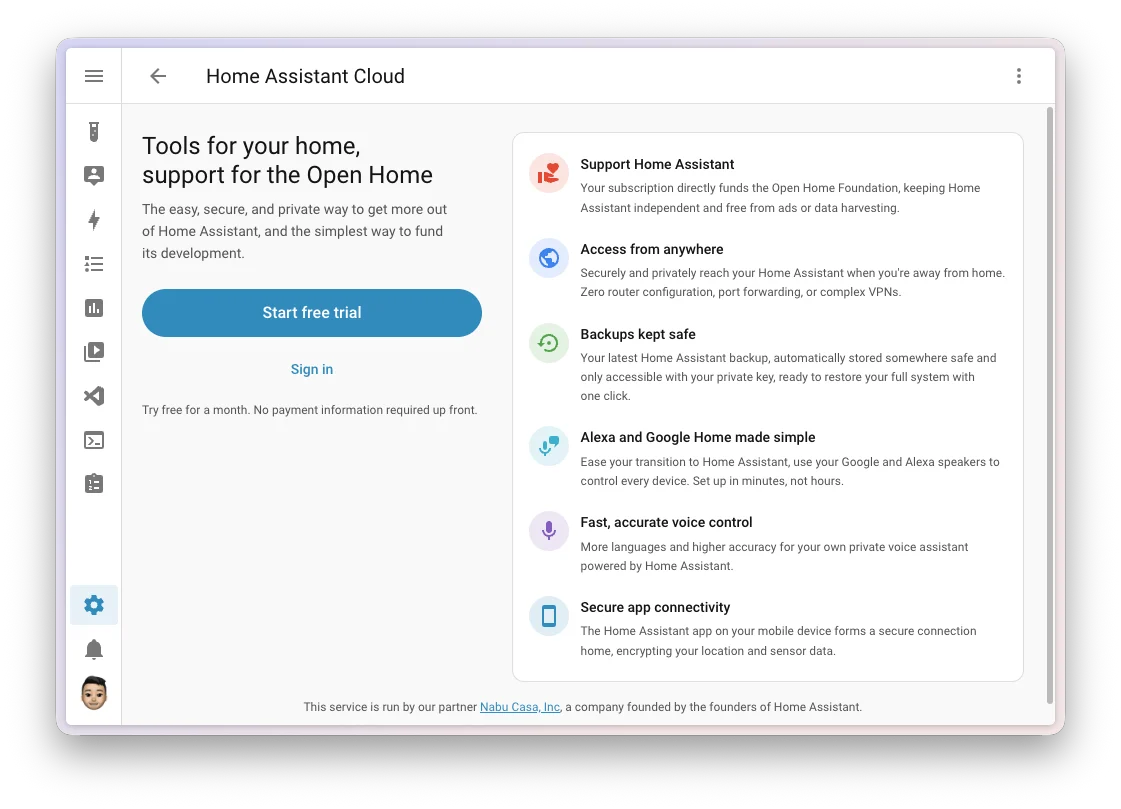
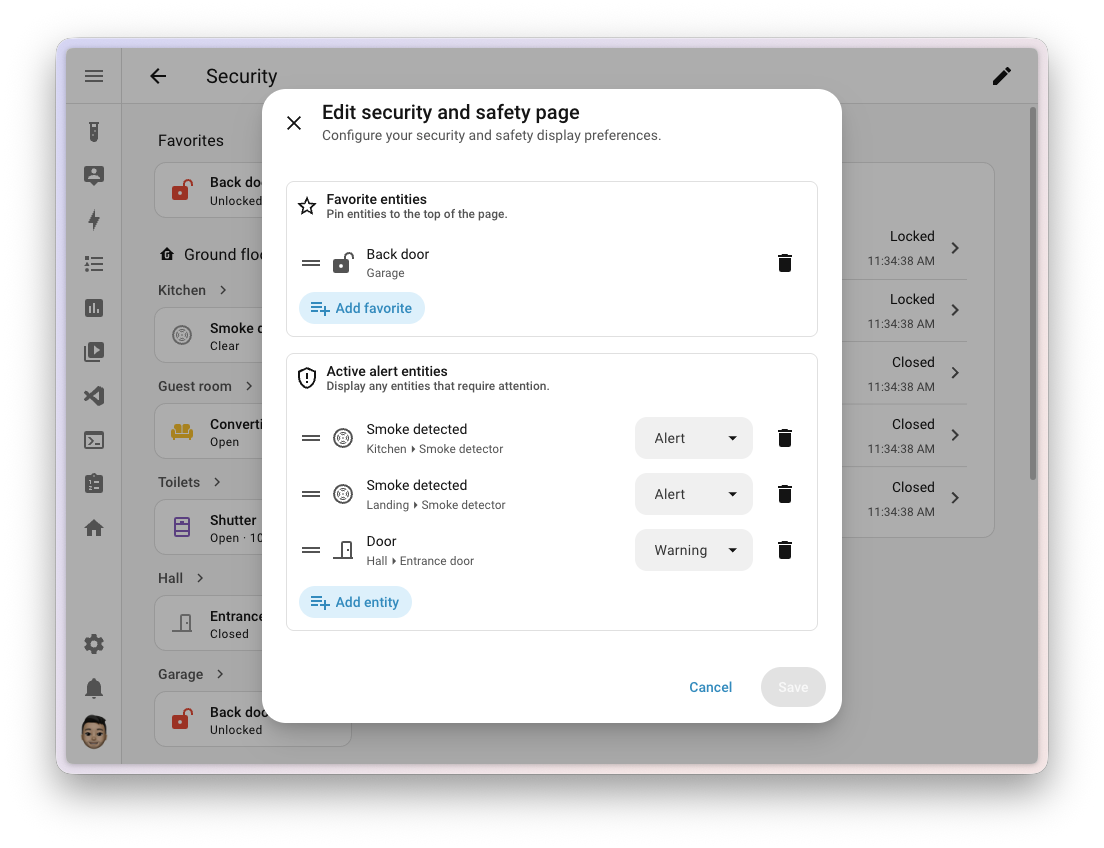
Additionally, the release incorporates a redesigned Home Assistant Cloud subscription sign-up flow, an advanced cloud-based voice processing engine tailored for non-English speakers and noisy environments, and enhanced security dashboard features, including active alert classifications and favorite entity pinning.
Chronology and Development Background
The development of the 2026.9 release followed Home Assistant’s established monthly deployment schedule, building directly upon features introduced in the preceding 2026.7 and 2026.8 versions. The groundwork for several core features in this release began months prior through open discussions hosted by the Open Home Foundation.
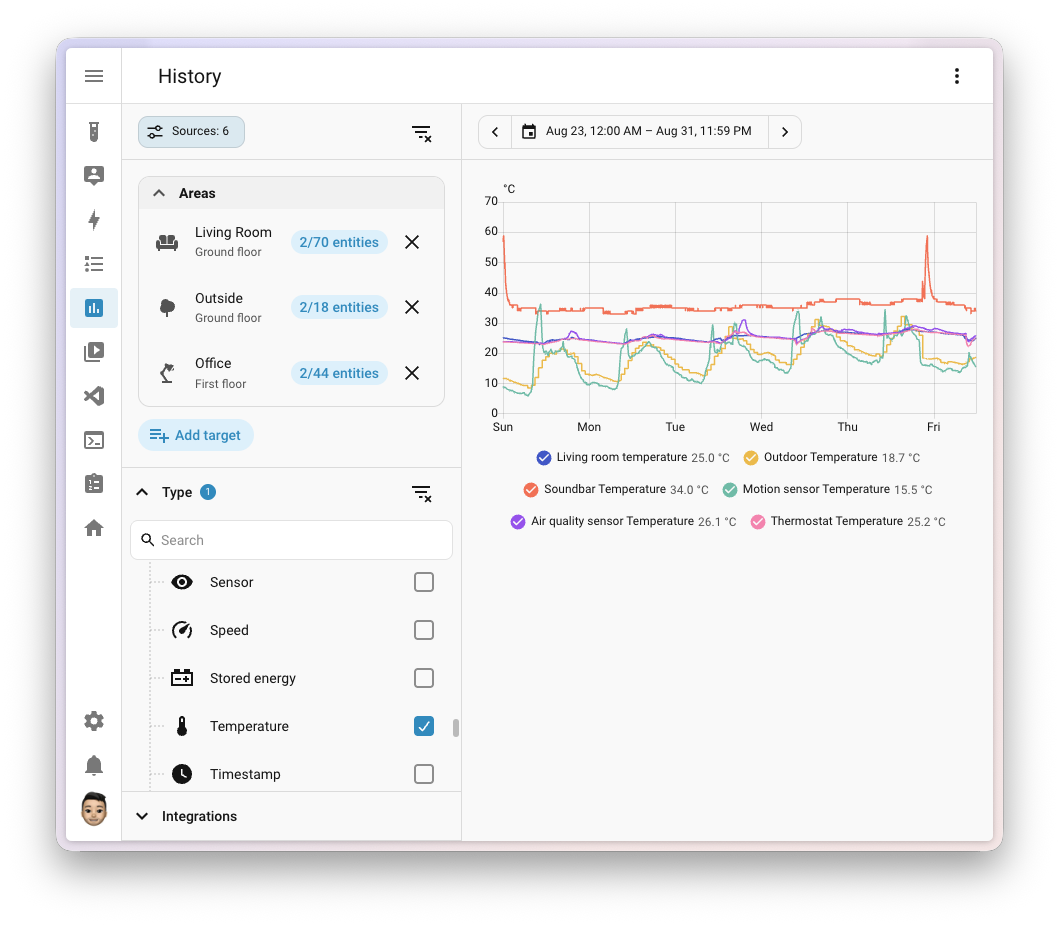
For instance, the modernization of Modbus stems from architectural roadmap initiatives driven by platform founder Paulus Schouteten and developer wlcrs, who implemented the fully typed tmodbus underlying library. Similarly, the structural alignment of the History and Activity panels reflects ongoing UX design harmonization discussed publicly by the foundation earlier in the year.
As part of its ongoing public outreach, the Open Home Foundation timed the release to coincide with its physical presence at the IFA Berlin 2026 consumer electronics exposition, held from September 4 through September 8, 2026. Developers and core team members utilized the convention to engage directly with the European smart home community at Hall 1.2, stand 1.2-153.
Supporting Data and Technical Improvements
The 2026.9 update includes 13 new native integrations, alongside numerous quality scale advancements and user interface transitions. Technical highlights span several key system domains:
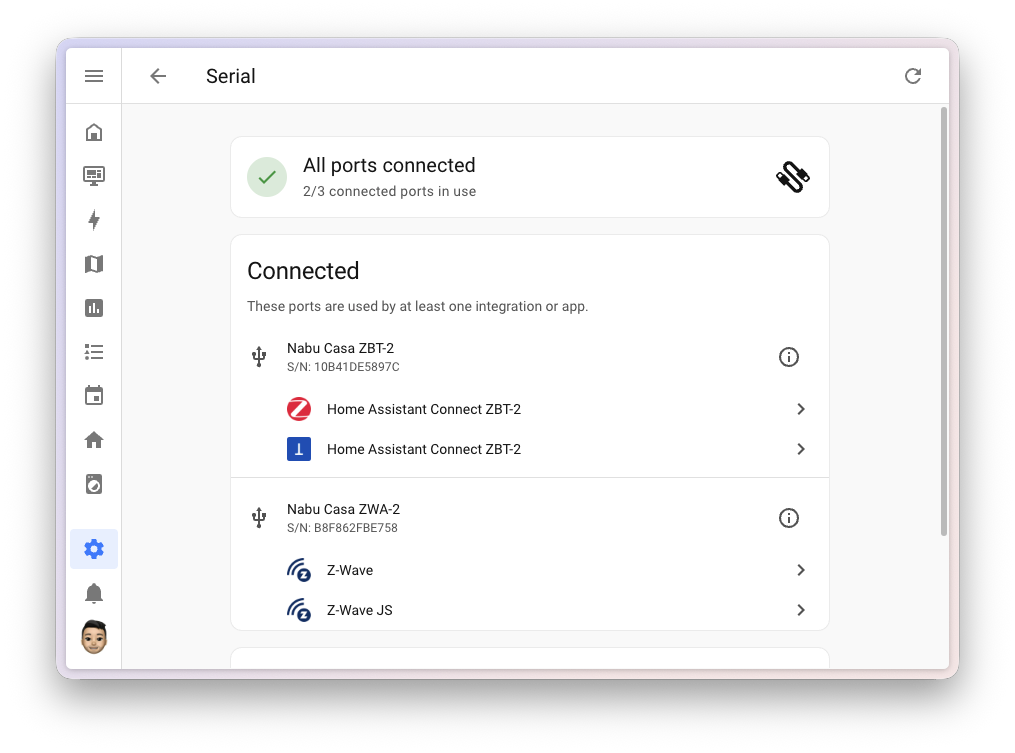
Modbus Modernization: Historically, integrating Modbus hardware required manual configuration via YAML files. Version 2026.9 introduces UI-driven auto-discovery and connection sharing for supported devices via the standalone modbus-connection library. Initial integrations benefiting from this include Fronius (adding comprehensive per-string solar telemetry via Modbus TCP SunSpec), Sofar Inverter Modbus, and Flexit.
Voice Processing Labs: Home Assistant Cloud subscribers can now opt into testing a next-generation speech-to-text engine powered by Soniox via the system’s Labs settings. The system specifically targets recognition improvements for regional accents, multi-lingual households, and high-noise environments while maintaining strict local privacy guarantees.
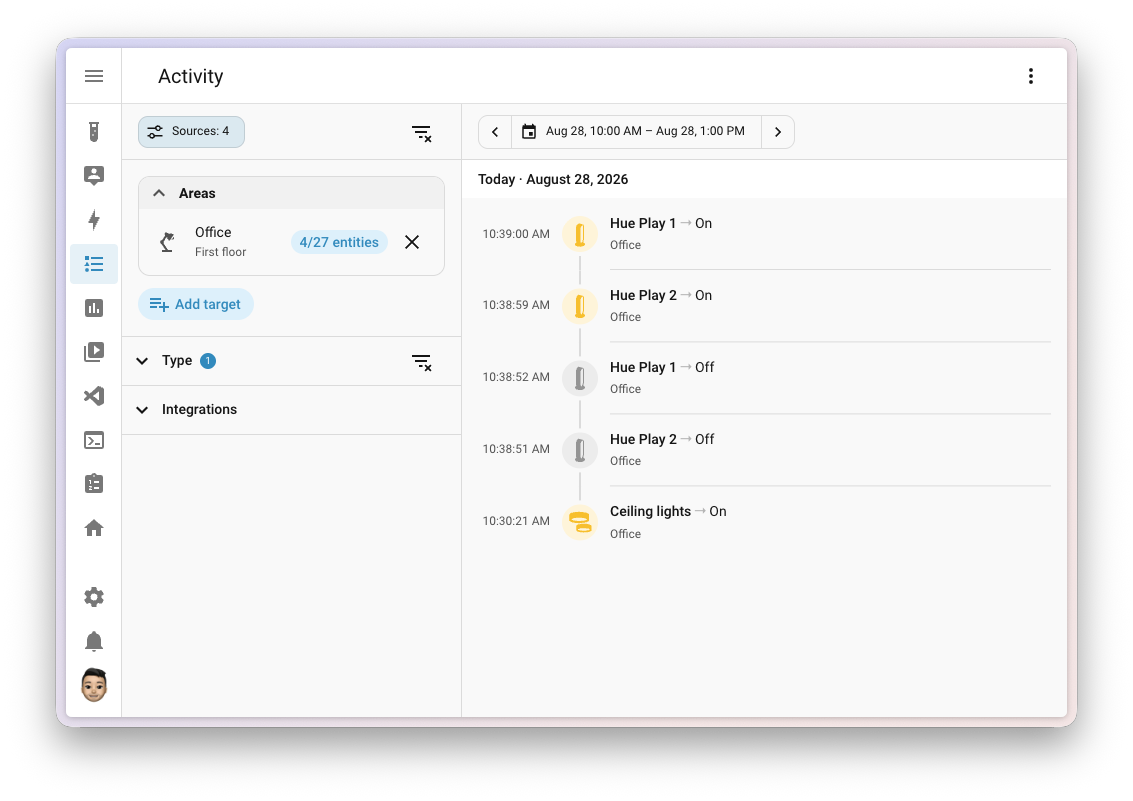
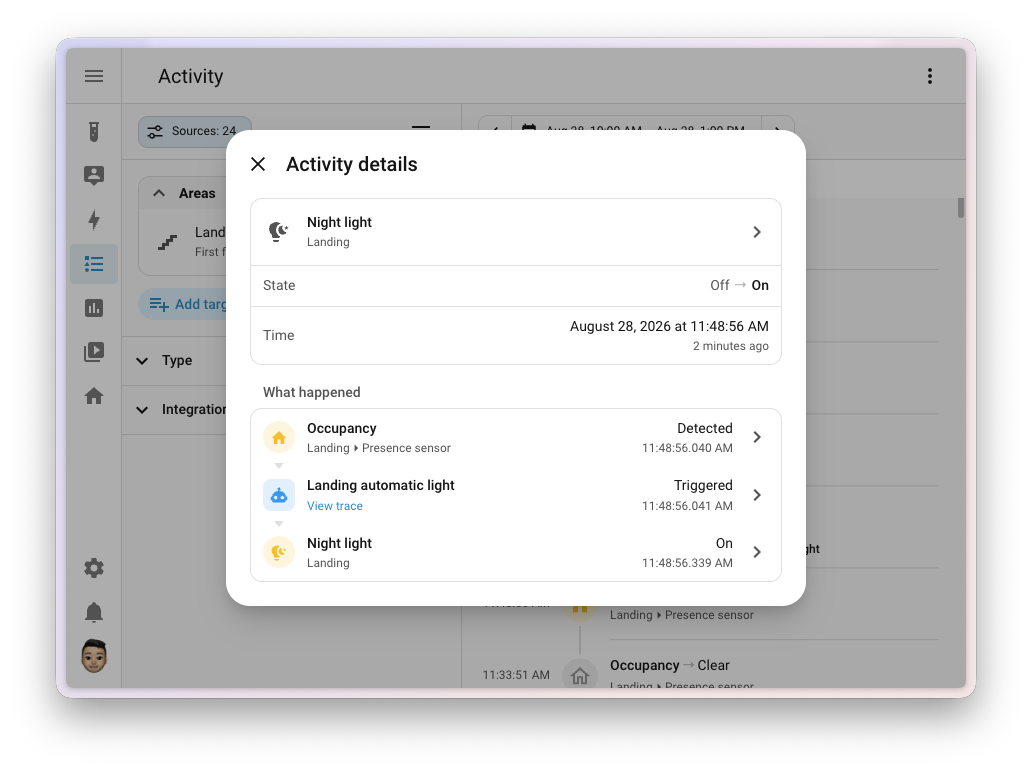
Security and Activity Dashboards: The built-in Security dashboard now features an Active Alerts section capable of distinguishing between high-priority warnings (such as smoke alarms) and standard notifications (such as open doors), alongside a Favorites pin utility. Furthermore, the Activity log has been upgraded to provide detailed execution chains, allowing users to trace state changes back through the specific automations, scripts, or triggers responsible for them, complete with millisecond-level timestamps.
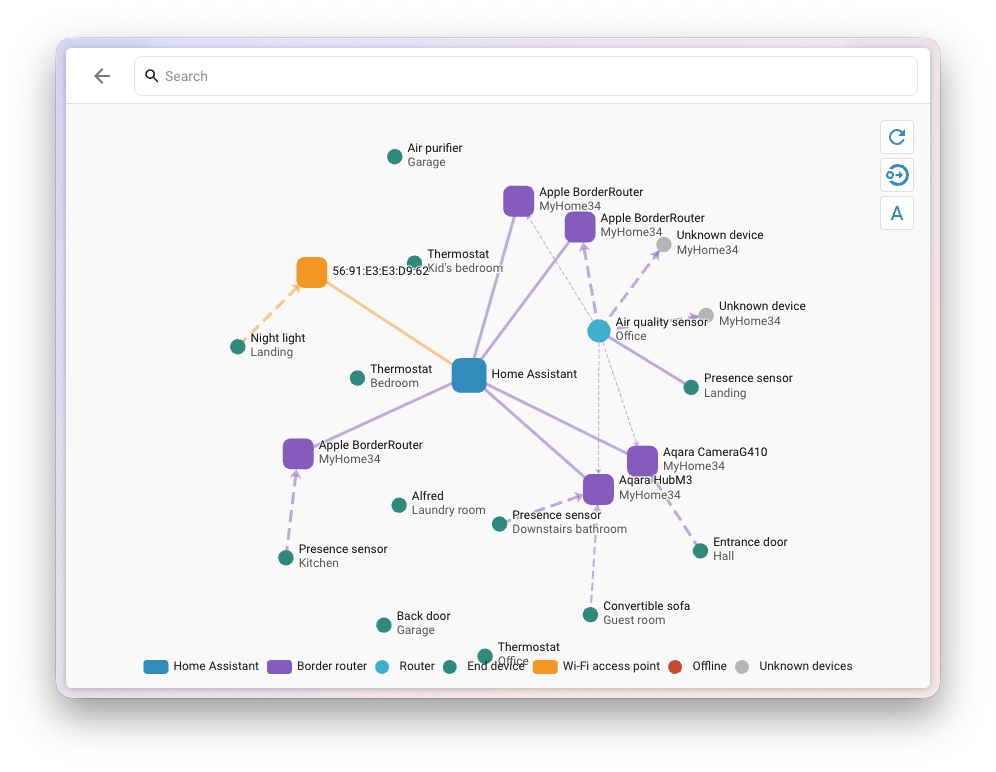
Matter Network Mapping: Expanding parity with existing protocols like Zigbee and Z-Wave, the Matter panel now features an integrated network graph. This map visually represents Thread border routers, Wi-Fi access points, and end devices, detailing signal strength and transport pathways.
Accessibility Advancements: Charts within the platform—including line graphs, bar charts, and the Energy dashboard breakdown—are now fully navigable via keyboard and screen readers. In an innovative accessibility feature, navigating charts generates a localized audio tone representing numerical data trends, providing auditory feedback on overall curve shapes.
Official Responses and Community Collaboration
The release notes explicitly acknowledge the collective contributions of the global developer community. Special commendation was extended to community members @googanhiem and @piitaya for drafting the release documentation, alongside @Diegorro98, @jan-tdy, @RaHehl, and @farmio for content refinement.
Commercial partner Nabu Casa, which manages Home Assistant Cloud, emphasized that subscription revenues continue to directly fund the Open Home Foundation’s full-time engineering staff. Company representatives reiterated that subscription funding ensures the platform remains independent, ad-free, and unreliant on data-harvesting business models.
Broader Impact and Implications
The introduction of UI-supported Modbus configuration represents a pivotal shift for the home energy sector. As residential solar arrays, battery storage units, and heat pumps increasingly adopt Modbus communication standards, lowering the technical barrier to entry is expected to accelerate adoption among non-technical homeowners seeking energy independence and grid monitoring.
Furthermore, the implementation of keyboard and audio-based chart accessibility sets a new standard for open-source home automation software, aligning smart home interfaces with rigorous digital accessibility guidelines typically absent in consumer IoT ecosystems.
Backward-Incompatible Changes and Patch Schedule
As with previous iterations, the transition to 2026.9 involves minor breaking changes for advanced users and developers. Notable adjustments include the deprecation of the Flexit Nordic fireplace mode switch in favor of standard climate preset actions, the requirement of administrator credentials to manage update entities and Z-Wave lock users, and the domain-prefixing of LLM tool names.
The core development team has committed to a regular patch release cycle throughout September 2026—targeting weekly updates on Fridays (specifically 2026.9.1 through 2026.9.4) to rapidly address reported bugs and stabilize newly deployed features.