This abrupt restructuring marks a significant downturn for one of the most respected independent studios in the modern gaming landscape. The announcement, delivered by studio founder Alx Preston via a LinkedIn post, details the immediate cessation of operations for the vast majority of the team following the withdrawal of critical financial support from an undisclosed industry partner.
The Collapse of a Financial Lifeline
The core of the crisis stems from the sudden termination of a development agreement for an unannounced title. In the precarious world of independent game development, studios often rely on milestone-based funding from publishers to cover payroll, rent, and operational costs. When such a deal dissolves, the impact is often immediate and catastrophic.
"I have very difficult news today," Preston wrote. "We had been working on an unannounced title, funded by a publisher. This week, they decided to no longer move forward with it. Without this key income for the studio, any other immediate prospects or other funds, nearly everyone at the studio had to be laid off."
The decision leaves Heart Machine in a state of operational limbo. While Preston expressed a desire to find a path forward, he was transparent regarding the uncertainty surrounding the studio’s future, noting that he is currently unsure how, or if, the company can survive this latest blow.
A History of Innovation and Instability
To understand the gravity of this situation, it is necessary to examine the studio’s trajectory. Founded by Alx Preston, Heart Machine rose to prominence on the back of its 2016 breakout hit, Hyper Light Drifter. The game was hailed as a masterpiece of 2D action-adventure, characterized by its striking neon-drenched art style, challenging gameplay, and a deeply personal narrative inspired by Preston’s own health struggles. It set a high bar for independent developers, proving that small teams could create world-class experiences that resonated with millions.
However, the years following the success of Hyper Light Drifter have been marked by increasing instability. In 2021, the studio released Solar Ash, a 3D platformer that attempted to translate the studio’s signature aesthetic into a larger, more ambitious space. While visually stunning, it did not reach the same critical or commercial heights as its predecessor.
The studio’s challenges became more apparent in 2024. Heart Machine found itself navigating a turbulent industry environment, which culminated in the decision to halt the development of Hyper Light Breaker while it was still in its Early Access phase. This move was accompanied by a previous round of layoffs, signaling that the studio was already under significant financial pressure before the most recent project cancellation.
The Possessor(s) Context
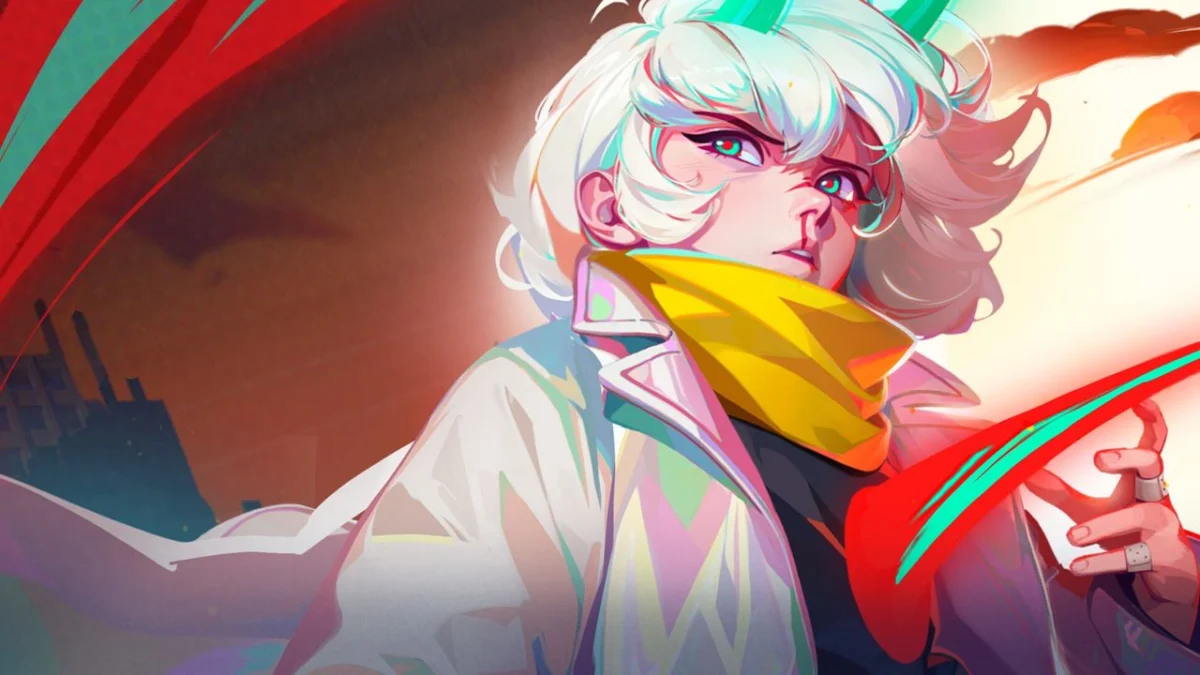
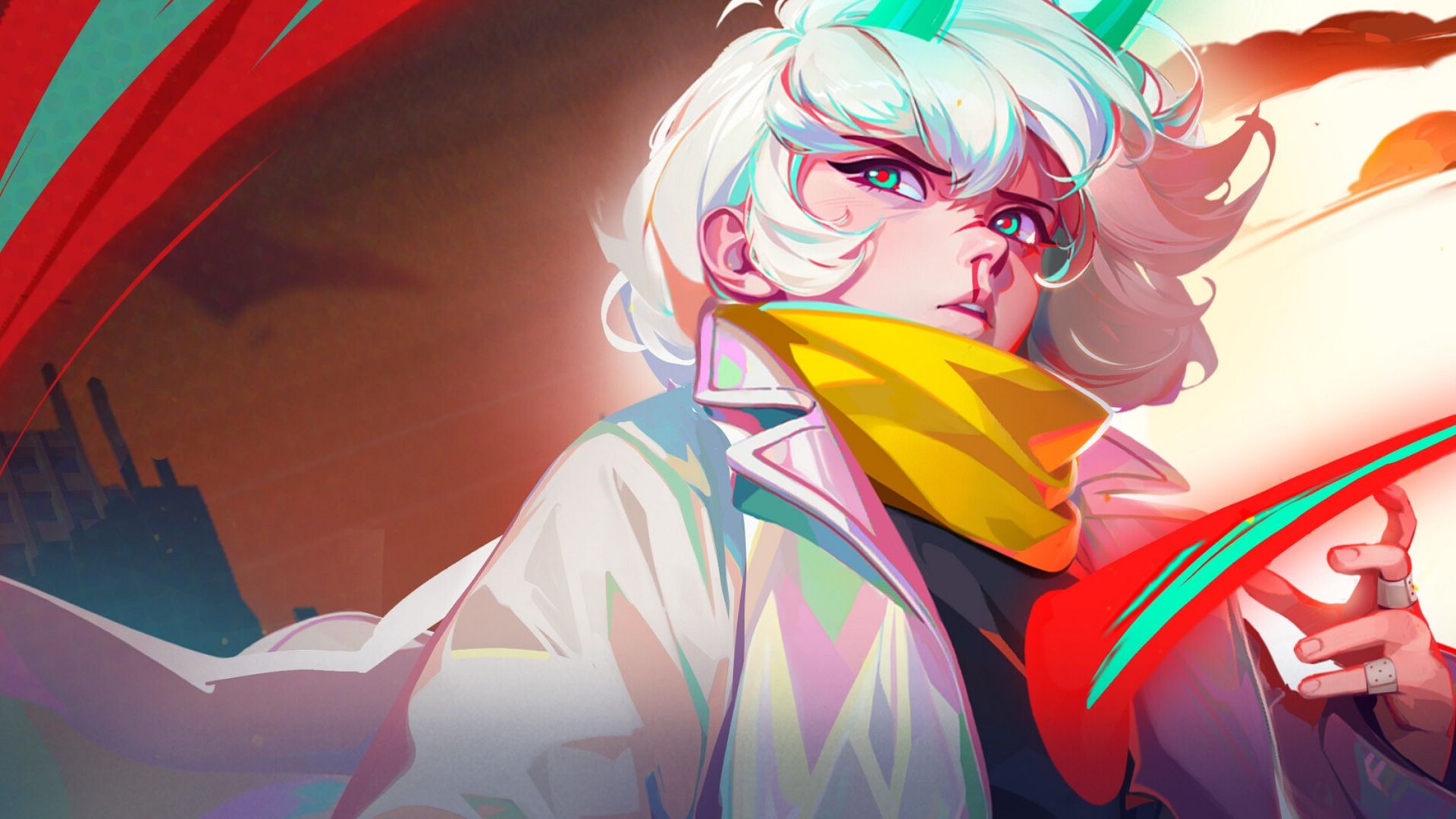
Following the setbacks with Hyper Light Breaker, the studio pivoted to the release of the action-platformer Possessor(s). While the game earned "mostly positive" reviews from the core gaming community on Steam, its commercial performance was limited. The title failed to reach the wide audience necessary to sustain a studio of Heart Machine’s size in an increasingly competitive market. The lack of significant commercial traction for Possessor(s) likely left the studio with little financial buffer, making them entirely dependent on the now-defunct publisher deal for their next project.
Broader Implications for Independent Studios
The situation at Heart Machine is not an isolated incident; it is part of a broader trend of "publisher volatility" that has been plaguing the games industry since 2023. Throughout the last 24 months, the industry has seen a wave of layoffs, studio closures, and cancelled projects that have affected companies of all sizes, from AAA giants like Electronic Arts and Sony to smaller independent teams.
The industry is currently facing a "funding crunch." After a period of rapid expansion during the pandemic years, many publishers are now tightening their budgets, reassessing their portfolios, and cancelling projects that do not show immediate signs of becoming "blockbuster" hits. For studios like Heart Machine, this creates a volatile environment where the failure of a single contract can lead to the total dissolution of a team.
Industry analysts point to several factors driving this instability:
- Rising Development Costs: As production values for high-quality indie titles increase, the "runway" required to reach launch grows longer and more expensive.
- Publisher Risk Aversion: Faced with economic headwinds, publishers are becoming increasingly risk-averse, opting to kill projects rather than continue funding them through potentially lengthy development cycles.
- Market Saturation: The sheer volume of games being released daily on platforms like Steam makes it difficult for even high-quality projects to achieve the visibility required for commercial viability.
Support and Future Outlook
In the wake of the layoffs, Alx Preston has shifted his focus toward supporting the affected staff. "Everyone will be provided with as much support as possible, including assisting with placement," he stated in his LinkedIn announcement. By leveraging his professional network, Preston is attempting to bridge the gap for his former employees, many of whom are highly skilled developers with experience in art, design, and technical engineering.
The gaming community has responded with an outpouring of support, with many industry peers and fans sharing the job posting and offering to assist in the transition. However, for the studio itself, the road ahead is uncertain. While Preston mentioned that the team will "keep pushing to find a path," the loss of nearly the entire staff suggests that any future iteration of Heart Machine would likely look fundamentally different from the entity that produced Hyper Light Drifter.
The Human Cost of Game Development
It is important to emphasize that behind the metrics of "publisher deals" and "commercial performance" are individual professionals whose careers are disrupted by these shifts. The closure of departments or the downsizing of studios carries a significant human cost, impacting the lives and livelihoods of those who dedicate years of their lives to crafting interactive art.
As the industry continues to consolidate, the story of Heart Machine serves as a poignant reminder of the fragility of the independent development model. Without consistent financial backing or the ability to self-fund through massive success, even studios with a proven track record of excellence are vulnerable to the whims of the market and the sudden decisions of their corporate partners.
For now, the future of the projects Heart Machine had in development remains unknown. Whether the studio can secure a new round of funding, pivot to a smaller scale, or if this marks the end of a legendary chapter in indie gaming remains to be seen. What is clear, however, is that the industry’s current economic climate is forcing a painful re-evaluation of how much risk independent studios can bear, and how much protection they require to survive the volatility of the modern gaming economy.