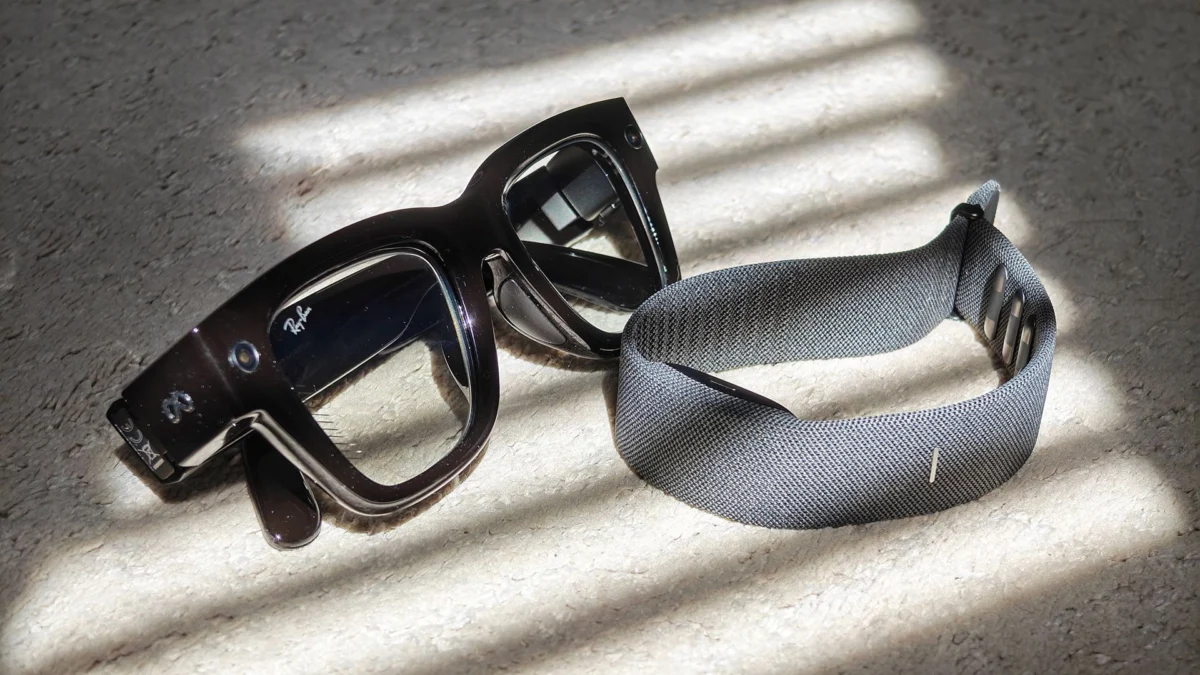
One year after their high-profile debut at Meta Connect, the Meta Ray-Ban Display smart glasses continue to occupy a unique and polarizing space within the consumer electronics market. Retailing at $799, these augmented reality (AR) wearables represent a critical evolutionary step between audio-only smart glasses and fully immersive mixed-reality headsets. Featuring a subtle, full-color monocular waveguide display developed in partnership with optics manufacturer Lumus, the glasses blend classic thick-framed Ray-Ban aesthetics with cutting-edge micro-optics.

However, despite a rigorous schedule of software updates and the inclusion of an innovative Neural gesture band, a comprehensive twelve-month evaluation reveals that the hardware’s potential remains constrained by a limited application ecosystem and the inherent challenges of monocular viewing.
The Evolution of Meta’s Wearables Strategy: From Orion to Consumer Shelves
The journey toward the Meta Ray-Ban Display glasses began long before their public unveiling. Two years prior to their commercial release, industry analysts and select tech journalists were given hands-on demonstrations of Meta’s heavily guarded "Orion" prototype. Orion showcased a visionary blueprint for true holographic AR, but the engineering complexity and prohibitive manufacturing costs made a consumer-ready rollout impossible at the time.
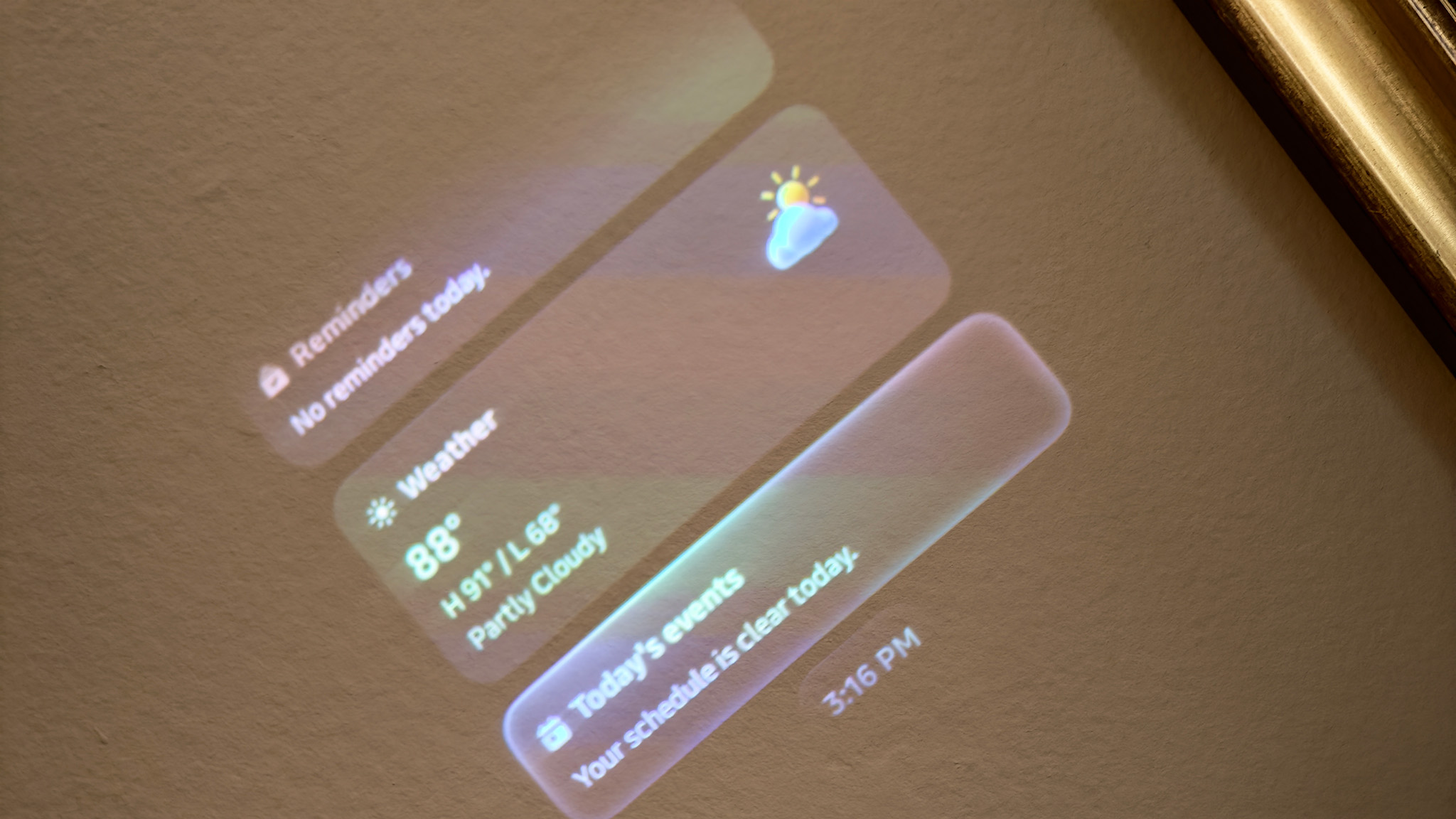
Recognizing the need for a commercially viable stepping stone, Meta pivoted toward a hybrid approach. At the September Meta Connect conference, the company introduced the Ray-Ban Display glasses. By integrating a single, full-color display exclusively into the right lens, engineers successfully mitigated excessive weight gain and battery drain—two historical bottlenecks that have plagued head-mounted wearables.
Unlike competing devices such as the Even Realities G2 or the MemoMind One, which have faced persistent challenges regarding optical warping and external light bleed, Meta’s waveguide implementation prioritizes privacy and structural clarity. According to technical insights provided by Lumus, the optical architecture ensures that light remains trapped within the lens, preventing bystanders from viewing on-screen content even at close range.
Hardware Architecture and the Neural Band Interface
Priced at $799 and distributed through major retail partners like Best Buy, the Meta Ray-Ban Display glasses require careful logistical planning at the point of purchase. Because the specialized optical lenses cannot be easily swapped out post-sale, consumers requiring vision correction must submit precise prescriptions during the initial ordering process.
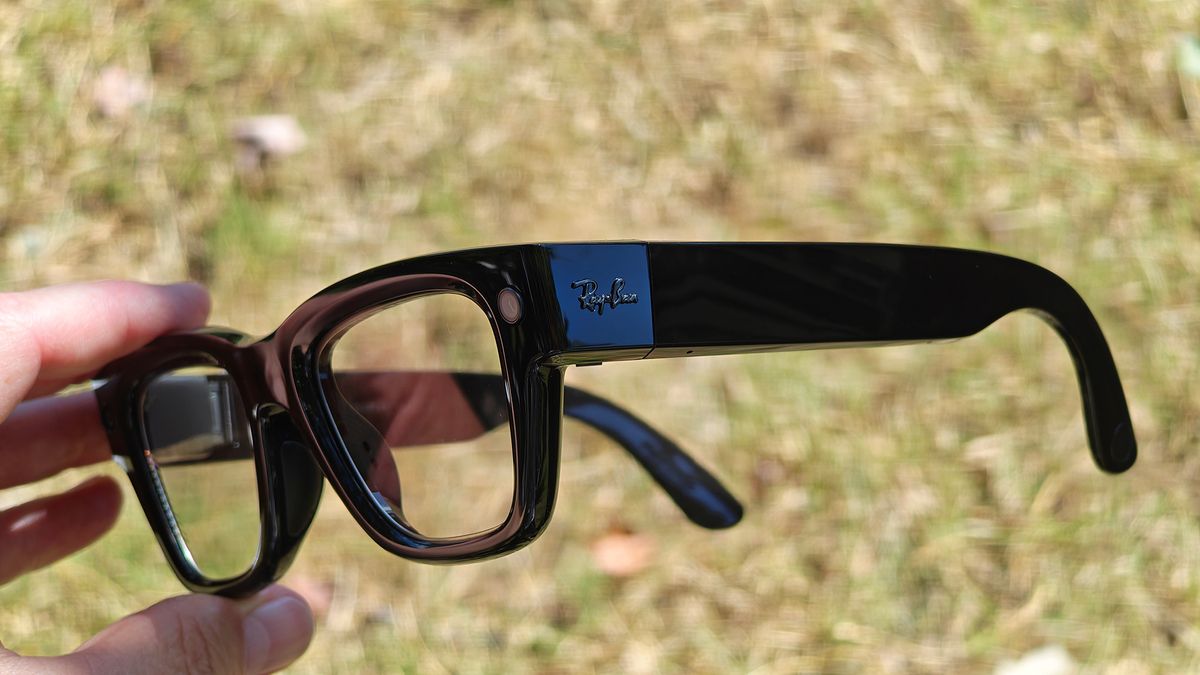
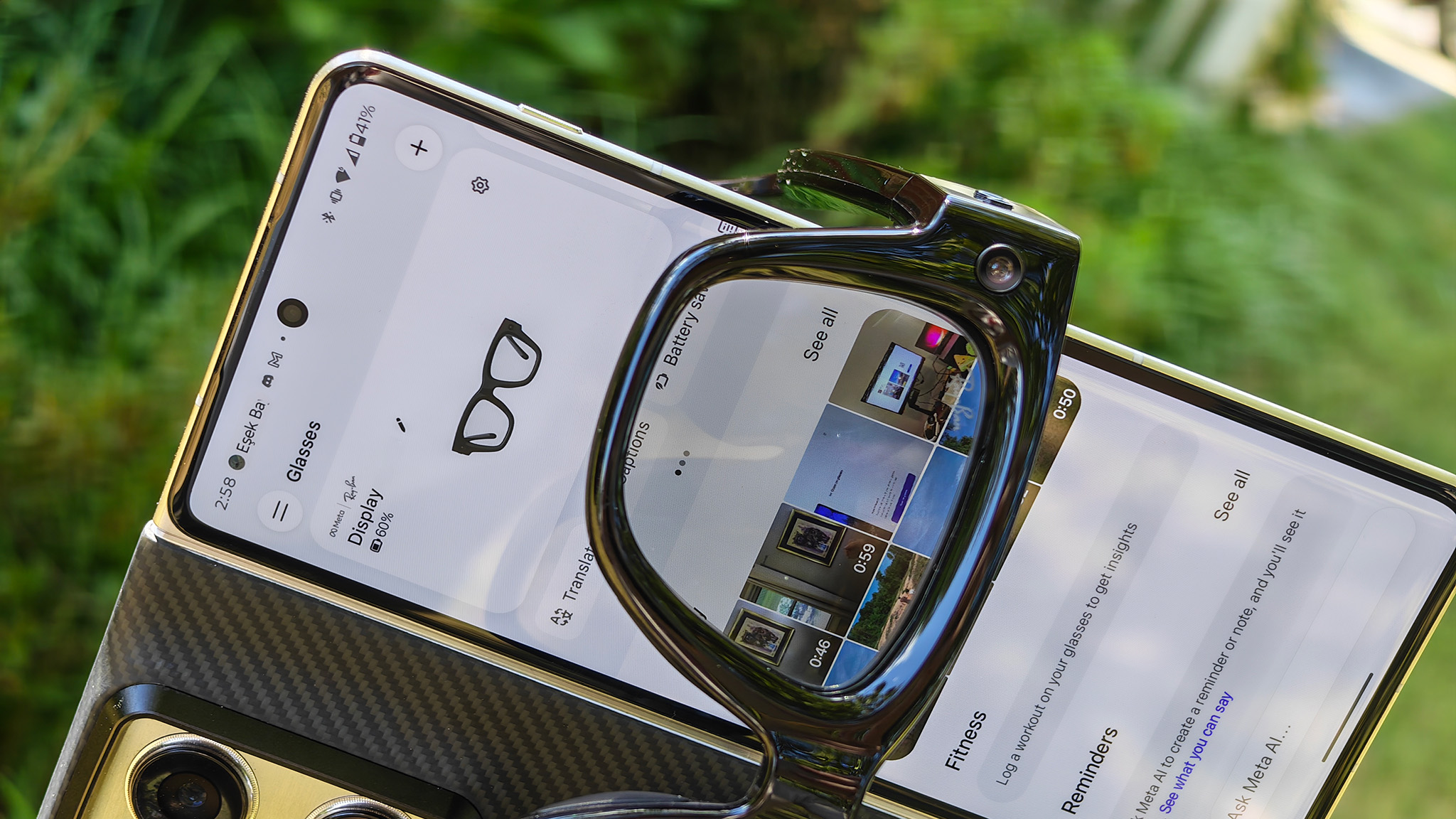
The physical hardware builds upon the foundational success of the previous non-display Ray-Ban Meta Generation 2 glasses. They retain high-fidelity open-ear speakers, a robust microphone array, and an exceptional camera system. However, the inclusion of a visual viewfinder allows users to execute digital zoom capabilities and frame shots with absolute precision—features previously absent in audio-only iterations.
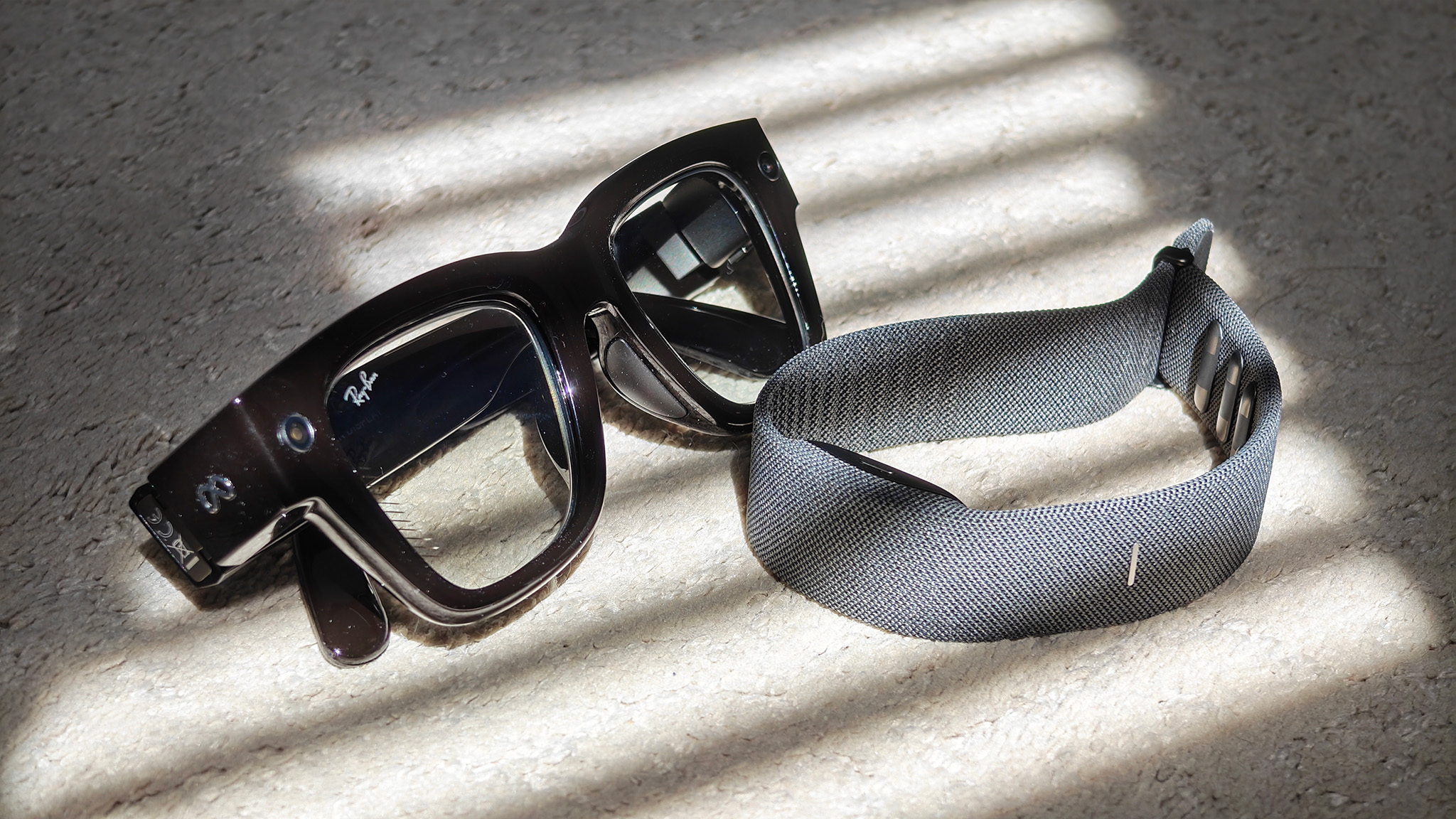
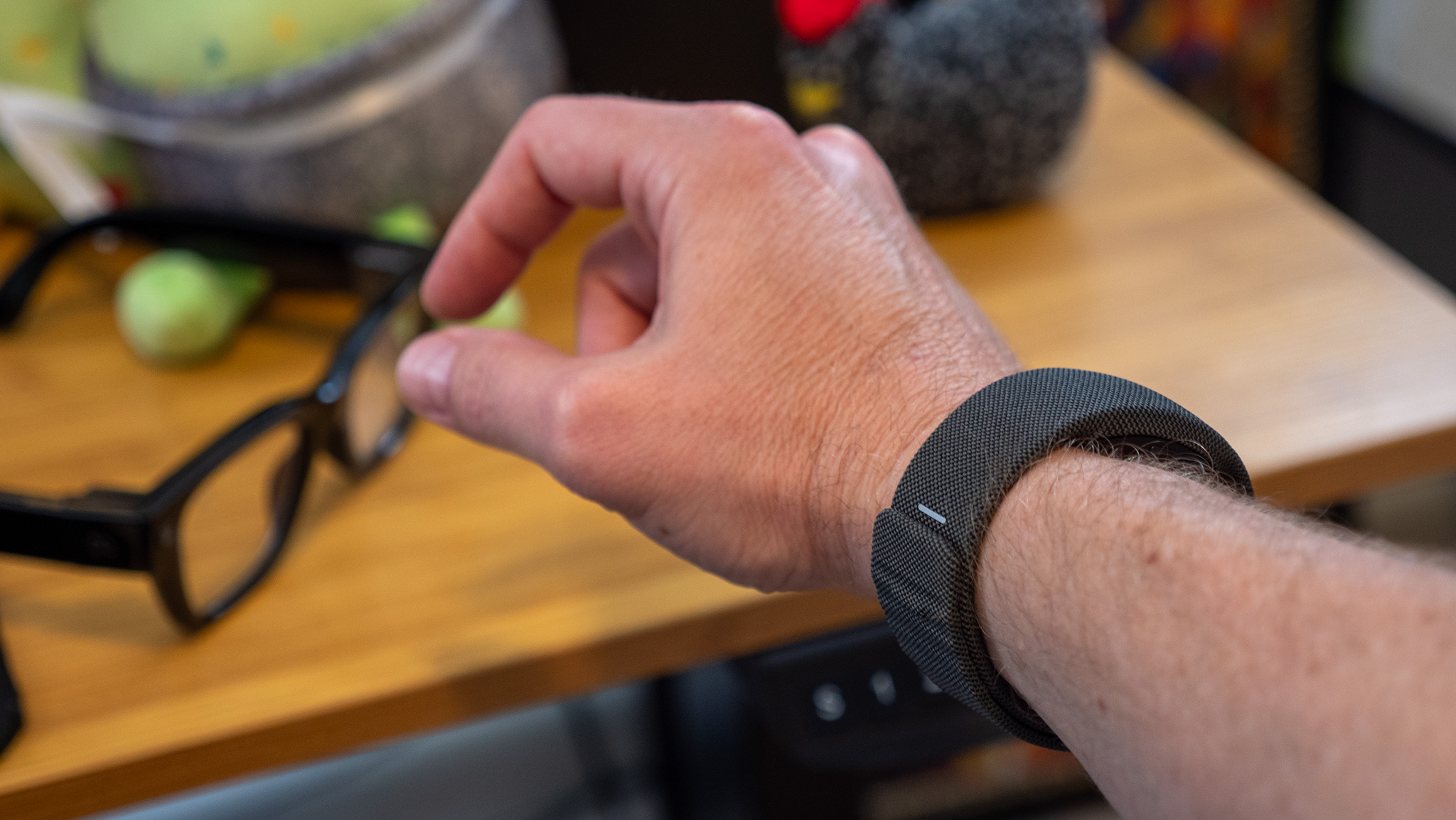
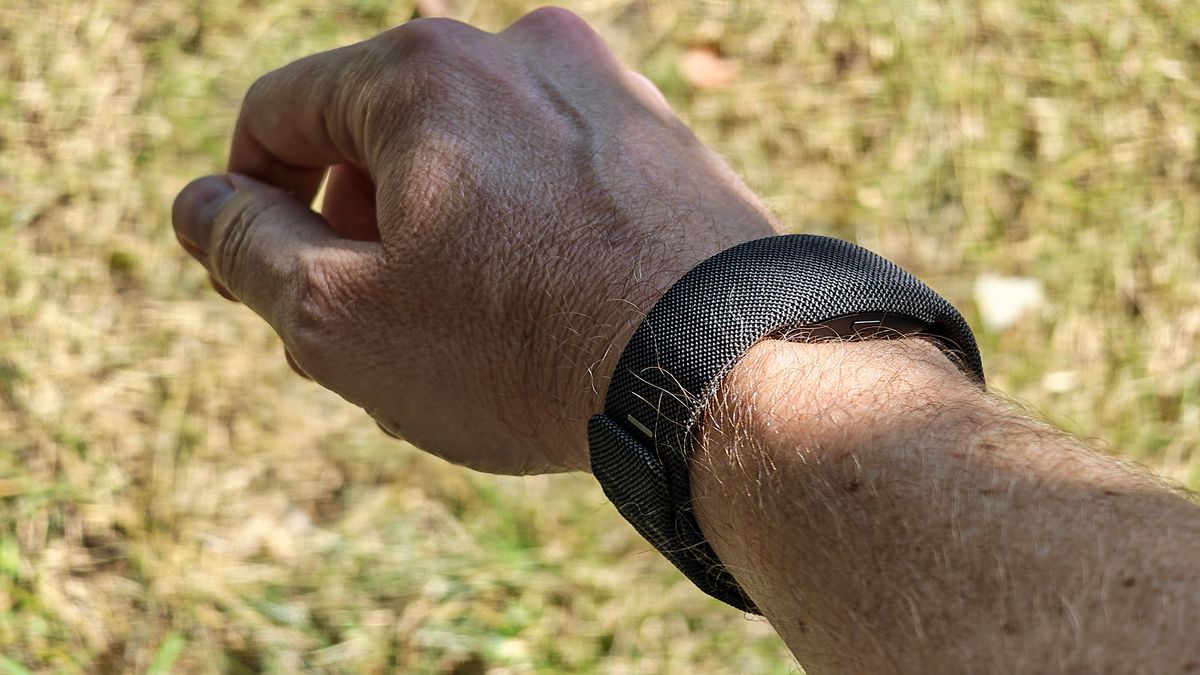
Interaction with the device’s floating user interface is managed primarily through the bundled Neural gesture band. Utilizing electromyography (EMG) sensors, the cloth wristband interprets electrical signals and subtle muscle movements in the forearm. This method allows users to navigate menus, respond to text messages via virtual handwriting recognition, and adjust settings using imperceptible gestures, such as turning an invisible volume knob or tapping fingers together against a knee or pocket.
While the Neural Band has been universally praised for its responsiveness, ergonomic comfort, and tactile haptic feedback, it introduces a secondary maintenance requirement. Users must manage an additional charging routine, relying on a proprietary charging puck that, if misplaced, temporarily renders the smart glasses completely inoperable.
Software Maturation and the Developer Dilemma
At launch, the Meta Ray-Ban Display glasses functioned largely as a beta-stage product, lacking several high-profile software promises demonstrated during keynote presentations, including the much-anticipated handwriting recognition suite. Over the course of the subsequent twelve months, Meta aggressively deployed firmware updates, incorporating all initially promised features alongside expanded third-party fitness integrations with platforms like Garmin and Strava, alongside deep hooks into Meta ecosystem mainstays such as Instagram and WhatsApp.
Despite these software advancements, a critical bottleneck has emerged: application development and ecosystem adoption.
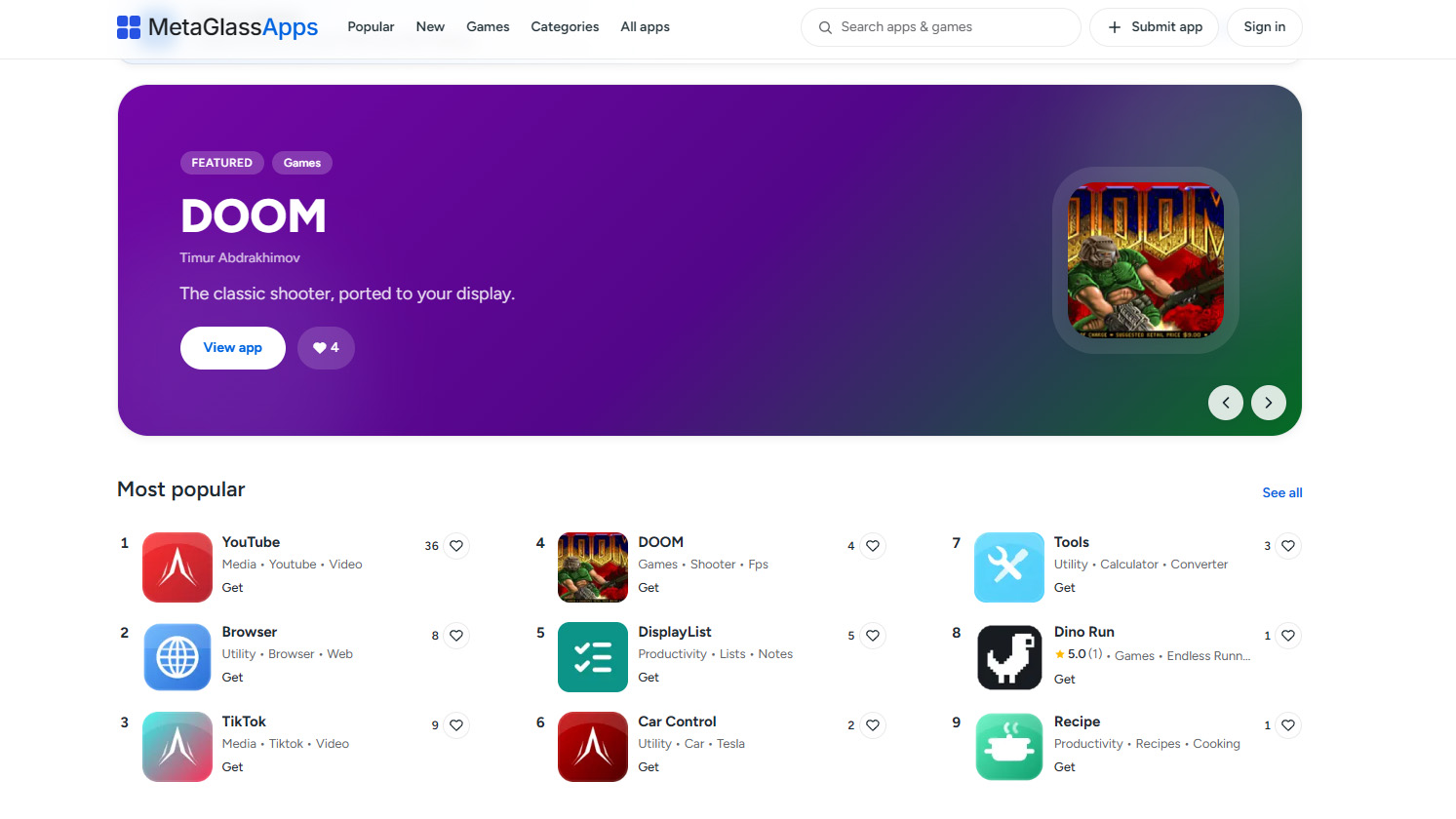
As of late, the dedicated Meta Glasses Apps registry features a modest selection of only 26 native third-party applications. Discoverable via a beta UI panel within the companion Meta AI smartphone application and accessible through dedicated developer landing portals, the current catalog highlights a familiar challenge for Meta. Industry observers note that Meta is encountering the same developer hesitancy in securing localized 2D applications for its smart glasses platform that it previously faced while trying to populate the Meta Quest virtual reality app store relative to competitors like the Apple Vision Pro.
Ergonomic Realities and Visual Fatigue
Field testing across diverse environments yields a nuanced assessment of daily usability. The monocular display achieves exceptional peak brightness, ensuring clear legibility even under harsh, direct sunlight. Reading notifications, previewing navigation cues, managing audio playback, and capturing media prove exceptionally intuitive through the integrated lens.
Conversely, extended consumption of complex visual media—such as scrolling through image-heavy Instagram feeds or watching video content—highlights the primary drawback of monocular display systems. Relying solely on the right eye to process digital information while the left eye processes natural ambient light can induce visual fatigue during prolonged usage sessions.
Market Implications and Industry Outlook
The broader implications of the Meta Ray-Ban Display glasses point to a transitional phase for the wearable technology sector. Market analysts view the device not as a mass-market essential for the average consumer, but rather as an advanced engineering proof-of-concept.
At a price point double that of standard, non-display AI smart glasses, the Ray-Ban Display model demands a significant financial commitment for features that currently appeal primarily to early adopters, technology enthusiasts, and enterprise professionals seeking hands-free operational tools.
Ultimately, Meta has successfully established a formidable hardware template. Future iterations are widely expected to feature lighter form factors, expanded dual-lens waveguide configurations, improved battery efficiencies, and a broader application library. For the present, however, the Meta Ray-Ban Display smart glasses remain an impressive glimpse into the future of augmented reality, tempered by the realities of first-generation ecosystem constraints.