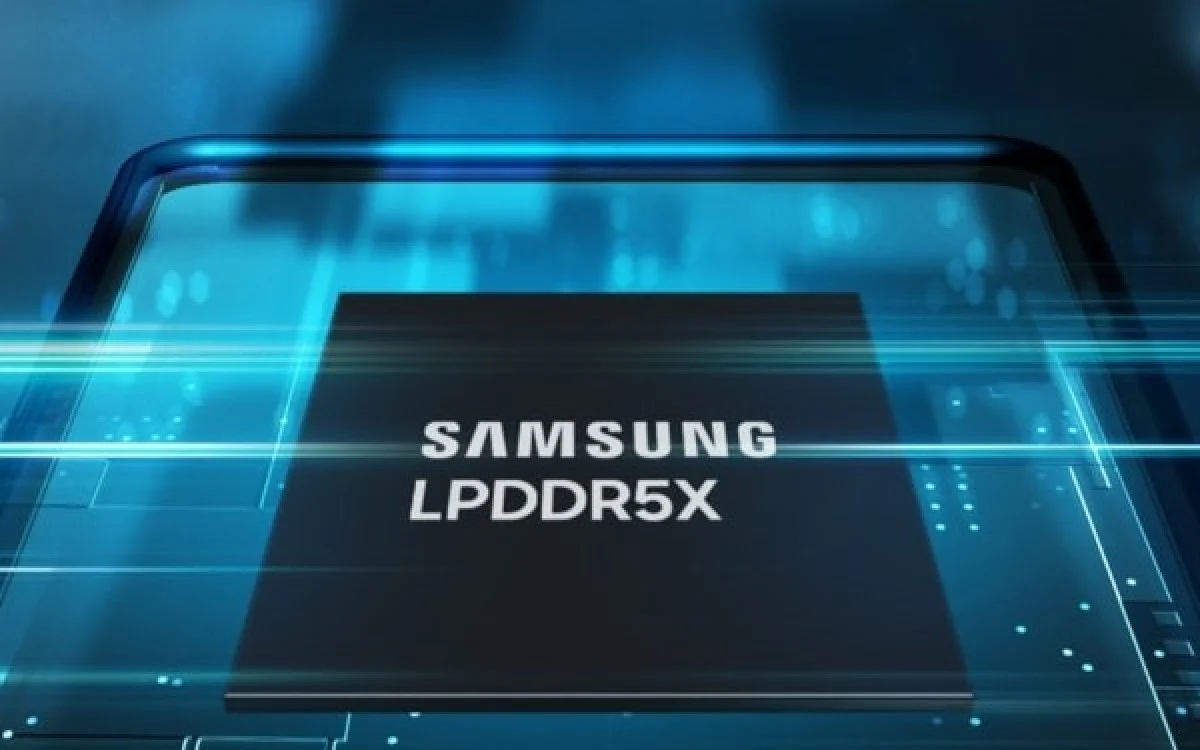
The global semiconductor landscape is undergoing a profound structural shift as the relentless surge in demand for artificial intelligence (AI) infrastructure forces industry leaders to reconsider their manufacturing priorities. Samsung Electronics, the world’s largest memory chip manufacturer, is reportedly embarking on a strategic pivot that involves outsourcing its conventional Dynamic Random Access Memory (DRAM) production to third-party partners. This move is designed to liberate internal manufacturing capacity, allowing the South Korean technology giant to concentrate its resources on High Bandwidth Memory (HBM)—a specialized, high-margin component that has become the bedrock of modern AI accelerators, such as those produced by NVIDIA and AMD.
The Strategic Pivot: Reallocating Internal Capacity
For decades, Samsung has maintained a vertical integration model, manufacturing the vast majority of its memory products in-house. However, the current landscape of the tech industry, dominated by the generative AI gold rush, has created a severe supply-demand imbalance. HBM, which stacks DRAM dies vertically to achieve higher bandwidth and lower power consumption, requires significantly more complex manufacturing processes and clean-room space than standard DDR5 memory.
According to industry insiders familiar with the company’s internal roadmaps, Samsung is currently engaged in advanced negotiations with several contract manufacturing partners, including India-based Dreamtech, Hanyang Digitech in Vietnam, and the Philippines-based SFA Semicon. By transitioning the production of standard DDR5 modules to these outsourced facilities, Samsung aims to convert its existing internal lines—formerly dedicated to mass-market DRAM—into high-capacity hubs for HBM3E and future iterations of memory required for AI training and inference.
Chronology of the Semiconductor Shift
The current transition represents the culmination of a multi-year shift in the semiconductor market:
- 2022: The emergence of generative AI models like ChatGPT creates an unprecedented demand for GPU computing power, which in turn necessitates a massive increase in HBM supply.
- 2023: Samsung and its primary domestic rival, SK Hynix, begin a fierce competition to secure supply contracts for high-end AI chips. SK Hynix establishes an early lead, becoming the primary supplier of HBM for NVIDIA’s flagship H100 and Blackwell GPUs.
- Early 2024: Samsung realizes that its current production constraints are hindering its ability to catch up to SK Hynix. Management begins exploring the "fab-lite" model, moving away from total in-house production.
- Mid-2024: Negotiations intensify with partners like SFA Semicon and Hanyang Digitech to accelerate the transfer of DDR5 production, signaling a major policy shift.
Supporting Data: The Economics of HBM
The financial imperative for this shift is clear. While standard DDR5 memory is a commodity product subject to cyclical price fluctuations and thin profit margins, HBM is a premium product. Reports indicate that HBM chips can command prices five to seven times higher than traditional DRAM per gigabyte.
Furthermore, the CAGR (Compound Annual Growth Rate) for the HBM market is projected to exceed 40% through 2027. For a company like Samsung, which reported volatility in its semiconductor division due to sluggish smartphone and consumer electronics sales, focusing on HBM is not merely an option—it is a necessity for maintaining long-term profitability. By outsourcing the lower-margin DDR5 production, Samsung can effectively "de-risk" its balance sheet while maximizing the utility of its most advanced fabrication facilities.
Industry Implications and Market Volatility
The decision to shift production responsibilities to third-party partners carries significant implications for the broader memory market. DDR5, the current standard for high-performance computing, has already faced significant supply constraints since its introduction. If Samsung’s transition to outsourcing leads to even temporary disruptions in the supply chain, the global hardware market—which is already struggling with elevated prices for server components and enthusiast-grade PC hardware—could face further price hikes.
Industry analysts have noted that while the transition is logical, it is not without risk. Outsourcing requires rigorous quality control standards to ensure that third-party facilities maintain the same defect rates and thermal performance as Samsung’s flagship plants. If the outsourced DDR5 fails to meet enterprise-grade specifications, the reputation of Samsung’s module business could be compromised.
Reactions and Official Stance
While Samsung has not issued a formal press release detailing the specifics of the outsourcing plan, official statements from company leadership have consistently highlighted the "AI-first" strategy. In recent earnings calls, Samsung executives emphasized the need for "agile supply chain management" to meet the explosive demand from hyperscalers like Amazon, Google, and Microsoft.
Partners involved in the negotiations have remained largely silent, citing non-disclosure agreements. However, representatives from the manufacturing hubs in Southeast Asia and India have hinted at a massive increase in production volume requirements for the latter half of the year, confirming that the transition is well underway.
Fact-Based Analysis of the Long-term Outlook
The move to outsource DRAM production is a classic example of "focusing on core competencies." By shedding the logistical burden of manufacturing standard memory, Samsung is essentially betting its future on its ability to lead the HBM race.
- Supply Chain Diversification: Outsourcing helps Samsung hedge against geopolitical risks. By utilizing facilities in Vietnam, India, and the Philippines, the company reduces its dependence on purely domestic Korean production, which is susceptible to power grid issues or natural disasters.
- Technological Superiority: The capital saved from not building new, massive-scale DRAM facilities can be funneled directly into R&D for next-generation HBM, including HBM4 and beyond, which will be essential for the next generation of AI-centric hardware.
- Market Dominance: If this strategy succeeds, Samsung will be able to flood the market with HBM exactly when the AI hardware cycle reaches its zenith, potentially allowing them to reclaim the market share currently held by SK Hynix.
However, the "nightmare" scenario for consumers remains a reality. As manufacturers prioritize HBM, the availability of high-speed DDR5 modules for consumers and small-to-medium enterprise servers may continue to lag behind demand. This could extend the cycle of high prices for laptop upgrades and workstation builds throughout the next 18 to 24 months.
Conclusion: A New Era for Memory Manufacturing
The semiconductor industry is no longer characterized by the steady, predictable demand for PC and smartphone memory. It is now driven by the insatiable requirements of the data center. Samsung’s strategic pivot to outsource standard DRAM manufacturing is a definitive recognition that the old ways of doing business are insufficient for the AI era.
By leveraging the capabilities of partners like Dreamtech and SFA Semicon, Samsung is effectively transforming itself into a specialized foundry for the most advanced memory technology in the world. Whether this transition will be smooth or characterized by the supply chain bottlenecks that have plagued the sector since 2020 remains to be seen. What is certain, however, is that the balance of power in the memory market will be determined by whoever can scale HBM production the fastest, and Samsung is pulling every lever at its disposal to secure that leadership position. As the industry moves forward, the success of this transition will likely serve as a blueprint for other tech giants navigating the transition from commodity electronics to the high-stakes world of AI infrastructure.