OMA, Austria – July 22, 2026 – The outdoor industry’s leading innovators convened at the annual OMA Media Show this week, offering a compelling glimpse into the future of ultralight backpacking and hiking gear for the 2027 season. Gear editors from prominent publications, including Backpacker Magazine, were on hand to witness groundbreaking advancements from established giants and insightful inventions from beloved brands. The show underscored a significant push toward minimizing weight without compromising performance, with notable progress in categories ranging from sleeping systems and rainwear to water purification and footwear. Many of these eagerly anticipated products are slated to undergo rigorous testing throughout the coming year, with the potential to become finalists in the highly regarded Gear Guide awards next spring.
This year’s OMA Media Show, a pivotal event in the outdoor gear calendar, typically draws manufacturers, designers, journalists, and retailers to showcase upcoming product lines and industry trends. The gathering serves as a crucial platform for early product evaluation, allowing for informed predictions and setting the stage for consumer purchasing decisions. The emphasis on ultralight technology continues to dominate innovation, driven by a growing segment of outdoor enthusiasts seeking to maximize their time in the wilderness with less burden. The 2027 offerings suggest a maturing market where incremental, yet significant, improvements are being made across the board, alongside entirely new approaches to established gear challenges.
HydraPak 42-MM Filter Cap: Enhanced Water Purification for the Backcountry
HydraPak, a brand consistently recognized for its innovative hydration solutions, is set to release a significantly upgraded version of its highly acclaimed 42-MM filter cap. The current iteration is already a frontrunner in the market for its lightweight design, rapid filtration speed, and ease of cleaning. However, for 2027, HydraPak has meticulously addressed the minor critiques previously identified by gear testers.
The forthcoming model, priced at an accessible $28, boasts a marginal weight reduction to a mere 1.4 ounces. Furthermore, it will be $10 cheaper than its predecessor. A key innovation is the inclusion of a lightweight backflush adapter. This cleverly designed accessory screws onto a clean water bottle, eliminating the need for backpackers to carry a separate syringe for filter maintenance in the backcountry. This addresses a long-standing user preference for simplified backcountry hygiene and gear consolidation.
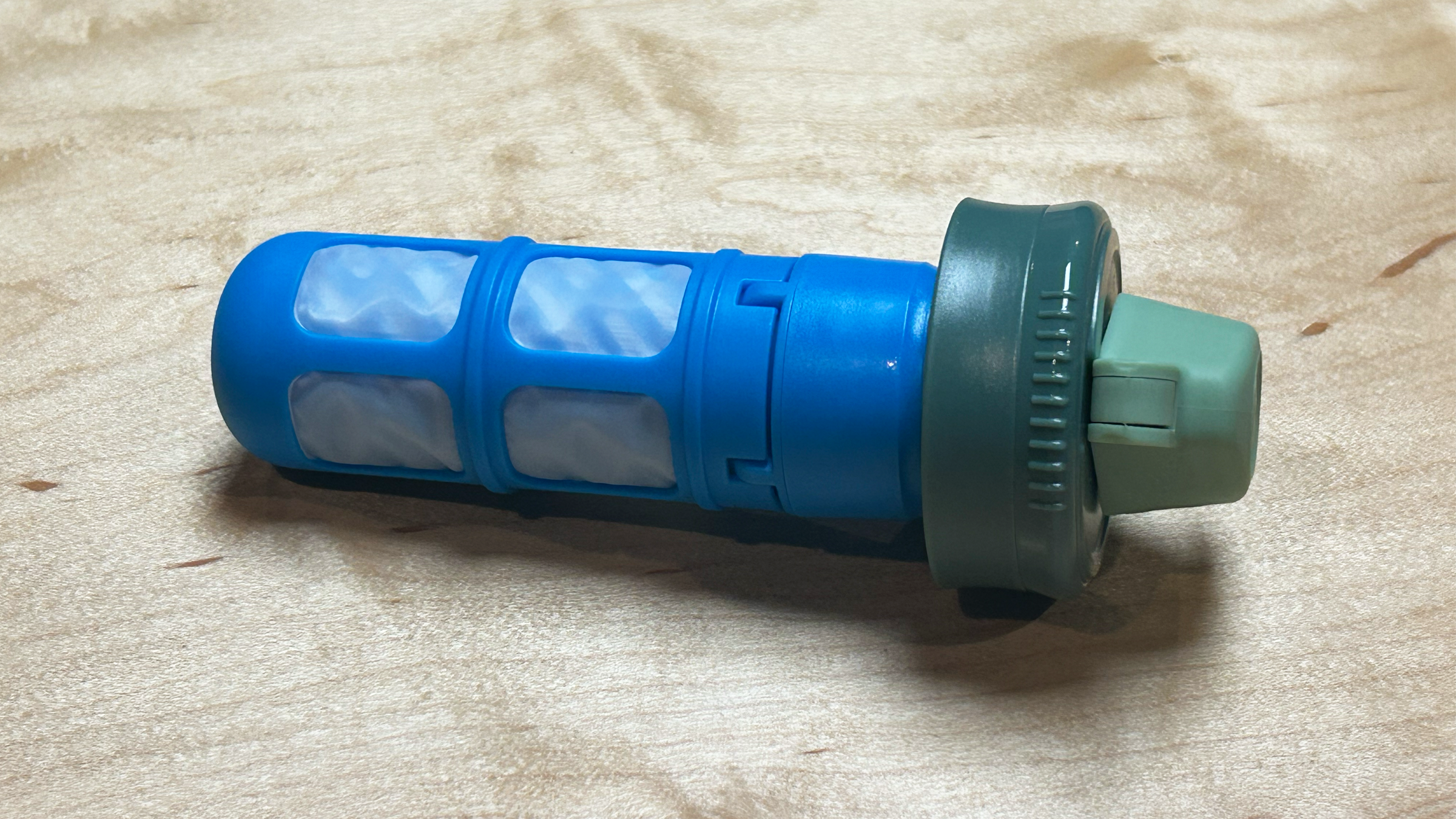
Perhaps the most impactful enhancement is the addition of a simple, clip-on prefilter. This mesh component is designed to capture the majority of sediment and larger particulate matter before water reaches the hollow fiber inner filter. By effectively pre-filtering, the lifespan of the core filter is expected to be significantly extended. The prefilter itself is constructed from an easily cleanable mesh material, offering a simpler maintenance routine compared to the more involved backflushing process required for the inner filter.
In a move that champions sustainability and cost-effectiveness, HydraPak will also offer standalone filter replacements. This initiative promises to reduce plastic waste destined for landfills and offers a more economical option for frequent users. The complete filter system, bundled with HydraPak’s popular soft flasks such as the Seeker, is slated for a Spring 2027 release. Standalone filter units are expected to become available in 2028, providing consumers with flexible purchasing options. This upgrade signifies HydraPak’s commitment to continuous improvement and user-centric design in the critical area of backcountry water safety.
Kelty Early Start 2: Challenging the Ultralight Tent Paradigm
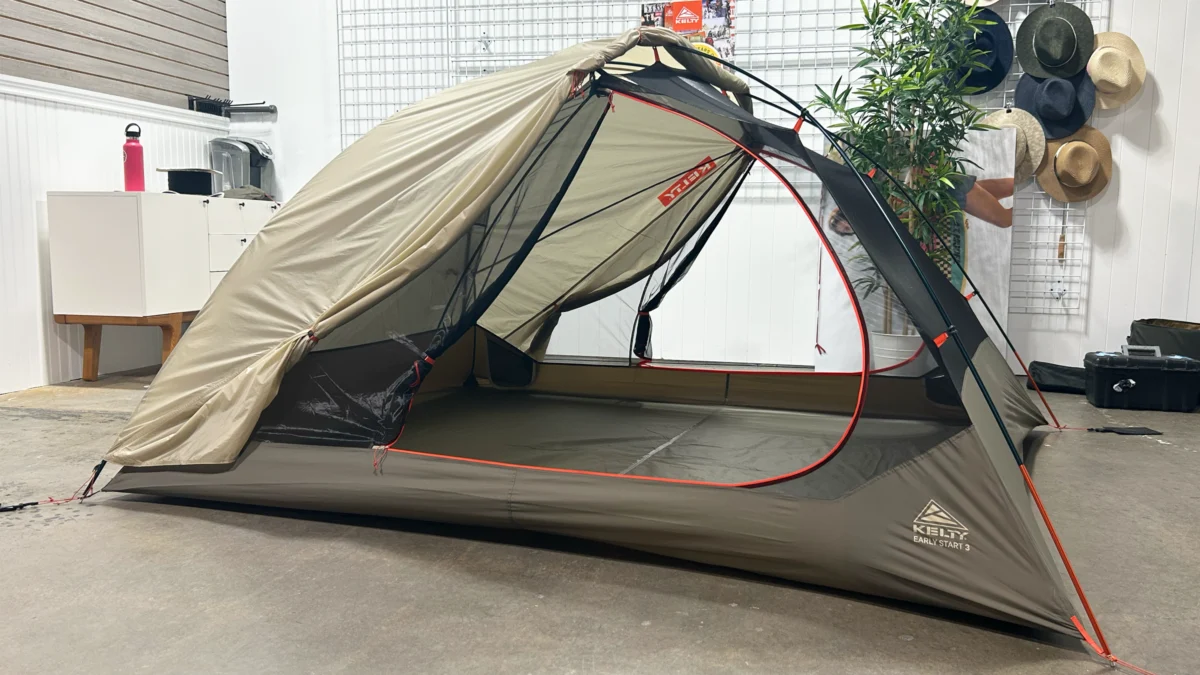
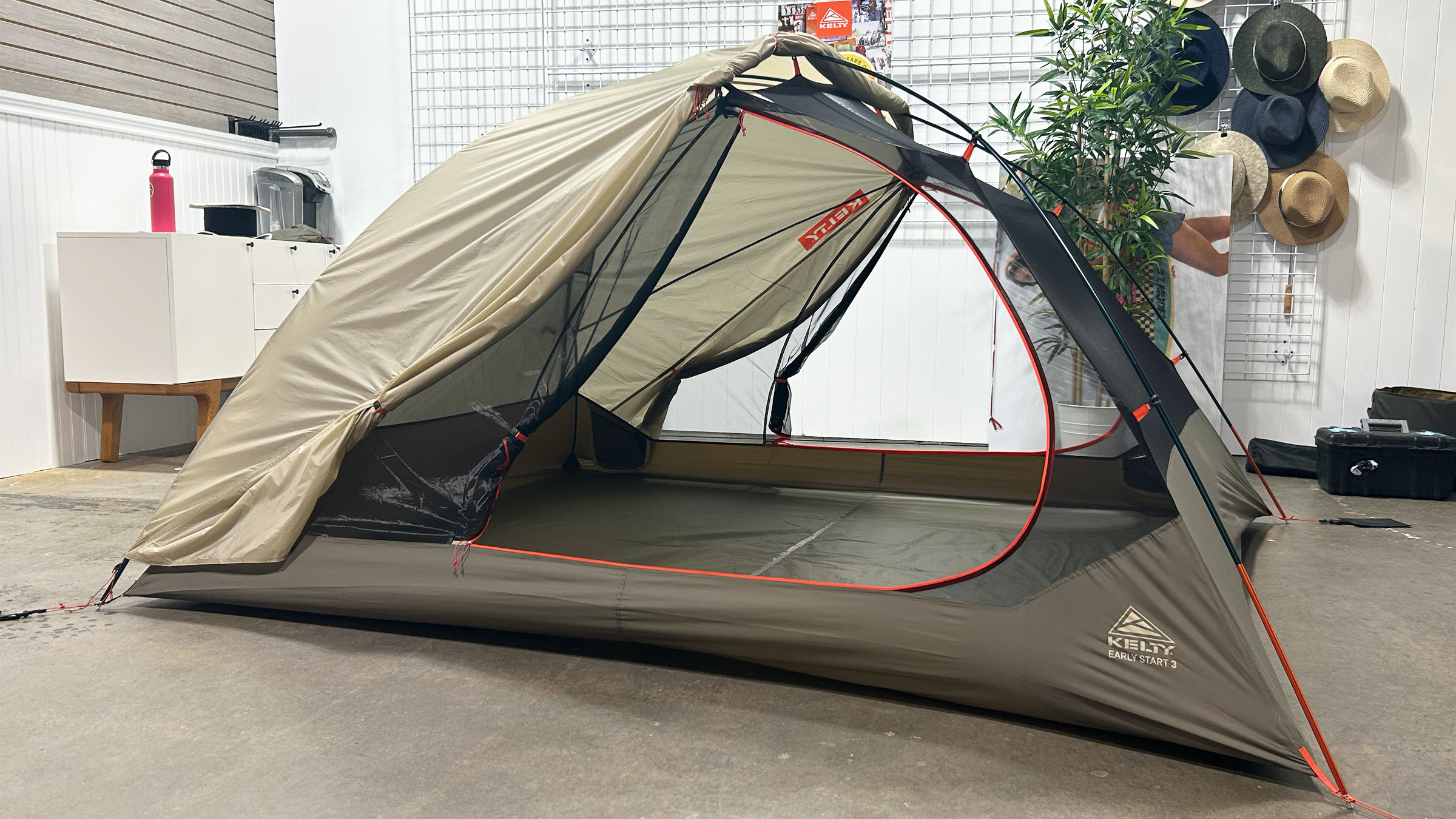
Kelty, a brand historically associated with durable, budget-friendly, and often heavier camping equipment, has surprised the industry with the introduction of the Early Start 2, a genuinely lightweight backpacking tent. This new offering is poised to disrupt the market by providing a compelling blend of low weight and affordability.
Priced at $280, the Early Start 2 is already competitive with many "budget" tents, and significantly undercuts premium alternatives. Its most striking feature is its remarkably low trail weight of just 2 pounds 10 ounces for a two-person tent. For comparative context, high-end ultralight two-person tents, such as the Big Agnes Copper Spur and the NEMO Dragonfly, often weigh in at a similar or slightly lighter weight but command prices that are double that of the Early Start 2. This pricing strategy, combined with its low weight, positions the tent as a potentially disruptive force in the entry-level to mid-tier backpacking market.
Initial assessments indicate that the Kelty Early Start 2 does not compromise on essential features. The tent’s pole segments are designed to be short enough to fit easily within bikepacking setups, a detail that appeals to a broader range of outdoor adventurers. Interior organization is addressed with four mesh pockets located at the base of the tent walls and an additional overhead mesh pocket, providing ample storage for small essentials. The rainfly incorporates an innovative design that allows for partial rolling up over half of the tent, facilitating stargazing opportunities on clear nights. Crucially, this roll-up feature can be operated from within the tent, enhancing convenience.
The Early Start 2 is being positioned as a strong contender for the "best value backpacking tent" award, a category that often sees fierce competition. Its ability to offer ultralight performance at a price point accessible to a wider audience is a significant achievement for Kelty and a welcome development for budget-conscious backpackers looking to shed weight.
Rab Mythic Quilt 32F: Redefining Ultralight Warmth
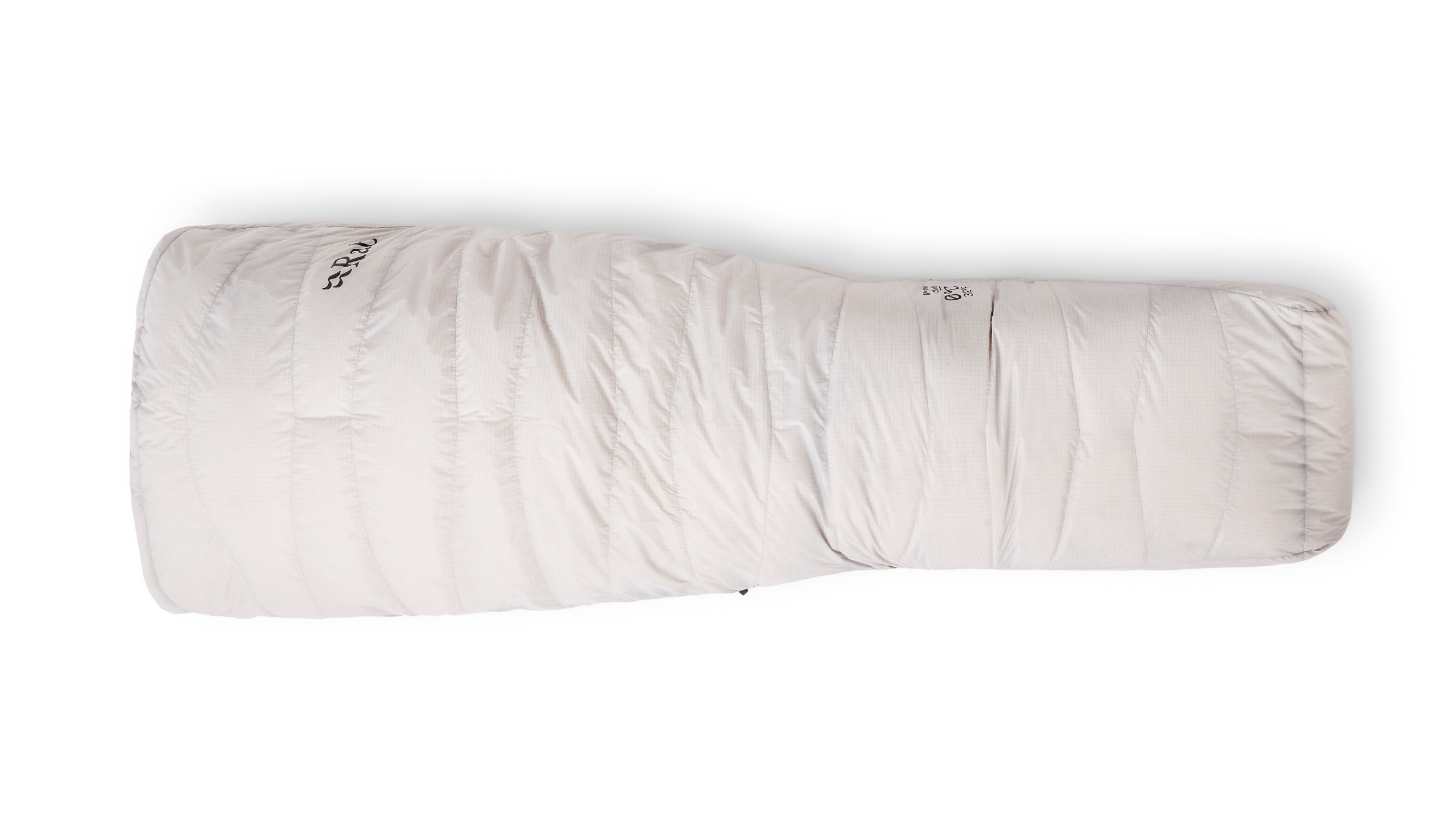
Rab, a brand renowned for its high-performance insulated gear, is pushing the boundaries of ultralight sleeping technology with its forthcoming Mythic Quilt 32F. The pursuit of extreme weight reduction in ultralight quilts often faces practical limitations related to down fill power and fabric denier. However, Rab appears to have found innovative solutions to overcome these constraints.
The 32-degree Fahrenheit rated quilt, drawing inspiration from the brand’s recently released Mythic Bag, weighs an astonishing 13.8 ounces. This weight is unprecedented for a quilt offering this temperature rating, making it lighter than any other competitor currently on the market in this category. For perspective, only quilts designed for much warmer conditions, such as the Zpacks Summer Quilt, achieve lower weights, and they are typically only comfortable down to approximately 50 degrees Fahrenheit.
Rab attributes this remarkable warmth-to-weight ratio to several key technological advancements. The quilt utilizes high-quality 900-fill goose down, a standard for premium ultralight insulation. Additionally, Rab claims that the integration of a reflective lining within the quilt helps to retain body heat more efficiently. A novel twisted helix baffle design is also cited as contributing to superior thermal performance compared to conventional baffle constructions.
The Mythic Quilt 32F features a sewn-in, 3D footbox for enhanced comfort and warmth, along with an integrated strap attachment system designed for secure placement on a sleeping pad. While initial impressions are highly positive, the true performance of this ultralight quilt will be determined after extensive testing in cold conditions, as is standard practice for evaluating sleeping systems.
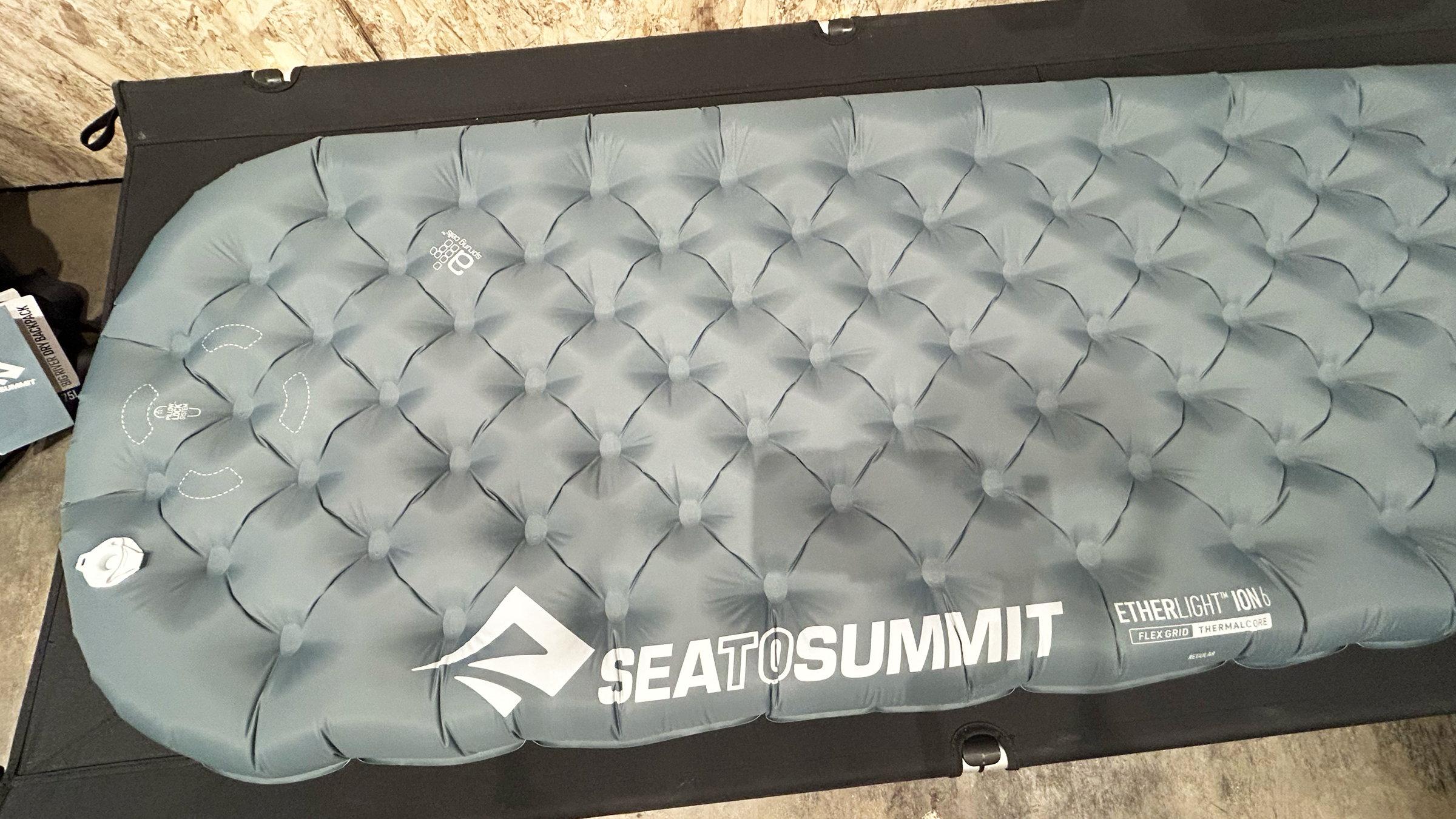
Sea to Summit Ultralight Ion Line: A New Benchmark in Sleeping Pad Technology
Sea to Summit has long been recognized for producing some of the most comfortable lightweight sleeping pads available, largely due to its proprietary quilted baffle design, which diverges from the more common horizontal or vertical baffles. However, the brand has historically struggled to match the weight-to-R-value ratios offered by market leaders such as Exped, NEMO, and Therm-a-Rest. The introduction of the new Ion line, the successor to the XR Insulated series, signals Sea to Summit’s renewed assault on this critical metric.
The Ultralight Ion 5, the flagship model of the new series, offers an R-Value of 5, indicating its insulation capacity, while weighing an impressively light 11.5 ounces. Complementing this are the Ether Light Ion 6 and 8, which provide R-Values of 6 and 8 respectively, with only a marginal increase in weight. This combination of low weight and high insulation capacity positions the Ion line as the lightest sleeping pad series on the market for its respective warmth ratings, narrowly surpassing even Exped’s Ultra 6.5.
Sea to Summit states that this weight reduction has been achieved through an innovative construction method. Instead of utilizing a full sheet of TPU (thermoplastic polyurethane), the brand has developed a TPU "skeleton" that is strategically placed along the dot welds, which are the uninsulated sections of the quilted baffles. This targeted use of material significantly trims weight without compromising structural integrity. The pads are constructed using 20-denier fabric, which is notably thinner than the fabric used in the brand’s current Ether Light XR sleeping pad. A full season of testing will be required to thoroughly assess the actual warmth, durability, and long-term comfort of the Ion line under various field conditions.
Norrona Senja Driflex 3 Lightweight Jacket: A Potential Successor to ShakeDry
In the post-ShakeDry era, the search for a truly breathable, ultralight, and fully waterproof rain jacket has been a significant challenge for outdoor enthusiasts and manufacturers alike. Despite considerable efforts from Gore-Tex and other brands, a viable replacement for the discontinued ShakeDry technology – lauded for its exceptional breathability and featherlight feel – has remained elusive. ShakeDry was phased out in 2023 due to concerns surrounding PFAS chemicals.
The Norrona Senja Driflex 3 Lightweight Jacket emerges as the first garment seen to closely emulate the performance characteristics of ShakeDry, in terms of its look, feel, and weight. While specifically targeted towards trail runners, this jacket is likely to be the vanguard of a new generation of waterproof-breathable technology for Norrona.
The Driflex 3 is a genuine three-layer construction, boasting impressive waterproof and breathability ratings of 20,000mm (waterproofness) and 50,000g/m²/24h (breathability), respectively. These figures are particularly noteworthy in the breathability department, a crucial factor for high-output activities. The jacket achieves its low weight of just 5.6 ounces through the use of a 15-denier polyester face fabric and a 7-denier nylon backer. A significant feature for user comfort and ventilation is the inclusion of pit zips, which are essential for managing heat buildup during strenuous activity. The jacket’s potential to fill the void left by ShakeDry makes it a highly anticipated piece of gear.
Lowa Paceterra Pro: The Pinnacle of Lightweight Trail Running Footwear
Lowa presented a range of new footwear at the OMA Media Show, but the Paceterra Pro quickly distinguished itself as a standout innovation. Weighing in at an astonishing 7.3 ounces per shoe, this 6-millimeter-drop sneaker claims the title of the lightest trail runner currently available on the market. This remarkable lightness is achieved through a series of advanced design and material choices.
The Paceterra Pro features a strobel-free construction, meaning the midsole is directly bonded to the upper, eliminating the need for a traditional strobel board, which shaves off weight. The upper is constructed from Matryx mesh, a highly breathable and durable material. The outsole utilizes a Vibram MegaGrip Litebase compound, featuring strategically placed cutaways to further reduce weight. Additional weight-saving measures include a perforated sock liner and a supercritical TPEE midsole, a material known for its excellent energy return and low density.
It is important to note that the Paceterra Pro is engineered for pure speed and is classified as a race-day shoe. Lowa estimates its trail life to be approximately 180 miles, suggesting it is not intended for extended ultralight hiking expeditions where durability over long distances is paramount. However, for trail runners seeking the absolute minimum weight on their feet for competitive events, the Paceterra Pro represents a significant leap forward in footwear technology.
The collective innovations showcased at the OMA Media Show for 2027 highlight a dynamic and forward-thinking outdoor gear industry. Brands are not only refining existing technologies but are also boldly experimenting with new materials and construction methods to deliver lighter, more efficient, and more user-friendly equipment. The continued emphasis on sustainability, as seen with HydraPak’s filter replacements, also signals a positive trend towards more responsible product lifecycles. As these products undergo rigorous field testing, the outdoor community eagerly awaits their official release and the opportunity to experience the next generation of ultralight adventure gear.