July 2026 marks a significant advancement in the world of backcountry dining, with freeze-dried meals no longer representing a culinary compromise but rather a gourmet experience. This year’s comprehensive review highlights Stowaway Gourmet as the definitive leader, lauded for its exceptionally realistic textures and a breadth of sophisticated flavors that rival restaurant quality. For the budget-conscious adventurer, the venerable Mountain House continues to offer a reliable and widely accessible option, boasting an extensive flavor catalog that caters to a broad spectrum of palates. Newcomers Luxefly Basecamp and Bowl & Kettle have also made a powerful entrance, challenging the established order with their high-end, artisanal approaches to trail-ready sustenance.
The persistent challenge for outdoor enthusiasts has long been the inability to sample backpacking meals before committing to a purchase. Unlike tents, sleeping bags, or backpacks, a freeze-dried pouch cannot be “test-driven” in a controlled environment. A vibrant image of green chile mac and cheese on a package can, unfortunately, often translate to a disappointing, mushy reality once rehydrated. Recognizing this critical gap in consumer confidence, this extensive evaluation was undertaken to procure and rigorously rank meals from a wide array of backpacking food brands, aiming to demystify the selection process and eliminate the guesswork for consumers.
This curated list is the culmination of years of dedicated taste-testing and, at times, personal gastrointestinal fortitude. The primary metric for evaluation has consistently been flavor: for individuals subsisting on these meals for extended periods, from a week-long trek to a six-month expedition, the taste must be unequivocally delicious. Beyond palatability, calorie and protein content were also crucial considerations, as the discomfort of hunger on the trail can significantly detract from the overall experience. Meals that left testers feeling satiated, satisfied, and even anticipating the next meal secured their place on this esteemed list of the best backpacking meals.
The Pinnacle of Backpacking Cuisine: Stowaway Gourmet
Best Backpacking Meals Overall: Stowaway Gourmet
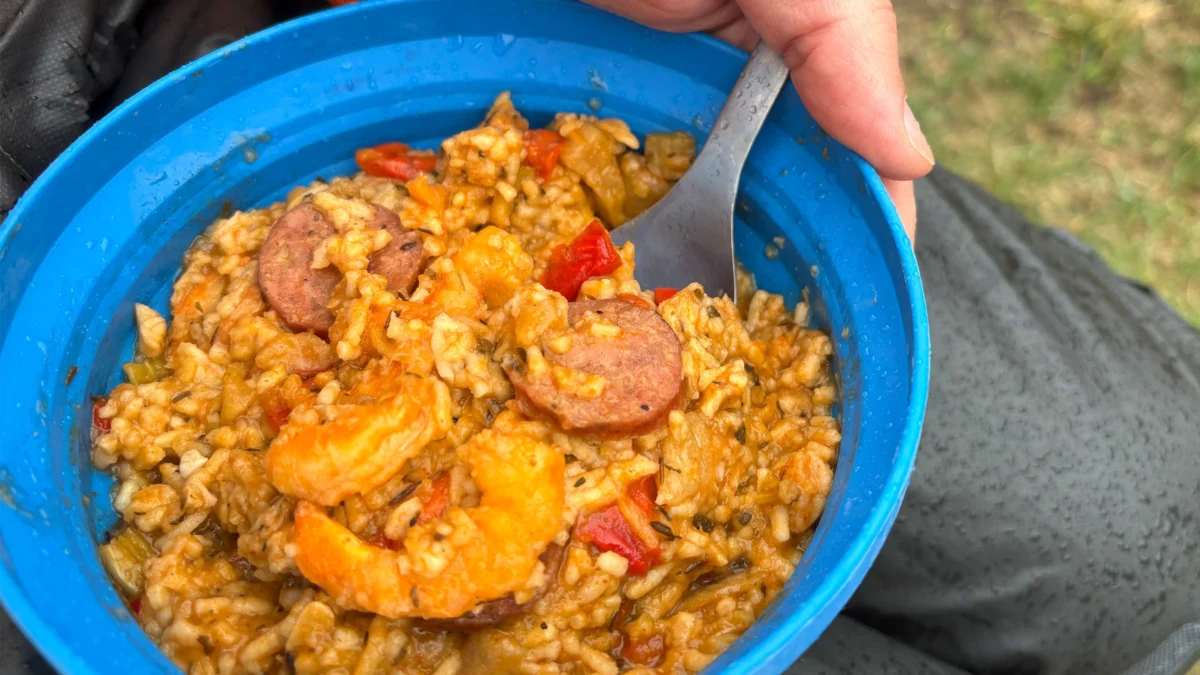
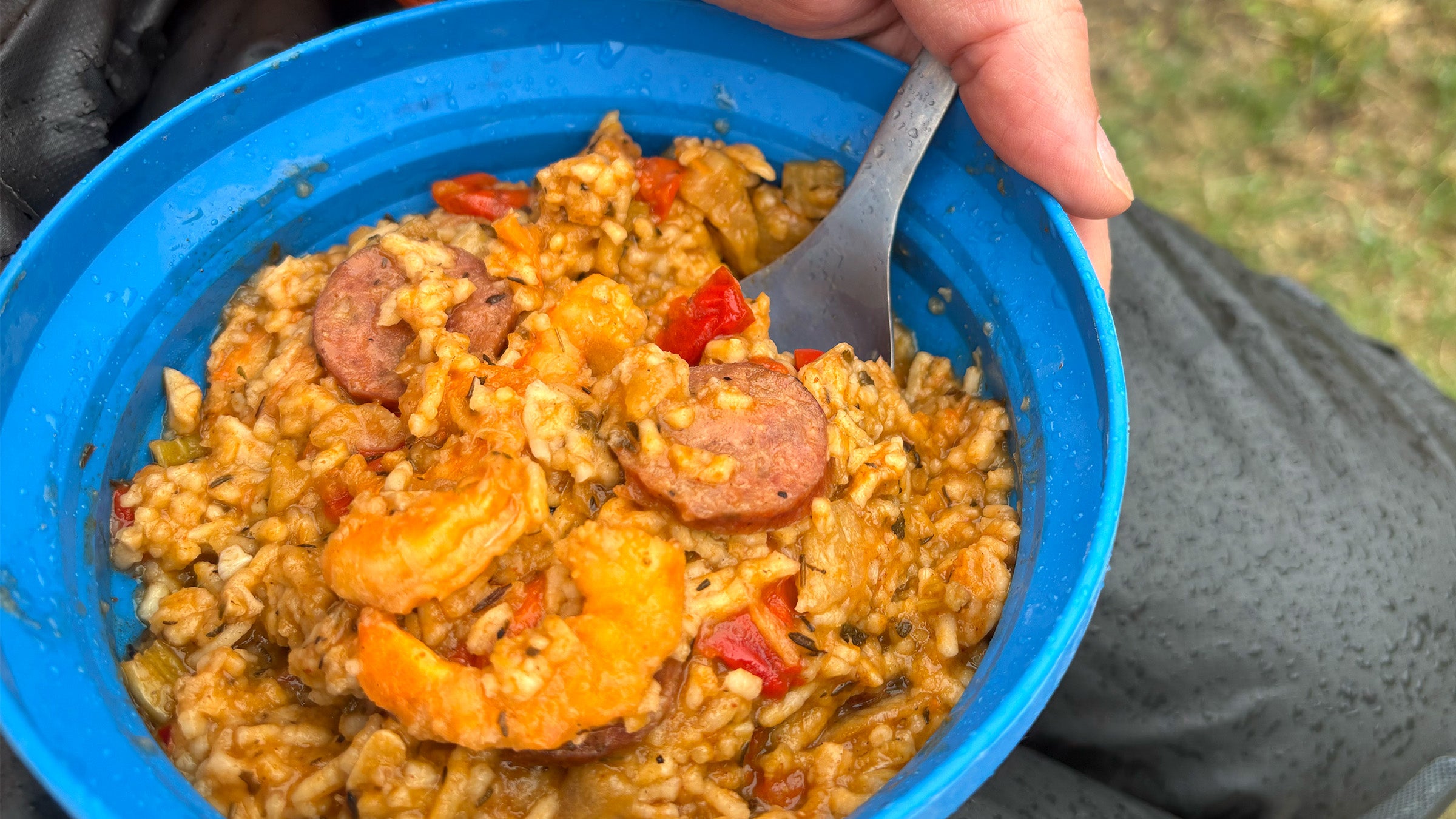
- Top Flavors: Drunken Noodles, Kimchi Jjigae, Andouille and Shrimp Jambalaya
- Average Price: $18
Pros:
- Unparalleled textural integrity, especially for proteins.
- A remarkably diverse and authentic range of global culinary inspirations.
- High protein content for sustained energy.
Cons:
- Premium pricing can be a significant investment for long trips.
- The vertical bag design can be somewhat cumbersome during consumption.
The landscape of backpacking food has undergone a dramatic transformation in recent years, marked by an exponential growth in both the number of brands and the diversity of culinary offerings available to outdoor enthusiasts. However, even with premium ingredients, the fundamental processes of dehydration and freeze-drying have historically imposed certain limitations. Stowaway Gourmet, emerging in 2020, has fundamentally redefined the potential of what a freeze-dried backpacking meal can be.
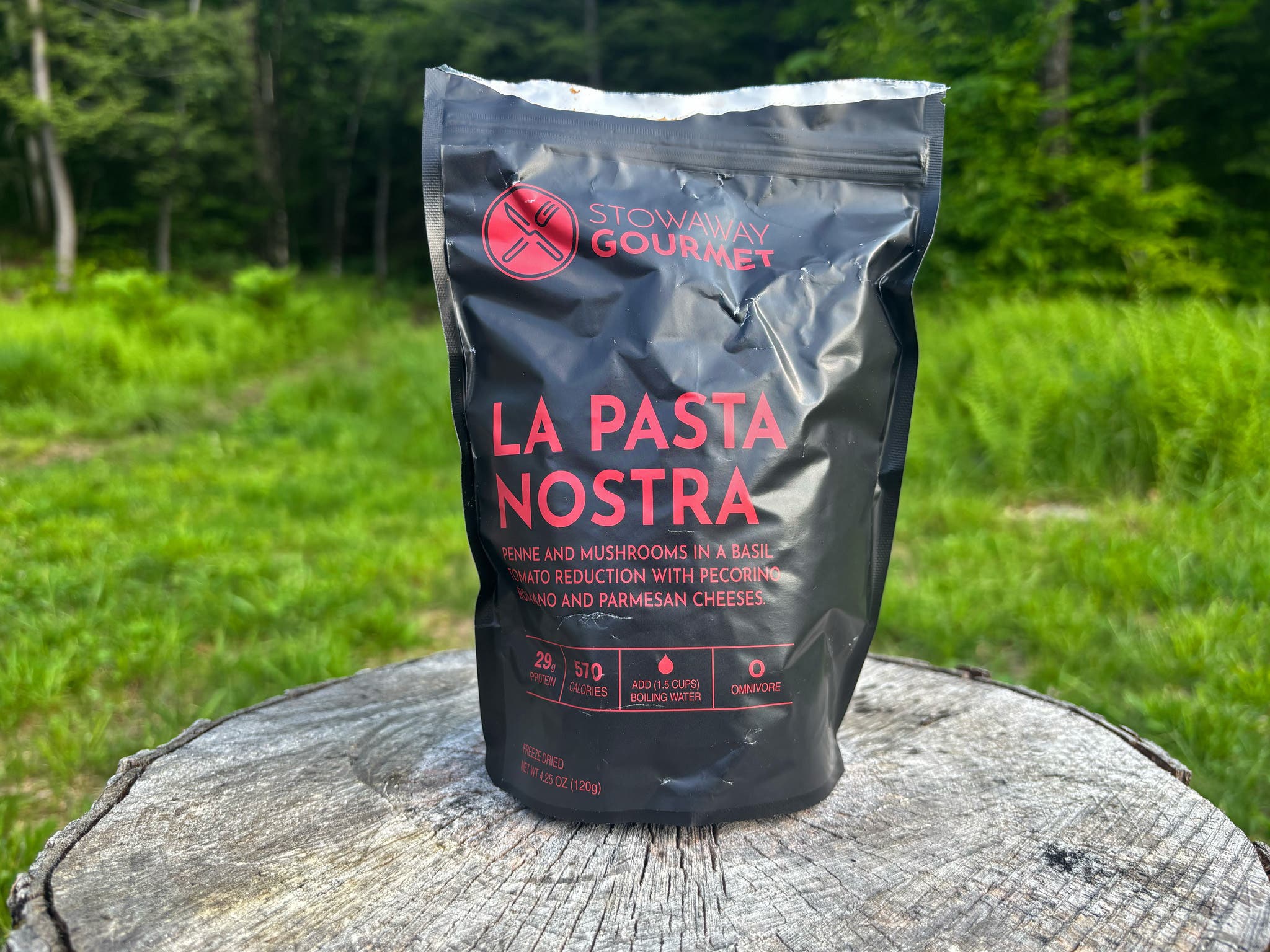
This small-batch operation, based in Tillamook, Oregon, has revolutionized consumer expectations. Dishes such as Lamb Bourguignon and Bison Beer Black Bean Chili have propelled Stowaway to the forefront, establishing a considerable benchmark that distances it significantly from most competitors, including other high-end brands. The disparity in quality between Stowaway’s offerings and the industry standard is striking, even when compared to other premium options.
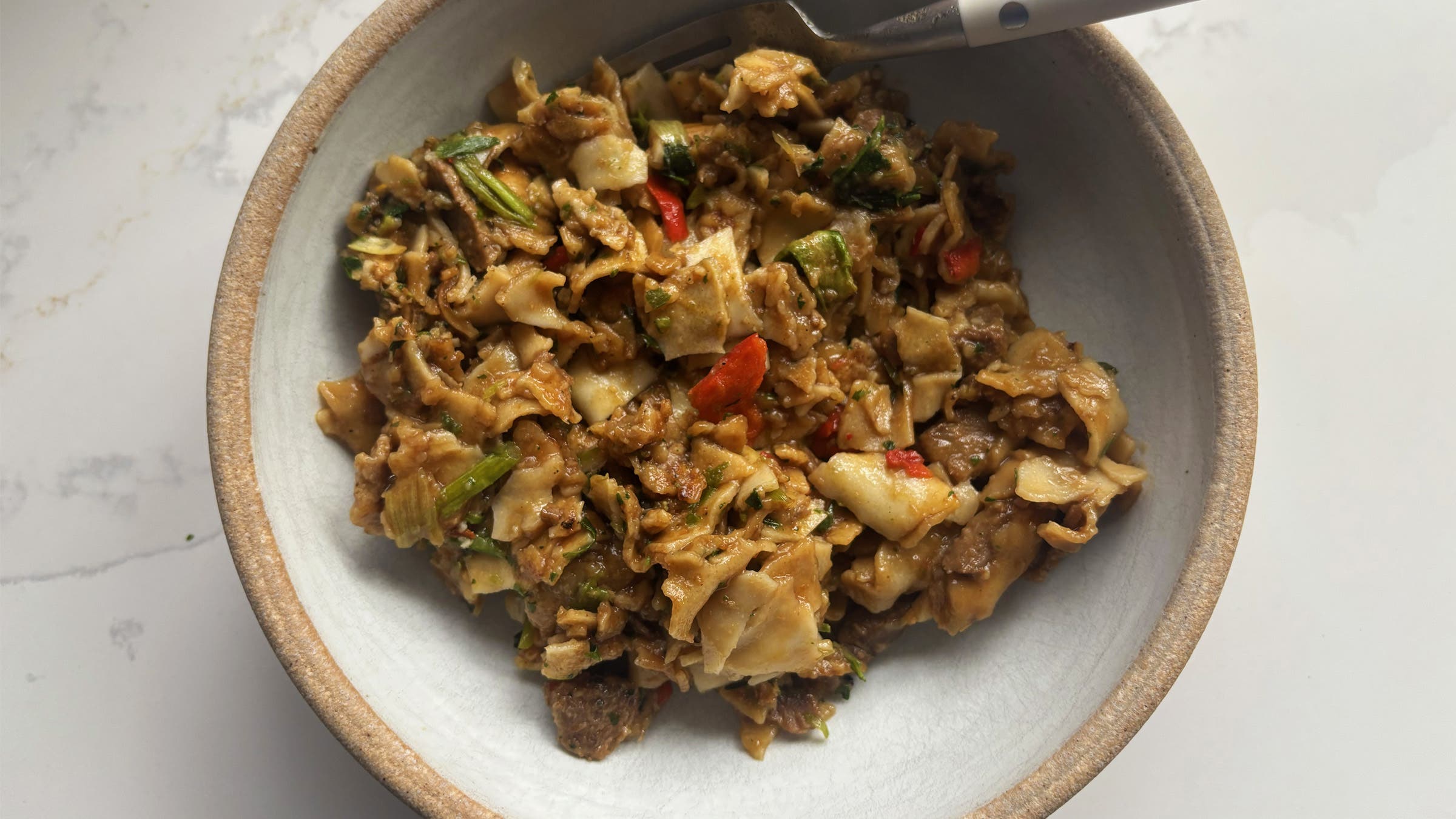
One of Stowaway Gourmet’s most remarkable achievements lies in its ability to preserve texture, particularly in its protein components. Shrimp maintains a plump and succulent consistency, chicken retains its rich, fatty character, and even salmon, a protein notoriously difficult to preserve effectively in dehydrated meals due to cost and texture challenges, is rendered miraculously tender. Their rendition of the Thai classic, Drunken Noodles, surpasses many terrestrial takeout versions, featuring wide, chewy rice noodles, substantial pieces of Chinese broccoli, and generous chunks of beef. The brand’s innovative approach within its freeze-drying methodology is clearly paying dividends.
The breadth of Stowaway’s culinary explorations is extensive, encompassing French, Italian, Mexican, Indian, Thai, Russian, and Japanese cuisines with an authenticity rarely found in this market segment. Their Miso Salmon Okayu, a Japanese rice porridge featuring salmon and tofu, is a versatile option suitable for any meal, simmered with daikon, miso, fresh ginger, kombu, and bonito flakes. A Thai curry lists an impressive array of authentic ingredients, including lemongrass, shallot, Thai chiles, shrimp paste, galangal, and Makrut lime leaf.
The $18 price point per pouch positions Stowaway Gourmet at the higher end of the market, approximately one dollar more than many other boutique backpacking meal brands. For those accustomed to the roughly $12.50 cost of a Mountain House meal, the sticker shock can be considerable, especially when provisioning for an extended trip. If taste is not a paramount concern, the premium for Stowaway may not be justifiable. However, it is worth noting that the brand consistently delivers solid calorie and protein counts per serving. For backpackers who believe that the wilderness should not necessitate a sacrifice in culinary enjoyment in the 21st century, Stowaway Gourmet represents a worthwhile investment, setting a high bar that encourages other companies to elevate their offerings.
Rising Stars in High-End Backpacking Cuisine
Luxefly Basecamp: A Chef’s Vision for the Trail
Best Backpacking Meal Overall, Runner Up: Luxefly Basecamp
- Top Flavors: Chile Relleno, Beef Barbacoa Taco, Tres Leches Cake
- Average Price: $20
Pros:
- Exceptional textural quality across all components.
- Emphasis on local, organic, and often foraged ingredients.
- A substantial and appealing menu selection.
Cons:
- High price point, reflecting the premium ingredients and preparation.
- Bags can be challenging to open with cold or numb fingers.
Luxefly Basecamp is the brainchild of Sara Willis, an Oregon-based chef with a distinguished career in the restaurant industry and a passion for Mexican-inspired cuisine. Willis leverages the bounty of fresh, hyper-local ingredients sourced from the Pacific Northwest, including foraged mushrooms like chanterelles, morels, and lobster mushrooms, which feature prominently in dishes such as Wild Oregon Mushrooms and Creamy Polenta with Red Oaxacan Mole, and Wild Mushroom Biscuits and Gravy.
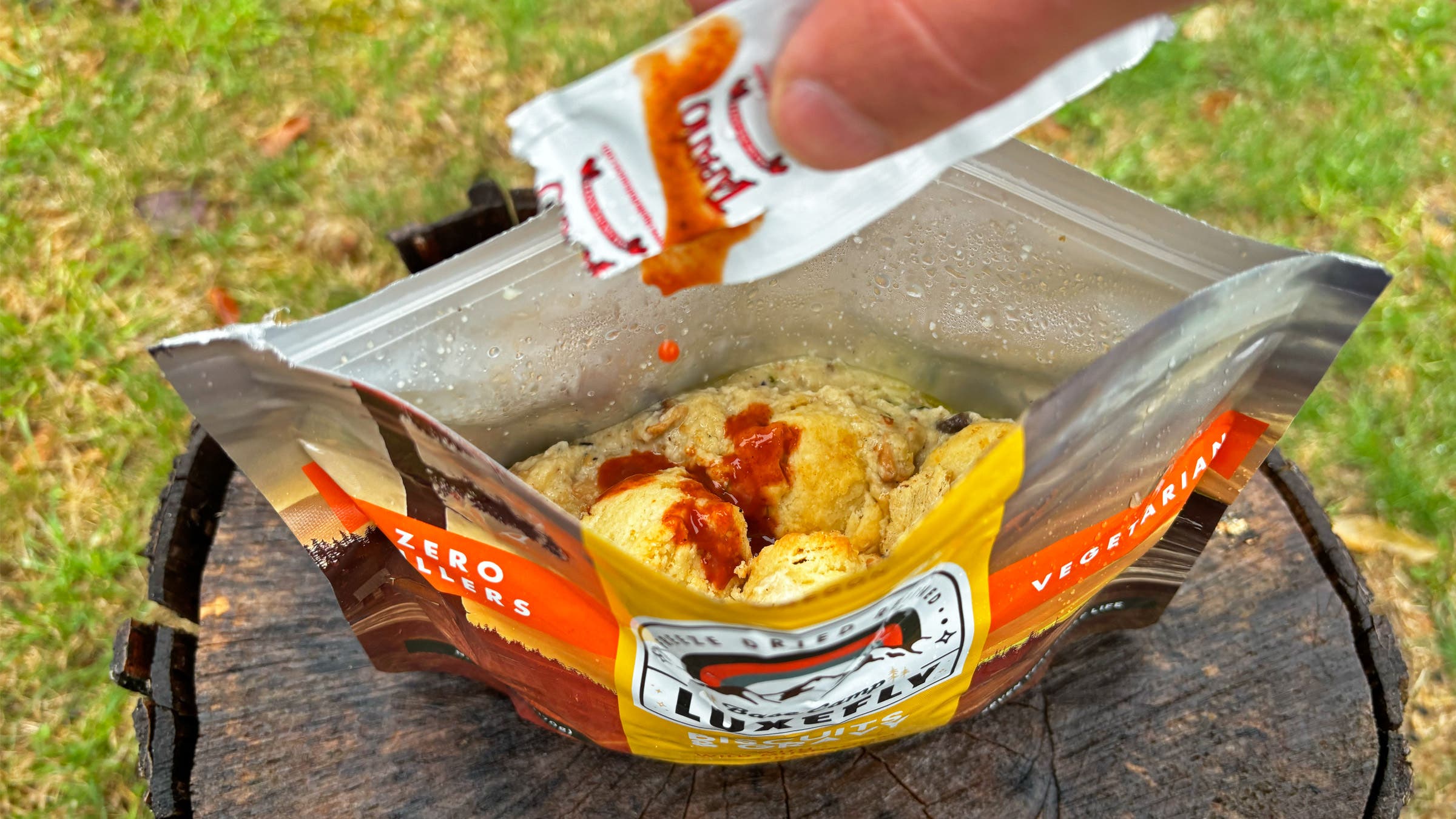
Willis’s most significant innovation lies in her creative approach to transforming crave-worthy ingredients into backpacking meals that retain their integrity through the freeze-drying process. Her standout Chile Relleno pouch features whole, fire-roasted poblano peppers, meticulously stuffed with a flavorful mixture of tomato sauce, garlic, and cilantro. In lieu of conventional cheese, Luxefly utilizes burrata, an exceptionally creamy mozzarella, which Willis discovered could be freeze-dried successfully in a stretched form. The rehydrated burrata is virtually indistinguishable from its fresh counterpart, delivering a comforting combination of smoky, spicy peppers and rich, cheesy goodness.
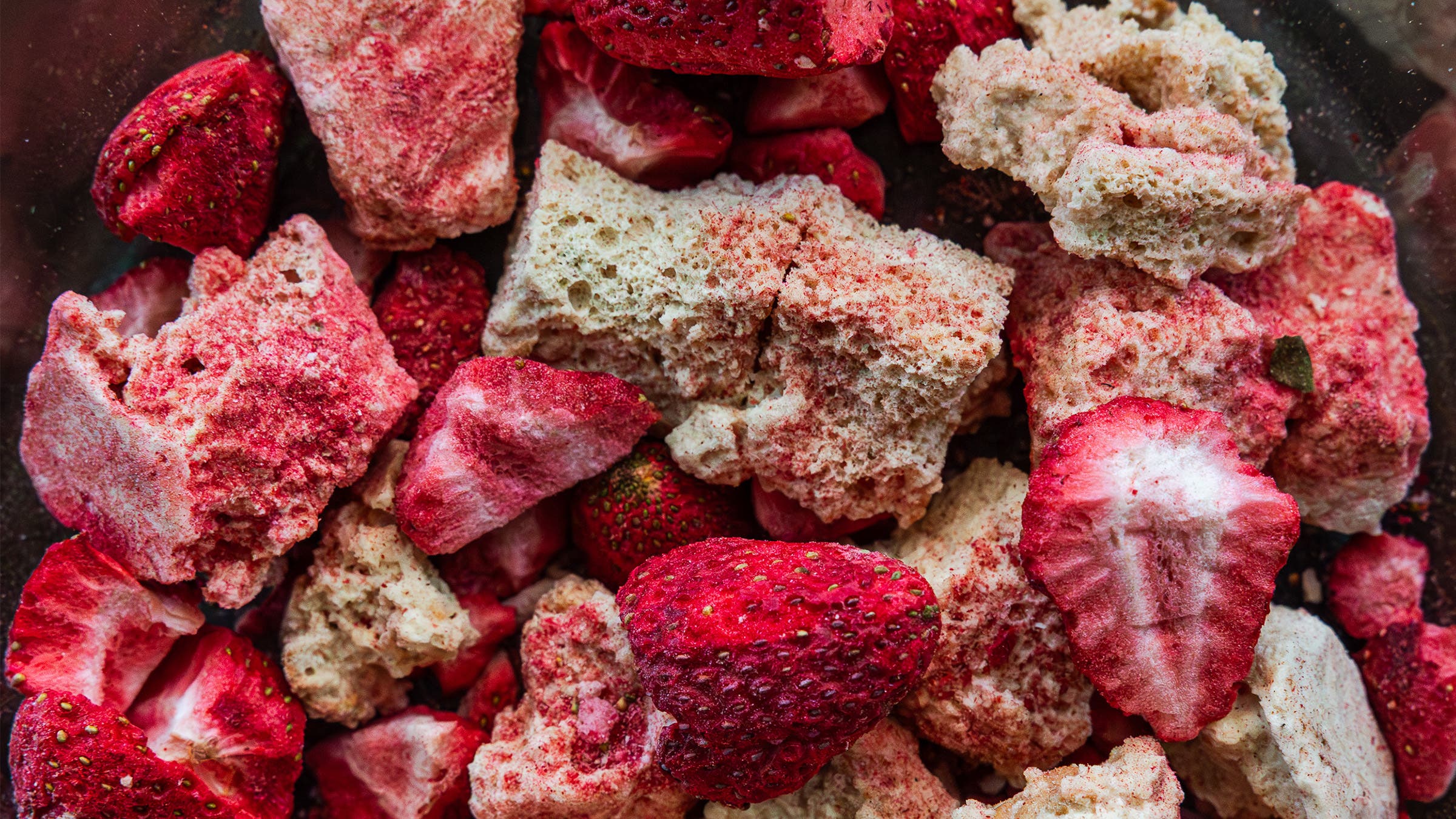
Willis’s extensive culinary experience in Mexico is evident throughout Luxefly’s menu. Offerings like Barbacoa Tacos, Pozole Verde with tomatillos, hominy, and serranos, and a Mexican Corn Esquites featuring peak-season sweet corn from Oregon and cotija cheese, showcase authentic flavors. The coconut milk-infused Tres Leches cake, paired with local strawberries, stands out as a remarkable dessert option, potentially unparalleled on any resupply run. While minor critiques were noted, such as occasional over-salting, uncomfortably intense spice levels, and difficult-to-open packaging, Luxefly Basecamp firmly establishes itself as a leading artisan brand in the dehydrated backpacking meal market.
Bowl & Kettle: A Culinary Gem with Limited Offerings
Best Backpacking Meals Overall, Third Place: Bowl & Kettle
- Top Flavors: Mexican Street Corn Grits, Crawfish Étouffée
- Average Price: $16
Pros:
- Exceptional textural fidelity in rehydrated ingredients.
- Impeccable seasoning and complex flavor profiles.
- Offers a diverse range of sophisticated meal options.
Cons:
- A very limited selection of available flavors.
- Occasional instances of minor packaging waste (microtrash).
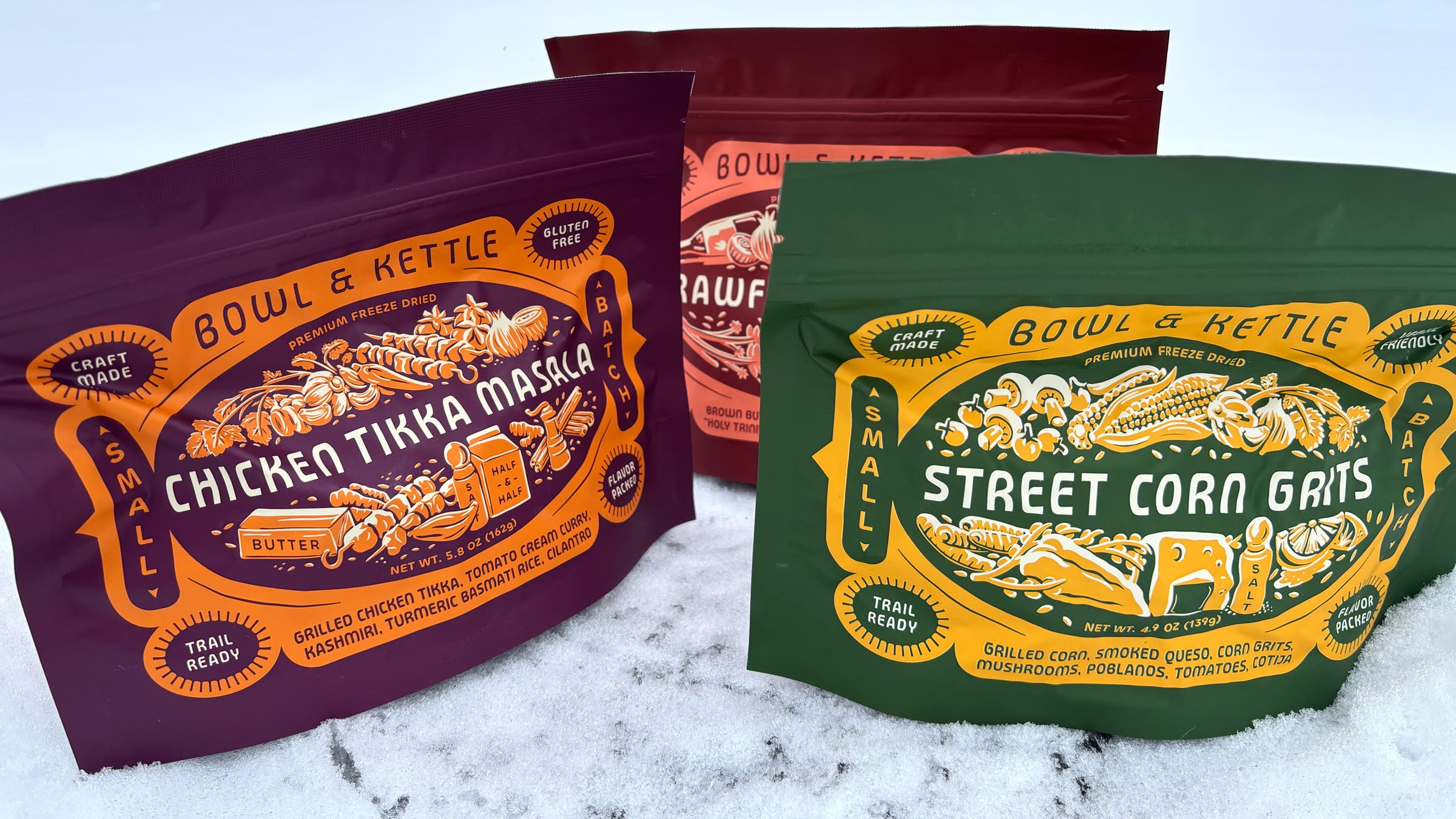
Similar to Luxefly Basecamp, Bowl & Kettle has emerged this year with a strong showing, characterized by complex flavors, sophisticated seasonings (including Kashmiri chili and garam masala), and a culinary diversity that extends beyond typical backpacking fare. The use of whole, recognizable ingredients that maintain their texture after rehydration is a hallmark of their approach. Currently, owners and PCT thru-hikers Sarah and Brett Bowlin offer three distinct flavors: Chicken Tikka Masala, Mexican Corn Grits, and Crawfish Étouffée. Each option is commendable, but the Crawfish Étouffée is particularly noteworthy, evoking the authentic flavors of New Orleans.
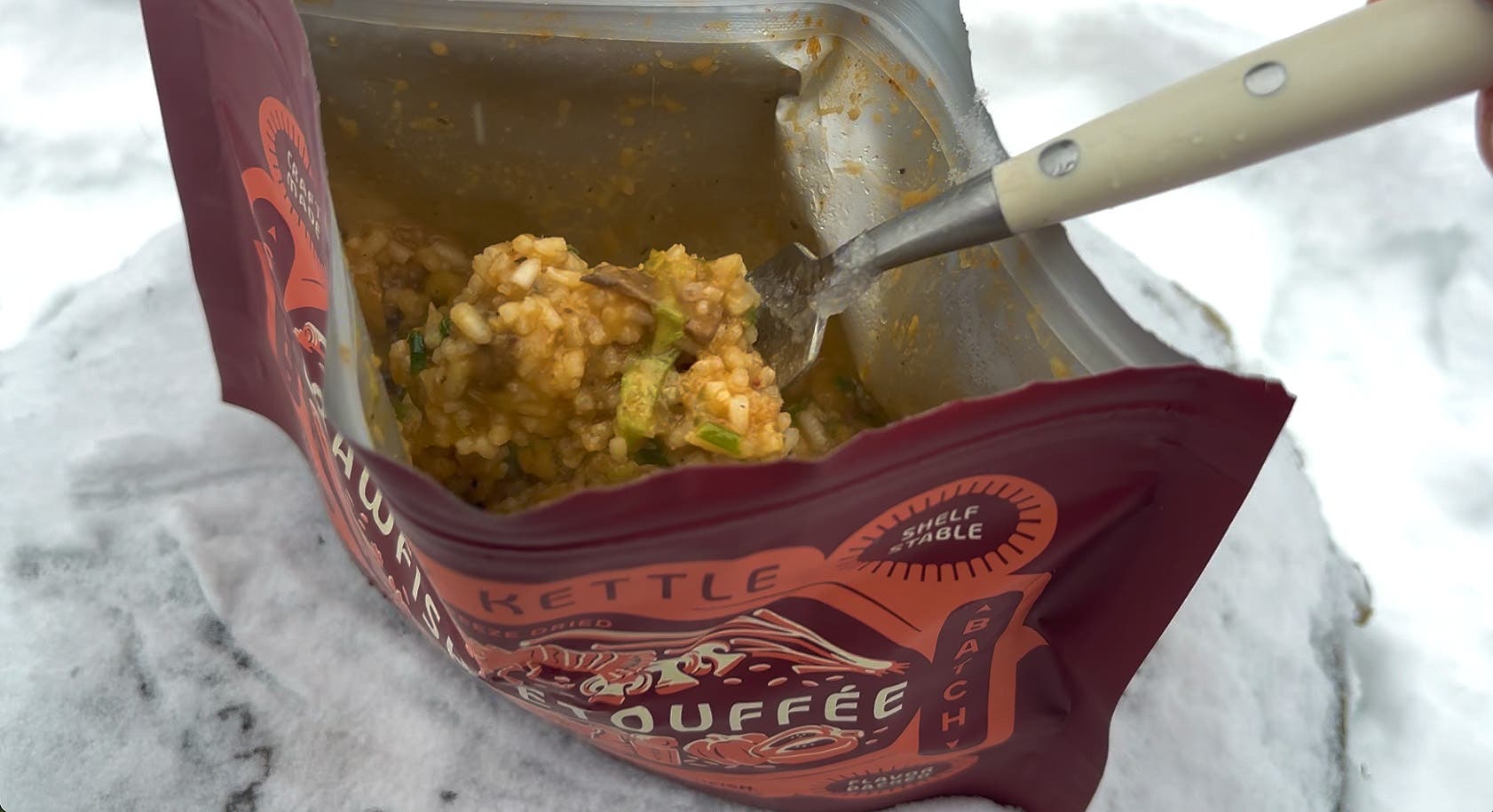
The foundation of the Crawfish Étouffée is a rich, deeply caramelized roux, enriched with clam juice and the essential “holy trinity” of Creole cooking: onions, bell peppers, and celery. The inclusion of plump, Louisiana-sourced crawfish tails provides a satisfying shellfish element, a rarity in dehydrated meals. Garnished with ample green onion, mushrooms, and a packet of Louisiana hot sauce, this dish is a masterful homage to Creole cuisine.
The Mexican Street Corn Grits, a creative fusion of corn grits and Mexican street corn flavors, also receives high marks, featuring sweet, halved cherry tomatoes, savory mushrooms, and a pleasing level of heat and smoke from poblanos and grilled corn. The only drawbacks noted were slight inconsistencies in rehydration times for the otherwise excellent Chicken Tikka Masala, and a general aversion to microtrash, even when it contains valuable seasoning packets. The primary desire is for a more extensive flavor catalog from this promising brand.
Specialized Excellence in Backpacking Meals
Farm to Summit: Championing Vegan and Vegetarian Options
Best Vegan and Vegetarian Backpacking Meals: Farm to Summit
- Top Flavors: Garden Mac & Cheese, Green Chile Mac & Cheese, Thai Red Curry
- Average Price: $15
Pros:
- Excellent texture preservation of vegetables.
- Rich and complex flavor profiles.
- Utilizes vegetables sourced from local Colorado farms.
- Nutrient-dense and packed with vegetables.
Cons:
- Seasoning consistency can sometimes vary.
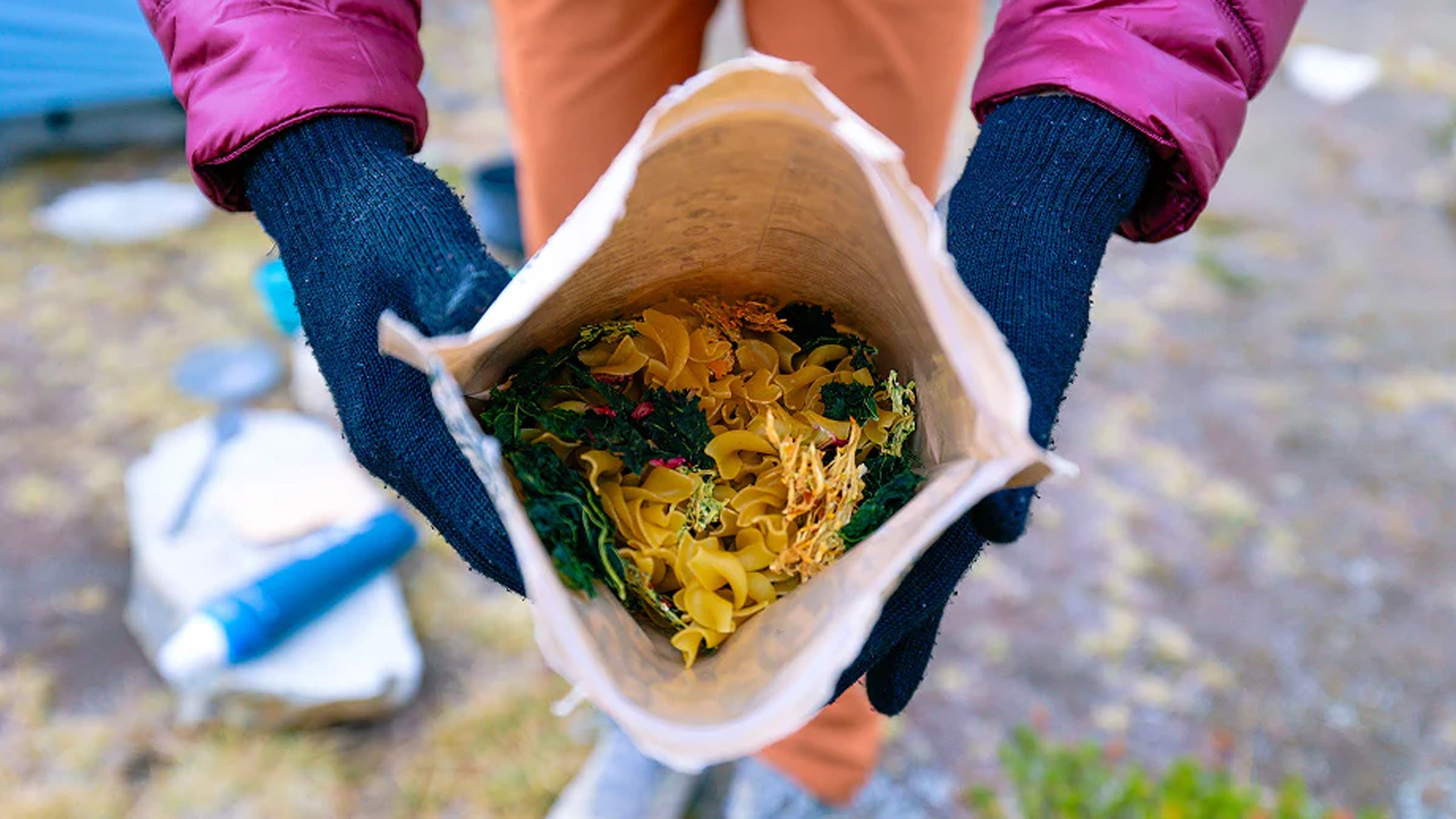
Farm to Summit’s commitment to dehydrating fresh produce from local Colorado farms is a significant differentiator, resulting in vegetable-heavy pouches that consistently offer superior texture and discernible pieces of flavorful greens compared to most other brands. While salt and acid levels can occasionally be inconsistent, the overall quality is exceptional. The Garden Mac & Cheese, a creamy blend of white cheddar, zucchini, squash, kale, chard, and spinach, is a satisfying treat for any dietary preference. The Thai Red Curry, featuring substantial leafy greens, a creamy coconut-peanut butter sauce with sriracha, and expertly balanced spices, provides a welcome alternative for vegans who often face limited options like bland backcountry lentil stews.
Itacate: Authentic Regional Flavors for the Trail
Best Regional Cooking: Itacate
- Top Flavors: Charge-Up Chilaquiles, Campsite Lentejas
- Average Price: $12.50
Pros:
- Fully vegan offerings.
- Authentic Mexican ingredients and preparation.
- Remarkably fast rehydration times.
Cons:
- Limited variety of pouch flavors.
- Lower in protein and calorie content compared to some competitors.
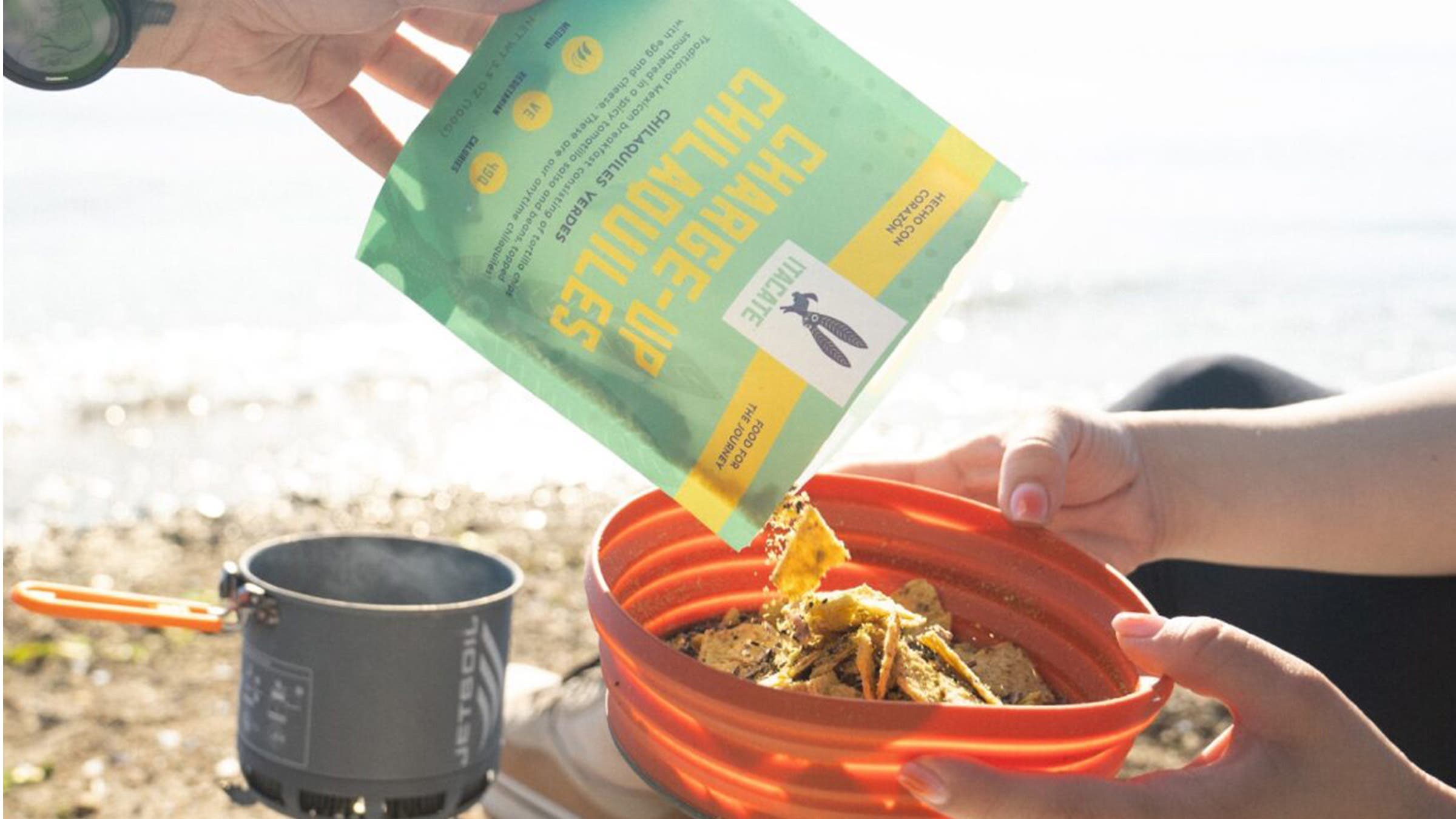
Itacate, founded by Mexico-born Martha Y Díaz, addresses a notable gap in the backpacking food market: the underrepresentation of Latin American cuisines. Her Campsite Lentejas, Aventura Arróz con Leche, and Charge-Up Chilaquiles set a new standard for Mexican-inspired dehydrated meals. Díaz’s inspiration for her trail-ready Chilaquiles stemmed from a personal craving during her first backpacking trip. The Charge-Up Chilaquiles feature a vibrant salsa verde made with fresh tomatillos, complemented by egg, beans, queso panela, and a fragrant blend of spices including chile de arbol and epazote, creating a robust and satisfying “breakfast for dinner” option.
Packit Gourmet: The Reigning Champion of Chili
Best Chili: Packit Gourmet
- Top Flavors: Texas State Fair Chili, Dab’s Smash Burger with Secret Sauce
- Average Price: $14
Pros:
- Consistently well-seasoned dishes.
- High in calories and protein, ideal for sustained energy.
- Offers a wide array of meal choices.
- Competitively priced.
Cons:
- Occasionally incorporates less healthy additives.
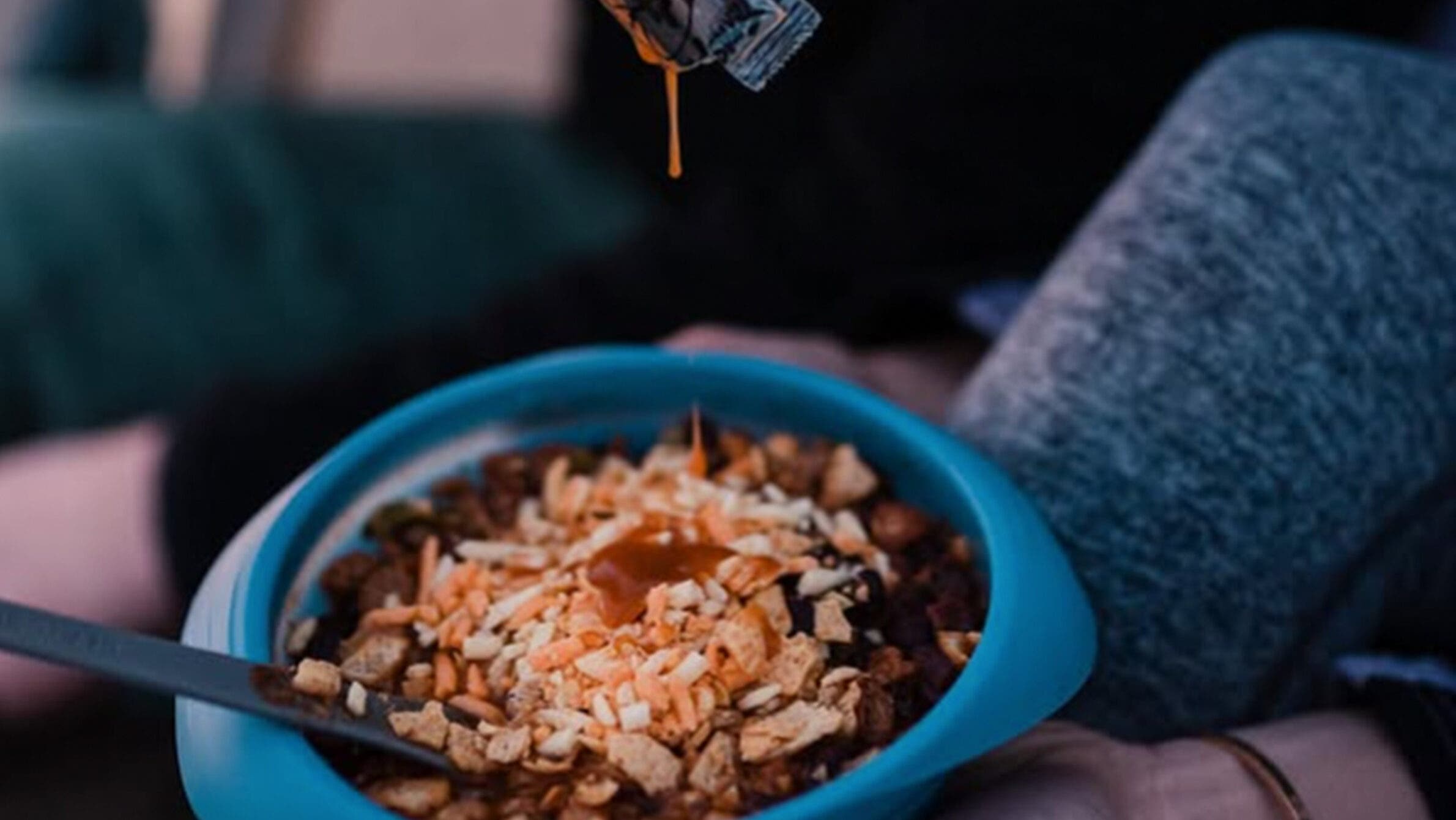
Packit Gourmet has established itself as a premier mid-tier backpacking food brand, consistently delivering calorie-dense, flavorful pouches with excellent texture that frequently rank at the top of our evaluations. It is, therefore, no surprise that the Austin-based company produces what we consider the finest chili available for backcountry consumption. The base of the Texas State Fair Chili features substantial crumbles of ground beef, rich beef stock, and hearty kidney and pinto beans, imparting a meaty, umami-rich depth that surpasses most other meals tested.
What elevates this chili is the inclusion of a toppings packet containing corn chips, which add essential salt and a welcome crunch, along with Monterey Jack cheese. For those seeking a filling and exceptionally delicious backpacking meal at a mid-range price point, Packit Gourmet offers an outstanding value proposition.
Mountain House: The Enduring Budget-Friendly Classic
Best Budget Backpacking Meal: Mountain House
- Top Flavors: Lasagna with Meat Sauce, Chicken Teriyaki, Classic Spaghetti with Meat Sauce
- Average Price: $12.50
Pros:
- Highly affordable option for bulk purchases.
- Widely available in retail locations across the United States.
- Consistent flavor profiles and rehydration times.
Cons:
- Notably high sodium content.
- Minimal textural variation in meals.
- A significant number of less appealing flavor options.
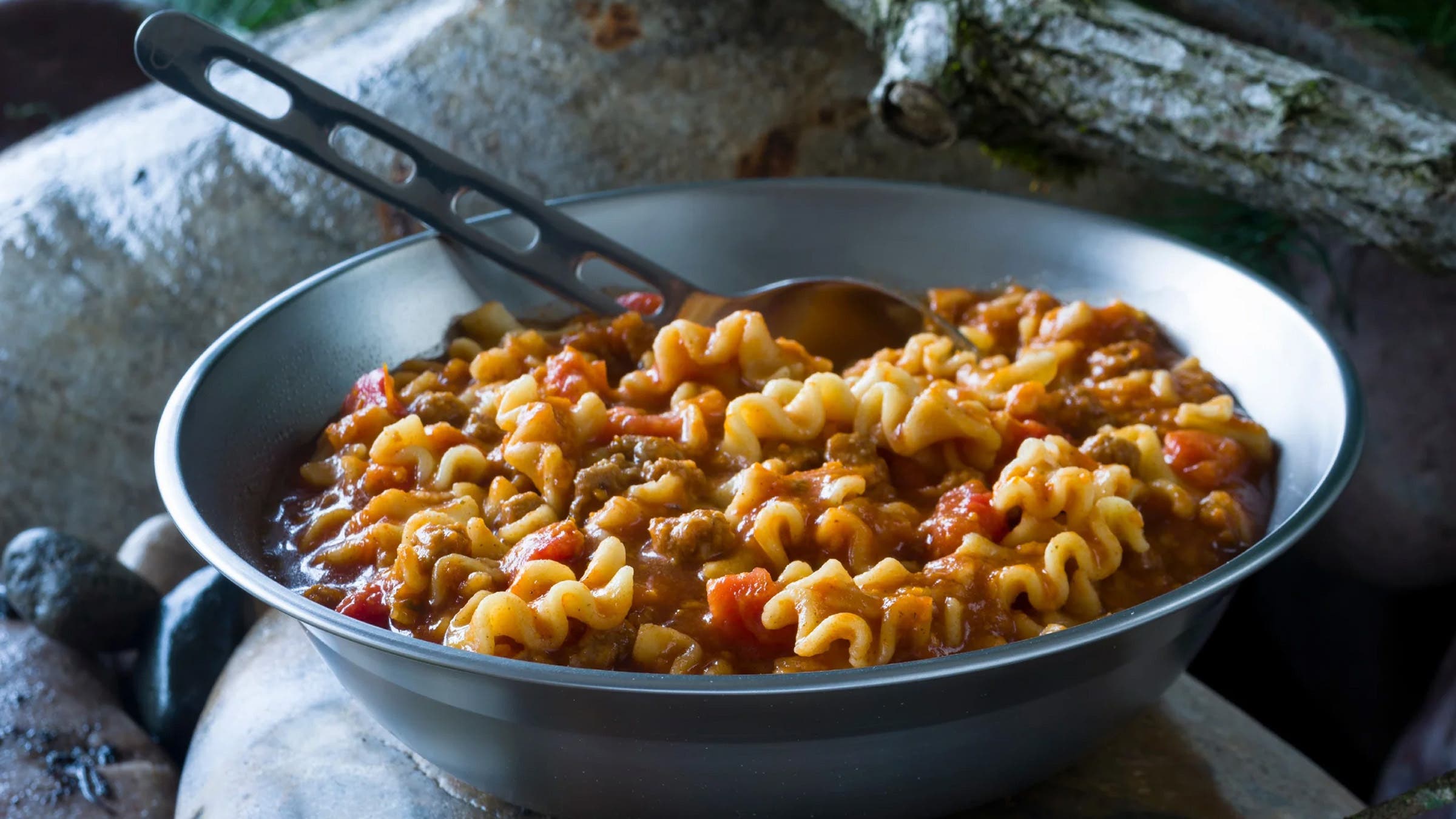
As one of the longest-standing names in the dehydrated meal industry, Mountain House has been serving backpackers since the late 1960s, with origins tracing back to supplying the U.S. military even earlier. This extensive history is reflected in their consistently palatable flavors, with some, like the lasagna, being perennial favorites. While perhaps not the choice for daily consumption on a thru-hike due to high sodium levels and a tendency to crave more “real” food sooner than with other brands, Mountain House remains a practical and accessible option.
The relatively low price point per meal is a significant advantage for multi-day trips, and the brand’s near-ubiquitous presence in outdoor retailers and general stores nationwide ensures easy access. While not every flavor is a winner, the consistency and affordability make Mountain House a reliable choice for budget-conscious hikers.
Honorable Mentions and Brands to Consider
While the top-tier brands offer exceptional experiences, several others merit recognition for their unique contributions and quality. Peak Refuel, for instance, consistently delivers well-seasoned, calorie-dense meals with excellent textures, often at competitive prices, although occasional use of less desirable additives has been noted. Their Chicken Alfredo Pasta is a standout.
However, not all brands meet the high standards set by the leaders. Certain manufacturers have been noted for consistently disappointing textures, bland or artificial flavors, and the excessive use of unhealthy ingredients like high-fructose corn syrup, palm oil, and excessive sodium. These brands, while available, often fail to deliver a satisfying backcountry dining experience and are generally best avoided by discerning hikers.
Rigorous Testing Methodology: Ensuring Quality and Reliability
The evaluation process for these backpacking meals has been extensive, spanning over three years and encompassing taste tests from 44 different brands. The selection criteria prioritized flavor above all else, recognizing that enjoyment is paramount for sustained backcountry travel. Following flavor, calorie and protein counts were assessed to ensure adequate nutritional support for hikers of all levels. Further considerations included the presence of potentially detrimental ingredients such as corn syrup, palm oil, and high sodium levels. Practicality was also a key factor, with meals requiring multiple steps, pots, or generating excessive microtrash being penalized. Finally, price was weighed, with a general benchmark of $15 per meal, though premium brands like Stowaway Gourmet were deemed worthy of their higher cost due to exceptional quality.
The decision to rank brands rather than individual meals was deliberate. This approach acknowledges that brands often exhibit consistent quality across their product lines, and it provides consumers with a more holistic understanding of a company’s offerings. Furthermore, it acknowledges that hikers typically rotate through various meals on longer trips, making brand reputation a more reliable indicator of overall satisfaction than the availability of a single, specific flavor.
The Expert Behind the Palate: Meet Our Tester
The comprehensive evaluations and rankings presented in this guide are the work of Benjamin Tepler, a senior gear editor for Backpacker and Outside magazines. Tepler’s extensive experience in both the culinary world, holding two professional culinary degrees and working in kitchens nationwide, and his background as a food editor and restaurant critic in Portland, Oregon, before transitioning to the outdoor industry, provide him with a unique and authoritative perspective on food quality and preparation, even in the context of backcountry dining. His expertise ensures that the assessments are not only thorough but also grounded in a deep understanding of flavor, texture, and nutritional value.