The sports technology sector is no stranger to unexpected mid-cycle software updates, yet the latest announcement from endurance wearable manufacturer COROS has managed to upend conventional industry expectations. In a move that defies traditional product-tier segmentation, COROS has rolled out a public beta firmware update extending full, offline topographic mapping capabilities to the existing COROS Pace 4. Historically, comprehensive offline mapping has been strictly reserved for premium-tier endurance watches or lifestyle smartwatches. By pushing this capability down to a lower price point, COROS has fundamentally altered the competitive landscape for GPS-enabled sports watches, challenging established industry paradigms held by legacy competitors such as Garmin, Suunto, and Polar.
Background and Historical Context of Endurance Watch Mapping
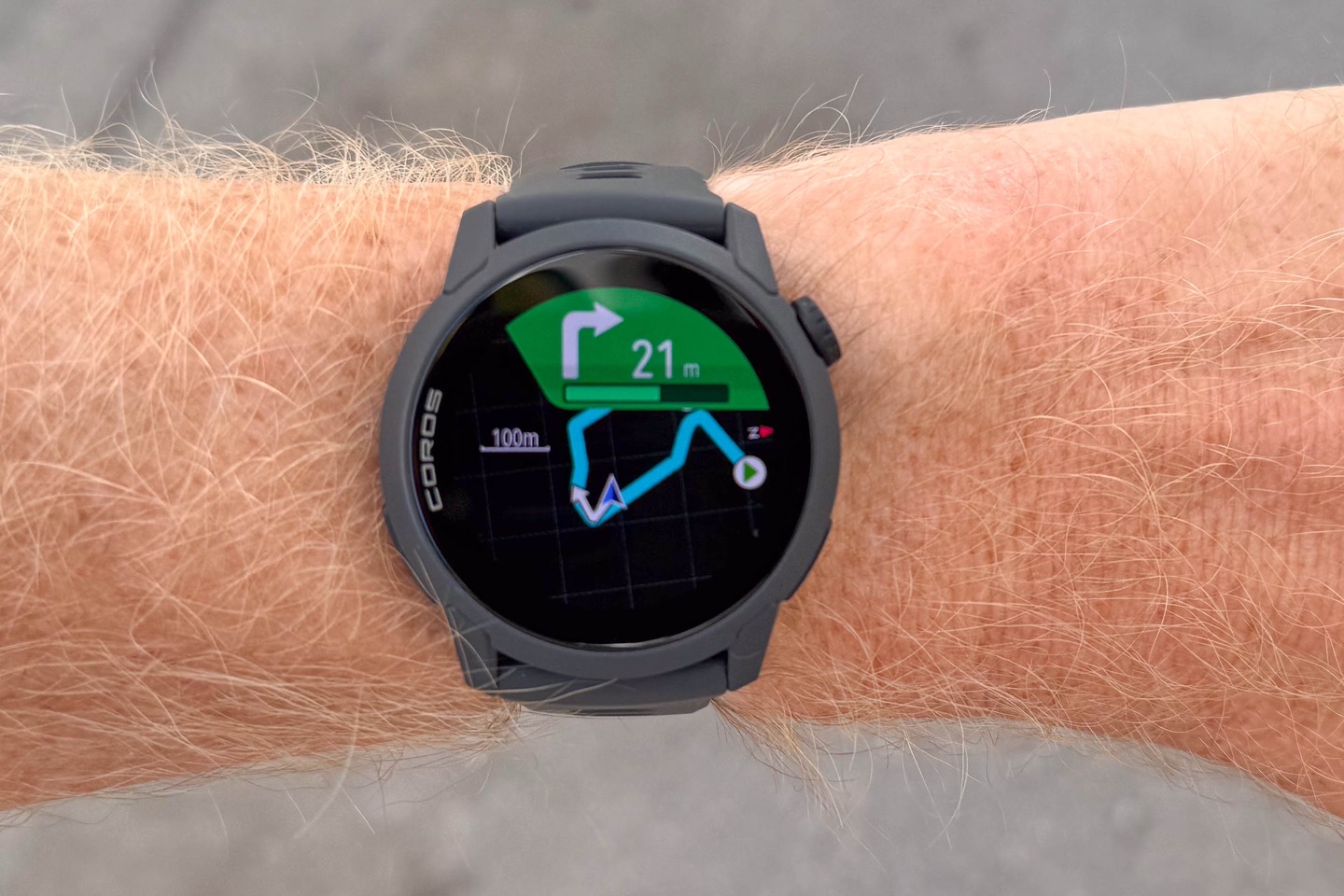
To understand the magnitude of this firmware release, one must examine the historical product segmentation strategies employed by sports technology manufacturers over the past decade. Traditionally, endurance-focused GPS watches have been strictly categorized by hardware tiers. Entry-level and mid-range devices—typically priced under three hundred dollars—offered basic workout tracking, heart-rate monitoring, and rudimentary breadcrumb navigation. These breadcrumb trails allowed users to upload a pre-determined GPX course and follow a pixelated line against a completely blank background screen, leaving athletes with zero geographical context regarding surrounding roads, elevation lines, or geographical features if they strayed from the designated path.
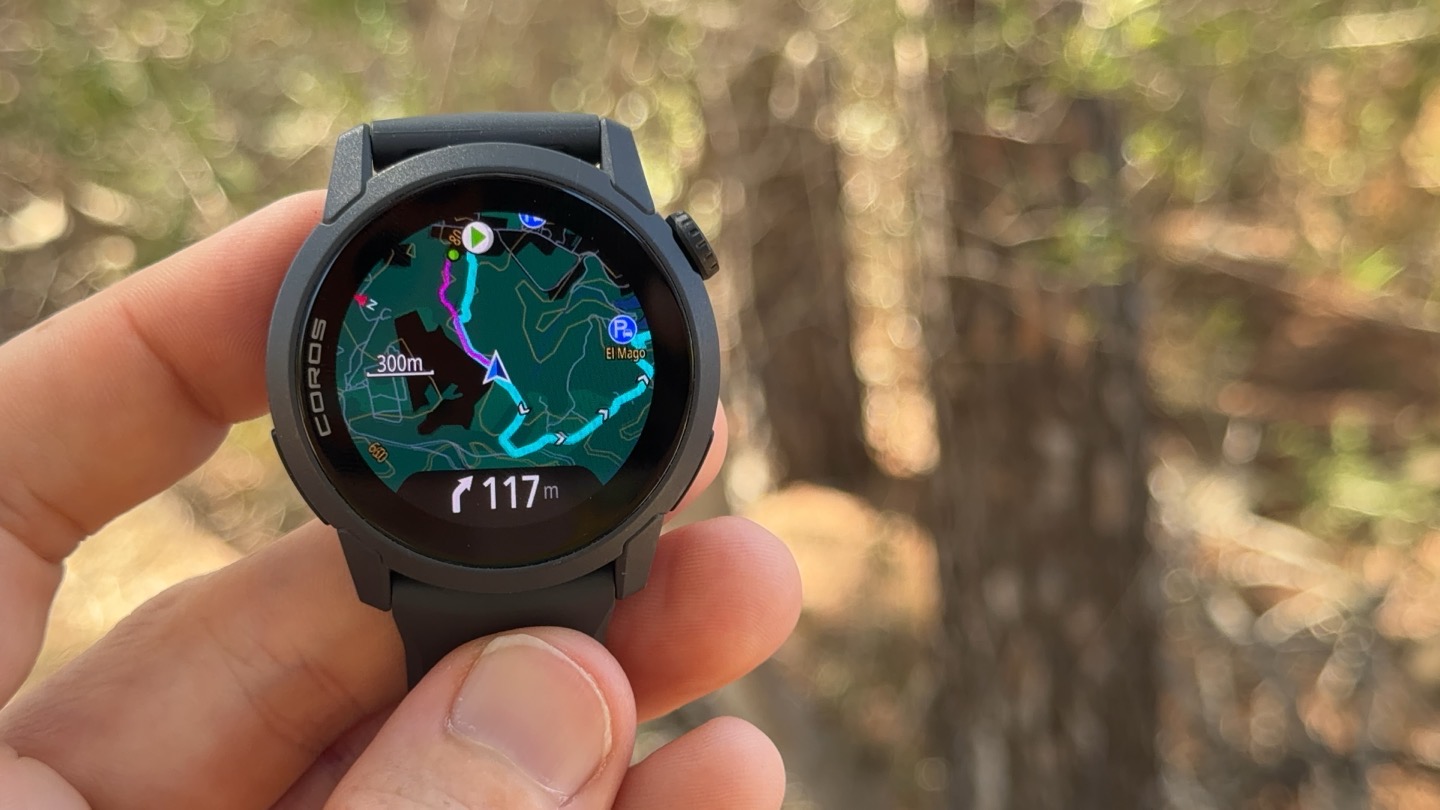
Full offline vector or raster mapping with topographic details was historically reserved for flagship flagships. Devices command a significantly higher price point, frequently doubling or tripling the cost of an entry-level performance watch. While smartwatch giants like Apple, Samsung, and Google introduced sophisticated maps and turn-by-turn routing earlier, their ecosystems catered primarily to urban environments, offering limited battery efficiency and lacking the robust physical buttons, satellite redundancy, and rugged durability demanded by endurance athletes, ultramarathoners, and backcountry adventurers.
When COROS launched the Pace series, it quickly captured market share by delivering lightweight, highly accurate performance tracking at a fraction of the cost of competing flagship devices. However, the absence of real mapping remained the primary hardware differentiator separating the Pace line from higher-end offerings like the COROS Pace Pro and the COROS Nomad. This latest software update effectively bridges that gap, democratizing advanced navigation tools for budget-conscious consumers.
Chronology of the Feature Rollout and Public Beta Launch
The rollout of the new mapping firmware began abruptly in September, catching industry analysts and consumers off guard. Rather than withholding the feature for a future hardware iteration—such as a hypothetical Pace 5—COROS opted for an immediate software-based deployment.

The chronology of the release unfolded rapidly through official community support channels:
- Initial internal testing of the resource-heavy mapping engine on the Pace 4’s constrained hardware architecture.
- Finalization of memory allocation protocols to ensure that background operating systems and daily metrics processing remained unaffected by map data integration.
- Official announcement and deployment of the public beta firmware, allowing any registered Pace 4 owner to download and install the software immediately.
- User implementation phase over the weekend, accompanied by standard early-stage software feedback regarding compass responsiveness and tile-rendering speeds.
As is standard protocol within the technology and sports science communities, manufacturers have issued cautious advisories regarding immediate installation. Industry experts strongly recommend that athletes competing in imminent weekend races refrain from updating their device firmware the night before an event, noting that beta software, while largely stable, can occasionally introduce unforeseen anomalies during peak operational stress.
Technical Specifications, Storage Constraints, and Regional Map Sizes
The primary engineering hurdle COROS engineers faced when adapting full mapping for the Pace 4 was hardware limitation, specifically onboard storage capacity. While premium models such as the COROS Pace Pro and the COROS Nomad boast generous 32-gigabyte internal storage drives, the Pace 4 is constrained by a modest 4-gigabyte capacity. A significant portion of this space—approximately 2.3 gigabytes on typical user devices—is pre-allocated to system files, firmware caches, historical workout data, and device settings, leaving a limited window for downloadable topography.
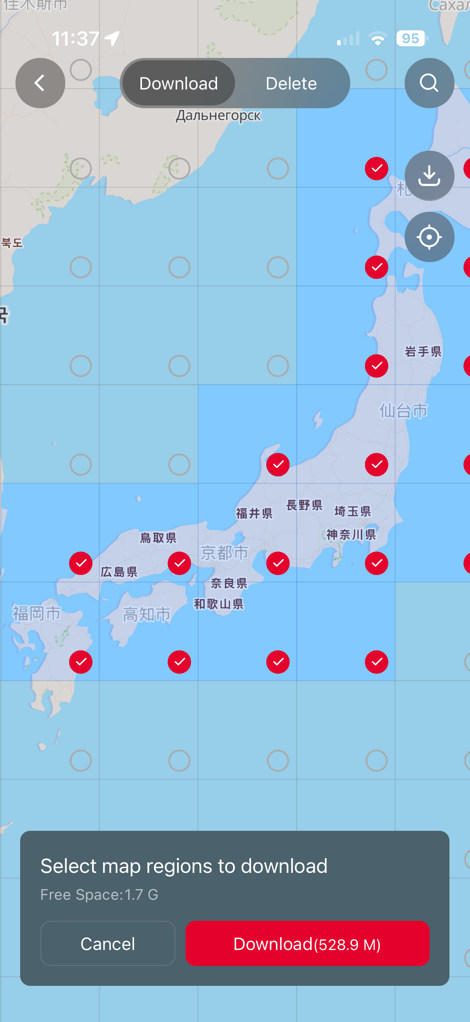
Unlike competitor ecosystems that often require users to download entire continents or massive multi-country regions at once, COROS utilizes a modular regional tile system. This granular approach allows users to selectively download precise geographical zones pertinent to their immediate training blocks or travel itineraries, optimizing precious storage space.
Analysis of regional map storage requirements highlights the efficiency of the COROS data compression framework:
- Germany: Approximately 1.1 GB
- Spain (Mainland): Approximately 780 MB
- United Kingdom & Ireland: Approximately 580 MB
- Japan: Approximately 550 MB
- California, USA: Approximately 330 MB
- South Africa: Approximately 300 MB
- Colorado, USA: Approximately 225 MB
- Mallorca, Spain: Approximately 14.5 MB
By allowing targeted downloads down to granular municipal and island levels, the 4-gigabyte ceiling ceases to be an operational barrier for the average runner or cyclist. Users planning localized training sessions or international travel can easily curate their onboard maps to match specific geographical requirements without running out of memory.
Functional Capabilities and Interface Performance
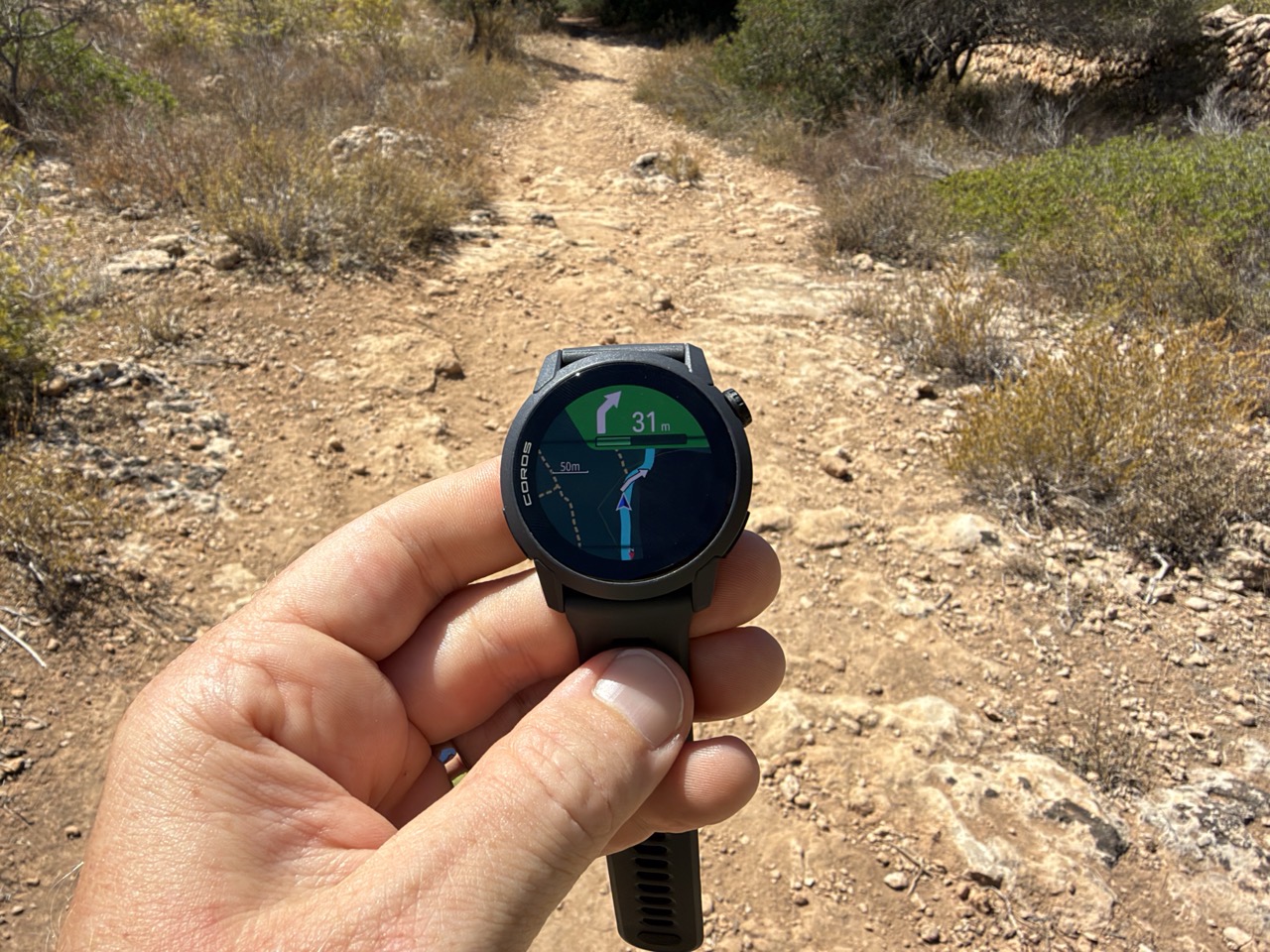
It is important to note the technical classification of the maps provided in this update: they are classified as non-routable offline maps. Similar to the implementation found on other COROS devices, the map functions as a static, highly detailed topographical image displayed directly beneath the user’s active breadcrumb navigation course.
Because the maps are non-routable, users cannot execute on-device route generation or dynamic real-time re-routing directly from the watch interface. Any course modifications, unexpected detours, or spontaneous route creation must be generated beforehand via external platforms—such as the native COROS mobile application, Strava Routes, or Komoot—and subsequently synced to the device. For the vast majority of endurance athletes, hikers, and trail runners who strictly follow pre-planned tracks, this limitation has negligible impact on real-world utility.
Early field evaluations indicate that map-rendering speeds and tile enumeration on the Pace 4 perform comparably to higher-end hardware variants like the COROS Nomad. Both devices process underlying map data at near-identical speeds. However, early beta testers have noted minor software quirks, such as slight latency in orientation updates when rapidly rotating the wrist or changing physical body orientation relative to the built-in 3D magnetic compass. Software engineers attribute these minor inconsistencies to standard early-build optimization issues expected to be resolved prior to the final public release candidate.
Broader Industry Implications and Competitor Impact
The introduction of full offline mapping to an affordable performance watch carries profound commercial and strategic implications for the global sports wearable market. For years, pricing tiers within the industry relied on the artificial or hardware-restricted withholding of navigation features to drive consumers toward top-tier flagships.
By demonstrating that efficient software architecture and modular data compression can bring advanced offline maps to a 4GB device, COROS has established a new benchmark for consumer value. Competitors in the endurance technology space—most notably market leader Garmin, alongside Suunto and Polar—now face mounting consumer pressure to re-evaluate how advanced software features are distributed across their respective product portfolios. If entry-level performance watches begin offering robust navigational aids natively, justification for high-end price discrepancies narrows considerably.
As the public beta testing period progresses, consumer adoption metrics and community feedback will dictate the final polish of the software before its general release. For current owners of the COROS Pace 4, the update represents an unexpected, zero-cost hardware enhancement that significantly extends the functional lifespan and utility of their existing investment, cementing a paradigm shift in what athletes can expect from mid-tier sports technology.