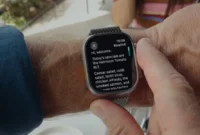
Apple has officially announced its next-generation wearable lineup, introducing the Apple Watch Series 12 and the Apple Watch Ultra 4. Industry analysts and technology observers are characterizing the simultaneous release as the most substantial hardware and software leap for the Apple Watch ecosystem since the debut of the original Ultra tier. Departing from previous launch cycles—where hardware updates alternated between standard and rugged editions—Apple has equipped both flagship models with a unified processing architecture and an extensively redesigned sensor package.
The announcement, delivered during a prominent product launch event at Apple’s corporate campus, highlights a strategic pivot toward advanced biometric tracking, deeper health analytics powered by machine learning, and continuous, on-device audio intelligence. While these innovations promise to deliver unprecedented insights for everyday users and data-driven athletes alike, certain ambient audio recording capabilities are already sparking discussions surrounding modern privacy standards.
Unified Hardware Architecture and Processing Power
At the core of both the Apple Watch Series 12 and the Apple Watch Ultra 4 lies the newly engineered S11 chipset. Borrowing foundational silicon elements from the A20 Pro architecture featured in the iPhone 18 Pro, the S11 chip introduces a dedicated secure audio processing exclave. This localized processing environment is designed to handle complex machine learning tasks entirely on the device, ensuring that sensitive audio data and biometric readings remain isolated from cloud infrastructure.
The physical design specifications of both models reflect distinct updates tailored to their target demographics. The Apple Watch Series 12 retains its familiar form factor while introducing a display cover material engineered to be 60 percent stronger against impact and scratching. Consumers can select from four standard colorways—Grey, Black, Gold, and a newly introduced Dark Bronze—alongside a premium ceramic option available in white or blue, and a continuation of the high-end Hermès edition. Despite the integration of more powerful internal components, the Series 12 maintains Apple’s standard 24-hour battery life claim.
Conversely, the Apple Watch Ultra 4 caters to endurance athletes and outdoor enthusiasts, offering core colorways in black or silver alongside a dynamic collection of new bands, including translucent Ocean bands. Battery longevity on the Ultra 4 has been extended to more than two days under normal operational parameters. Furthermore, Apple has introduced a revamped Extended Battery GPS mode and a novel Max Extended Mode, which delivers up to 45 hours of continuous GPS workout tracking without compromising the sampling rates of GPS or recorded heart rate data.
Next-Generation Heart Rate Sensing and Biometric Precision
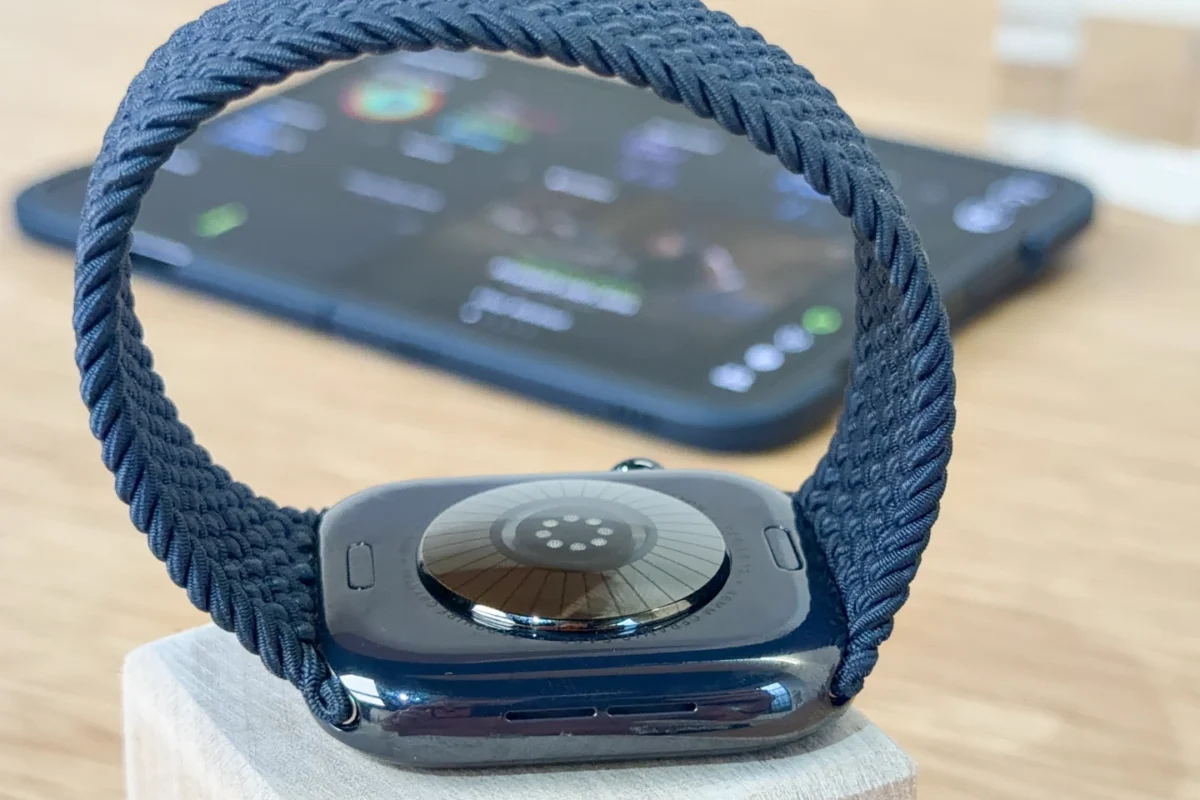
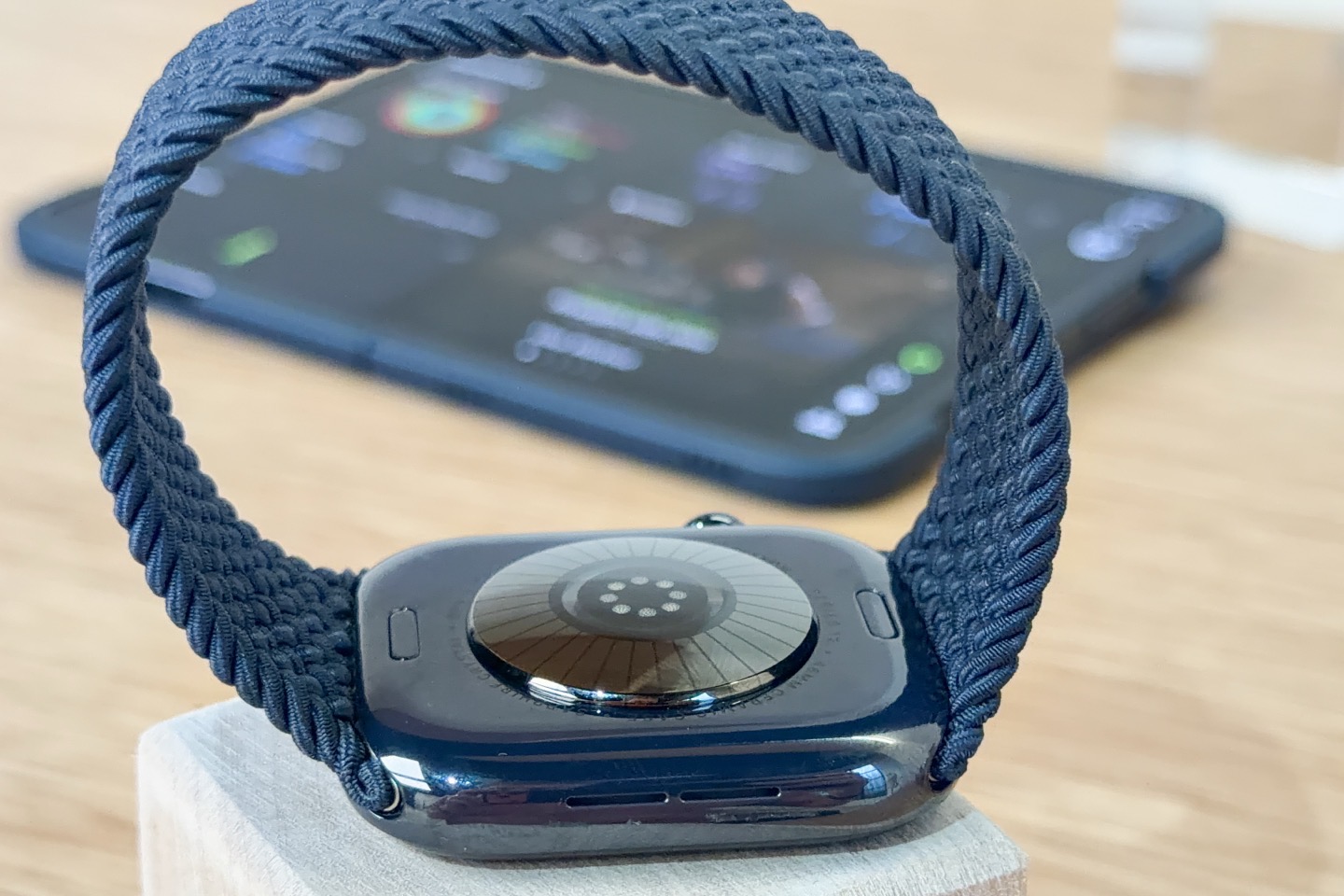
The most notable physical upgrade shared by both devices is the completely revamped heart rate sensor package. Apple has re-architected the sensor array on the underside of the watches, increasing the electrode surface area to enhance the fidelity of electrical heart signals utilized during electrocardiograms (ECGs). Beneath the electrodes, newly integrated photodiodes improve workout data capture, while a dense LED array optimizes continuous, round-the-clock heart rate monitoring.
Despite packing more hardware components into the sensor housing, the physical sensor bump has been made thinner than previous generations. This optimization allows for closer skin contact and more consistent data acquisition.
Leveraging this upgraded hardware, Apple has significantly increased the frequency of background physiological measurements. Non-workout heart rate readings are now captured every five seconds, representing a 60-fold increase in data points compared to previous models. Additionally, heart rate variability (Vitals) measurements are recorded every five minutes, capturing 24 times more data than the previous hardware generation.
Apple asserts that these enhancements make the Series 12 and Ultra 4 the most accurate heart rate-sensing wearables on the market. To substantiate this claim, the company published an accompanying technical white paper detailing rigorous accuracy studies and direct comparisons against prominent industry competitors.
Enhanced Health Analytics, HRV Integration, and Readiness Scores
The exponential increase in biometric data feeds directly into redesigned software features within watchOS and the companion iOS applications. Overnight heart rate variability trends are now integrated directly into the Vitals application, alongside a newly introduced daytime HRV view. To establish baseline health metrics, these features require an initial seven-night calibration period.
Building upon these continuous metrics, Apple has introduced a formalized Readiness Score. Calculated daily and presented on a scale from zero to ten, the score provides users with an actionable evaluation of their physical recovery status. The algorithm synthesizes sleep architecture, vital metrics, training load, and recent activity data to assign one of four core descriptors: Recover, Pace Yourself, Ready, or Go For It.
These capabilities are complemented by a forthcoming redesign of the Apple Health application on iOS, scheduled for release later this year. The updated application will incorporate advanced AI summaries, personalized health recommendations, and adaptive training guidance, including automated interval suggestions.
Among the most prominent additions to the Health app is the "Health Age" metric, which calculates an estimated biological age based on sleep patterns, VO2 Max, heart rate variability, baseline heart rate, exercise minutes, daily step counts, and optional laboratory test results. A new longevity tab aggregates data concerning nutrition, metabolic health, overall movement, auditory health, cardiovascular performance, and mental well-being. Furthermore, the platform now natively supports the ingestion of lab work and introduces a simplified six-minute VO2 Max assessment that can be completed in a home environment, alongside standardized tests for flexibility, movement mechanics, and muscular strength.
On-Device Audio Intelligence and Emerging Privacy Discourse
Perhaps the most technologically complex and controversial addition to the Apple Watch Series 12 and Ultra 4 is the suite of Audio Intelligence features processed entirely on-device via the secure enclave of the S11 chip.
Among the less contentious utilities are enhanced Sound Recognition alerts, which utilize machine learning to instantly notify users of environmental sounds such as emergency sirens, household doorbells, or a crying baby, displaying textual alerts directly on the watch face.
For media consumption and navigation, the watches introduce "Instant Shazam," a continuous background identification feature that displays the title of nearby background music the moment the user raises their wrist. Additionally, a feature designated as "Live Rewind" allows users to double-tap the Digital Crown to instantly generate a text-only transcription of the preceding 15 seconds of spoken dialogue.
However, the inclusion of "Siri Recap"—a system designed to provide continuous background summaries of conversations and spoken interactions occurring around the user—has drawn immediate scrutiny from privacy advocates and industry analysts. While Apple has emphasized that all audio processing occurs locally without transmitting raw audio files to external servers or cloud storage, the capability to summarize ambient discussions introduces complex social and legal questions regarding consent in public and semi-private spaces.
To mitigate privacy concerns, Apple has structured the software to ensure that no specific speaker names are identified within summaries, and exact quotations or raw transcriptions are excluded from the Siri Recap logs. The sole exception occurs when a user explicitly initiates a 15-second Live Rewind and forwards the clip to Siri. Furthermore, users retain granular control over the system, enabling them to independently configure, enable, or disable audio features, and restrict Siri Recap operations based on specific times, days, or geographical locations via customizable Focus Modes.
Market Implications and Availability
The simultaneous launch of the Apple Watch Series 12 and Apple Watch Ultra 4 marks a decisive escalation in the competitive wearable technology landscape. By unifying high-end health sensors and advanced computational silicon across both standard and rugged form factors, Apple has eliminated the hardware disparities that previously differentiated its product tiers.
Industry analysts suggest that the integration of continuous biometric sampling, medical-grade health metrics, and on-device audio intelligence will accelerate the transition of consumer smartwatches into sophisticated preventative health diagnostics tools. However, the adoption curve for features like Siri Recap will likely depend heavily on regulatory evaluations and consumer comfort levels regarding ambient intelligence.
Full in-depth reviews and real-world performance evaluations of the Apple Watch Series 12 and Apple Watch Ultra 4 are anticipated following the conclusion of initial field testing and data collection periods. The accompanying software updates, including the redesigned iOS Health application and advanced audio intelligence features, are scheduled to roll out via software updates later in the year.