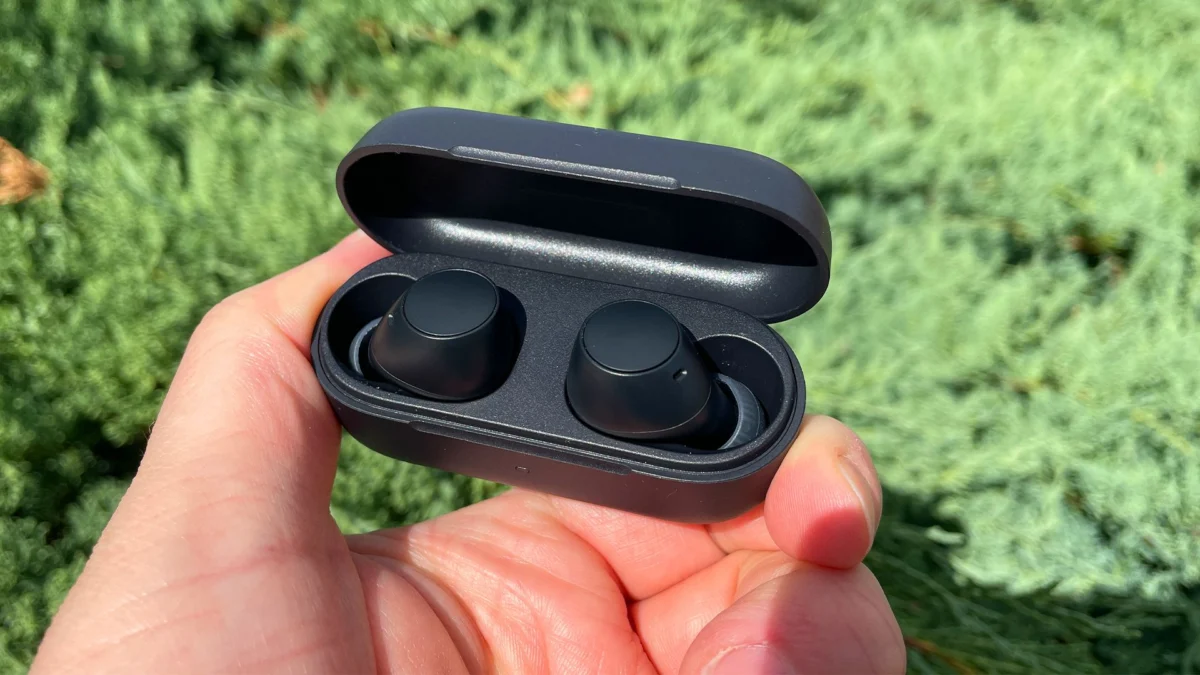
The landscape of consumer audio technology has historically been bifurcated into two distinct tiers: high-end flagship models featuring cutting-edge noise cancellation and proprietary signal processing, and a budget segment often defined by compromised build quality and limited functionality. However, the recent market entry and subsequent price adjustment of the Sony WF-C510 wireless earbuds to £28 signify a notable recalibration of value in the entry-level headphone sector. By integrating features previously reserved for mid-range and premium hardware, Sony is effectively challenging the industry standard for what consumers should expect from affordable audio equipment.
The Evolution of the Budget Audio Segment
For years, the entry-level market was characterized by significant sacrifices in battery longevity, connectivity stability, and sound fidelity. Major manufacturers typically utilized older Bluetooth chipsets and entry-level drivers to maintain low manufacturing costs. Sony’s approach with the WF-C510 series marks a departure from this trend. By leveraging advancements in micro-electronics and streamlined manufacturing processes, the company has managed to maintain its signature "house sound"—characterized by rhythmic precision and a balanced frequency response—within an ultra-low-cost chassis.
The trajectory of this product line reflects a broader trend in consumer electronics where "democratization of technology" has become a central strategy. As premium features like Bluetooth Multipoint and long-lasting battery life become ubiquitous in high-end devices, the time-to-market for these features to trickle down to budget-tier products has decreased significantly. The WF-C510 is currently the beneficiary of this rapid technology diffusion.
Technical Specifications and Performance Metrics
The Sony WF-C510 distinguishes itself through a battery performance profile that is statistically superior to many competitors in the sub-£50 category. Providing 11 hours of continuous playback on a single charge is a notable engineering achievement for a device of this size. To provide context, many competitors in the same price bracket offer between four and six hours of battery life, necessitating more frequent use of the charging case.
Key technical attributes include:
- Battery Life: 11 hours per charge, with additional capacity provided by the charging case.
- Connectivity: Integration of Bluetooth Multipoint, allowing simultaneous connection to two source devices. This is a particularly sophisticated feature for the price point, as it requires complex background management of audio streams between devices such as smartphones and laptops.
- Durability: An IPX4 water-resistance rating, ensuring protection against sweat and light precipitation, which broadens the use-case for the earbuds to include athletic activities.
- Ambient Sound Mode: A feature that utilizes the onboard microphones to pass through environmental noise, enhancing user safety during outdoor activities.
From a sound engineering perspective, the earbuds utilize a driver configuration optimized for efficiency rather than raw power. Reviews indicate that the tuning favors a musical, engaging profile rather than a flat, clinical output. This indicates a design philosophy focused on the casual listener who values timing and rhythmic engagement—traits that have become hallmarks of Sony’s audio engineering division.
Chronology of the Product’s Market Position
The release of the WF-C510 was positioned to bolster Sony’s presence in the ultra-competitive budget segment. Following its initial launch, the product underwent a series of strategic price reductions. The current £28 price point on platforms such as Amazon UK represents a critical threshold for consumer adoption.
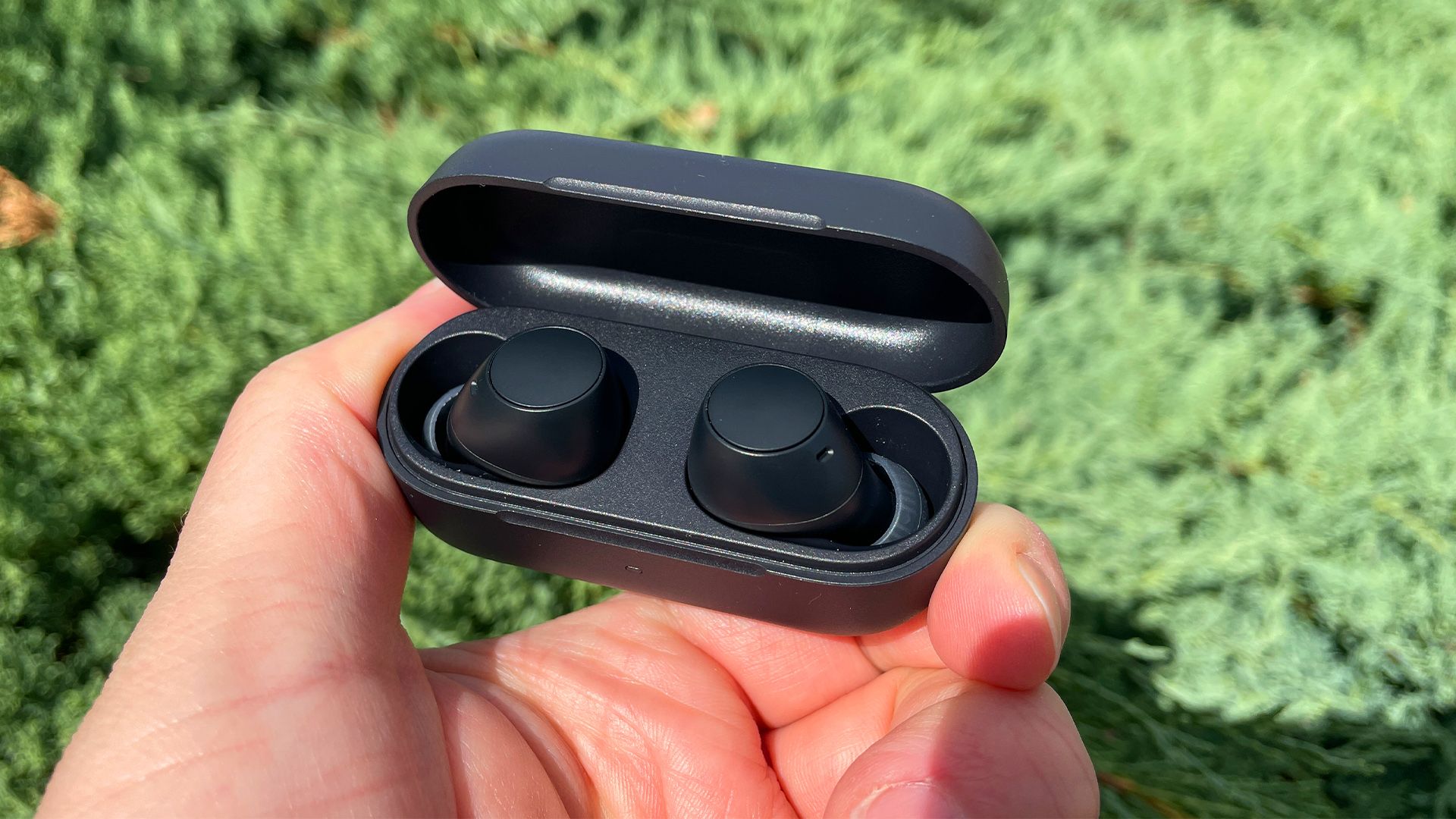
In the retail calendar, such price adjustments often follow the initial product launch cycle, typically occurring once the supply chain has stabilized and initial production costs have been amortized. This period is crucial for manufacturers, as it allows them to capture market share from generic, white-label audio brands that dominate the lower end of the retail ecosystem. By pricing a reputable, brand-name product at £28, Sony effectively disrupts the market for "budget-tier" alternatives, forcing competitors to either lower their margins or innovate beyond their current capabilities.
Broader Industry Implications
The emergence of high-performance budget hardware has significant implications for both manufacturers and consumers. For manufacturers, the primary challenge is the "cannibalization effect"—where high-value, low-cost products might deter consumers from upgrading to mid-range models. Sony’s strategy appears to be one of brand loyalty cultivation; by providing a high-quality experience at an entry-level price, the company establishes a consumer base that is likely to remain within the Sony ecosystem as their audio requirements evolve.
Furthermore, the integration of features like Bluetooth Multipoint into a £28 product suggests that wireless connectivity standards have reached a state of maturity. When advanced features become standard in low-cost hardware, it forces a shift in the premium market. Premium manufacturers are now increasingly tasked with justifying their price tags through qualitative enhancements—such as active noise cancellation (ANC) efficacy, spatial audio, and high-resolution codec support—rather than basic connectivity features.
Analysis of the Consumer Experience
While the internal components of the WF-C510 are advanced, the physical build reflects the cost-saving measures necessary to reach this price point. The plastic construction is utilitarian, lacking the premium finishes of high-end models like the Sony WF-1000XM5 or the Bose QuietComfort Ultra series. However, industry analysts note that for a vast segment of the market, functional durability is prioritized over aesthetic luxury.
The "niggle" regarding the feel of the materials is a logical compromise in the design process. To maintain an 11-hour battery life and include multipoint connectivity while keeping the cost below £30, engineers must prioritize internal hardware over external casing materials. This trade-off is clearly communicated to the consumer through the product’s price, positioning it as a high-utility, high-performance tool rather than a luxury accessory.
Market Context and Future Outlook
As the global supply chain for semiconductors and battery technology continues to stabilize, it is expected that the feature sets of budget audio devices will continue to expand. The Sony WF-C510 stands as a benchmark for this development. It is a product that demonstrates that "budget" no longer needs to be synonymous with "disposable."
When compared to the broader market, the Sony WF-C510 serves as a case study in effective product positioning. By identifying the core requirements of the average consumer—battery life, comfort, and reliable connectivity—and stripping away unnecessary frills, Sony has created a device that occupies a dominant position in its segment. The implications for the rest of the year suggest that consumers will continue to demand higher levels of functionality at lower price points, placing increased pressure on manufacturers to streamline their R&D and production cycles.
In conclusion, the Sony WF-C510 represents a pivot point in the budget headphone market. By offering a sophisticated feature set at a price point that was previously reserved for entry-level, non-branded hardware, Sony has set a new standard for value. Whether this will trigger a broader industry trend toward feature-rich, low-cost audio remains to be seen, but the current market data suggests that the demand for such products is significant and growing. For the consumer, the availability of such technology at this price point provides an unprecedented level of access to high-quality, reliable, and functional wireless audio.