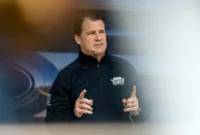
The archetype of the Silicon Valley executive has long been defined by a specific set of characteristics: a relentless focus on software scalability, data-driven decision-making, and a temperament suited for the controlled, predictable environment of the boardroom. However, the recent ascension of John Ternus to the role of Apple’s CEO suggests a departure from this traditional mold. Ternus, who formally stepped into the top position less than a month ago, possesses an off-duty persona that stands in stark contrast to the typical image of a tech leader. Far from being a man solely obsessed with algorithms and market capitalization, Ternus is an automotive enthusiast of the highest order, a distinction that has sparked intrigue among industry analysts regarding the future direction of Apple’s long-gestating automotive ambitions.
A Track Record of Performance: The Man Behind the Wheel
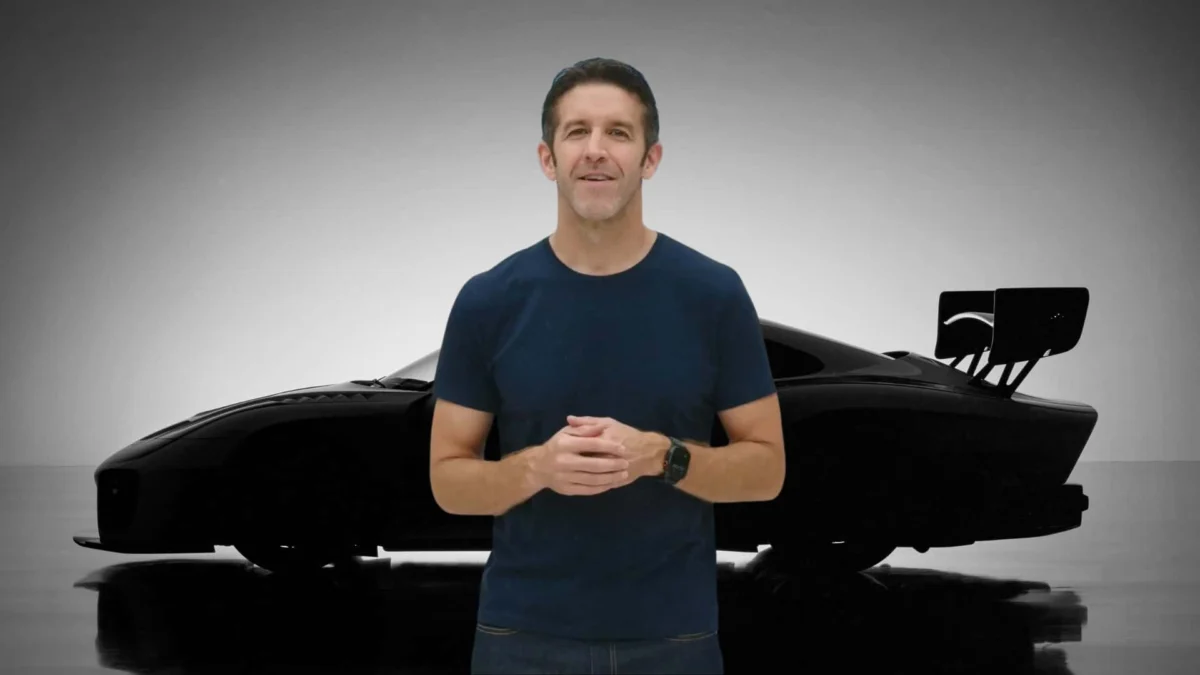
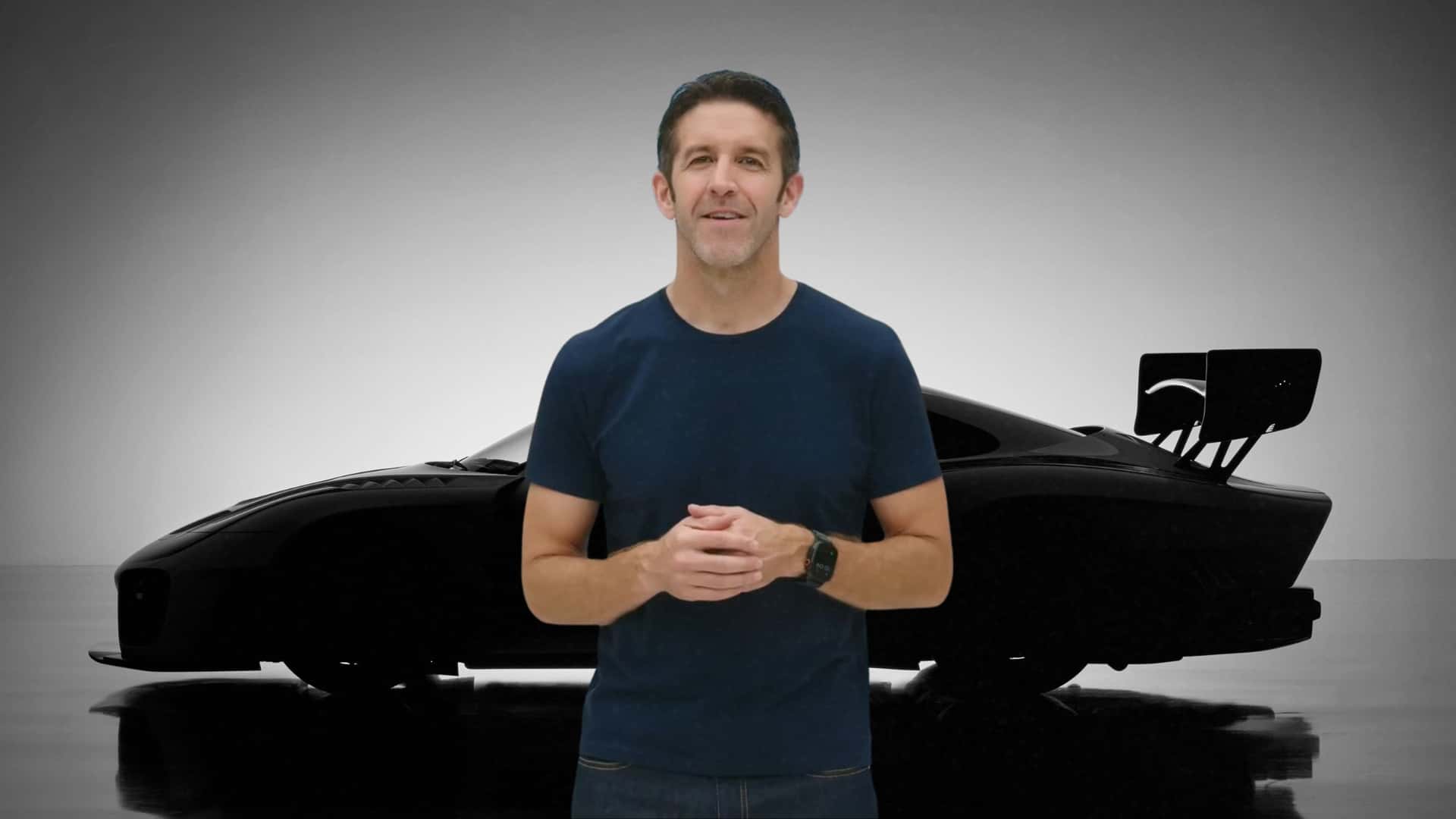
To understand the character of Apple’s new chief executive, one must look toward his personal garage, which houses some of the most sophisticated engineering in modern automotive history. Most notably, Ternus is reportedly the owner of a Porsche 935, a track-only machine that represents the pinnacle of contemporary Porsche performance. Released in 2019 to commemorate the original 1970s “Moby Dick” race car, the modern 935 is a rare specimen; only 77 units were produced for the global market.
Built upon the chassis of the Porsche 911 GT2 RS, the 935 features a lightweight carbon-fiber-reinforced polymer body and a twin-turbocharged 3.8-liter flat-six engine. The powertrain produces an impressive 700 horsepower and 553 lb-ft of torque. Given that the vehicle weighs approximately 3,042 pounds, its power-to-weight ratio is comparable to professional-grade GT race cars. Unlike the typical high-net-worth individual who treats such vehicles as static investments or "garage queens," Ternus is an active participant in the motorsport community. He has been observed testing the limits of his machine at Laguna Seca, the historic California circuit known for its challenging "Corkscrew" turn. Reports indicate that Ternus has achieved lap times under 1:40, a metric that places him in a highly competent class of amateur drivers.
Chronology of Apple’s Automotive Interests
The appointment of an enthusiast to the helm of the world’s most valuable technology company arrives at a pivotal juncture in the automotive industry. For nearly a decade, rumors persisted regarding "Project Titan," Apple’s internal initiative to develop an autonomous electric vehicle. While Apple officially shuttered its efforts to build a branded car in early 2024, the company’s footprint within the automotive sector has only continued to grow.
The trajectory of Apple’s automotive involvement can be summarized through its key milestones:
- 2014: Project Titan is initiated, with reports suggesting Apple aims to disrupt the EV market with a fully autonomous, high-end vehicle.
- 2019-2021: Apple pivots its focus toward software-defined vehicle architectures, emphasizing autonomous driving systems and cabin user interfaces.
- 2023: CarPlay undergoes its most significant evolution, integrating deeper into the vehicle’s hardware to take control of climate, fuel, and instrumentation displays.
- February 2024: Apple officially announces the cancellation of its electric vehicle development program, reallocating many staff members to its Generative AI division.
- Late 2024: John Ternus is appointed as the new CEO of Apple, succeeding Tim Cook.
This timeline reflects a strategic shift from trying to manufacture the hardware of the car itself to becoming the primary architect of the user experience within the cabin.
Supporting Data: The Value of the In-Car Experience
The transition of the automotive industry toward software-defined vehicles creates a lucrative opportunity for tech giants. According to industry research from firms such as McKinsey & Company and Deloitte, the software-defined vehicle market is expected to grow at a compound annual growth rate (CAGR) of over 15% through 2030. Apple’s current strategy centers on ensuring its software ecosystem remains the dominant interface for drivers.
While manufacturers like General Motors have experimented with removing Apple CarPlay in favor of proprietary, Google-based operating systems, the consumer demand for Apple’s integration remains high. This creates a complex landscape where Apple must balance its role as a partner to legacy automakers while maintaining the exclusivity of its own digital ecosystem. For a leader like Ternus, who understands the visceral connection between a driver and their machine, this software-hardware interface is not just a commercial product—it is a critical point of user engagement.
The Formula 1 Connection and Potential Industry Synergies
Beyond his personal track experience, Ternus has expressed a significant interest in Formula 1. While there is no official communication suggesting that Apple intends to sponsor a racing team or enter the F1 broadcast space in an expanded capacity, the timing of his appointment is notable. F1 has seen a meteoric rise in popularity in the United States, largely driven by digital media and streaming content.
Some analysts argue that the leadership style of a "car guy" like Ternus could signal a more aggressive approach to Apple’s automotive partnerships. Instead of viewing cars as peripheral devices to the iPhone, Apple may look to deepen its collaboration with high-performance brands that value precision and design—the very traits that define Porsche and other manufacturers in Ternus’s orbit. If Apple were to integrate its advanced spatial computing or AI capabilities into the racing telemetry or fan-experience side of F1, it would represent a logical extension of its current technological capabilities.
Official Responses and Corporate Strategy
Apple has maintained its characteristic silence regarding the personal interests of its executives, keeping a strict boundary between corporate strategy and private life. However, industry observers have noted that Apple’s corporate culture has always reflected the values of its leadership. Under Steve Jobs, the focus was on industrial design and the "it just works" philosophy. Under Tim Cook, the focus shifted to supply chain excellence and global scale.
Under John Ternus, the company may move toward a philosophy that prioritizes the "experience of performance." While Apple’s press office has not released a statement regarding the implications of the CEO’s interest in motorsport, the company’s recent earnings calls have repeatedly emphasized that the "Automotive" sector remains a critical pillar of its services and ecosystem expansion.
Implications for the Future of Transportation
The implications of having a CEO who is intimately familiar with the demands of a high-performance vehicle are profound. In the modern era, a car is increasingly viewed as a "computer on wheels." For a company that has spent years attempting to solve the complexities of autonomous navigation and high-speed processing, Ternus represents a bridge between the digital and the mechanical.
If Apple intends to remain the primary interface for the modern driver, it must understand the nuance of the driving experience. A leader who knows the difference between a steering rack’s feedback and a digital interface’s latency brings a level of operational literacy that is rarely found in pure software executives.
As the automotive industry faces the challenges of electrification, decarbonization, and the integration of artificial intelligence, Apple’s role is likely to transition from that of an external supplier to an essential component of the vehicle architecture. With John Ternus at the helm, the company appears well-positioned to navigate these challenges with a perspective that is both grounded in technical excellence and informed by a genuine passion for the machines that move the world. Whether this manifests as a deeper integration into the dashboard or a more robust presence in the professional racing circuit, the era of the "Car-Guy CEO" at Apple is undoubtedly set to be a fascinating chapter in the company’s history.