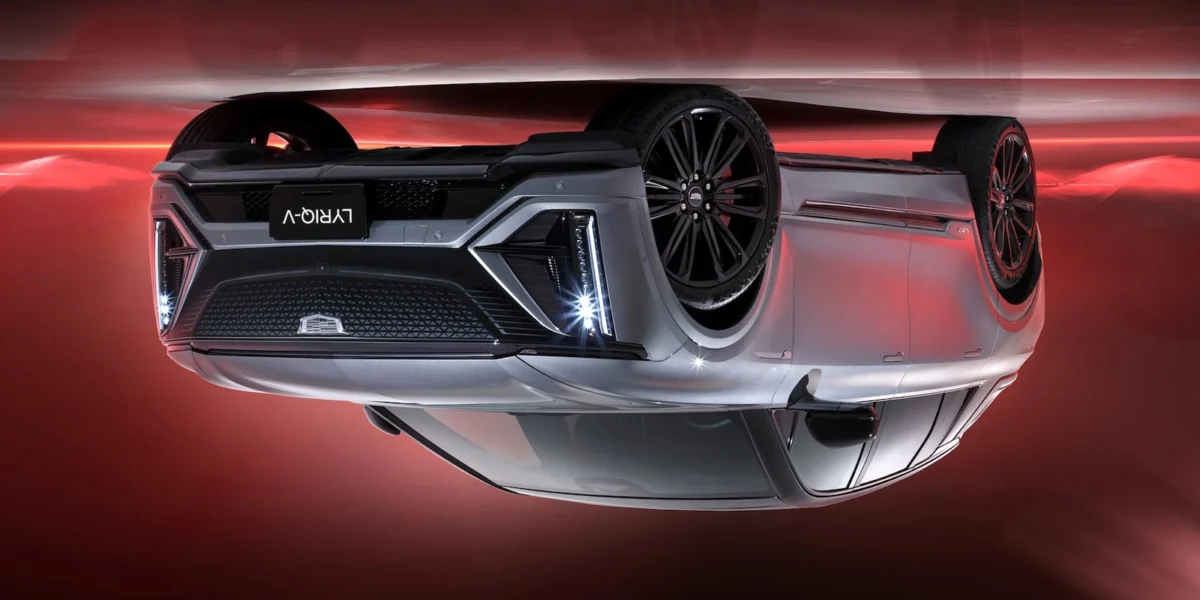
General Motors has officially confirmed the expansion of its flagship luxury brand, Cadillac, into the Oceania market with the introduction of the ultra-high-performance 2027 Cadillac Lyriq-V. Building upon the momentum of the company’s broader international initiatives—including its forthcoming Formula 1 program and recent South American expansions—GM is firmly establishing its high-end electric vehicle footprint across the globe. The arrival of the Lyriq-V in Australia and New Zealand marks a significant milestone for the American automaker, introducing the iconic V-Series performance badge to a fully electric platform for drivers Down Under.
Set to hit dealership floors for the 2027 model year, the new right-hand-drive performance SUV brings staggering specifications to the region. Delivering an impressive 615 horsepower (445 kW) and 650 lb-ft (880 Nm) of torque, the Lyriq-V bridges the gap between track-ready capability and everyday luxury utility. According to official performance metrics, the vehicle accelerates from 0 to 100 km/h (approximately 62 mph) in a blistering 3.6 seconds. This launch not only signifies a major technological leap for Cadillac in international markets but also underscores GM’s aggressive strategy to compete directly with established luxury EV manufacturers on a global scale.
The Strategic Evolution of GM’s Global Luxury Footprint
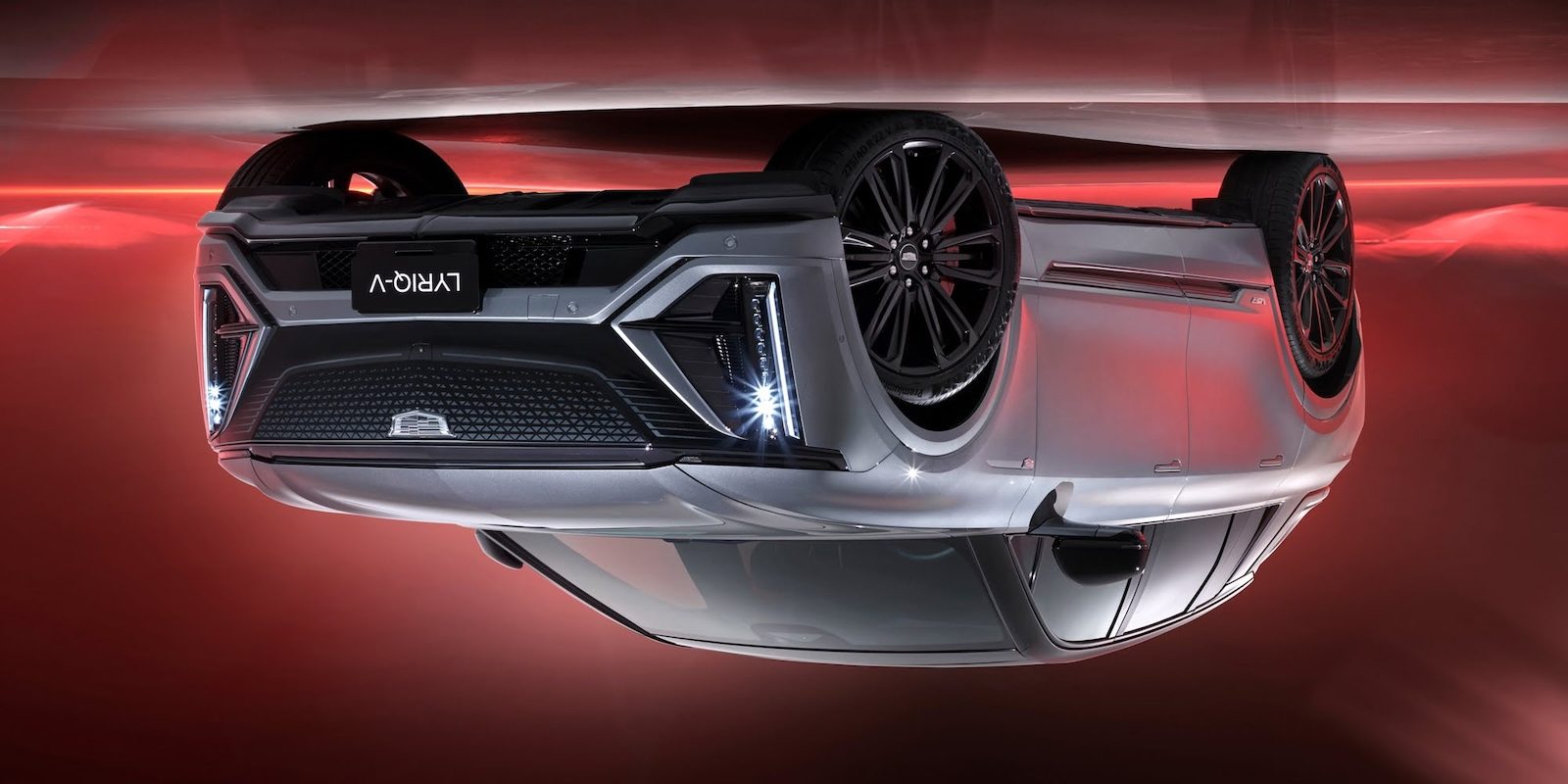
The introduction of the Lyriq-V to Australia and New Zealand does not occur in a vacuum; it is part of a meticulously orchestrated global rollout by General Motors. Over the past several years, GM has systematically evaluated and restructured its international portfolio to prioritize electrification and high-margin luxury segments. The pivot toward right-hand-drive (RHD) production for core electric architectures represents a fundamental shift in the company’s manufacturing flexibility.
Historically, American automotive giants have faced criticism for treating international markets as secondary considerations, often delaying or omitting high-performance variants due to low projected volume. However, the 2027 Lyriq-V disrupts this historical trend. By utilizing the RHD engineering framework initially developed and tested for the Japanese market earlier this year, GM has demonstrated a streamlined approach to global product deployment. This shared platform engineering allows the brand to introduce specialized regional trims—such as market-specific interior upholstery and larger exterior side mirrors tailored to local visibility standards—without compromising the vehicle’s core structural integrity or performance characteristics.
Furthermore, this regional launch aligns with GM’s broader corporate timeline. Earlier in the year, Cadillac expanded its presence into emerging markets like Brazil, signaling a synchronized push across multiple continents. Simultaneously, GM’s technological roadmap has prioritized consumer convenience, with all 2027 model-year GM electric vehicles engineered to plug directly into widespread charging infrastructure, including Tesla Superchargers, drastically reducing range anxiety for early adopters in Oceania.
Engineering Specifications and Performance Metrics
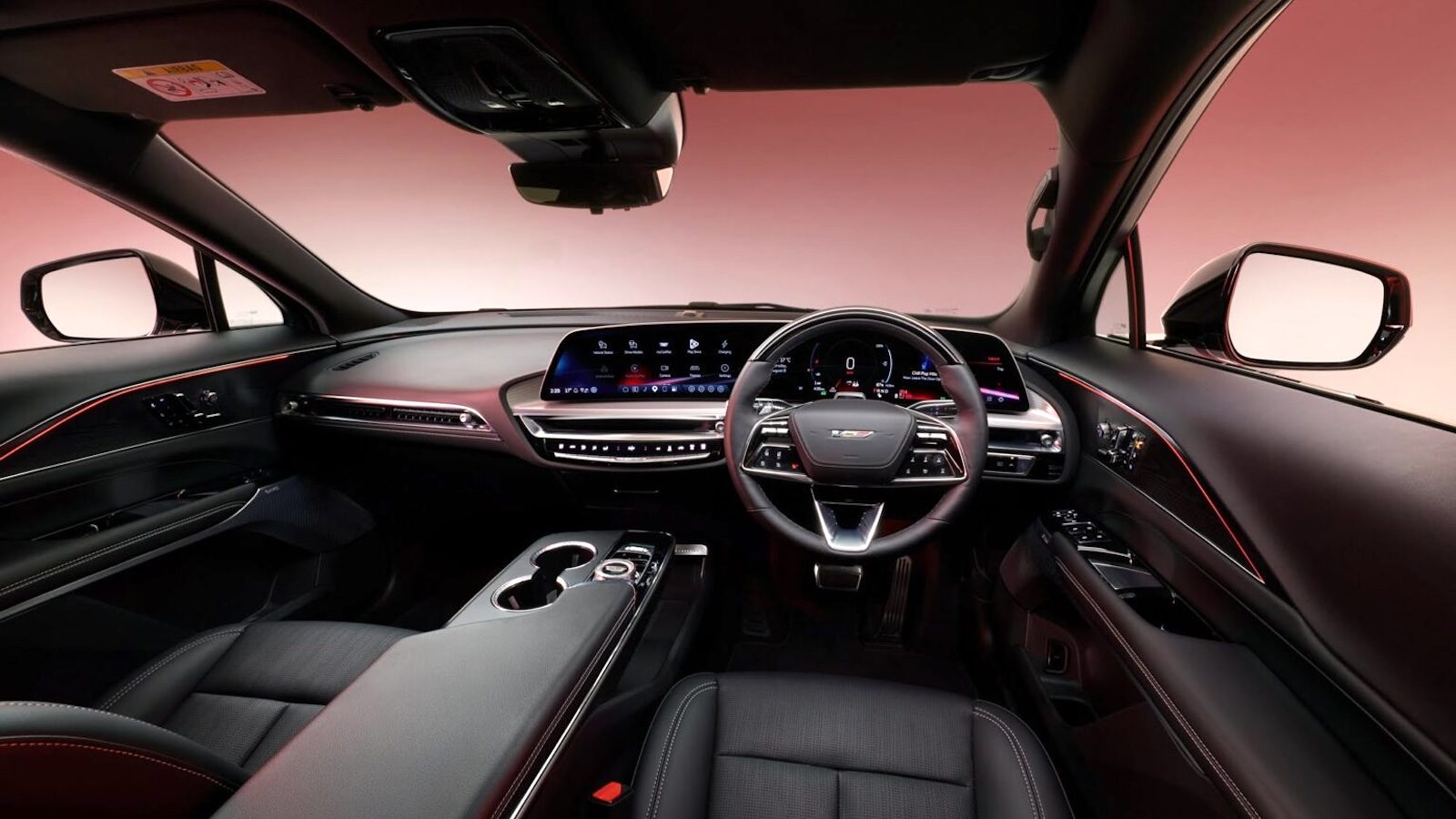
At the heart of the 2027 Cadillac Lyriq-V is an advanced powertrain designed to deliver immediate throttle response, precise handling, and high-speed stability. The dual-motor configuration distributes power intelligently to all four wheels, ensuring maximum traction across varying road conditions.
For the Oceania market, GM has opted to equip the Lyriq-V with its specialized international 92-kWh battery pack. While slightly optimized to meet regional efficiency and regulatory standards, this energy storage unit provides a respectable estimated driving range of 471 kilometers (approximately 295 miles) on the rigorous Worldwide Harmonised Light Vehicles Test Procedure (WLTP) combined cycle.
Beyond raw acceleration and battery capacity, the Lyriq-V incorporates cutting-edge vehicle-to-grid (V2G) technology. This capability transforms the SUV from a mere mode of transportation into an interactive energy asset. In regions like Australia and New Zealand—where grid stability and renewable energy integration are top priorities for policymakers—V2G-capable electric vehicles offer consumers the ability to power their homes during peak demand periods or emergency outages. This dual functionality elevates the Lyriq-V from a high-performance luxury toy to a practical tool for modern, sustainable living.
Official Responses and Industry Perspective

Leadership within General Motors has expressed immense optimism regarding the reception of the brand’s first electric V-Series vehicle in the Southern Hemisphere. Greg Rowe, Acting Managing Director for GM Australia and New Zealand, emphasized the historic nature of the rollout during the official announcement.
"Lyriq-V is a landmark vehicle for Cadillac in Australia and New Zealand," Rowe stated. "It brings the V-Series badge into the electric era for the first time, and delivers the immediacy, the precision, and the drama our customers expect from a performance Cadillac."
Rowe further elaborated on the balance between raw power and daily drivability, noting that at 445 kW, 880 Nm, and a 3.6-second sprint to 100 km/h, the vehicle functions as a genuine performance SUV while retaining the refinement, advanced technology, and everyday usability that define the Lyriq experience.
Industry analysts have similarly praised GM’s pragmatic pricing strategy for the region. With pricing set to start at approximately 109,000 NZD (roughly $62,500 USD), the Lyriq-V undercuts several European competitors while offering comparable or superior performance metrics. This aggressive pricing structure is expected to disrupt the local premium EV segment, forcing legacy luxury brands to reevaluate their regional pricing models.

Implications for the Oceania Electric Vehicle Market
The entry of Cadillac into the Australian and New Zealand luxury EV landscape carries profound implications for the local automotive industry. Both nations have experienced a gradual yet accelerating transition toward zero-emission transport, though consumer adoption has historically been bottlenecked by a lack of diverse, high-performance offerings in the luxury segment.
By introducing a vehicle that combines American muscle heritage with modern EV efficiency and advanced V2G capabilities, GM is targeting a very specific demographic: affluent, tech-forward consumers who demand uncompromising performance without sacrificing environmental consciousness. Moreover, the integration of RHD configurations directly from the factory eliminates the costly and often polarizing aftermarket conversions that previously plagued American imports in Australia.
As the 2027 model year approaches and dealership deliveries draw near, the success of the Lyriq-V will likely serve as a bellwether for future Cadillac expansions. If the vehicle achieves its projected sales targets, it could pave the way for additional electric models from GM’s luxury portfolio to make the journey Down Under, cementing the brand’s long-term viability in the Asia-Pacific and Oceania regions. Through meticulous engineering, strategic localized adjustments, and a clear focus on cutting-edge performance, Cadillac is well-positioned to carve out a dominant niche in one of the world’s most discerning automotive markets.