The most significant barrier preventing widespread consumer adoption of electric vehicles (EVs) in the United States—the prohibitive price tag—is undergoing a rapid and transformative shift. For years, the "green premium" acted as a gatekeeper, reserving EV ownership for luxury-segment buyers. However, recent data from Kelley Blue Book (KBB) reveals a structural change in the automotive landscape: the average transaction price (ATP) for new electric vehicles is converging with that of traditional internal combustion engine (ICE) vehicles, a trend that experts believe could catalyze a new wave of mass-market electrification.
As of August, the average price for a new electric vehicle stood at $54,813. While this figure remains higher than the broader industry average, the delta has narrowed significantly. According to the latest metrics, a new EV now costs only 9.4% more than the average new car sold in the U.S. This represents a marked improvement from the 16% price gap observed during the same period in 2023. This contraction suggests that the automotive industry is entering a phase of "normalization," where supply chains, manufacturing efficiencies, and market competition are finally aligning to make battery-electric mobility accessible to the middle-class consumer.
A Shifting Market Dynamic
The current decline in EV pricing is not merely the result of one manufacturer’s strategy, but rather a reflection of broader market forces. While Tesla has historically served as the primary arbiter of EV pricing through its aggressive, and sometimes volatile, discount strategies, the recent cooling of the "price gap" is increasingly driven by a diverse roster of legacy and international automakers.
Stephanie Valdez-Streaty, director of industry insights at Cox Automotive, notes that the market is currently experiencing a migration toward more affordable, non-Tesla offerings. "Outside of Tesla, the ATP story is largely being driven by Toyota, Chevrolet, Hyundai, and Subaru," Valdez-Streaty observed.
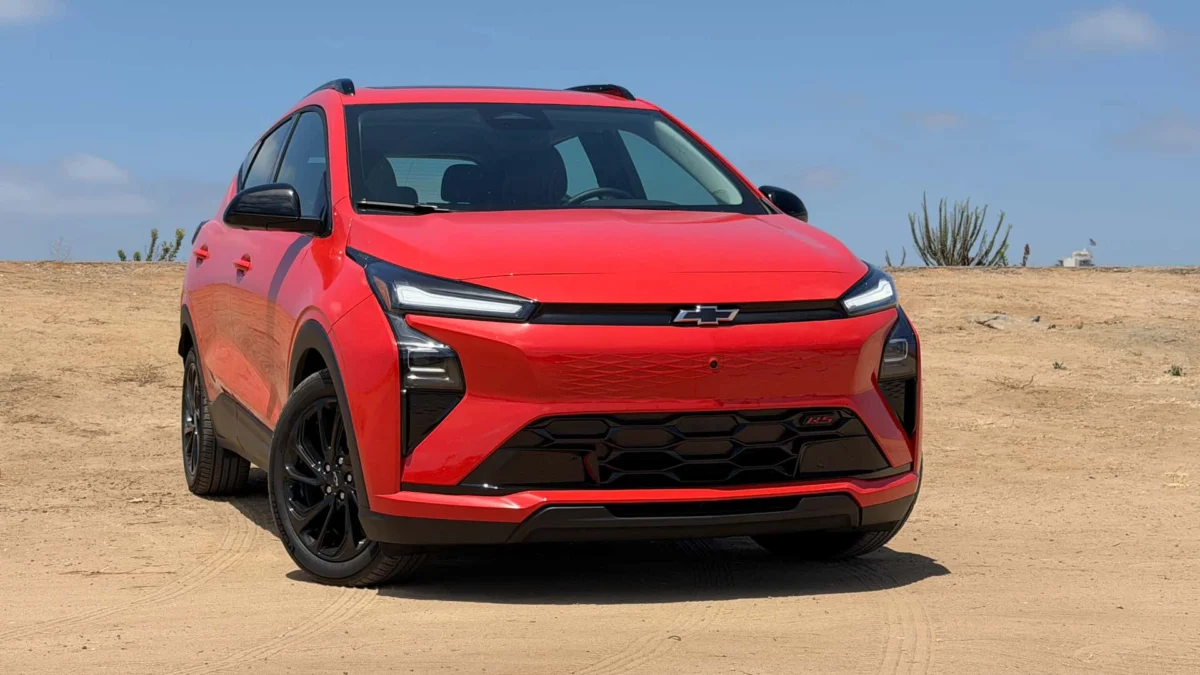
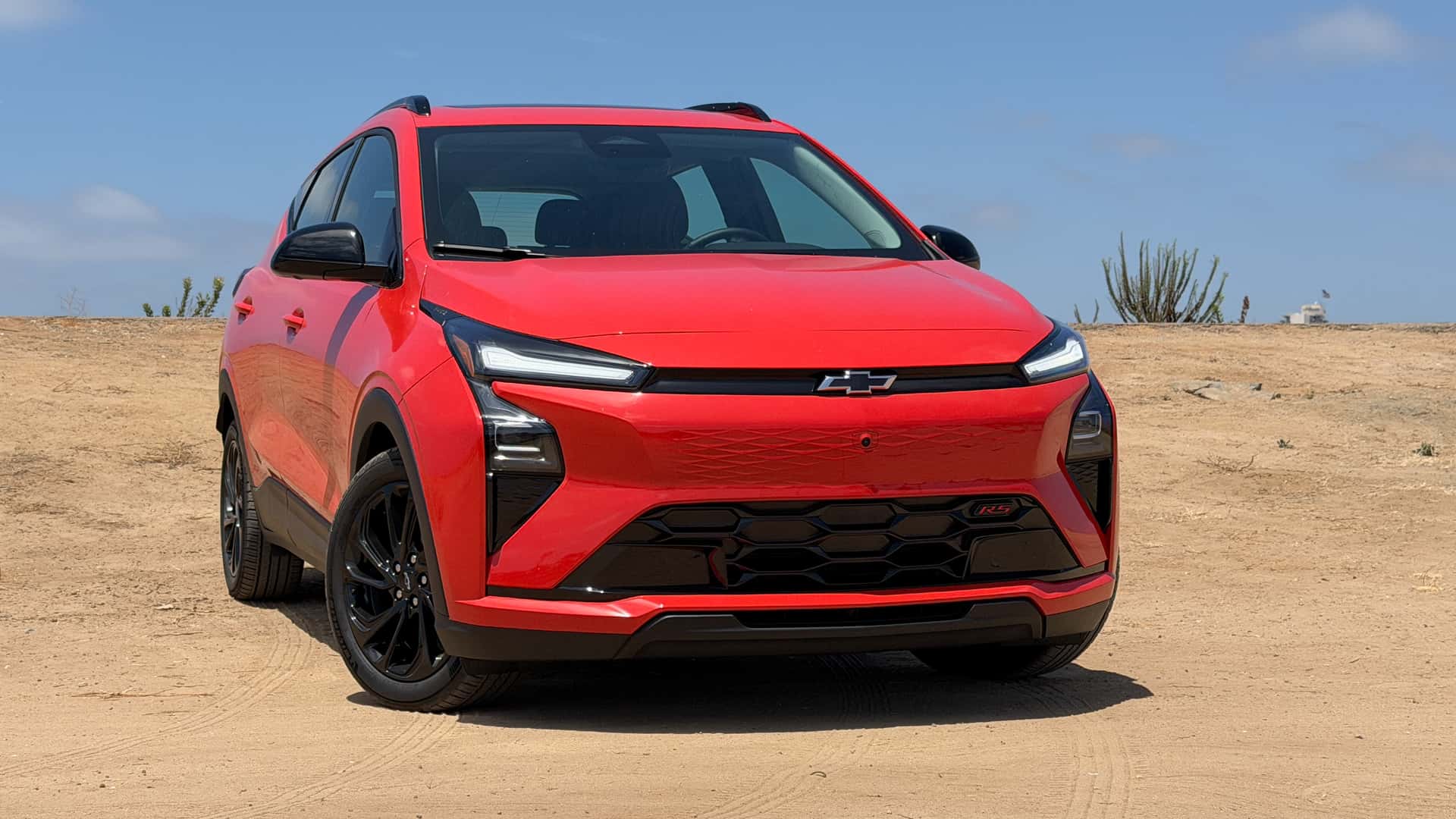
This shift is underscored by the performance of specific models. While flagship vehicles like the Tesla Model Y, Hyundai Ioniq 5, and Cadillac Lyriq have seen negligible price fluctuations—recording year-over-year changes of -0.2%, -0.4%, and -0.1%, respectively—the influx of more budget-conscious models is doing the heavy lifting. Vehicles such as the Chevrolet Bolt, the Toyota bZ series, and the Subaru Solterra are capturing significant market share, effectively pulling the segment’s average transaction price downward through sheer volume and lower MSRPs.
The Impact of Incentives and Policy
A critical nuance in analyzing these price trends is the role of government subsidies and manufacturer incentives. Historically, the EV market was heavily reliant on "cash on the hood" to mask the high cost of production. However, KBB data indicates that this dependence is waning.
In August, incentives accounted for 12% of the average EV transaction price. While this remains higher than the industry-wide incentive average of 6.5%, it represents a substantial decline from the 14.6% recorded in the same month last year. In absolute terms, the average EV incentive dropped by 20%—from $8,200 a year ago to $6,600 today.
This reduction in incentive spending is a positive signal for the health of the EV sector. It suggests that automakers are no longer forced to "buy" market share through deep discounting, but are instead selling cars based on their intrinsic value and competitive positioning. This transition is crucial for long-term sustainability; as manufacturers achieve better economies of scale, they can maintain profitability without the artificial support of heavy subsidies, which are often subject to the whims of legislative volatility.
The Road to Price Parity: A Chronological Context
To understand why this shift is occurring now, one must look at the timeline of the last 24 months. In 2023, the U.S. EV market was characterized by a "wait-and-see" approach from many consumers, hampered by high interest rates and the expiration of various federal tax credits.
- Late 2023: Many automakers, including Hyundai, initiated aggressive price cuts to maintain momentum in the face of cooling demand. Hyundai’s decision to drop the price of its Ioniq 5 by nearly $10,000 served as a bellwether for the industry.
- Early 2024: The market saw an influx of new, entry-level EV models hitting dealership lots. Brands like Chevrolet doubled down on the Bolt platform, while Japanese manufacturers began accelerating their rollout of modular electric platforms.
- Mid-2024: A stabilization of inventory levels allowed dealers to reduce the "market adjustments" that had plagued the post-pandemic era.
- August 2024: The current data reflects a market where supply and demand are beginning to find equilibrium, moving away from policy-driven spikes and toward a more traditional retail cycle.
Implications for the Consumer and the Industry
The move toward price parity has profound implications for the future of the automotive industry. For the consumer, the barrier to entry is lowering. With entry-level models like the refreshed Chevrolet Bolt starting at approximately $28,995 and various Hyundai and Toyota options priced well below the $40,000 threshold, the "EV-only-for-the-wealthy" narrative is quickly becoming obsolete.
For automakers, the challenge is shifting from "how do we make it cheaper?" to "how do we make it better?" As price differences diminish, competition will inevitably shift toward software integration, charging speed, battery longevity, and brand loyalty.
Furthermore, the industry is approaching a "normalization" phase that could prove pivotal for the upcoming holiday sales season. For the first time in several years, the market is not being dictated by the looming expiration of federal tax credits. Instead, manufacturers are entering a cycle where consumer choice and inventory availability are the primary drivers. This environment allows for more predictable demand planning and prevents the chaotic "panic buying" that characterized previous year-end periods.
Challenges Ahead: The "Final Mile"
Despite the progress, the path to true price parity is not without obstacles. While transaction prices are falling, the cost of raw materials—specifically lithium, cobalt, and nickel—remains a variable that can shift global manufacturing costs overnight. Additionally, the infrastructure challenge remains: while the cars are becoming affordable, the confidence in the public charging network has not kept pace with the rate of vehicle sales.
Moreover, the "parity" mentioned by industry analysts is an average. While the gap is closing, the absolute price of a new vehicle—whether electric or gas-powered—remains historically high. The average transaction price for a new vehicle in the U.S. climbed 2% in August to $50,089, a testament to the fact that inflation and supply chain overheads still plague the entire automotive sector.
A Structural Shift in Consumer Sentiment
The narrowing of the price gap is arguably the most important development in the transition to electric mobility. It suggests that the "early adopter" phase is coming to a close and the "mass market" phase is beginning. As price parity approaches, the decision-making process for the average buyer will increasingly focus on the total cost of ownership—factoring in fuel savings, reduced maintenance requirements, and the long-term resale value of the vehicle.
As the industry looks toward the next fiscal year, the focus will likely remain on the "normalization" of the market. If automakers can continue to balance production costs while phasing out their reliance on heavy incentives, they will be well-positioned to meet the growing demand for sustainable transportation. The data provided by KBB acts as a clear indicator: the electric vehicle is no longer a niche luxury; it is becoming an increasingly standard component of the American driveway. The "price barrier" is not yet fully dismantled, but for the first time in the history of the electric transition, the door is officially open.