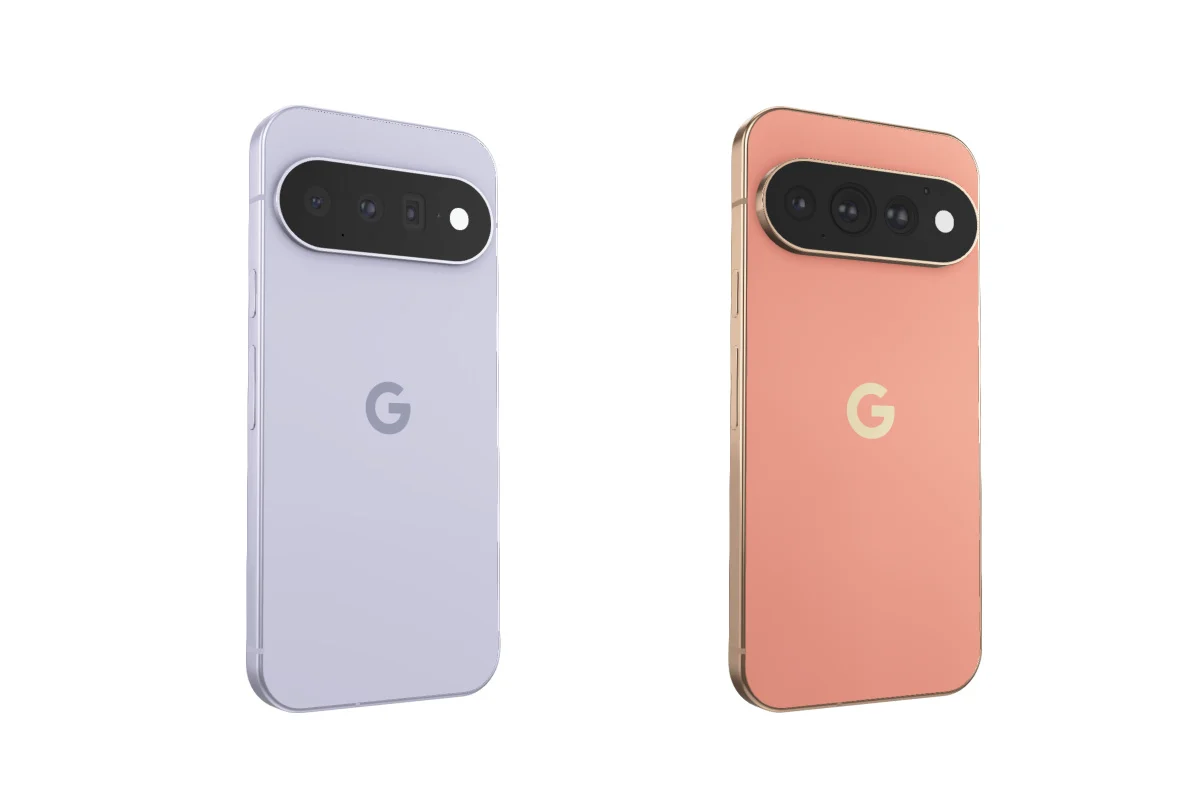
The launch of the Google Pixel 11 series marks a significant juncture in the smartphone market, as the Mountain View tech giant continues its strategic push to capture the premium segment with a bifurcated flagship offering. With the base model retailing at approximately €900 and the high-end Pixel 11 Pro commanding a price point of €1,100, consumers are once again tasked with evaluating the value proposition of the "Pro" designation. This release follows a consistent annual cycle established by Google, aiming to refine the user experience through the integration of its proprietary Tensor G6 chipset, advanced computational photography, and an increasingly refined hardware aesthetic.
Evolution of the Pixel Design Language
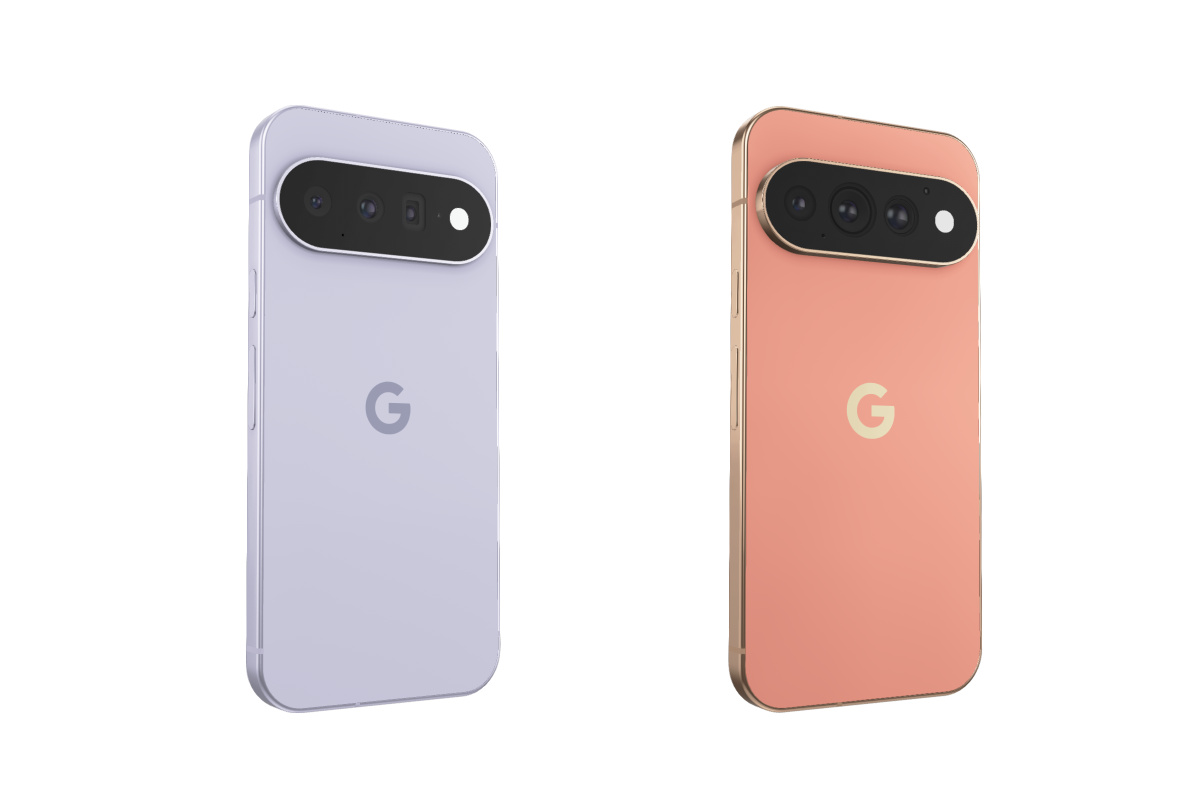
The design trajectory of the Pixel 11 series reflects Google’s commitment to a cohesive, recognizable industrial identity. Both models share a common foundation, utilizing robust Gorilla Glass Victus 2 panels and durable aluminum frames. Despite these shared materials, subtle tactile differences distinguish the two. The standard Pixel 11 utilizes an anodized aluminum frame, which offers a slightly superior grip, paired with a glossy back panel. In contrast, the Pixel 11 Pro leans into a more traditional "premium" aesthetic, featuring a high-gloss frame combined with a frosted rear finish. Both devices carry an IP68 rating, ensuring industry-standard protection against water and dust ingress. From an ergonomic standpoint, the base Pixel 11 is lighter, a factor that may appeal to users prioritizing comfort for extended handheld use, while the Pro variant caters to those seeking a more sophisticated, matte-heavy finish.

Display Technology and Visual Performance
The most tangible disparity between the two models lies in their display panels. The standard Pixel 11 is equipped with a 6.3-inch LTPS OLED screen, offering a resolution of 1080 x 2424 pixels and a fixed 120Hz refresh rate. While the panel is HDR10+ compliant and reaches an impressive peak brightness of 3,000 nits, it lacks the advanced power-management features found in its more expensive sibling.

The Pixel 11 Pro features a 6.3-inch LTPO OLED display with a higher resolution of 1280 x 2856 pixels. The implementation of LTPO (Low-Temperature Polycrystalline Oxide) technology allows for a dynamic refresh rate ranging from 1Hz to 120Hz, which significantly enhances energy efficiency by scaling the frame rate to match the content being displayed. Testing confirms the Pro model’s superior luminance, with peak brightness reaching 3,118 nits, compared to the 2,842 nits measured on the standard model. While the resolution density gap is arguably imperceptible to the average user during daily tasks, the Pro model’s ability to throttle its refresh rate provides a distinct advantage in battery longevity during static content consumption.

Processing Power and Computational Architecture
At the heart of both devices resides the Google Tensor G6, a 3nm-manufactured silicon processor that represents a major shift in Google’s hardware strategy. Moving to a 7-core CPU configuration, the Tensor G6 includes a high-performance 4.1 GHz ARM C1-Ultra core, four 3.4 GHz ARM C1-Pro cores, and two 2.65 GHz ARM C1-Pro efficiency cores.

Industry analysts have noted that while Google has prioritized AI computational power—promising a 50% increase over previous generations—the choice of the IMG CXTP-48-1536 GPU has sparked debate among gaming enthusiasts. By opting for the Series C architecture rather than the more modern Series D, Google appears to be prioritizing stability and AI-specific throughput over raw graphical rendering and ray-tracing capabilities. Benchmark tests consistently demonstrate that both models deliver identical performance under load, with both handsets retaining approximately 60% of their theoretical CPU power during thermal throttling stress tests. The primary difference for the end-user remains the memory allocation: while the base Pixel 11 is capped at 12GB of RAM, the Pro model offers a 16GB option for its higher-tier storage configurations, potentially providing a longer shelf-life for heavy multitasking.

Camera Hardware and Photographic Fidelity
Google’s reputation in mobile photography remains a cornerstone of the Pixel brand. Both the Pixel 11 and 11 Pro utilize a sophisticated camera array, but the Pro model justifies its price premium with superior hardware specifications across all focal lengths.

The primary sensor on the Pro is larger (1/1.3") compared to the base model (1/1.56"), allowing for better light gathering in challenging conditions. The telephoto capabilities show the most drastic divergence: the Pro features a 50MP, 1/1.95" sensor, while the base model utilizes a more modest 10.9MP, 1/3.2" unit. During daylight testing, both phones produce images consistent with Google’s signature "high-contrast, high-detail" color science. However, the Pro model maintains a clear advantage in sharpness and detail retention when utilizing the 5x and 10x zoom ranges.

Ultrawide photography also sees a hardware gap. The Pro’s ultrawide camera includes autofocus, which is crucial for sharp close-up subjects, whereas the standard Pixel 11 lacks this feature, leading to softer focus when capturing nearby objects. In low-light environments, the Pro’s larger sensor hardware consistently delivers cleaner images with less noise, though the standard Pixel 11 performs admirably, often maintaining a more natural white balance in mixed-lighting street photography.

Battery Longevity and Power Management
Despite the variations in screen technology, both the Pixel 11 and 11 Pro demonstrate remarkable efficiency. The standard Pixel 11 is powered by a 4,985 mAh battery, while the Pro houses a 4,850 mAh cell. In standardized active-use testing, both devices reached an impressive mark of 15 hours and 40 minutes. This parity is a testament to the optimization of the Tensor G6 chip and the underlying software efficiency of Android. Charging speeds remain consistent across the series, with both phones supporting up to 30W wired charging and 25W wireless charging. While Google introduced an "Extreme" charging mode for the 11 series, internal tests indicate the difference in overall recharge time is negligible, with both phones hitting 100% in approximately 80 minutes.

Market Implications and Consumer Verdict
The release of the Pixel 11 series poses a complex question for consumers: does the "Pro" label offer enough value to warrant the additional €200? The evidence suggests that for the average consumer, the base Pixel 11 is arguably the more rational choice. It provides the core "Google experience"—clean software, consistent updates, and industry-leading computational photography—without the diminishing returns of the Pro’s incremental upgrades.

The Pro model is specifically tailored for power users who demand the benefits of an LTPO display, require the additional 4GB of RAM for intensive workflows, or prioritize the hardware-level superiority of the telephoto and ultrawide camera arrays. As Google continues to integrate its AI-driven services deeper into the operating system, the hardware gap between these two models may become even less relevant in the eyes of the general public. Ultimately, the Pixel 11 series reinforces Google’s position as a premium player, offering a bifurcated strategy that successfully caters to both the value-conscious flagship buyer and the enthusiast seeking the absolute peak of current mobile technology.