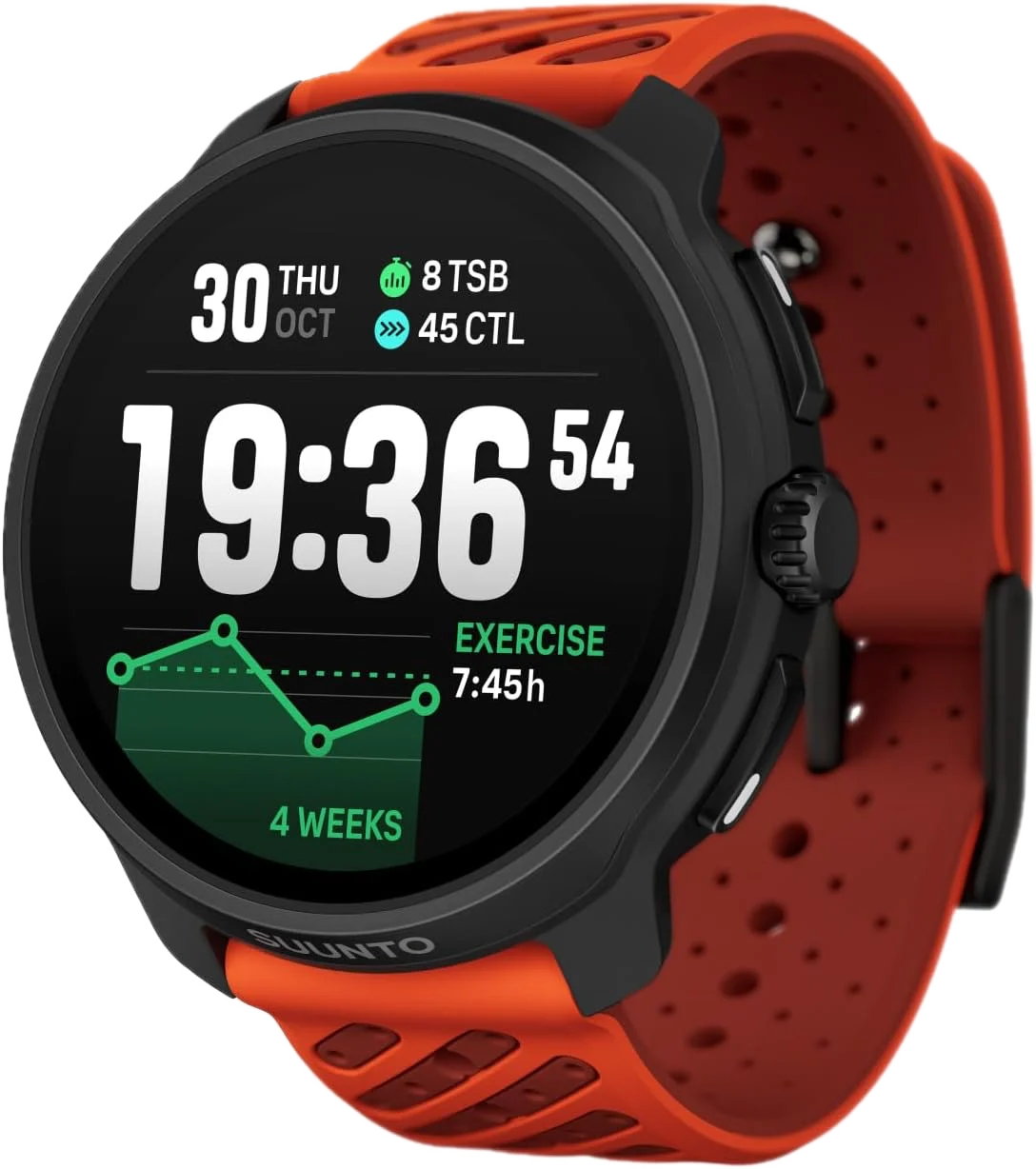
Suunto has officially announced the rollout of its comprehensive Q2 software update, introducing a substantial suite of new features across its latest hardware and its mobile application platform. This quarterly release signals a continued evolution in the Finnish company’s software strategy, focusing heavily on enhancing mapping utility, training metrics, and specialized diving capabilities. While the update brings highly requested features to the Suunto ecosystem, it also marks a notable shift in the company’s approach to legacy device support, centering the most significant firmware enhancements on its newest flagship models: the Suunto Race 2 and the Suunto Vertical 2.
The Q2 update arrives as part of a standardized release cadence that Suunto has maintained over the past several years, aimed at keeping its devices competitive against industry giants such as Garmin, Coros, and Apple. By delivering predictable, high-value software increments, Suunto seeks to reinforce user loyalty and provide a robust alternative to the increasingly crowded adventure-watch market. However, the decision to limit this specific firmware update to the Race 2 and Vertical 2 models—both of which have been on the market for less than a year—suggests a transition toward a hardware-specific update cycle that prioritizes the processing power and memory capacity of contemporary internal architectures.
Advanced Mapping and Navigation Enhancements
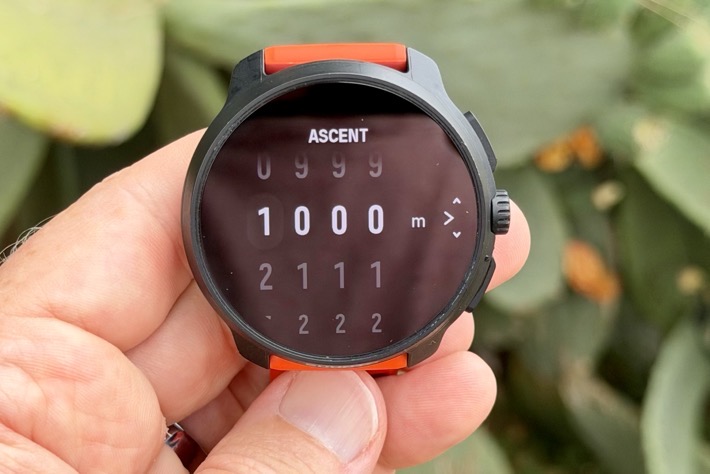
At the core of the Q2 firmware update is a major overhaul of Suunto’s offline mapping capabilities. Suunto has long been praised for its high-quality, free-to-download offline maps, but users have frequently requested more granular control over the data displayed on the screen. The new update addresses these concerns by introducing a sophisticated map layer selection menu. Users can now toggle specific data layers on or off, including contour lines, place names, street labels, and Points of Interest (POI) listings. This customization allows athletes to declutter their view during high-intensity activities or enrich the map detail when navigating complex backcountry terrain.
Furthermore, Suunto has improved the legibility of geographical features. Maps now include clearer labels for water features and mountain peaks, facilitating better spatial awareness for hikers and trail runners. Perhaps the most significant "quality of life" improvement for power users is the dramatic expansion of route storage. Previously limited to a maximum of 15 synchronized routes, the Suunto Race 2 and Vertical 2 can now store up to 200 routes simultaneously. This change eliminates a long-standing bottleneck for explorers who frequently travel between different regions or participate in multi-day expeditions where access to a smartphone for route syncing may be limited.
New Training Metrics and Environmental Data
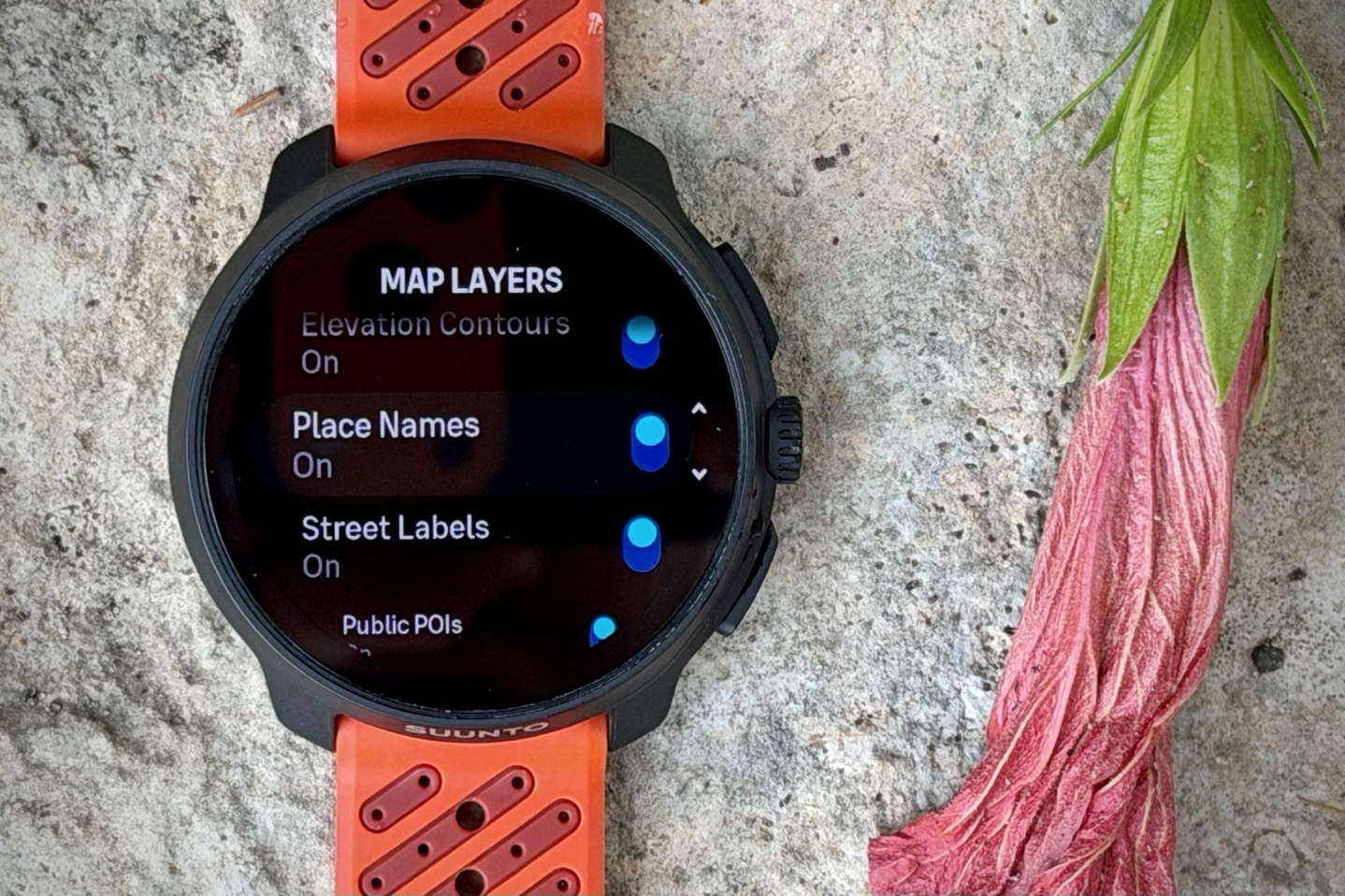
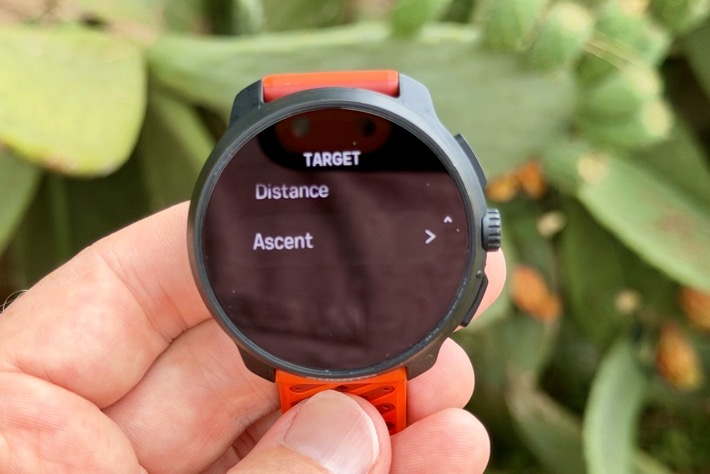
Beyond navigation, Suunto has introduced a new vertical gain training target. This feature allows users to set specific ascent goals in vertical meters during a workout, providing real-time progress tracking toward mountain-specific objectives. This is particularly relevant for skyrunners, ski mountaineers, and cyclists training for high-altitude events where elevation gain is a more critical metric than flat distance.
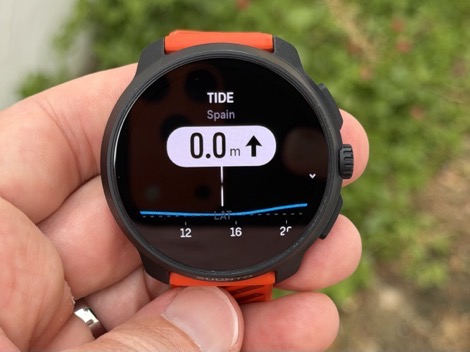
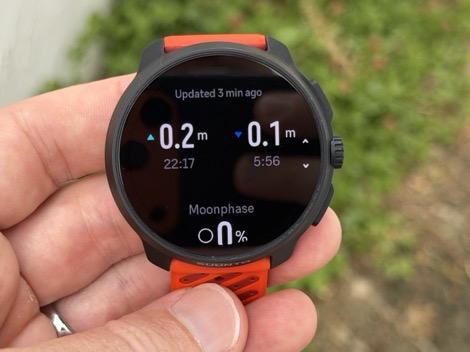
The update also integrates a new tide forecast feature. Designed for coastal athletes, surfers, and sailors, this tool provides high and low tide predictions directly on the wrist. Unlike some competitors that maintain a permanent local database of tidal information, Suunto’s implementation relies on synchronization with the Suunto App. While this ensures the data is current, it necessitates that the watch has been recently synced with a smartphone to provide accurate local forecasts. The interface displays tidal trends and timing, though early feedback suggests that future iterations could benefit from more explicit location labeling to confirm which coastal station the data is being pulled from.
To streamline the user experience, Suunto has also implemented a QR code pairing option to simplify the initial setup between the watch and the mobile app. Additionally, the company has optimized the synchronization speed of SuuntoPlus apps. by utilizing data compression, the watch can now download and update these micro-apps significantly faster, reducing the latency often associated with third-party integrations.
Strategic Shift in Device Compatibility
A point of contention within the Suunto community regarding the Q2 update is the exclusion of older or even slightly earlier models. While the Suunto Race 1 and Suunto Race S received updates in the April Q1 cycle, they are notably absent from this latest firmware rollout. Similarly, the original Suunto Vertical has not been included in this specific release.
This move mirrors the strategies of Garmin and Wahoo, where new software features are often tied to the latest hardware iterations to ensure performance stability. In contrast, Coros has gained a reputation for extending new firmware features to previous-generation units as far back as the hardware specifications allow. Suunto’s current trajectory suggests that as the complexity of on-device mapping and data processing increases, the hardware requirements are becoming more stringent, potentially leading to a shorter feature-support window for entry-level or older high-end models.
Mobile Application and Ecosystem Updates
The Suunto App, which serves as the central hub for data analysis and route planning, has also received significant enhancements. These platform-level updates are available to all Suunto users, regardless of their specific watch model.
- 3D Map Shading: The 3D map view now includes advanced shading options that highlight steep sections of terrain. This visual tool helps users identify challenging climbs or potentially dangerous slopes when planning routes.
- City Map Layer: A new "City Map" type has been added, which renders buildings with 3D styling. This is intended to improve urban navigation for city runners and commuters.
- Enhanced Social Sharing: Suunto has introduced new sharing overlays and backgrounds. When users share their completed activities to social media or internal community feeds, they can now overlay specific metrics such as power output, distance, and heart rate over activity-specific photos or maps.
- Profile and Achievement Layout: The user profile section has been reorganized to better highlight personal records and earned badges, fostering a more gamified and rewarding experience for long-term users.
Specialized Updates for the Suunto Ocean
In addition to the general sport-watch updates, Suunto has released a dedicated firmware package for the Suunto Ocean, the brand’s flagship dive and sports hybrid. This update focuses on professional-grade diving features, bringing the Ocean closer to the capabilities of Suunto’s dedicated dive computers like the EON series.
The Suunto Ocean now supports Closed Circuit Rebreather (CCR) mode, a critical addition for technical divers who utilize rebreathers to recycle their breathing gas. The update also enables support for multiple tank pods, allowing divers to monitor the pressure of several gas blends simultaneously from their wrist. Other dive-centric improvements include new Time to Surface (TTS) values, support for heart rate belts during dives (which can provide more accurate effort data in cold water environments), and various bug fixes related to underwater map rendering.
Industry Context and Competitive Analysis
Suunto’s Q2 update reflects a broader trend in the wearables industry where the value proposition of a device is increasingly determined by its software ecosystem rather than just its physical sensors. By focusing on "Feature Drops," Suunto is attempting to match the rapid development cycles seen in the smartwatch sector, led by the Apple Watch Ultra.
The expansion to 200 routes and the refinement of offline maps are direct responses to Garmin’s dominant position in the navigation space. While Garmin’s TopoActive maps remain the industry benchmark for detail, Suunto’s streamlined, aesthetic approach to mapping has won over a segment of the market that prefers a more intuitive interface. The inclusion of vertical gain targets also positions Suunto strongly within the trail running and ultra-marathon communities, where the brand has historically held a significant market share.
Conclusion and Future Outlook
The Q2 update represents a robust step forward for Suunto’s top-tier hardware, offering genuine utility through improved navigation and specialized metrics. For owners of the Race 2 and Vertical 2, the update provides a significant boost in functionality that justifies the premium price point of these devices.
However, the selective nature of the firmware rollout raises questions about the longevity of software support for Suunto’s broader lineup. As the company prepares for future hardware releases, the community will be watching closely to see if this "latest-gen only" approach becomes a permanent fixture of their development roadmap. For now, the Q2 release reaffirms Suunto’s commitment to being a leader in the outdoor and endurance sports category, prioritizing deep technical features and a refined user experience over broad, multi-generational compatibility.
Users can check for the update via the Suunto App. As is standard with global rollouts, the firmware is being distributed in phases, and it may take several days for the update notification to appear for all users worldwide. Owners are encouraged to ensure their watches are fully charged and their mobile applications are updated to the latest version before initiating the firmware installation.