Apple has officially unveiled the Apple Watch Series 12, marking a significant transition in the wearable product line by shifting from incremental hardware updates to a platform centered on advanced health diagnostics and on-device machine learning. Available for pre-order at a starting price of $399, the device represents a deliberate effort by Apple to distinguish its flagship smartwatch from its predecessor, the Series 11, through the introduction of the S11 silicon, a revamped Health Sensing System, and the debut of "Audio Intelligence" capabilities.
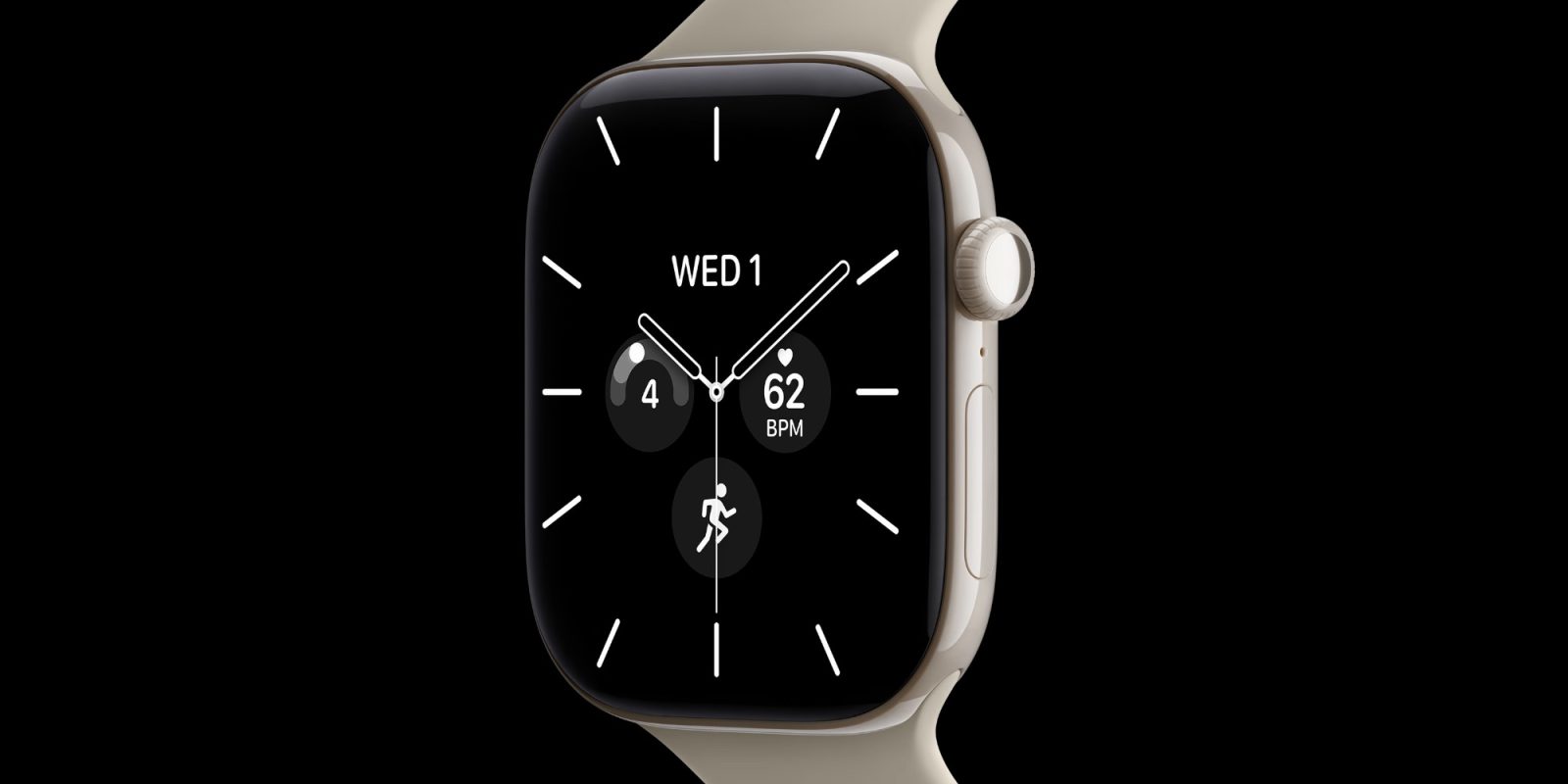
The release of the Series 12 follows a consistent annual rhythm for Apple’s wearable division, which has seen the product evolve from a peripheral notification device into a standalone medical and fitness companion. While the Series 11 focused on refining the interface and battery efficiency, the Series 12 addresses a long-standing request from power users: increased computational headroom to facilitate real-time health analysis.
The Evolution of Design and Durability
At first glance, the Series 12 maintains the iconic aesthetic established by the Series 11, retaining the familiar 42mm and 46mm chassis dimensions. However, Apple has introduced material science refinements that suggest a move toward more premium, specialized aesthetics. The inclusion of a new Dark Bronze aluminum finish provides a more muted, professional option compared to the traditional silver and space grey iterations.
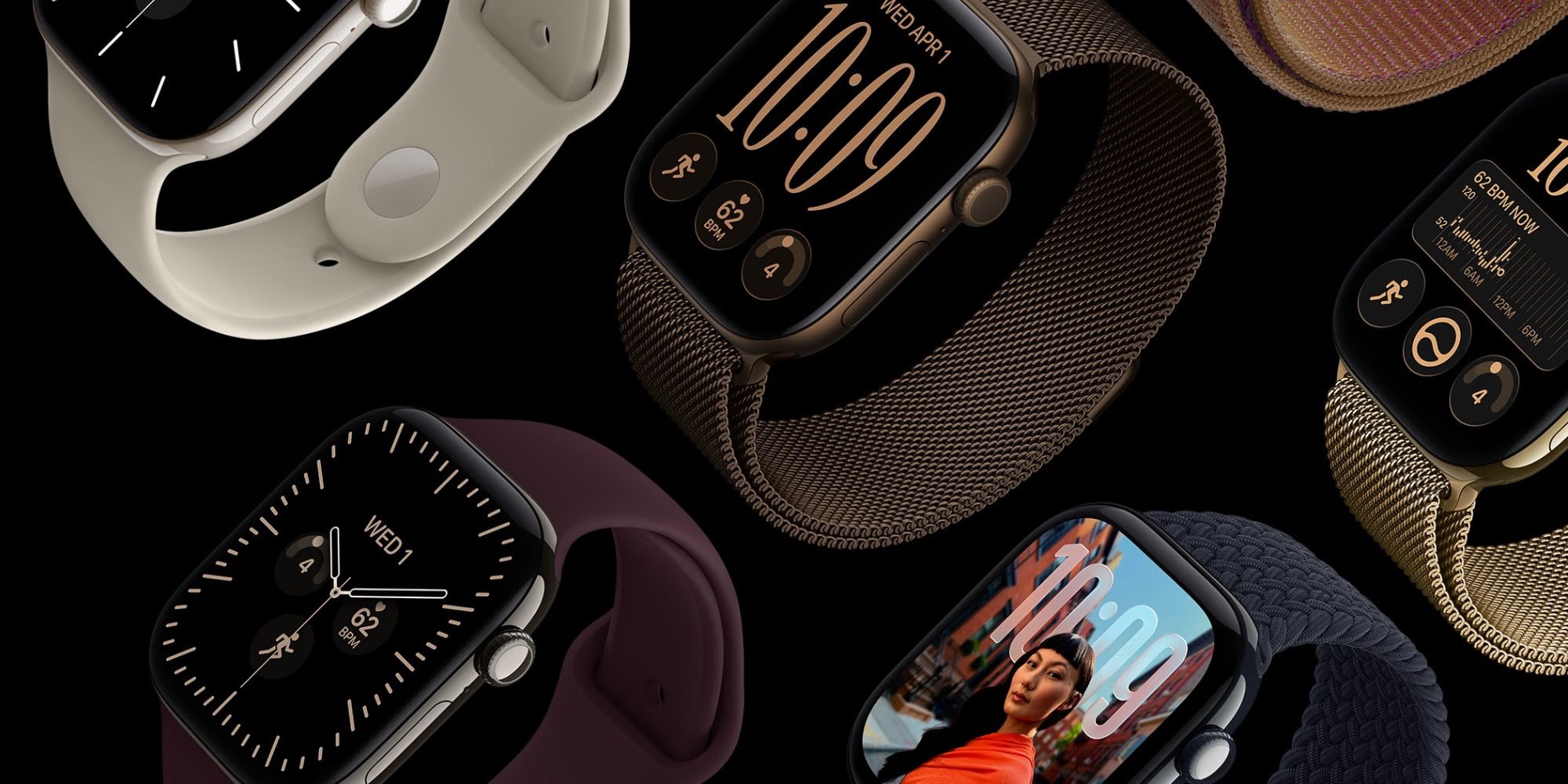
Most notably, Apple has reintroduced the high-gloss Ceramic finish, available in Pearl White and Night Blue. This material is prized for its high scratch resistance and unique refractive properties. For the standard aluminum models, Apple has integrated "Ceramic Shield 2," a second-generation glass-ceramic hybrid designed to provide superior shatter resistance during high-impact activities. While the display area remains consistent with previous models, users should note that the slight alteration in chassis dimensions has resulted in a marginal increase in bezel thickness. This physical change ensures compatibility with existing band collections while subtly altering the device’s profile on the wrist.
Performance Architecture: The S11 Silicon and RAM Expansion
The most critical internal change is the migration to the S11 system-in-package (SiP). This chip represents the first major performance jump since the introduction of the S9 in 2023. By increasing the computational capacity, Apple has enabled the device to handle complex machine learning models directly on the wrist without relying on cloud processing.

Supporting this new silicon is a significant upgrade in memory. The Series 12 features 4GB of RAM, effectively doubling the 2GB capacity found in the Series 11. In practice, this hardware overhead is designed to support the "Readiness" app and the suite of AI-driven health features that require substantial background processing. For the end user, this translates to faster application launch times, smoother transitions between watch faces, and the ability to run more intensive background tasks—such as continuous blood-oxygen monitoring or sleep staging—without impacting overall system responsiveness.
The New Health Sensing System
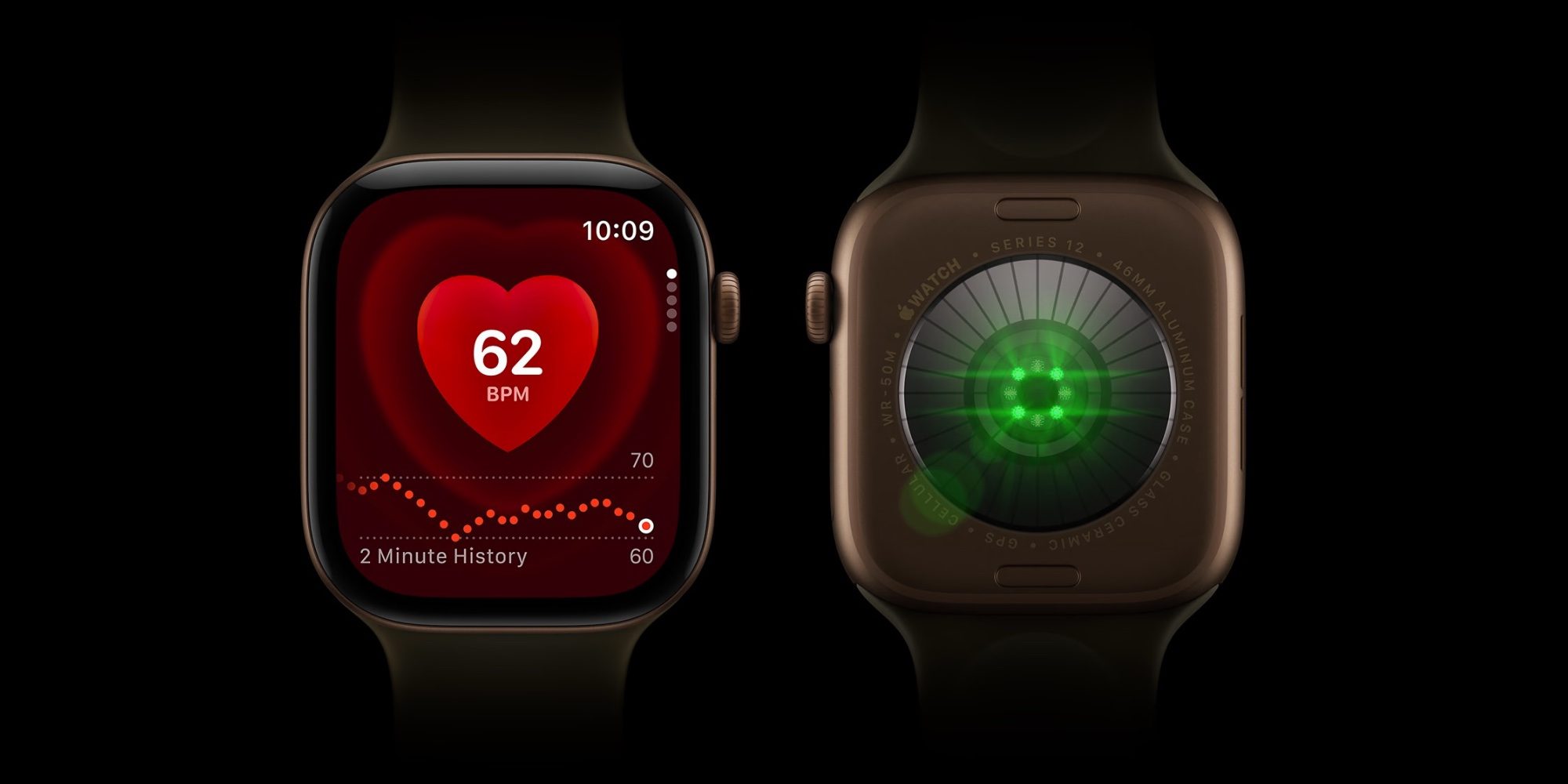
The "Health Sensing System" in the Series 12 is a foundational overhaul of the sensors located on the underside of the watch casing. According to technical documentation provided by Apple, the sensor array has been recalibrated to provide higher fidelity data streams, particularly for cardiovascular and sleep-related metrics.
The most prominent feature leveraging this new hardware is the Readiness app. This application acts as a central hub for health data, synthesizing multiple variables into a single, actionable score ranging from 0 to 100. By analyzing recent training loads, sleep cycles, and physiological markers like heart rate variability, the system provides users with a daily recommendation—"Recover," "Pace Yourself," "Ready," or "Go For It."
This shift toward holistic health guidance mirrors the industry trend of treating smartwatches as proactive wellness coaches rather than passive trackers. The inclusion of new complications on standard watch faces, which allow for granular tracking of steps and heart rate in real-time, further underscores the company’s intent to keep health metrics at the forefront of the user experience.

Audio Intelligence and Software Ecosystem
Perhaps the most distinctive aspect of the Series 12 is the "Audio Intelligence" suite. Powered by the S11 chip, these features leverage on-device machine learning to process ambient sound and voice inputs in real-time. This is categorized by Apple as a subset of "Apple Intelligence."
Key software updates include:
- Enhanced Voice Isolation: Utilizing the onboard NPU (Neural Processing Unit), the watch can strip out background noise during cellular calls with greater precision than the Series 11.
- Contextual Audio Analysis: A future-dated software update slated for late 2026 will allow the watch to recognize and alert users to specific environmental sounds, a feature designed for both safety and accessibility.
- Neural Language Processing: The watch now supports more complex Siri requests that do not require an active internet connection, provided the request pertains to local system settings or health data queries.
Battery Life and Charging Dynamics
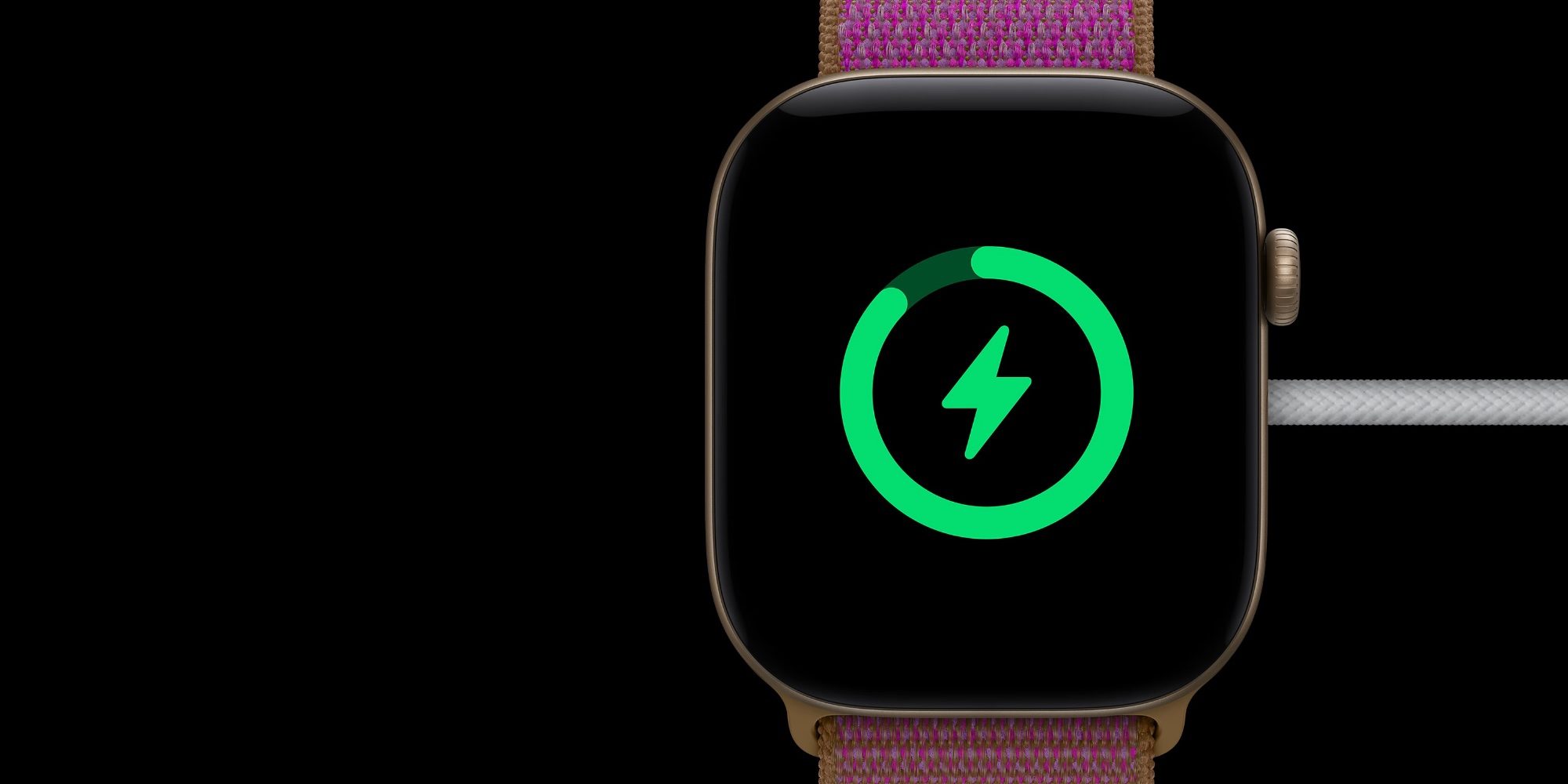
The Series 12 retains the standard 24-hour battery life that has become the benchmark for the Apple Watch lineup. However, Apple has focused on the efficiency of the charging process to mitigate the friction of the 24-hour cycle. The device supports faster charging speeds, allowing users to achieve a higher percentage of battery capacity in a shorter timeframe—a critical improvement for users who utilize sleep tracking overnight and need to top up their device during their morning routine.
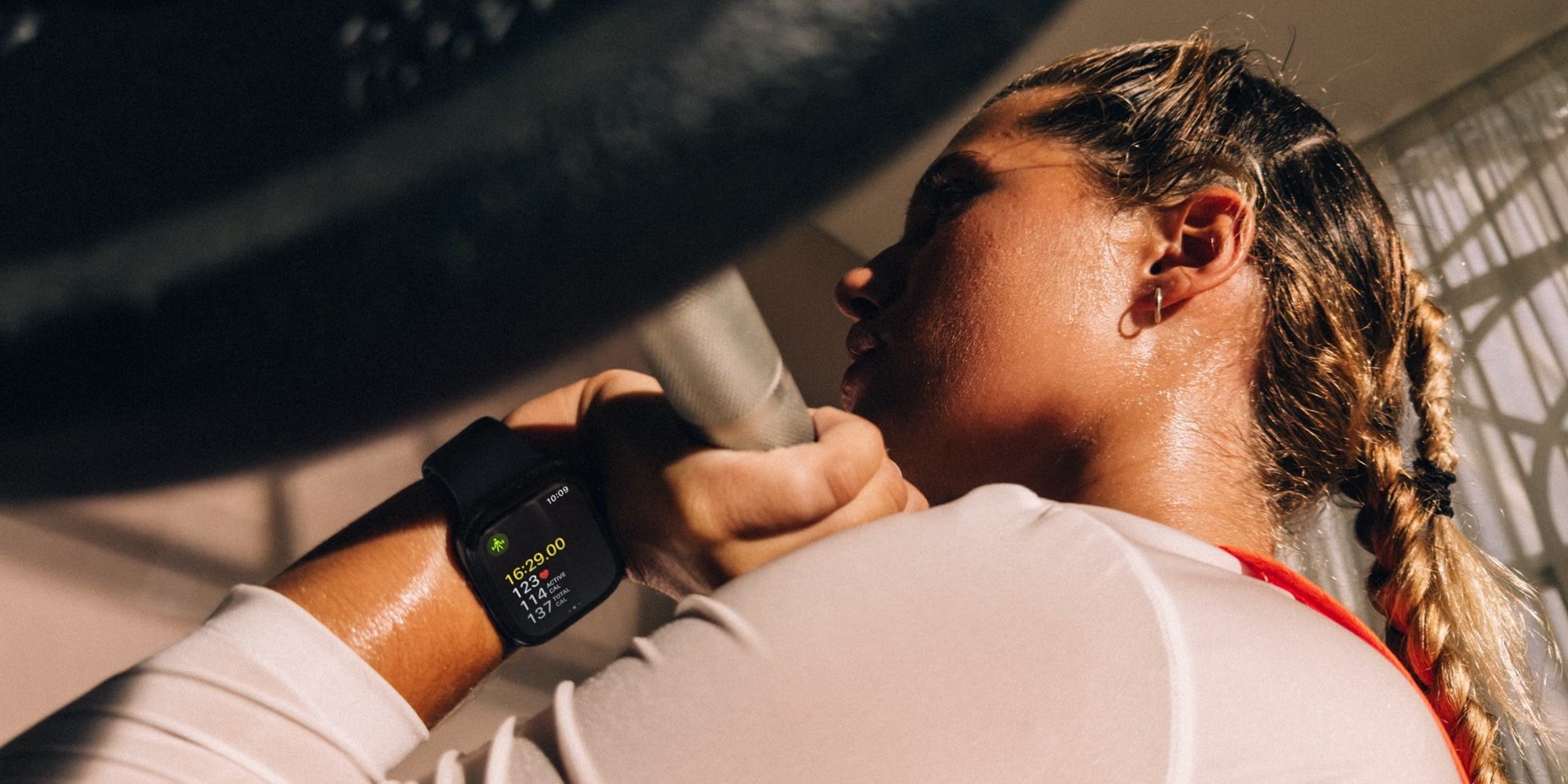
For athletes, the most significant metric is the improvement in outdoor workout battery life. The Series 12 offers up to 10 hours of continuous GPS-tracked workout time, a 25% increase over the Series 11. This improvement allows for more extended activities, such as marathons or long-distance hiking, without the immediate threat of power depletion.
Connectivity and Precision GPS
While connectivity remains standard across the board, the inclusion of "Precision L1 GPS" on the Series 12 marks a departure from the standard GPS found on the Series 11. The L1 frequency band is generally more effective at maintaining signal lock in challenging environments, such as dense urban areas with tall buildings or heavy tree cover. This technical upgrade suggests that Apple is positioning the Series 12 as a more reliable tool for outdoor enthusiasts and professional athletes who require high-accuracy tracking.
Market Context and Strategic Implications
The release of the Apple Watch Series 12 arrives at a time when the wearable market is increasingly segmented between budget-friendly trackers and high-end, specialized health devices. By keeping the price at $399, Apple is maintaining its position in the premium tier while offering enough differentiation—specifically in AI and sensor fidelity—to justify an upgrade cycle for owners of the Series 9 or Series 10.

Industry analysts note that the focus on "Readiness" and "Audio Intelligence" is part of a broader strategy to lock users into the Apple ecosystem through proprietary, actionable health data. By moving away from simple step counting toward predictive wellness, Apple is increasing the utility of the device in a way that is difficult for competitors to replicate without the same level of vertical integration between hardware (the S11 chip) and software (watchOS).
Looking Ahead
The Apple Watch Series 12 will begin shipping to customers on Friday, September 18. As the device reaches the public, the true test will be the real-world performance of the new health sensing hardware and the responsiveness of the AI features. With the promise of further software updates arriving in late 2026, the device appears to be designed as a platform that will evolve in capability over its product lifespan.

For those considering an upgrade, the decision rests on the value placed on the new health metrics and the necessity of the increased GPS accuracy. While the design changes are modest, the under-the-hood advancements represent a tangible leap forward in what is expected from a daily-wear consumer electronic device.