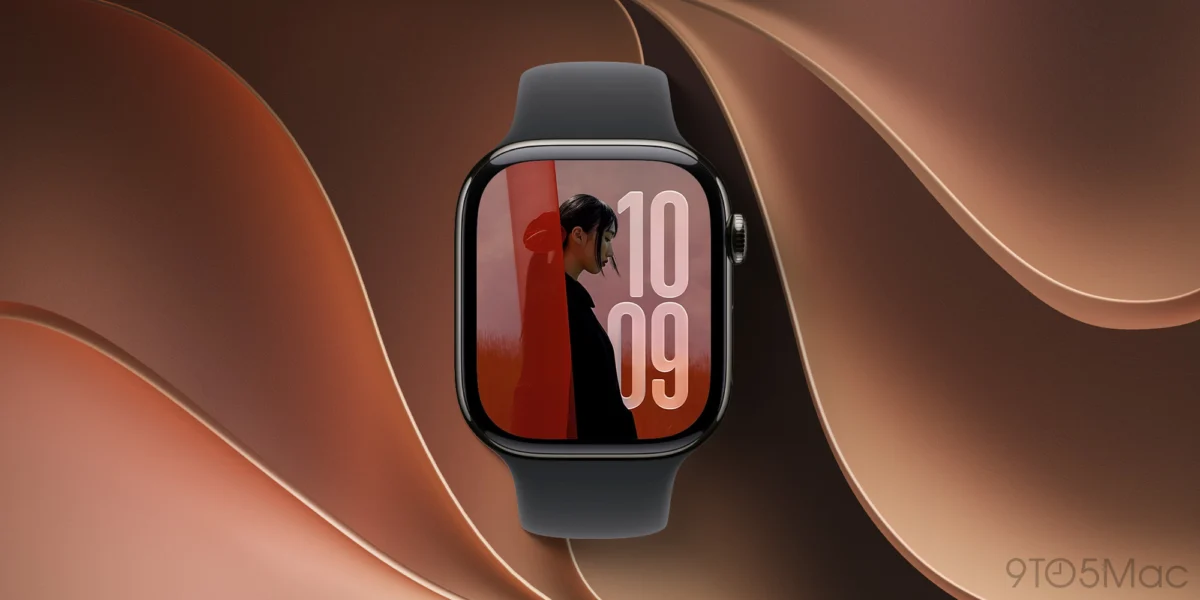
Apple has officially commenced the rollout of watchOS 27, marking a significant milestone in the evolution of the Apple Watch operating system. This major update brings a suite of transformative features, most notably the integration of advanced Siri AI, enhanced health-tracking capabilities, and a new, highly anticipated Siri Modular watch face. As the software begins its global deployment, users are advised to update their paired iPhones to the newly released iOS 27 before attempting to install the watchOS update, as the two systems are intrinsically linked to ensure full feature parity and synchronization.
A Major Shift in Hardware Compatibility
The release of watchOS 27 brings with it a notable contraction in device support, signaling a shift in Apple’s hardware lifecycle strategy. With this iteration, Apple has officially ended support for several long-standing models, including the original Apple Watch Ultra, the Series 8, Series 7, and Series 6, as well as the second-generation Apple Watch SE. This decision marks the largest "sunsetting" of legacy hardware in the recent history of the wearable platform.
Industry analysts suggest that this move is a direct consequence of the intensive computational requirements of the new AI features. By limiting watchOS 27 to the most recent hardware, Apple ensures that the neural processing power required for on-device AI operations remains consistent. Users who own these legacy devices will continue to receive critical security patches for their current OS versions, but they will not have access to the generative intelligence and refined interface capabilities that define this latest release.
The Integration of Siri AI
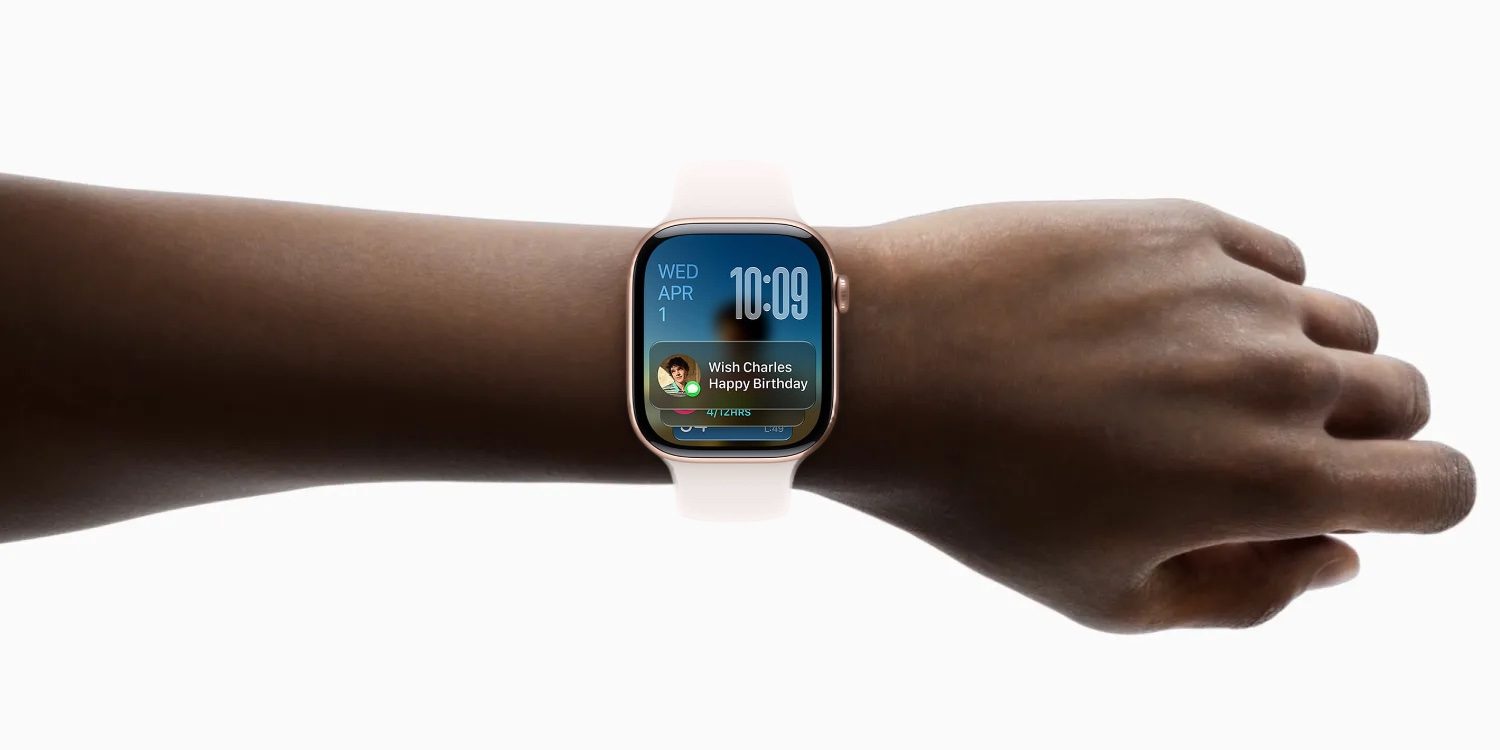
The centerpiece of watchOS 27 is the transition from a traditional voice-command assistant to a full-fledged generative AI experience. Unlike previous iterations, which relied on cloud-based processing for simple queries, the new Siri AI on watchOS 27 leverages a sophisticated model designed to handle complex context-aware tasks directly from the wrist.
Apple has taken a "platform-parity" approach to this deployment. Rather than providing a scaled-back version of the assistant found on the iPhone or the Mac (running macOS Golden Gate), the Apple Watch now features an equally capable Siri. This allows for fluid, multi-turn conversations that remain synchronized across the user’s ecosystem. If a user initiates a query or a project on their watch, the context of that interaction is instantly mirrored in the new Siri app on their iPhone or computer. This deep integration is intended to reduce the friction of switching between devices, allowing the watch to function as a legitimate, high-performance node in the broader Apple computing environment.
Interface Enhancements: The Siri Modular Face
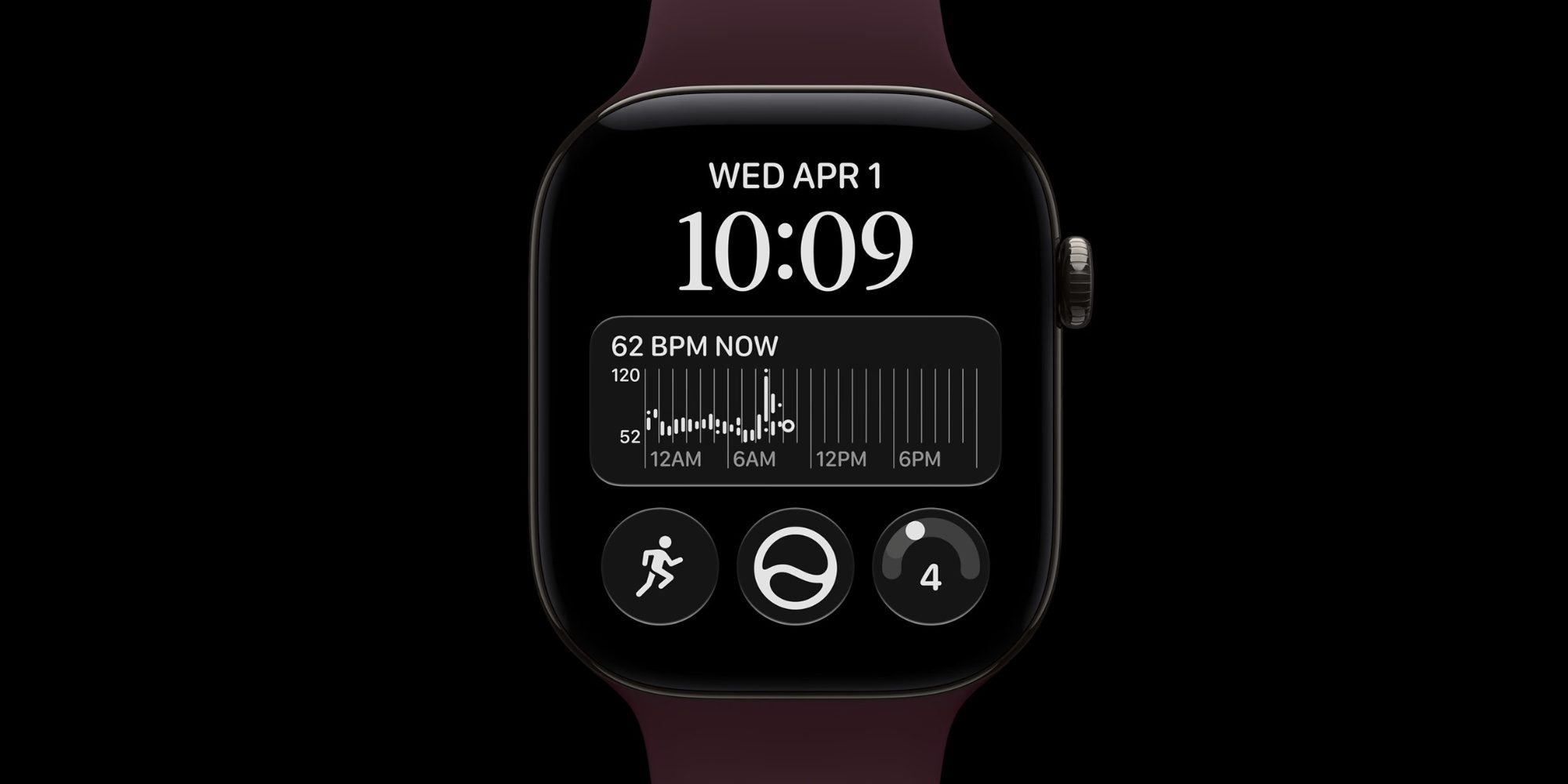
Complementing the AI capabilities is the introduction of the new Siri Modular watch face. Designed to maximize information density, this face acts as an intelligent dashboard. It dynamically adjusts the displayed complications based on the user’s current environment, activity levels, and scheduled tasks.
By utilizing the watch’s proprietary machine learning algorithms, the face prioritizes data that is most relevant at any given moment. For example, during a morning commute, the watch face might emphasize transit information and weather, while transitioning to health-focused metrics and calendar reminders during the workday. This level of personalization reflects a broader trend in wearable design—moving away from static interfaces toward "just-in-time" information delivery.
Expanded Gesture Controls
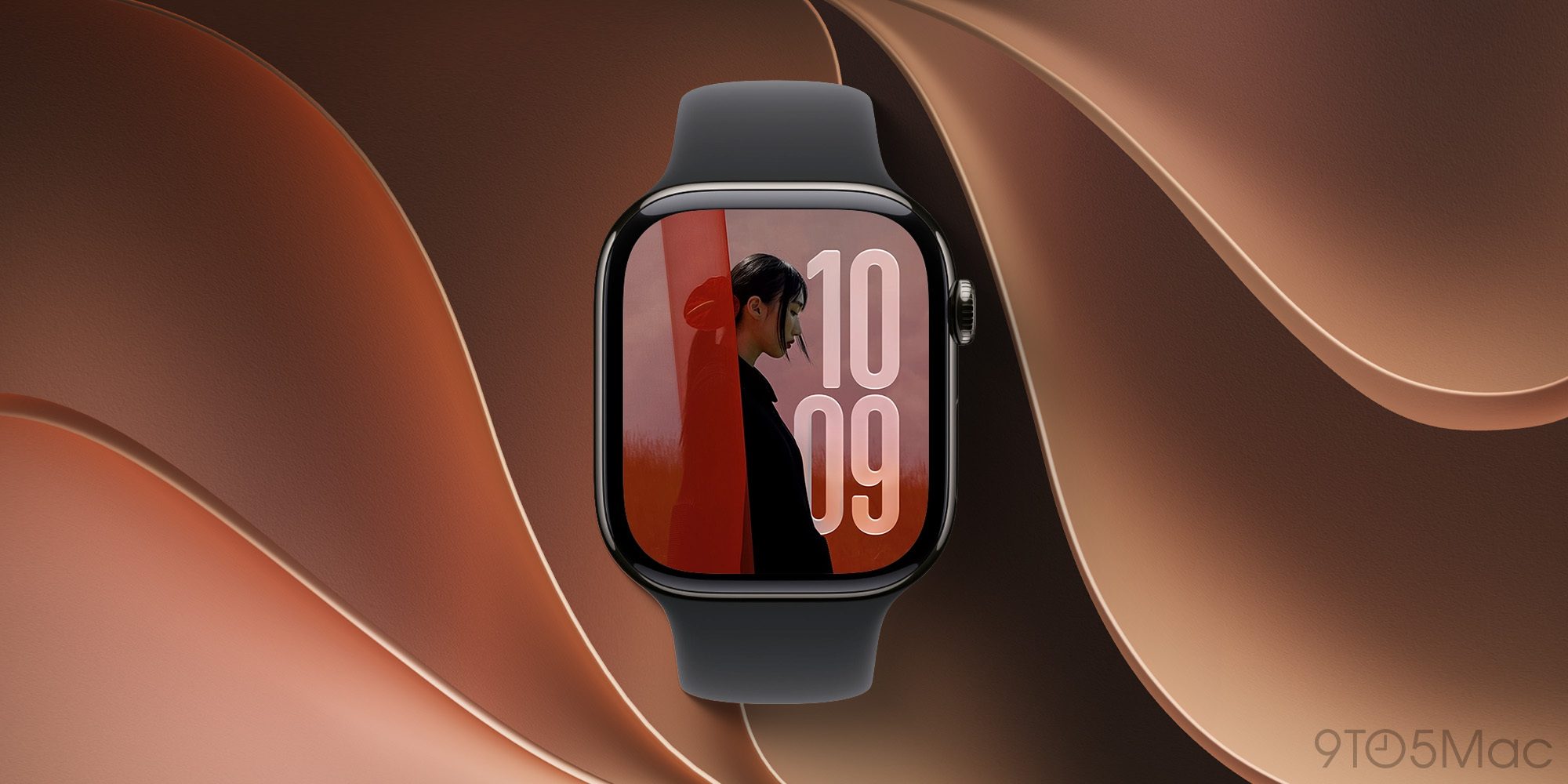
watchOS 27 introduces a refined "Tap" gesture system, building upon the foundations of the AssistiveTouch features seen in previous years. This new gesture interface allows for a broader range of navigation commands without requiring the user to touch the screen with their second hand.
By analyzing micro-movements of the wrist, the watch can now interpret subtle taps and flicks, allowing users to dismiss notifications, scroll through lists, or trigger specific AI-driven actions with a single hand. This advancement is particularly significant for accessibility, as it provides greater autonomy for users who may have limited mobility in one arm. The precision of these sensors has been recalibrated for watchOS 27, resulting in a lower latency response time compared to previous iterations.
Health and Fitness Advancements
While the AI features capture the headlines, the health suite remains a core pillar of the Apple Watch value proposition. watchOS 27 introduces updated physiological tracking metrics that utilize the improved sensor array in the latest watch hardware. These features include more granular recovery data and refined sleep staging analytics.
By integrating data from the new AI-driven health dashboard, the watch can now offer proactive insights rather than just reactive tracking. For instance, if the device detects a deviation in baseline heart rate variability combined with poor sleep quality, it can suggest a "rest day" for the user’s fitness goals. This predictive approach to wellness is expected to further cement the Apple Watch’s role in personal health management.
Technical Performance and System Stability
Beyond the new features, Apple has prioritized the "under-the-hood" performance of watchOS 27. Feedback from early testing environments indicated that the update focuses heavily on power management and resource allocation. By optimizing how background processes interact with the processor, Apple claims that the update provides a smoother user experience, particularly when toggling between complex apps or using the new Siri AI.
Bug fixes and security enhancements are also at the forefront of this release. The OS includes patches for several vulnerabilities discovered in the previous version, reinforcing the platform’s security posture. Furthermore, the synchronization protocols between the watch and the iPhone have been rewritten to facilitate faster data transfer, which is essential for the seamless cross-platform functionality that the new Siri system requires.
Industry Implications and Future Outlook
The release of watchOS 27 reflects the broader industry trend of "intelligence-first" operating systems. As wearables become more powerful, they are transitioning from simple notification hubs into autonomous computing devices.
Analysts at technology research firms have noted that this update is a pivotal moment for Apple’s wearable strategy. By requiring the latest hardware for these features, Apple is creating a clear distinction between "legacy" wearables and "AI-capable" devices. This strategy is likely to drive hardware sales in the upcoming quarters, as users of the Series 6, 7, and 8 devices—which are now effectively legacy hardware—may feel the pressure to upgrade to access the new intelligent features.

Furthermore, the integration of Siri AI across the entire Apple ecosystem suggests a future where the device itself becomes less important than the AI service it provides. By ensuring that conversations and context follow the user from a watch to a phone or a laptop, Apple is effectively creating a persistent, user-centric environment that is not tethered to a single piece of glass.
How to Update
To install watchOS 27, users must first ensure that their paired iPhone has been updated to iOS 27. Once the iPhone is updated, users can navigate to the "Watch" app, select "General," and then "Software Update." The watch must be charged to at least 50% and placed on its charger throughout the installation process. Due to the significant size of the update, Apple recommends that users connect to a stable Wi-Fi network before initiating the download.
As with any major software rollout, users may experience a brief period of battery recalibration immediately following the installation, as the system indexes data for the new AI features. Apple advises that this is normal and that battery life should stabilize after 24 to 48 hours of regular use.
Conclusion
watchOS 27 represents a bold step forward for the Apple Watch, successfully marrying advanced artificial intelligence with the convenience of a wearable interface. While the end of support for several popular models is a point of contention for some users, the trade-off is a highly optimized and powerful operating system that sets a new standard for the industry. As the update continues its rollout, the focus will shift to how third-party developers utilize these new capabilities to create more intelligent and context-aware applications for the platform.