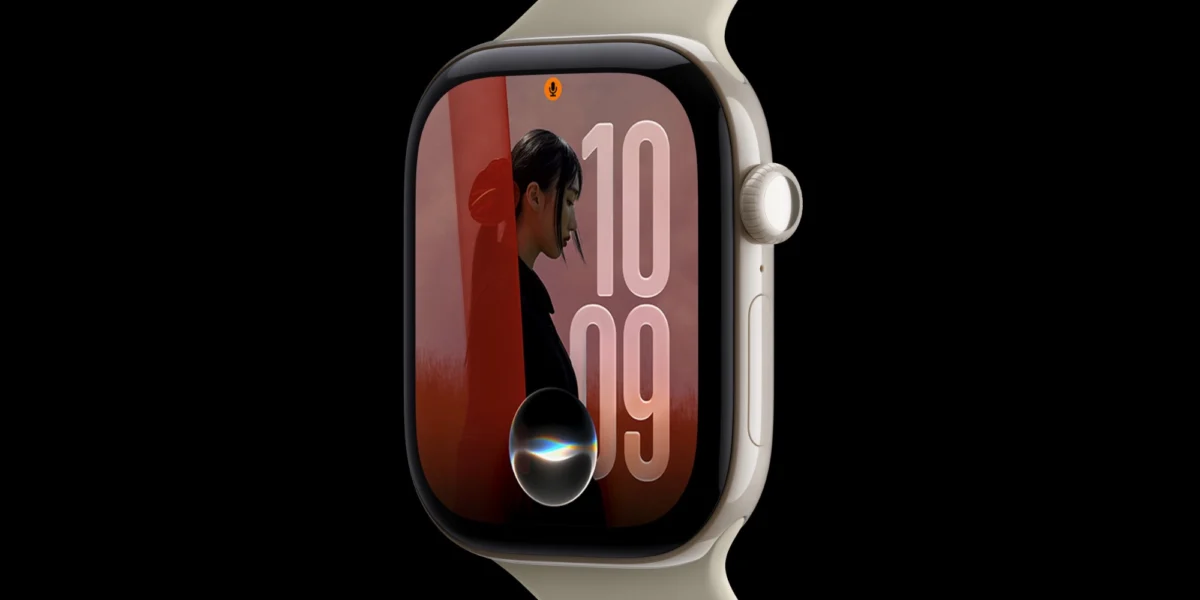
The Apple Watch Series 12 is set to reach consumers this Friday, representing the latest iteration in a decade-long evolution of wearable technology. As early adopters prepare for their deliveries and in-store pickups, a nuanced design shift has emerged that diverges from Apple’s long-standing industrial design philosophy. While the company has historically pushed toward edge-to-edge display integration across its entire ecosystem—from the iPhone’s Dynamic Island to the slimmed-down bezels of the Mac and iPad—the Apple Watch Series 12 introduces a measurable increase in bezel thickness, a move that has surprised industry analysts and long-time users alike.
This structural change, while subtle, is confirmed by official specifications released on Apple’s product comparison portal. For users who prioritize the aesthetic of a seamless, all-display front panel, the latest hardware revision presents a notable departure from the trajectory of previous generations.
Historical Context of Design Evolution
To understand the significance of this shift, one must look at the historical trajectory of the Apple Watch. Since its debut in 2015, the device has undergone several transformative changes. The original model featured a relatively bulky chassis with significant borders. With the Series 4, Apple introduced a more refined, rounded design that expanded the display area while maintaining a similar footprint. Subsequent models, particularly the Series 7 and Series 10, focused heavily on shrinking the "border" between the active display pixels and the stainless steel or aluminum casing.
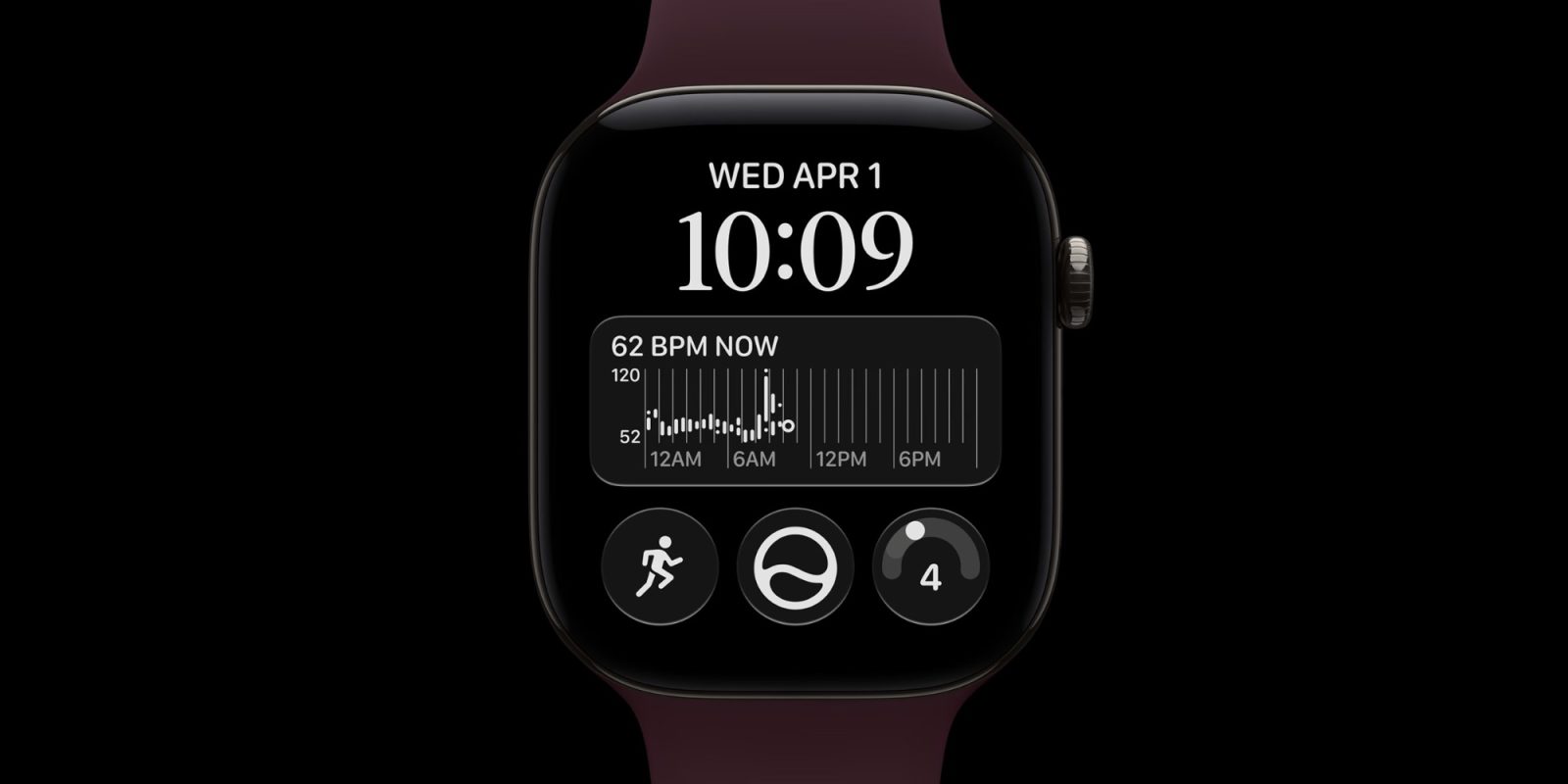
For years, the mandate from Apple’s design team appeared to be the eradication of the bezel. The transition from the Series 9 to the Series 10, for example, prioritized a thinner profile and larger screen-to-body ratio. By contrast, the Series 12 represents the first time in recent history that the hardware geometry has widened without a corresponding expansion of the screen’s active area, resulting in a more prominent border.
Chronology of Case Dimensions
A quantitative review of the technical specifications reveals the extent of these changes. According to the Apple Watch comparison matrix, the Series 12 retains the familiar 42mm and 46mm height designations, ensuring compatibility with most existing band collections. However, the width of the chassis has increased across both size tiers compared to the Series 11 and Series 10.
- 42mm Model: The Series 12 measures 42mm in height by 37mm in width, compared to 42mm by 36mm for both the Series 11 and Series 10.
- 46mm Model: The Series 12 measures 46mm in height by 40mm in width, compared to 46mm by 39mm for its predecessors.
Because the display panel size remains identical to the previous generation, the extra millimeter in width is allocated entirely to the casing perimeter. This creates a visual effect where the screen appears slightly recessed or "framed" by a thicker metallic border, a design language that harkens back to earlier, more utilitarian versions of the watch.
Internal Engineering and Health Sensing Requirements
While the aesthetic change may seem counterintuitive, internal engineering requirements provide a logical explanation for the shift. The Series 12 introduces a new, highly sophisticated Health Sensing System that requires additional sensor volume. Furthermore, the inclusion of the S11 processor—a chip designed to handle intensive on-device AI tasks and improved machine learning models—necessitates a more robust internal thermal management and battery density configuration.
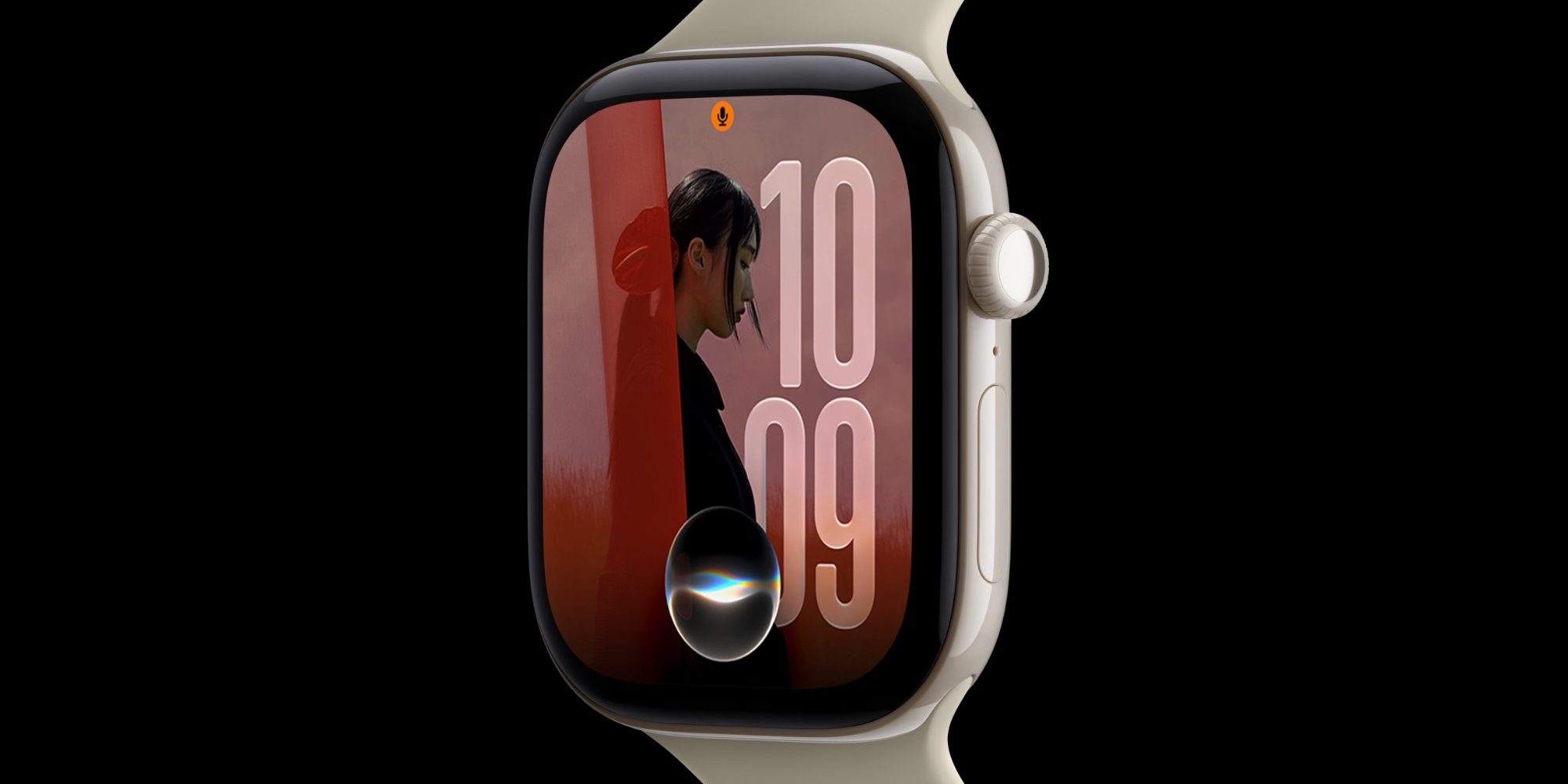
Industry analysts suggest that the decision to prioritize internal space over thin bezels is a strategic trade-off. By increasing the case width, Apple engineers likely gained the necessary cubic millimeters to house advanced sensors, such as enhanced blood oxygen monitoring or more sensitive biometrics, without compromising the device’s overall thickness or battery longevity. In the world of miniaturized consumer electronics, hardware real estate is a zero-sum game; the addition of a more capable sensor array often forces a recalibration of the external housing.
Industry Implications and User Reception
The reaction to this design change highlights a growing tension between functionality and aesthetics in the wearable market. Early feedback on social media platforms and tech forums suggests a divided audience. Users who rely on the Apple Watch as a critical health-tracking tool are generally prioritizing the internal upgrades, such as the increased speed of the S11 chip and the accuracy of the new health sensors. Conversely, those who treat the watch as a fashion-forward piece of jewelry have expressed concerns regarding the increased "heft" and the return of a more pronounced border.
From a design perspective, this shift could signal a move away from the "infinite display" trend that has dominated mobile tech for the last five years. If the industry reaches a point where display technology is limited by the physical constraints of human wrist size, designers may shift their focus toward durability and modularity. A slightly thicker bezel can, in some cases, provide better structural integrity for the sapphire crystal or Ion-X glass, potentially reducing the risk of edge-impact fractures—a common concern for active users.
The Role of AI and Future-Proofing
The S11 chip’s integration is perhaps the most significant factor in this year’s release. With Apple’s increased investment in Siri-based AI and on-device processing, the Series 12 is positioned as the primary interface for the company’s generative AI features on the wrist. Managing the thermal output of a processor capable of real-time machine learning requires a more spacious internal architecture. The decision to expand the width of the case, while creating a larger bezel, ensures that the device can maintain peak performance without throttling due to heat, which is a frequent challenge in such a compact form factor.

Market Positioning and Upgradability
For consumers currently using an Apple Watch Series 7 or older, the Series 12 will still feel like a significant leap forward in terms of performance, screen brightness, and sensor capabilities. The transition to the Series 12 from a Series 10, however, will be more subtle. Potential buyers must weigh the utility of the new health and AI features against the visual change in the casing.
Apple continues to support a vast ecosystem of refurbished devices, and for those who are particularly attached to the slimmer, thinner-bezel aesthetic of the Series 10, the secondary market remains a viable alternative. However, the Series 12 is clearly designed for those who require the absolute latest in performance and health monitoring, even if it comes at the cost of a slightly more traditional, framed display appearance.
Looking Ahead: The Evolution of Wearables
As the Apple Watch approaches its next decade, the Series 12 serves as a case study in the maturation of a product line. The early years of the device were defined by radical shifts in form factor and display technology. As the hardware reaches a point of "near-perfection" in terms of core functionality, design choices become more about optimizing for specific internal features rather than chasing thinner bezels.
Whether this trend of increasing width continues in future iterations remains to be seen. It is possible that as sensor technology becomes smaller, the bezels will once again shrink in future generations. For now, however, the Apple Watch Series 12 represents a pivot toward internal capacity, prioritizing the "intelligence" of the device over the pure minimalism of its predecessors.

For the average consumer, the choice is clear: if the priority is cutting-edge health tracking and AI integration, the Series 12 is a robust upgrade. If the priority is a specific design aesthetic, users may find themselves evaluating how much they value the "invisible" advancements of the S11 chip against the visible change in the device’s silhouette. As the first units reach the hands of consumers this Friday, the real-world performance of the new sensors will likely dictate whether this design trade-off is viewed as a minor grievance or a necessary evolution in the history of the world’s most popular wearable.