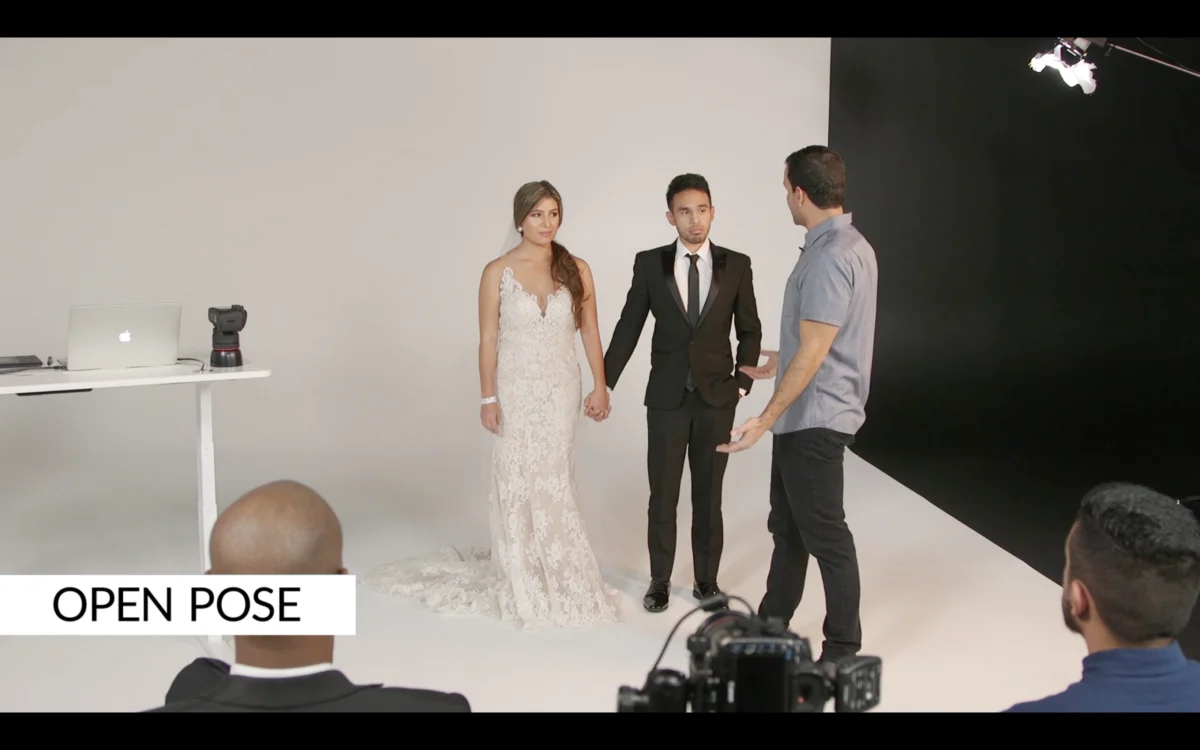
Achieving a seamless and impactful photoshoot experience extends far beyond technical proficiency with cameras and lighting. It is fundamentally rooted in effective communication and the cultivation of a relaxed atmosphere that empowers clients to feel at ease and confident under the lens. This principle is central to a recent instructional video aimed at both established and aspiring professional photographers seeking to elevate their client interactions and foster more effortless shooting sessions. The video, embedded for immediate viewing, serves as a practical guide to refining these essential interpersonal and preparatory skills.
Mastering the Art of Client Engagement and Shoot Efficiency
The core message conveyed in the instructional material emphasizes that the success of a photoshoot hinges as much on the photographer’s ability to connect with their subjects as it does on their technical acumen. For professionals, particularly in the early stages of their careers, a common challenge is the internal conflict between focusing on camera settings, composition, and lighting, and actively engaging in meaningful conversation with clients. This often leads to a disconnect, where technical considerations overshadow the crucial task of building rapport and ensuring client comfort.
Tip #1: Deep Familiarity with Equipment as a Foundation for Connection
A cornerstone of effortless client interaction is a profound understanding and mastery of photographic equipment. When photographers are deeply familiar with their gear, technical settings like exposure and composition become second nature, allowing their cognitive energy to shift from operational mechanics to client engagement. This "muscle memory" frees the photographer to be more present in the moment, enabling them to focus on observing their clients, understanding their emotions, and guiding them effectively without being distracted by technical adjustments.
The article suggests that this level of technical mastery is not innate but developed through dedicated practice and education. Resources like the "Photography 101" course are highlighted as instrumental in helping photographers achieve this proficiency, particularly in mastering manual mode across various camera systems. The implication is that by demystifying the technical aspects, photographers can dedicate more mental and emotional bandwidth to the human element of their work. This includes not only camera settings but also the ability to assess and manipulate lighting conditions confidently and to identify compelling photographic opportunities in any environment. This liberation from technical anxieties allows for a more intuitive and relationship-driven approach to photography.

Tip #2: Strategic Pre-Shoot Planning and Location Scouting
The importance of meticulous planning and preparation cannot be overstated in ensuring a smooth and successful photoshoot. Even seasoned professionals with over a decade of experience, like the instructor, advocate for thorough location scouting and pre-shoot strategy. This proactive approach is crucial for optimizing the shooting environment and anticipating potential challenges.
A key aspect of this planning involves pre-shoot consultations regarding wardrobe. Collaborating with clients to select outfits that are cohesive and contextually appropriate for the chosen locations is vital. An incongruous or unflattering outfit can detract from the overall aesthetic of the photographs and negatively impact the client’s confidence. Experienced photographers understand that wardrobe choices can either enhance or detract from the visual narrative, influencing how the scene is perceived and how the client feels within it.
Furthermore, arriving at the shooting location significantly in advance of the client’s arrival—typically 30 to 60 minutes, or even longer for complex events like weddings—is a recommended practice. This buffer time allows for detailed scouting of the venue, even if it has been photographed numerous times before. The rationale behind this is that environmental conditions, such as lighting and available backdrops, can vary significantly from one day to the next. Utilizing tools like the Sunseeker App can be invaluable for predicting the sun’s trajectory and identifying optimal shooting spots based on natural light. Such advanced preparation serves to minimize on-site stress and redirect the photographer’s focus towards client interaction and creative execution. This strategic foresight alleviates pressure, allowing for a more relaxed and engaging experience for both the photographer and the client.
Tip #3: Cultivating Rapport Through Genuine Connection
A fundamental aspect of creating a comfortable and productive photoshoot environment is the intentional effort to build rapport with clients before the camera even becomes the primary focus. The instructor advocates for dedicating the initial 15 minutes of any session to conversation that is entirely client-centric. This period is not for photography but for genuine engagement, focusing on the clients’ recent activities, work, and personal lives.
This initial interaction is critical, serving as a client’s first impression of the photographer’s interpersonal skills. For engaged couples, in particular, this early communication sets the tone for their potential wedding photography experience, demonstrating not only the photographer’s professional capabilities but also their personality and approachability. Techniques like the W.A.V.E. (Wall Art Vision Exercise), as taught in business training programs, can be instrumental in this phase. This exercise helps photographers understand what clients truly value in their photography and, more broadly, in their life experiences and memories. By aligning the conversation with these core values—whether they revolve around family, career aspirations, or other personal milestones—photographers can foster a deeper connection and ensure the shoot resonates with the clients’ priorities.

Following this rapport-building phase, the introduction of a "foundation posing exercise" serves as a continued icebreaker and a gentle introduction to being in front of the camera. This structured yet accessible approach helps clients become more comfortable with posing before the actual photography begins. The process of guiding clients through these foundational poses reinforces the photographer’s role as a knowledgeable and supportive guide, laying the groundwork for more authentic and relaxed posing throughout the session.
Tip #4: Establishing Authority with Warmth and Expertise
The concept of establishing authority is a crucial element in building client trust and ensuring a smooth workflow, particularly when dealing with common client anxieties around posing. Drawing from principles outlined in books like "The Charisma Myth," the approach emphasizes a balance between authority and warmth. Conveying authority without warmth can be perceived as arrogance, whereas warmth without authority might undermine confidence in the photographer’s expertise.
The Foundation Posing Framework is presented as a key tool in this regard. By guiding clients through basic, yet effective, posing principles, photographers demonstrate their knowledge and leadership. This is particularly important when clients express a desire for "authentic" photographs but admit to feeling nervous or unsure about how to pose. The photographer’s ability to confidently lead them through a structured posing process reassures clients that their concerns are understood and will be addressed. This proactive approach, implemented before the camera is even actively used for capturing final images, helps clients relax and feel at ease, knowing they are in capable hands. The established authority fosters a sense of trust, allowing clients to be more receptive to direction and ultimately more comfortable being photographed.
Tip #5: Embracing Authenticity in Professional Persona
A significant, yet often overlooked, aspect of effective client communication is the photographer’s commitment to being their genuine self. The article highlights the journey of many photographers who, in their early careers, attempt to emulate the styles and personas of established figures they admire. While inspiration is valuable, the ultimate goal should be to integrate these learnings into one’s unique voice and approach.
The instructor shares a personal anecdote about initially trying to replicate the smooth communication style of a renowned Australian photographer. This attempt proved to be inauthentic and ultimately less effective than embracing his own natural demeanor – that of a "goofy Dad." The realization that authenticity trumps imitation is a powerful lesson. When photographers are true to themselves, their interactions feel more genuine and relatable to clients. This allows for a more natural flow of conversation and a deeper connection.

The advice is to take the frameworks and techniques learned from others and adapt them to one’s own personality and communication style. By embracing their unique qualities, photographers can create a more memorable and enjoyable experience for their clients. This authenticity not only enhances client relationships but also contributes to repeat business and fosters genuine friendships. Ultimately, the goal is to blend learned skills with personal character to create a signature approach that resonates with clients and sets the photographer apart.
The overarching implication of these five techniques is the transformation of the photoshoot from a potentially stressful transaction into a collaborative and enjoyable experience. By prioritizing clear communication, thorough preparation, genuine connection, confident leadership, and authentic self-expression, photographers can cultivate a loyal client base and achieve not only exceptional photographic results but also meaningful professional relationships. This holistic approach underscores the idea that the most compelling photography often stems from a foundation of trust and comfort between the artist and their subject. The video series, "Mastering Your Craft," available on Adorama’s YouTube channel, continues to explore these vital aspects of professional photography, offering ongoing insights and practical guidance for photographers seeking to refine their skills and elevate their craft. The accompanying playlist provides a comprehensive resource for those looking to delve deeper into the various facets of mastering the art and business of photography.