Published July 17, 2026 04:28 PM
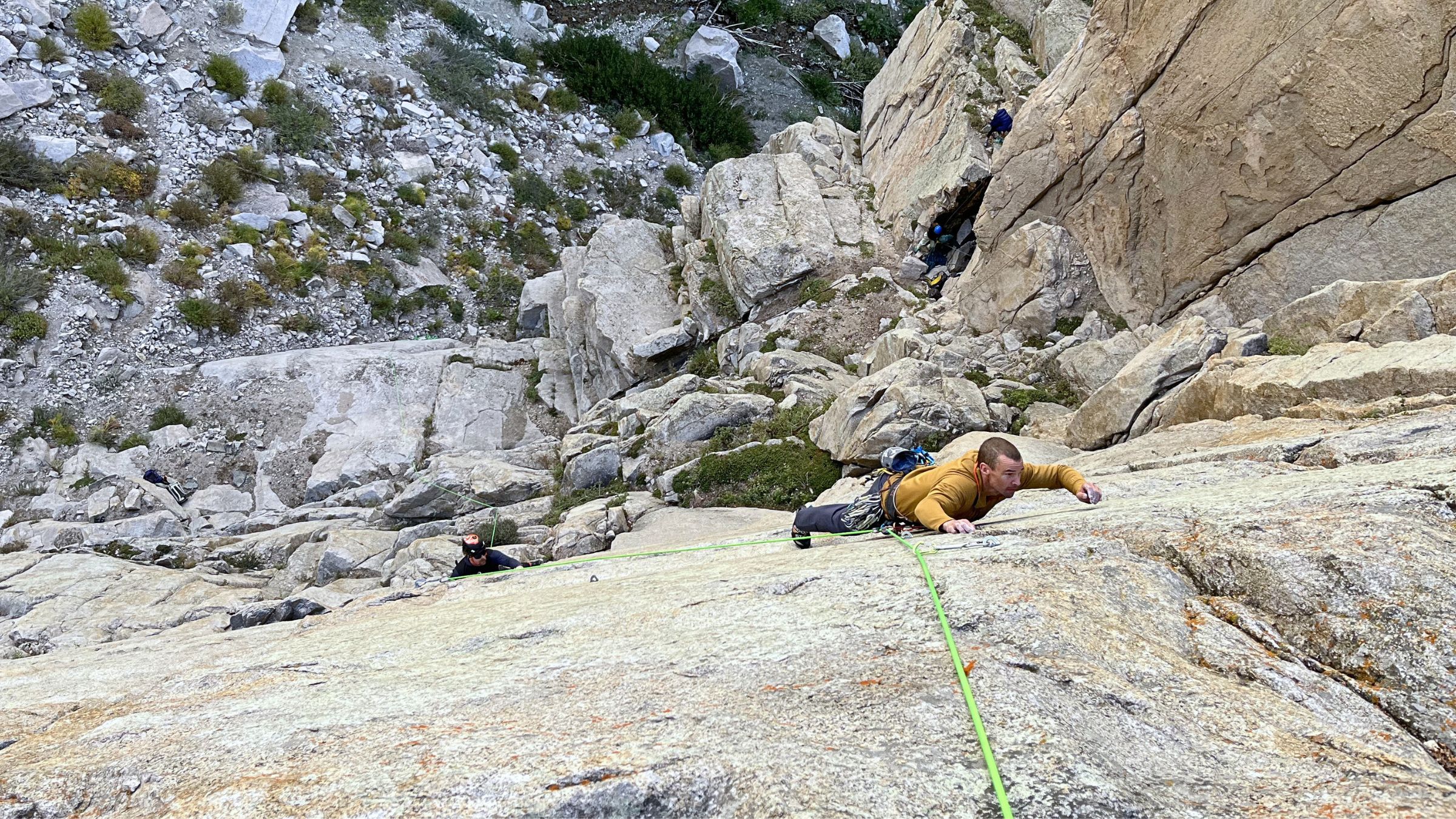
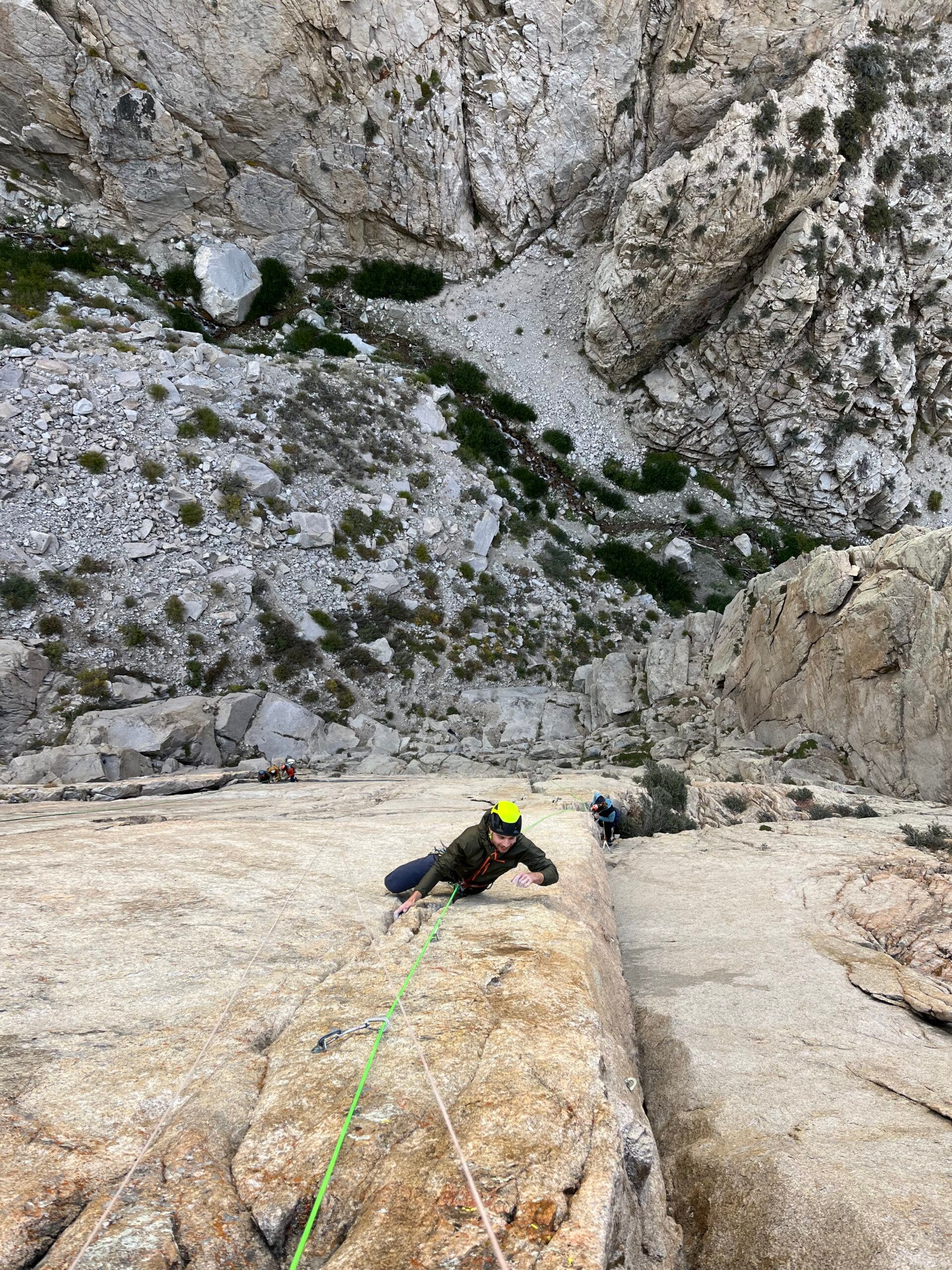
The conversation around Patagonia’s Free Wall Kit is inextricably linked to the "fix and follow" climbing system it’s designed to support. Over the past decade, this innovative tactic has revolutionized the approach to long, challenging multi-pitch ascents, optimizing climber comfort and performance throughout demanding days. The "fix and follow" method allows the lead climber, upon reaching an anchor and hauling a compact pack, to fully rest before the next pitch. Meanwhile, their partner can ascend the rope on top-rope, effectively self-belaying. While this technique offers significant advantages, it’s important to acknowledge that it may not be suitable for all situations or climbers. For a deeper understanding of the nuances and potential limitations, further exploration of related skills is recommended.
Josh Wharton, the visionary behind both this kit and the "fix and follow" methodology, profoundly influenced the author’s perspective on multi-pitch climbing. Wharton’s explanation of the tactic transformed perceived daunting expeditions into more manageable and enjoyable experiences. By enabling a period of rest at anchors, the arduous task of constant belaying was significantly reduced, making challenging rock climbs feel more akin to extended days at a local crag. The underlying philosophy aligns with the pursuit of maximizing enjoyment in free climbing endeavors.
Just as "fix and follow" enhances the multi-pitch climbing experience by minimizing strenuous rope management and belaying duties, the Free Wall Kit aims to elevate this style of climbing further, promoting greater comfort and efficiency. When both the leader and follower are adequately protected from the elements, warm, and well-nourished, their ability to climb becomes less encumbered, mirroring the experience of shorter, more accessible climbs.
While the necessity of each of the six specific components within the Free Wall Kit may be a subject of debate, the kit as a whole offers a valuable lens through which all climbers can examine their approach to multi-pitch rock ascents. When a climber of Wharton’s caliber, recognized as one of America’s premier all-around climbers, provides guidance on dressing for multi-pitch rock climbing, it warrants serious consideration.
Free Wall Pack 44L: A Versatile Haulbag and Crag Companion
Weight: 1,180g
Volume: 44L
Sizes: S, M, L (unisex)
Pros:
- Dual functionality as a haulbag and an everyday crag pack.
- Color-coded pockets and clip-in loops facilitate efficient organization.
Cons:
- The carrying system lacks sufficient support for extended approaches.
During extensive field testing, the Free Wall Pack 44L was employed across a spectrum of challenging rock climbing objectives. Tester Maury Birdwell utilized the pack on formidable ascents such as El Sendero Luminoso (5.12+; 455m) in Mexico’s El Potrero Chico and the equally demanding King of Swords (5.12-) on the Diamond of Longs Peak. Concurrently, the author employed the pack on numerous routes in Western Canada, including the 160-meter Squamish classics The Gremlin (5.11d) and Babies in Kailand (5.11b), renowned for their technical squeeze-chimney pitches.
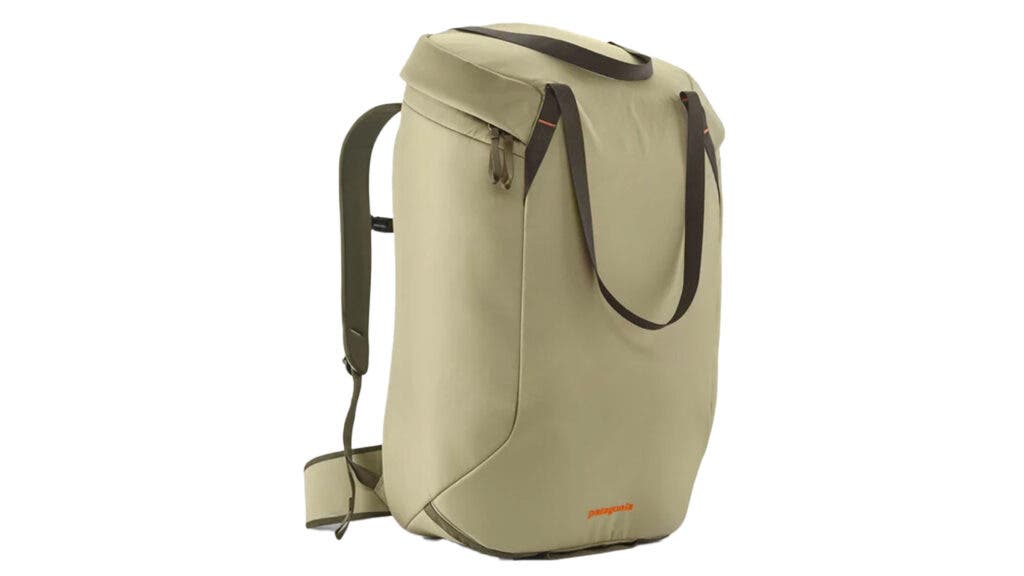
Unlike conventional big-wall haulbags, which typically feature a single, unsegmented main compartment and perhaps a solitary zippered pocket, the Free Wall Pack is engineered for accessible on-the-wall use. It incorporates two internal pockets, two gear loops—all color-coded for clear partner communication and organization—and a capacious external pocket situated on the lid.
Birdwell highlighted the pack’s exceptional performance when suspended at a belay: "Clipped off and hanging at a belay is where the pack truly shines," he stated. "It lays flat against the wall; the lid design, coupled with the rigid structure, makes it easy to access the pack’s contents and locate necessary items."
Constructed from highly durable recycled nylon with a polyurethane coating and a Durable Water Repellent (DWR) finish, the Free Wall Pack demonstrated remarkable resilience during over 2,000 feet of strenuous hauling. Minor scuffs were the only discernible signs of wear, underscoring its robust construction. As with any haulbag, careful packing to avoid sharp or rigid objects pressing against the exterior fabric is advised.
The primary limitation of the Free Wall Pack is its absence of a dedicated suspension system or substantial padding. While the minimalist design is understandable in the context of a haulbag, where bulk can be detrimental, it renders the pack less ideal for long approaches from the trailhead.
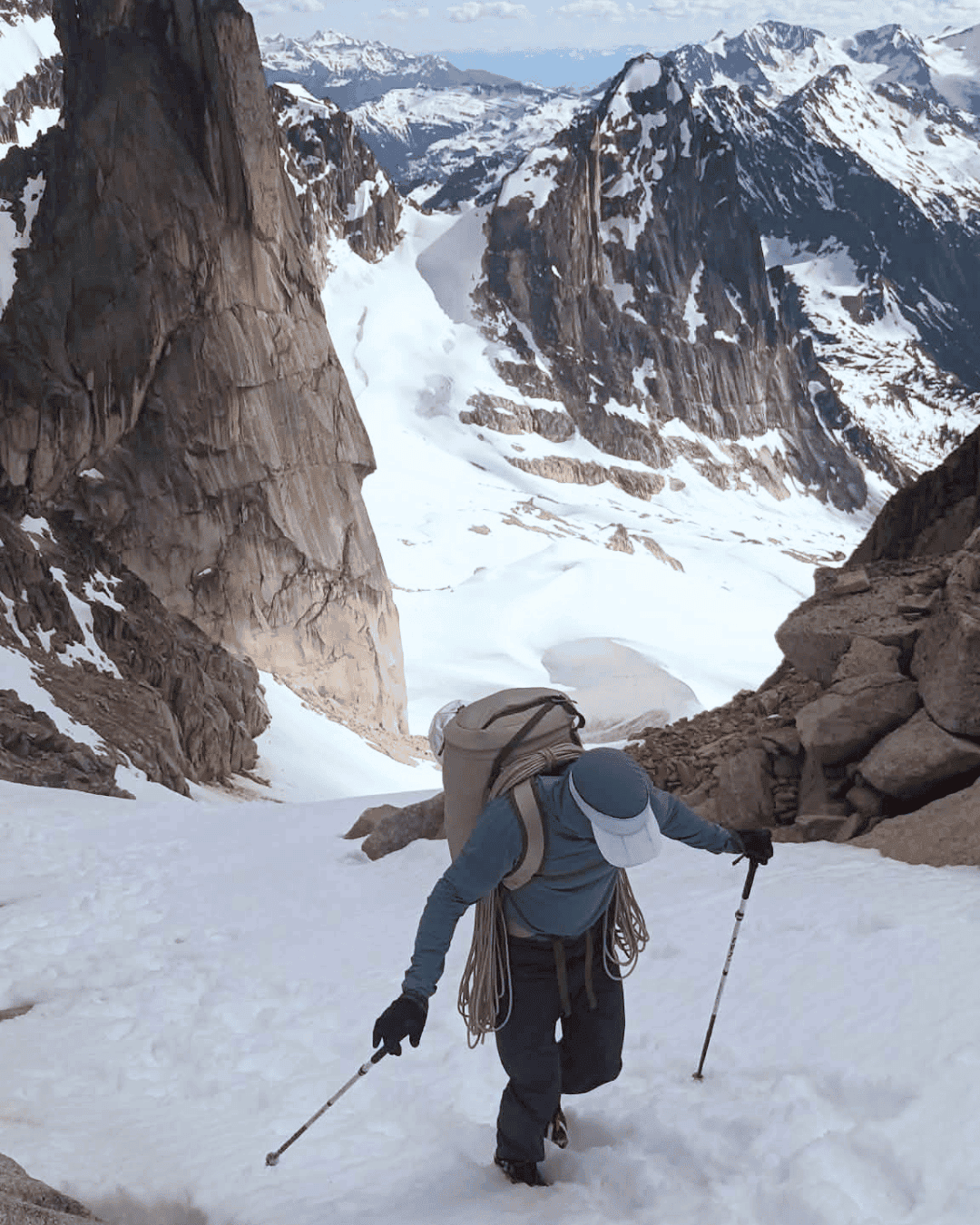
Several weeks prior to this review, the author undertook a six-hour trek into the Bugaboos’ East Creek basin, carrying bivy gear, a substantial rack of climbing equipment, and provisions for a weekend expedition. Although shoulder fatigue became noticeable about halfway through the approach, the Free Wall Pack’s comfort level was comparable to that of a superlight alpine pack previously used during winter months. Crucially, on the following day, it seamlessly transitioned into a sturdy haulbag for ascents of the immaculate splitter cracks on Fingerberry Jam (5.12-).
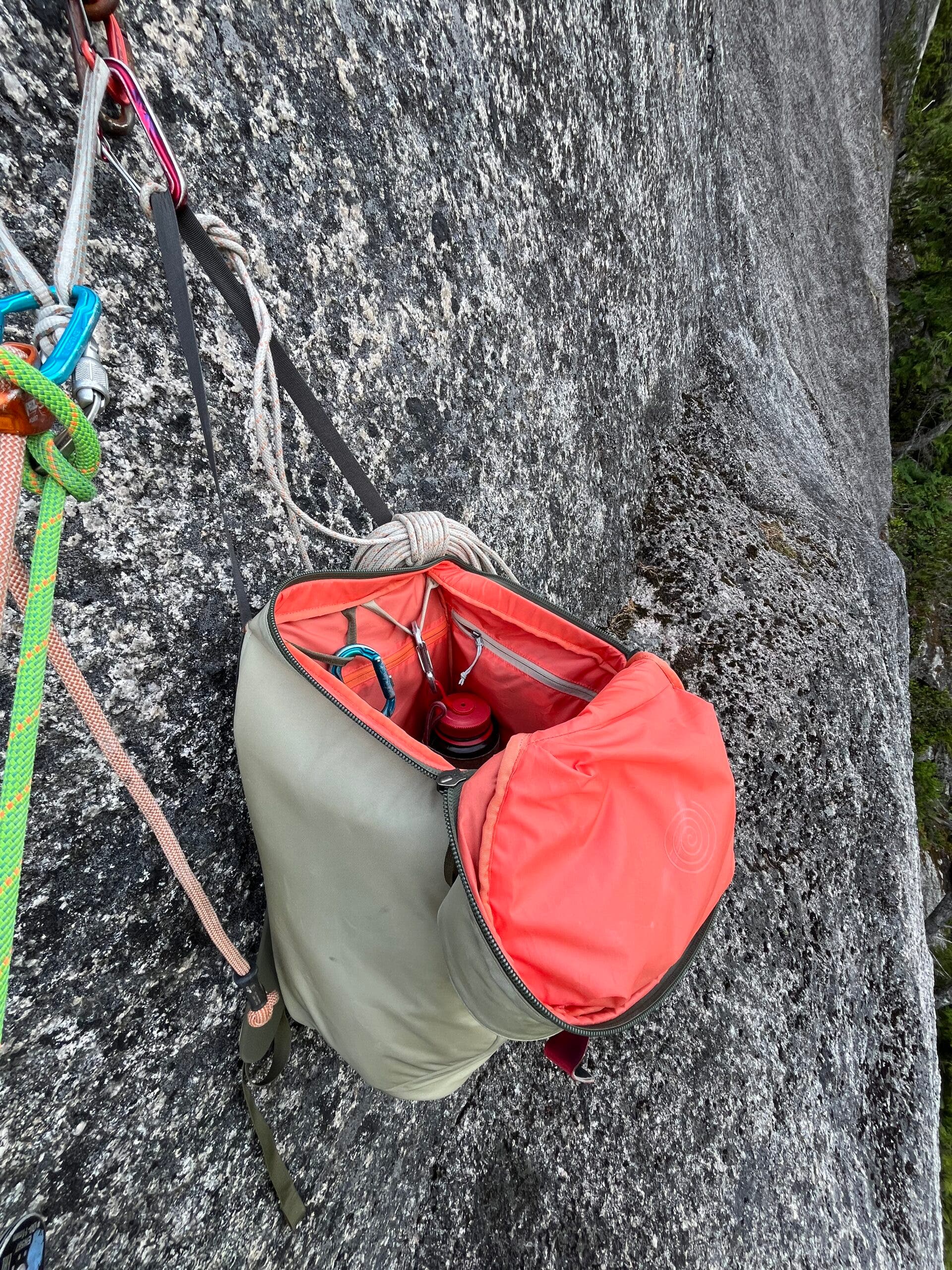
Bottom Line: The Free Wall Pack 44L stands out for multi-pitch climbers who prioritize efficient bag-hauling and require rapid access to their gear. Its dual utility as both a haulbag and a functional crag pack makes it a compelling option for those engaged in technical big-wall or extended multi-pitch rock climbing.
Durable Down Parka: Robust Warmth with Room for Improvement
Weight: 595g (Men’s M); 507g (Women’s M)
Sizes: XS-XXL
Pros:
- Extremely durable face fabric offers significant abrasion resistance.
- Provides a respectable warmth-to-weight ratio.
Cons:
- Drafty at belays due to the lack of a hem cinch cord.
- The hood cannot be tightened when not worn with a helmet, limiting its adjustability.
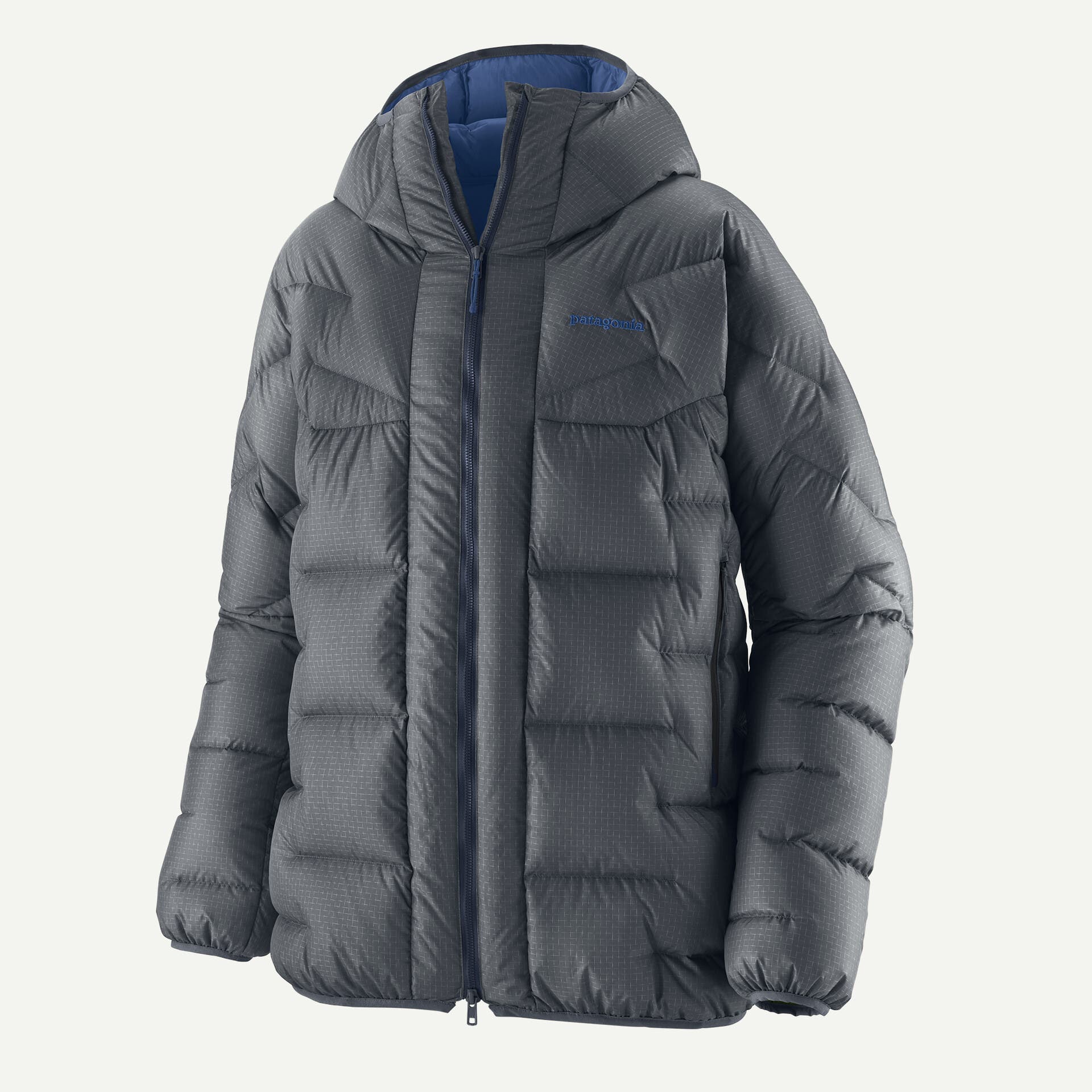
The Durable Down Parka initially presented itself as a highly promising piece of apparel, offering a comforting blend of plush 800-fill down insulation, an accommodating oversized fit, and a soft interior fabric that felt akin to a warm embrace. However, its performance was notably diminished when subjected to the harsh, windy conditions characteristic of California’s Pine Creek Canyon.
The initial influx of frigid upslope winds bypassed the parka, permeating the space between the garment and the wearer’s back, leading to noticeable chills around the neck. While positioned at the exposed second-pitch anchor of Stone’s Throw (5.11d; 170m) at Bighorn Wall, an instinctive reach for a hem-cinch cord proved futile, as no such feature was present. Similarly, a search for a chest pocket to stow belay glasses yielded no results.
Despite these shortcomings, the parka did provide adequate warmth during belay sessions on subsequent outings, including mid-summer snowstorms, ice climbing excursions, and exposed, windy rock crags. The parka’s innovative offset baffle construction effectively mitigates down migration, thereby preventing cold spots. Furthermore, its exceptionally tough face fabric is designed to withstand direct contact with the rock, minimizing the risk of insulation leakage, even during dynamic maneuvers. However, the pared-down design of the Durable Down Parka was somewhat surprising, especially when contrasted with the meticulously engineered Free Wall Pack, which seemed to prioritize user-friendliness above all else. While the inclusion of an additional chest pocket, hood cinch, and hem cinch would marginally increase the garment’s weight, it would significantly enhance its functionality without compromising its overall lightweight profile.
Bottom Line: The Durable Down Parka offers substantial warmth and exceptional durability. However, its limited feature set and lack of adjustability were noted as areas for potential improvement, particularly when considering its intended use in demanding alpine environments.
Houdini Rock Jacket & Pants: Ultralight Wind Protection for the Vertical Realm
Weight: 130g (Men’s M jacket); 120g (Women’s M jacket); 110g (Unisex M pants)
Sizes: XS-XXL
Pros:
- Exceptional warmth-to-weight ratio, particularly effective in windy conditions.
- Surprisingly durable for its minimal weight.
- The half-length jacket zipper avoids pressure points under a harness.
- Zipped pant cuffs allow for easy donning and doffing at hanging belays.
Cons:
- The jacket is notably more expensive than comparable wind layers in its class.
The Houdini Rock Jacket and Pants represent a critical component of Josh Wharton’s recommended "dress code" for multi-pitch climbers, and indeed, for a broader range of climbers and alpinists. Traditional multi-pitch ascents rarely commence under forecasted torrential rain, rendering a fully waterproof jacket often superfluous. However, climbers frequently contend with powerful winds on exposed cliff faces. In such scenarios, a lightweight wind layer provides a significant increase in warmth with only a marginal addition to overall pack weight.
The Houdini Rock Pants emerge as the standout element of this pairing. Just as ice climbers often prioritize insulating their torsos while neglecting their extremities, rock climbers frequently focus on belay jackets, overlooking heat loss from below. If a single item from the entire Free Wall Kit were to be recommended, it would undoubtedly be the Houdini Rock Pant.
Following a strenuous lead of the technically demanding 5.11d second pitch of Fingerberry Jam (5.12-) in the Bugaboos, the author experienced a significant drop in core temperature. The wind was gusting up to 30 mph, and icy snowflakes were intermittently obscuring vision. After rapidly hauling the pack, the author first donned the Houdini Pants, followed by the Jacket. The immediate effect was a stabilization of core temperature. The remarkable warmth provided by such lightweight garments was a significant observation.
Although the Houdini Rock Pants are offered in a "unisex" cut, both male and female testers found the fit to be entirely satisfactory. Tester Emilie Grenier noted the pants’ baggy cut was reminiscent of the M10, allowing for an extensive range of motion and a secure fit over the hips due to the elasticated waistband.
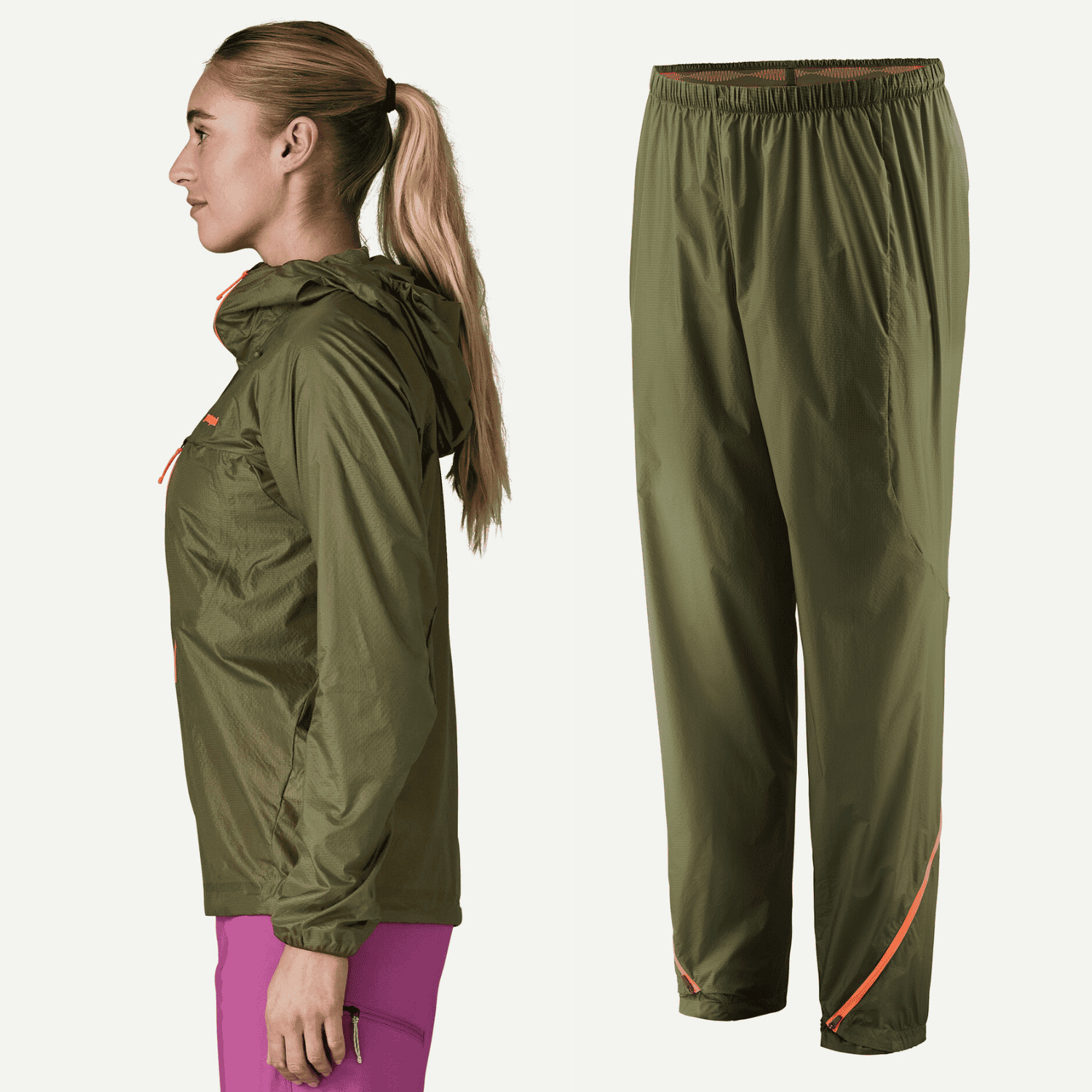
The latest iteration of the Houdini Rock Jacket is constructed from the same remarkably resilient 1.2-oz recycled nylon ripstop as previous versions, with specific design considerations for multi-pitch rock climbing. The half-length zipper ensures comfort by avoiding pressure points when worn beneath a harness. Its relaxed shoulder cut permitted dynamic climbing movements without restriction. While the Rock Jacket itself elicited no significant complaints, its retail price of $199 was considered steep for the features offered. A more cost-effective alternative, the regular Houdini Jacket (purchased a size larger), offers comparable wind protection, weight, and durability for approximately $80 less.
Bottom Line: The Houdini Rock Jacket and Pants constitute an exceptional pairing for ultralight wind protection. While the regular Houdini Jacket can serve as a more budget-friendly substitute for the Rock Jacket, the Rock Pants themselves are a unique and highly recommended piece of gear.
R1 Ultralight Hoody: A Functional Midlayer with Notable Limitations
Weight: 280g (Men’s M); 220g (Women’s M)
Sizes: XS-XXL
Pros:
- Soft internal fabric provides comfort against the skin.
- Two chest pockets offer convenient storage for essentials.
Cons:
- The under-helmet hood design limits its versatility.
- Durability is not exceptional, particularly in abrasive crack climbing.
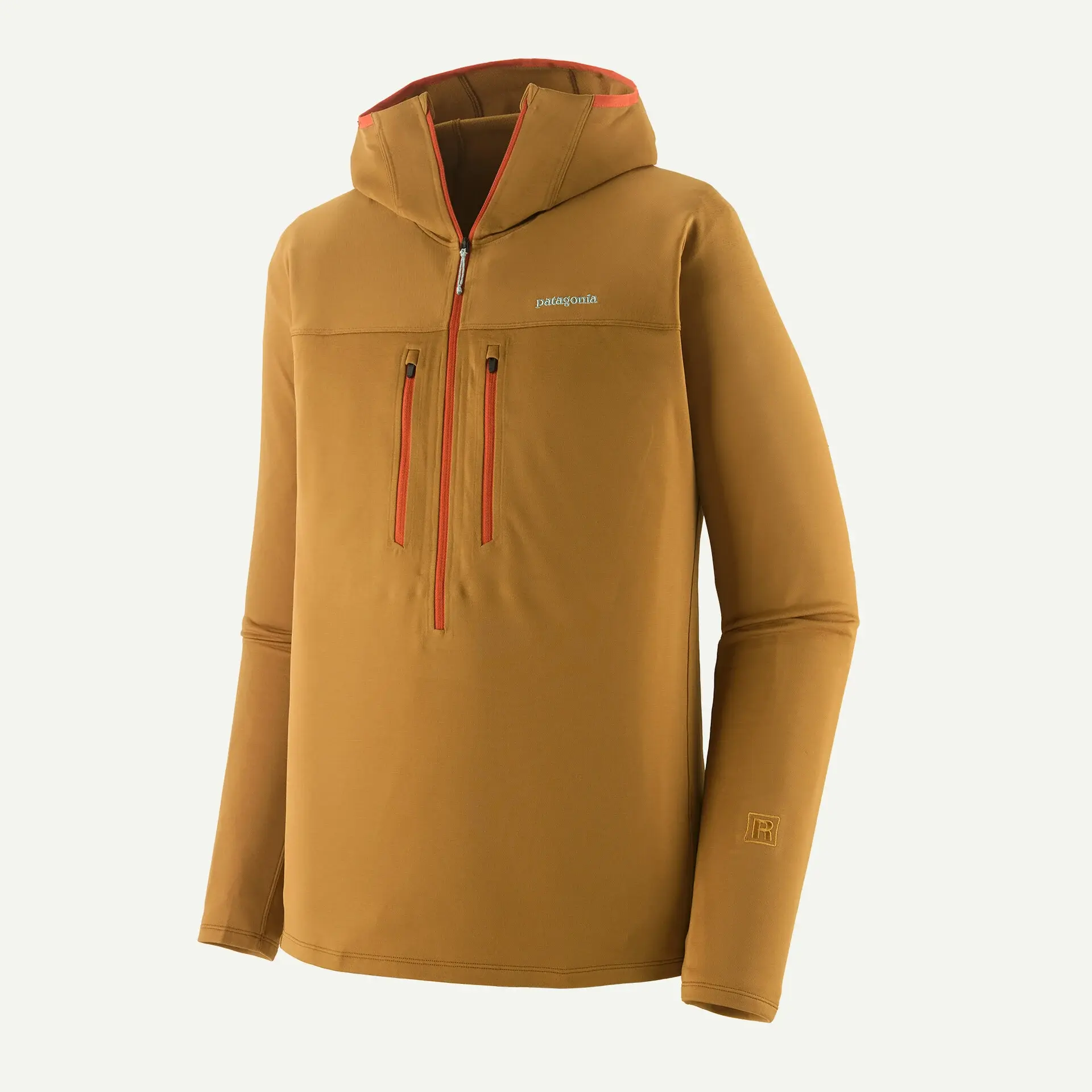
The R1 Ultralight Hoody represents the least compelling item within the Free Wall Kit. It functions adequately as a midlayer, offering a soft feel against the skin, good warmth and breathability, and comfort under a harness due to its half-length zipper. However, it lacks the distinctive appeal of other components in the kit. The hoody’s cuffs showed premature pilling and tearing after only a few pitches involving wide crack climbing. Furthermore, its snug, baselayer-style fit caused it to bunch uncomfortably when layered over a sun hoody, necessitating the consideration of a larger size, which would then result in excessively long sleeves.
The snug hood design, a recurring issue with some Patagonia midlayers, also presented a practical challenge. By engineering it to fit exclusively beneath a helmet, wearers are forced to choose between head warmth or ventilation from the outset of a pitch or at each belay. This design choice limits the ability to adjust headwear based on changing body temperature or ambient conditions.
Bottom Line: The R1 Ultralight Hoody is a suitable midlayer for climbers who do not consistently wear helmets and primarily engage in crack climbing techniques that do not involve excessively wide formations.
Free Wall Pants: Durable and Mobile for Cold-Weather Rock Climbs
Weight: 380g (Men’s M); 370g (Women’s M)
Sizes: 28-44 (Men’s); 00-22 (Women’s)
Pros:
- Excellent range of motion for dynamic movements.
- Low-profile, adjustable waistband ensures comfort under a harness.
Cons:
- The men’s model lacks a fly.
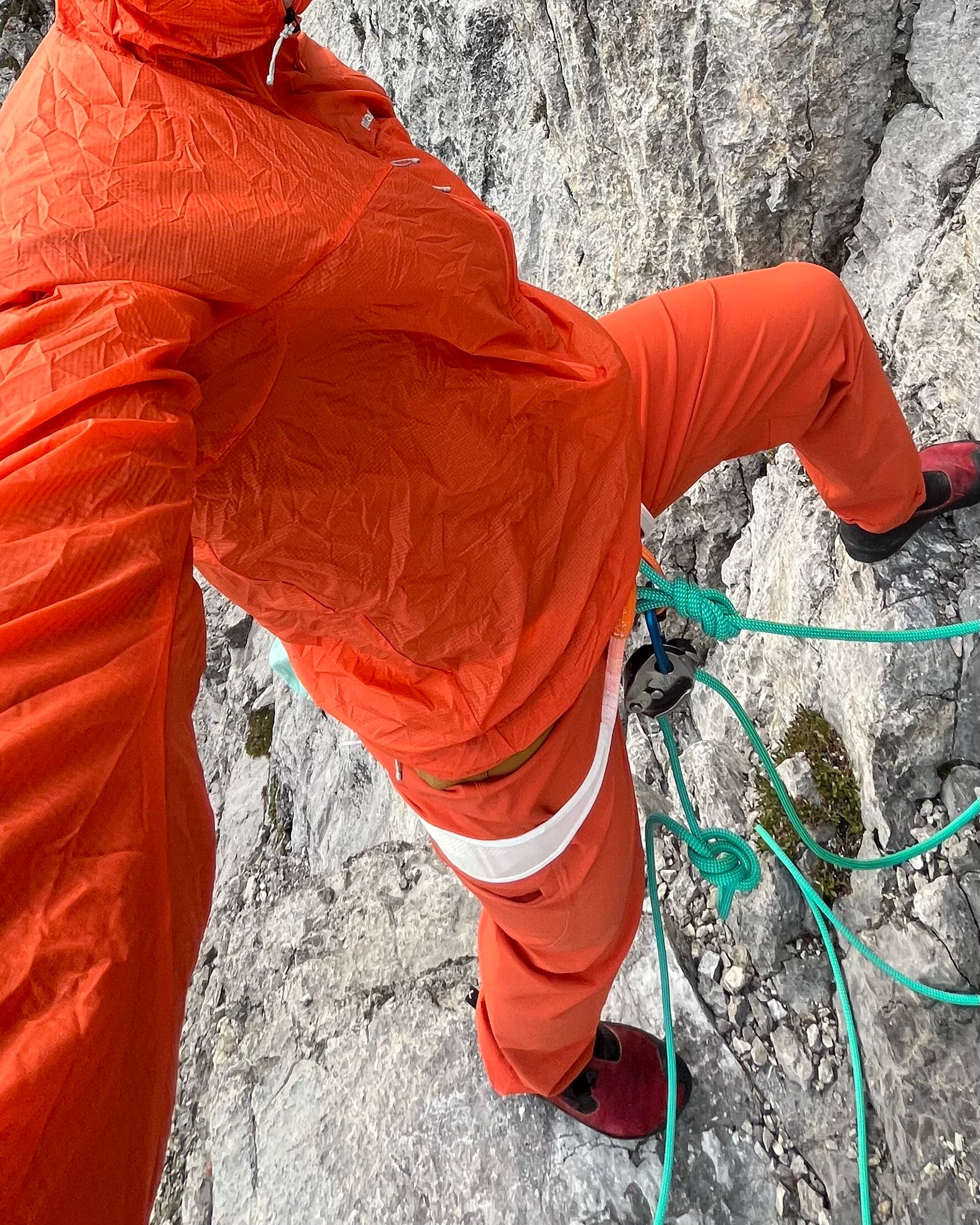
The Free Wall Pants come remarkably close to achieving perfection for alpine rock climbing, prompting a strong endorsement despite minor reservations. The term "alpine rock" is specifically used because these pants are notably thicker than typical mid-summer climbing pants, leading to increased warmth in milder coastal environments like Squamish. However, when transitioning to colder, high-altitude environments such as glaciers or dusty moraines, their performance shines. The thicker material effectively retains warmth while providing exceptional durability for thrutchy wide cracks and knee-barring techniques.
The inclusion of two thigh pockets, strategically positioned for easy access below a harness leg loop, and a rear pocket (though its utility is diminished when high-stepping), makes these pants suitable for extended approaches. The singular drawback is the absence of a fly on the men’s version, which can create an inconvenient situation during hanging belays. A similar oversight regarding a crotch zip for the women’s model was also noted.
Bottom Line: The Free Wall Pants are highly durable and offer excellent mobility for cold-weather rock climbing. For individuals who do not require or desire a fly, they represent an outstanding choice for demanding alpine rock ascents.
The Necessity of the Complete Free Wall Kit
Even with the financial capacity to acquire the entire Free Wall Kit, a complete, unreserved recommendation is not feasible. Certain adjustments and considerations would be necessary to elevate the entire ensemble to a consistently stellar performance level across all conditions. However, the types of items comprising the kit offer valuable insights into strategic layering and equipment selection for extended rock climbs.
The kit’s composition highlights key areas of focus for multi-pitch climbing gear:
- Pack: A robust and organized haulbag capable of efficient on-wall access.
- Insulation: A warm, durable down jacket for critical rest periods.
- Wind Protection: Lightweight yet effective wind layers for dynamic weather changes.
- Base Layer: A comfortable and breathable midlayer for temperature regulation.
- Pants: Durable and mobile pants designed for the rigors of rock climbing.
In conclusion, the Free Wall Kit, while not necessarily the definitive uniform for every lengthy rock climb, represents a significant advancement in specialized gear for the discipline. Acquiring a quality haulbag, a warm jacket, and appropriate wind pants, and then venturing outdoors, is the ultimate objective. The Free Wall Kit, with its strengths and weaknesses, provides a valuable benchmark and a foundation for climbers seeking to optimize their experience on the vertical frontier.