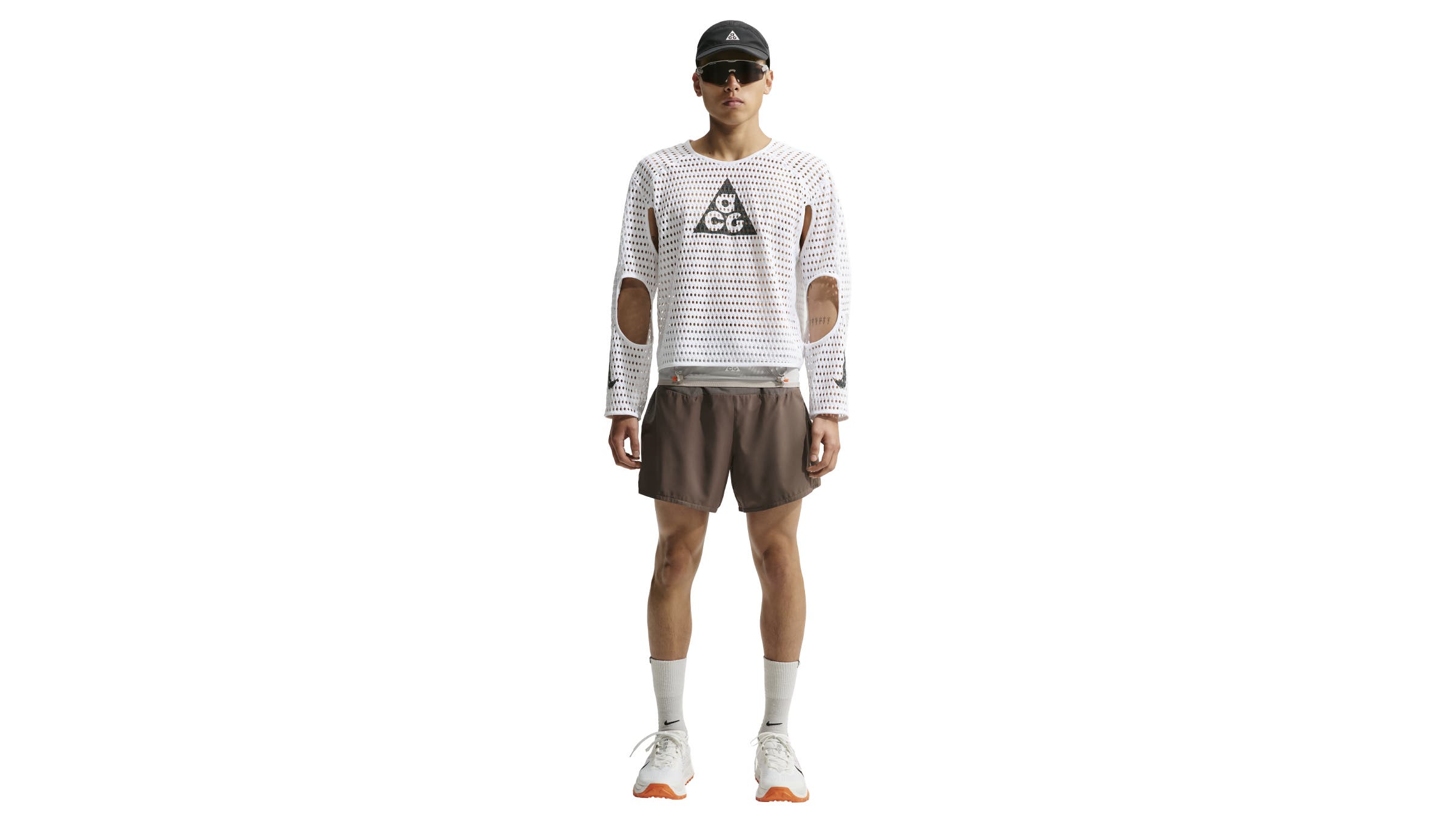
In June 2026, a specialized piece of athletic apparel—the Radical AirFlow shirt from Nike’s All Conditions Gear (ACG) line—triggered a seismic reaction across social media platforms. Running influencers and style arbiters alike began unboxing the garment, a crop-cut, precision-engineered long sleeve defined by its distinctive hole-punched topography. While the shirt was initially designed for the rigors of high-altitude trail running, its reception transcended the athletic community, solidifying a broader cultural transition where high-performance outdoor gear and urban streetwear are no longer mutually exclusive.
The viral nature of the shirt, colloquially dubbed the "Holey Shirt," represents the culmination of a decade-long convergence between technical utility and aesthetic expression. Nike’s ACG sub-brand, which dates back to 1989, has undergone a rigorous strategic pivot since February 2026, abandoning traditional, understated outdoor marketing in favor of a rebellious, nineties-inspired street-style identity. This evolution mirrors a larger industry trend where technical apparel—once relegated to the mountain peak—has become a fixture of the global fashion zeitgeist.
A Technological Genesis: From Innovation Lab to the Podium
The Radical AirFlow shirt is not merely a stylistic statement; it is a product of extensive research and development within Nike’s proprietary Innovation lab. The garment utilizes a sophisticated, gradient-diameter hole pattern designed to maximize thermal regulation by facilitating airflow across the skin. This technology was rigorously field-tested before its public release, most notably by Nike athlete Caleb Olson, who secured a victory at the 2025 Western States 100-Mile Endurance Run while wearing a prototype of the garment.

For the performance-driven consumer, the shirt represents the pinnacle of breathable activewear. However, for the contemporary consumer, the appeal is rooted in the "gorpcore" aesthetic—a term first coined by The Cut in 2017 to describe the adoption of high-tech outdoor gear as everyday fashion. According to industry analysts at The Business of Fashion, the Radical AirFlow shirt succeeds because it disrupts the visual monotony of traditional athletic apparel, making it an attractive piece for a demographic that spans far beyond the professional marathon circuit.
Chronology of the Outdoor-Fashion Convergence
The integration of outdoor gear into the mainstream fashion cycle is a phenomenon that has accelerated significantly over the last several years.
- 2017: The term "gorpcore" enters the lexicon, capturing the emerging trend of pairing technical fleeces and hiking footwear with high-fashion staples.
- 2020–2022: The COVID-19 pandemic drives an unprecedented surge in outdoor participation, normalizing the use of technical clothing in home, leisure, and office environments.
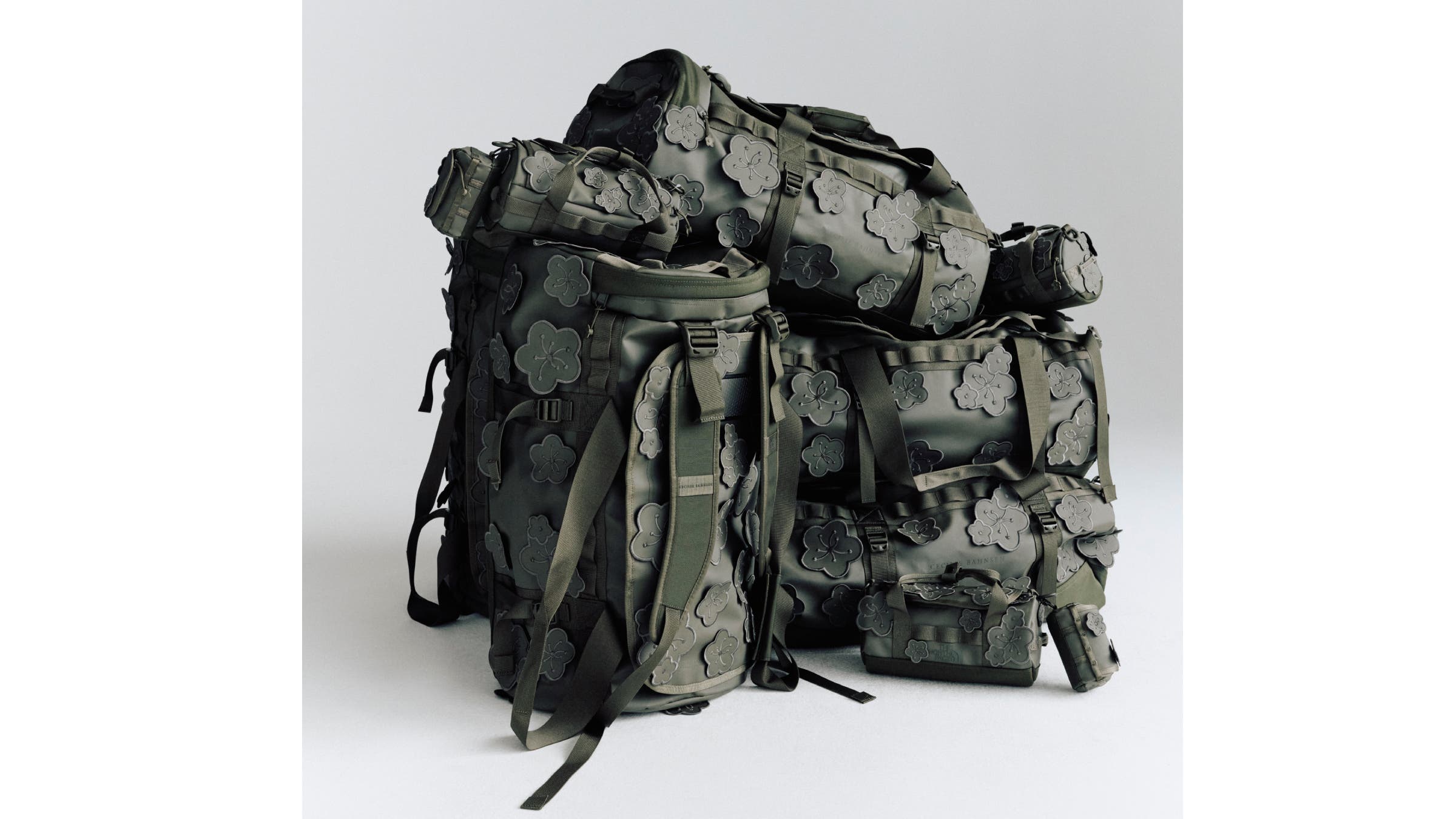
- 2023–2025: Heritage brands begin entering into high-profile collaborations with luxury houses and designers, such as The North Face’s partnership with Skims and Danish designer Cecilie Bahnsen.
- February 2026: Nike relaunches the ACG line, prioritizing an irreverent, street-focused brand identity.
- June 2026: The Radical AirFlow shirt debuts, triggering a viral social media cycle that highlights the complete dissolution of the barrier between trail gear and runway fashion.
Market Dynamics and Shifting Consumer Demographics
The shift toward a more casual, functional, and style-forward wardrobe is supported by broader economic and cultural data. A 2025 report from the Outdoor Industry Association indicates that recent growth in outdoor participation has been driven by a more diverse, younger, and urban-based demographic. These participants have brought a different set of expectations to the marketplace, prioritizing brands that mirror their personal identities rather than strictly adhering to traditional, performance-only branding.
Rachel S. Gross, an environmental and cultural historian at the University of Colorado, Denver, notes that this movement is not without historical precedent. "Since the 1950s, there have always been tensions between those who view outdoor clothing as strictly functional gear and those who view it as a cultural signifier," says Gross. "However, the current iteration is distinct because it is fueled by a generational shift toward casualization in the workplace and a desire for versatility in one’s wardrobe."
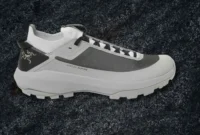
This evolution has been exceptionally profitable for companies willing to adapt. Salomon, for instance, transformed its business model in the late 2010s by launching its "Sportstyle" line. By pivoting the focus of its XT-6 trail runner from technical utility to lifestyle footwear, the brand saw exponential growth. Today, the XT-6 is regarded less as a trail shoe and more as a foundational element of modern street style, a move that parallels the historical trajectory of the Air Jordan sneaker.
Official Perspectives and Brand Strategy
Industry leaders maintain that the convergence of fashion and function does not necessitate a decline in quality or a departure from core mission statements. David Whetstone, design director of global collaborations at The North Face, argues that the criticism suggesting outdoor brands are "losing their way" is fundamentally flawed.
"We are building for a broader community," Whetstone explains. "When we collaborate with entities like Skims or Cecilie Bahnsen, we are not abandoning our heritage. We are inviting a new, more diverse population to the mountain." The brand continues to support elite-level expeditions with world-class athletes like Conrad Anker and Jimmy Chin, effectively balancing professional-grade performance equipment with consumer-facing fashion initiatives.
Margaret Mussman, Nike ACG’s senior design director, echoes this sentiment. Regarding the development of the Radical AirFlow, she notes that the primary objective was to facilitate movement and participation. "We like to say we’re building for the ‘wild one,’" Mussman says. "We want to encourage as many people as possible to engage with the outdoors, and if our design choices serve as a gateway to that lifestyle, then we have succeeded."
The Implications of a Porous Outdoor Culture
The blurring of lines between the "technical" and the "fashionable" has several long-term implications for the industry. First, it fosters a more inclusive culture. By removing the strict "uniform" of the outdoor enthusiast—which has historically been viewed as exclusionary or intimidating—brands like Hikerkind and Halfdays are lowering the barrier to entry for novice participants. Hadley Hammer, a former professional skier and co-founder of the fashion-focused Substack Togs, argues that providing more diverse apparel options allows individuals to feel authentic while exploring nature.
Second, the mainstreaming of outdoor apparel has increased the volume of resources available to research and development teams. The high-performance materials developed for the Radical AirFlow shirt, for instance, are the direct result of significant investment from Nike’s innovation wing. As brands scale their reach through lifestyle collaborations, they generate the capital necessary to continue pushing the limits of textile technology, which in turn benefits the professional athlete.
Finally, the trend reflects a broader shift toward "transmutable" culture. Just as the holey shirt is being worn both on the trail and in the city, the values and aesthetics of outdoor culture are becoming increasingly integrated into the fabric of society. Critics who lament the "dilution" of the outdoor brand are arguably missing the structural reality: the outdoors is no longer a niche, siloed space. It is a shared, dynamic environment, and the apparel reflecting that change is here to stay.
Conclusion
The success of the Radical AirFlow shirt serves as a litmus test for the future of the outdoor industry. As the line between the technical and the aesthetic continues to thin, brands that can successfully balance high-performance engineering with street-ready design will define the next era of the market. While some traditionalists may view the normalization of "gorpcore" as a degradation of the outdoor ethos, the reality is that the industry is becoming more porous, more influential, and, ultimately, more inclusive. For those wondering if the "holey shirt" will eventually become a permanent staple of urban fashion, the market suggests the answer is already clear.