The visceral experience of witnessing a torrent of blackwater erupt from a Class A motorhome’s tank onto the asphalt, mere feet from a Love’s Travel Stop in Alabama, was the stark, unvarnished epiphany. It was in that moment, amidst the pungent aroma and the undeniable mess, that the romantic notion of owning a recreational vehicle began to unravel. This unfortunate incident, occurring during a challenging 5-day, 2,200-mile round-trip from Minnesota to Alabama, served as a potent, albeit unpleasant, microcosm of the myriad potential issues that can plague a "hotel on wheels." While no single entity bore the blame, the collective inexperience of the group with RV operations undoubtedly contributed to a symphony of plausible problems that, in retrospect, crescendoed with almost perfect, unfortunate harmony. This experience, however, illuminated a crucial insight: the significant advantages of renting an RV through a professional platform like Outdoorsy, rather than plunging headfirst into the complexities of ownership. The nuances of driving, route planning, mastering intricate onboard systems, and, perhaps most critically, troubleshooting are all facets that demand thorough understanding before committing to a purchase. What follows is a detailed account of a first-time RV renter’s journey, exploring how navigating the challenges with a vetted platform ultimately helped salvage the trip and preserve an enjoyable experience.
For those already contemplating RV ownership, a comprehensive guide to selecting the ideal RV or camper trailer can be found in the GearJunkie guide to choosing your perfect RV or camper trailer.
Planning the Grand Expedition: From Minnesota to Talladega
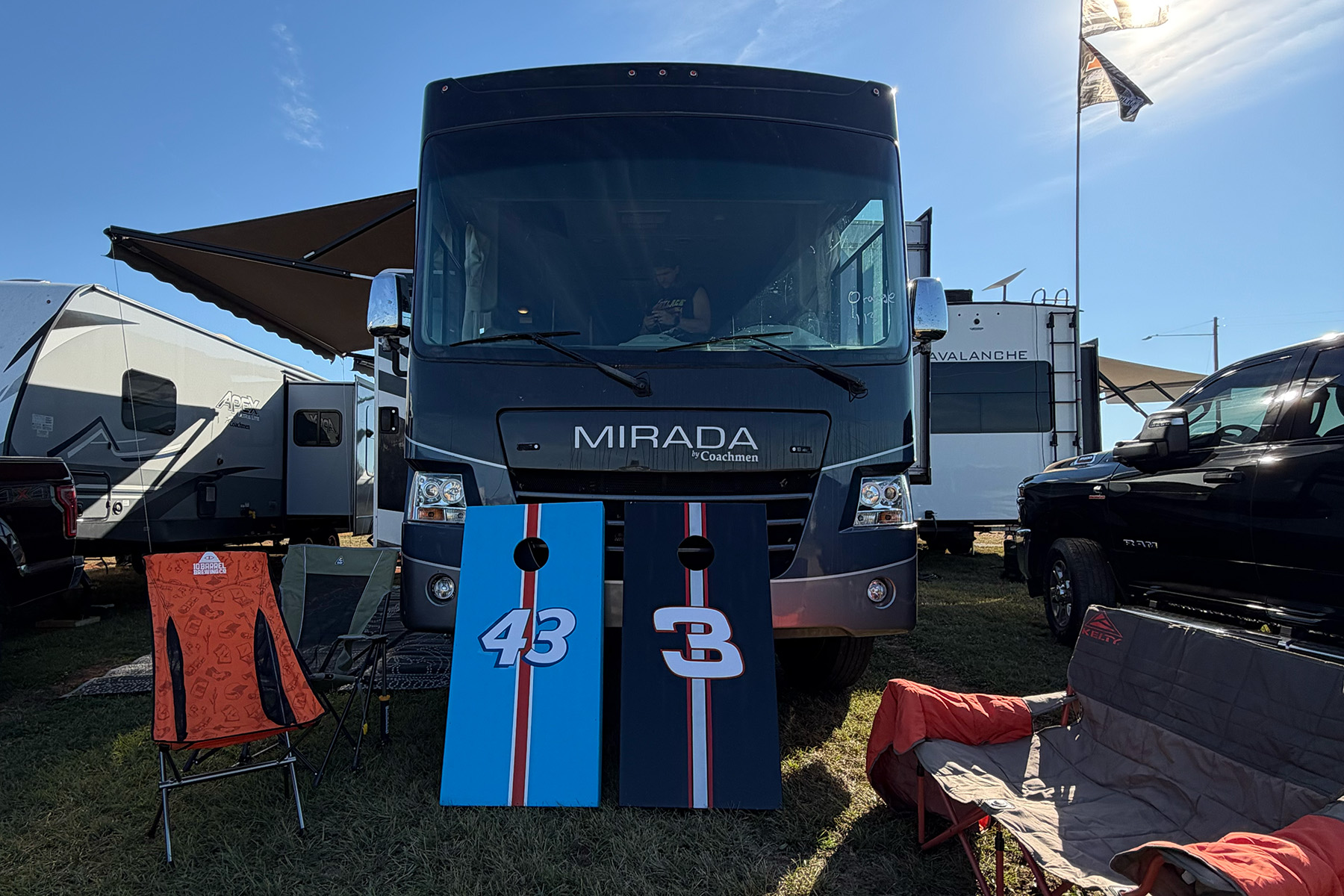
The genesis of this ambitious undertaking was a desire for an experience of significant scale, not merely an adventurous escapade, but a grand spectacle. The objective was to invigorate the senses and break from routine by embarking on a 1,300-mile journey south to Talladega, Alabama, to witness the raw power and speed of a NASCAR race. These events are not just single-day affairs; they are immersive, multi-day car camping experiences, often encompassing a vibrant ecosystem of race car museums, impromptu festivals, live music performances, and all-night dance parties. The RV, in this context, promised to be more than just transportation; it was envisioned as a mobile basecamp, a comfortable and convenient hub from which to fully engage with the electrifying atmosphere of a major motorsports event.
Tip 1: The Crucial Role of the Driver
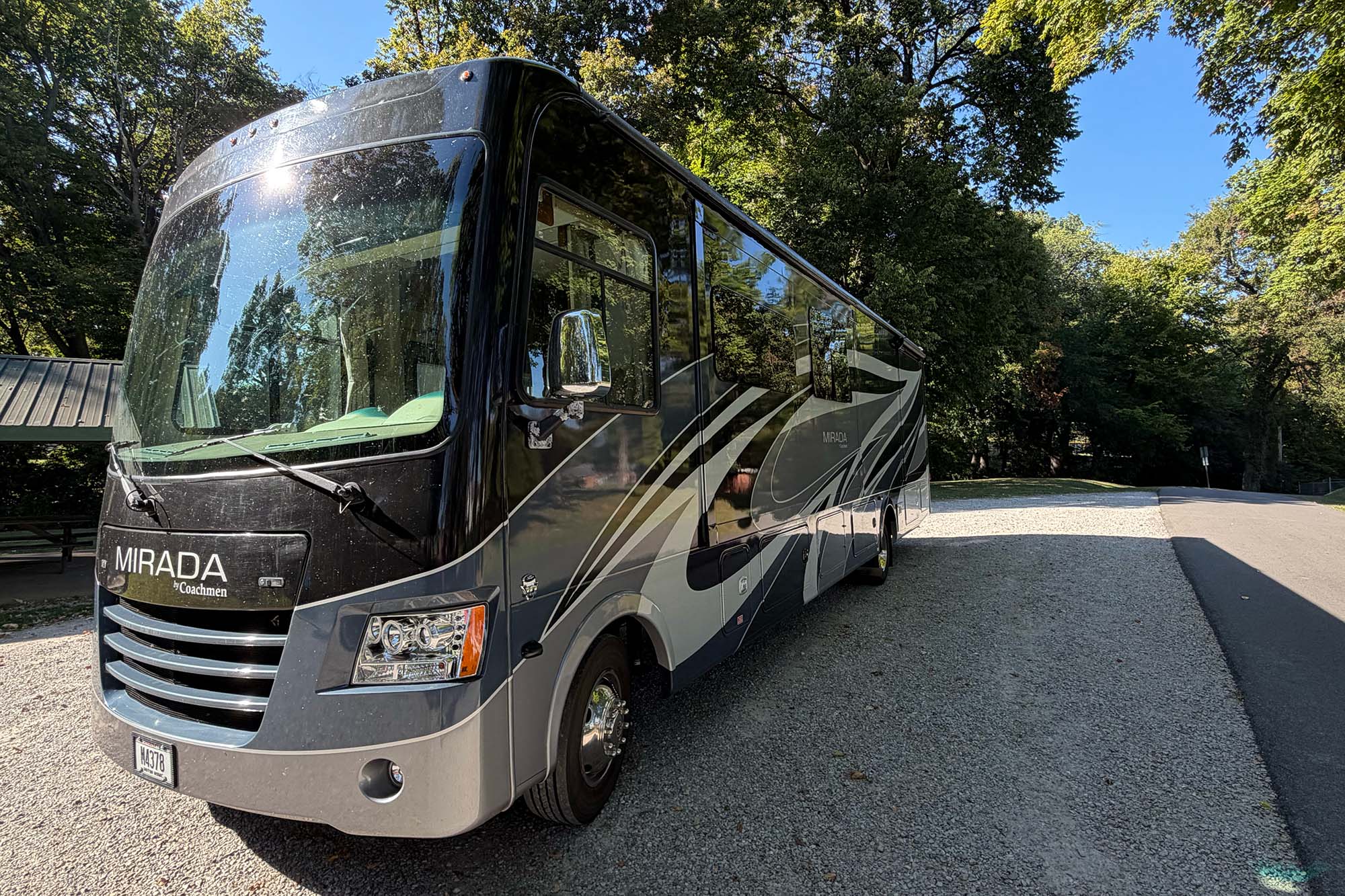
Any significant expedition, whether undertaken with family or friends, is inherently a shared experience. However, when venturing into the realm of driving a Class A RV for the first time, a critical consideration arises: the driver. It is highly advisable to include someone in the group who possesses experience handling large vehicles or has prior knowledge of driving with a trailer. While not strictly mandated, the presence of a friend with a Commercial Driver’s License (CDL) proved invaluable, offering a comforting familiarity with the dynamics of operating such substantial machinery. This expertise not only facilitated smoother navigation but also contributed to a greater sense of security on the road.
Tip 2: Strategic Route Planning with Specialized Tools
For those opting for the full Class A RV experience or simply seeking a predictable and uncomplicated driving journey, the utilization of specialized navigation applications is paramount. While common mapping services like Google Maps or Waze are adept at identifying the fastest routes, often prioritizing minimal traffic, this can inadvertently lead a large RV onto unsuitable roadways. The discovery was made that these default settings can frequently direct drivers onto narrow, two-lane rural highways, a scenario that is far from ideal for a 35-foot vehicle. In contrast, applications such as TruckMap are specifically designed to route large trucks and RVs, exclusively utilizing highways that are appropriately equipped to accommodate their size and weight. Furthermore, these routes are strategically planned to include ample fuel stops and rest areas, essential for the logistical demands of extended RV travel.
A Note on RV Rental Pricing and Platforms
Prior to this experience, the author had given little thought to the concept of RV rentals, assuming the options were limited to either an exorbitant purchase or being an invited guest on someone else’s vehicle. This perspective overlooked a significant segment of the market: RV rentals that operate akin to a traditional vacation rental booking. Platforms like Outdoorsy have revolutionized this space by merging the established concept of RV rentals with the modern convenience of the vacation rental experience. The process mirrors that of booking an Airbnb or similar property: users can select their preferred dates, filter options based on specific criteria such as pet-friendliness or desired amenities, and narrow down choices by pickup location. The pricing structure reflects the diversity of the RV market, with daily rental rates varying significantly. Smaller pull-behind trailers can be secured for under $100 per night, while larger Class A motorhomes can command rates exceeding $500 per night, depending on the model, age, and amenities offered.
Diligent Research: Unpacking the RV Experience
The journey into RV rental necessitates a proactive approach to research, a step that can significantly mitigate potential issues and enhance the overall travel experience.
Tip 1: Evaluating Vehicle Age and Mileage
In the lifespan of a typical passenger car, a difference of five years in age might seem negligible. However, for recreational vehicles, age and mileage carry a different weight. RVs are inherently designed for extensive travel, accumulating significant mileage on each excursion. When an RV is part of a rental fleet, this mileage can escalate rapidly. While older RVs are not necessarily to be avoided, particularly for shorter trips, it is prudent to consider that newer vehicles with lower odometer readings generally offer greater peace of mind, especially for extended journeys like the 2,200-mile round trip undertaken.
Tip 2: Investigating Known Issues and Recalls
Once a potential RV candidate has been identified, dedicating approximately 10-20 minutes to researching known issues and common complaints associated with that specific make, model, and year is a wise investment. While discovering a minor issue is not an immediate deal-breaker, it can provide valuable foreknowledge, allowing travelers to anticipate and prepare for potential non-critical inconveniences, such as stiff door locks or temperamental onboard appliances. More importantly, if research reveals multiple complaints regarding critical systems, it is advisable to be aware of these potential deficiencies before committing to a rental agreement.
Tip 3: The Importance of Comprehensive Insurance
While the prospect of additional expenses is rarely appealing, seriously considering supplemental insurance for an RV trip is a prudent measure. Unlike a stationary vacation rental, an RV is exposed to a dynamic environment. It navigates public roads alongside other drivers and, once parked at a campsite, can be vulnerable to external factors such as falling branches, errant frisbees thrown by children, or other unpredictable variables. Platforms like Outdoorsy offer various tiers of added insurance, often in partnership with specialized providers like Roamly. Reviewing these options before finalizing a booking is highly recommended to ensure adequate protection.
The Pre-Trip Walkthrough: A Critical First Step
With the route meticulously planned and the RV secured, the natural inclination is to immediately embark on the journey. However, upon picking up the vehicle, or at the point of delivery (an option frequently available through platforms like Outdoorsy), it is essential to temper enthusiasm and dedicate ample time to a thorough walkthrough with the owner. This phase represents the final and most crucial opportunity to preemptively address any potential problems.
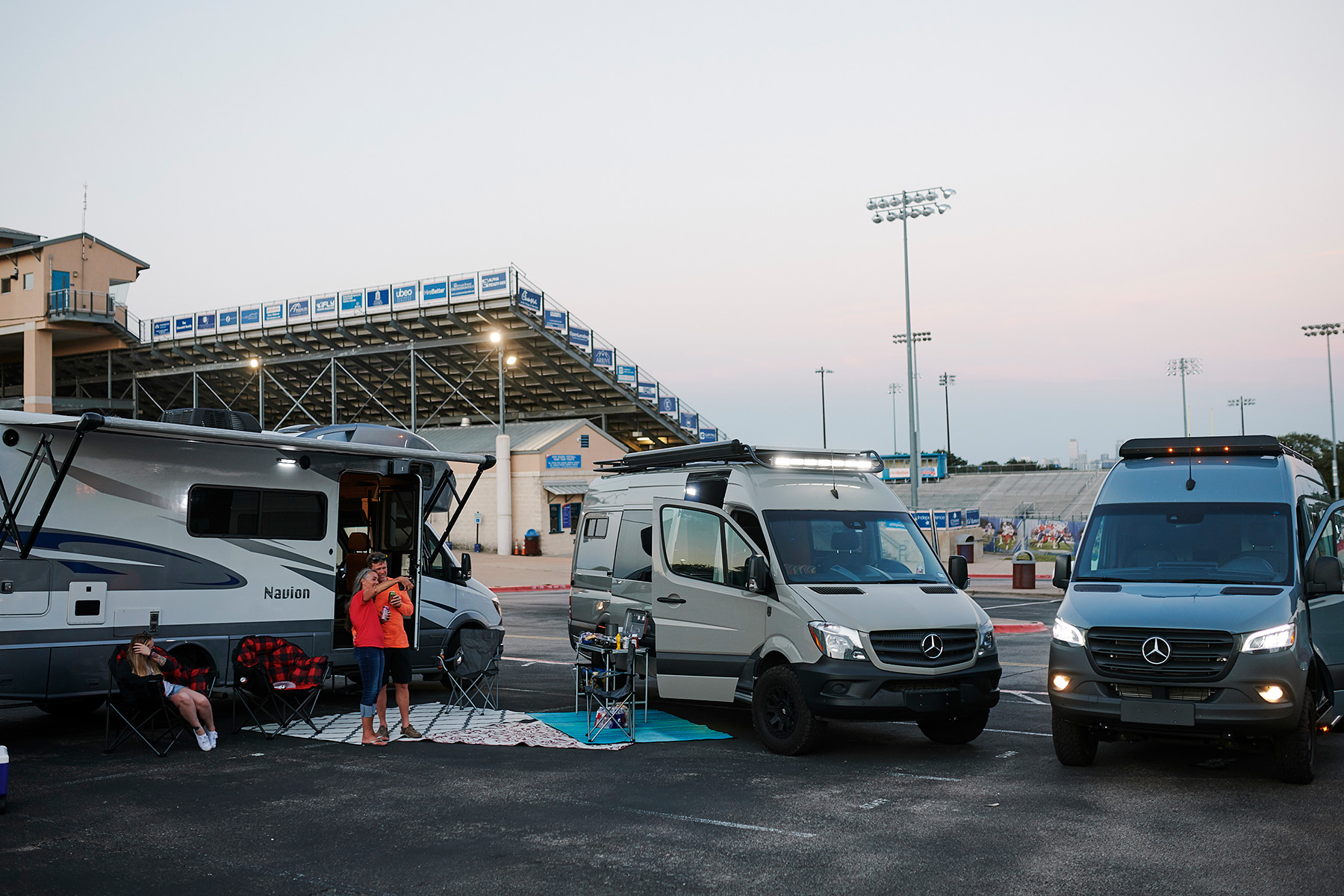
If any issues were identified during the initial research, this walkthrough is the opportune moment to discuss them directly with the owner. Furthermore, inquiries should be made regarding any specific quirks or unique operational characteristics the vehicle may possess. The walkthrough should be approached with the same diligence as if one were considering purchasing the RV. Every function should be tested, and any perceived anomalies should be addressed immediately.
Tip 1: Clarifying Sleeping Arrangements
For groups comprising more than two individuals, a clear understanding of each sleeping arrangement is essential. While standard beds are generally straightforward, convertible sleeping areas, such as pull-out sofas or dining tables that transform into beds, can be perplexing to navigate, especially late at night when exhaustion sets in. It is advisable to explicitly ask for a demonstration of how all convertible sleeping options operate.
Tip 2: Mastering the Onboard Controls
The allure of an RV lies in its ability to transform into a comfortable and convenient living space upon arrival at a destination. This transformation often involves the activation of numerous onboard systems, each controlled by a specific switch or button. Dedicating time to understand the function of each control is paramount. A practical, albeit informal, method to aid recall is to strategically place Post-it notes with reminders around the RV.
Tip 3: Documenting the RV’s Condition
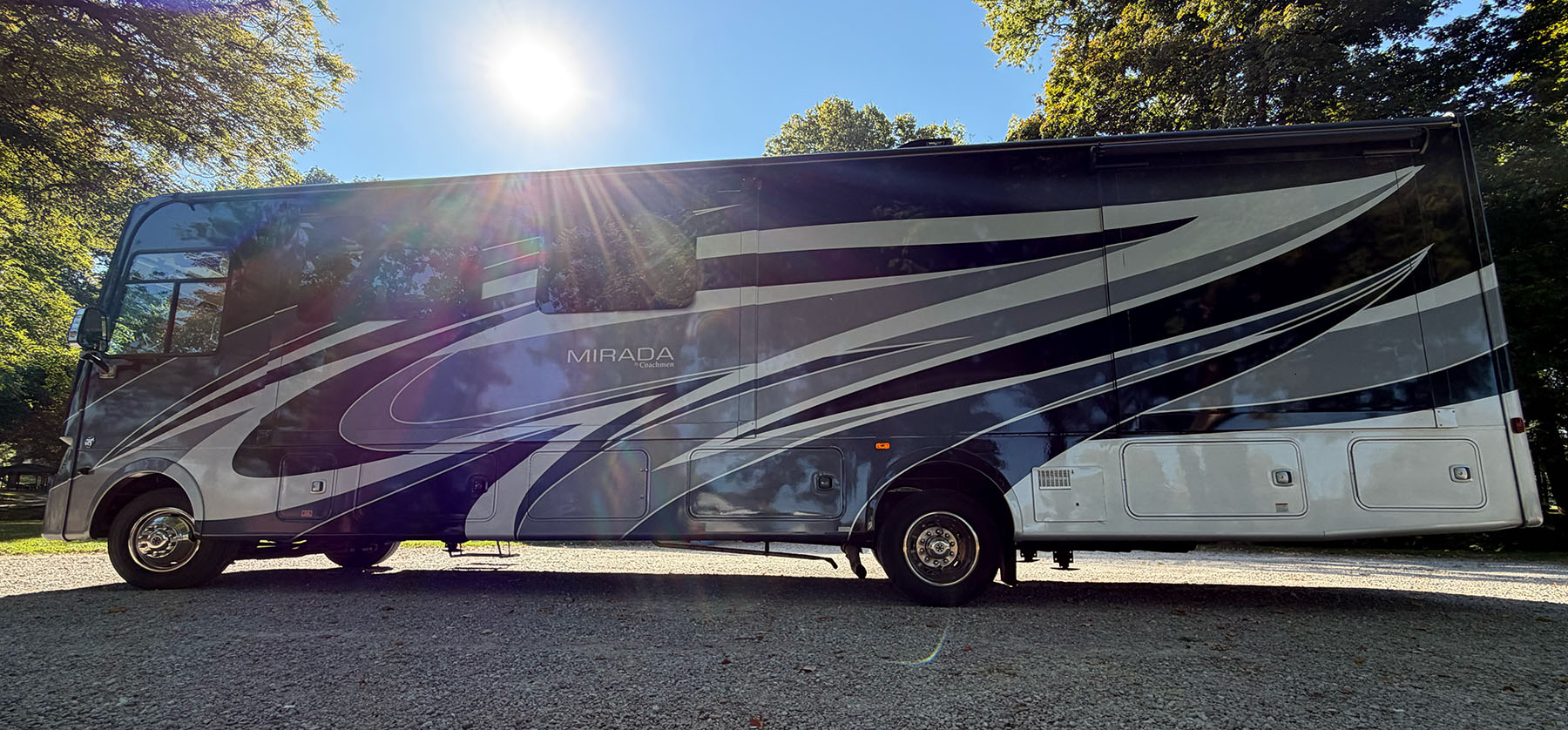
Similar to the process of renting a standard vehicle, it is imperative to meticulously document the RV’s condition prior to departure. This involves a comprehensive walk-around of both the exterior and interior with the owner, photographing any existing nicks, dents, scratches, or other cosmetic imperfections. Reputable owners will typically be transparent about any existing blemishes to ensure a smooth transaction. Platforms like Outdoorsy often prompt users to upload pre-trip photos as part of the booking process, providing crucial documentation of the vehicle’s state upon pickup, which can be invaluable in the event of any unforeseen disputes.
Anticipating and Navigating Delays: The Inevitable Hiccups
Even with meticulous planning and thorough preparation, the inherent nature of RV travel involves a degree of unpredictability. The final stages of the walkthrough should include a discussion with the owner regarding their availability for assistance should issues arise during the rental period. Owners with high user ratings are generally more responsive to questions and concerns.
It is highly probable that, within the first hundred or two hundred miles of travel, questions will emerge. Is the refrigerator functioning correctly? Has a dashboard warning light illuminated? Is a particular switch not operating as expected? This initial phase is a critical "getting-to-know-you" period with the RV. While most necessary functions will become familiar within a day or two, a learning curve is to be expected. Utilizing the messaging features provided by rental platforms, such as Outdoorsy’s integrated system, is highly recommended. This creates a documented record of communication, which can be beneficial if any issues require reference.
Tip 1: Prioritizing Shorter Initial Driving Days
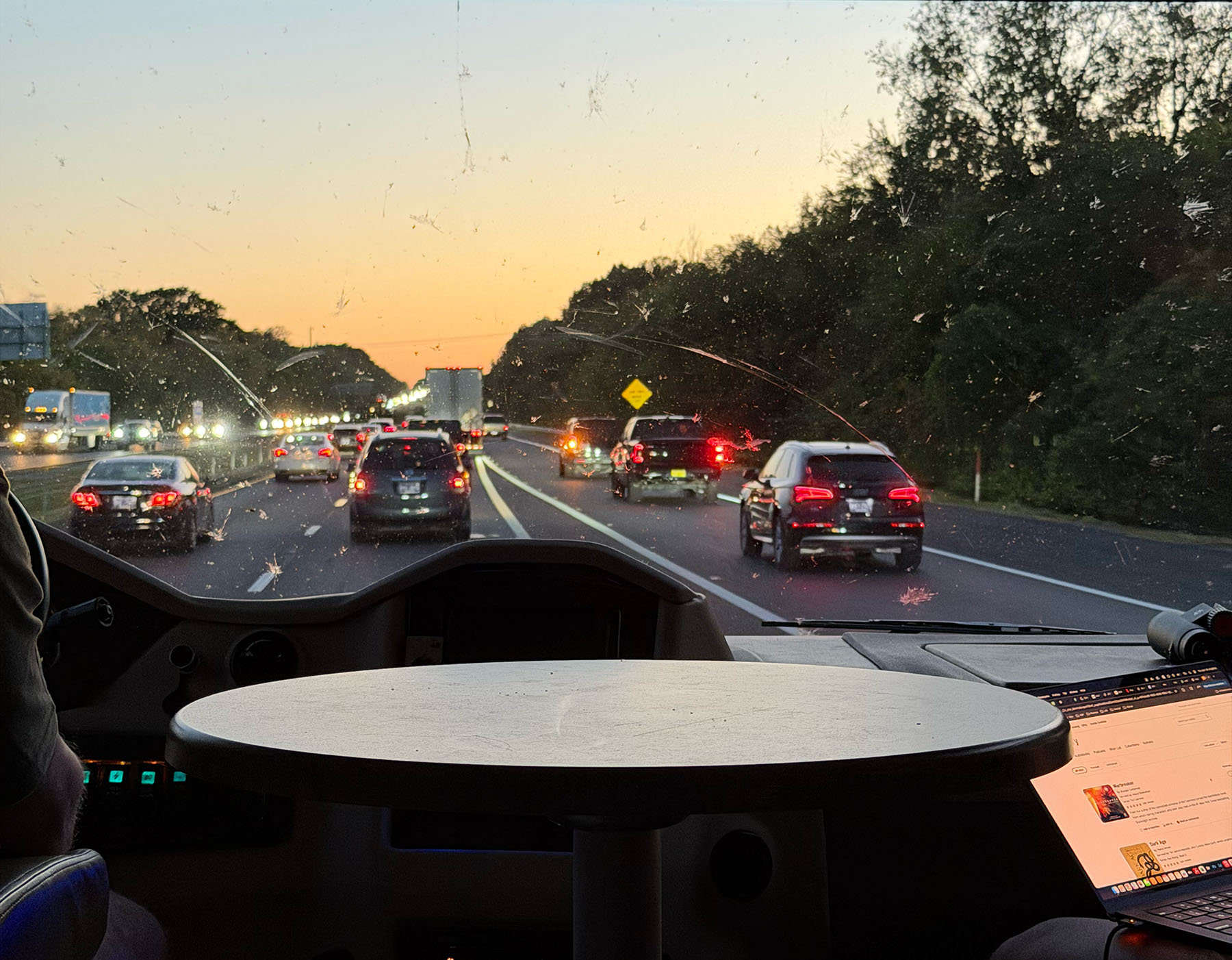
The temptation to cover significant mileage on the first day of an RV trip is understandable, especially when a distant destination is involved. However, this ambition can be counterproductive. The group’s initial plan to cover a substantial portion of the trip’s mileage on day one led to driving well past dark. This was compounded by technical glitches and a navigation error that directed them onto unsuitable backroads for an RV. The result was fatigue and arriving 100 miles short of the intended campsite, settling for a crowded highway rest area while still grappling with the complexities of the RV’s sleeping arrangements. A more prudent approach would involve establishing a shorter, achievable mileage goal for the first day, allowing ample time to arrive at the campsite before nightfall. This also provides an opportunity to contact the host with any initial questions before their own bedtime.
Tip 2: Proactive Weather Monitoring
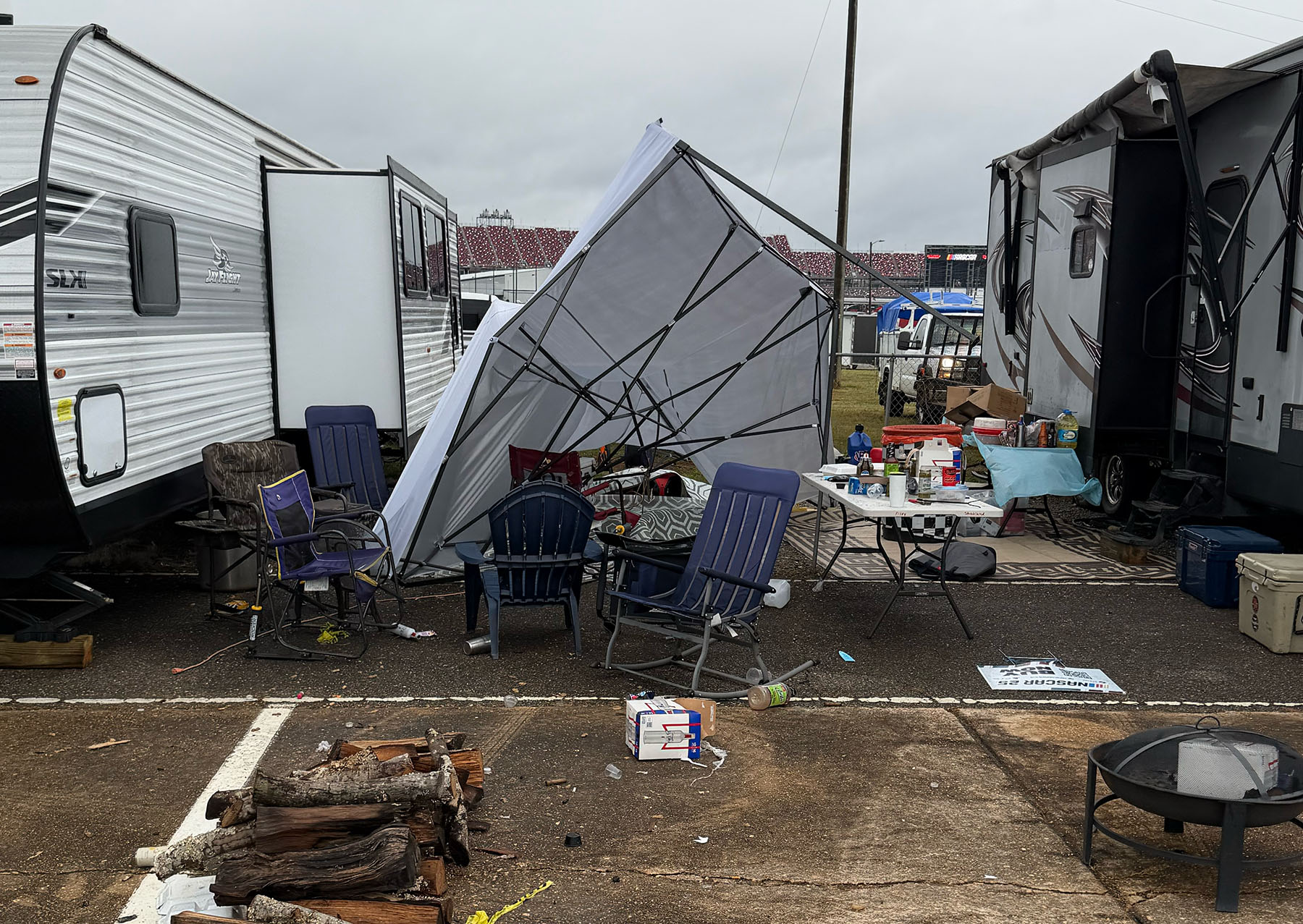
Upon reaching a desirable campsite, the appeal of deploying all the RV’s amenities—outdoor galleys, retractable awnings, entertainment centers—is undeniable. While these features are generally robust, severe weather can pose a significant threat. Before retiring for the night, it is essential to consult the weather forecast. In the event of any alerts for high winds, thunderstorms, or severe weather, all awnings should be fully retracted, and all external accessories should be securely stowed, closed, and bundled to prevent damage.
Embracing Patience and the Unforeseen: The Heart of the RV Experience
Should all preparatory steps be diligently followed, it is still highly probable that some unforeseen event will occur. This is not a cause for alarm; in fact, minor mishaps and technical glitches often become the most memorable aspects of a trip. The key to transforming solvable setbacks into positive experiences lies in maintaining patience when an issue arises and actively working towards a resolution.
While a comprehensive list of all potential RV travel pitfalls is beyond the scope of this narrative, two critical areas would have significantly eased the group’s journey.
Tip 1: Understanding the RV’s Power Systems
A substantial portion of the encountered issues pertained to the RV’s power supply. While the vehicle’s primary engine batteries functioned adequately, the house batteries—responsible for powering amenities like slide-outs, convertible bunks, and the water pump—were consistently depleting. A mechanical defect, which remained unresolved throughout the trip, prevented these batteries from recharging while the vehicle was in motion. This necessitated reliance on the onboard generator to maintain their charge. This underscores a vital lesson: a thorough understanding of the generator’s operation, if the RV is equipped with one, is essential.
The gasoline-powered generator, it was discovered, possessed a hidden fuse that would intermittently trip, leading to a complete power loss on several occasions until the issue was identified. Power is fundamental; when battery levels drop, household appliances can malfunction due to inconsistent voltage. It is imperative to comprehend which batteries power specific accessories, what backup systems are in place, and how these systems operate.
Tip 2: Seeking Expertise from Service Personnel
As travel progresses along interstates, various travel stops and refueling stations become familiar points of reference. For this group, Love’s Travel Stops emerged as a preferred choice over more crowded alternatives. However, when the need arose to empty the blackwater tank, a task none of the group members had prior experience with, assistance was required. The staff at many of these travel stops and rest areas are generally knowledgeable about the requirements and basic operations of RVs and large trucks.
An assistant at a Love’s location in Alabama provided invaluable guidance, directing the group to the dump station, identifying the necessary levers on the RV, and explaining the expected procedure. In retrospect, had the group approached the task with less fatigue and more patience, they would have likely double-checked the securement of the blackwater hose, potentially averting the messy incident that ensued. Nevertheless, as the common adage suggests, "sh*t happens."
The overall experience, despite its challenging moments, underscored the value of platforms like Outdoorsy in facilitating RV exploration. By approaching RV rentals with a combination of thorough research, diligent preparation, and a patient, problem-solving mindset, the potential for a rewarding and memorable travel experience is significantly enhanced. The key lies not in avoiding all challenges, but in understanding how to navigate them effectively, transforming potential frustrations into valuable learning experiences.