Published April 15, 2026, 12:06 PM
The landscape of trail running footwear has been rigorously assessed, with thousands of miles logged and over 60 new models put to the test across a diverse array of terrains. Emerging from this extensive evaluation, the Saucony Peregrine 16 has been recognized as the premier all-around trail running shoe. Its distinguished performance is attributed to a superior fusion of lightweight agility and responsive, shock-absorbing cushioning. For runners seeking exceptional value without compromising on versatility, the Brooks Ghost Trail, priced at $150, stands out as a highly adaptable road-to-trail option suitable for any environment.
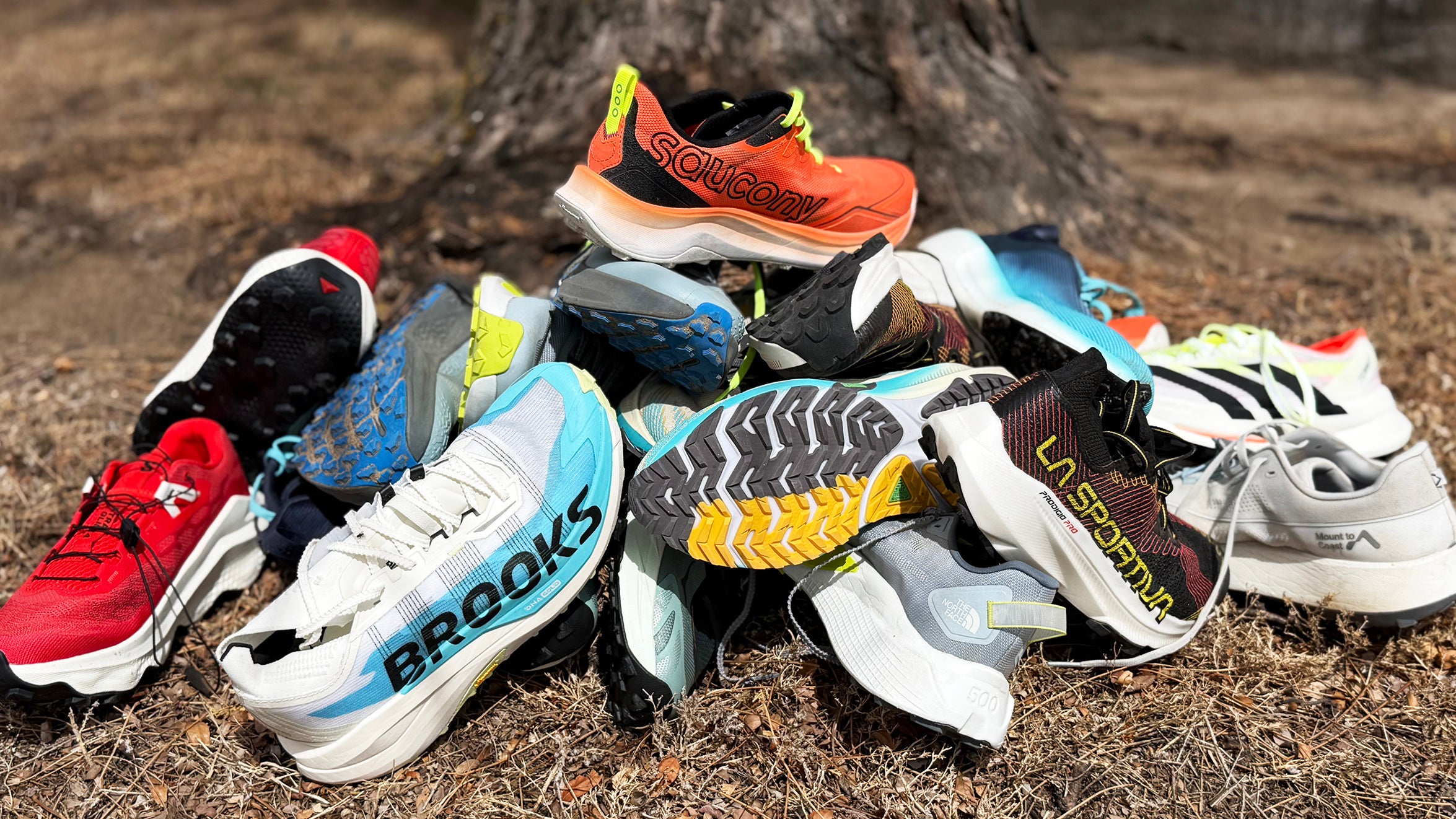
The act of lacing up a pair of trail running shoes often signifies the beginning of an adventure, whether it involves navigating sandy coastal bluffs, ascending rocky mountain peaks, or traversing muddy, unpredictable paths. The right footwear is paramount to ensuring these experiences are enjoyable and safe. A dedicated team of researchers, testers, and gear experts continuously evaluates new trail shoe releases alongside established favorites to identify models that allow runners to focus on the thrill of the trail, irrespective of its challenges. This season, a robust cohort of over 20 testers put the latest trail shoe offerings through rigorous paces on a wide spectrum of trail types, culminating in the identification of these standout models.
An update in April 2026 saw a simplification of the testing categories to better align with consumer search behaviors. This update also incorporated reviews of 10 new shoes that particularly impressed the testing panel. The evaluation process is ongoing, with the list of recommended trail running shoes slated for continuous updates throughout the year.
Top Trail Running Shoes Comparison Chart
Editors’ Choice / Best All-Around:
Saucony Peregrine 16
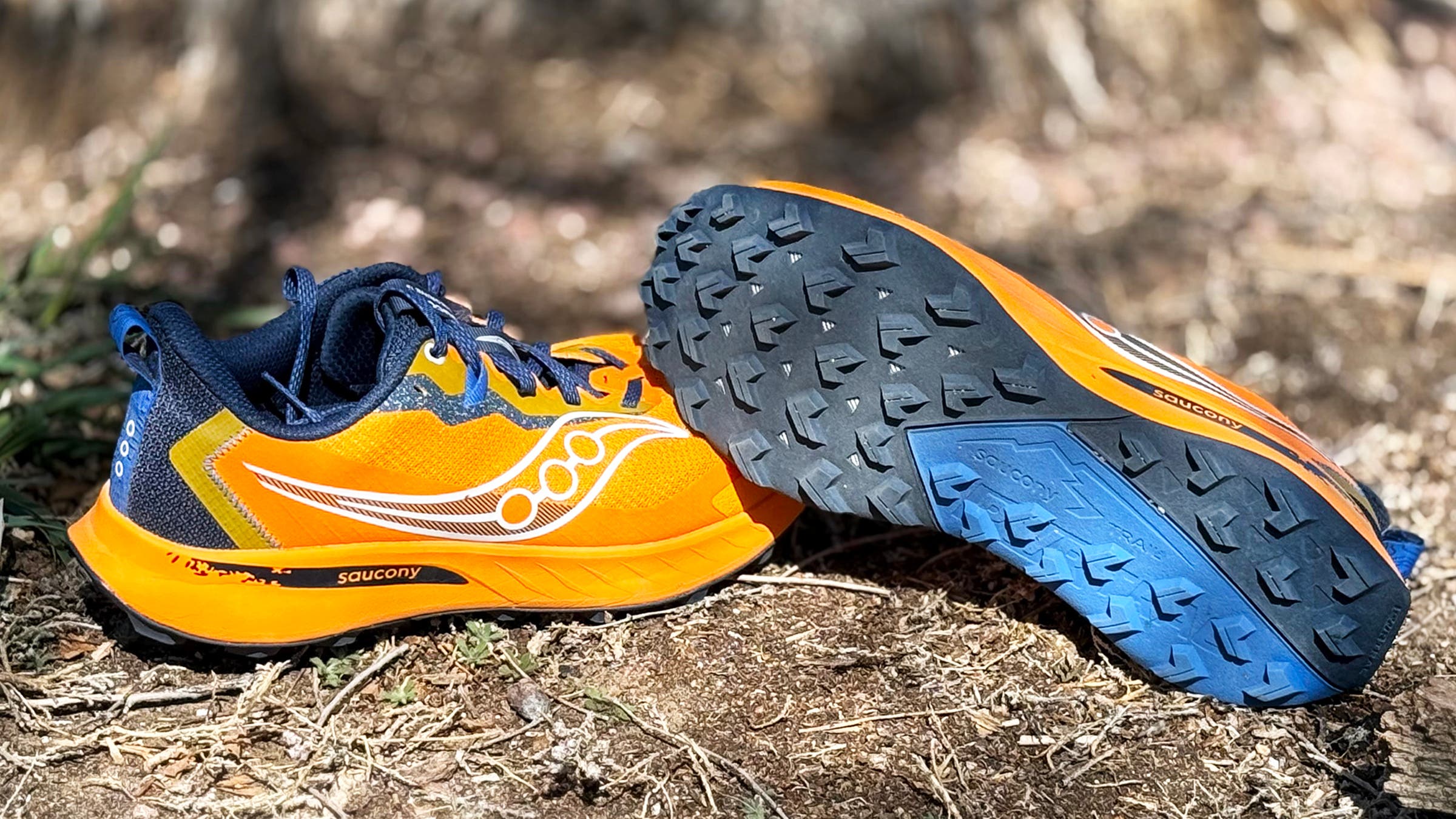
- Weight: 9.5 oz (men’s), 8.4 oz (women’s)
- Stack Height: 32mm – 28mm
- Drop: 4mm
- Sizing: Men’s: 7-13, 14, 15; Women’s: 5-12
- Pros: Excellent traction, lightweight and nimble.
- Cons: Slippery laces require double-knotting.
Runner-Up All-Around:
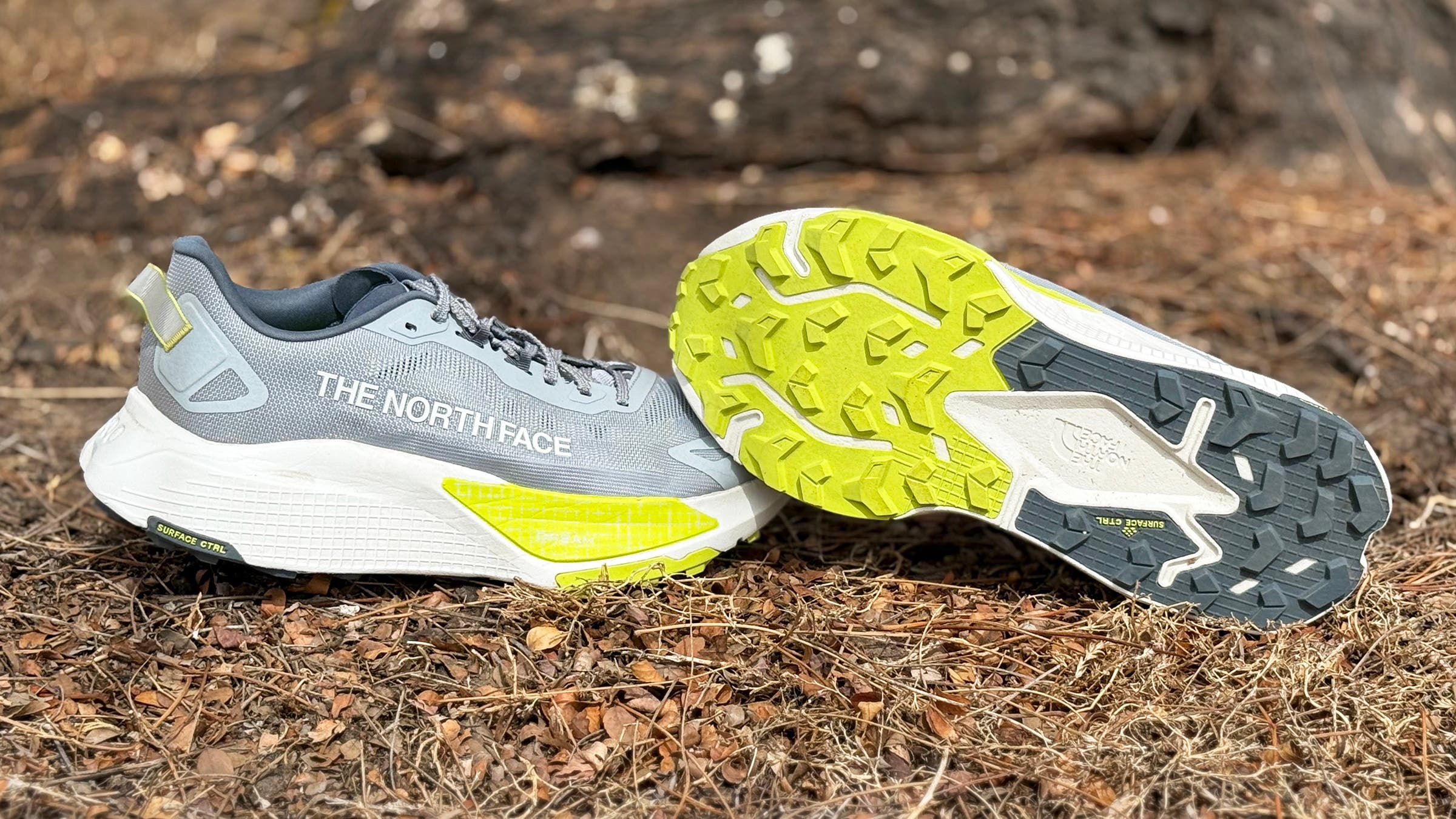
North Face Altamesa 500 V2
- Weight: 9.8 oz (men’s); 8.6 oz (women’s)
- Stack Height: 36mm – 30mm
- Drop: 6mm
- Sizing: Men’s: 7-13, 14; Women’s: 5-11
- Pros: Upgraded midsole is comfortable and responsive, highly versatile ride, lightweight.
- Cons: Limited ground feel.
Best Value:
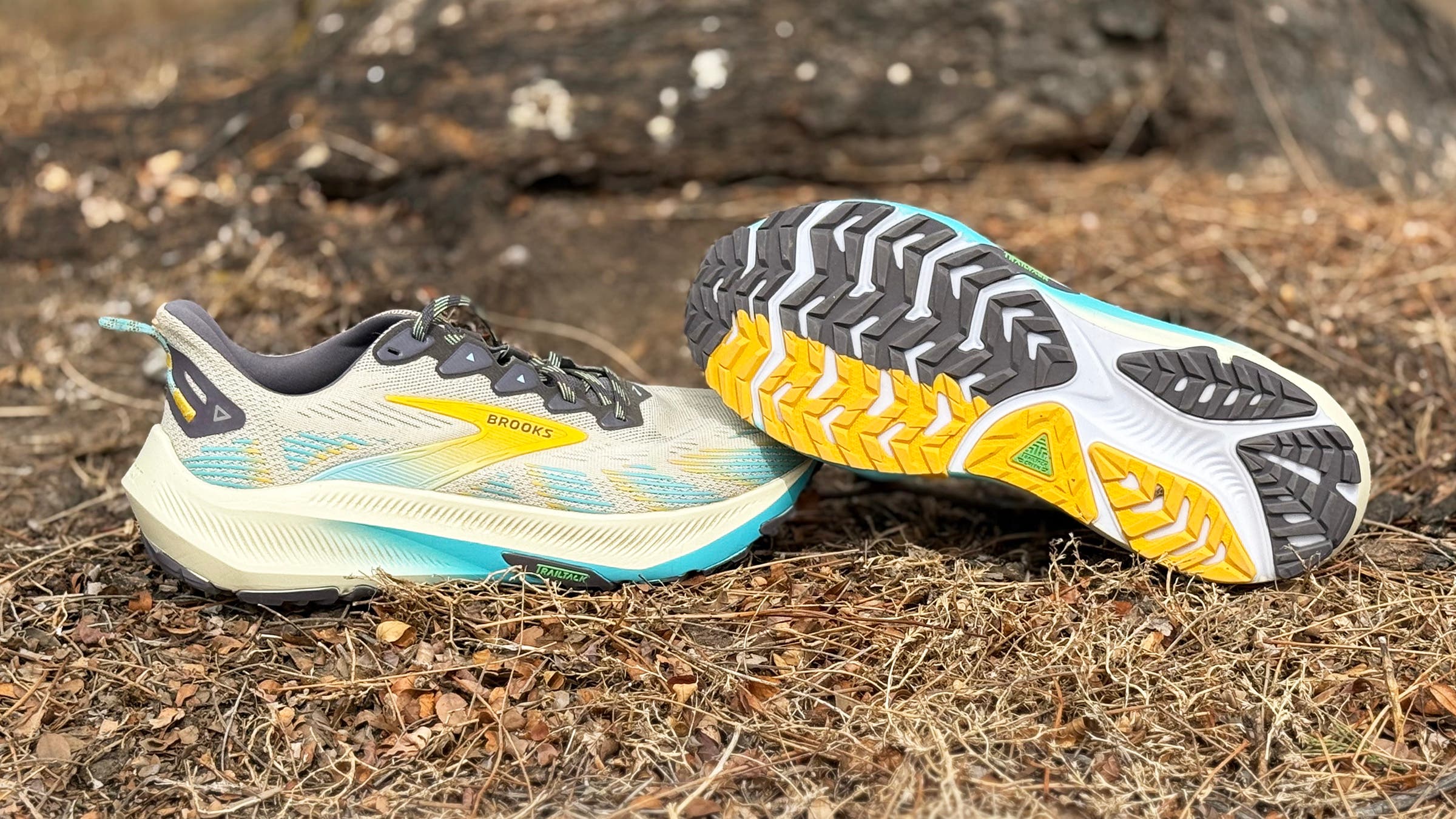
Brooks Ghost Trail
- Weight: 10.5 ounces (men’s), 9.5 ounces (women’s)
- Stack Height: 36.5mm – 28.5mm
- Drop: 8mm
- Sizing: Men’s: 7-13, 14, 15; Women’s: 7-13, 14, 15
- Pros: Runs smoothly on both road and trail, plush and comfortable.
- Cons: Traction is limited to moderate terrain.
Best For Technical Terrain:
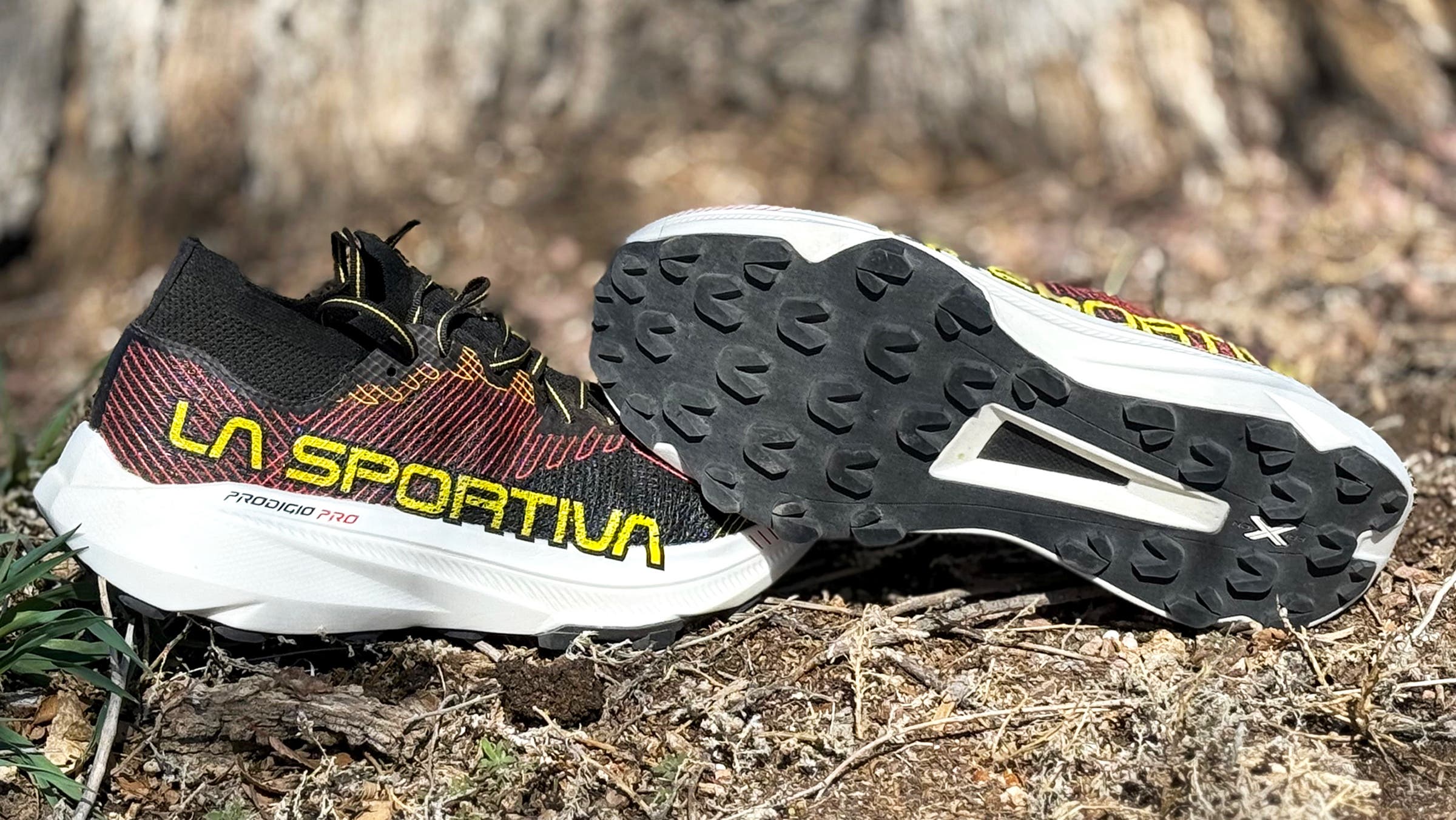
La Sportiva Prodigio Pro ($225)
- Weight: 8.9 oz (men’s), 7.9 oz (women’s)
- Stack Height: 34mm – 28mm
- Drop: 6mm
- Sizing: Men’s: 7.5-15.5; Women’s: 5.5-11
- Pros: Lively midsole that still allows ground feel, great traction.
- Cons: Some pressure on the top of the foot.
Best Gravel Shoe:
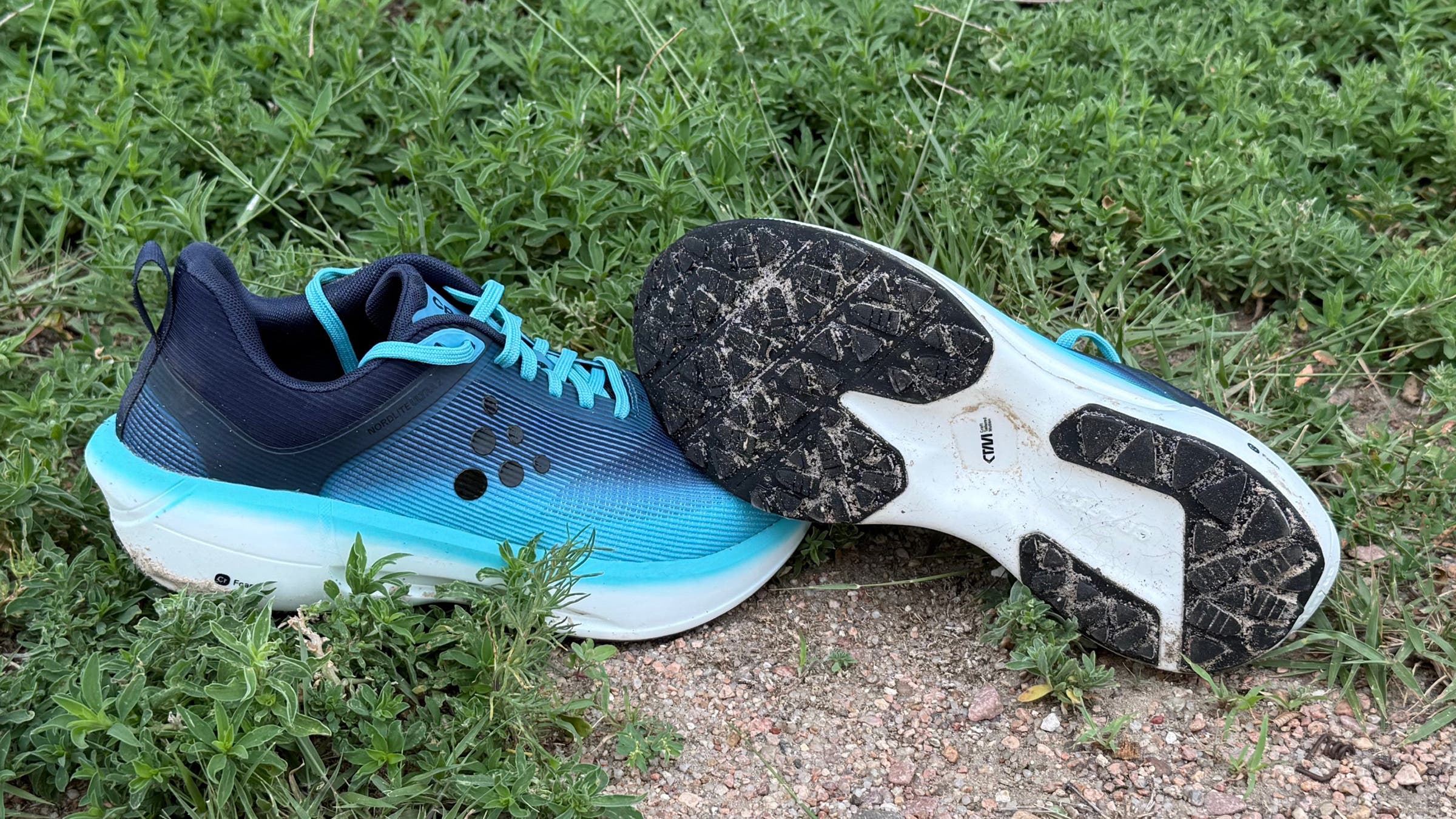
Craft Nordlite Ultra 2.0 ($180)
- Weight: 10.9 oz (men’s); 8.9 oz (women’s)
- Stack Height: 40mm – 34mm
- Drop: 6mm
- Sizing: Men’s: 8-13; Women’s: 6-10
- Pros: Ample, responsive cushioning, solid traction.
- Cons: Foothold could be better.
The Reigning Champion: Saucony Peregrine 16
The Saucony Peregrine 16 has ascended to the pinnacle of trail running footwear, earning the Editors’ Choice award. This sixteenth iteration of a long-standing favorite builds upon its legacy of providing excellent ground feel, balanced cushioning, and reliable traction within a lightweight package. This season, the Peregrine 16 elevates these capabilities with significant upgrades. The outsole now features Vibram Megagrip rubber, offering exceptional adhesion on rocky surfaces, while its four-millimeter lugs provide effective grip on loose or soft terrain, though some testers noted a preference for deeper lugs on exceptionally sandy trails. The midsole strikes a harmonious balance, delivering a responsive yet stable ride that remains shock-absorbent even during demanding descents. The flexible and breathable mesh upper, enhanced with protective toe features, effectively shields against trail debris and potential snags.
The fit of the Peregrine 16 has been widely praised, with testers reporting a secure and personalized feel. The heel is held firmly, and the toebox offers ample space for toe splay while maintaining control. "The fit is just perfect," remarked one tester. "I feel secure and supported from heel to toe, and side to side." The overall ride experience garnered unanimous positive feedback. One tester described it as "burly enough without taking up too much real estate on the ground," while another noted, "The cushioning is responsive and allows for changes in speed on the trail." The shoe’s ability to "hug the camber on trail and just feel nimble" was also a recurring theme in tester feedback. This versatility makes the Saucony Peregrine 16 an appealing option for a broad spectrum of runners, from novices to seasoned ultrarunners, all for a competitive price of $150.
Strong Contenders and Value Picks
The North Face Altamesa 500 V2 secures the runner-up position for its remarkable comfort and versatility. The significant upgrade to a full-length, nitrogen-infused TPU midsole foam has transformed the ride, making it exceptionally comfortable and responsive. Despite lacking a plate, the shoe’s rigidity and wide base contribute to impressive stability. Testers lauded its seamless, reinforced upper for its snug yet accommodating fit, making it suitable for both long efforts and fast paces. Its proprietary rubber outsole with four-millimeter lugs offers reliable traction across diverse surfaces.
For those prioritizing budget-friendly options, the Brooks Ghost Trail emerges as the best value. This model ingeniously adapts Brooks’ popular road running shoe for off-road use, delivering exceptional comfort and versatility. Testers reported an "out-of-the-box comfortable" experience, with a ride that feels akin to a road shoe but with enhanced tread for variable conditions. The plush tongue and heel collar, combined with nitrogen-infused midsole foam, contribute to a smooth, road-worthy feel. Its three-millimeter lugs provide adequate grip on moderate trails, gravel, and slick surfaces, making it an ideal choice for travel and mixed-terrain running.
Specialized Performance for Demanding Terrains
For runners who frequently encounter highly technical terrain, the La Sportiva Prodigio Pro ($225) is the standout choice. This shoe has consistently impressed testers for its lively ride, which offers a delightful blend of energy return and ground feel, coupled with exceptional traction and a secure fit. The midsole, featuring a core of nitrogen-infused TPU encased in a more stable EVA cage, provides a propulsive sensation with each step. While some testers noted minor irritation on the top of the foot due to the padded tongue, the overall comfort and performance on challenging ascents and descents were highly lauded. The proprietary Frixion rubber outsole with multidirectional lugs ensures confident grip across a variety of surfaces, from mud to rock.
When it comes to tackling gravel paths and less technical dirt roads, the Craft Nordlite Ultra 2.0 ($180) excels. This shoe boasts a generous and responsive midsole, rivaling road running shoes in its shock absorption and rebound capabilities. The improved upper offers a more secure fit compared to its predecessor, with comfortable padding and a form-fitting tongue. While the outsole provides solid traction on gravel and even damp wooden surfaces, testers noted some slippage on steep, technical trails, indicating its specialization for smoother off-road conditions. The use of recyclable TPU in the upper also adds an element of sustainability to this model.
Bridging the Gap: Road-to-Trail Versatility
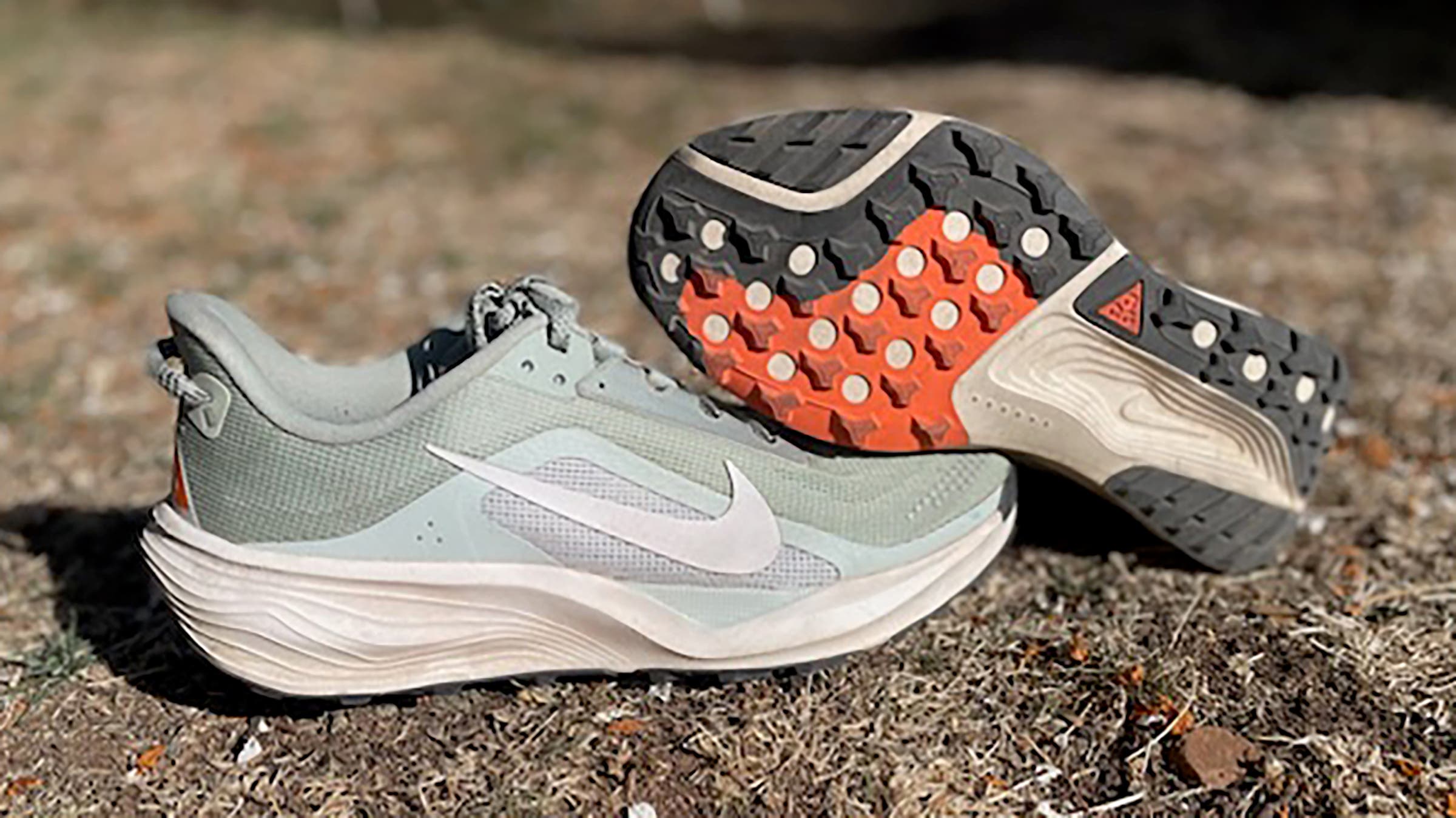
The Nike ACG Pegasus Trail continues its reign as the top choice for road-to-trail running. This iteration builds upon the success of its predecessor, offering a highly versatile shoe that seamlessly transitions between pavement and singletrack. The Nike ReactX midsole provides a responsive and comfortable ride on hard surfaces, while the updated "All Terrain Compound 2.0" outsole offers improved grip on wet terrain, though it still falls short of top-tier Vibram compounds. The shoe’s secure fit, even for narrow feet, allows for precise footing on trails, making it an excellent option for casual runners and travelers seeking a do-it-all shoe.
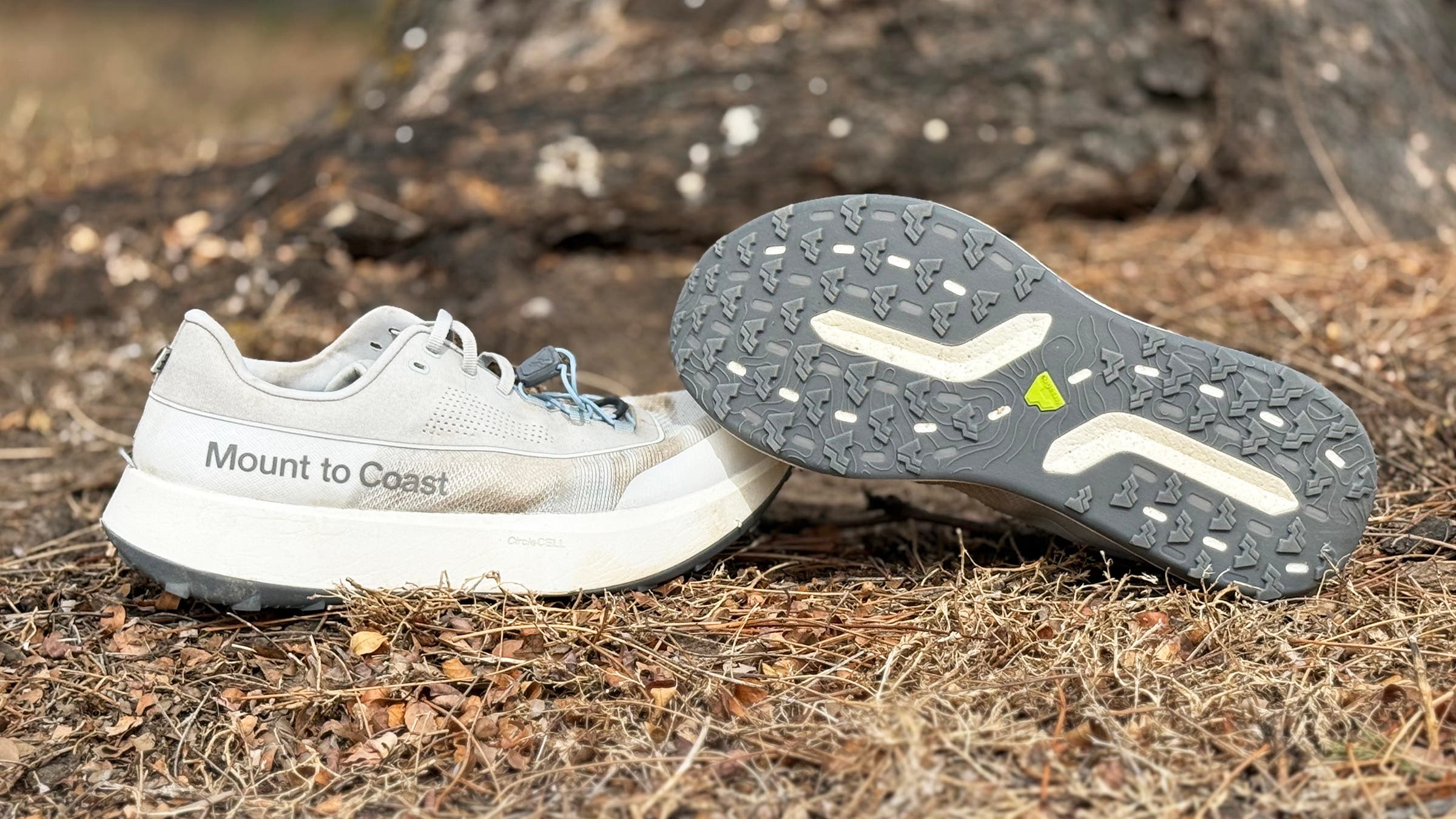
The Mount to Coast H1 represents a compelling new entry in the road-to-trail category, showcasing an innovative supercritical foam called CircleCELL, derived from renewable feedstock and recycled organic waste. This sustainable foam delivers a ride that is smooth, responsive, and surprisingly connected to the ground. Despite its moderate cushioning, the flexible sole allows for natural foot movement. The shoe’s dual-lacing system offers customizable fit, and testers praised its comfort for extended wear. While the shallow lugs are adequate for packed dirt and gravel, they may not provide sufficient grip on looser or more technical trails.
Maximum Comfort for Long Hauls
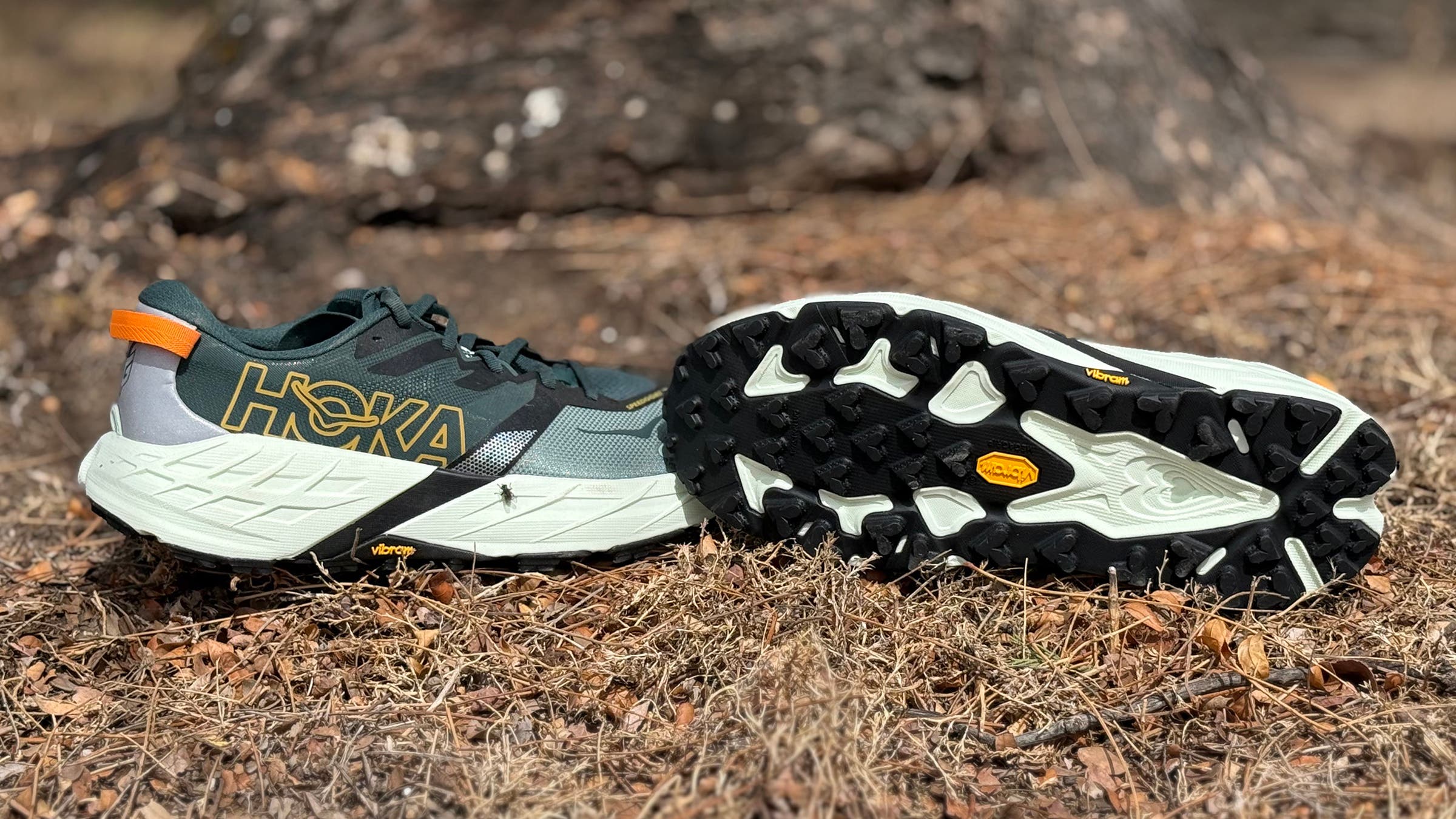
For runners seeking unparalleled cushioning, the Hoka Speedgoat 7 reclaims its position as a leader in this category. After some previous iterations drew criticism for firmness, the Speedgoat 7 returns with a revitalized supercritical EVA foam midsole that testers described as "super responsive" and offering an "energetic pop." The shoe maintains its stability despite a high stack height, thanks to a slightly firmer midsole and a wide platform. The Vibram Megagrip outsole with five-millimeter lugs provides exceptional traction across all surfaces. Testers lauded the shoe’s aesthetics and durable RPET woven textile upper. The primary caveat noted was a tendency for the shoe to run narrow in both width and length, with a recommendation to size up or opt for the wide version.
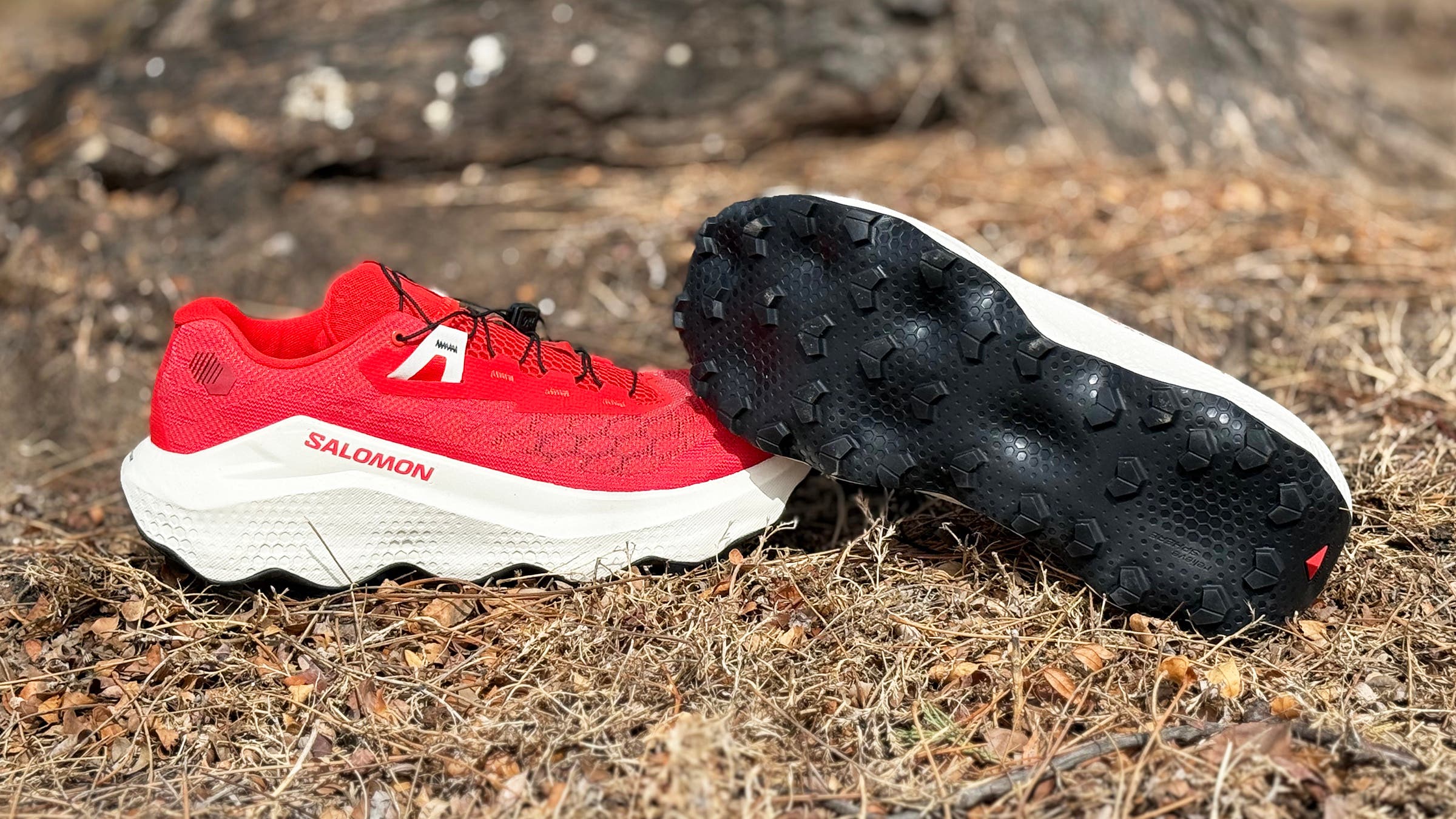
The Salomon Ultra Glide 4 offers a maximalist approach to cushioning, delivering a ride that feels akin to traversing terrain on a well-suspended mountain bike. Its ample, moderately soft EVA foam and unique wavy outsole are designed to distribute impact and conform to irregularities underfoot. Testers found the shoe comfortable and protective on varied terrain, including packed snow and root-laden trails. The internal fit sleeve and one-pull lacing system ensure a secure lockdown, preventing foot slippage. While the EVA midsole provides consistent cushioning, it lacks the bounciness of some higher-end foams, making it best suited for longer, less technical runs.
The Nike Wildhorse 10 continues to impress with its ability to cushion, protect, and provide a secure foothold, inspiring confidence on rugged trails. Testers highlighted its fantastic cushioning, great tread, and overall comfort, with one noting the prominent cushioning placement on the perimeter of the midsole. The engineered mesh upper moves with the foot, enhancing agility, while the protective midsole and full-ground-contact outsole make it a reliable choice for varied conditions. Although not the lightest option, its blend of cushioning, protection, and agility makes it a solid contender for challenging terrain.
Engineered for Speed: Trail Racing Footwear
For the competitive trail runner, the Brooks Cascadia Elite represents a significant departure from Brooks’ traditional offerings, positioning itself as a genuine trail racing super shoe. This model is remarkably lightweight for its substantial 40mm stack height, offering a perfect balance of responsiveness and stability. The 100% PEBA midsole, paired with a carbon-infused PEBAX plate, delivers an effortless and exhilarating ride on smooth singletrack. Despite the high stack, the shoe remains stable due to its wide platform and flexible plate design. The Matryx-engineered upper, featuring Kevlar fibers and a built-in gaiter, provides protection and security. The Vibram Litebase Megagrip Elite outsole ensures reliable traction across most surfaces.
The Adidas Terrex Agravic Speed Ultra 2 maintains its status as a top-tier trail racing shoe, closely emulating the high-energy performance of road super shoes. The shoe’s signature steep rocker profile is a polarizing feature, either loved for its propulsive effect or found to be unstable by some. The updated Lightstrike Pro midsole offers a slightly softer ride, and the Energy Rods continue to provide a stiffening effect. The revised upper addresses previous comfort concerns, with increased padding and a TPU band for enhanced lockdown. The sticky Continental rubber outsole offers excellent grip, with larger lugs improving performance on softer ground. This shoe is best suited for runners with an aggressive, forward-leaning stride.
The Nike ACG Ultrafly Trail builds upon the success of its predecessor, offering an even more comfortable and responsive ride. The updated ZoomX midsole compound delivers a springy feel, particularly under the forefoot, while the slightly less rigid carbon fiber plate enhances flexibility and adaptability. The shoe’s padded and stretchier upper contributes to its road-shoe-like comfort. The Vibram Megagrip outsole provides excellent grip on rocky surfaces, though the 3.5-millimeter lugs might lack sufficient purchase on looser terrain. While stable on smooth ground, the Ultrafly can feel somewhat tippy on highly technical trails.
Embracing Natural Movement: Ground-Feel Focused Footwear
The Altra Timp 6 remains a favorite among Altra loyalists and continues to win over new adherents with its balanced approach to cushioning and ground feel. Positioned between the more cushioned Olympus and the nimble Lone Peak, the Timp 6 offers a versatile blend of comfort and performance. Testers described it as "durable and dependable for long days and long distances," allowing runners to "lace up and forget about" their footwear. Updates to the upper have enhanced comfort and protection, with softer mesh and more robust overlays. The Altra EGO MAX midsole provides a responsive and supportive ride, maintaining ground sensitivity despite its 30mm stack height. The improved Vibram Megagrip outsole offers significantly better grip on varied surfaces, even in challenging winter conditions.
The Topo Athletic Ultraventure 4 delivers an instantly comfortable fit across a variety of foot shapes, a hallmark of the Topo Athletic brand. Its secure heel hold transitions to a wide toe box, allowing natural foot splay and promoting a relaxed forefoot. The shoe offers a highly cushioned yet responsive ride, allowing for excellent ground feel without sacrificing comfort. Testers appreciated the "slipper with traction" feel of the recycled mesh upper with its protective polyurethane wrap. The Vibram rubber outsole with its wide, flat lugs provides reliable grip on rock slabs and packed dirt, though it may lack sufficient grip on loose terrain. The Ultraventure 4’s ability to feel supportive and encouraging during longer runs was a key highlight.
Navigating the Trail: Choosing Your Ideal Shoe
Selecting the right trail running shoe hinges on understanding your typical running environment and personal preferences. For rugged, mountainous terrain, shoes with deeper, more aggressive lugs are recommended for optimal traction. Conversely, flatter, firmer trails benefit from shoes with smaller lugs that provide a smoother ride. Runners who prefer a tactile connection to the ground and the ability to navigate obstacles with precision might lean towards lighter, more minimalist shoes. Conversely, those who prefer a more buffered and protective experience will find shoes with thicker midsoles more appealing.
Beyond the terrain, personal fit and feel are paramount. A proper fit ensures adequate room in the toe box (typically a thumb’s width), a secure heel hold, and comfortable arch support without any binding or rubbing. The "comfort filter" principle, as proposed by biomechanics expert Benno Nigg, emphasizes that the ideal shoe will feel natural and supportive during a run, allowing your preferred movement path to occur unimpeded. This means the shoe should land where you expect, transition smoothly through your stride, feel both cushioned and connected to the ground, and facilitate a natural, powerful push-off. Trying multiple shoes back-to-back can help in discerning the subtle differences in feel and identifying the optimal pair. It is also beneficial to have multiple pairs of shoes to rotate, as this can help vary stresses on the body and potentially reduce injury risk.
The Science of Injury Prevention in Footwear
While running shoes have historically been marketed as prescriptive tools for injury prevention, scientific evidence supporting this notion remains limited. Studies have shown that traditional methods of shoe selection, such as gait analysis, do not consistently correlate with reduced injury rates. Factors like increased cushioning or stability for heavier runners or beginners, while common beliefs, lack strong empirical backing. The most effective strategies for injury prevention appear to involve finding shoes that feel comfortable and natural, gradually increasing training load, varying running surfaces and paces, and focusing on improving running mechanics.
Rigorous Testing Methodology
The evaluation of trail running shoes involves a comprehensive, multi-stage process. Initial research identifies promising new models from various brands. These shoes are then distributed to a diverse panel of 26 testers, selected for their varied ages, abilities, running styles, geographic locations, and preferred terrain and footwear types. Over a period of three to six months, testers rigorously assess each shoe on a wide range of trails and in varying conditions. Feedback is collected on aspects including fit, comfort, traction, cushioning, flexibility, stiffness, responsiveness, and suitability for different running scenarios. This extensive tester feedback, combined with the editorial team’s personal experience and years of dedicated testing, informs the final selection of winning models and honorable mentions for each category. This season, 65 models were evaluated, with 42 specifically focusing on trail running shoes.
The Expertise Behind the Reviews
Lisa Jhung, a freelance journalist and author, brings over fifteen years of experience in researching and testing running shoes for publications like Outside. She coordinates a team of female testers based in Boulder, Colorado, and her expertise spans various running disciplines, from road marathons to rugged trail ultras. Jhung is also the author of "Running That Doesn’t Suck: How to Love Running (Even if You Think You Hate It)" and "Trailhead: The Dirt on All Things Trail Running."
Cory Smith, a decorated former collegiate runner and current master’s athlete, has been a shoe reviewer since 2014. He has contributed reviews to numerous prominent running and outdoor publications, including Outside and Runner’s World. Smith’s deep understanding of running mechanics and shoe engineering allows him to dissect design details and explain their impact on performance. He is also the founder of Run Your Personal Best, an online coaching business.
Jonathan Beverly, with a lifelong passion for running and footwear, has been at the forefront of shoe evaluation for decades. As a former editor for Running Times, Runner’s World, and PodiumRunner, and currently the fitness gear editor at Outside, Beverly has tested an extensive array of running shoes. His work emphasizes the individual nature of shoe preference, exploring how a runner’s unique gait influences their ideal footwear choice. He is the author of "Your Best Stride."