April 14, 2026 – As outdoor enthusiasts prepare for another season of multi-day adventures, the selection of a reliable backpacking pack has become paramount. This year’s comprehensive review of the top backpacking packs reveals a competitive landscape where comfort, durability, and innovative features are key differentiators. After rigorous testing, the Gregory Paragon 60 (men’s) and Maven 58 (women’s) have been crowned the "Best All-Around" packs, lauded for their exceptional comfort, robust construction, and superior load-carrying capabilities. For those seeking a more budget-conscious option, the Rab Exion 55 stands out as an excellent choice for beginners, offering weekender capacity and thoughtful organization. Furthermore, this year introduces a new category: "Most Eco-Friendly," with the Fjällräven Kajka X-Latt 45L earning this prestigious designation for its commitment to sustainable materials and design.
The modern backpacking pack is more than just a carrier; it’s a mobile home, housing essential gear for survival and comfort in the wilderness. Selecting the right pack is a critical decision, directly impacting the enjoyment and feasibility of extended treks. This report, compiled after years of extensive field testing and analysis, evaluates packs based on price, features, comfort, and load-carrying capacity. The ten packs highlighted represent the pinnacle of design and engineering, ready to support adventurers on journeys ranging from overnight excursions to fortnight-long expeditions.

At a Glance: Top Backpacking Packs of 2026
This year’s review highlights several standout packs across various categories:
- Best All-Around: Gregory Paragon 60 / Maven 58
- Best for Beginners: Rab Exion 55
- Lightest: Big Agnes Sweetwater UL 43
- Most Durable: REI Co-op Traverse 60
- Most Versatile: Pingora Outro 55
- Biggest: Deuter Aircontact Pro 65+10 SL / 75+10
- Best for Bigger Bodies: Osprey Rook/Renn 65L Extended Fit
- Most Eco-Friendly: Fjällräven Kajka X-Latt 45L
Gregory Paragon 60 / Maven 58: The Benchmark for Comfort and Performance
The Gregory Paragon 60 and its women’s counterpart, the Maven 58, have set a new standard for all-around backpacking packs. Building upon the success of previous iterations, which earned an Editor’s Choice award in 2020, the latest versions offer significant improvements across the board.
Key Specifications:
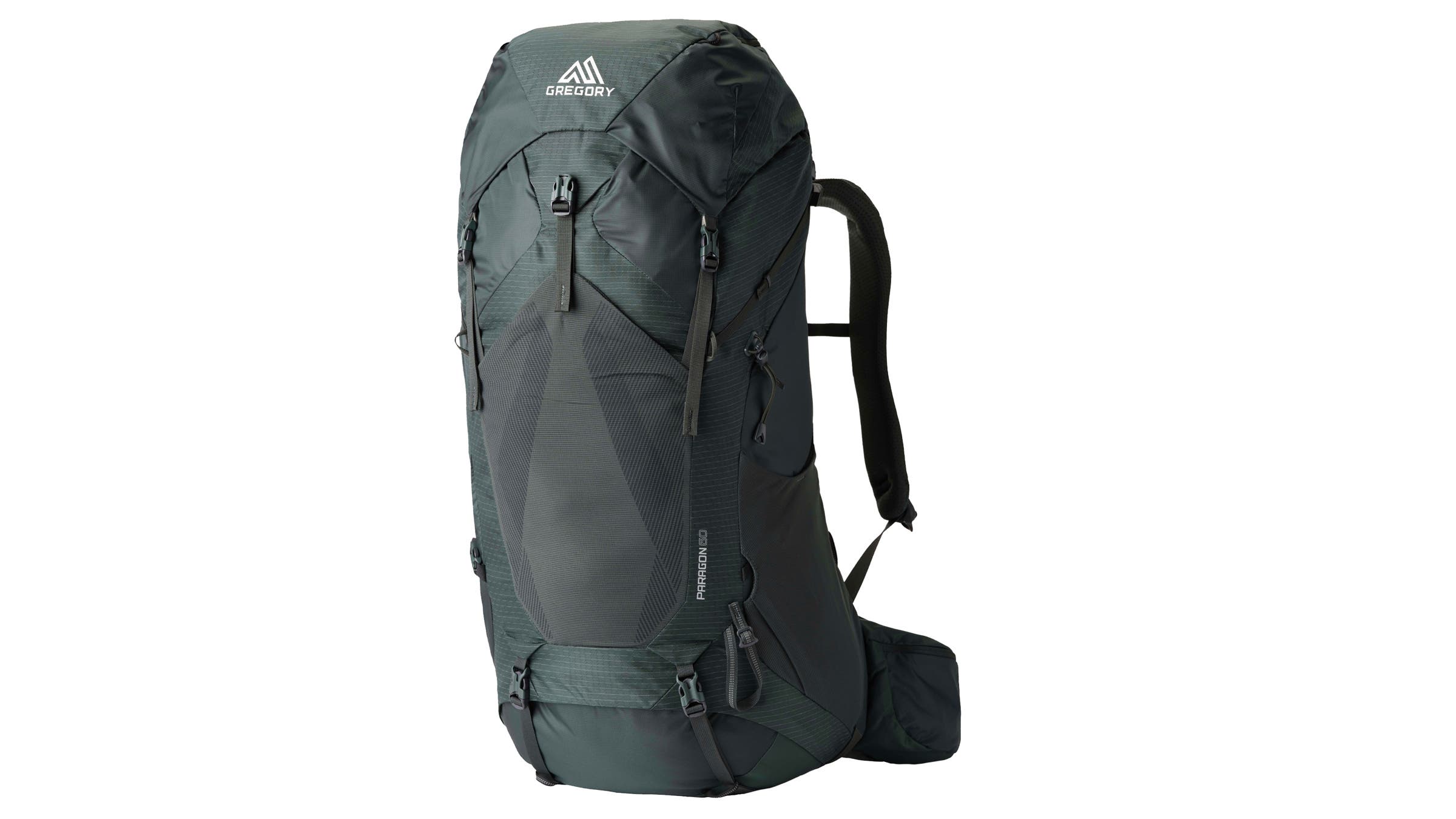
- Lab-Tested Weight: 3 lbs, 12 oz (Paragon S/M)
- Lab-Tested Volume: 67.5 L (including two 1 L bottle pockets)
- Lab-Tested Comfortable Load Capacity: 40 lbs
- Available Sizes: Men’s Paragon (S/M – M/L); Women’s Maven (XS/S – S/M)
Performance Analysis: Testers consistently praised the seamless, EVA-padded harness system, which hugs the hips to provide a comfortable, hot-spot-free carry. While the Velcro backpanel adjustment system can be slightly intricate, it offers up to three inches of back length adjustment. The pack’s steel perimeter frame allows for comfortable transport of loads up to 40 pounds, as demonstrated during strenuous hikes on Mt. Rainier. A notable innovation is the foam-free, honeycombed mesh backpanel, which significantly enhances airflow, keeping testers cool even during challenging descents in warmer temperatures.
Field Testing Insights: During extended bushwhacks in Idaho’s Panhandle National Forest, the pack’s floating hipbelt ensured a sway-free carry, maintaining stability even during demanding maneuvers. "It stayed secure even when I was crawling on my hands and knees under deadfall," reported tester Jim Pierce. While the pack utilizes a durable 40-percent recycled 210-denier nylon main fabric, the 330-denier boot material sustained minor abrasions on a narrow mountain ridge, indicating a potential area for future enhancement.
Organizational Features: The pack excels in organization, featuring a single shoulder-strap pocket suitable for sunglasses, and a full-length external zipper for easy main compartment access. Dual hipbelt pockets can accommodate smartphones, though larger models may be a tight fit. The twin side bottle pockets have been redesigned with a forward-opening for improved mid-stride accessibility, though fitting bottles when the pack is fully loaded can be challenging. The roomy top lid and a dorsal shove-it pocket with single-way stretch mesh allow for adaptable storage without compromising durability.
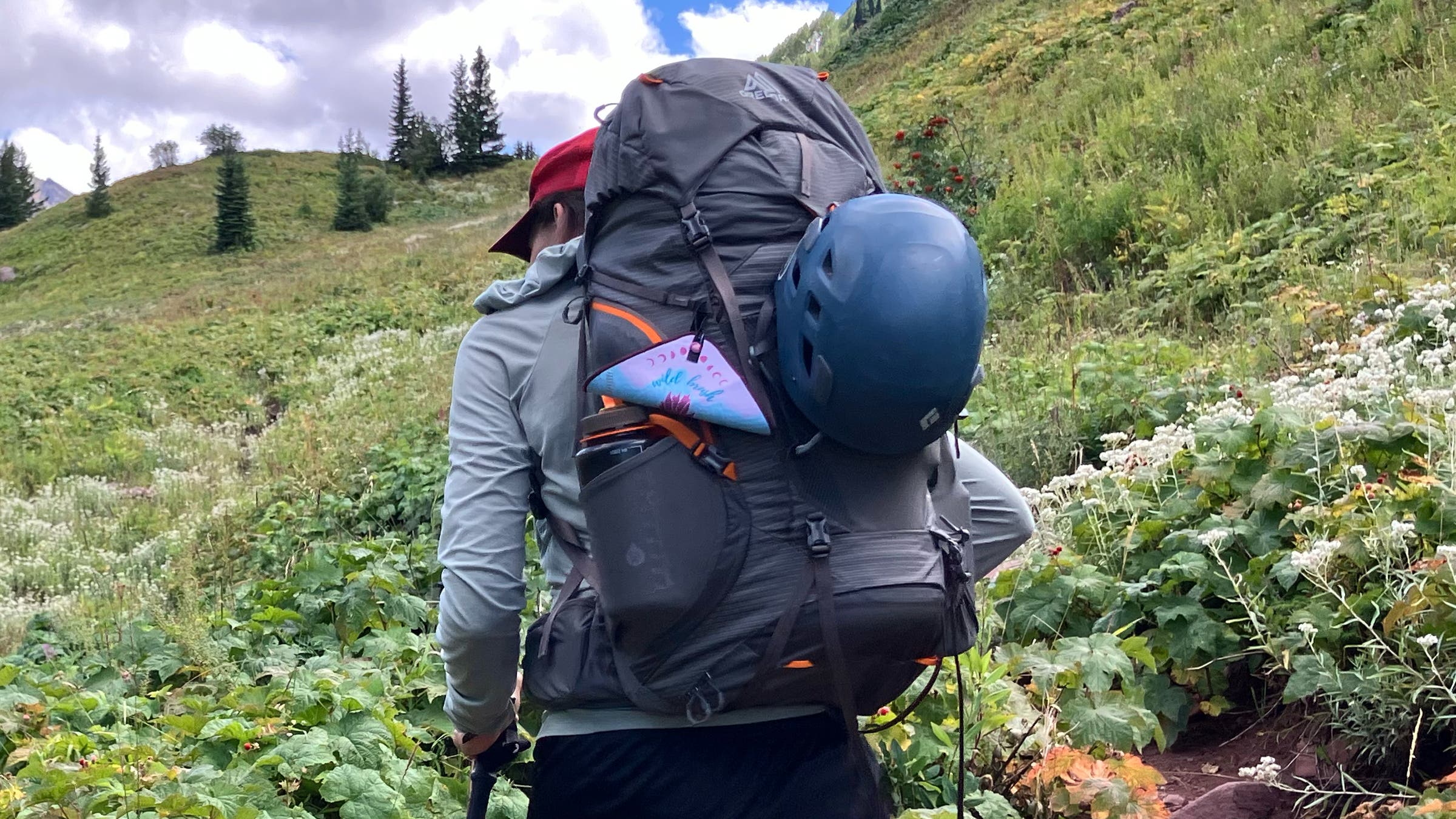
Overall Assessment: The Gregory Paragon 60/Maven 58 represents a significant upgrade, blending material enhancements, refined features, and superior comfort. This pack is a testament to continuous improvement, inching closer to the ideal balance of performance and user experience.
Rab Exion 55: An Accessible Entry Point for New Backpackers
For individuals new to multi-day hiking, the Rab Exion 55 offers an approachable and highly functional option. Its combination of comfort, durability, and a reasonable price point makes it an ideal starting point for those venturing into the backcountry.
Key Specifications:
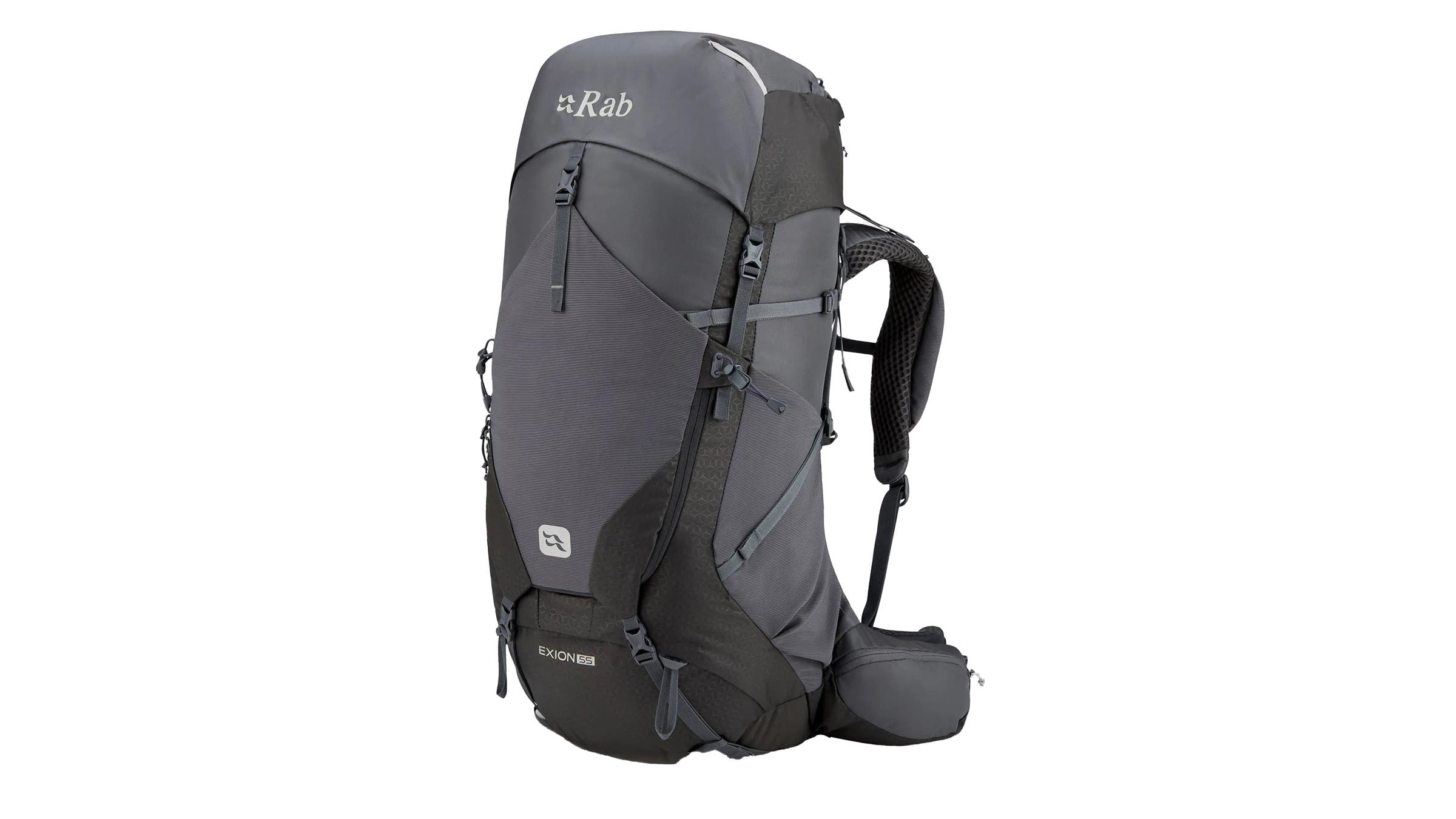
- Lab-Tested Weight: 4 lbs, 8 oz (Men’s S/M)
- Lab-Tested Volume: 63 L (including two 1 L bottle pockets)
- Lab-Tested Comfortable Load Capacity: 35 lbs
- Available Sizes: Men’s (regular, L/XL); Women’s (regular)
Performance Analysis: The Exion prioritizes comfort with its thickly padded hipbelt and ergonomically contoured shoulder straps, designed to hug the body and prevent rubbing or chafing. This comfort was consistently reported by testers throughout a full season of guiding and backpacking in diverse terrains.
Field Testing Insights: Tester and guide Jeanelle Carpentier found the pack capable of carrying up to 44 pounds for extended water carries in the Grand Canyon without significant strain, though she recommended slightly less for optimal comfort. The pack’s organizational features are a boon for new backpackers. Water bottle pockets are easily accessible, and large hipbelt pockets can hold a smartphone or multiple snacks. Twin chest pockets, though smaller, are sufficient for essentials like sunscreen and headlamps. The pack also includes a shove-it sleeve for rain gear and bottom-access for sleeping gear. While the pack can become warm in temperatures exceeding 90°F, the mesh lining on the hipbelt and backpanel aids in sweat wicking and provides some airflow. The 330-denier nylon exterior and 600-denier canvas base have demonstrated resilience against abrasion in various environments.
Considerations: A primary concern is the limited sizing for the women’s pack, which comes in only one size. While the hook-and-loop backpanel system is adjustable, testers on the shorter end of the height spectrum found the backpanel too tall for comfortable head mobility.
Big Agnes Sweetwater UL 43: The Featherweight Champion
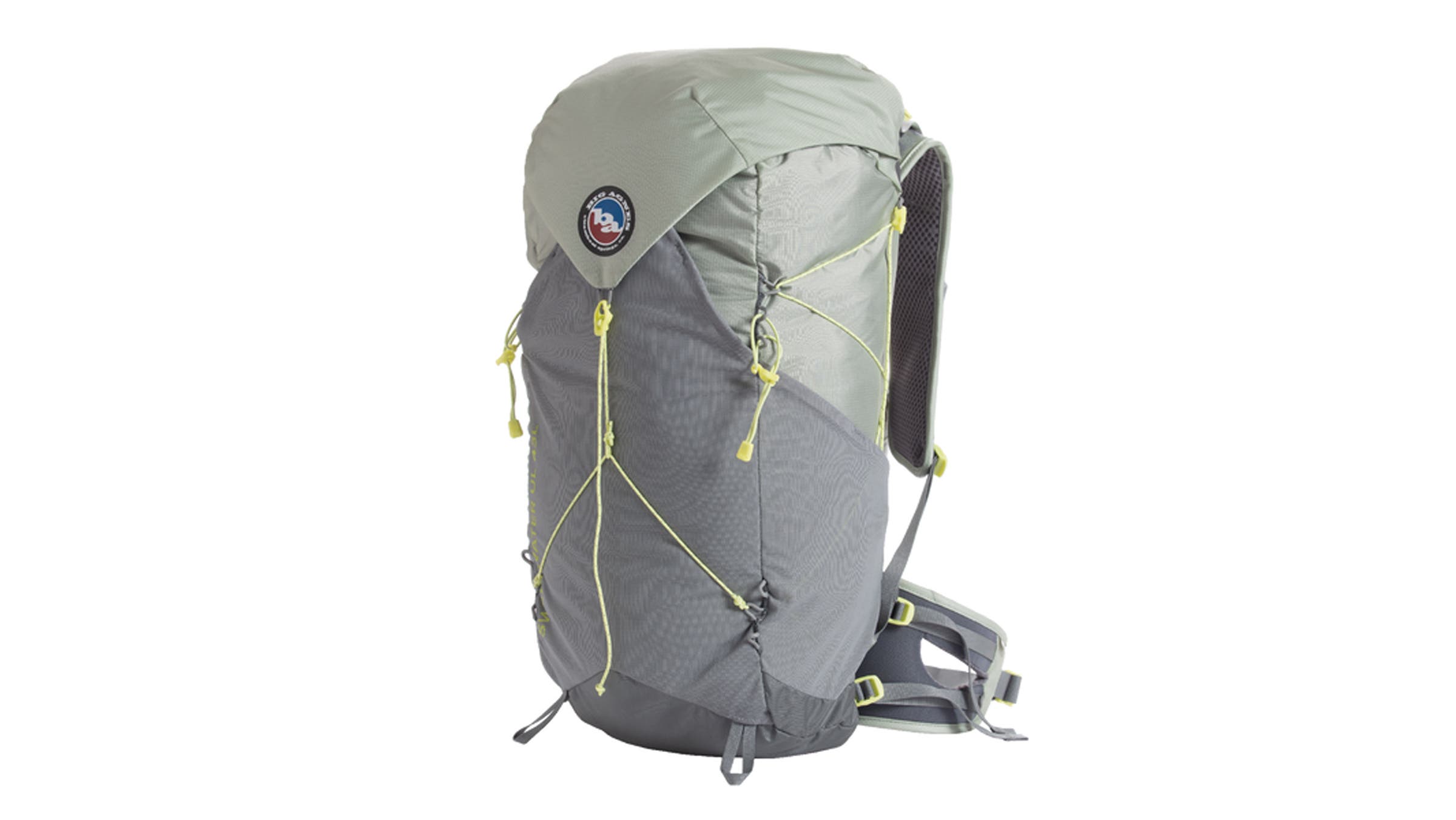
For the ultralight enthusiast, the Big Agnes Sweetwater UL 43 redefines lightweight backpacking. This pack ingeniously blends features from running vests and traditional backpacking packs, catering to those who prioritize speed and efficiency.
Key Specifications:
- Lab-Tested Weight: 2 lbs, 12 oz (Unisex M)
- Lab-Tested Volume: 45 L (including two 3 L bottle pockets)
- Lab-Tested Comfortable Load Capacity: 30 lbs
- Available Sizes: Unisex (S-L)
Performance Analysis: The Sweetwater UL’s vest-style harness, featuring broad shoulder straps, effectively distributes weight across the chest and shoulders. Dual sternum straps, a feature more common in running vests, ensure a snug and secure fit. Despite the absence of a traditional frame, a stiff, injection-molded framesheet and load-lifter straps enable the pack to comfortably carry up to 30 pounds of overnight gear.
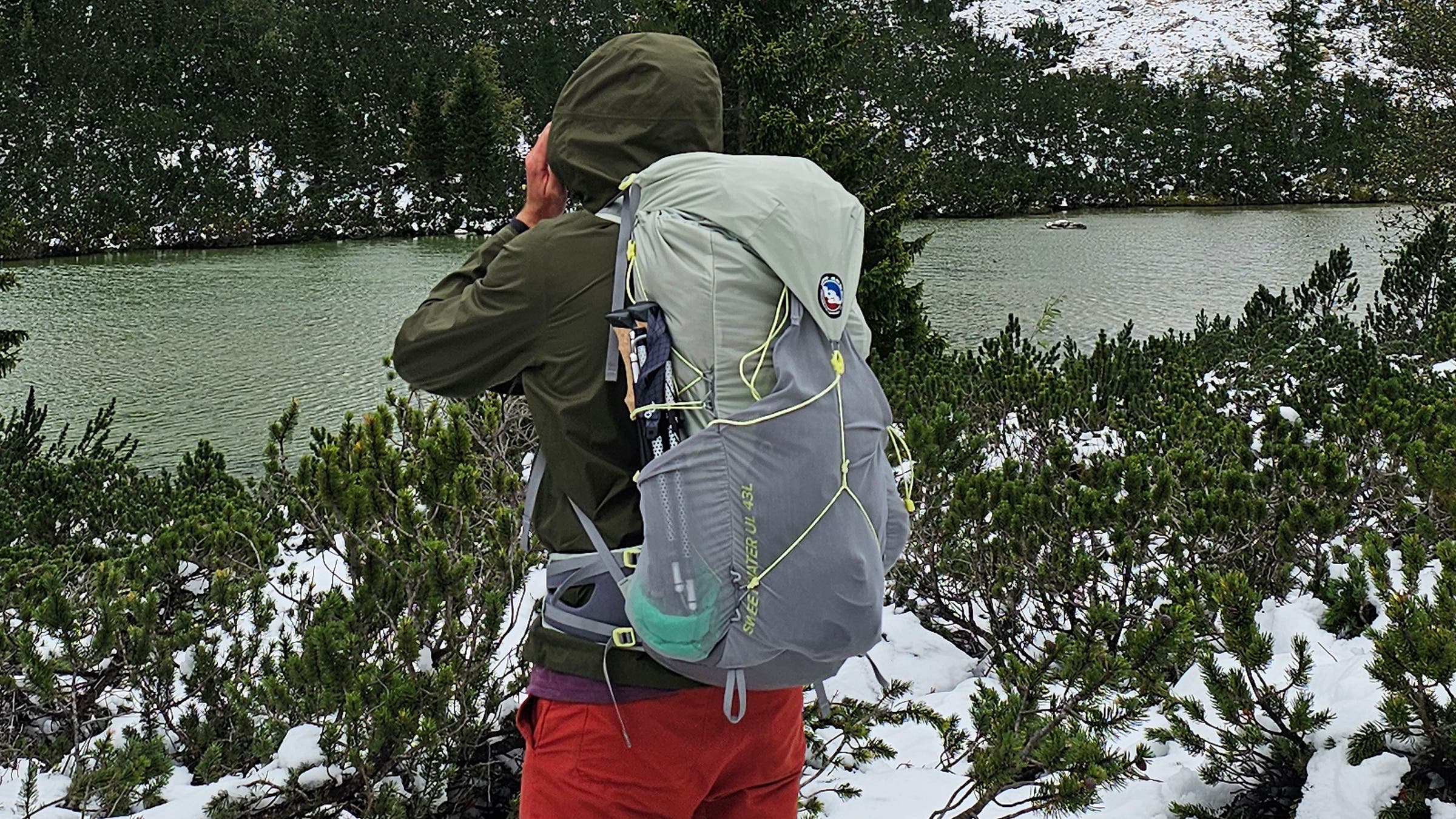
Field Testing Insights: The expansive chest pockets are a significant advantage, offering ample space for essentials like phones, personal locator beacons, sunscreen, and snacks, eliminating the need to remove the pack during breaks. This proved invaluable for a tester caught in a sudden snowstorm in the Italian Dolomites, allowing them to maintain movement and warmth. The pack’s included raincover and DWR coating provided effective weather protection. Tester David Perillo noted, "The raincover is extremely thin—I was sure I would have wet gear—but the cover kept the bag totally dry." The pack’s gossamer mesh, despite initial concerns, demonstrated remarkable durability against rough treatment.
REI Co-op Traverse 60: Durability Meets Affordability
The REI Co-op Traverse 60 emerges as a strong contender for those seeking exceptional durability without a hefty price tag. Its blend of comfort and rugged construction makes it a reliable choice for challenging terrains.
Key Specifications:
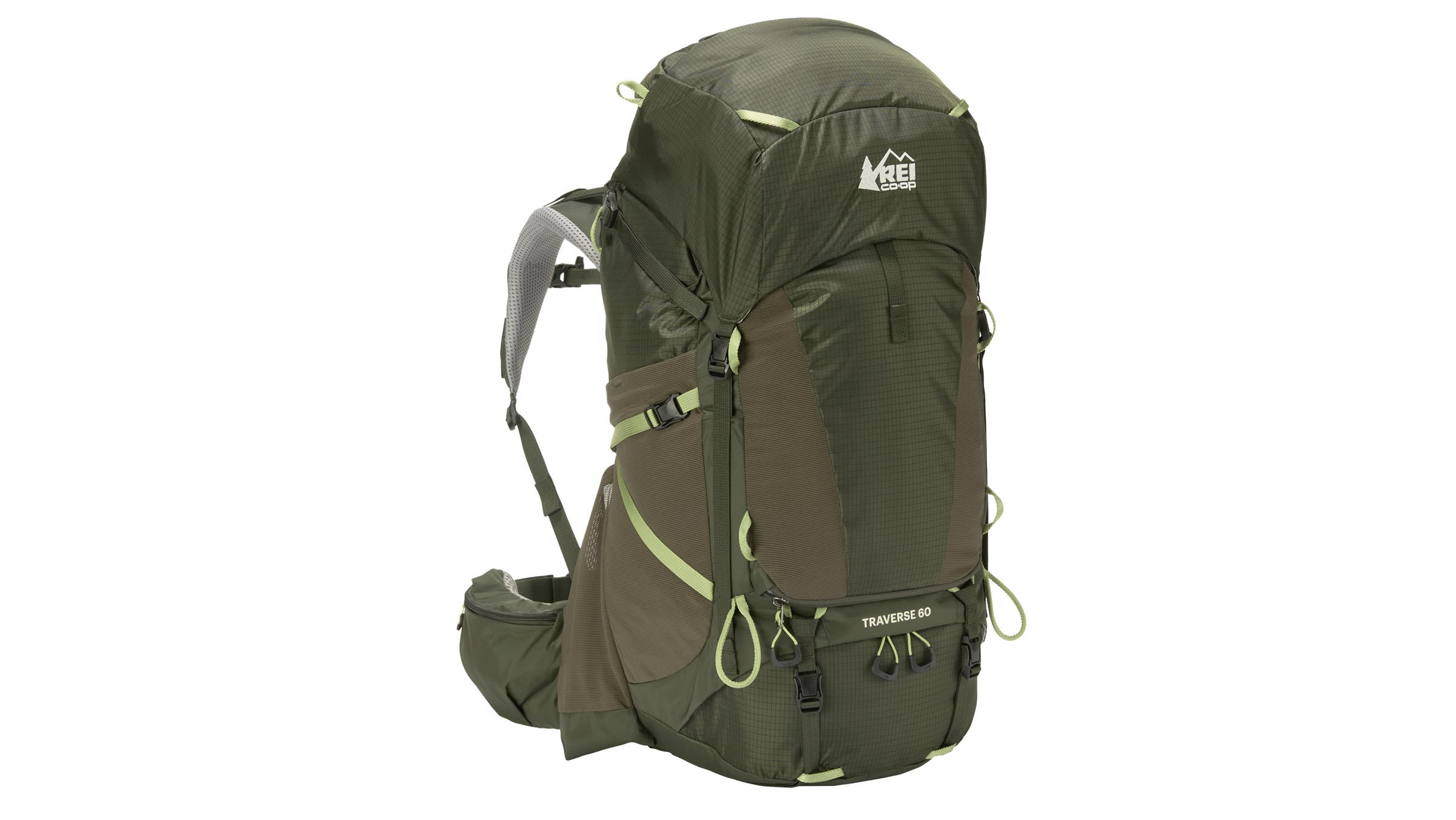
- Lab-Tested Weight: 4 lbs, 6 oz (Men’s S/M)
- Lab-Tested Volume: 65.5 L (including two 1 L bottle pockets)
- Lab-Tested Comfortable Load Capacity: 30 lbs
- Available Sizes: Men’s (S-3X); Women’s (XS-3X)
Performance Analysis: The Traverse 60 has garnered praise for its comfort and durability across a wide range of users, from seasoned guides to novices. The pack features four inches of adjustability, twin hipbelt pockets, a hydration sleeve, and generous mesh side pockets capable of holding Nalgene bottles.
Field Testing Insights: Trekking guide Samantha Cooke found the dorsal sleeve ideal for maps and emergency supplies, and appreciated the bottom-access zipper for quick retrieval of a first-aid kit. The aluminum perimeter frame efficiently handles loads up to 40 pounds, proving capable during a seven-day trip in Bryce Canyon, Utah, for a group of guests. Cooke described the fit as "extremely comfortable," noting the hipbelt felt like a "hug" and the backpanel was "very cush." The 210-denier ripstop nylon fabric, while not the most robust, showed remarkable resilience against abrasion during over 100 miles of testing in rugged sandstone canyons. The durable water-repellent coating provided effective protection against light rain and even partial submersion in Zion’s Narrows.
Considerations: The heavily padded backpanel, while comfortable, offers limited breathability, leading to testers experiencing significant back sweat during humid conditions.
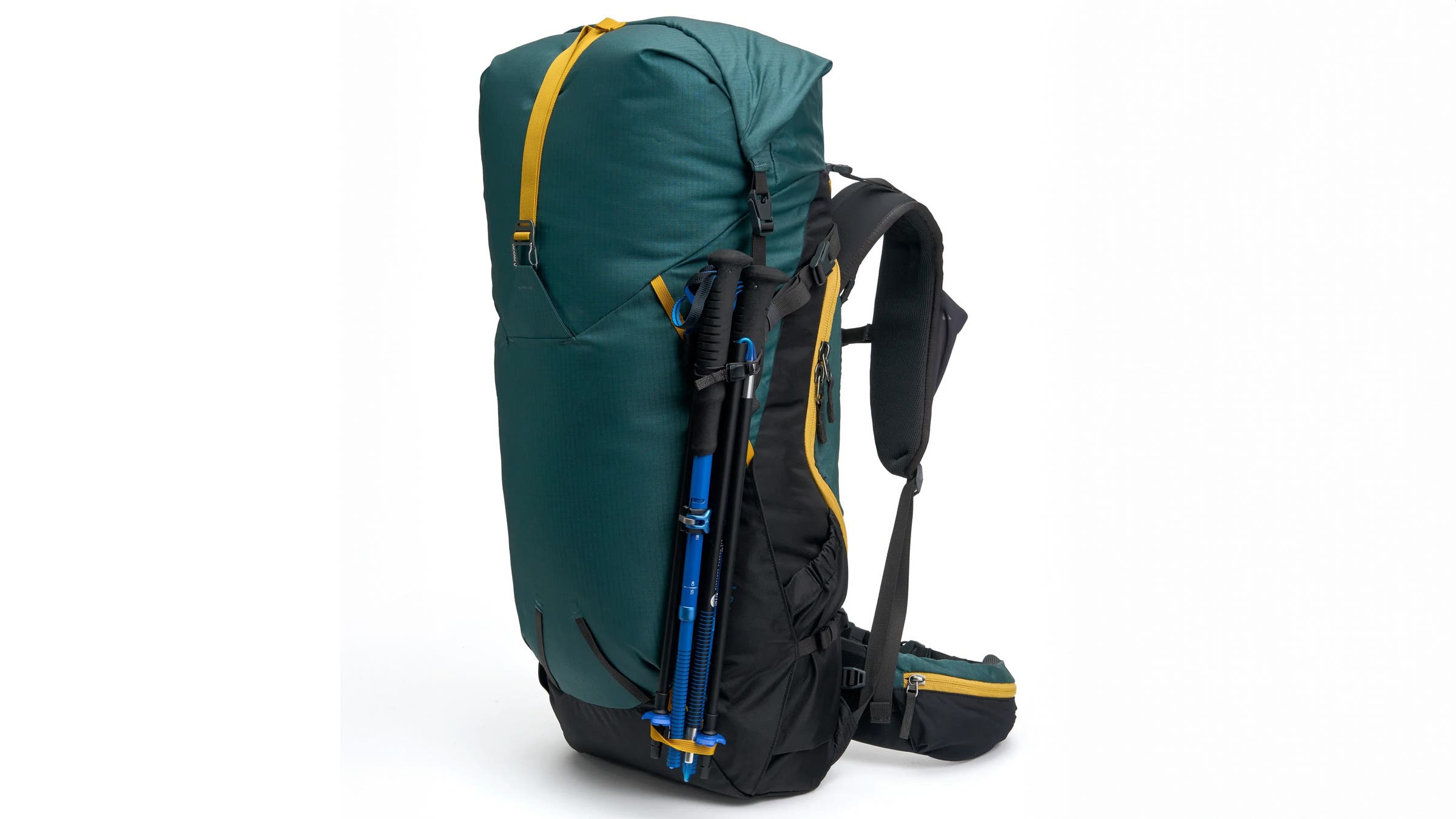
Pingora Outro 55: The Adaptable All-Rounder
The Pingora Outro 55 stands out for its remarkable versatility, designed to adapt to a wide array of outdoor pursuits, from weekend trips to alpine climbing.
Key Specifications:
- Lab-Tested Weight: 4 lbs (Unisex M)
- Lab-Tested Volume: 55.75 L (including two 1 L bottle pockets)
- Lab-Tested Comfortable Load Capacity: 35 lbs
- Available Sizes: Unisex (S-L torso and S-L belt)
Performance Analysis: The Outro 55 boasts a modular design, allowing it to serve as a weekend bag, an alpine climbing pack, or a four-season day-hiker. Its adaptable features cater to diverse adventure needs.
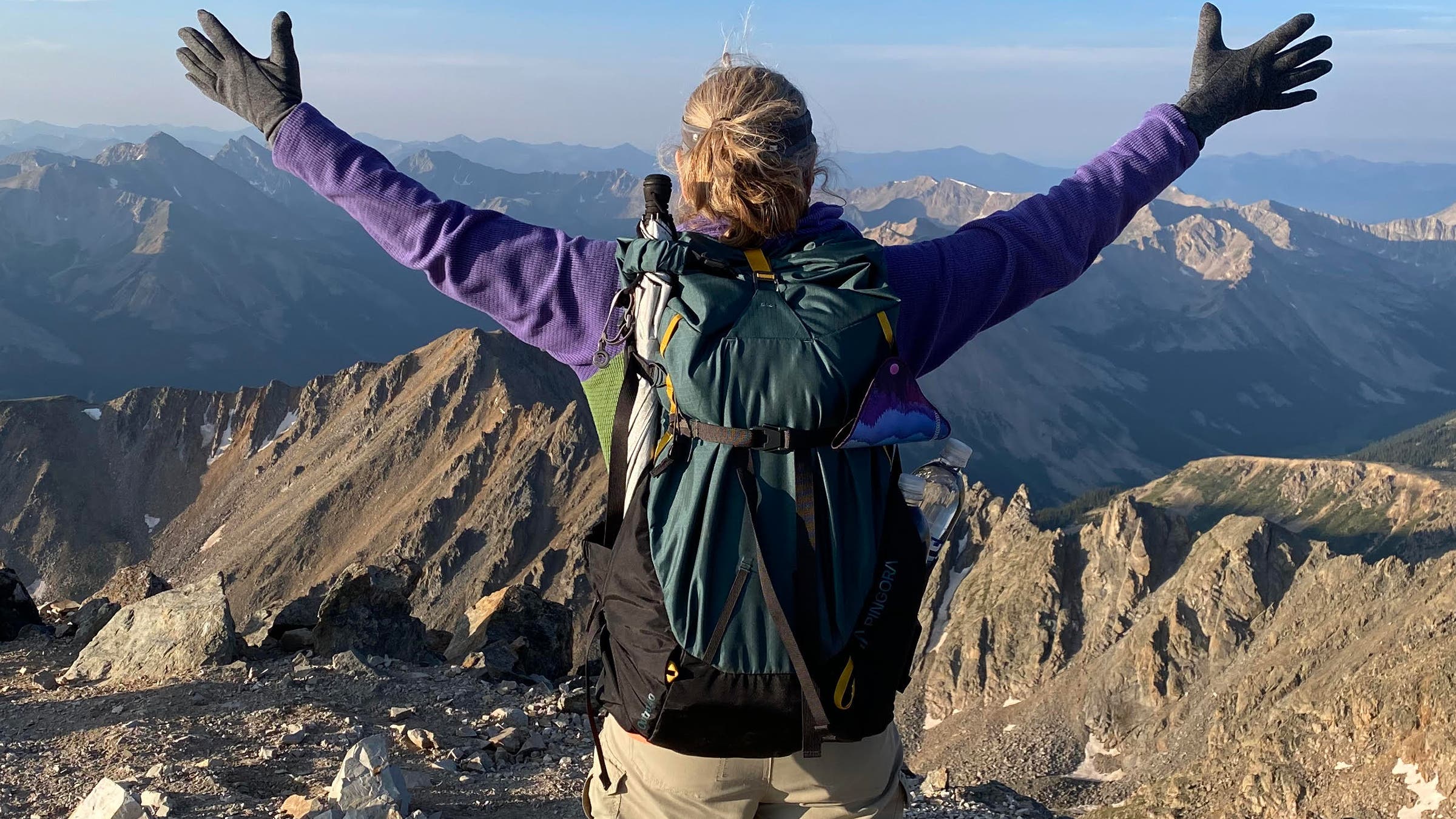
Field Testing Insights: The pack’s lateral pockets accommodate SmartWater bottles, though re-stowing them mid-hike often requires assistance. An interior zippered divider separates compartments, and the three-liter toplid can convert into a daypack for side expeditions. Multiple chest and hipbelt pockets keep essentials within reach. The pack’s streamlined silhouette and aluminum frame ensure a close-to-body fit, minimizing sway during technical maneuvers. A key innovation is the adjustable shoulder harness geometry, maintained by moving the adjustment mechanism to the bottom of the backpanel, ensuring optimal load-lifter angles across all sizes. Customization options include selecting hipbelt size and opting for the toplid.
Considerations: Some testers with narrower shoulders found the shoulder harness too wide for comfortable carry. The pack’s water resistance is limited, with some testers experiencing wet gear during heavy rain. However, the 420-denier nylon body fabric (210-denier on the roll-top) proved highly durable during bushwhacking.
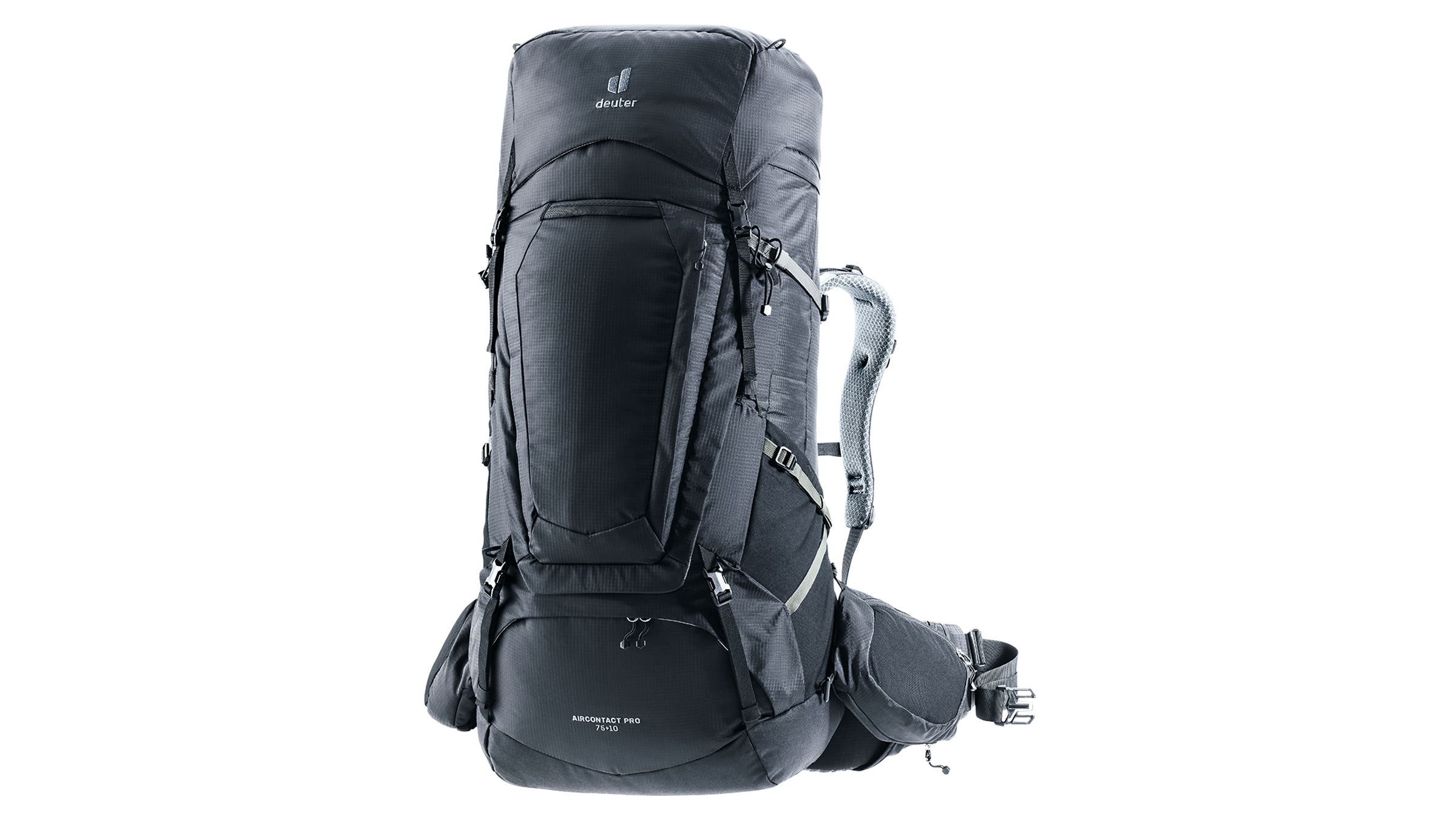
Deuter Aircontact Pro 65+10 SL / 75+10: For Expeditions and Heavy Loads
When the demands of the trail require significant cargo capacity, the Deuter Aircontact Pro 65+10 SL / 75+10 rises to the occasion, offering an expansive volume for gear-intensive trips.
Key Specifications:
- Lab-Tested Weight: 6 lbs, 6 oz (75+10)
- Lab-Tested Volume: 80.5 L (including three 1 L water bottle pockets)
- Lab-Tested Comfortable Load Capacity: 45 lbs
- Available Sizes: Men’s and Women’s (SL), one size each
Performance Analysis: Starting at 75 liters (or 65 liters for the SL women’s version), the Aircontact Pro features an extendable collar that can add an additional 10 liters of space. The pack’s robust construction is designed to handle substantial loads, including bear canisters and extensive glamping equipment.
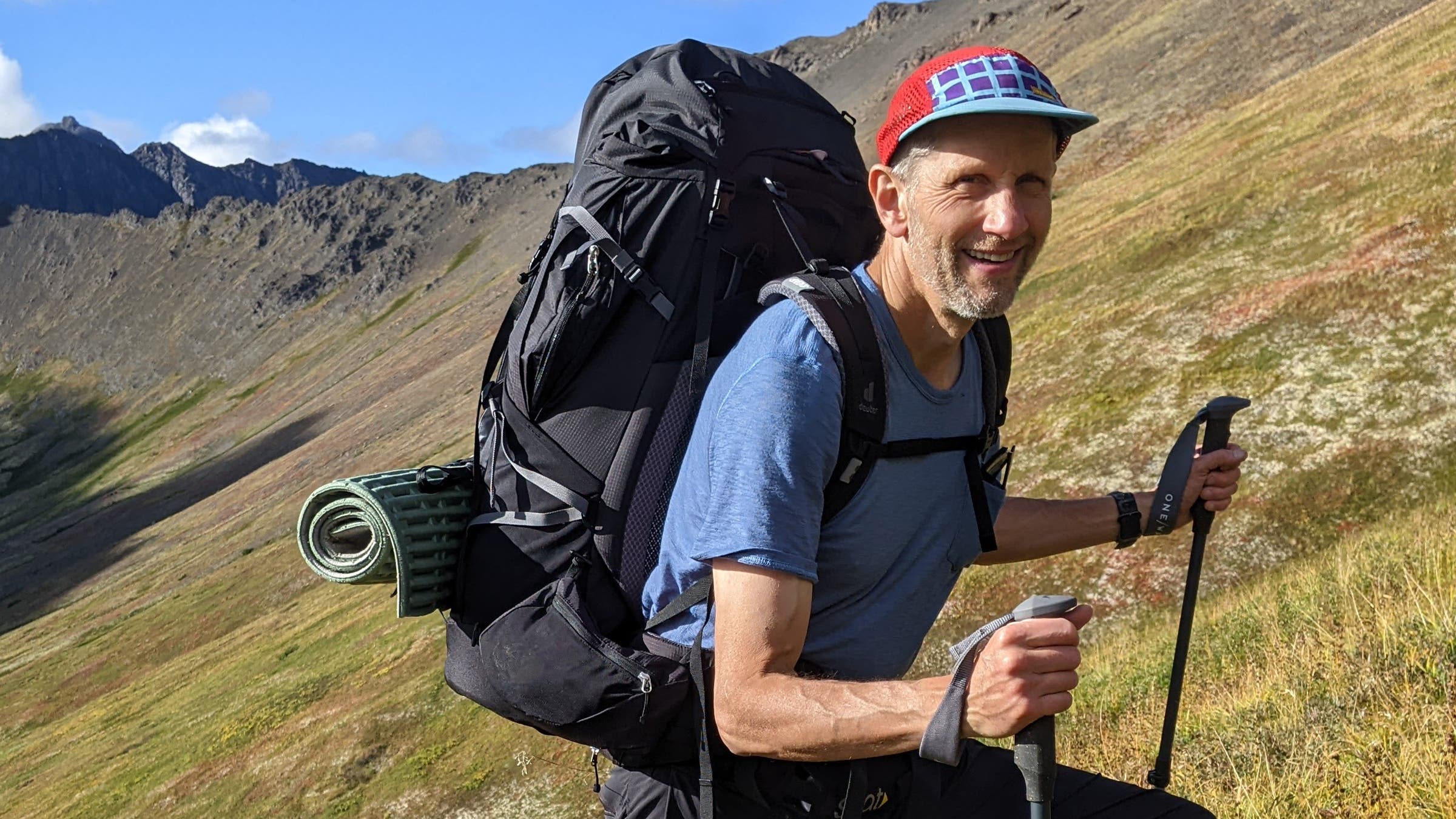
Field Testing Insights: Dorn Van Dommelen, a tester from Anchorage, Alaska, reported that the Aircontact Pro 75+10 was "comfortable and made the push out easy" during a challenging, off-trail hike in Alaska’s Chugach National Park. The pack’s internal frame effectively transfers weight to the hipbelt, which pivots to allow for natural body movement. Thick padding enhances airflow, though heavy loads can still lead to sweating. The 200-denier ripstop nylon body and 500-denier ripstop boot materials have proven durable against tough undergrowth.
Innovative Features: The pack includes a removable, accordion-style water bottle pocket on the hipbelt, an easy-adjust backpanel, and a toplid that converts into a daypack. A built-in raincover and multiple pockets (two zippered, two stretch-mesh) keep essentials accessible. The main compartment offers U-shaped zipper access, and internal features include a valuables pocket, sleeping bag compartment, and a three-liter hydration sleeve.
Considerations: Some testers found certain pockets difficult to access when the pack was fully loaded, and the protruding hipbelt pockets could be cumbersome.
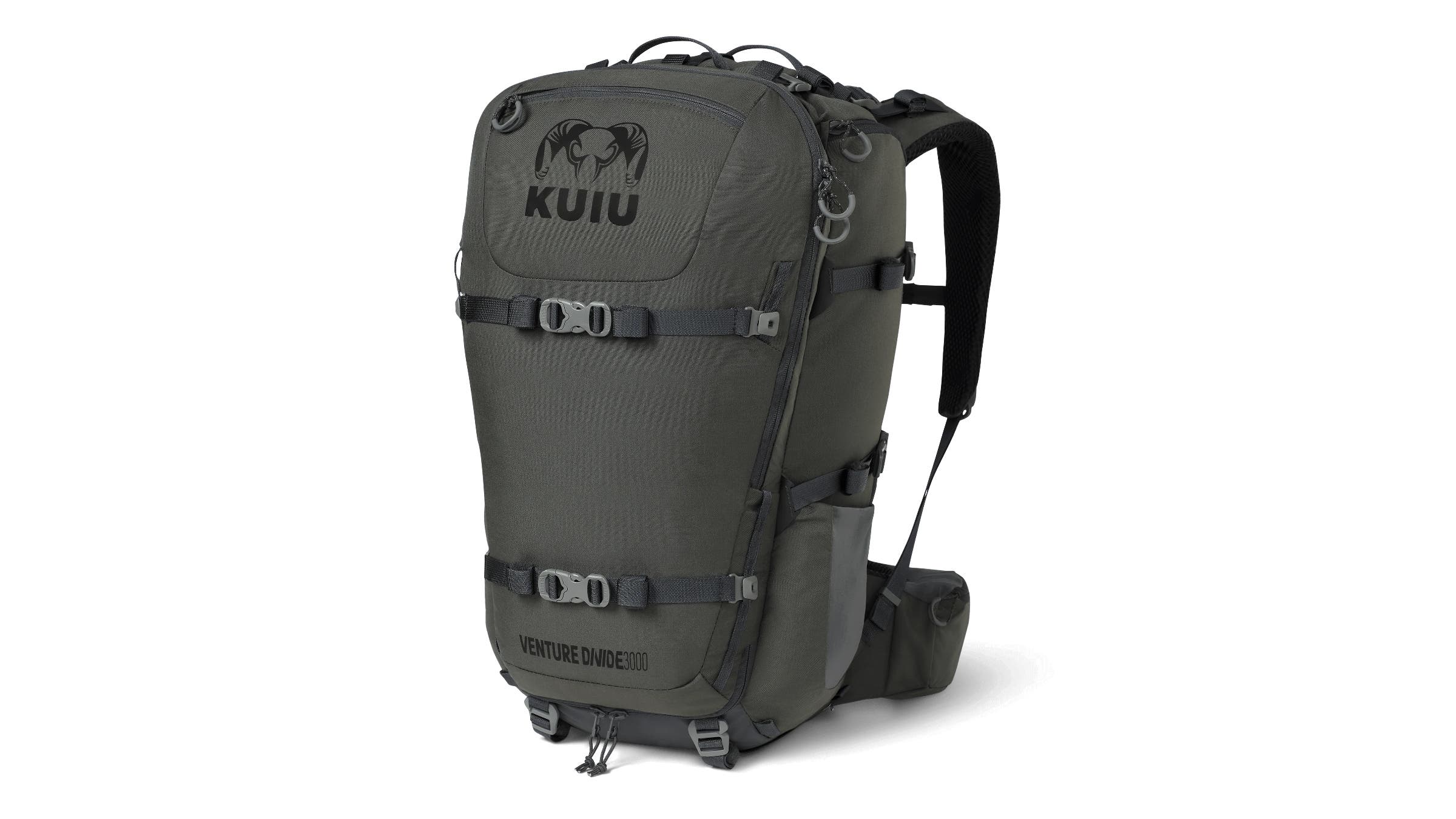
Osprey Rook/Renn 65L Extended Fit: Tailored for Larger Bodies
Osprey’s Rook/Renn 65L Extended Fit (EF) pack is meticulously designed to address the specific needs of larger body types, ensuring comfort and accessibility.
Key Specifications:
- Lab-Tested Weight: 4 lbs, 9 oz (Rook)
- Lab-Tested Volume: 63 L (including two 1 L water bottle pockets)
- Lab-Tested Comfortable Load Capacity: 35 lbs
- Available Sizes: Men’s and Women’s, one size each
Performance Analysis: The Rook/Renn 65 EF distinguishes itself with hip pockets positioned for accessibility even with a fully extended 70-inch waist belt. The harness padding is also extended and contoured to comfortably accommodate broader shoulders and waists.
Field Testing Insights: Diandra Oliver, a tester from British Columbia, reported carrying approximately 45 pounds of gear to an alpine hut with ample room for more. The pack’s 4-millimeter aluminum perimeter frame effectively manages heavy loads. Oliver praised the plentiful organization, which facilitated quick packing for early starts. Deep bottle pockets, a large toplid, and a stretchy dorsal sleeve accommodate extra layers, complemented by a three-liter hydration sleeve and an included raincover.
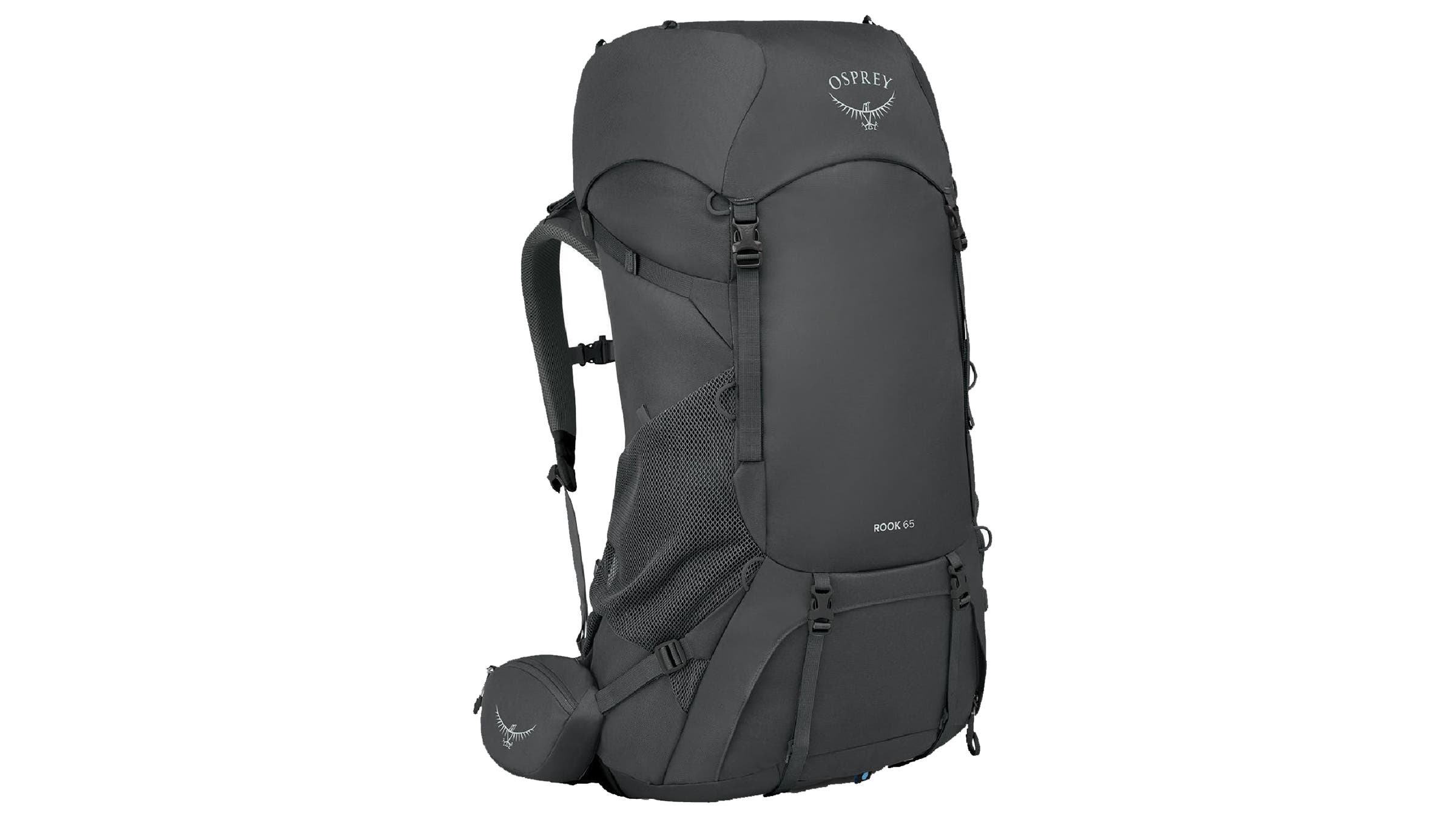
Considerations: The hourglass-shaped mesh trampoline on the backpanel can obstruct airflow for larger body types, leading to increased sweat during humid conditions. However, the pack’s robust 600-denier recycled polyester construction has demonstrated exceptional resistance to abrasion, even after a season of rigorous use.
Fjällräven Kajka X-Latt 45L: The Pinnacle of Eco-Conscious Design
The Fjällräven Kajka X-Latt 45L sets a new benchmark for sustainability in backpacking gear, earning the "Most Eco-Friendly" title. This pack balances practicality with a profound commitment to minimizing environmental impact.
Key Specifications:
- Lab-Tested Weight: 2 lbs, 11 oz
- Lab-Tested Volume: 52 L (including stretch mesh front pocket)
- Lab-Tested Comfortable Load Capacity: 25 lbs
- Available Sizes: S/M, M/L
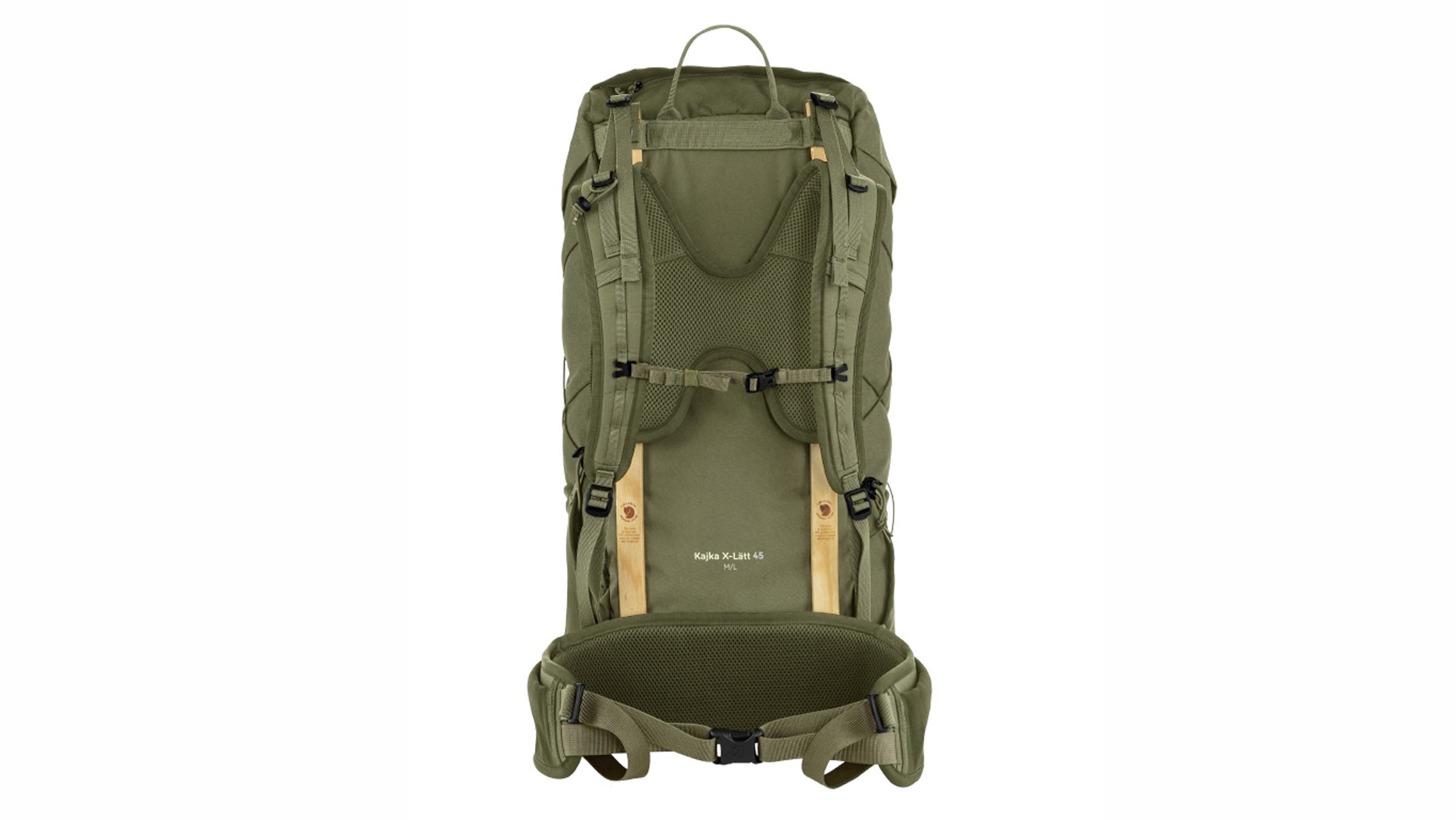
Performance Analysis: The X-Latt is constructed with PFC-free materials, featuring birchwood stays and recycled nylon for the base, backpanel, and hipbelt. This dedication to sustainable sourcing and manufacturing significantly reduces its environmental footprint.
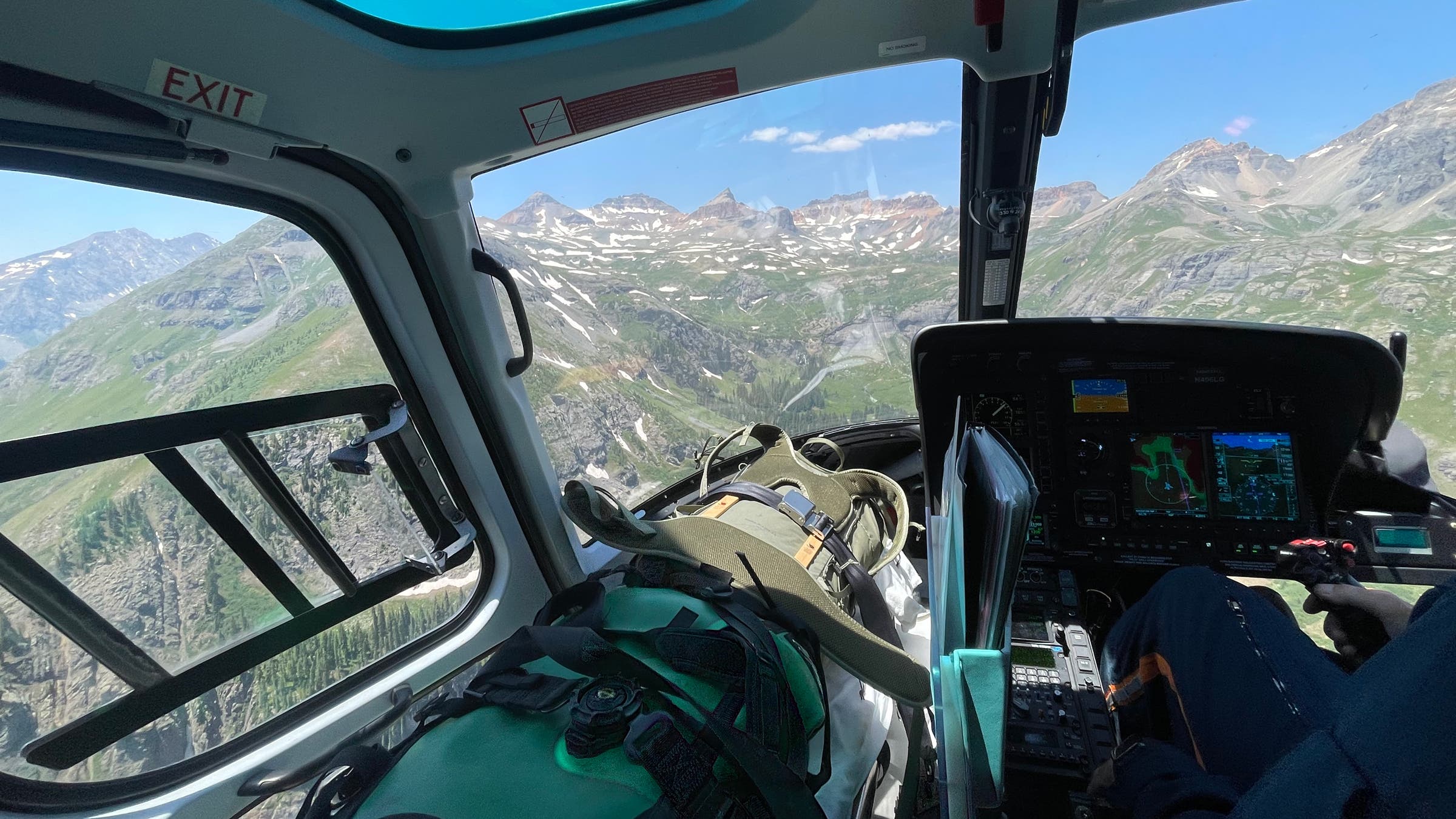
Field Testing Insights: The pack’s robust birchwood stays, coupled with their anchor into a strong, hip-wrapping waistbelt, contribute to superior load-carrying capacity. A Colorado-based search and rescue tester successfully loaded the pack with up to 50 pounds, including essential rescue equipment, without experiencing strain or backpanel damage. While comfortable with 30 pounds on overnights, the pack demonstrates its capability for heavier loads. The durable, canvas-like Vinylon F fabric on the main body has proven resilient against sharp talus, helicopter transport, and demanding rescue missions.
Innovative Features: The adjustable, open-cell foam backpanel offers comfort, and the pack’s organization includes mesh side pockets, a stretchy dorsal sleeve, and twin hipbelt pockets. A removable internal zippered sleeve cleverly transforms into a crossbody bag, ideal for adventure travel or section hikes.
Considerations: While the main pack body and base are highly durable, the stretch mesh is prone to snags. Some testers desired more external pockets, though off-trail adventurers appreciated the snag-free design. The X-Latt’s repairability is a significant advantage, with many components designed for easy stitching or replacement, further contributing to its long-term sustainability.
How to Buy a Backpacking Pack: A Comprehensive Guide
Choosing the right backpacking pack is crucial for a successful and enjoyable outdoor experience. Here’s a guide to help navigate the selection process:
Capacity: Matching Your Needs
- One to Three Nights: Aim for a capacity of 40 to 55 liters.
- Gear-Intensive or Week-Long Trips: A capacity of 60 to 70 liters is generally recommended.
- Pro Tip: When shopping, bring your full camping kit to ensure everything fits comfortably within the pack before purchase.
Fit: The Foundation of Comfort
- Torso Measurement: Have a gear shop professional measure your torso length (from the vertebra at the base of your neck to the midpoint between your iliac crests). Most adults fall between 16 and 21 inches. Ensure this measurement aligns with the pack’s adjustable range.
- Try Before You Buy: Walk, swing your arms, and move your head. The pack should feel snug and secure, moving with your body without restricting motion.
Load-Carrying Capacity: What Can It Handle?
- Ultralight Packs: Often have a maximum capacity of around 25 pounds, suitable for minimalist packing.
- Robust Packs: Can typically carry 50 to 60 pounds, but are heavier when empty.
- The 80/20 Rule: Aim for approximately 80% of the load to be carried by your hips and 20% by your shoulders for optimal comfort.
Features: Tailoring to Your Style
- Snacking on the Go: Prioritize accessible hipbelt and chest pockets.
- Hydration: If you use a hydration reservoir, ensure the pack has a dedicated sleeve and hose port.
- External Storage: Consider loops and bungees for trekking poles or ice axes if your adventures require them.
Rigorous Testing: Ensuring Quality and Performance
The evaluation of backpacking packs involves a multi-faceted approach, combining extensive field testing with laboratory analysis.
Field Testing Methodology
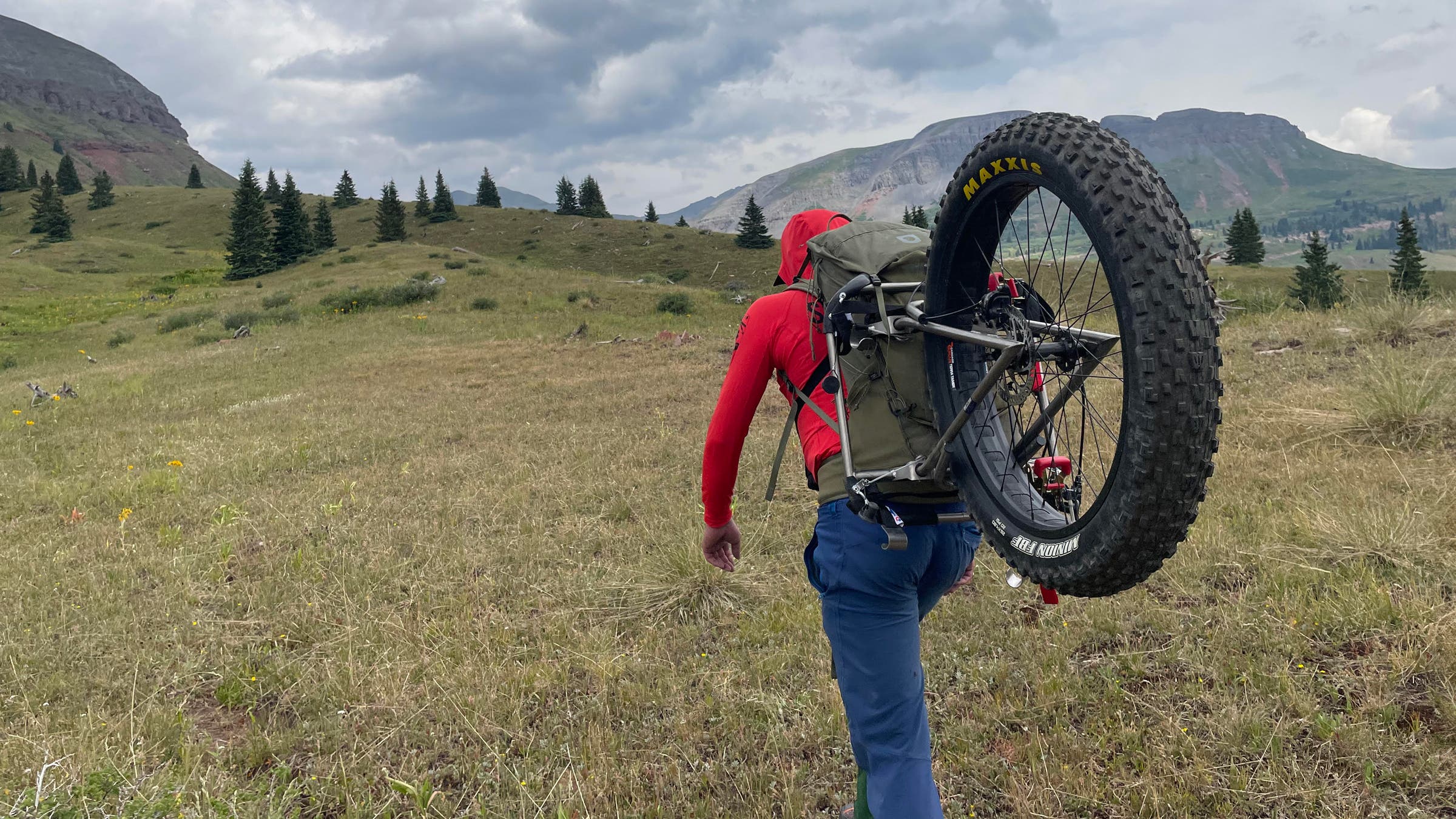
- Cumulative Mileage: Each pack is tested by at least two hikers over a cumulative distance of 60 to 100 miles.
- Diverse Conditions: Packs are subjected to various weather conditions, terrains, and load weights to simulate real-world use.
- Iterative Evaluation: Feedback from testers informs ongoing assessments, allowing for identification of nuanced performance characteristics and potential improvements.
Laboratory Testing Protocols
- Volume Measurement: Adhering to ASTM F2153-07 standards, pack compartments are filled with uniform spheres to precisely measure volume in liters, accounting for all accessible pockets.
- Weight Capacity Testing: Mannequins equipped with force sensors are used to determine the "effective weight load"—the point at which comfort begins to wane. This test simulates real-world load distribution, emphasizing the transfer of weight to the hips. An ideal carry sees 20% or less of the total load on the shoulders, while 30-40% may cause discomfort over extended periods. Loads exceeding 40-50% are considered beyond the pack’s capacity and can lead to component failure.
Meet the Experts: Our Dedicated Testing Team
The insights provided in this review are a result of the dedication and expertise of our seasoned gear testers:
- Corey Buhay: A former Backpacker editor and guidebook author, Buhay brings extensive experience in pack evaluation, with a particular focus on hipbelt pocket functionality.
- Reid Kalmus: A gear tester and search and rescue volunteer, Kalmus subjects packs to the most demanding off-trail conditions.
- Puck Van Dommelen: Based in Alaska, Van Dommelen is adept at testing packs under heavy loads and through challenging Alaskan wilderness, including extensive bushwhacking.
This comprehensive review aims to equip consumers with the knowledge needed to make informed decisions, ensuring their next backpacking pack is a reliable companion on countless adventures.