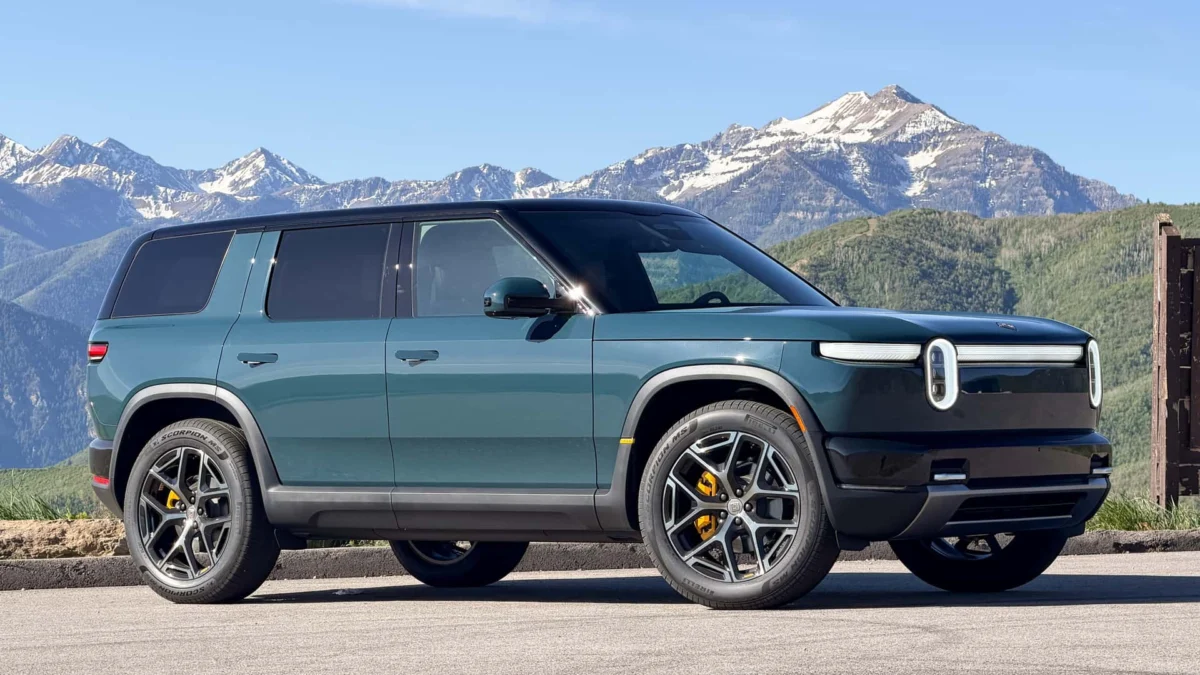
The automotive industry has long grappled with the inherent environmental paradox of electric vehicles: while they produce zero tailpipe emissions, the carbon debt incurred during the extraction of raw materials and the energy-intensive manufacturing process often looms large over the vehicle’s early life. Rivian Automotive, in a move to transition from corporate rhetoric to empirical demonstration, has published its 2025 Impact Report and the R2 Circularity, Energy, & Carbon Footprint Report. These documents provide a comprehensive audit of the company’s manufacturing lifecycle, revealing that the forthcoming R2 platform is engineered to deliver half the lifetime carbon footprint of its predecessor, the R1 series.
A New Benchmark for Sustainable Manufacturing
The reduction in the R2’s carbon footprint is not the result of a single technological breakthrough but rather the culmination of a holistic design philosophy focused on weight reduction, aerodynamic optimization, and the integration of circular material streams. Historically, the R1 series established Rivian as a major player in the premium electric adventure vehicle segment. However, the R2 is designed for mass-market scalability, necessitating a more aggressive approach to resource efficiency.
The R2 platform achieves its sustainability goals through a significant reliance on recycled materials. According to the company’s internal reporting, the vehicle incorporates 25% recycled content by mass. This figure is bolstered by specific material choices: the interior textiles are composed of Nordic paper waste, the front trunk (frunk) and various interior trim components are derived from 85% consumer waste plastics, and the floor mats utilize 99% ocean-recovered waste. Perhaps most impressively, the resin used in the battery cell trays is made from 100% recycled materials.
Beyond material composition, the structural design of the R2 prioritizes "design for disassembly." This approach ensures that, at the end of the vehicle’s functional life, a significant percentage of its interior components can be efficiently processed back into the manufacturing stream, reducing the necessity for virgin material extraction.
The Lifecycle Carbon Analysis
To understand the magnitude of this achievement, it is necessary to differentiate between manufacturing-phase emissions and operational-phase emissions. The R1 platform, while highly capable, is a heavy, luxury-oriented vehicle requiring substantial energy for production and high battery capacity to maintain its performance metrics. The R2 benefits from a smaller physical footprint and a more streamlined chassis, which lowers the energy required for both production and daily operation.
Rivian’s data indicates that the R2’s operational efficiency is enhanced by improved aerodynamic profiles that reduce drag, effectively requiring less battery energy to cover the same distance as an R1. Furthermore, the company has integrated smart-charging capabilities that allow the vehicle to interface with the power grid to prioritize charging cycles during off-peak hours. By aligning energy intake with periods when the grid is most likely to be powered by renewable sources or has excess capacity, the R2 reduces its indirect emissions profile.
Chronology of Rivian’s Sustainability Initiatives
Rivian’s journey toward these milestones has been documented through a series of strategic pivots and organizational commitments:
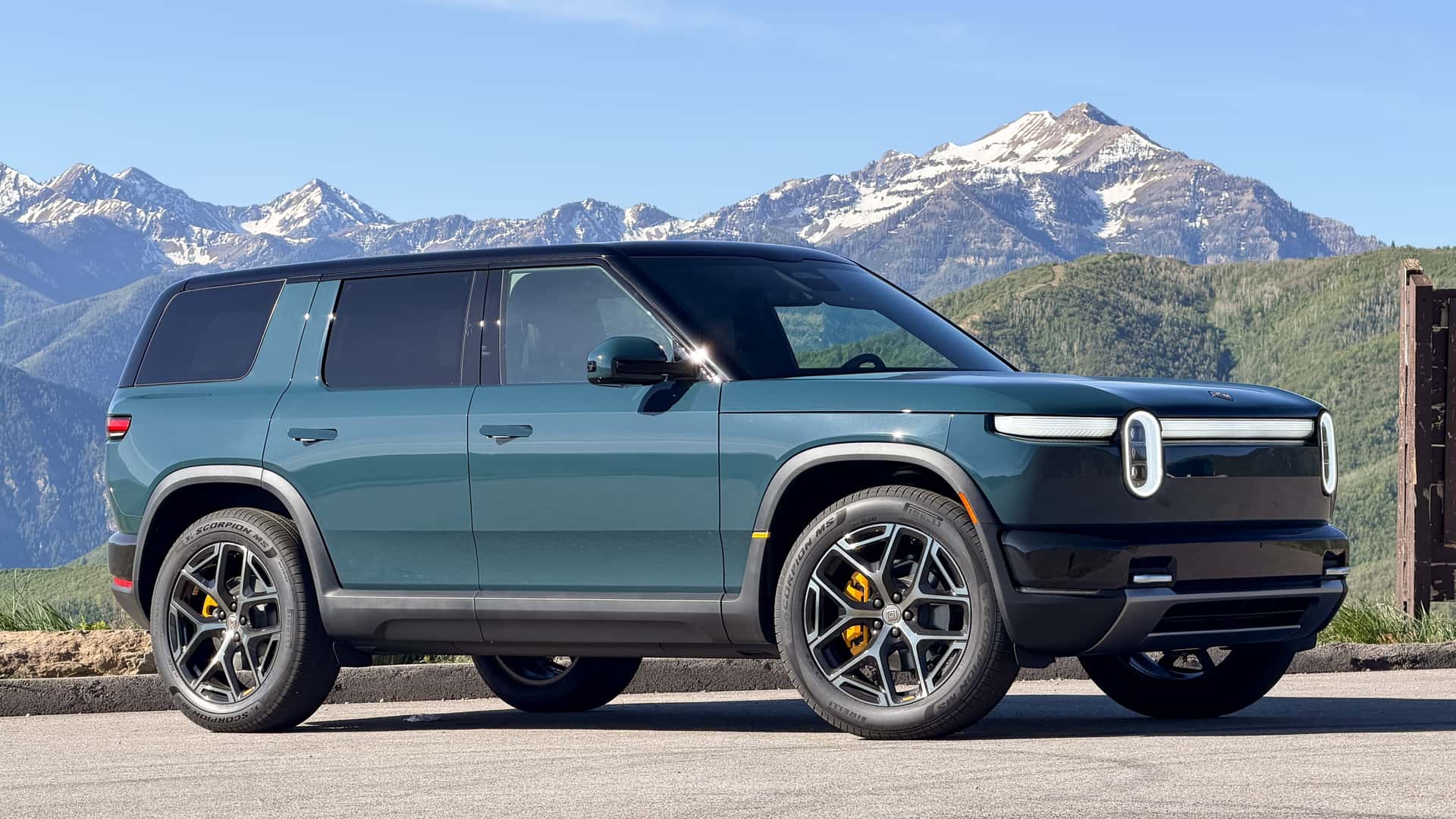
- 2019-2020: The company formalizes its "Forever" mission, focusing on decarbonizing transportation through the R1 platform and commercial delivery vehicles.
- 2021: Rivian launches its first comprehensive Impact Report, establishing a baseline for its Scope 1, 2, and 3 emissions.
- 2023: The company begins the development phase of the R2 platform, explicitly incorporating "circularity" as a primary design constraint rather than a secondary objective.
- 2024: Rivian expands its educational outreach, partnering with 45 colleges and trade schools to integrate sustainable manufacturing training into their curricula.
- 2025: Release of the R2 Circularity, Energy, & Carbon Footprint Report, validating the progress made in the R2 development cycle.
Supply Chain Accountability
A critical component of Rivian’s sustainability strategy involves the enforcement of strict standards for its Tier 1 suppliers. In the automotive industry, the vast majority of a company’s carbon footprint—often categorized as Scope 3 emissions—resides within the supply chain. Recognizing this, Rivian has implemented a mandatory screening process for all potential suppliers. These screenings are not limited to environmental impact; they also include rigorous human rights assessments. By requiring suppliers to meet specific criteria regarding labor practices and environmental stewardship, Rivian aims to exert influence over the upstream production of battery minerals, steel, and aluminum, which are historically the most carbon-intensive elements of vehicle production.
Implications for the Electric Vehicle Market
The release of these findings comes at a pivotal time for the electric vehicle industry. As government mandates regarding fleet emissions tighten globally, manufacturers are under increased pressure to justify the carbon cost of battery production. Rivian’s ability to demonstrate a 50% reduction in lifetime carbon impact provides a compelling argument for the viability of EVs as a genuine climate solution rather than a displacement of emissions from the tailpipe to the manufacturing plant.
Furthermore, the focus on "circularity" signals a shift in the automotive business model. By designing vehicles that are easier to recycle and by utilizing recycled materials in the production of new units, Rivian is attempting to decouple its growth from the volatile and ecologically damaging extraction of raw minerals. This "closed-loop" strategy could serve as a model for other OEMs (Original Equipment Manufacturers) looking to mitigate supply chain risks while appealing to an increasingly environmentally conscious consumer base.
Broader Impact and Future Outlook
While the technical achievements outlined in the report are significant, the real-world impact will depend on the scaling of the R2 production line. Achieving these sustainability metrics in a controlled engineering environment is one challenge; maintaining them across thousands of units per week in a high-volume manufacturing facility is another.
Rivian’s commitment to education also highlights a long-term strategic investment. By fostering a workforce trained in sustainable manufacturing and circular economy principles, the company is attempting to secure a competitive advantage in human capital. As the global economy pivots toward greener industrial processes, a workforce proficient in these techniques will become a significant asset.
Ultimately, the R2 represents a maturation of the electric vehicle concept. It suggests that the future of automotive transport is not just about the transition to battery-electric powertrains, but about the systemic redesign of how vehicles are conceived, built, and eventually retired. If Rivian can successfully maintain these performance and sustainability targets as the R2 reaches the mass market, it will likely force a re-evaluation of industry standards regarding the lifecycle impact of electric mobility.
The transition to a sustainable future is often described as a marathon rather than a sprint, yet the data provided in the 2025 Impact Report suggests that for Rivian, the pace of innovation is accelerating. As the company continues to refine its processes, the implications of these changes extend well beyond the factory floor, offering a roadmap for how the broader transportation sector might reconcile its existence with the ecological limits of the planet.