The Evolution of the Apple Watch Health Suite
The launch of the Apple Watch Ultra 4, alongside the Apple Watch Series 12, marks a strategic pivot for Apple in the realm of predictive health. While previous iterations of the Apple Watch focused heavily on active tracking—such as step counting, heart rate monitoring, and workout intensity—the introduction of the Readiness app represents a transition toward recovery-focused metrics.
For years, the fitness tracking industry has been dominated by competitors that prioritize "Recovery" or "Readiness" scores, which help users decide whether to push through a high-intensity workout or prioritize rest. With this update, Apple is moving to consolidate these insights into the core of its watchOS ecosystem. By synthesizing data points that were previously siloed within the Health app, Apple is providing a holistic view of the user’s physiological state.
Decoding the Readiness Metric
At the heart of the new bezel configuration is the Readiness score. This figure is derived from an intricate algorithm that evaluates data collected both during sleep and throughout the waking day. The methodology behind this calculation is multifaceted, relying on consistent data streams to ensure accuracy.
Overnight, the Apple Watch Ultra 4 tracks a comprehensive profile of the user’s vitals. This includes resting heart rate, respiratory rate, wrist temperature, and recovery heart rate variability (HRV). These metrics are essential indicators of autonomic nervous system function and can signal the onset of illness, high stress, or physical overtraining. During the day, the device continues to monitor heart rate and HRV, allowing the Readiness score to remain dynamic. If a user experiences a stressful event or an unusually intense workout, the Readiness score will adjust in real-time, offering a fluid representation of their body’s capacity to handle additional strain.
Integrating Readiness into the Ultra 4 Bezel
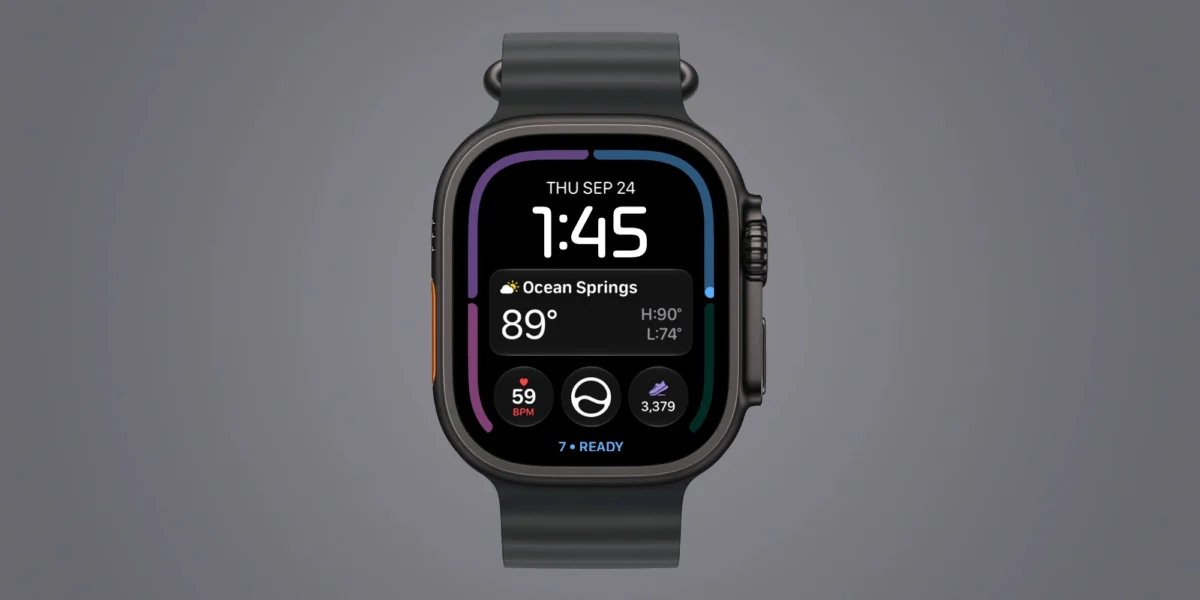
The Apple Watch Ultra series has long been distinguished by its unique display capabilities, specifically its ability to utilize the screen’s bezel for additional data density—a feature that remains largely exclusive to the Ultra line compared to the standard Series models. The introduction of the Readiness bezel option leverages this extra space to provide a non-intrusive yet highly visible health dashboard.
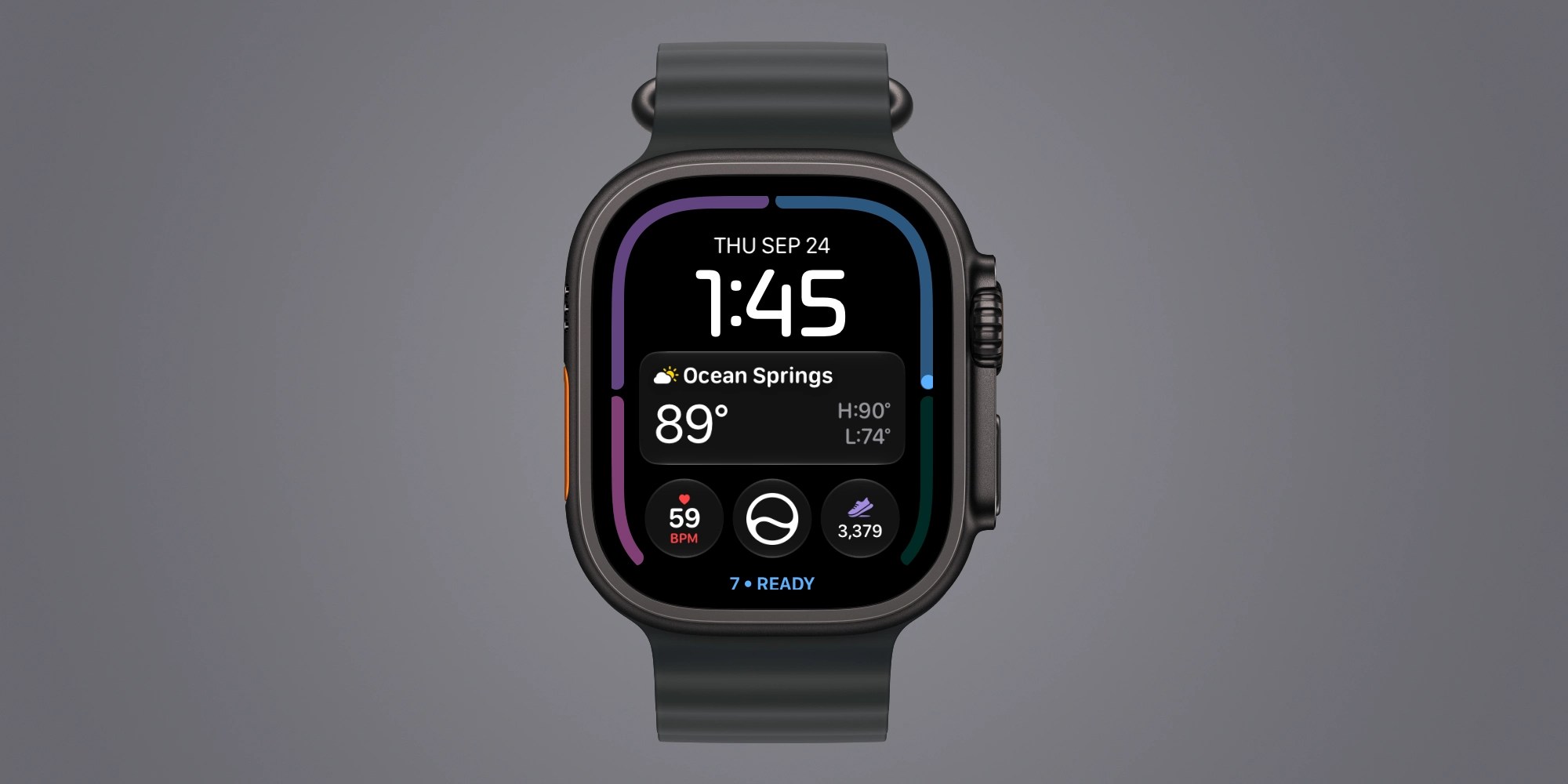
The new configuration displays the numerical Readiness score at the bottom of the watch face, accompanied by a descriptive label. This is complemented by a visual indicator system consisting of four distinct bars that wrap around the edge of the watch face. These bars represent the different categories of readiness, while a small dot serves as a progress indicator, shifting along the edge to show exactly where the user’s current score sits within the broader spectrum of their physical baseline.
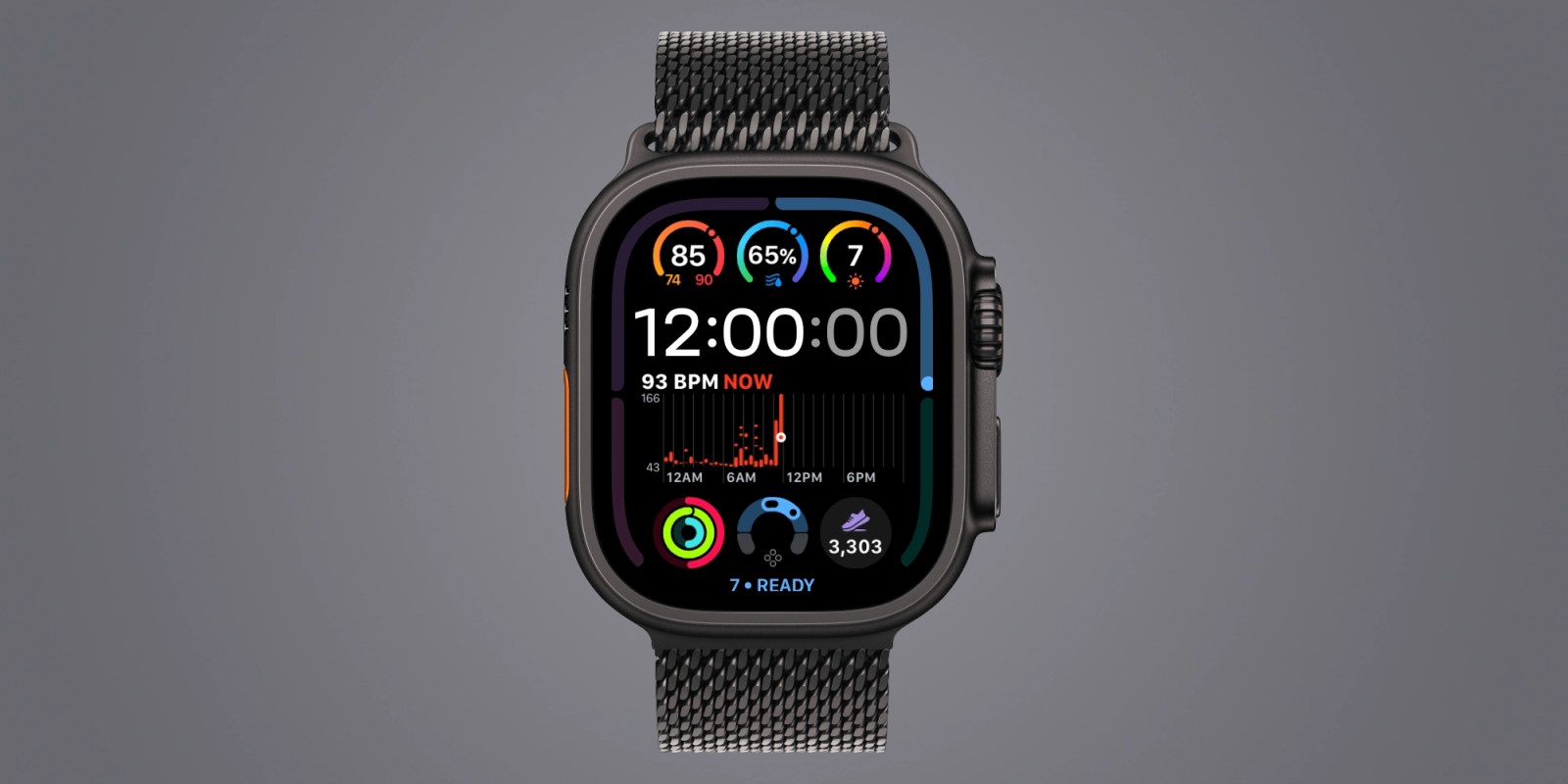
This design choice is particularly effective for high-intensity users—such as marathon runners, mountain climbers, or triathletes—who rely on the Modular Ultra and the newly introduced Siri Modular watch faces. By placing this information on the periphery, users can monitor their recovery status without interrupting their primary data display, such as GPS tracking or elevation maps.
Chronology of the 2026 Wearable Refresh
The announcement of the Apple Watch Ultra 4 follows a multi-year development cycle aimed at closing the gap between consumer wearables and clinical-grade health monitors. The timeline of this transition reflects Apple’s iterative approach to health:
- 2024–2025: Apple began laying the groundwork by expanding the depth of sleep tracking and introducing more advanced temperature sensing. During this period, developers worked to refine the algorithms that correlate HRV with physical fatigue.
- Early 2026: Beta testing for watchOS 27 hinted at a more aggressive "all-day" health monitoring approach, with reports surfacing about a "Readiness" metric designed to compete with industry-standard recovery trackers.
- September 2026: The official launch of the Apple Watch Series 12 and Apple Watch Ultra 4 cemented these features, with the Readiness app serving as a flagship component of the software update.
Broader Implications for Fitness and Well-being
The implementation of a dedicated Readiness bezel is not merely an aesthetic choice; it reflects a fundamental shift in how wearable technology aims to influence human behavior. By making the Readiness score a permanent fixture on the watch face, Apple is encouraging users to view health as a 24-hour cycle rather than a series of isolated exercise sessions.
From a physiological perspective, the implications are significant. Overtraining syndrome, which affects many amateur and professional athletes, is often the result of ignoring early warning signs like elevated resting heart rate or suppressed HRV. By placing these metrics front and center, the Apple Watch Ultra 4 empowers users to adjust their training intensity based on objective data. If the watch reports a low readiness score, a user might choose to swap a high-intensity interval training session for a restorative yoga session or a rest day.
Market Response and Strategic Positioning
Industry analysts have noted that this move aligns with a growing consumer demand for "preventative" technology. The Apple Watch has long been recognized for its role in emergency detection—such as Fall Detection and Crash Detection—but the focus on readiness signals a desire to position the device as a daily wellness coach.

Competitors have historically held a lead in recovery-centric data, but Apple’s integration of these metrics directly into the watch face via the Ultra 4’s bezel configuration offers a unique user experience. The ability to customize the watch face with the Readiness configuration, alongside existing options like compass headings, altitude, and weather, allows for a high degree of personalization that appeals to the "prosumer" demographic.
Technical Limitations and Future Directions
While the Readiness feature is a powerful tool, it is not without its requirements. For the Readiness score to be accurate, the device requires consistent wear, particularly during sleep. Users who do not wear their watch overnight will find the algorithm’s efficacy diminished, as the overnight vital signs provide the baseline necessary to interpret daytime fluctuations.
Apple has emphasized that the Readiness score is a guide, not a medical diagnosis. The company continues to advise that users should consult with medical professionals if they notice persistent anomalies in their vitals. However, the move to incorporate this data into the watch’s primary interface demonstrates a high degree of confidence in the underlying biometric sensors and the software’s ability to interpret them.
A New Standard for Rugged Wearables
As the Apple Watch Ultra 4 becomes more widely available, the Readiness bezel configuration is expected to become a staple feature for active users. By bridging the gap between raw data and actionable advice, Apple is continuing to define the trajectory of the wearable market. The integration of this feature on the Siri Modular and Modular Ultra faces ensures that users can access their most critical health data with a simple glance, reinforcing the device’s role as an essential companion for those who demand both performance and insight from their technology.

In conclusion, the addition of the Readiness bezel option to the Apple Watch Ultra 4 is a testament to the maturation of the platform. It takes complex, multi-variable health data and translates it into an intuitive, visual format that respects the user’s need for efficiency. As the industry moves toward more personalized health management, features like this will likely set the standard for how consumers interact with their own physiological data in the years to come.