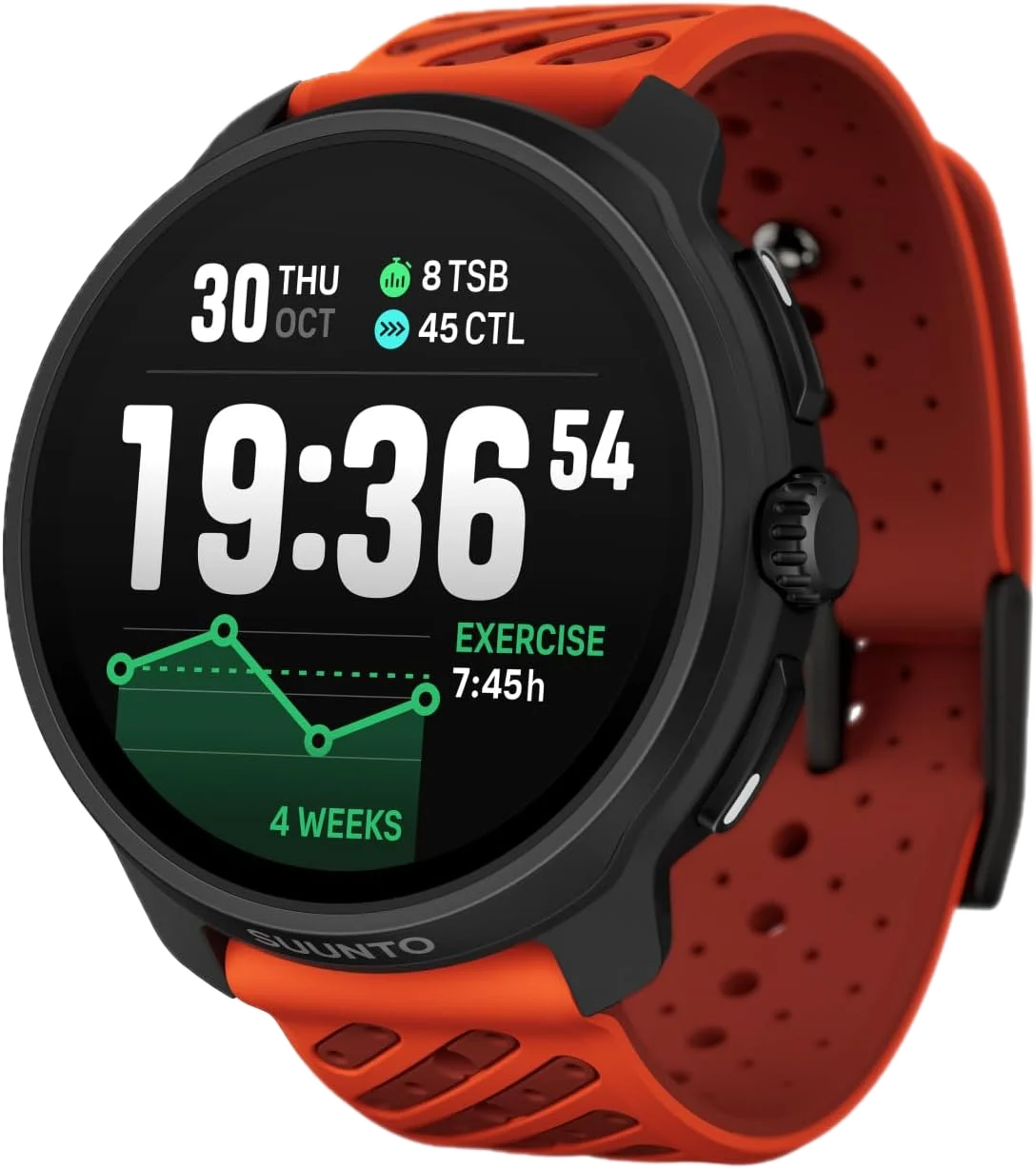
The Finnish sports watch manufacturer Suunto has officially released its highly anticipated Q2 software update, introducing a comprehensive suite of features designed to enhance navigation, training precision, and the overall user experience across its digital ecosystem. This latest rollout encompasses significant firmware upgrades for the company’s premier hardware—the Suunto Race 2 and Suunto Vertical 2—while simultaneously delivering platform-wide enhancements to the Suunto mobile application. This update marks a continuation of the brand’s commitment to a quarterly release cadence, a strategy that has become increasingly standard within the competitive multisport and outdoor wearable industry.
Strategic Shift in Hardware Support
A notable aspect of the Q2 update is its focus on the most recent additions to the Suunto lineup. Unlike previous years, where Suunto gained a reputation for extending new features to legacy models, this specific firmware release is restricted to the Suunto Race 2 and Suunto Vertical 2. Both devices were launched within the last twelve months, representing the current pinnacle of Suunto’s engineering and processing capabilities.
Industry analysts suggest that this shift reflects the increasing hardware requirements of modern mapping and data-processing features. By focusing on the latest generation of hardware, Suunto aligns its strategy more closely with competitors like Garmin and Wahoo, who often reserve the most resource-intensive software features for their newest chipsets. This stands in contrast to COROS, which recently made headlines for providing firmware updates to previous-generation units as far back as their 2026 June update. For Suunto users, this indicates a potential transition toward a "model-year" software lifecycle, where the most advanced features are optimized for the latest processors and memory configurations.
Advanced Mapping and Navigation Enhancements
The centerpiece of the firmware update involves a significant overhaul of the on-device mapping capabilities. Navigation has long been a cornerstone of Suunto’s value proposition, particularly for trail runners, mountaineers, and explorers. The Q2 update introduces several "quality-of-life" improvements to the offline map interface:
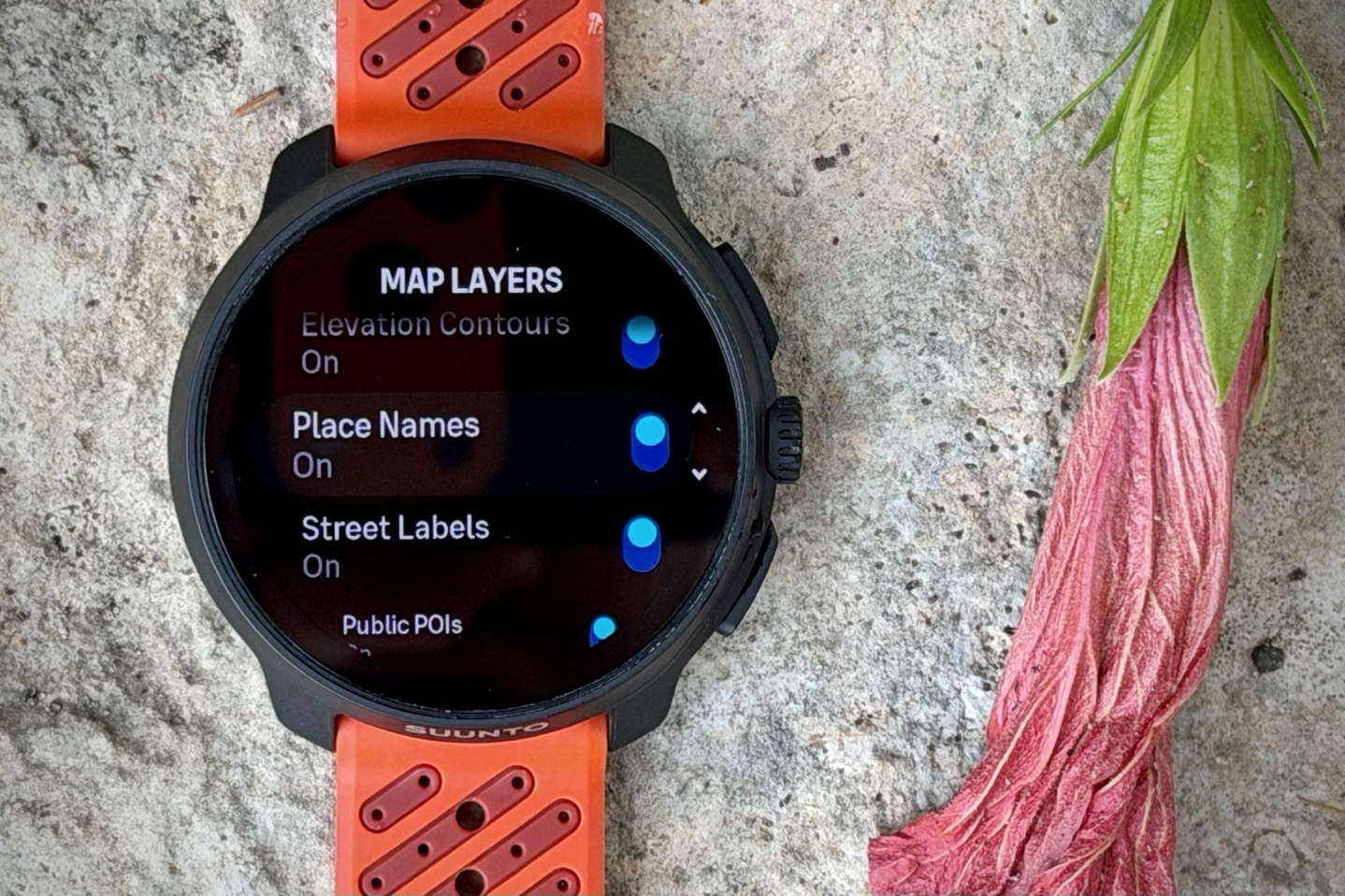
- Layer Selection and Customization: Users now have the ability to toggle various map layers directly from the watch interface. This includes the option to enable or disable contour lines, place names, street labels, and Points of Interest (POI) listings. This level of customization allows athletes to declutter their screen during high-intensity activities or enhance detail when navigating complex terrain.
- Topographic Labels: To improve situational awareness, the maps now feature clearer labeling for water features and mountain peaks. This helps users identify landmarks more effectively without needing to refer back to a smartphone or paper map.
- Expanded Route Storage: Addressing a long-standing request from the Suunto community, the update dramatically increases the on-device route storage capacity. Previously capped at a relatively restrictive 15 routes, the Suunto Race 2 and Vertical 2 can now store up to 200 routes. This change is particularly beneficial for long-distance trekkers or athletes who travel frequently and require a diverse library of courses without constant synchronization.
Performance Tracking and Environmental Data
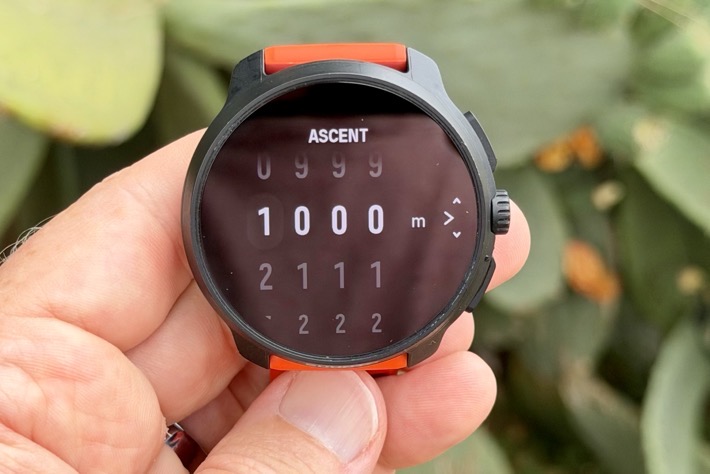
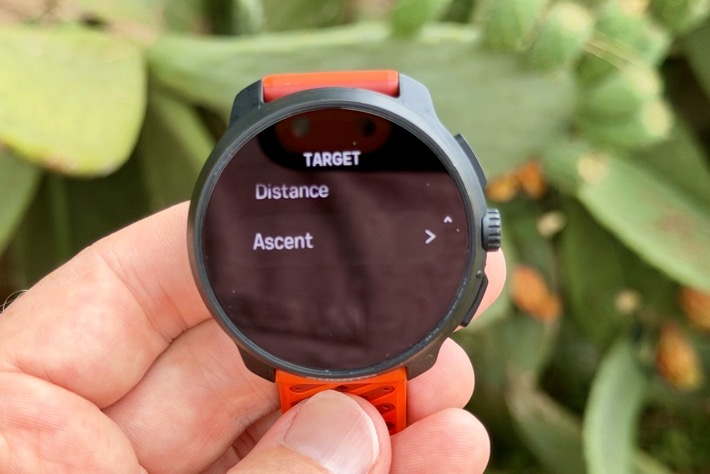
Beyond navigation, Suunto has introduced new metrics aimed at specialized training and environmental awareness. The addition of a vertical gain training target allows athletes to set specific ascent goals in vertical meters. This is a critical tool for mountain runners and cyclists training for high-altitude events, where elevation gain is often a more relevant metric than flat-ground distance.
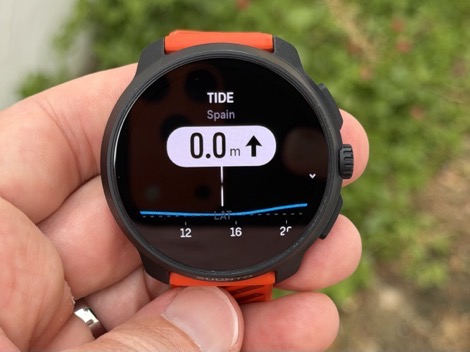
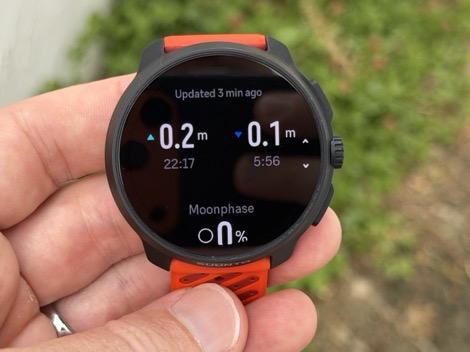
The update also introduces a dedicated Tides Forecast feature. This tool pulls tidal data from the Suunto app and synchronizes it to the watch, providing high and low tide timings for the user’s current location. While some competitors maintain a local, offline database for global tides, Suunto’s implementation relies on proximity to a smartphone for updates. This ensures the data is current, though it requires users to be mindful of their last sync location. For maritime enthusiasts and coastal runners, this provides an essential safety layer, though experts note that users should ensure the watch has updated to their specific coastal coordinates to avoid discrepancies between distant geographic points.
To streamline the user experience, Suunto has also implemented QR code pairing, simplifying the initial setup process between the watch and the mobile app. Furthermore, the synchronization speed for SuuntoPlus apps has been increased through data compression, reducing the time users spend waiting for third-party integrations to load onto their devices.
Ecosystem and Mobile Application Updates
The Suunto mobile app, which serves as the central hub for data analysis and route planning, has received its own set of enhancements. These updates are designed to improve the visual representation of terrain and increase the social utility of the platform.
A new shading option has been added to the 3D map view within the app. By highlighting steep sections and topographical variations, this feature allows for more intuitive route planning and post-activity analysis. Additionally, Suunto has introduced a "City Map" view, which renders buildings with 3D styling. This is aimed at urban runners and cyclists who navigate dense metropolitan environments.
Social sharing has also been prioritized. The update includes new sharing overlays and backgrounds, allowing users to superimpose performance data—such as power output, distance, and heart rate—onto photos or map segments before sharing them with friends or on social media platforms. The profile section of the app has also been reorganized to prominently display personal records and digital badges, fostering a sense of achievement and community engagement.
Specialized Updates for the Suunto Ocean
In addition to the general multisport updates, Suunto has released a specific set of features for the Suunto Ocean, the brand’s premium dive and sports watch. These updates move the Suunto Ocean closer to the capabilities of the company’s dedicated dive computers, such as the EON series.
Key dive-specific updates include:
- CCR Mode: The addition of Closed Circuit Rebreather (CCR) support allows technical divers to use the Ocean for more complex underwater expeditions.
- Multi-Tank Pod Support: Divers can now monitor multiple gas sources simultaneously, a necessity for technical or decompression diving.
- Enhanced Dive Metrics: New Time-to-Surface (TTS) values and support for heart rate belts during dives provide a more comprehensive view of physiological strain and safety margins underwater.
Analysis of Implications and Market Context
Suunto’s decision to maintain a strict quarterly release schedule is a clear signal to the market that the company is prioritizing software agility. In the modern wearable market, the value of a device is no longer determined solely at the point of purchase; rather, it is defined by the "software tail"—the frequency and quality of updates provided over the product’s lifespan.
The exclusion of the original Suunto Race and the Suunto Race S from this specific update cycle has sparked discussion among the user base. While these models received updates as recently as April, their omission from the Q2 firmware rollout suggests a tiered approach to feature distribution. For consumers, this highlights the importance of hardware specifications when choosing a device intended for long-term use. The Suunto Vertical 2 and Race 2, equipped with more robust internals, appear to be the primary vehicles for Suunto’s most ambitious software innovations moving forward.
From a competitive standpoint, Suunto is successfully narrowing the feature gap with industry leader Garmin. While Garmin still holds an advantage in terms of the sheer breadth of its ecosystem (including features like music storage and contactless payments across more models), Suunto’s focus on high-quality mapping, superior build materials, and a simplified user interface appeals to a core demographic of outdoor purists.
Timeline of Recent Suunto Developments
To understand the trajectory of these updates, it is helpful to look at Suunto’s recent release history:
- January 2026: Introduction of initial year-start updates, focusing on stability and basic metric refinements for the Vertical and Race series.
- April 2026: A broader update that included the Suunto Race 1 and Race S, introducing new sport modes and minor UI tweaks.
- July 2026 (Current): The Q2 rollout, prioritizing advanced mapping and technical dive features for the flagship Race 2, Vertical 2, and Ocean models.
Conclusion
The Q2 update represents a significant step forward for Suunto, particularly in the realm of navigation and technical utility. By expanding route storage to 200 entries and introducing sophisticated map layer management, Suunto has addressed primary user pain points while reinforcing its position as a leader in the outdoor adventure segment. While the trend toward hardware-exclusive updates may cause some concern for owners of older models, it reflects the broader technological evolution of the industry toward more powerful, data-rich wearables. Owners of the Suunto Race 2 and Vertical 2 are encouraged to update their devices via the Suunto app to access these new features immediately, though the rollout may take several days to reach all global regions.