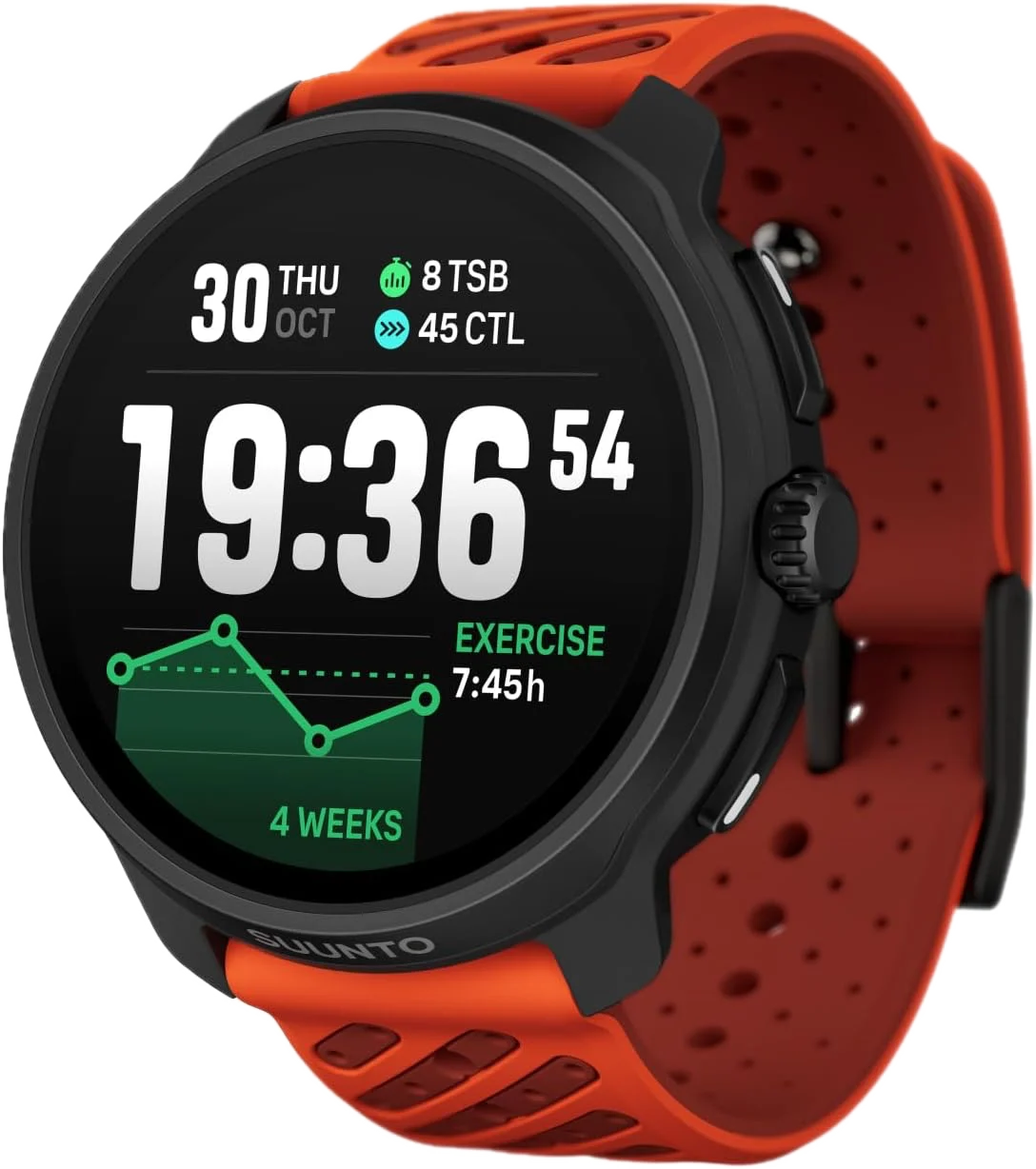
Suunto, the Finnish manufacturer of precision sports watches and dive computers, has officially announced its second-quarter (Q2) software and platform update, introducing a robust suite of new features designed to enhance navigation, training specificity, and user experience. This latest release marks a significant milestone in Suunto’s software development lifecycle, focusing heavily on its flagship hardware—the Suunto Race 2 and Suunto Vertical 2. By delivering a combination of firmware updates for wearable devices and structural enhancements to the Suunto App, the company aims to solidify its position in a highly competitive market dominated by rivals such as Garmin, COROS, and Wahoo.
The Q2 update represents a strategic pivot for Suunto. While the company has historically provided extended software support for older models, this particular rollout is exclusive to the most recent iterations of its high-end performance watches. This move aligns Suunto more closely with the product lifecycle management strategies of Garmin, which often reserves top-tier features for its latest generations, and differs from the approach of COROS, which recently extended firmware updates to its previous-generation units.
Advanced Navigation and Cartography Enhancements
At the heart of the firmware update is a significant overhaul of Suunto’s mapping capabilities. For athletes navigating technical terrain, situational awareness is paramount, and the new updates address several long-standing requests from the outdoor community. The introduction of specific labels for water features and mountain peaks provides users with a more intuitive understanding of their surroundings. Previously, users had to rely on topographical lines and general shapes; the addition of nomenclature directly on the watch face allows for faster orientation during trail running, hiking, and mountaineering.
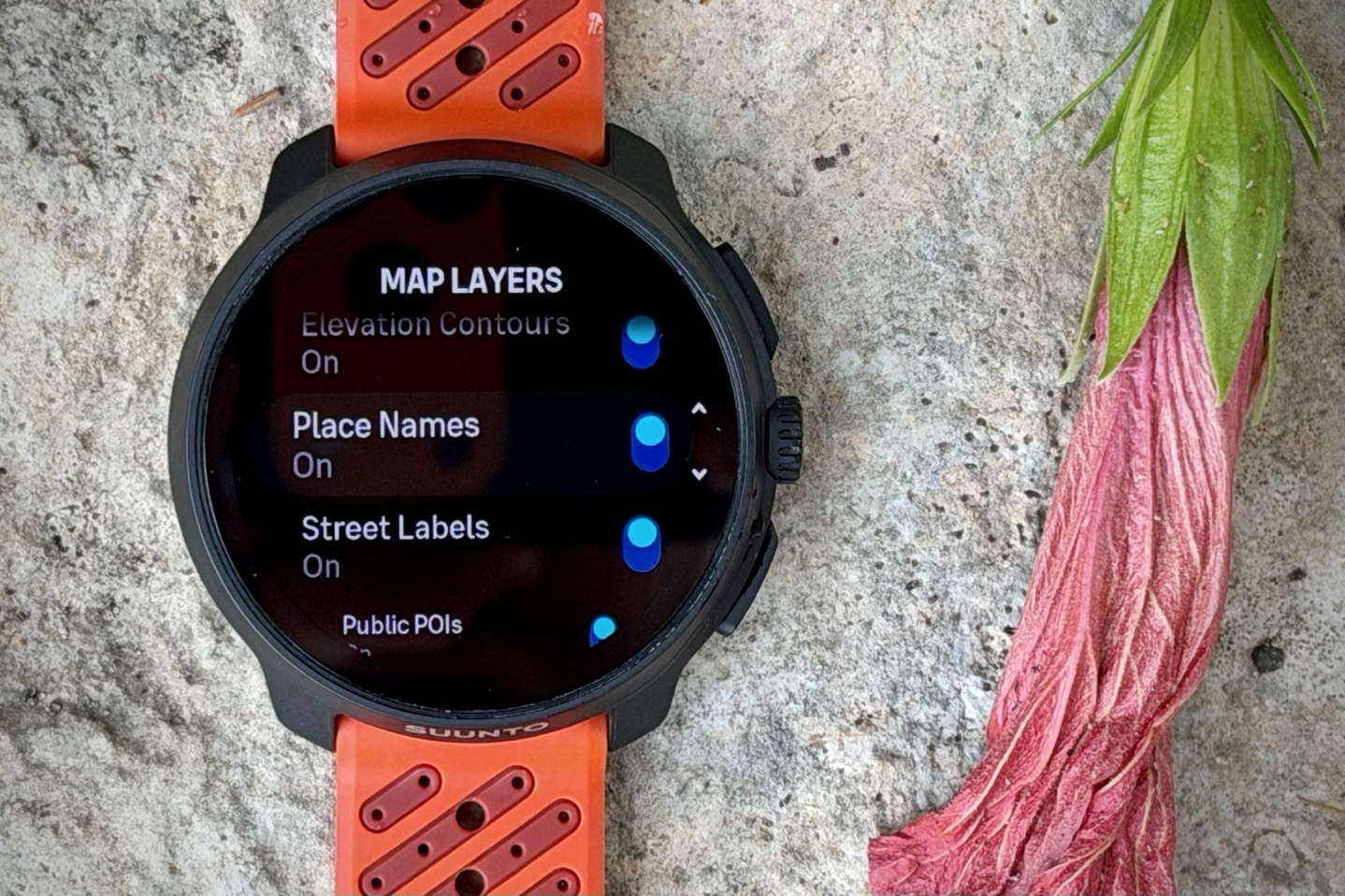
Furthermore, Suunto has introduced a map layer selection option. This feature allows users to customize their view by toggling specific data sets, including contour lines, place names, street labels, and Points of Interest (POI) listings. This level of granularity is particularly beneficial for users operating in diverse environments, such as urban runners who require street names or backcountry explorers who prioritize topographical relief and contour intervals. By allowing users to de-clutter the screen or add specific layers as needed, Suunto enhances the utility of the AMOLED display on the Race 2 and the high-contrast MIP display on the Vertical 2.
Expanding Storage and Training Metrics
One of the most notable technical improvements in the Q2 update is the dramatic expansion of route storage. Suunto has increased the capacity from 15 routes to 200 routes per device. For endurance athletes, ultra-runners, and bikepackers who frequently travel to new locations or maintain a vast library of training paths, the previous 15-route limit was a significant bottleneck. This upgrade removes a major friction point in the user experience, allowing for a more seamless transition between varied training environments without the need for constant synchronization and deletion via the smartphone app.
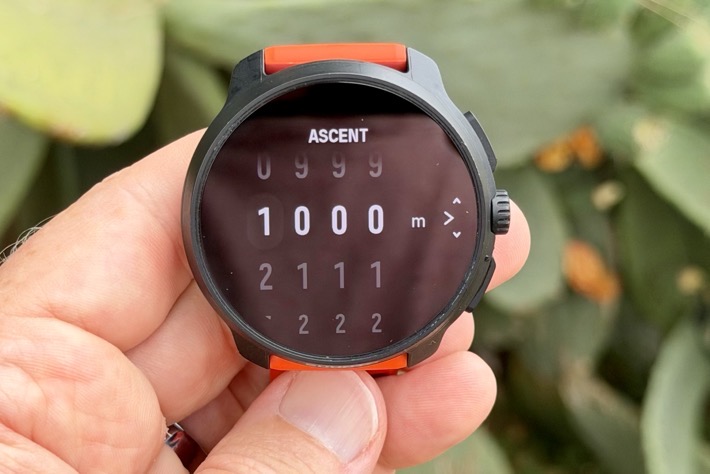
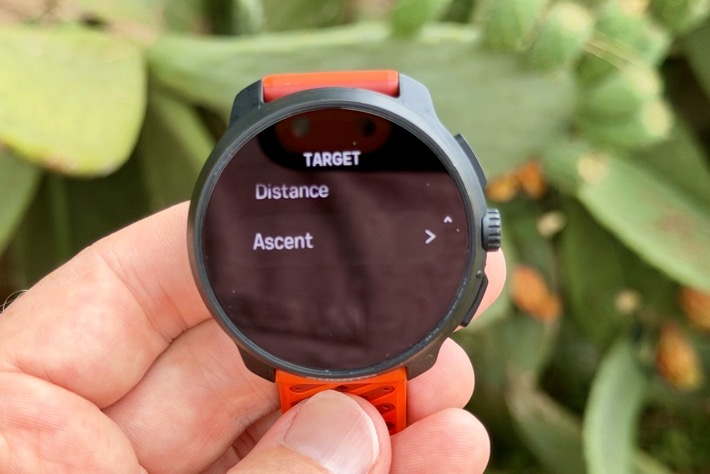
In addition to storage improvements, Suunto has introduced a new vertical gain training target. This feature allows athletes to set specific ascent targets in vertical meters for a given workout. For mountain athletes training for races with high elevation profiles—such as the Ultra-Trail du Mont-Blanc (UTMB) or peak-bagging expeditions—having a real-time progress bar for vertical gain is a critical metric that assists in pacing and effort management.
Environmental Awareness: Tides and Forecasts
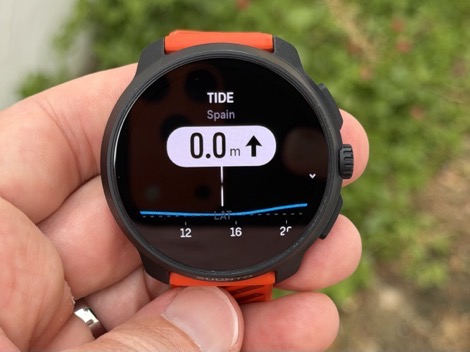
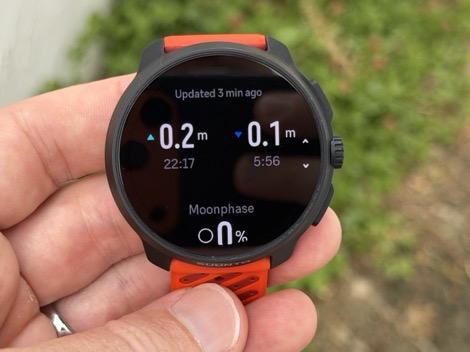
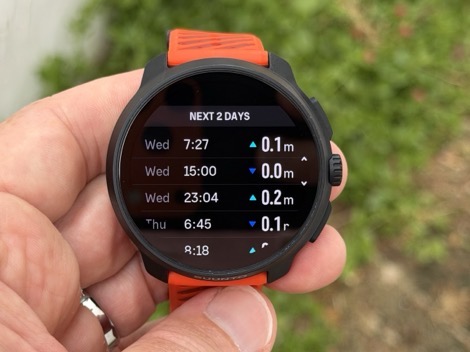
Recognizing the needs of coastal athletes and water sports enthusiasts, the Q2 update introduces a dedicated tides forecast feature. This tool provides users with high and low tide timings directly on their wrist. Unlike some competitors that store a global tide database locally on the watch, Suunto’s implementation utilizes a synchronization method with the Suunto App.
The feature requires the watch to be periodically synced with a smartphone to pull the most recent tidal data for the user’s specific location. While this ensures high accuracy based on the user’s GPS coordinates, it does necessitate proximity to a mobile device for data refreshes. Industry analysts note that this feature is particularly relevant for the "adventure" branding of the Vertical series, catering to surfers, coastal runners, and sailors who must account for shifting water levels in their planning.
Streamlining the User Interface and Ecosystem
Suunto has also focused on the "quality of life" aspects of its ecosystem. The update includes a new QR code pairing option, simplifying the initial setup process for new users or those switching devices. By scanning a code on the watch face with the Suunto App, the pairing process is expedited, reducing the potential for Bluetooth connectivity errors.
Additionally, the company has improved the synchronization speed of SuuntoPlus apps. By implementing data compression for these mini-applications, Suunto has reduced the time it takes for third-party tools and specialized data screens to transfer from the phone to the watch. This technical optimization is part of Suunto’s broader effort to make its platform feel more responsive and modern compared to the often-cumbersome sync times of older wearable technology.
Platform Evolution: The Suunto App Update
The software ecosystem surrounding the hardware has also received substantial upgrades. The Suunto App now features a new shading option within its 3D maps, which highlights steep sections of a route. This visual aid is indispensable for route planning, allowing users to identify "crux" points of a climb or potentially dangerous descents before they set foot on the trail.
A new "City Map" type has also been introduced, featuring 3D styling for buildings. This update targets the urban athlete, providing a more recognizable and aesthetically pleasing interface for city-based activities. On the social front, Suunto has expanded its sharing capabilities. Users can now utilize new overlays and backgrounds when sharing completed activities to social media or the Suunto community. These overlays can display key performance indicators such as power, distance, and heart rate, mirroring a trend popularized by platforms like Strava.
Finally, the profile details section of the app has been redesigned. The new layout emphasizes personal records and badges, tapping into the gamification of fitness that has proven successful in maintaining long-term user engagement.
Specialized Updates for the Suunto Ocean
While much of the Q2 update focused on the Race and Vertical series, Suunto’s specialized dive computer, the Suunto Ocean, also received critical firmware enhancements. These updates are tailored specifically for the diving community and include:
- CCR Mode: The addition of Closed Circuit Rebreather (CCR) mode brings the Ocean in line with Suunto’s professional-grade EON series, making it a viable tool for technical divers.
- Multiple Tank Pod Support: Divers can now monitor multiple gas sources simultaneously, a requirement for advanced decompression diving.
- New TTS Values: Updated "Time to Surface" (TTS) calculations provide more precise safety data during ascent.
- Heart Rate Belt Support: Underwater heart rate monitoring is now supported via compatible chest straps, allowing divers to track physiological strain during a dive.
Chronology and Market Context
Suunto’s release of the Q2 update follows a consistent quarterly cadence that the company established to regain market share. The previous major update occurred in April, which included support for the original Suunto Race and the Suunto Race S. However, the exclusion of those models from this latest Q2 rollout has sparked discussion within the user community.
The Suunto Vertical 1, for instance, received updates in January but was bypassed in April. The current focus on the Race 2 and Vertical 2 suggests that Suunto may be moving toward a hardware-limited software cycle. This is often a result of newer processors and increased memory capacity in the latest models, which are required to handle complex tasks like real-time map layering and 3D rendering.
Analysis of Implications
The decision to limit these features to the newest hardware reflects the broader "hardware-as-a-service" trend in the wearables industry. As software features become more resource-intensive, older chipsets eventually reach a "ceiling" where they can no longer support new functionalities without compromising system stability or battery life.
For Suunto, this update is a double-edged sword. On one hand, it proves the company’s ability to innovate rapidly and provide high-value features that rival Garmin’s "Pro" and "Sapphire" lineups. On the other hand, it risks alienating early adopters of the first-generation Race and Vertical models who may have expected longer software parity.
From a competitive standpoint, the 200-route storage and advanced map layers are direct responses to the "feature wars" currently occurring between Suunto, Garmin, and COROS. By focusing on the "adventure" and "performance" niches, Suunto is reinforcing its identity as a premium tool for serious athletes rather than a general-purpose smartwatch.
Conclusion
The Suunto Q2 update is a comprehensive enhancement of the brand’s high-end portfolio. By addressing specific user pain points—such as route storage limits and map legibility—and introducing sophisticated training tools like vertical gain targets, Suunto continues to evolve its platform. While the shift toward supporting only the latest hardware models marks a change in strategy, the depth of the features provided suggests that Suunto is committed to maintaining its reputation for precision and reliability in the outdoor and endurance sports sectors. Owners of the Suunto Race 2 and Vertical 2 are encouraged to update their devices via the Suunto App to access these new capabilities immediately.