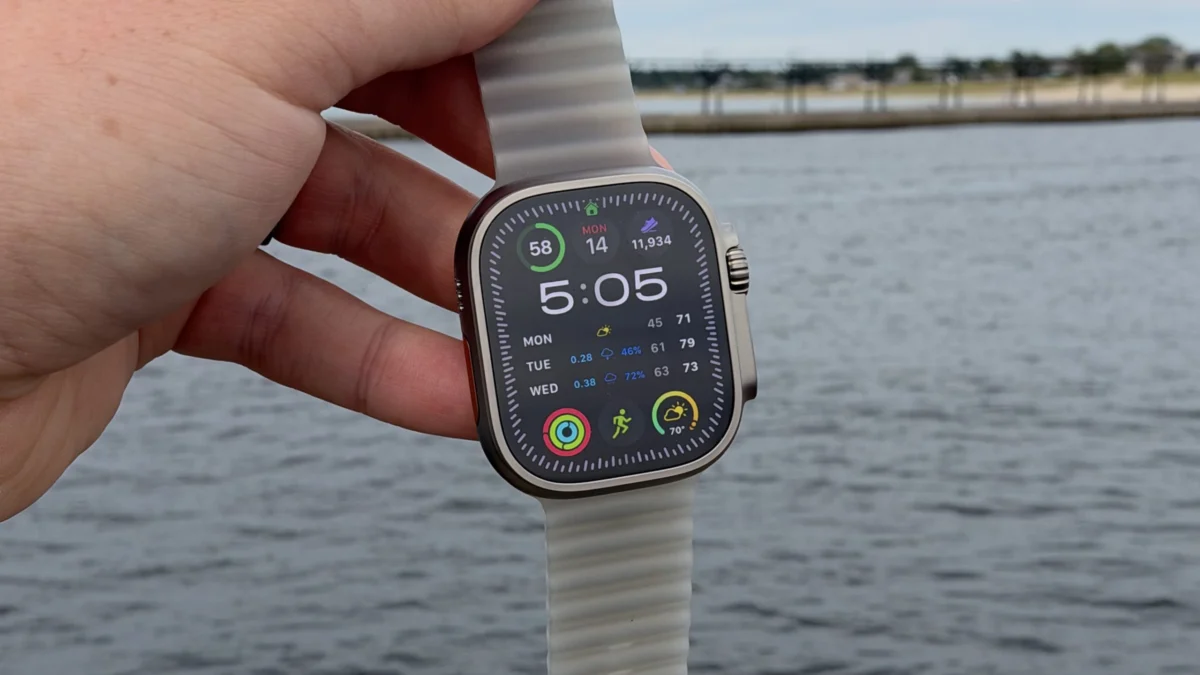
Apple has officially unveiled the Apple Watch Series 12 and the Apple Watch Ultra 4, marking a significant evolution in the company’s wearable technology strategy. While the external aesthetics remain consistent with recent design language, the latest iterations introduce a sophisticated Health Sensing System that represents the most comprehensive internal hardware overhaul in the product line’s history. This launch, which occurred during Apple’s September 2026 event, signals a strategic pivot toward proactive, data-driven health management integrated with advanced on-device intelligence.
Chronology and Development Context
The development of the Series 12 and Ultra 4 reflects a multi-year trajectory in Apple’s focus on health monitoring. Since the introduction of the Series 9 in 2023, which debuted the S9 chip, Apple has consistently refined its focus on the "always-on" capabilities of the wearable. The release of the S11 chip in these new models addresses a two-year period of relative stagnation in processing power, providing the necessary computational headroom to process high-frequency biometric data.
The roadmap for this launch began to materialize in early 2026, with rumors of a "Health Sensing System" circulating among industry analysts. By September 9, 2026, Apple confirmed these expectations, positioning the devices as the core of its broader ecosystem strategy. The introduction of these watches follows the recent announcement of iOS 27.2 and the accompanying overhaul of the Health app, which introduces new metrics such as "Health Age" and a dedicated Longevity tab.
Hardware Innovations and the S11 Architecture
At the heart of both devices is the new S11 processor. This silicon, built on architectural foundations derived from the A20 Pro chip used in the iPhone 18 Pro, is specifically engineered to handle complex machine-learning tasks on-device. A critical component of this upgrade is the doubling of system RAM from 2GB to 4GB, a change that enhances multitasking and app responsiveness.
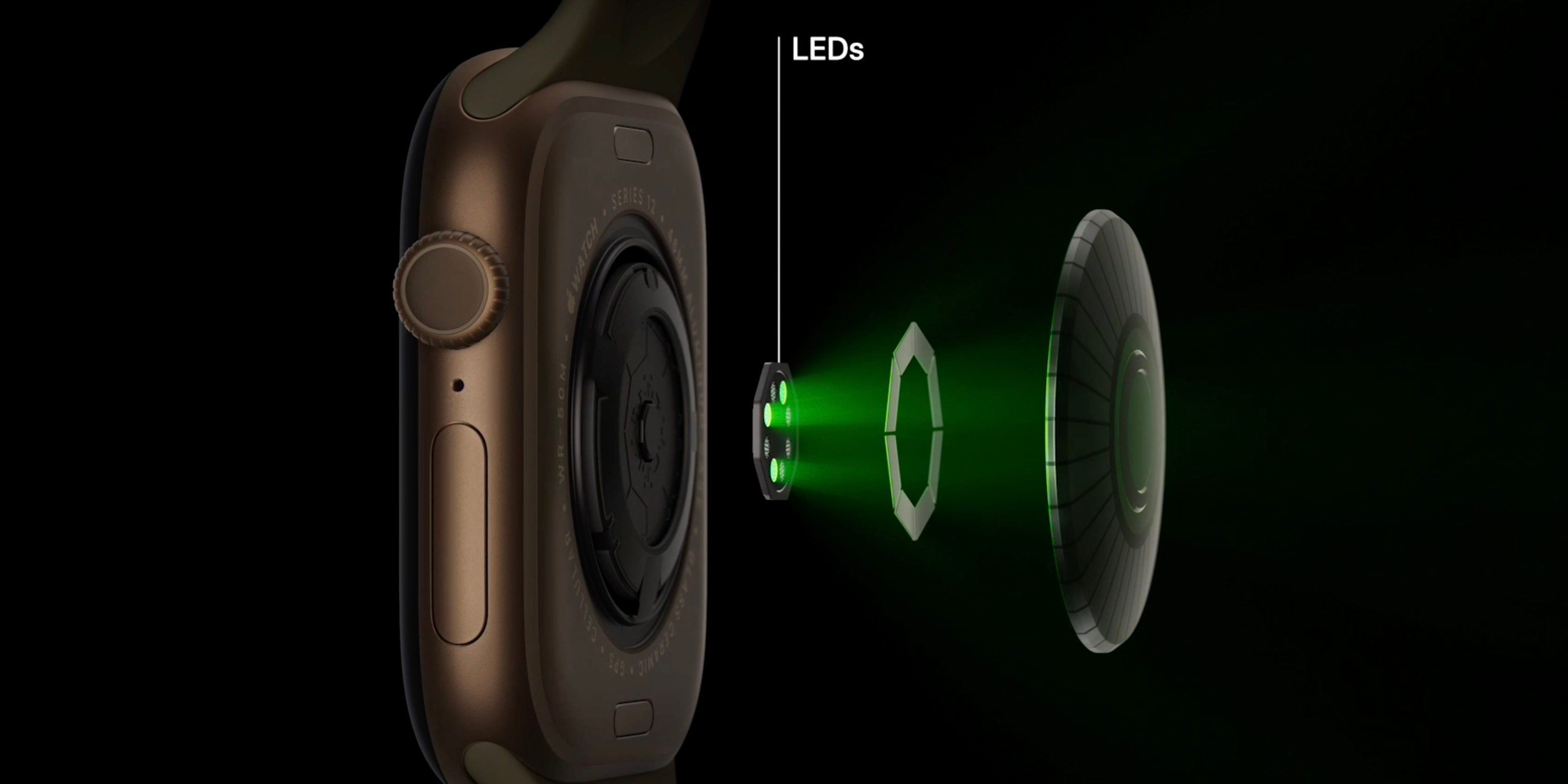
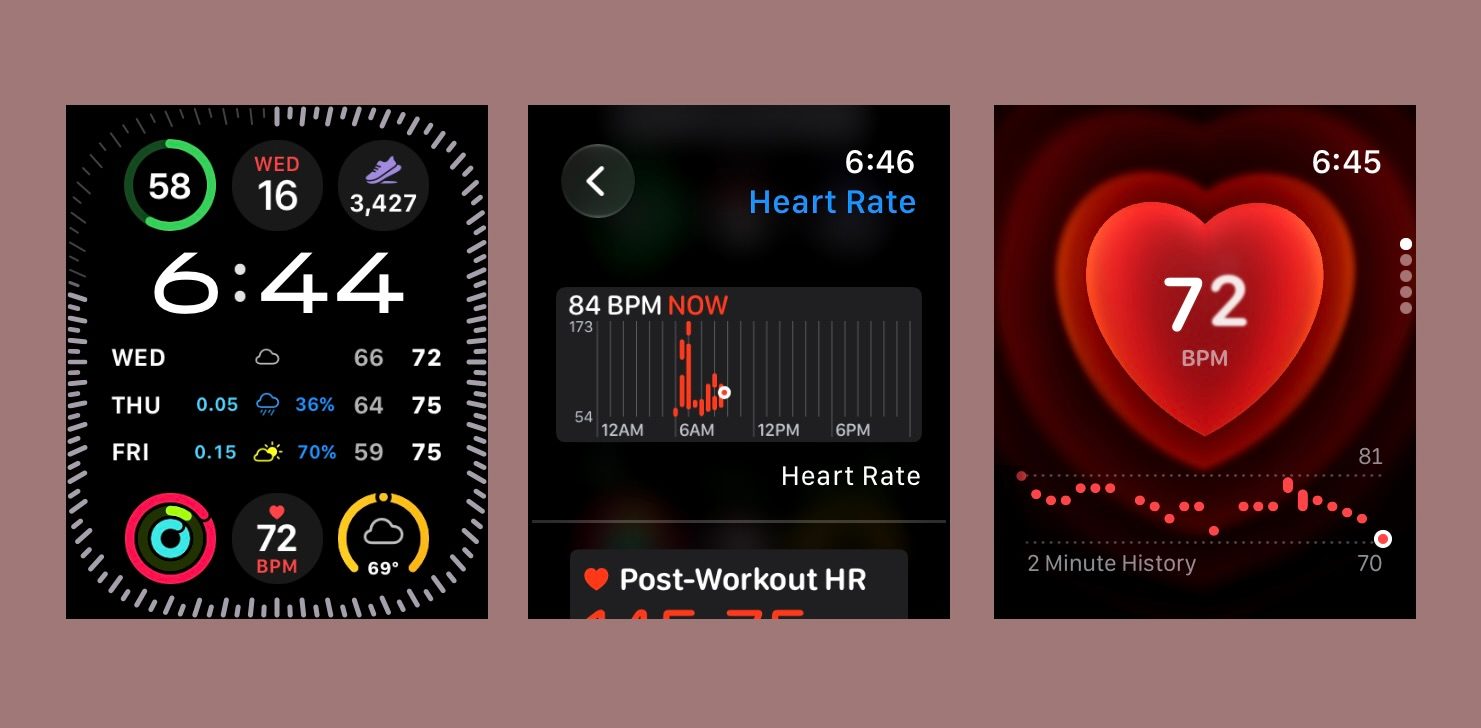
The Health Sensing System itself utilizes a redesigned sensor array capable of sampling heart rate data every five seconds—a dramatic increase over the previous standard of five-minute intervals. This hardware is supplemented by a dedicated always-on processor, which manages background health monitoring without impacting the main system’s performance or power consumption. This architecture also hosts a secure enclave designed for Audio Intelligence features, ensuring that sensitive biometric and audio data remains localized and encrypted.

Data-Driven Health Metrics and the Readiness Score
One of the most notable additions is the "Readiness" score. By aggregating data points including sleep duration, training load, recent activity, and heart rate variability (HRV), the watch provides a holistic snapshot of a user’s physical state. The score, presented on a 0-10 scale, is designed to be dynamic, updating throughout the day as the user engages in various activities or rests.

This feature places Apple in direct competition with specialized health wearables such as Whoop and the Oura Ring. Unlike competitors that often rely on opaque algorithms, Apple has emphasized transparency, allowing users to tap into specific metrics—such as overnight vitals or sleep architecture—to understand exactly what influenced their current readiness score.
The Vitals app has also undergone a functional expansion. It now features a daytime monitoring mode, providing users with real-time context on how stressors or physical exertion affect their cardiovascular state during waking hours. By categorizing metrics into tiers—ranging from "favorable" to "notably off"—the system provides users with actionable insights rather than merely raw data.
Design, Materials, and User Experience
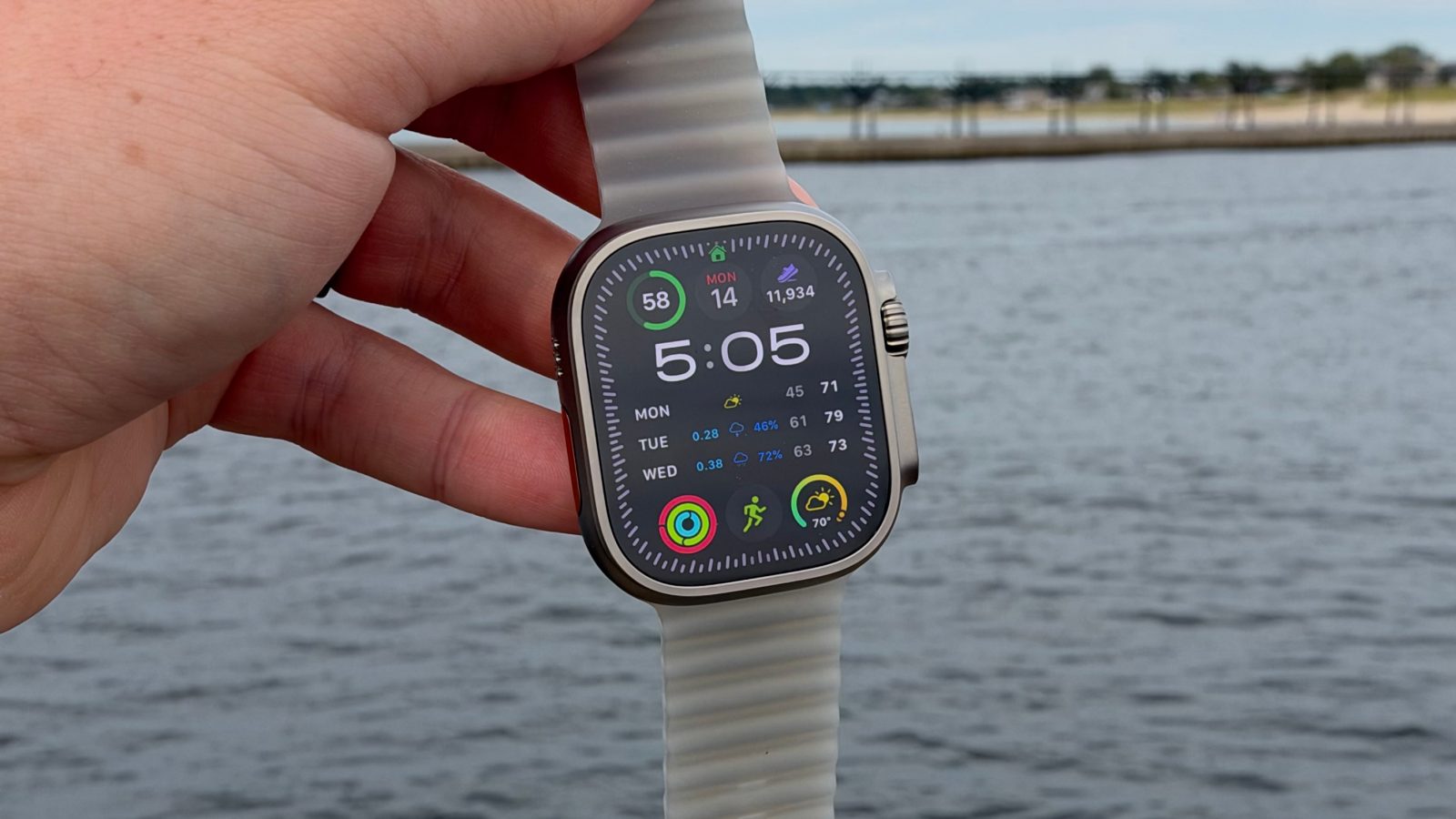
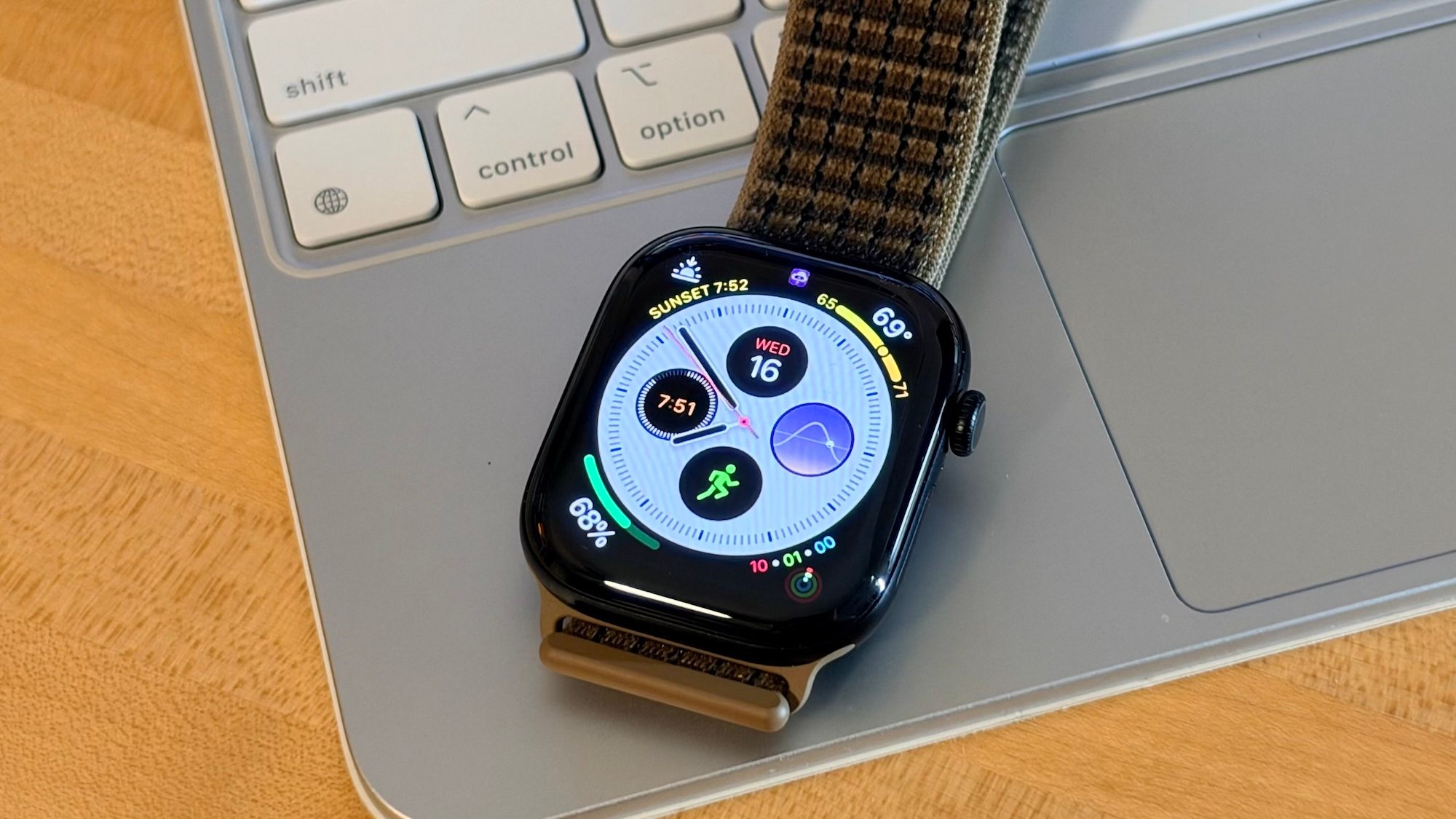
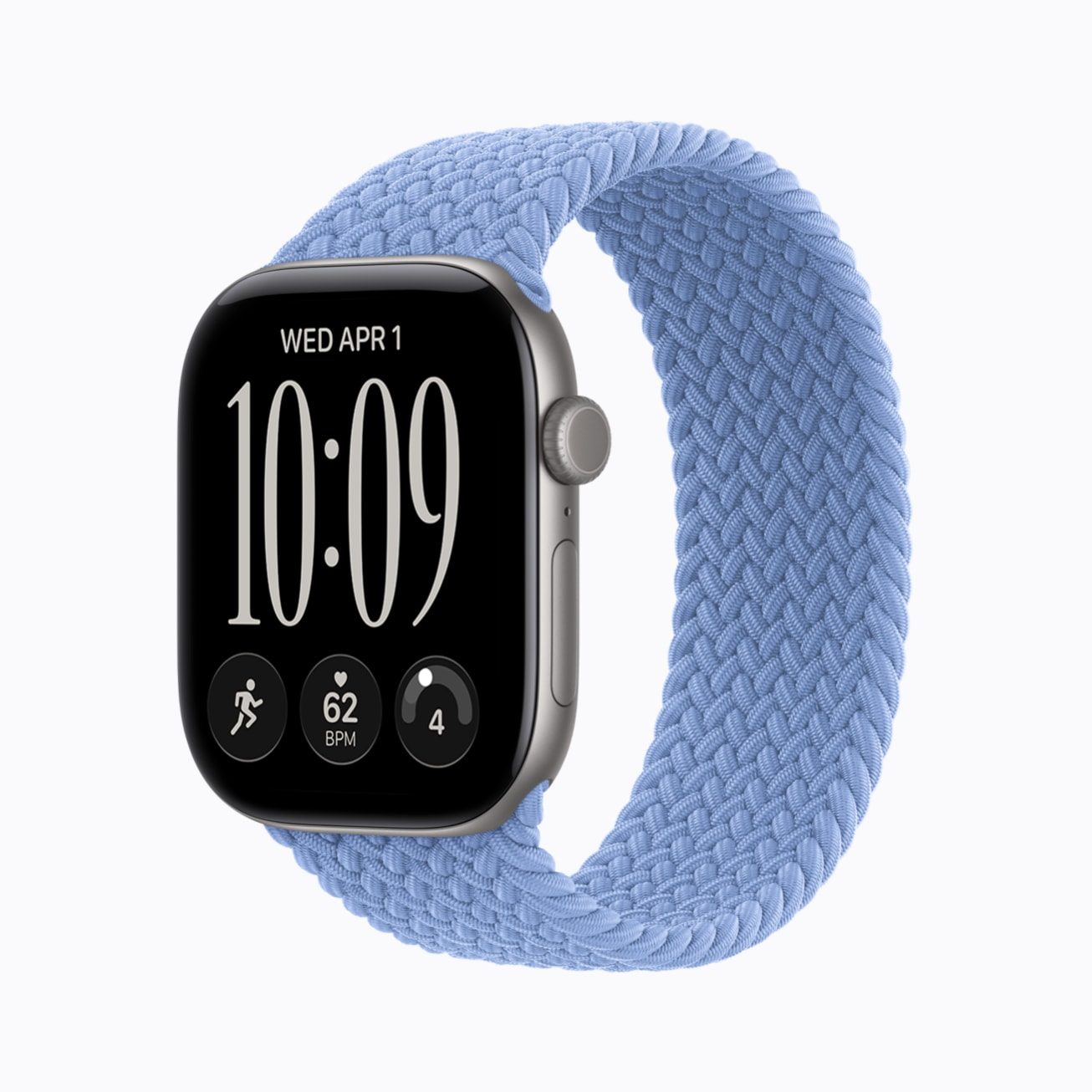
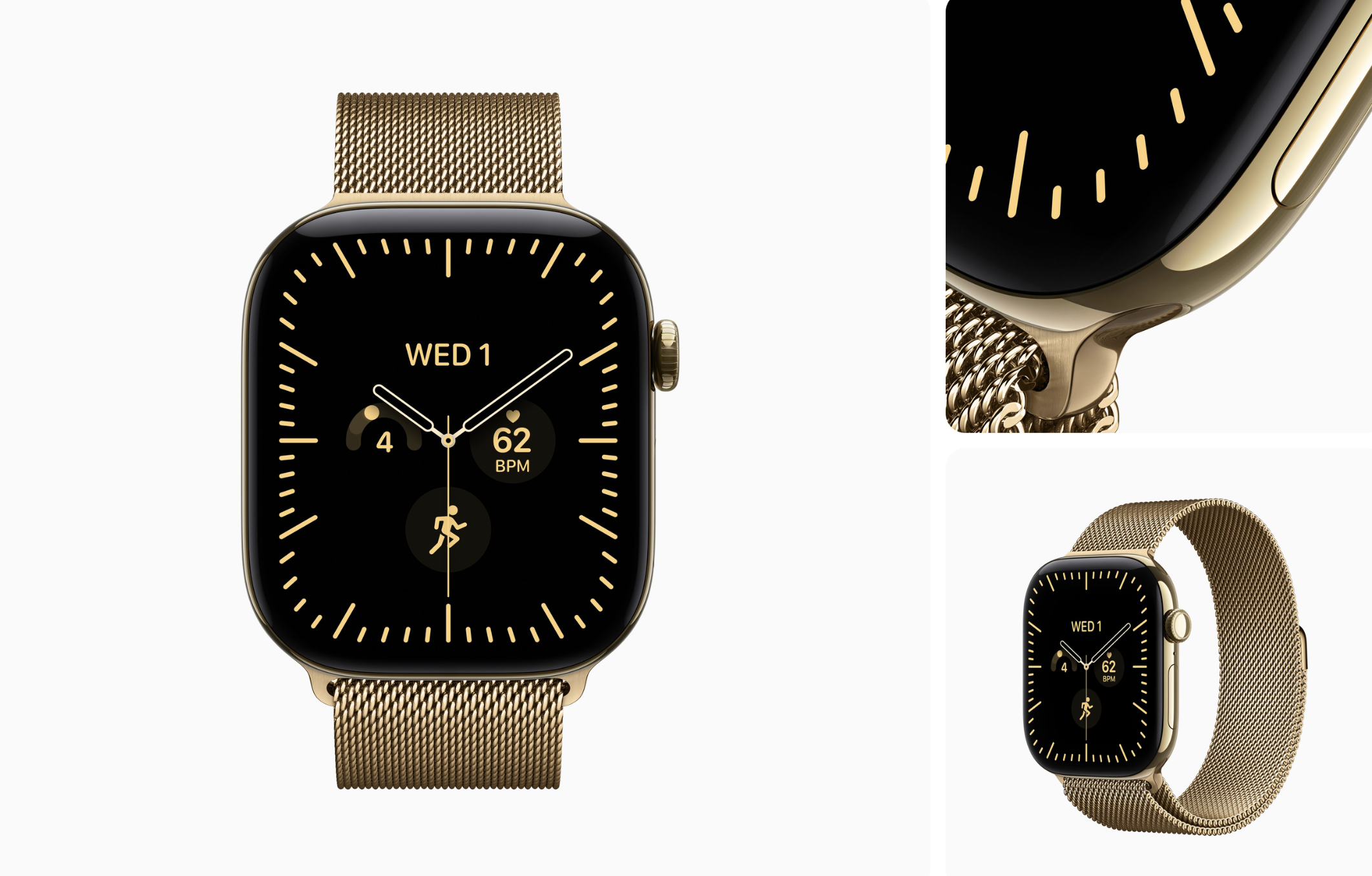
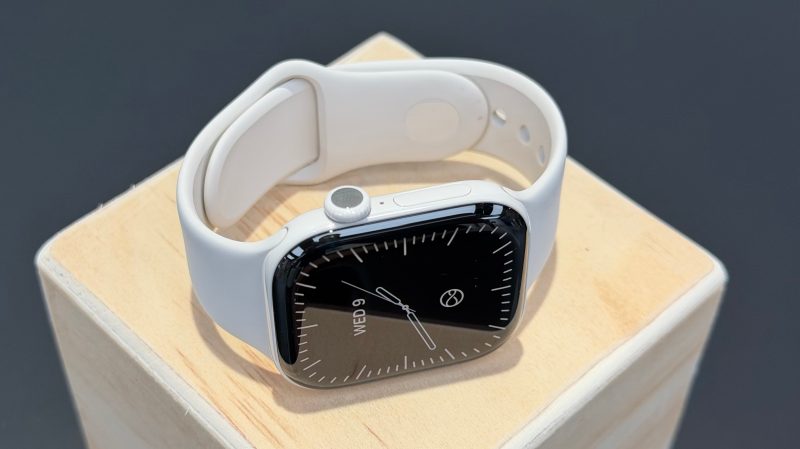
Design-wise, the Series 12 and Ultra 4 maintain the familiar silhouette that has become synonymous with the Apple Watch brand. The Ultra 4 continues to be offered in Natural and Black titanium finishes, catering to the rugged, high-performance segment. The Series 12, however, sees a broader range of material options, including aluminum, titanium, and a return of the premium ceramic casing in Night Blue and Pearl White.
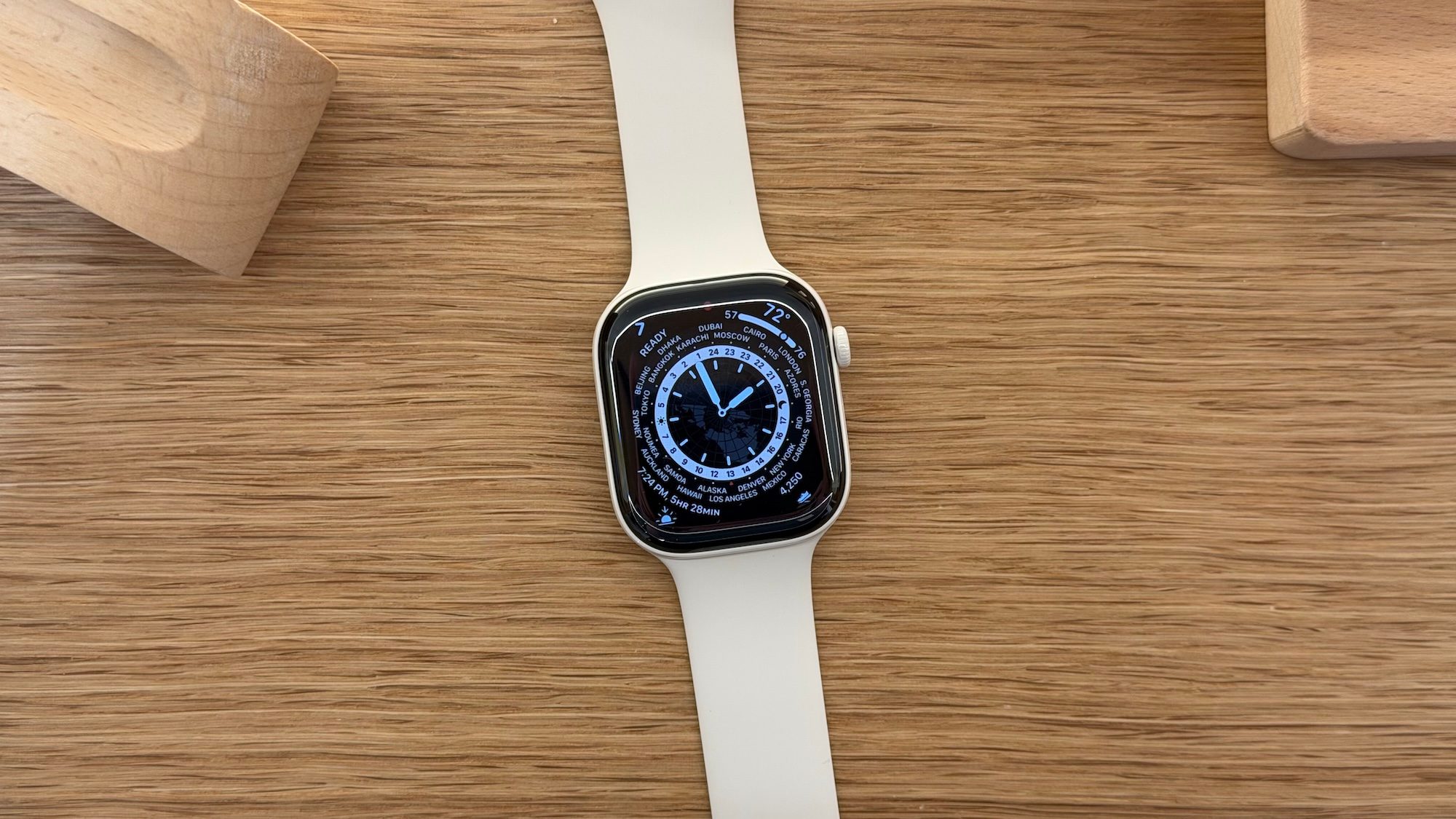
The aluminum models now utilize Ceramic Shield 2 for the display, a material science advancement that increases durability against impact. While the display area of the Series 12 is approximately 2% smaller than the Series 11 to accommodate internal hardware changes, the pixel density remains consistent, and the edge-to-edge design continues to provide high visibility under various lighting conditions.
Battery Performance and Charging Efficiency
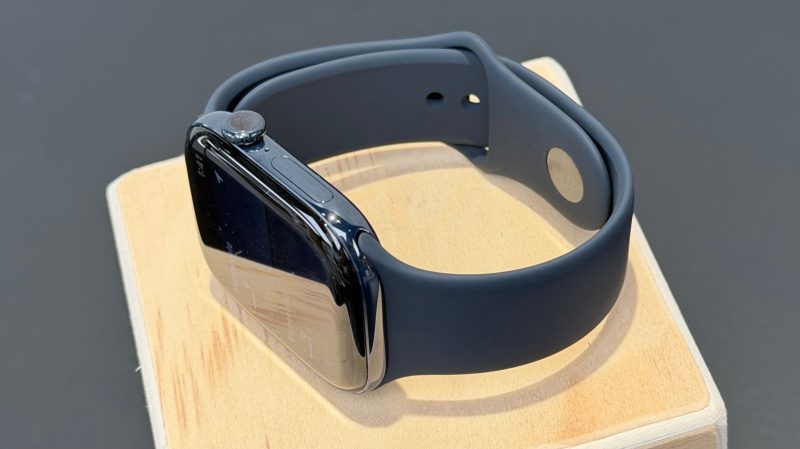
Efficiency is a critical metric for the new hardware. The Series 12 features a high-density battery that, when paired with the S11 chip’s power management, offers extended longevity. More importantly, Apple has prioritized charging speed; the ability to achieve a rapid charge in short durations is essential for users who leverage the watch for overnight sleep tracking. The Ultra 4 continues to set the benchmark for longevity, with independent testing confirming that the device can reliably sustain 48 hours of heavy usage, including continuous biometric tracking and periods of disconnection from the iPhone.
Broader Implications: The AI Wearable Shift
The most significant long-term implication of the Series 12 and Ultra 4 launch is the integration of Audio Intelligence. Later this year, users will receive software updates enabling "Live Rewind" and "Siri Recap." These features represent a paradigm shift in how users interact with their environment. By double-pressing the Digital Crown, users can retrieve text-based summaries of the previous 15 seconds of conversation.
These AI capabilities, powered by the S11 chip’s Neural Engine, are designed with a strict privacy-first mandate. Apple’s technical documentation confirms that audio processing occurs locally on the watch, with no data transmitted to cloud servers. This move solidifies the Apple Watch’s role as an "AI wearable," positioning it not just as a fitness tracker, but as a proactive assistant capable of summarizing information and managing the user’s personal data landscape.
Market Analysis and Strategic Outlook
Industry observers note that the Apple Watch Series 12 and Ultra 4 serve as a bridge between the traditional health-tracking era and the forthcoming era of proactive, AI-integrated health management. By focusing on the "under-the-hood" improvements, Apple is effectively raising the barrier to entry for competitors.
The decision to avoid a radical redesign of the external chassis suggests that Apple is confident in its current form factor and is choosing to prioritize internal technological advancement. For existing users, the transition to the new hardware is most compelling for those currently utilizing models prior to the Series 9. For the broader consumer market, the value proposition has shifted from "what the watch does" to "what the watch knows," as the device becomes increasingly capable of identifying health trends before they manifest as symptomatic issues.
As the ecosystem expands with the upcoming Health app overhaul and the rollout of Siri AI features, the Apple Watch is increasingly positioned as a mandatory component of the Apple user’s health and productivity infrastructure. Whether these changes will fundamentally alter consumer behavior remains to be seen, but the Series 12 and Ultra 4 represent a clear, calculated step toward a more integrated, intelligent future for wearable technology.