The technology sector has long watched Apple refine its flagship smartwatch lineup, but the introduction of the Apple Watch Ultra 4 marks a significant departure from iterative hardware updates. Positioned as the most substantial internal overhaul the Apple Watch architecture has experienced in several years, the Ultra 4 introduces advanced optical heart rate sensing, localized audio intelligence capabilities, and a dynamic daily Readiness score system. Running alongside its sibling device, the Apple Watch Series 12, the Ultra 4 attempts to bridge the gap between high-end smartwatch utility and elite endurance sports tracking. Industry observers note that this release arrives at a critical juncture for wearable technology, as consumers increasingly demand deeper physiological insights and longer battery parameters without sacrificing daily connectivity features.

Hardware Architecture and Power Performance
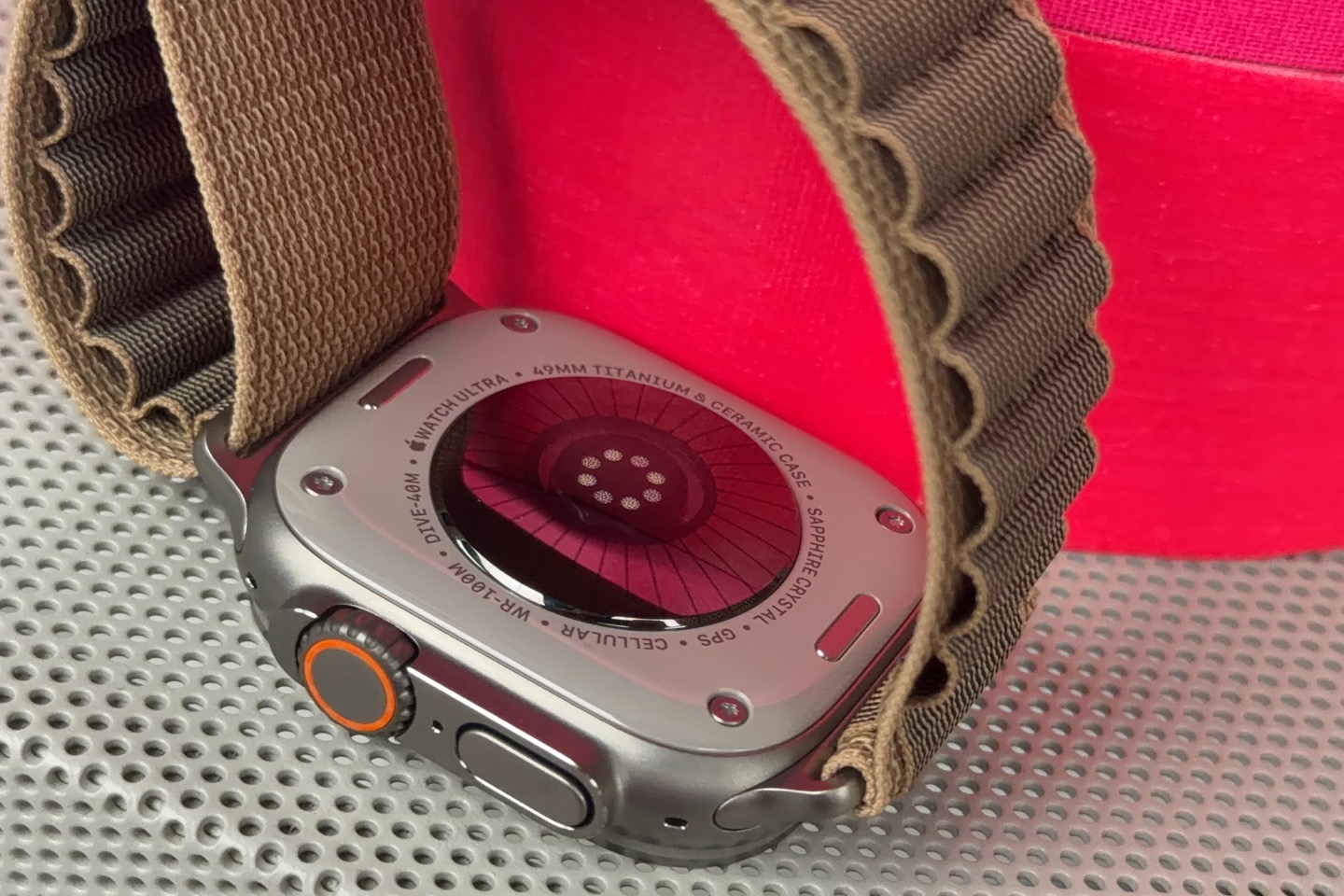
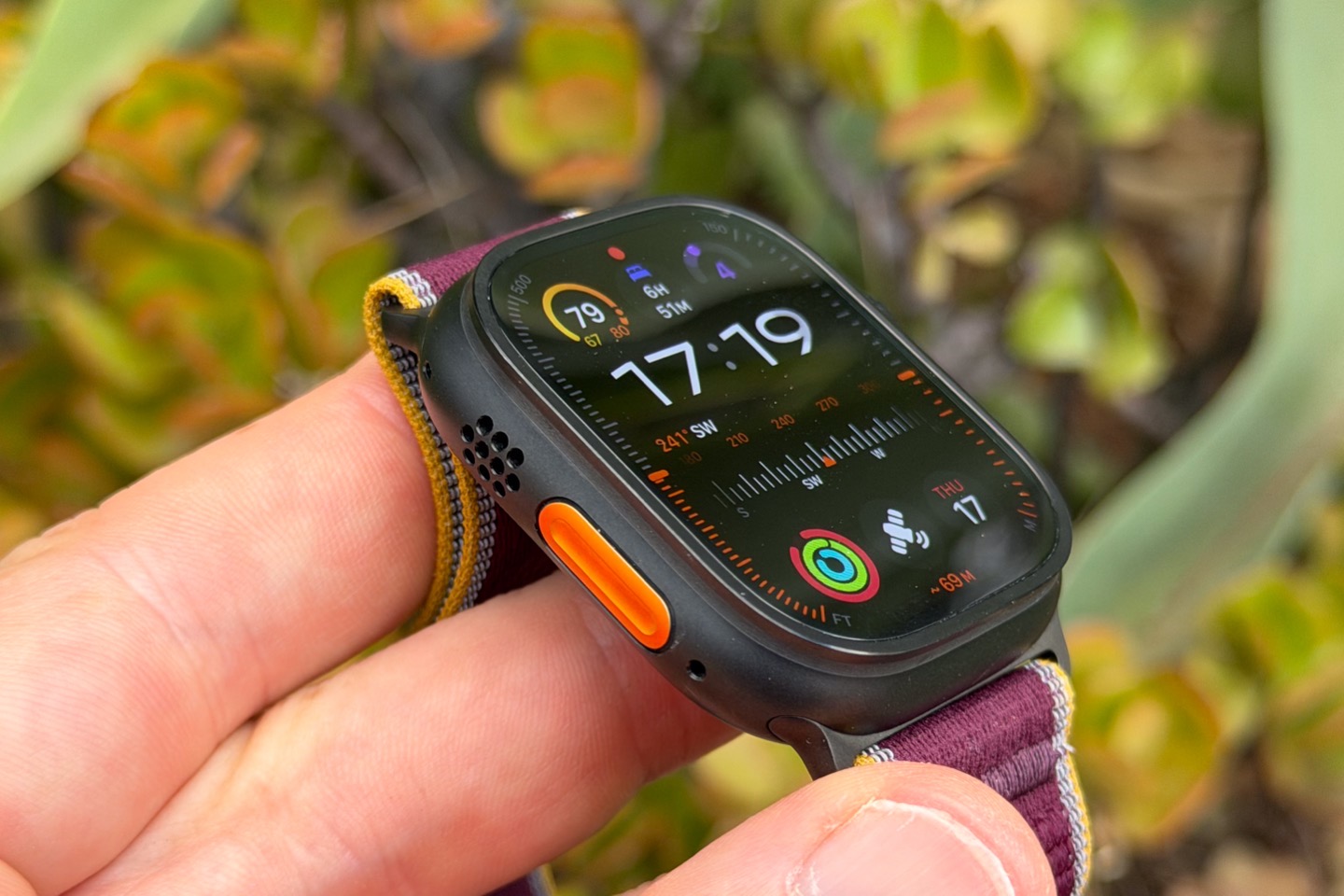
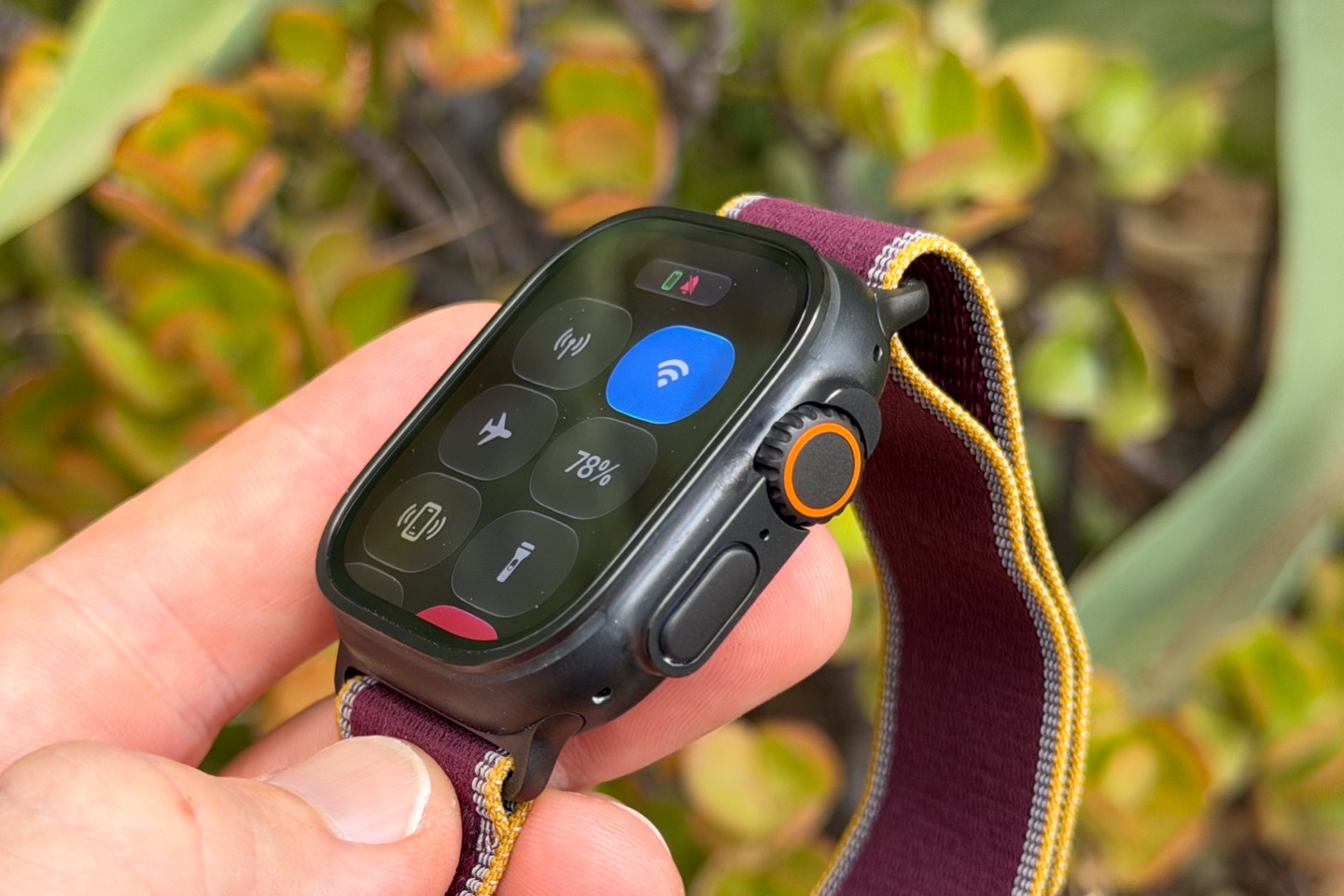
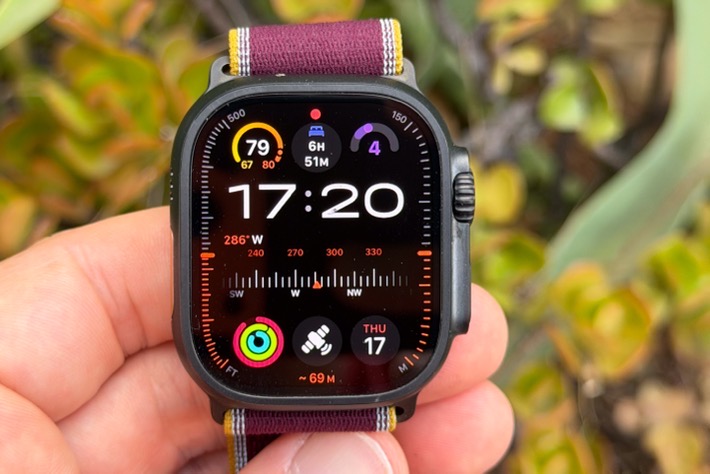
At the core of the Apple Watch Ultra 4 is the new S11 chipset, which incorporates architectural advancements derived from the A20 Pro chips found in the iPhone 18 Pro lineup. This silicon upgrade facilitates a dedicated secure audio processing exclave, laying the foundational hardware layer necessary for on-device Audio Intelligence features. Externally, the Ultra 4 retains the rugged aesthetic of its predecessors, featuring a robust titanium chassis, available in core black and silver finishes, and a 1.98-inch sapphire crystal display capable of a peak outdoor brightness of 3,000 nits while dynamically scaling down to 1 nit in low-light environments.
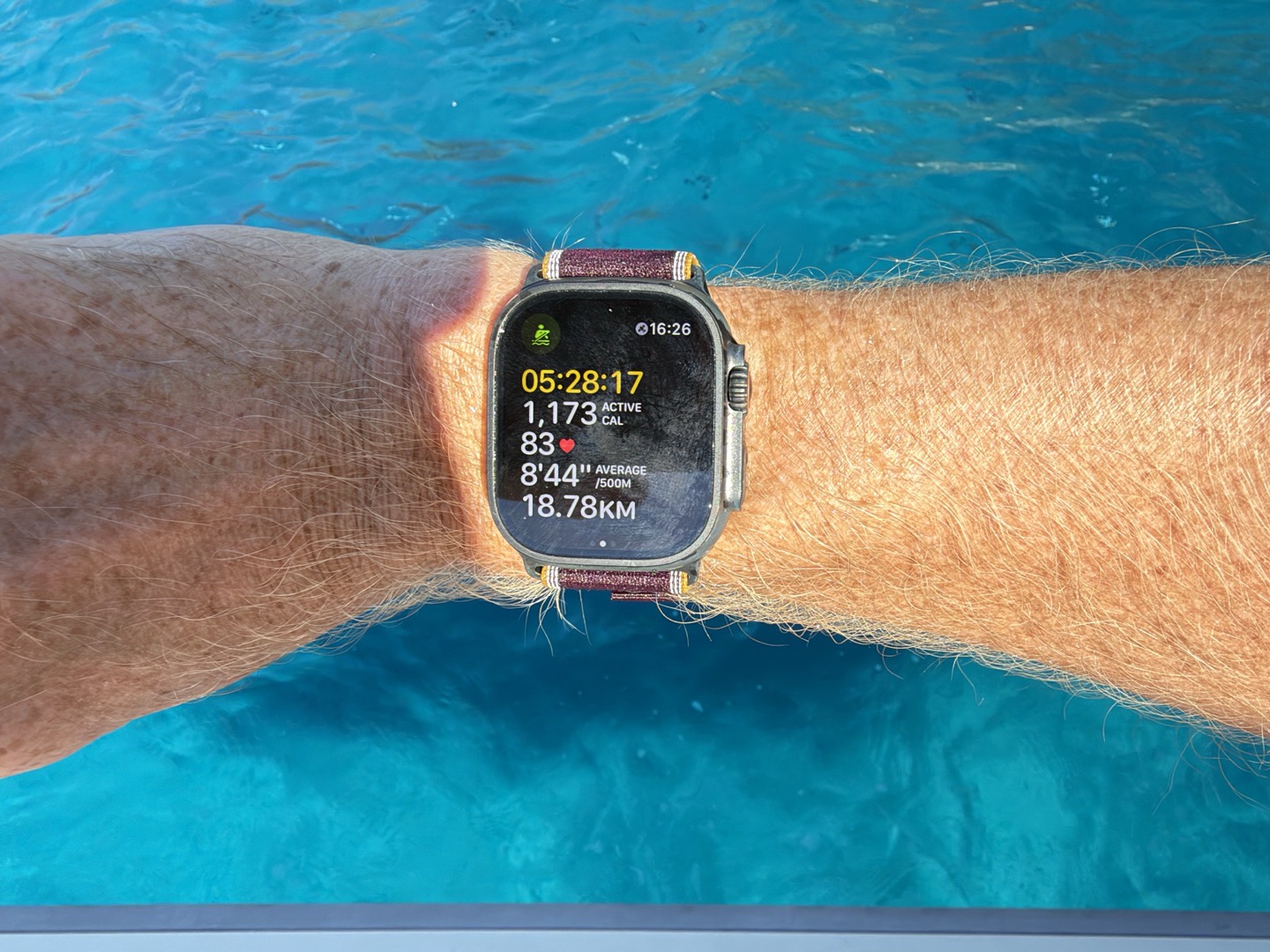
Power efficiency has received a notable boost, with Apple claiming an official battery duration of "over two days," translating to approximately 50 hours under standard usage conditions. For endurance athletes, the device introduces a revamped Extended Battery GPS mode alongside a Max Extended Mode. The latter extends GPS workout battery life to 45 hours while maintaining a 1-second GPS multi-band sampling rate and regular 5-second heart rate intervals, omitting only the always-on display, running form mechanics, and background cellular batching. Furthermore, charging speeds have been optimized through a combination of revised cable hardware and internal charging algorithms, allowing the device to achieve an 80 percent charge in 45 minutes and 18 hours of typical battery life from a brief 15-minute charge.
Advanced Optical Heart Rate Sensing and Validation Studies
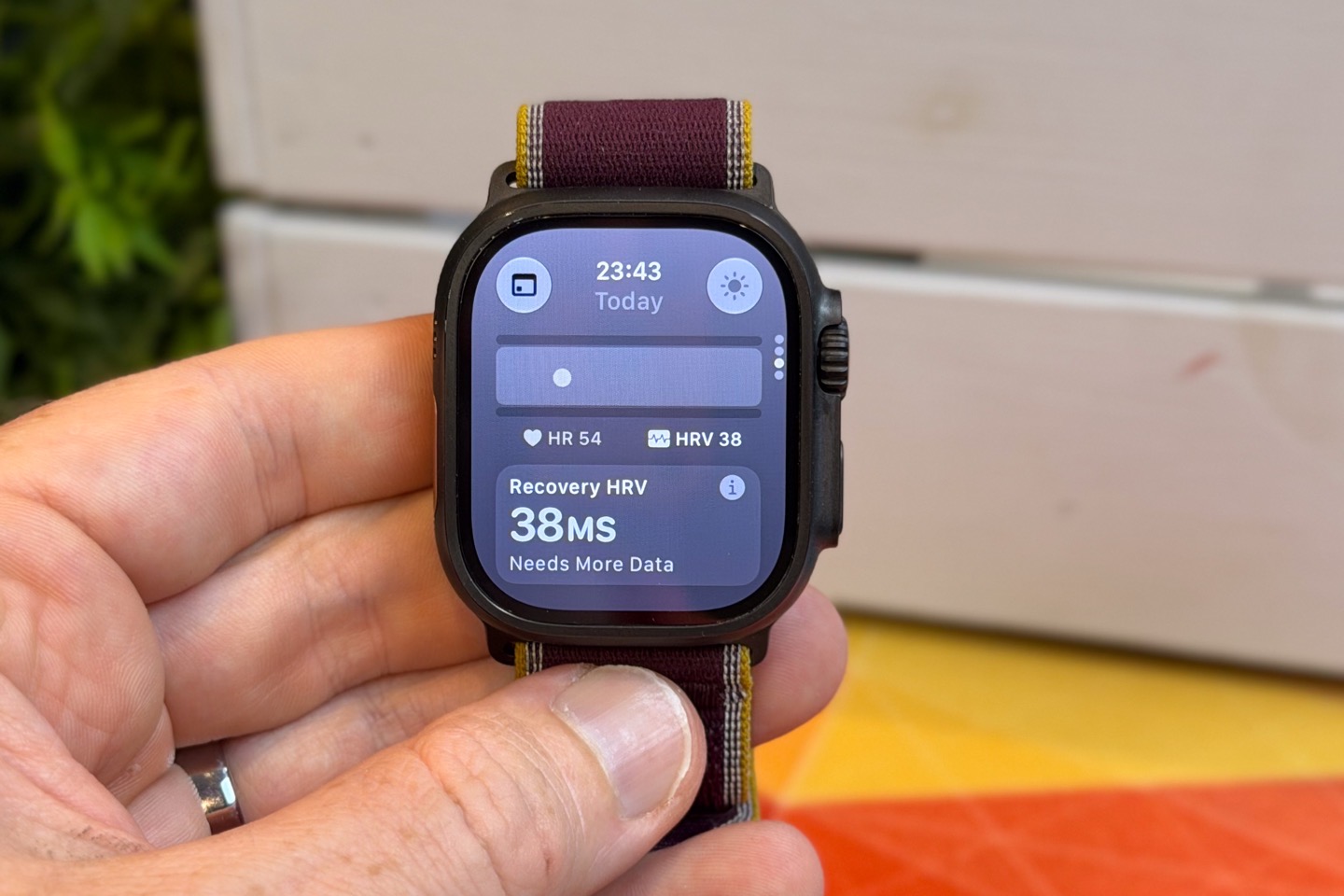
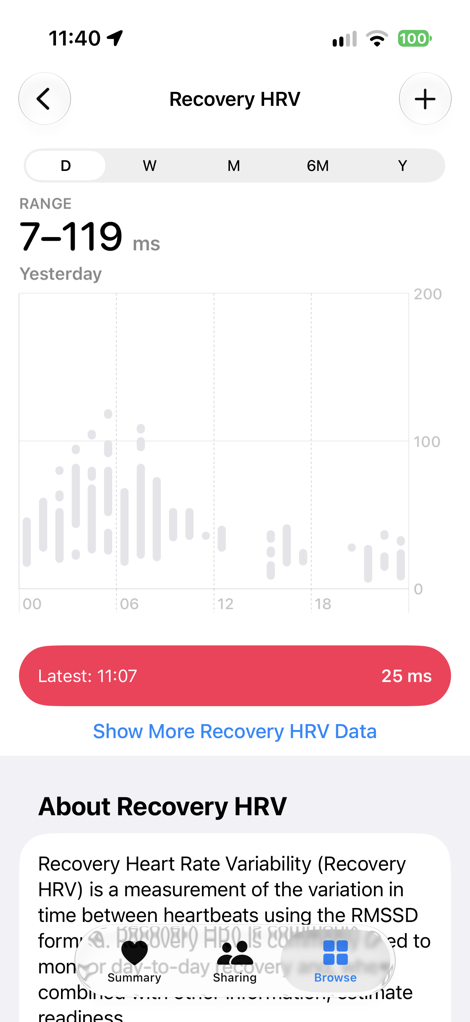
The most heavily scrutinized hardware change in the Apple Watch Ultra 4 is its entirely redesigned optical heart rate sensor. The updated sensor array features an increased electrode surface area designed to improve electrocardiogram (ECG) fidelity, newly arranged photodiodes beneath the surface for enhanced workout capture, and a revised LED array intended to optimize 24/7 heart rate monitoring. As a direct result of these hardware modifications, Apple has increased background non-workout heart rate readings to every five seconds—representing a sixtyfold increase over previous generations—while heart rate variability (Vitals) measurements are now recorded every five minutes, marking a twenty-fourfold increase.
To substantiate claims regarding the accuracy of this new sensor, Apple published a comprehensive white paper backed by a study involving 1,400 participants, the majority of whom simultaneously wore competing endurance sports watches. However, independent technical analysis of the data reveals nuances in how the device handles recording frequency during physical exertion. Rather than outputting a continuous, uninterrupted stream of second-by-second data points, the Apple Watch Ultra 4 utilizes a confidence-gating algorithm. During workouts, the sensor samples at variable intervals—ranging from one to five seconds—and automatically discards data points that fail to meet strict internal confidence thresholds, occasionally resulting in short data gaps. While this methodology prevents erroneous data from plotting on charts, critics note that it creates a divergence when compared to traditional sports watches that log fixed-interval data regardless of signal noise. Real-world testing across trail runs, indoor cycling sessions, rowing, and track intervals demonstrates that while the optical sensor delivers performance competitive with market leaders, transient spikes and recovery lag remain present during high-intensity interval training.
Readiness Scoring and Physiological Metrics
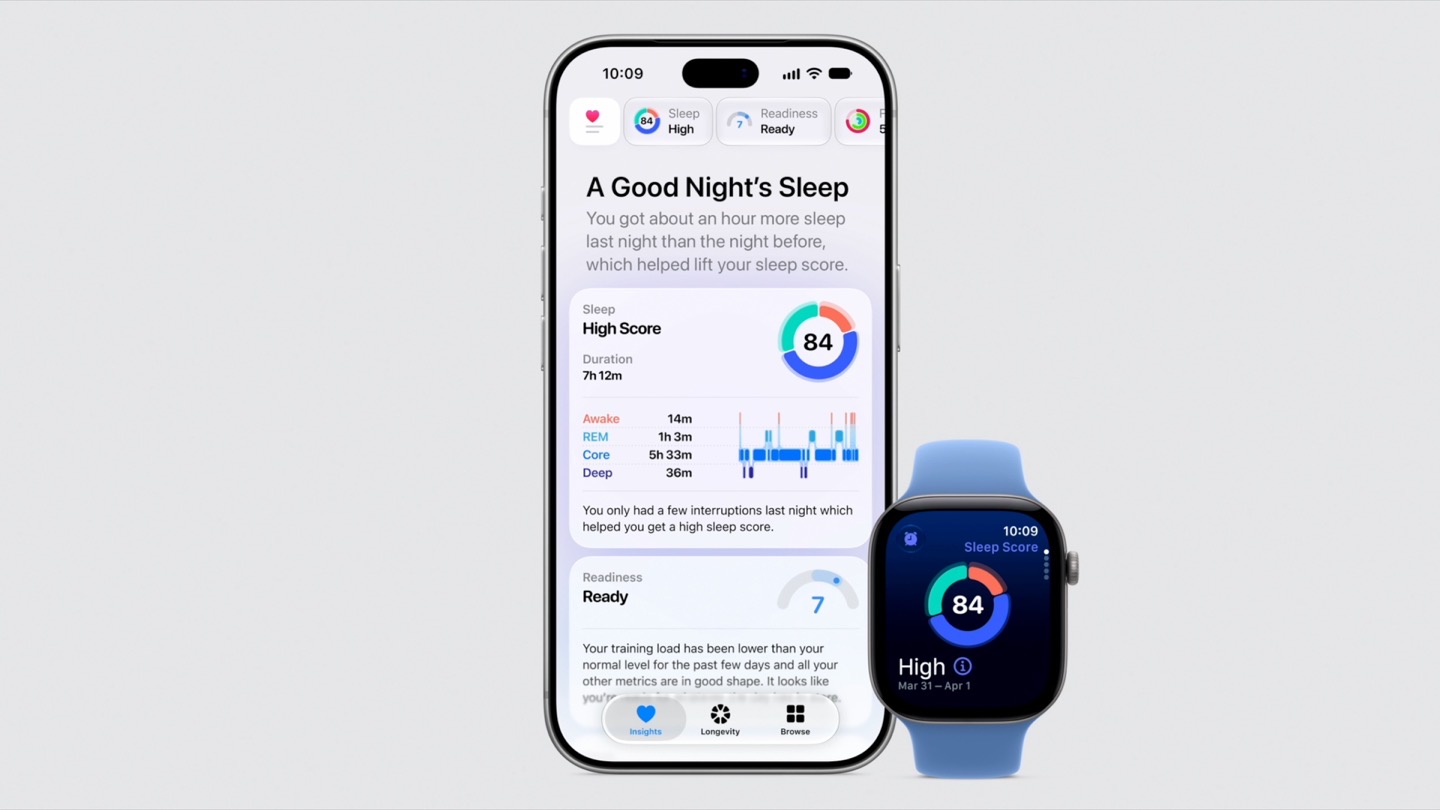
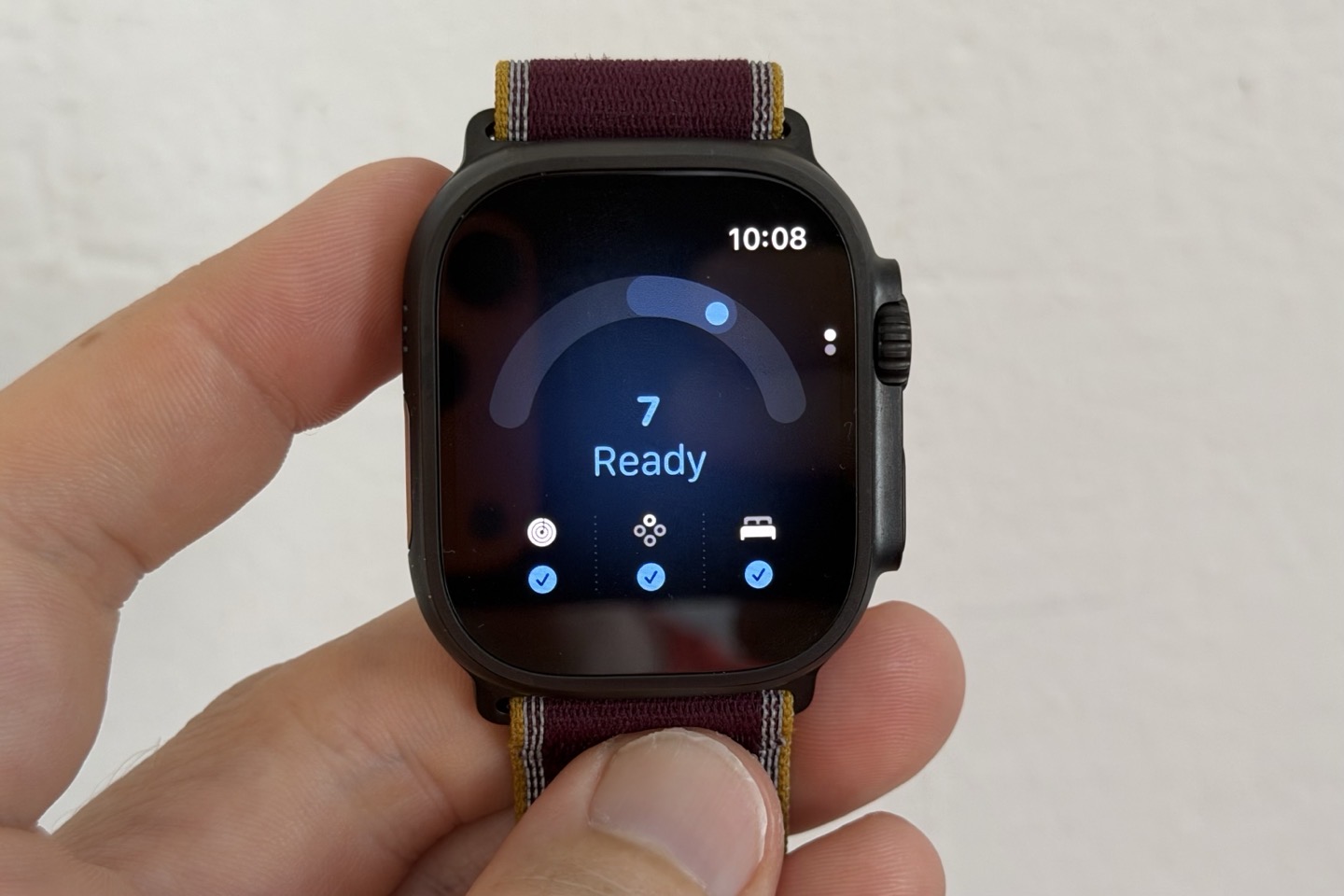
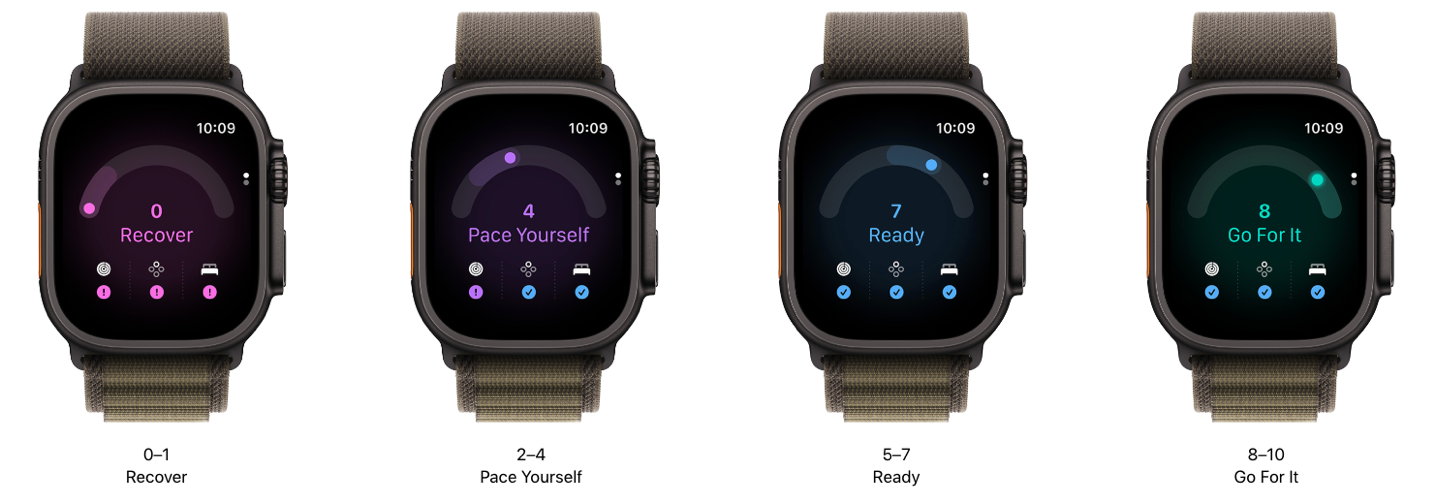
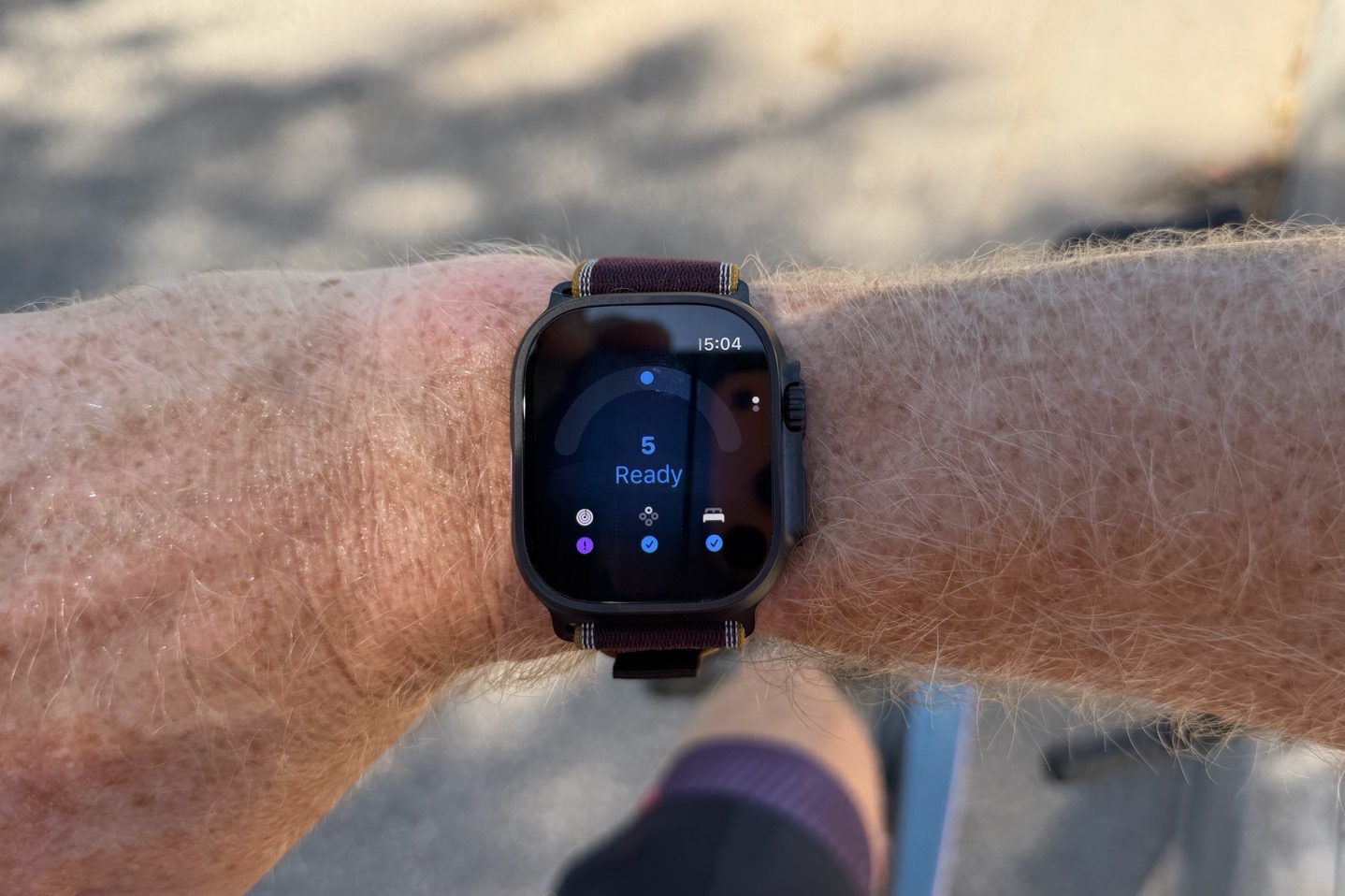
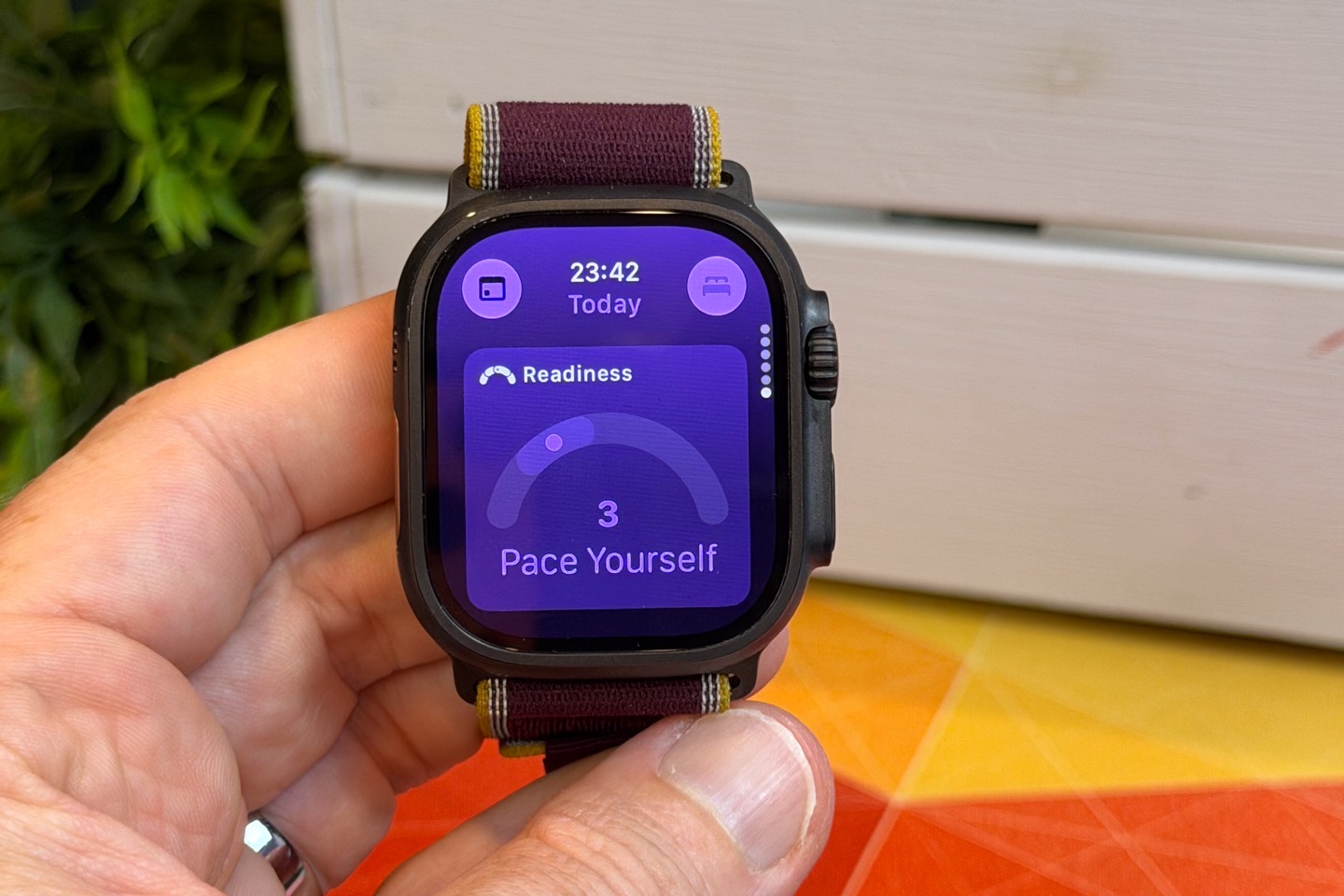
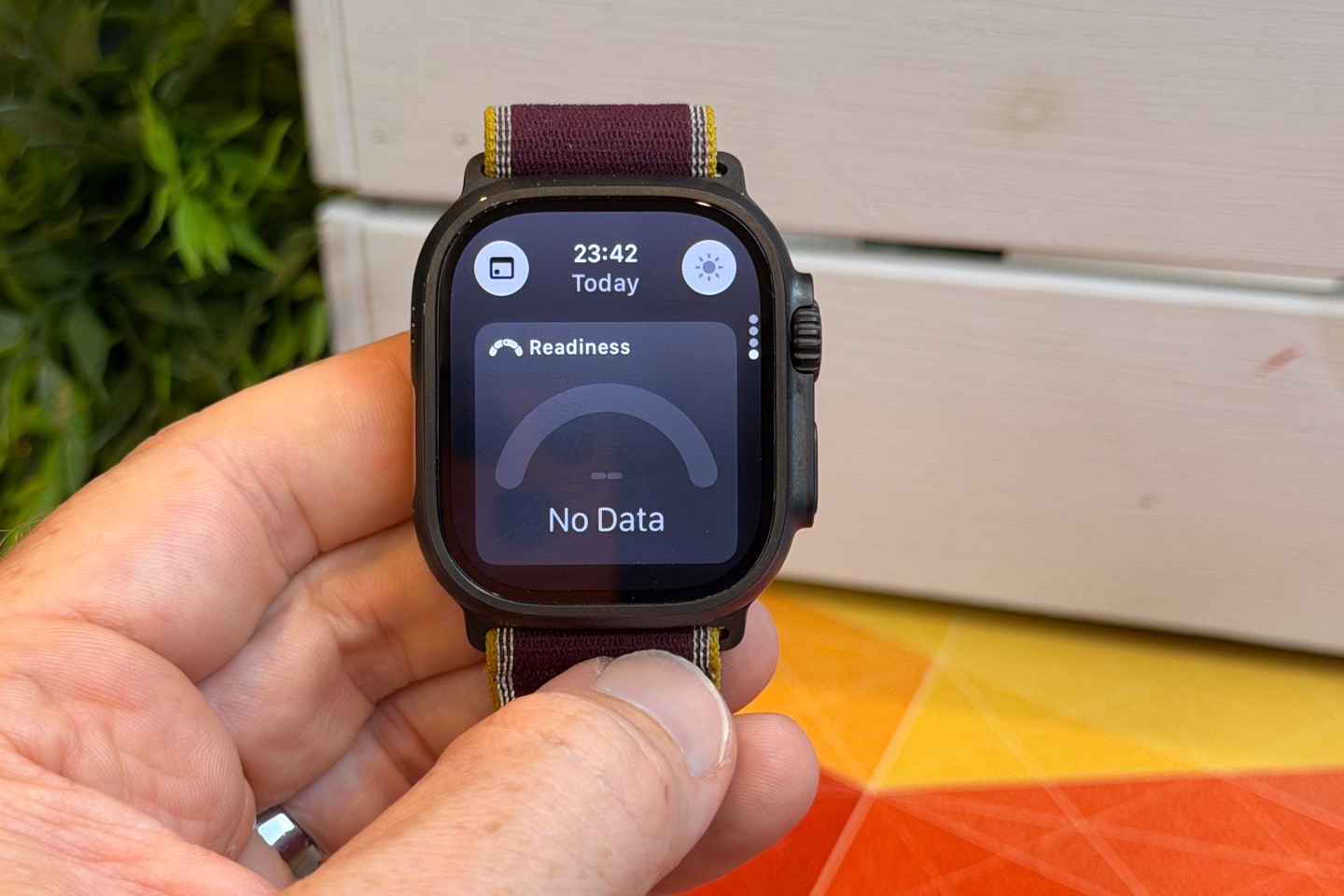
Entering a market heavily contested by dedicated fitness ecosystems such as Garmin, Whoop, and Oura, the Apple Watch Ultra 4 introduces a dynamic Readiness score system. Operating on a numerical scale from 0 to 10, the score is paired with four primary descriptors: Recover (0-1), Pace Yourself (2-4), Ready (5-7), and Go For It (8-10). Unlike static readiness metrics offered by certain competitors, Apple’s implementation updates dynamically throughout the day, adjusting downwards following strenuous training loads or upwards following periods of restorative rest.
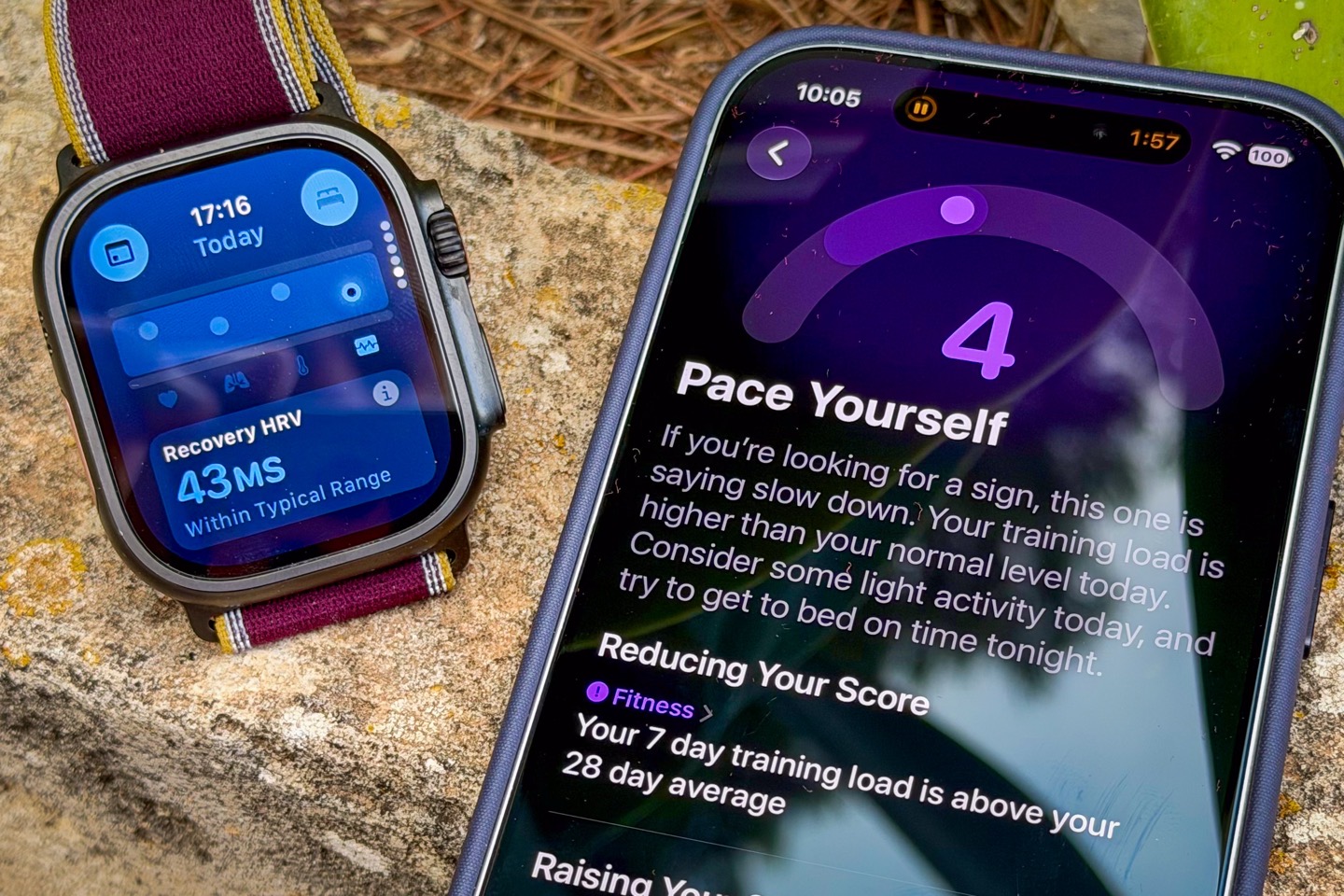
The algorithm compiles data from four primary pillars: fitness and activity logs, overnight vitals (resting heart rate, respiration rate, wrist temperature, and overnight HRV using the RMSSD standard), daytime vitals, and sleep duration and architecture. Establishing a baseline requires a minimum of seven nights of consistent sleep data, with calculations evaluated against a 49-day historical trend. In addition to nightly recovery metrics, Apple has introduced daytime heart rate variability tracking, a feature historically absent from mainstream consumer wearables due to high minute-to-minute physiological variance. The system compares hourly daytime HRV data against historical norms while filtering out periods of physical activity, establishing a circadian baseline that requires consistent data accumulation over a multi-day period.
Audio Intelligence and On-Device Processing
Leveraging the secure processing capabilities of the S11 chipset, the Ultra 4 introduces several localized Audio Intelligence features designed to operate independently of a paired iPhone. Available at launch are Sound Recognition alerts, which utilize the device’s onboard microphone to notify users of specific environmental audio cues—such as household sirens, doorbells, or infant cries—and Instant Shazam, a background music identification system that displays song titles immediately upon a wrist raise by transmitting compressed audio signatures rather than full audio files.
Additional features scheduled for release later in the year include Live Rewind, which allows users to double-tap the digital crown for a text-only transcription of the preceding 15 seconds of spoken audio, and Siri Recap, an automated summary tool designed to aggregate ambient conversations. These audio processing capabilities have drawn scrutiny from privacy advocates regarding continuous environmental listening, prompting Apple to include granular, independent configuration controls allowing users to selectively enable or disable individual acoustic monitoring parameters.
Software Ecosystem and Third-Party Integration

While the physical watch hardware represents a significant leap forward, the broader consumer health experience will expand later in the year with a major redesign of the Apple Health application on iOS. Designed to transition from a passive data repository into an actionable consumer-facing platform, the updated application integrates Apple Intelligence guidance to provide personalized training recommendations, interval suggestions, and comprehensive longevity tracking tabs spanning nutrition, metabolic health, hearing, and mental well-being. Furthermore, the platform introduces a formalized "Health Age" metric derived from VO2 Max, sleep quality, HRV, and laboratory biomarker integrations, alongside standardized living-room assessments for functional fitness and flexibility.
Despite these software advancements, professional and endurance athletes continue to point to limitations within Apple’s native sports ecosystem, particularly regarding advanced offline cartography, global routing, and granular post-workout analytics. While structured workouts can be imported from third-party platforms such as TrainingPeaks, the native Apple Fitness application remains sparse compared to dedicated multi-sport training suites. Consequently, advanced users frequently rely on established third-party applications like HealthFit to bridge the data-export gap and interface with external analytical engines.
Broader Market Implications
The release of the Apple Watch Ultra 4 cements Apple’s commitment to the high-end adventure and endurance market, directly challenging traditional sports watch manufacturers like Garmin and Polar. By combining robust multi-day battery life, precision dual-band GPS, advanced optical heart rate hardware, and sophisticated recovery analytics, the Ultra 4 successfully addresses the primary hardware complaints historically leveled against standard Apple Watch models.
However, the transition toward predictive physiological modeling, automated training loads, and continuous audio intelligence underscores a broader industry shift toward ambient health monitoring. As wearable manufacturers increasingly rely on algorithmic confidence filtering and AI-driven recovery recommendations, the burden of proof regarding data transparency and clinical accuracy remains paramount. For existing Apple Watch Ultra users and early adopters within the iOS ecosystem, the Ultra 4 represents a mature, highly capable endurance instrument, provided users are willing to navigate the unique data-reporting philosophies that define Apple’s latest generation of wearable technology.