The Dawn of Cuffless Blood Pressure Monitoring
For decades, the gold standard for blood pressure measurement has been the inflatable arm cuff, or sphygmomanometer. While accurate, these devices are bulky, require the user to remain stationary, and only provide a "snapshot" of a person’s blood pressure at a single moment in time. The medical community has long sought a "cuffless" solution that could provide "ambulatory" blood pressure monitoring—tracking fluctuations throughout the day and night without interrupting the user’s activities.
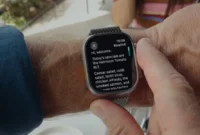
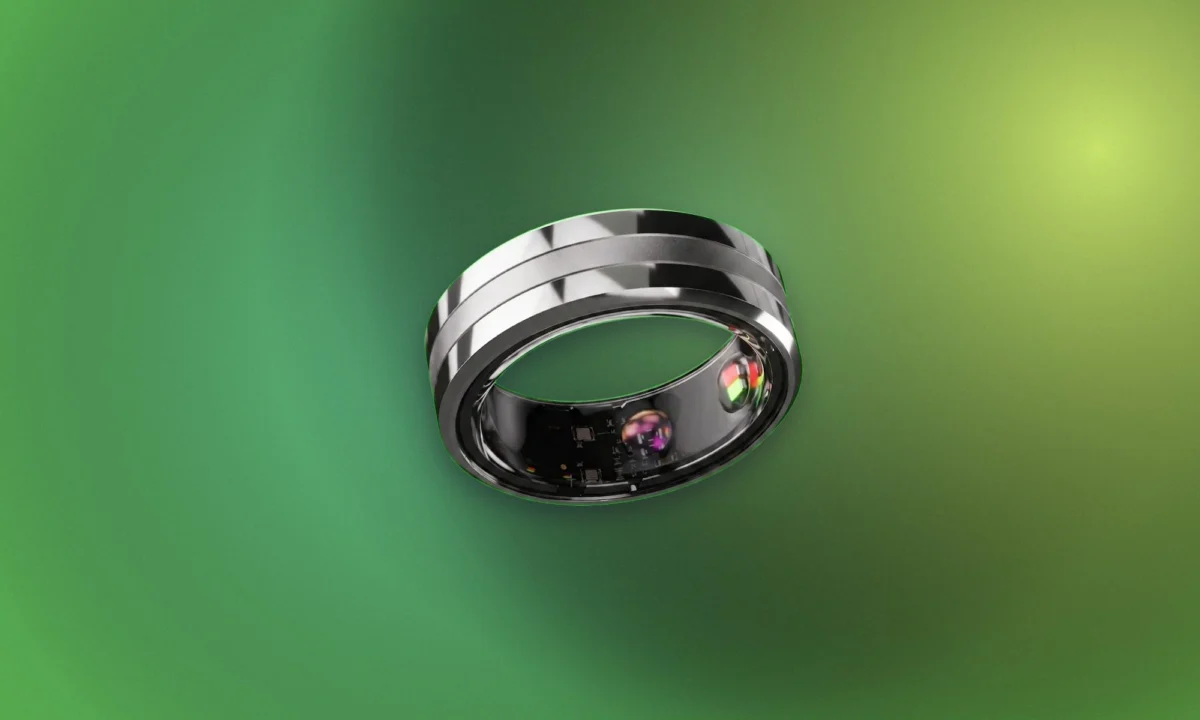
The Signal Ring, priced at $399, enters this space with a bold promise: it provides specific systolic and diastolic numbers (e.g., 120/80 mmHg) directly to a smartphone app. Unlike current smartwatches from Samsung, which require a traditional cuff for monthly calibration, or the Apple Watch, which currently lacks blood pressure hardware entirely, the Signal Ring claims to work independently of external calibration tools.
Vital Signals has announced that preorders for the device will open on July 16, with shipping slated to begin in October. The device is designed to be worn 24/7, collecting data during periods of rest and activity to build a comprehensive cardiovascular profile.

Technical Specifications and the Science of the Finger
The Signal Ring utilizes a sophisticated array of optical sensors and custom-designed electronics to estimate blood pressure from the finger. This method relies on photoplethysmography (PPG)—the same technology used in pulse oximeters and heart rate monitors. PPG sensors shine light into the skin and measure the changes in light absorption as blood pulses through the vessels.
However, turning light-absorption data into an accurate blood pressure reading is an immense computational challenge. Vital Signals employs proprietary algorithms that analyze the shape and timing of the pulse wave. According to the company, these algorithms are designed to account for various physiological variables that typically interfere with wearable accuracy, including:
- Body Mass Index (BMI): Differences in tissue density can affect light penetration.
- Arterial Stiffness: As people age or develop cardiovascular disease, their arteries become less elastic, changing the "speed" and "rebound" of the pulse wave.
- Peripheral Vasoconstriction: Changes in temperature or stress can cause blood vessels in the finger to narrow, potentially skewing results.
The American Heart Association (AHA) has previously noted that while cuffless devices represent the future of hypertension management, the transition from "estimation" to "medical-grade accuracy" is difficult. The Signal Ring addresses this by requiring users to initiate "sessions" for the most accurate data. During these sessions, the app guides the user through breathing exercises and pauses the measurement if it detects movement or talking—factors known to cause temporary spikes in blood pressure.
The Regulatory Gap: Wellness vs. Medical Grade
Perhaps the most critical aspect of the Signal Ring’s launch is its status as a "wellness device." In the eyes of the U.S. Food and Drug Administration (FDA), there is a sharp legal and clinical distinction between a gadget that provides general health insights and a medical device intended to diagnose or treat a condition.
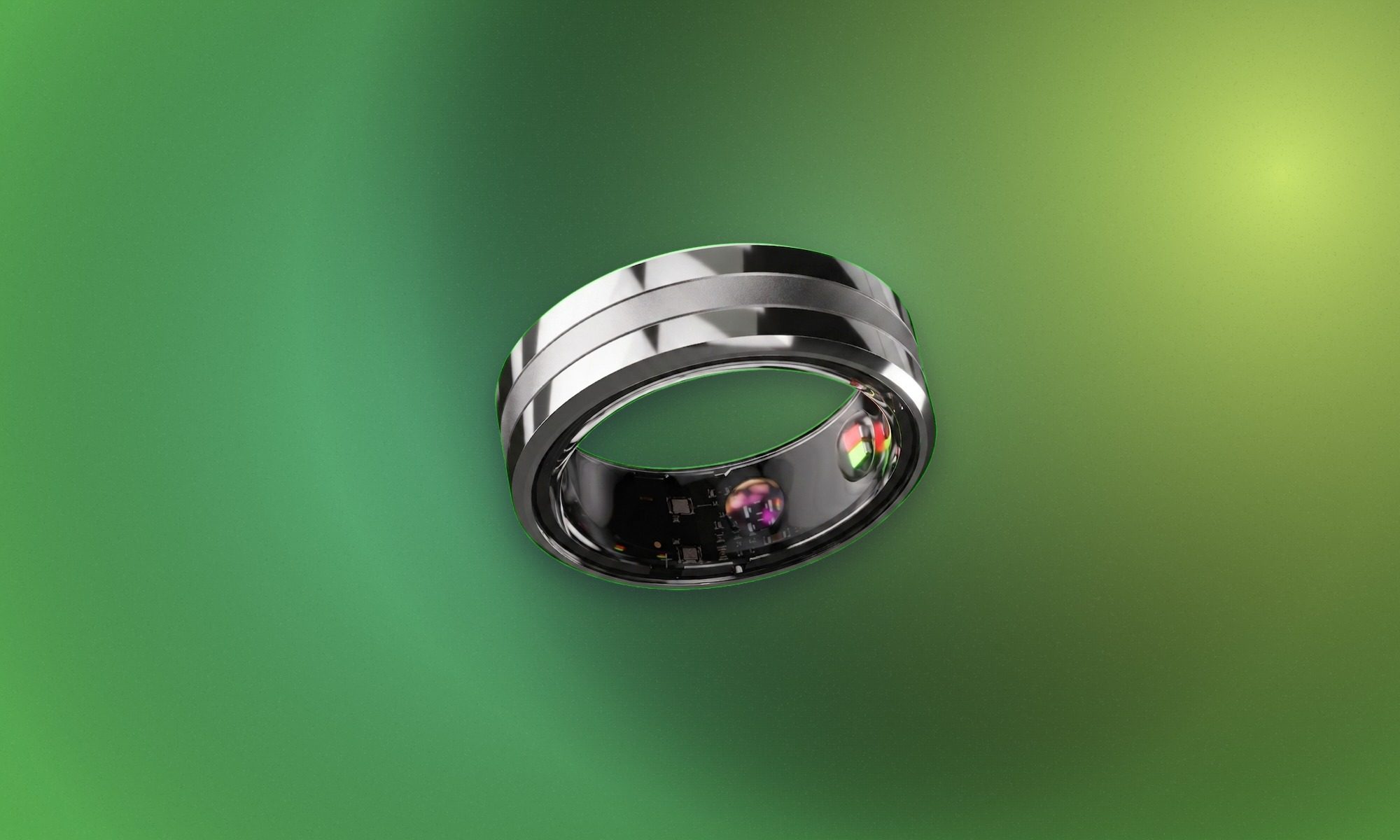
By launching without FDA clearance, Vital Signals cannot legally claim that the Signal Ring can diagnose hypertension or be used to adjust medication. Instead, it is marketed as a tool for "wellness and self-tracking." This allows the company to bring the product to market faster while it continues separate clinical trials for a "medical-grade" version of the hardware.
The FDA has historically been cautious regarding cuffless blood pressure technology. In previous safety communications, the agency warned consumers against relying on unauthorized wearables for critical health decisions. The agency’s draft guidance for cuffless devices requires extensive "clinical performance testing," often involving hundreds of subjects across diverse demographics to ensure the device remains accurate across different skin tones, ages, and health conditions.
Market Context: Why Apple and Oura Have Hesitated
The smart ring market is currently dominated by the Oura Ring, which has built a loyal following based on its sleep tracking and "readiness" scores. Samsung recently entered the fray with the Galaxy Ring, focusing on deep integration with its Android ecosystem. Meanwhile, Apple has long been rumored to be developing a "smart ring" or blood pressure features for the Apple Watch.
However, both Apple and Oura have notably avoided providing raw systolic and diastolic numbers. Apple’s rumored approach to blood pressure involves "trend tracking"—notifying a user if their blood pressure is higher than their personal baseline, rather than giving a specific numerical reading. This conservative approach is likely a strategy to avoid the regulatory scrutiny and potential liability that comes with providing specific medical data that might be inaccurate.
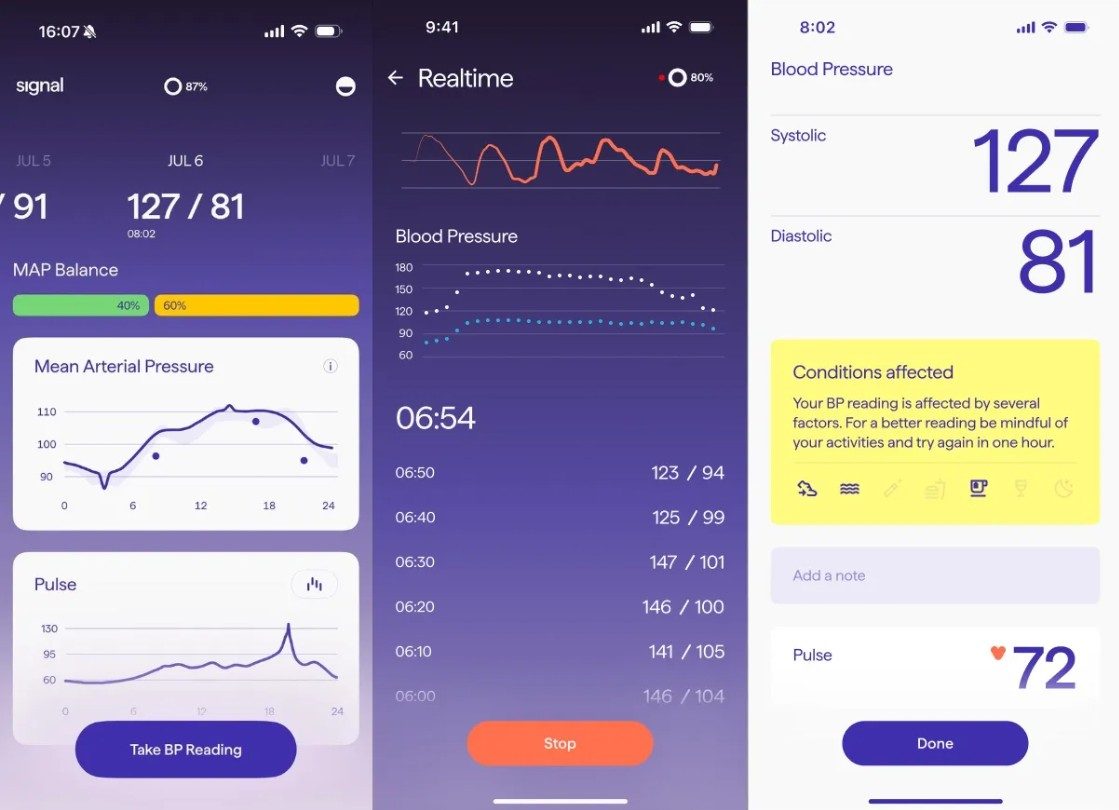
By offering these numbers, Vital Signals is taking a significant risk. If the Signal Ring provides a "normal" reading to a user who actually has dangerously high blood pressure (a "false negative"), the consequences could be life-threatening. Conversely, "false positives" could lead to unnecessary anxiety and strain on the healthcare system.
Performance and Limitations
Early hands-on reports, including a demonstration by Bloomberg, have highlighted the challenges of this technology. During testing, some readings showed discrepancies when compared to traditional monitors. Vital Signals attributed these errors to "ring fit."
Because the sensors must maintain consistent contact with the skin to capture clean pulse wave data, the fit of a smart ring is even more critical than that of a smartwatch. If the ring slides or if there is a gap between the sensor and the finger, the resulting data can be "noisy" and inaccurate. To mitigate this, Vital Signals will likely offer sizing kits to customers before shipping the final product, a practice popularized by Oura.
Another potential hurdle for users is the device’s reliance on the cloud. While the Signal Ring can record data offline, the complex algorithmic processing required to turn sensor data into blood pressure readings happens on the company’s servers. This means users will not see their results in real-time if they do not have an active internet connection.

The "No Subscription" Advantage
In a move that distinguishes it from Oura—which requires a $5.99 monthly subscription to access most data—Vital Signals has announced that the Signal Ring will not require a recurring fee. For many consumers, the $399 one-time cost is more palatable than a "hardware-as-a-service" model. This pricing strategy positions the Signal Ring as a premium but accessible health tool for those specifically concerned with cardiovascular health.
Broader Implications for Public Health
The potential impact of a successful, accurate blood pressure ring cannot be overstated. Hypertension, often called the "silent killer," affects an estimated 1.28 billion adults worldwide, according to the World Health Organization. Nearly half of those people are unaware they even have the condition.
Continuous monitoring could allow doctors to see how a patient’s blood pressure responds to specific triggers, such as work stress, caffeine, or poor sleep. It could also help identify "white coat hypertension" (high readings only in a doctor’s office) and "masked hypertension" (normal readings in the office but high readings elsewhere).
Vital Signals is specifically targeting people with hypertension or those at high risk, rather than the general "biohacker" or fitness enthusiast. While the ring does offer basic sleep and heart rate tracking, these features are secondary to its primary mission of blood pressure management.

Chronology and Future Outlook
- July 16: Preorders open for the Signal Ring ($399).
- August – September: Production ramp-up and distribution of sizing kits.
- October: Initial shipping to consumers begins.
- Ongoing: Clinical trials for the medical-grade version continue, with data expected to be submitted for peer review and FDA consideration in the coming year.
As the Signal Ring reaches the fingers of early adopters this October, it will face the ultimate test: real-world conditions. Unlike a controlled lab or a brief demonstration, everyday life involves temperature swings, varying hydration levels, and the wear-and-tear of daily activity.
For now, the Signal Ring remains a "promise"—a glimpse into a future where managing a chronic condition like hypertension could be as simple as wearing a piece of jewelry. However, until Vital Signals can produce published clinical data and secure the FDA’s stamp of approval, the device should be viewed as a supplemental tool rather than a replacement for the trusted, if uncomfortable, inflatable arm cuff. Medical professionals advise that any significant changes in health data reported by a wearable should be verified by a clinician using validated medical equipment before any changes to treatment or lifestyle are made.