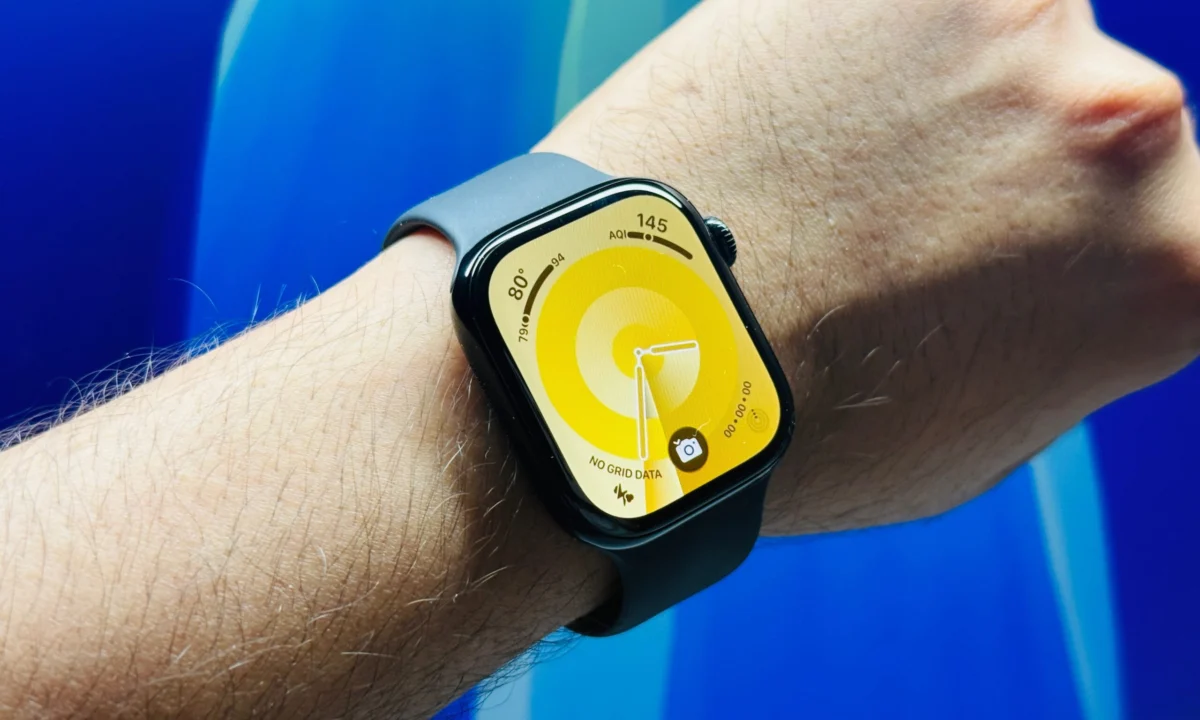
The global wearable technology market has entered a transformative era in 2026, characterized by a shift from passive data collection to proactive, AI-driven health intervention. At the forefront of this evolution are the industry’s two primary titans, Samsung and Apple, whose latest flagship offerings—the Galaxy Watch 9 and the Apple Watch Series 11—represent the pinnacle of wrist-worn engineering. As Samsung refreshes its lineup with cutting-edge silicon and clinically backed wellness tools, it finds itself in a direct confrontation with Apple’s established ecosystem, which has dominated the premium smartwatch segment for over a decade. This comparison examines the intricate balance of hardware specifications, software capabilities, and the broader strategic implications of these devices for the modern consumer.
Market Context and Pricing Strategy
The competitive landscape for high-end wearables is currently defined by a staggered release cycle. Apple launched the Series 11 on September 9, 2025, positioning it as the definitive choice for the iOS ecosystem throughout the following year. Samsung, by contrast, officially unveiled the Galaxy Watch 9 on July 22, 2026, with a retail release scheduled for August 7, 2026. This nearly year-long gap creates a unique market dynamic where Samsung’s hardware is technically "next-generation" compared to the Apple Series 11, yet both devices remain the primary flagship competitors for their respective mobile operating systems.
Samsung has adopted an aggressive pricing strategy to challenge Apple’s dominance. The Galaxy Watch 9 debuts at a starting price of $379.99 for the 40mm Bluetooth model, slightly undercutting the Apple Watch Series 11’s original launch price of $399. For users requiring cellular connectivity, the Galaxy Watch 9 LTE variant is priced at $429.99. Apple’s pricing structure remains more tiered, with the aluminum Series 11 starting at $399, while the premium titanium models, featuring cellular support as standard, jump significantly to a $699 starting point. Industry analysts suggest that Samsung’s $20 undercut, combined with newer internal components, is a calculated move to entice platform-agnostic buyers and retain the loyal Android user base.
Hardware Engineering and Technical Specifications
When dissecting the hardware, the Galaxy Watch 9 holds a measurable advantage in several key performance categories, largely due to its later release date and the adoption of newer manufacturing processes.
Processing Power and Efficiency
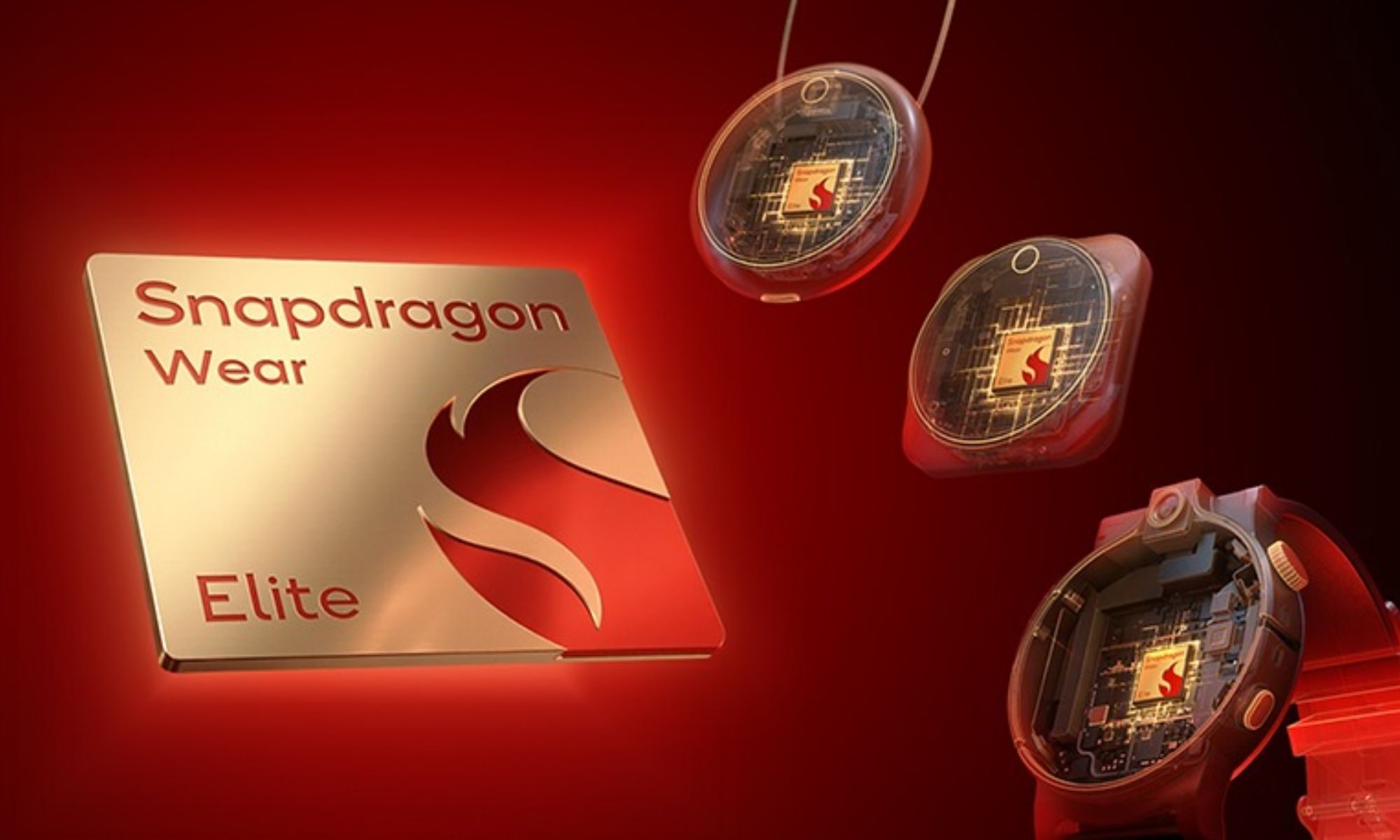
The most significant internal upgrade for Samsung this year is the transition away from its proprietary Exynos chips to the Qualcomm Snapdragon Wear Elite platform (SDW6100). This penta-core processor is built on a 3-nanometer (nm) architecture, offering superior thermal management and energy efficiency compared to the dual-core Apple S10 chip found in the Series 11. The move to the Snapdragon Wear Elite ensures that the Galaxy Watch 9 can handle complex on-device AI processing—such as real-time health coaching and voice synthesis—without the lag often associated with older wearable platforms.
Display and Visibility
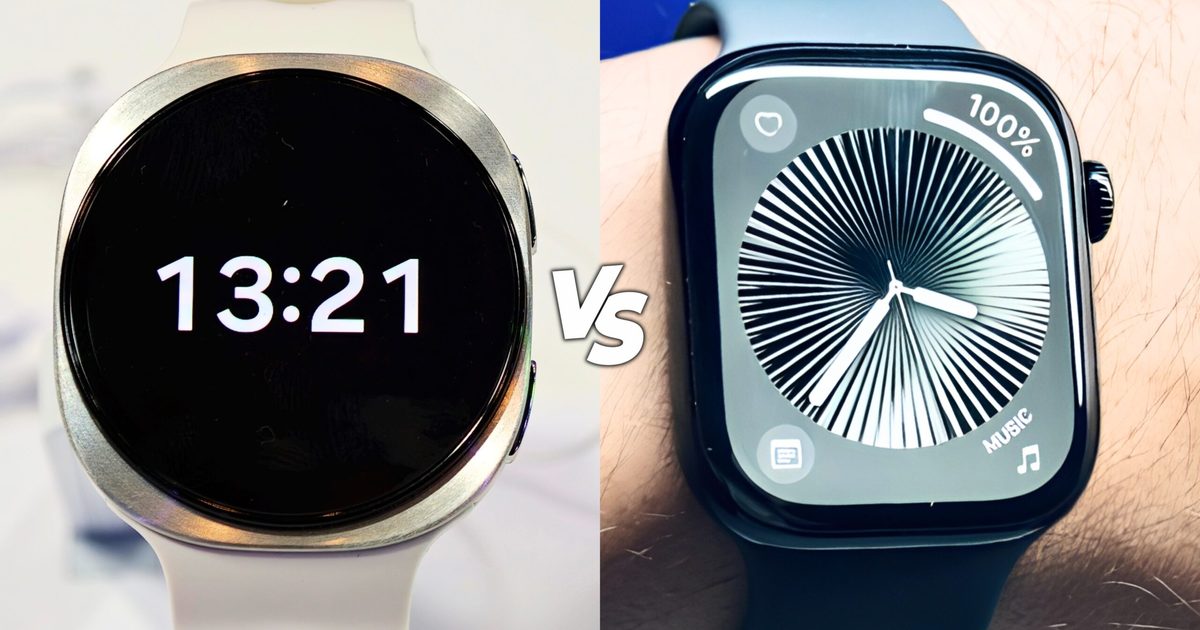
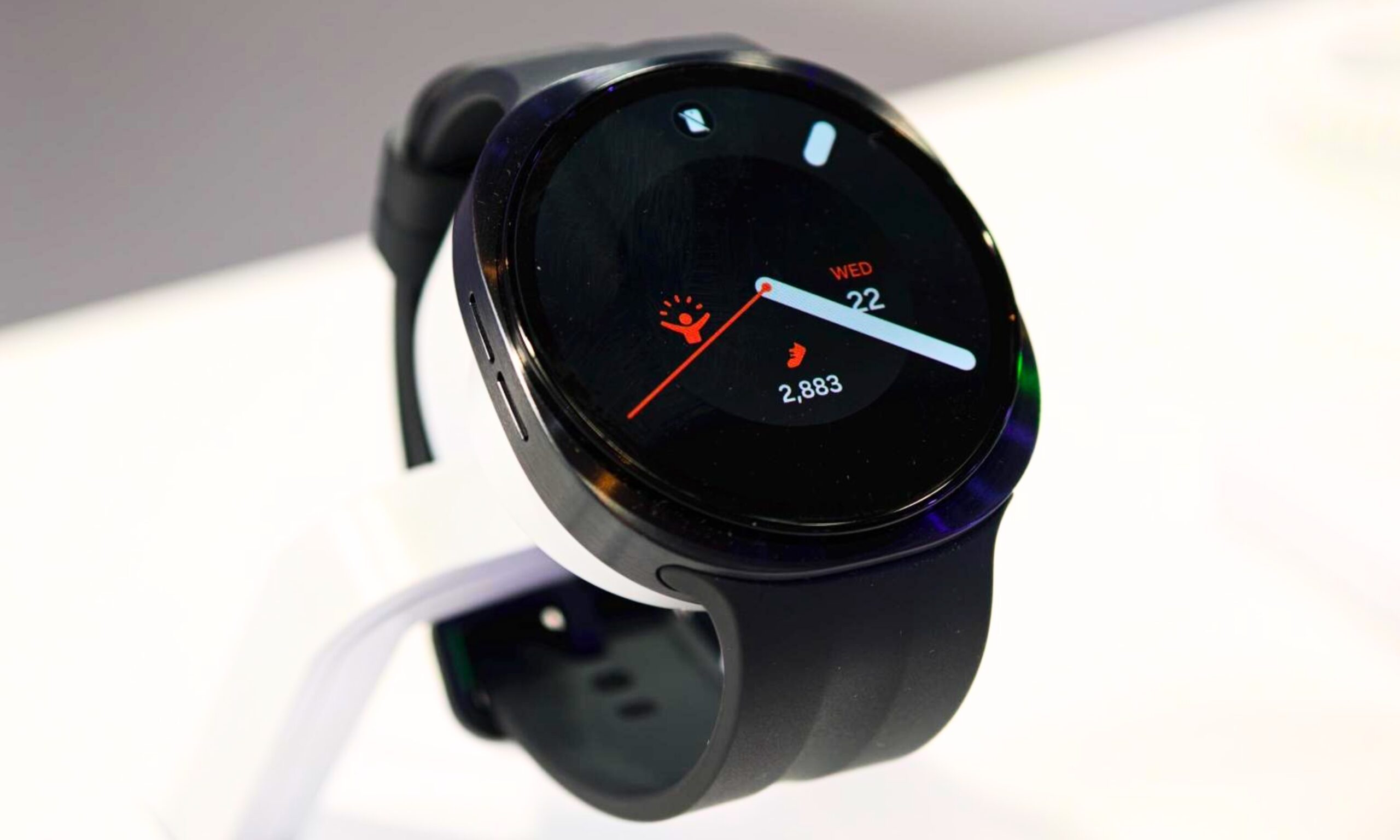
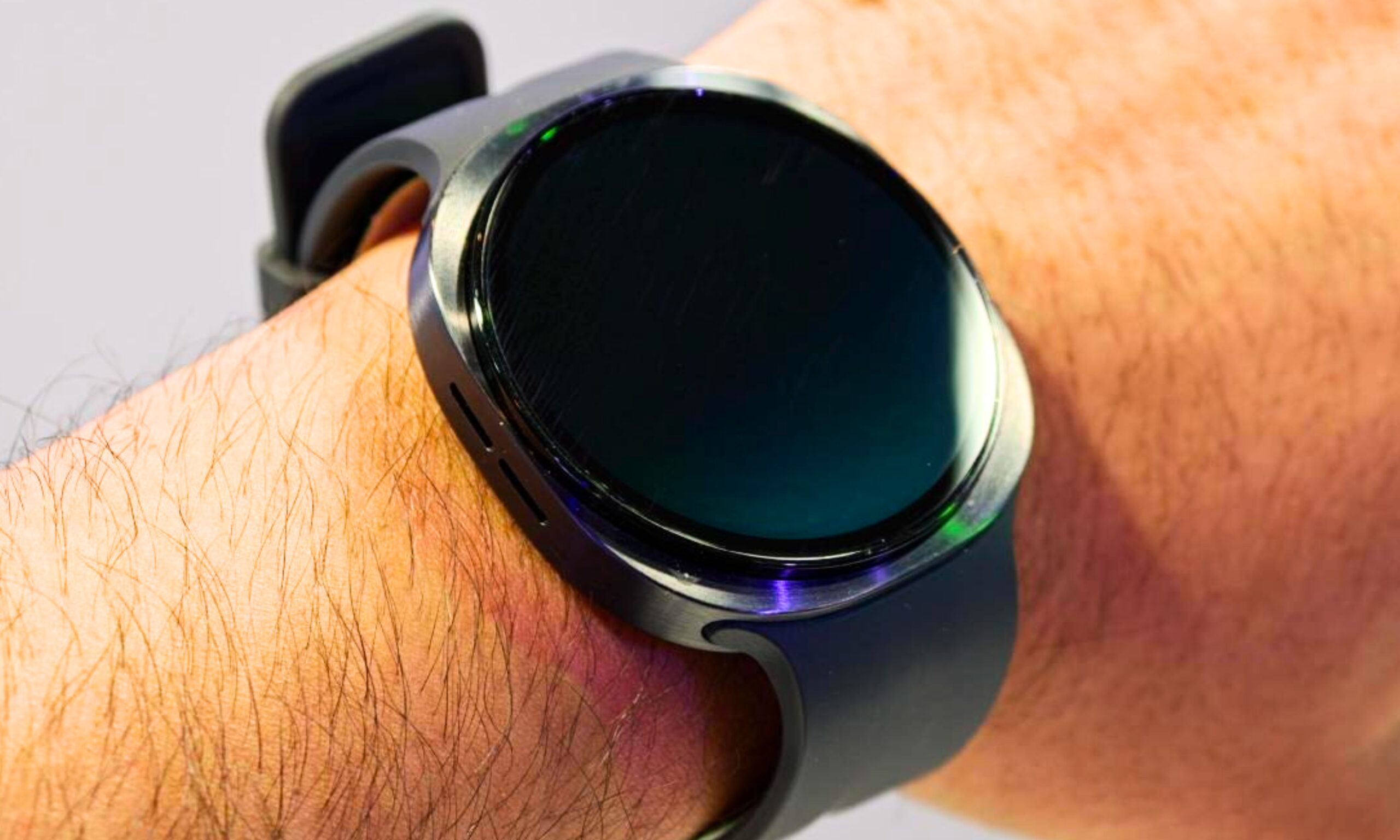
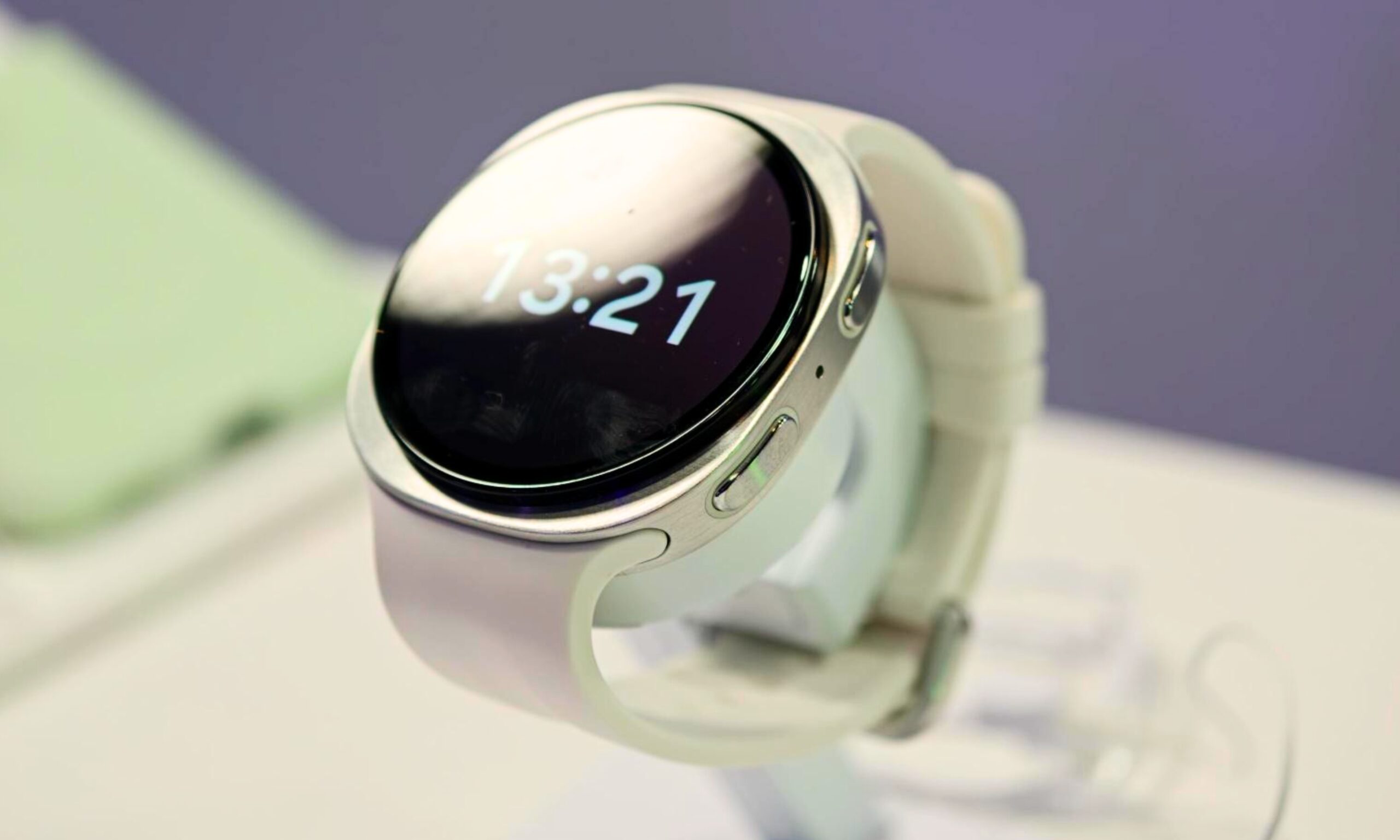
Samsung continues to champion the circular watch face, utilizing a Super AMOLED panel that reaches a peak brightness of 3,000 nits. This is a substantial leap over the Apple Watch Series 11’s 2,000-nit LTPO3 OLED display. In practical terms, the 1,000-nit difference provides the Galaxy Watch 9 with vastly superior legibility under direct, harsh sunlight. Both watches offer Always-On Display (AOD) functionality, but Apple’s wide-angle OLED technology is specifically designed to remain visible at extreme tilt angles, a feature that may appeal more to professionals in active environments.
Navigation and Connectivity
A critical hardware distinction lies in the GPS and Bluetooth standards. The Galaxy Watch 9 features L1 + L5 dual-frequency GPS, a technology previously reserved for "Ultra" or "Pro" models. This dual-band approach significantly reduces signal drift in "urban canyons"—dense city streets with tall buildings that typically reflect single-frequency signals. The Apple Watch Series 11 relies on the standard L1 frequency, which, while accurate for most users, may struggle in high-density metropolitan areas. Furthermore, Samsung has integrated Bluetooth 6.0, offering improved range and connection stability over Apple’s Bluetooth 5.3.

Health and Wellness: The Battle for Bio-Data
The real battleground in 2026 is no longer about step counting; it is about the interpretation of complex biometrics. Samsung’s 2026 health suite, powered by One UI 9 Watch and Wear OS 7, focuses on "Score-based Wellness."
Samsung’s BioActive Approach
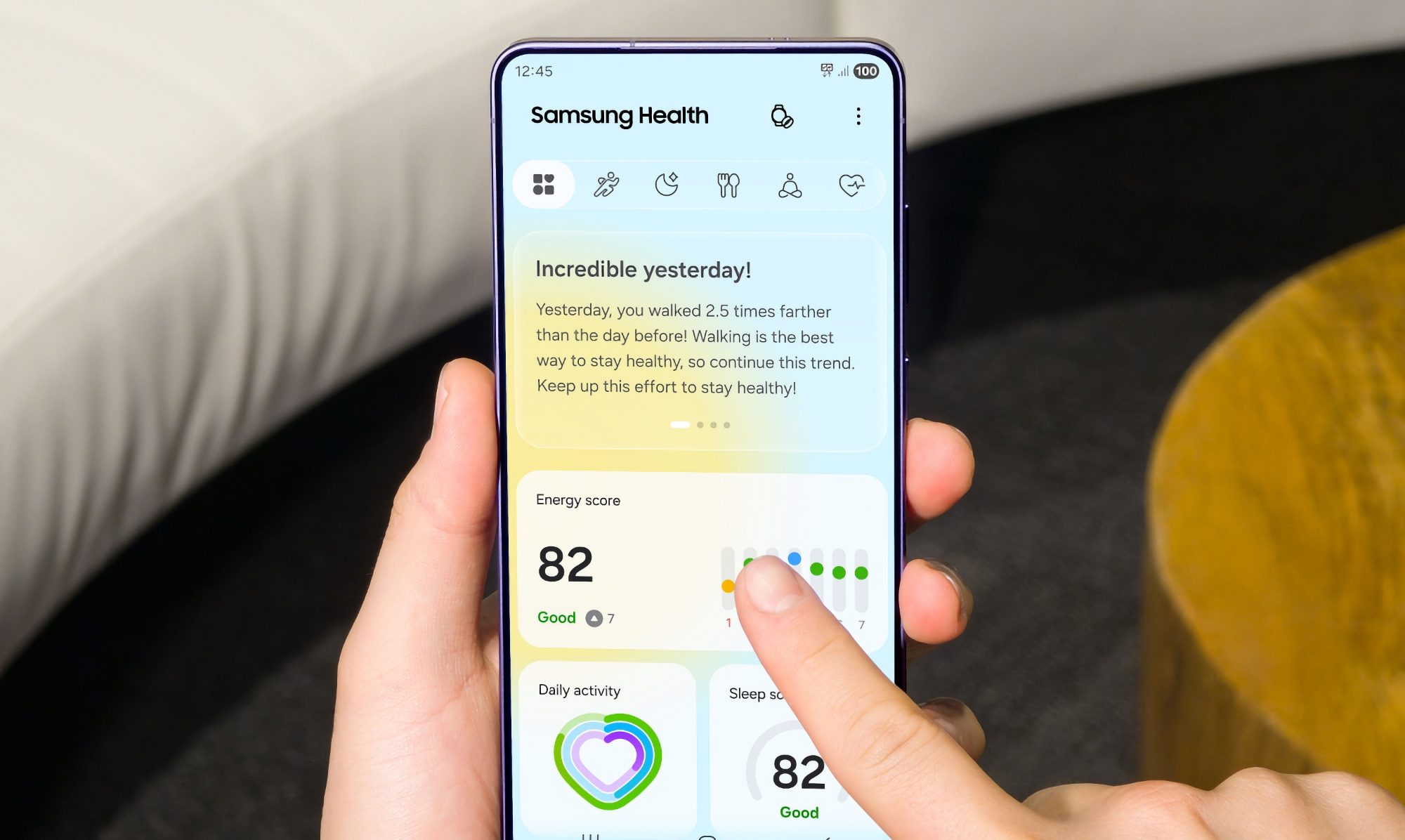
The Galaxy Watch 9 utilizes a proprietary BioActive Sensor that combines optical heart rate tracking, electrical heart signaling, and bioelectrical impedance analysis (BIA). This allows the device to estimate body composition, including skeletal muscle mass and body fat percentage, directly from the wrist. For 2026, Samsung has introduced the "Heart Health Score," a consolidated metric that provides a high-level overview of cardiovascular wellness, and the "Fitness Index," which measures aerobic capacity. The integrated Samsung Health Assistant uses generative AI to provide personalized recommendations, such as real-time hydration guidance based on sweat loss data.
Apple’s Mature Health Ecosystem
While Samsung offers more "raw" biometric sensors, Apple’s strength lies in the clinical validation and depth of its existing features. The Apple Watch Series 11 continues to utilize its FDA-cleared ECG app and irregular heart rhythm notifications, which have a decade of data and refinement behind them. Apple’s "Apple Intelligence" suite for 2026 includes Hypertension Notifications and an AI Workout Buddy. One of Apple’s most significant advantages is its support for specialized activities. The Series 11 includes a built-in depth gauge (rated to 6 meters) and a water temperature sensor, making it suitable for snorkeling and recreational diving—features Samsung restricts to its more expensive Galaxy Watch Ultra series.
Software Ecosystems and Safety Features
The choice between these two devices is often dictated by the "walled garden" of their respective parent companies. The Apple Watch Series 11 requires an iPhone for setup and operation, while the Galaxy Watch 9 requires an Android device (version 13.0 or higher) with Google Mobile Services.
Safety and Security
Apple maintains a lead in the safety category. The Series 11 includes sophisticated Crash Detection, which uses high-g accelerometers and microphones to detect severe car accidents and automatically contact emergency services. It also features Fall Detection and international emergency calling. Samsung has integrated similar fall detection features, but Apple’s "Check In" functionality—which allows users to automatically notify friends or family when they arrive at a destination—remains a more cohesive safety tool for urban commuters and hikers.
Navigation and Outdoor Activity
For outdoor enthusiasts, the Apple Watch Series 11 offers a more mature suite of tools. The watchOS ecosystem provides offline topographic maps and curated hiking routes for all 63 US national parks. The "Backtrack" feature uses GPS data to create a path of where the user has been, allowing them to retrace their steps if they become lost. While Samsung has improved its mapping capabilities in Wear OS 7, it still lacks the deep, native integration of topographic data found in Apple Maps on the wrist.
Chronology of the Wearable Arms Race
To understand the current state of the market, one must look at the timeline of development:
- September 2025: Apple releases the Series 11, introducing the S10 chip and a thinner chassis with improved wide-angle OLED technology.
- March 2026: Qualcomm announces the Snapdragon Wear Elite, promising a 3nm architecture that would revolutionize Android wearables.
- June 2026: Samsung previews One UI 9 Watch, emphasizing AI-driven health metrics and "Health Assistant" features.
- July 22, 2026: Samsung officially announces the Galaxy Watch 9, confirming the switch to Snapdragon silicon and a 3,000-nit display.
- August 7, 2026: The Galaxy Watch 9 reaches global markets, setting a new benchmark for Android-compatible hardware.
Broader Impact and Industry Implications
The rivalry between the Galaxy Watch 9 and the Apple Watch Series 11 highlights a broader trend in the consumer electronics industry: the commoditization of high-end hardware and the rising importance of AI-driven software. Samsung’s decision to use a 3nm chip and a 3,000-nit screen suggests that hardware parity with Apple is no longer the goal—Samsung is now attempting to leapfrog Apple in raw specifications.

However, Apple’s retention of its user base suggests that hardware specs are only one part of the equation. The seamless integration between the Apple Watch, iPhone, and Apple Fitness+ creates a friction-less user experience that is difficult to replicate. Samsung is attempting to bridge this gap through partnerships, bundling trials for services like Strava and iFIT with the Galaxy Watch 9.
For the consumer, the decision ultimately hinges on the smartphone in their pocket. For the industry, this competition drives innovation in life-saving technology. As both companies move toward more advanced sensors—such as non-invasive glucose monitoring and continuous blood pressure tracking, rumored for 2027—the Galaxy Watch 9 and Apple Watch Series 11 serve as the essential foundations for the next generation of personal health management.
Summary of Consumer Choice
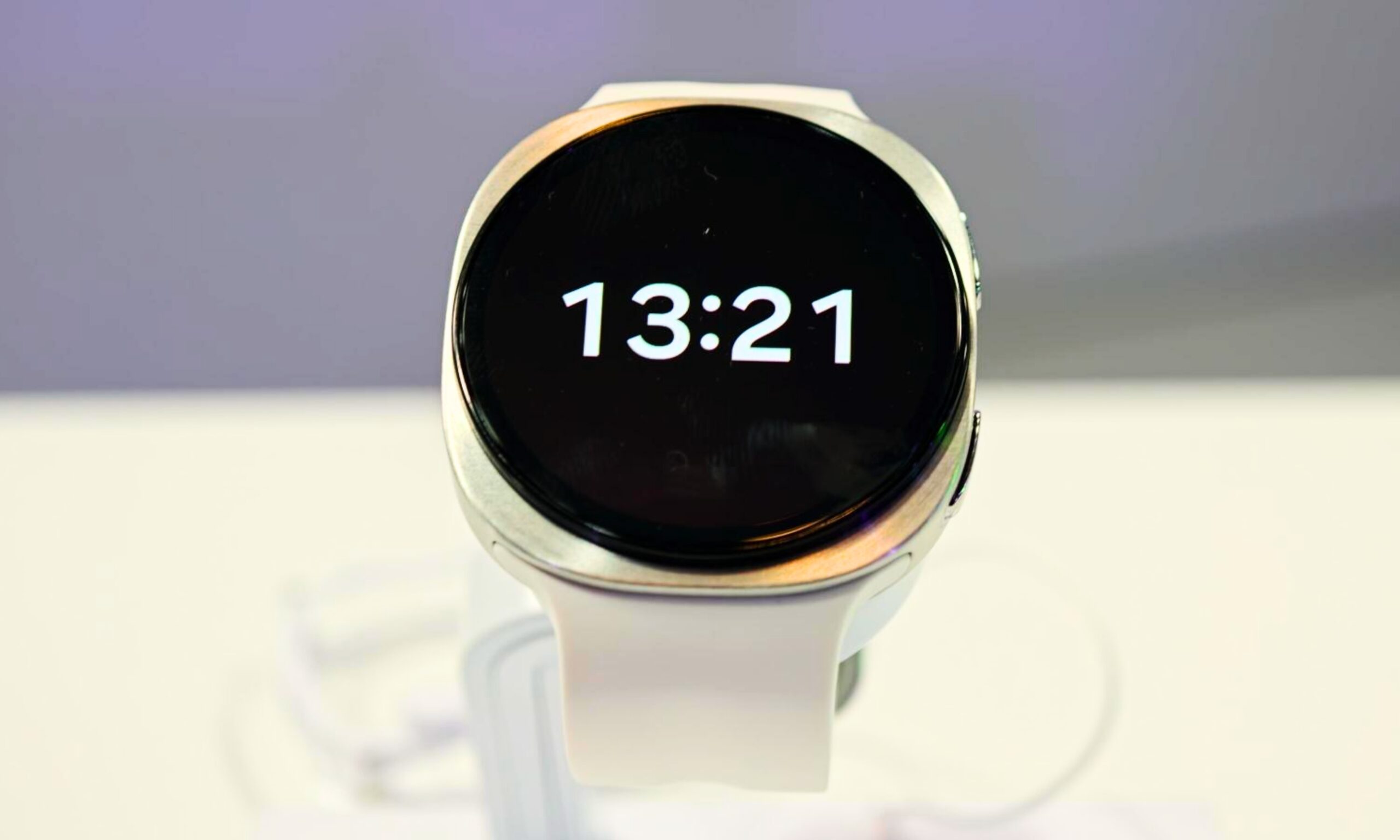
The Galaxy Watch 9 is the superior choice for users who prioritize hardware value, display brightness, and the latest processing technology. Its $379.99 price point offers a compelling package for any Android user looking for a "Pro" level experience in a mainstream design.
The Apple Watch Series 11 remains the gold standard for software maturity, safety features, and specialized fitness tracking. Its integration with the iOS ecosystem and its proven track record in clinical-grade heart monitoring make it the logical choice for iPhone users, despite its aging hardware compared to Samsung’s mid-2026 release.