The spirit of adventure inherent in backpacking often finds its most potent expression not in expensive, cutting-edge equipment, but in the ingenious repurposing of common household items. As seasoned trekkers and outdoor enthusiasts well know, the challenges of navigating, packing, planning, and executing a successful backcountry excursion demand a level of creative problem-solving that transcends the need for costly gear. While the allure of ultralight, high-performance equipment is undeniable, a wealth of practical, cost-effective solutions lie within reach, often originating from items not originally conceived for the wilderness. This article delves into a curated selection of such resourcefulness, highlighting how everyday objects can be transformed into indispensable tools, enhancing the backpacking experience for a fraction of the price.
The Evolution of Trail Resourcefulness: A Historical Perspective
The practice of adapting everyday items for outdoor pursuits is as old as exploration itself. Historically, before the advent of specialized outdoor gear, indigenous populations and early explorers relied heavily on natural materials and what they could carry or fashion from their immediate surroundings. This foundational principle of resourcefulness has endured, evolving with the availability of manufactured goods. Publications like Backpacker magazine have long served as a platform for sharing such innovations, documenting a rich history of trail hacks. Early examples include the creation of ultralight shelters from Tyvek, a material used in construction, and the clever transformation of frisbees into multi-functional tools, serving as plates, emergency paddles, and even rudimentary shelters. The adaptation of tent stakes as trowels for digging catholes exemplifies the minimalist approach to gear, where function dictates form, regardless of original intent. These documented instances underscore a recurring theme: the backpacker’s ability to perceive potential utility in the mundane.
Unpacking the Practical: Ingenious Gear Hacks for the Modern Trekker
The modern backpacker, while benefiting from advancements in materials science and design, can still achieve significant gains in efficiency and comfort through clever, low-cost adaptations. The following hacks, born from necessity and honed by experience, demonstrate that innovation often stems from simplicity and a willingness to think outside the conventional gear box.
The DIY Deep Tissue Relief: Tennis Balls and PVC Pipe as Mobile Massage Therapists
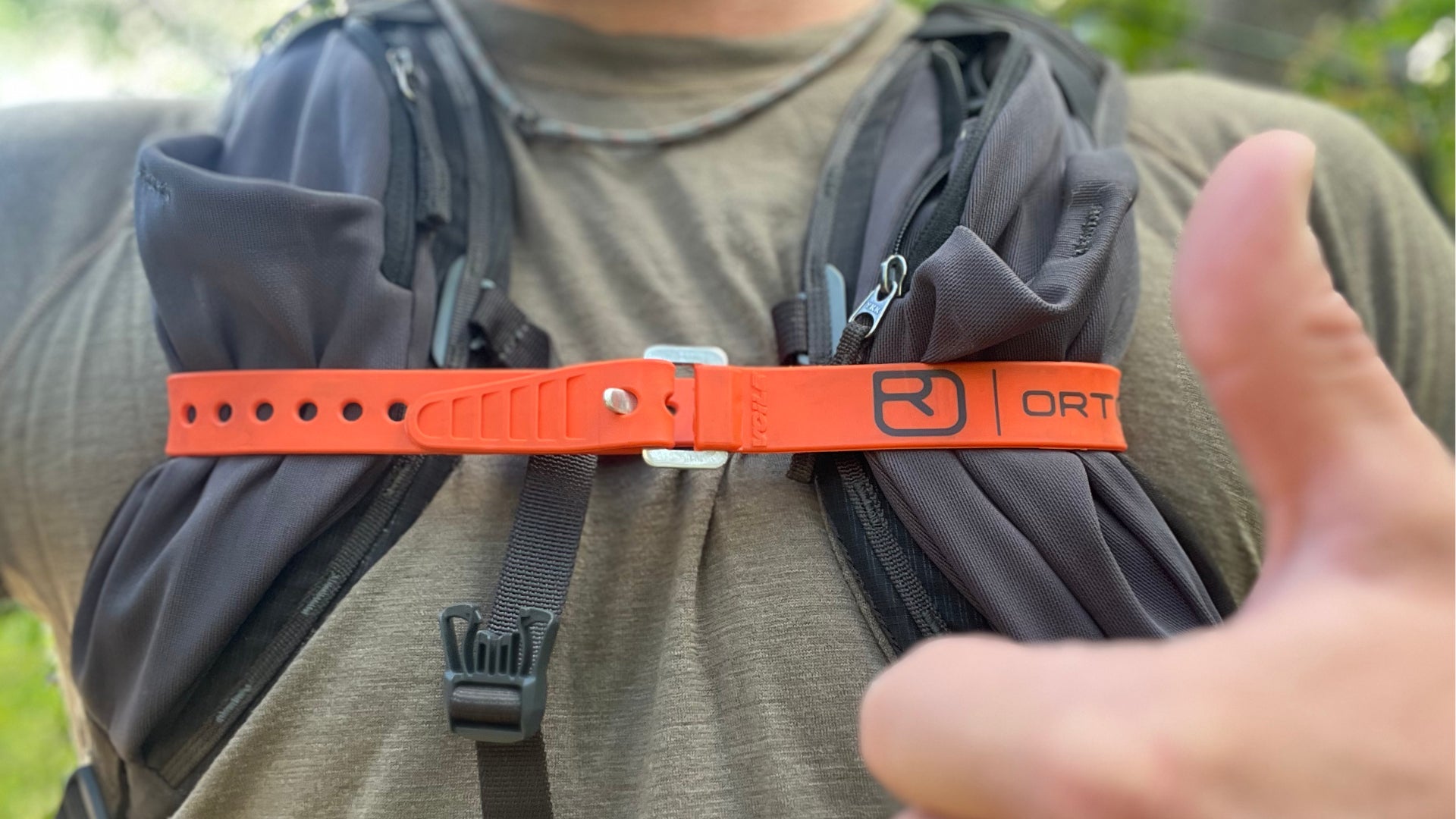
Post-hike muscle soreness is a ubiquitous experience for backpackers. While professional massage therapy is an impractical luxury on the trail, the pursuit of myofascial release, a technique aimed at alleviating muscle tightness, can be achieved with surprisingly simple tools. Tennis balls, readily available and inexpensive, can be strategically placed beneath tense muscle groups, particularly in the shoulders and back. By shifting body weight, hikers can apply targeted pressure to release knots and alleviate discomfort.
Complementing the tennis ball’s efficacy, sections of PVC pipe serve as effective muscle rollers. A 3- to 4-inch diameter pipe, cut to approximately three inches in length, provides a robust surface for rolling out larger muscle groups such as the thighs, calves, and hips. The pressure applied can help break down adhesions in the fascia, promoting better circulation and flexibility. For added utility, a section of PVC pipe can be wrapped in duct tape, simultaneously creating a spare roll of this essential repair material. This dual-purpose approach exemplifies the backpacker’s drive for efficiency. To further enhance portability and accessibility, ski straps, another versatile item, can be employed to lash the PVC roller securely to the exterior of a backpack, ensuring it is readily available upon reaching a campsite.
The Impromptu Oasis: Harnessing Sunlight for a Warm Shower
The desire for a hot shower in the wilderness, while seemingly a luxury, can significantly boost morale and hygiene on extended trips. While not a daily sustainable practice for the environmentally conscious, a resourceful method exists for creating a warm water source using a black plastic trash bag. By filling the bag with several gallons of water and leaving it exposed to direct sunlight for several hours, the water can reach a comfortable temperature. Once warmed, the bag can be suspended from a tree, and small perforations made in one corner to create a gentle, warm cascade.
This improvised shower offers a welcome respite, particularly after days of strenuous activity. The bag can potentially be reused for one or two additional showers by sealing the punctured corner, though its single-use nature is often more practical. This hack is best reserved for special occasions or as a much-needed comfort in challenging conditions, rather than as a regular ritual. For those seeking a more sustainable and reusable solution, commercially available pocket showers, such as the Sea to Summit Pocket Shower, offer a comparable function without the environmental impact of single-use plastic bags.
The Versatile Workhorse: The Indispensable Ski Strap
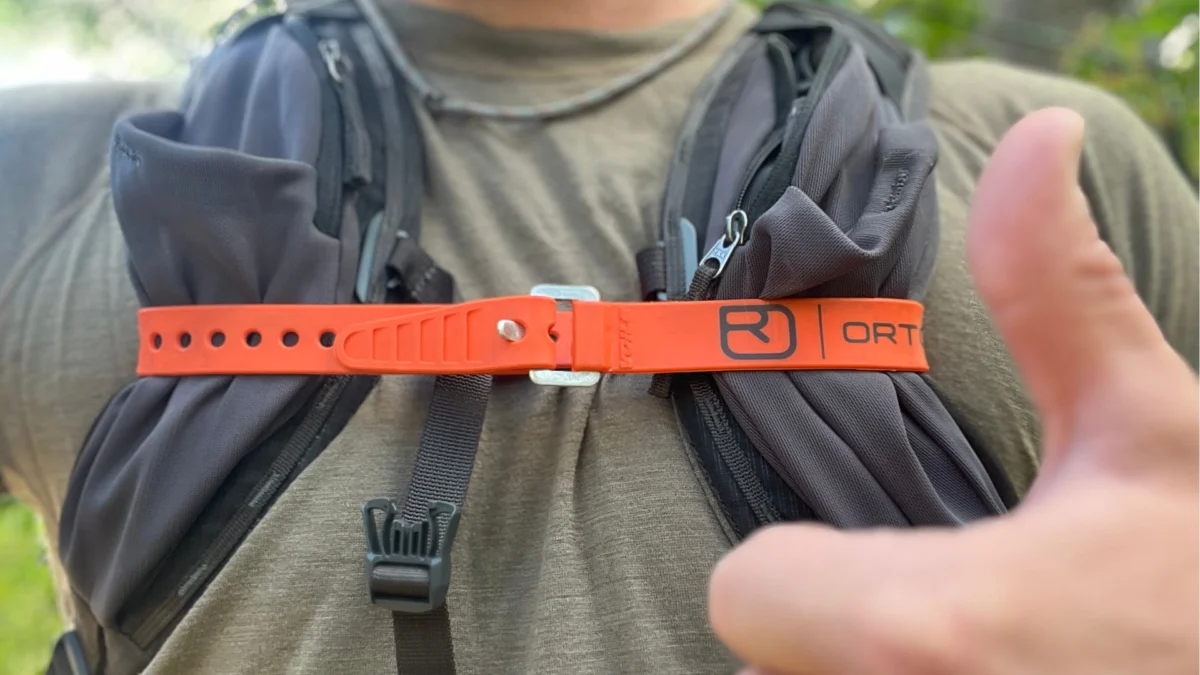
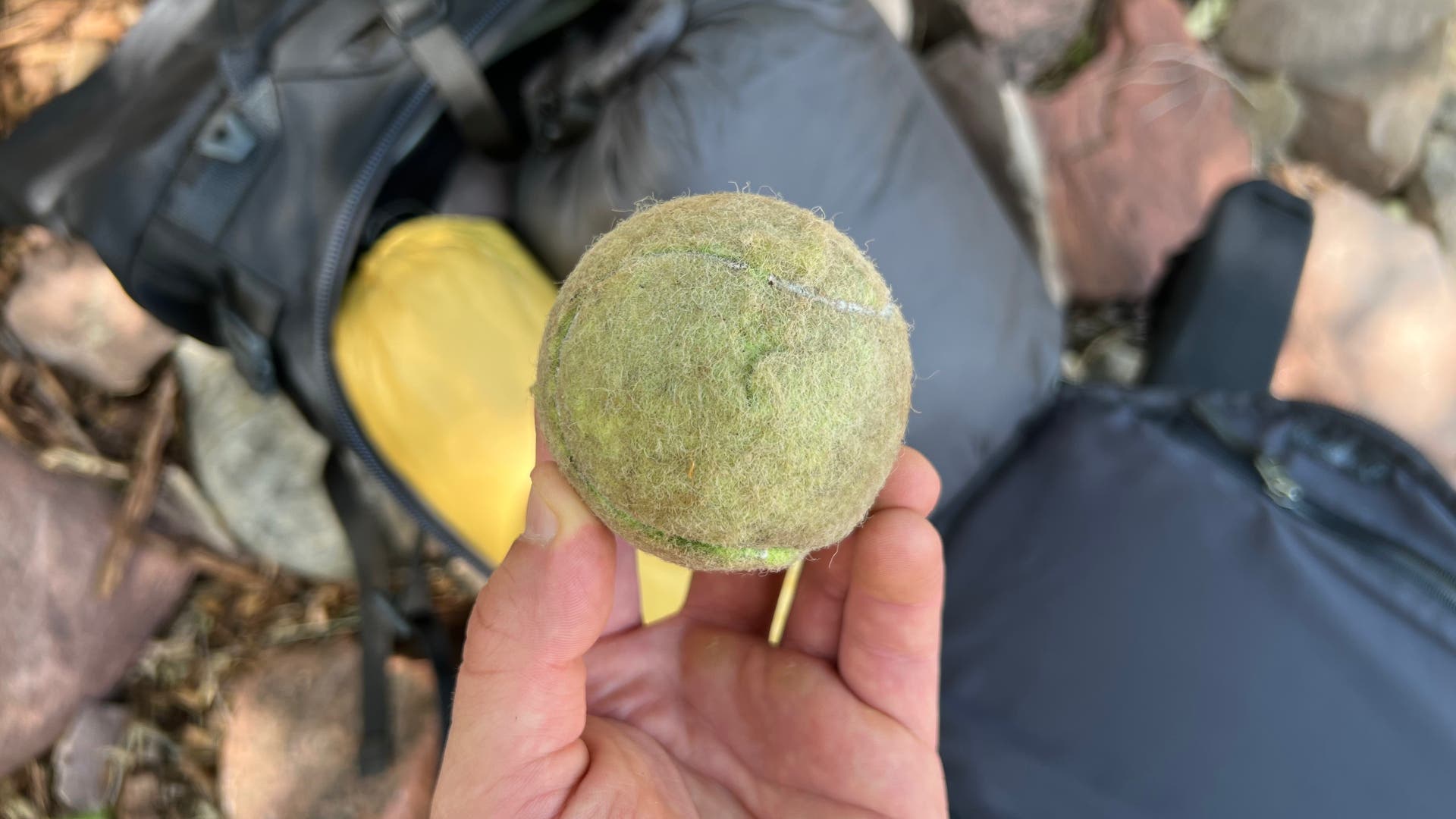
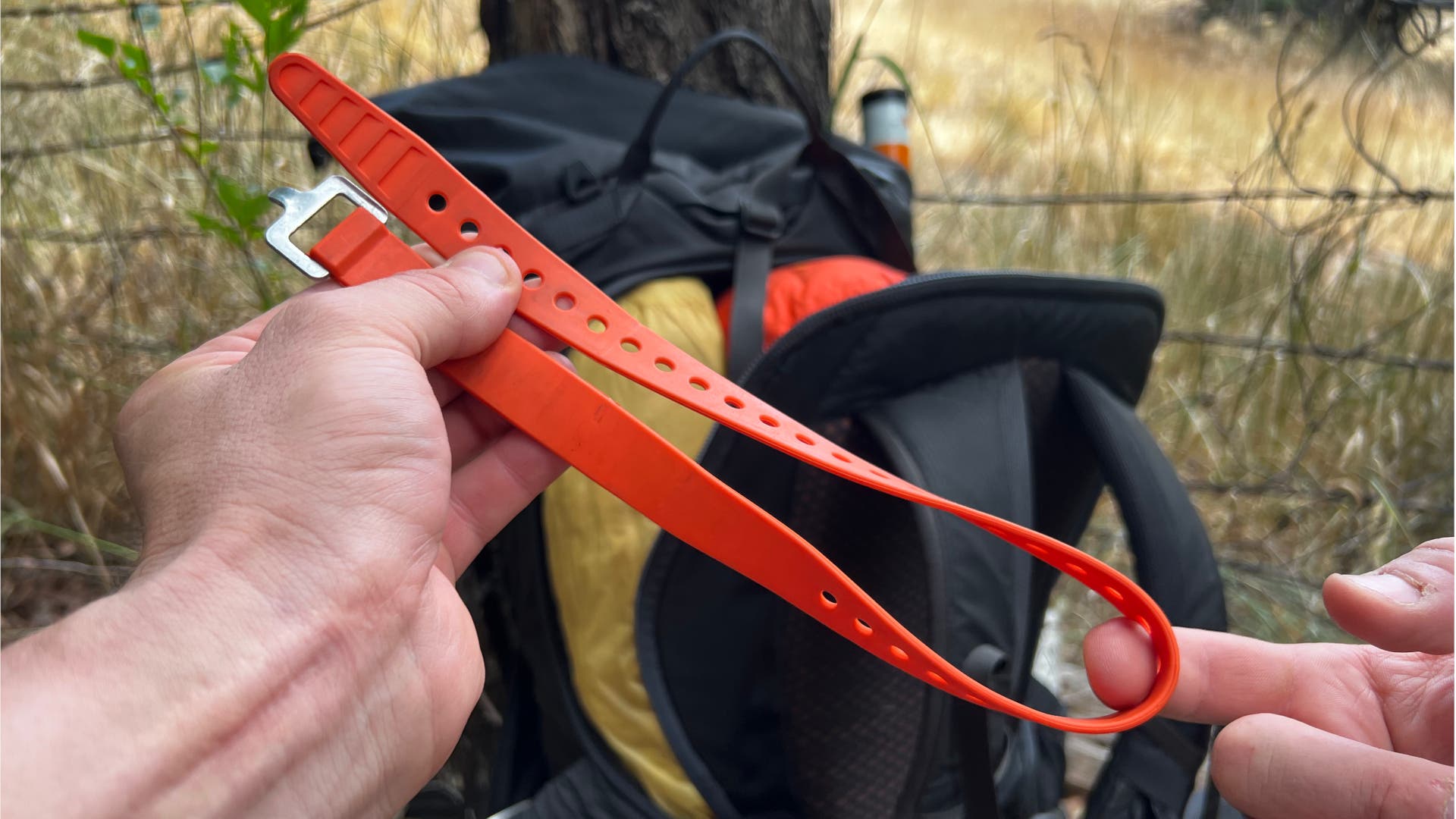
Originally designed to secure skis together during transport, ski straps have transcended their intended purpose to become one of the most versatile and essential items in a backpacker’s toolkit. These durable, elasticated straps, often featuring a metal buckle for secure fastening, offer a myriad of applications on the trail. They have proven invaluable for field repairs, such as reinforcing snapped hiking poles or replacing a broken sternum strap on a backpack. Their utility extends to external gear attachment, allowing hikers to secure bulky items to the outside of their packs, or to affix gear to vehicle roof racks.
The adaptability of ski straps means their usefulness often exceeds initial expectations. Their compact nature makes them easy to pack, and many hikers choose to loop them around a shoulder strap for immediate access. Alternatively, they can be stored conveniently on hiking poles. A standard 12-inch Voile strap, for instance, typically costs around $8, offering exceptional value for its multifaceted capabilities. Variety packs containing multiple sizes are also available for a slightly higher price point, further expanding their potential applications.
The Wilderness Repair Kit: Fishing Line and Hooks as an Emergency Sewing Solution
The prospect of a torn garment or a compromised piece of gear on the trail can be a significant setback. To address such contingencies, a simple yet effective repair kit can be fashioned from fishing tackle. A few fishing hooks and a length of braided fishing line, when combined with a cork, transform into a functional sewing apparatus. The hooks can be secured into the cork, acting as improvised needles, while the braided line serves as a robust thread.
The selection of braided fishing line over monofilament is crucial. Braided lines offer superior knot-holding capabilities and lie flat, mimicking the performance of heavy-duty nylon thread, whereas monofilament can kink and unravel more easily. Brands like Reaction Tackle offer durable braided fishing lines suitable for this purpose. For an even more comprehensive solution, an actual sewing needle can be added to the cork alongside the fishing hooks. While having both options is ideal, the fishing line’s dual-purpose potential as a survival tool makes it a highly valuable addition to any kit. Mastering basic sewing techniques in conjunction with this improvised kit can mean the difference between a minor inconvenience and a trip-ending disaster.
The Packable Pet Amenity: Zip-Top Bags as Collapsible Dog Bowls
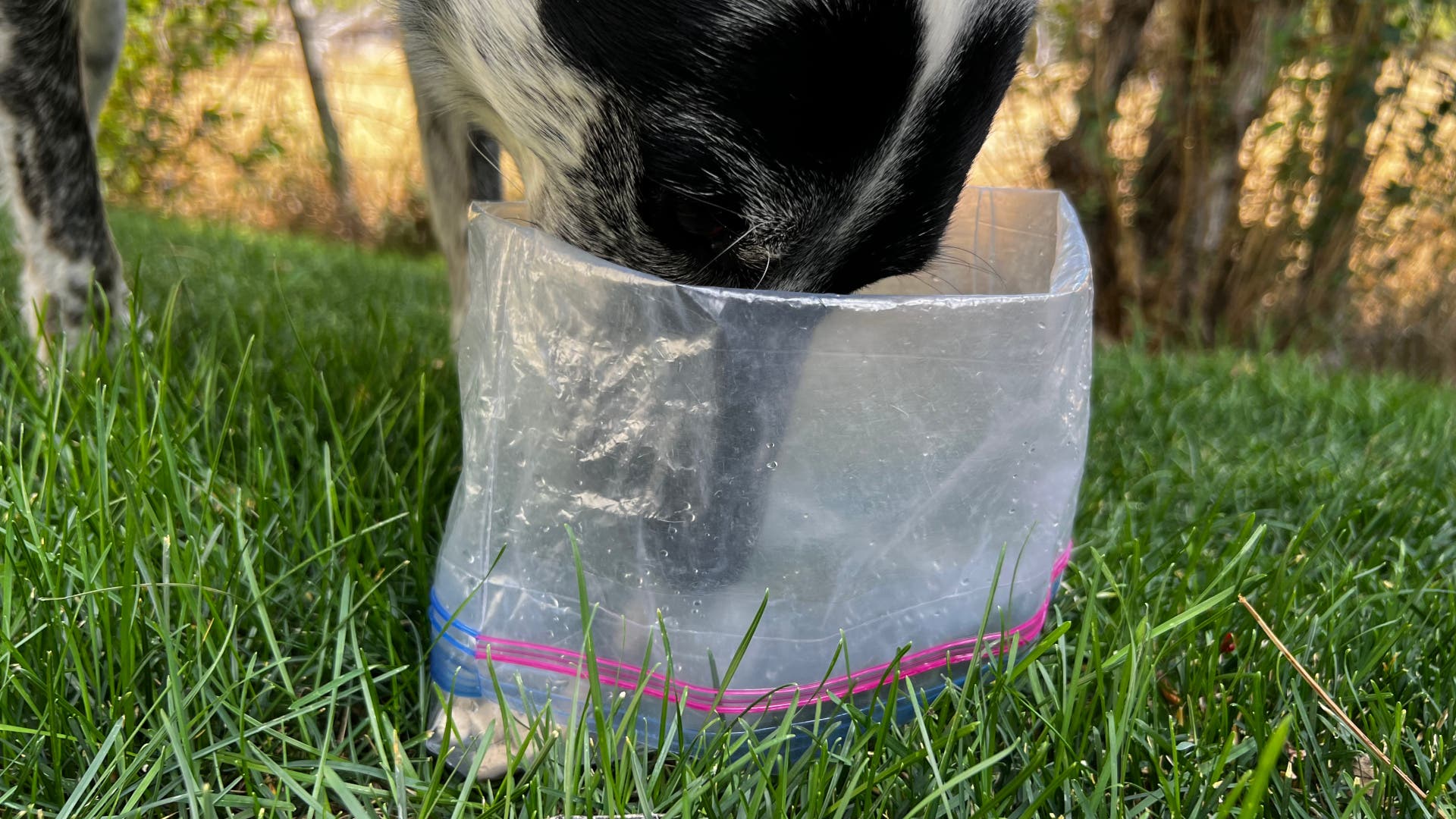
For backpackers accompanied by canine companions, the need for portable food and water bowls is paramount. While specialized collapsible bowls exist, the humble zip-top bag offers a remarkably inexpensive and highly compressible alternative. By opening the bag and folding the top edge back halfway, a stable, makeshift bowl is created. Once the dog has finished, the bag can be emptied, cleaned, and rolled up to occupy minimal space in a pack or a pack’s lid pocket.
These reusable bags maintain their form sufficiently for hydration and feeding, and their disposability ensures hygienic practice. Upon returning home, they can be thoroughly cleaned and stored for future excursions, further enhancing their cost-effectiveness and sustainability.
The Unexpected Protective Layer: Plastic Shower Caps for Footwear
Keeping footwear clean and dry, especially when entering a tent or a vehicle, is a common concern for backpackers. Plastic shower caps, often found in hotel amenities or available in bulk online, offer an ingenious solution. Their elasticized edges readily stretch over the toe and heel of hiking boots, creating a waterproof and dirt-repellent barrier.
This simple hack is particularly useful for preventing mud, dirt, and sand from contaminating tent interiors. It also serves as a convenient way to transport dirty boots back to a vehicle without soiling upholstery or other gear. The compact nature of shower caps makes them an easy addition to any pack.
The Anti-Slip System: T-Shirts and Seam Grip for Pillow Stability
A common nighttime annoyance for backpackers is the tendency for inflatable pillows to shift and slip off sleeping pads, leading to disrupted sleep. A remarkably effective, yet simple, solution involves utilizing a t-shirt. By fitting the shirt over both the pillow and the sleeping pad, friction is increased, significantly reducing slippage. This can be achieved with a dedicated clean t-shirt for this purpose or by repurposing a worn hiking shirt.
For a more permanent and robust solution, a few strategically placed dots of seam grip, a durable adhesive sealant commonly used for outdoor gear repair, can be applied to the sleeping pad’s surface. These dots create anchor points that grip the pillow, preventing it from migrating. Employing both the t-shirt method and the seam grip application can offer a remarkably secure and comfortable sleeping arrangement, ensuring a more restful night on the trail.
Broader Implications and the Future of Trail Innovation
The prevalence and ingenuity of these low-cost gear hacks speak to a broader trend in outdoor recreation. As the cost of specialized equipment continues to rise, backpackers are increasingly seeking practical, economical, and often more sustainable alternatives. This shift fosters a culture of creativity and self-reliance, encouraging individuals to engage more deeply with their gear and the environment.
The implications extend beyond mere cost savings. By adapting everyday items, backpackers can reduce their environmental footprint, minimizing the reliance on single-use, manufactured goods. This approach also encourages a more mindful consumption of resources, promoting a philosophy of repair, reuse, and repurposing. As the backpacking community continues to share and evolve these innovative techniques, the spirit of resourcefulness, honed over centuries, remains a cornerstone of successful and enjoyable wilderness exploration. The continued sharing of such practical wisdom, through platforms like Backpacker, ensures that these invaluable trail hacks will continue to benefit adventurers for generations to come.