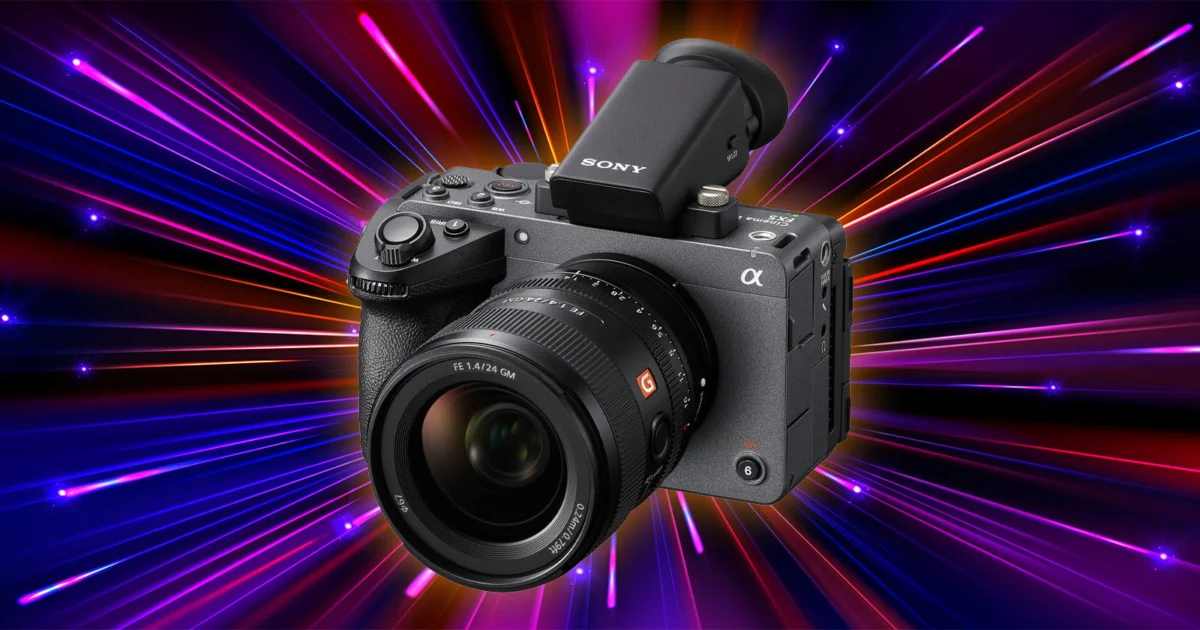
The long-anticipated Sony FX5 has officially landed, marking a pivotal moment for Sony’s esteemed FX Series cinema cameras. This release not only addresses a chorus of persistent demands from the filmmaking community for more substantial advancements but also potentially redefines a segment of the professional video production market. For years, users of Sony’s compact cinema cameras, while appreciating their form factor and image quality, have pointed to notable omissions that hindered their capabilities in certain high-end productions. The FX5 appears to be Sony’s decisive answer to these critiques, introducing features that were previously considered aspirational for this class of camera.
The development cycle for professional camera equipment is notoriously protracted, with each iteration requiring meticulous engineering and balancing of numerous factors. Enhancements to one feature can cascade into complex adjustments for others, impacting performance, power consumption, and ultimately, cost. Furthermore, companies like Sony typically maintain a tight-lipped approach to product development, guarding innovations until they are market-ready to avoid premature speculation and competitive disadvantages. This inherent discretion, coupled with the intricate nature of technological advancement, has often led to a perception among users that Sony was not fully addressing their feedback, particularly concerning the limitations of its FX line, such as the absence of Open Gate recording, internal RAW capture, and a lack of granular resolution options beyond 4K or 8K.
Sony FX5: Addressing Key Demands and Charting New Territory
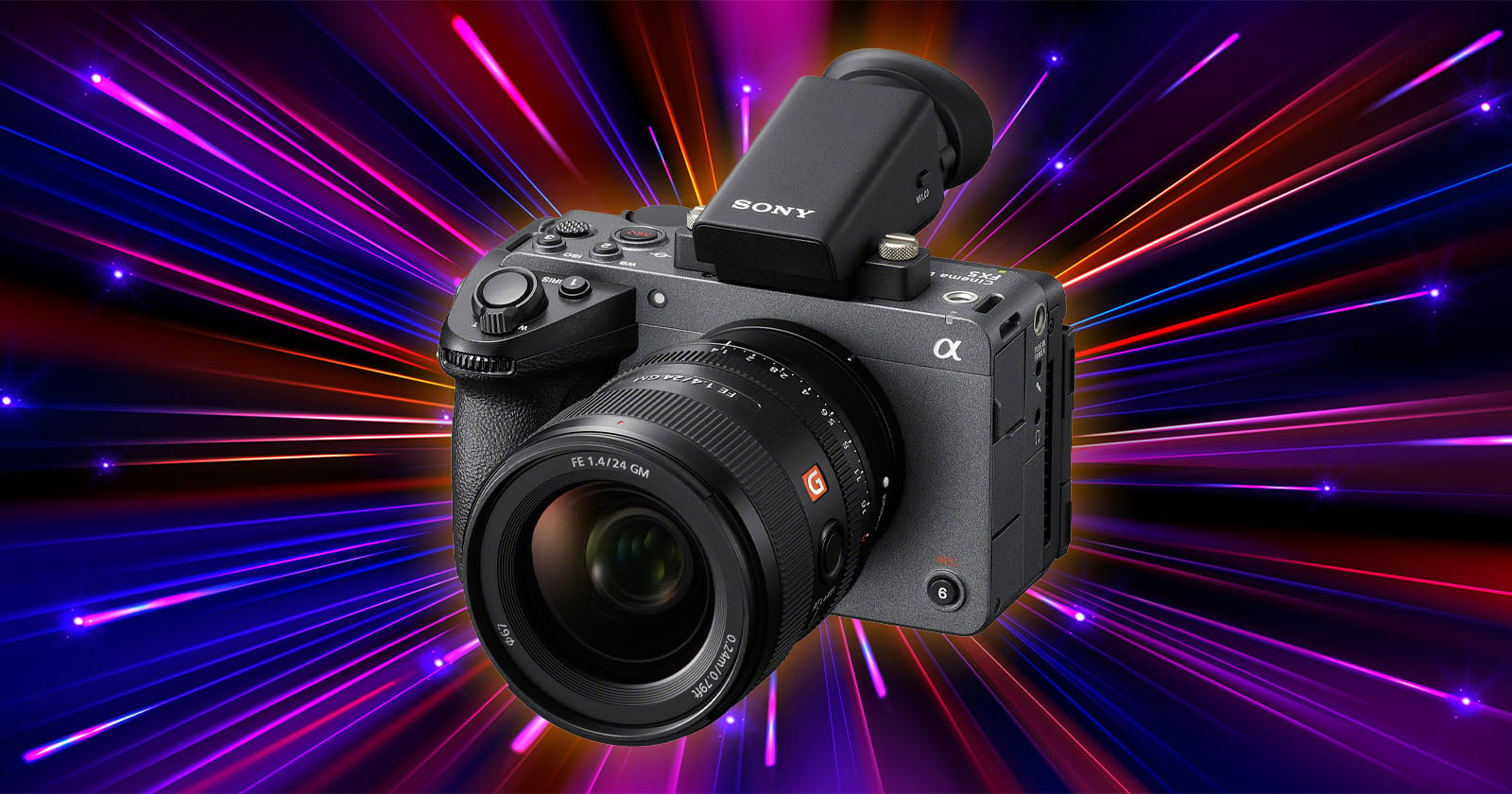
The Sony FX5 arrives equipped with a new 16.6-megapixel image sensor and Sony’s cutting-edge Bionz XR2 processor, signaling a significant generational leap for the FX Series. This camera is positioned not merely as an iterative update to the FX3 or a scaled-down FX6, but as a distinct offering that carves out its own niche. Industry analysts suggest this move reflects Sony’s strategic intent to cater to a broader spectrum of professional needs, particularly those requiring flexibility and high-fidelity image capture in a portable form factor.
Among the most celebrated features of the FX5 are its inclusion of Open Gate recording, 16-bit internal RAW video capture in the form of X-OCN files, integrated waveforms, a detachable electronic viewfinder (EVF), and the capability to record in 5K resolution. While not an all-encompassing solution for every conceivable production scenario, the FX5 delivers a substantial suite of capabilities that many users have been actively requesting.
The integration of internal RAW recording, a feature previously offered by competitors like Canon, Nikon, and Panasonic to varying extents, has been a notable point of absence in Sony’s compact cinema camera lineup. The FX5’s 16-bit X-OCN format provides filmmakers with unparalleled flexibility in post-production for color grading and image manipulation, a critical advantage in demanding visual effects and color-intensive projects.
Open Gate recording, which allows footage to be captured utilizing the full sensor area, is another significant addition. This feature, previously restricted to RAW recording in Sony’s lineup, is now available, providing greater creative freedom. Open Gate is particularly valuable for workflows that require reframing footage for various aspect ratios or for achieving the distinct aesthetic of anamorphic lenses, a trend that continues to gain traction in commercial and cinematic productions. The ability to easily adapt footage to different platforms, from social media to theatrical releases, without compromising image quality, represents a substantial workflow improvement for many content creators.
These two enhancements alone are sufficient to appease a segment of the filmmaking community that has expressed frustration with previous FX models. More critically, they directly address practical production challenges, potentially allowing professionals to secure projects that previously mandated these specific recording formats. For instance, the flexibility afforded by Open Gate is invaluable for social media content creators who need to adapt vertical and horizontal formats from a single capture, as well as for cinematographers pursuing the unique visual characteristics of anamorphic lenses.
The Sony FX5’s feature set suggests it is capable of fulfilling the requirements of a wide array of professional clients, unless there is a strict requirement for resolutions exceeding 5K. It is being positioned not only as a primary camera for smaller productions but also as a highly capable B or C camera for larger projects. This mirrors the use case of the FX3 but elevates it with significantly enhanced video features, maintaining the compact and agile form factor that has made its predecessors popular for run-and-gun shooting.
In addition to these headline features, the FX5 boasts other crucial improvements. A new, more robust battery system is included, alongside AI-powered autofocus enhancements, improved image stabilization, and three distinct base ISO settings (800, 4000, and 12800). These latter settings are particularly noteworthy for their ability to provide clean, usable footage in a wide range of lighting conditions, a hallmark of professional cinema cameras. The camera also incorporates a new user interface inspired by the flagship CineAlta line, along with advanced monitoring tools such as waveform and vectorscope displays. These professional-grade tools are essential for accurate exposure and color management on set, further solidifying the FX5’s position as a serious tool for serious filmmakers.
A Look at the Sensor and Processing Power
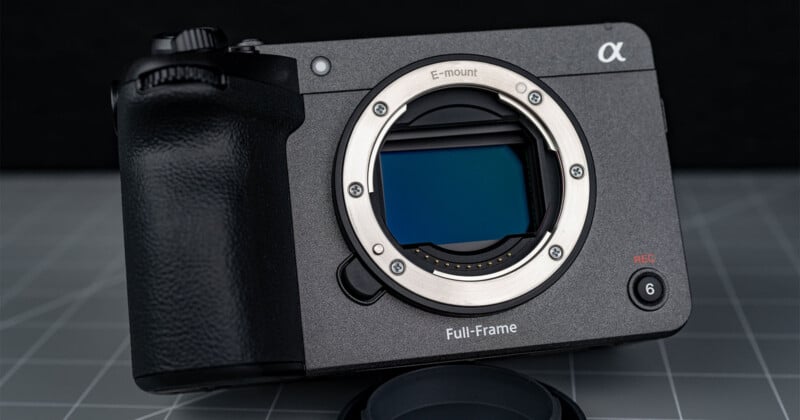
The 16.6-megapixel sensor in the FX5 is reportedly a sophisticated piece of technology, potentially derived from or sharing architecture with the advanced sensors found in Sony’s still photography line, such as a variant of the 66-megapixel sensor from the a7R VI, perhaps utilizing a Quad Bayer pattern for enhanced light sensitivity and resolution management. This configuration strikes a balance between resolution and operational speed, ensuring that the sensor itself is unlikely to be a bottleneck in most shooting scenarios. While the Dynamic Range Boost mode may introduce some compromises in speed, the overall performance is expected to be robust.
The new Bionz XR2 processor is a key enabler of these advanced features. Its increased processing power is essential for handling the high data rates of internal RAW recording, managing complex autofocus algorithms, and facilitating real-time image processing for features like advanced stabilization and the new user interface. This synergy between the sensor and processor is fundamental to the FX5’s enhanced capabilities.
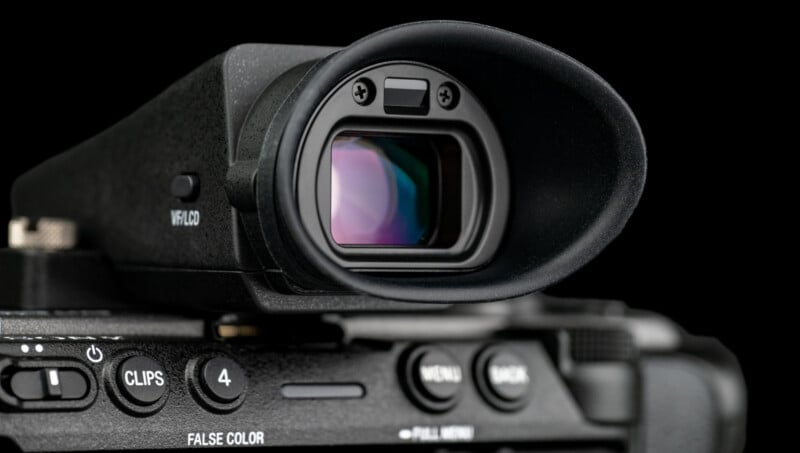
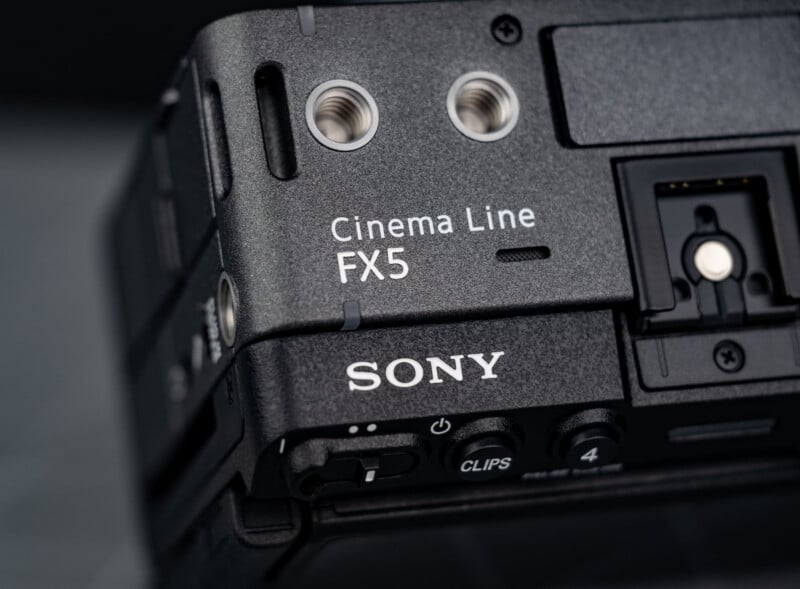
The inclusion of a detachable EVF, along with a larger rear display, aims to provide users with optimal viewing flexibility. This addresses a common ergonomic challenge in compact camera designs, where on-camera displays can be difficult to see in bright sunlight or when shooting at challenging angles. However, the placement of the EVF does obscure the Multi Interface (MI) shoe, which is crucial for the camera’s 32-bit float audio recording capabilities. This trade-off, while acknowledged, is likely deemed acceptable by Sony in exchange for the enhanced viewing options the EVF provides. The success of a tilting EVF on the FX6 suggests that this design choice for the FX5 is intended to offer similar ergonomic benefits.
Pricing and Market Positioning
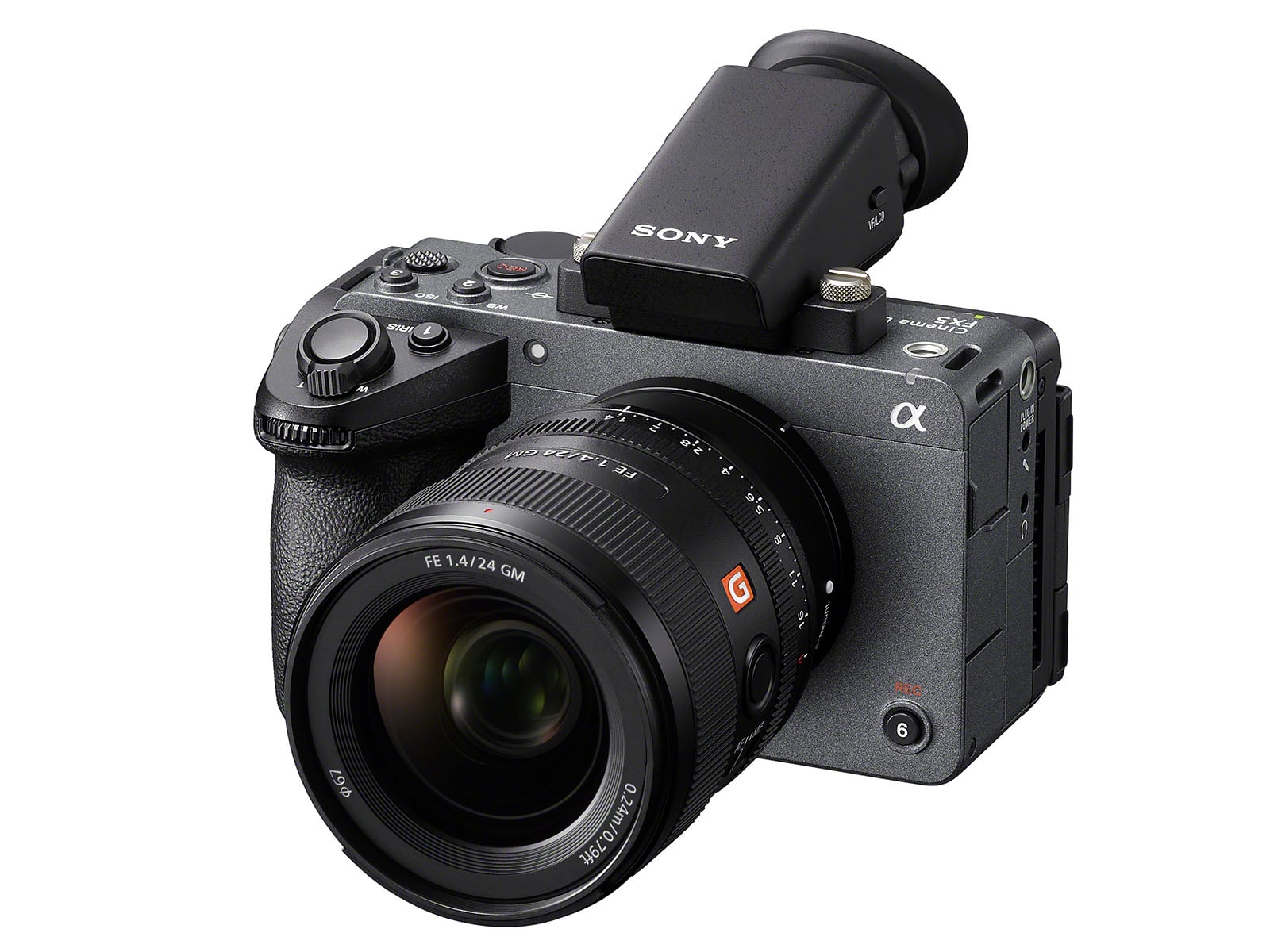
Priced at $4,900, the Sony FX5 positions itself in a competitive segment of the market. This price point reflects the advanced technology and professional features integrated into a compact body. While it may not offer resolutions exceeding 5K, the compromise is understandable given the form factor and cost constraints. The FX5 appears to be engineered to satisfy the needs of a broad range of professional videographers, from solo operators to small crews, who value image quality, recording flexibility, and portability.
The camera’s capabilities suggest it can serve as a primary camera for many professional applications, including documentary filmmaking, corporate video production, and even some narrative projects where extreme resolution is not a prerequisite. Its compact size makes it an ideal companion for gimbal work, drone cinematography, and other situations demanding maneuverability.
Addressing the Limitations: Where the FX5 Still Falls Short
Despite its impressive advancements, the Sony FX5 is not without its limitations, and it remains important to acknowledge what is still missing for some professionals. A key omission is an integrated electronic neutral density (ND) filter, a feature that has proven immensely useful on the Sony FX6 for quickly adjusting exposure without the need for external filters. The FX5’s design apparently did not accommodate this complex internal mechanism.
Furthermore, the FX5 lacks some of the more robust workflow connectivity options found on the FX6, such as Genlock and SDI ports. These professional interfaces are critical in larger broadcast and multi-camera studio environments. The FX6’s larger body also offers greater physical expansion possibilities, reinforcing its role as a higher-tier, more studio-centric option within Sony’s lineup. Consequently, the FX6 is expected to retain its place in Sony’s product catalog, catering to a different set of professional demands. It leaves many to speculate on how future iterations of the FX6 might incorporate the advancements seen in the FX5.
The Broader Impact and Future Outlook
The launch of the Sony FX5 signifies more than just a new product; it represents a strategic pivot and a renewed commitment from Sony to its FX Series. For years, users have had to make concessions when choosing Sony’s compact cinema cameras, trading certain capabilities for portability and image quality. The FX5 appears to substantially reduce or eliminate these compromises, laying a more solid foundation for the future of the FX line.
In an industry where competition has intensified significantly since the introduction of the FX3 and FX6 over five years ago, the FX5 arrives at a crucial juncture. It demonstrates Sony’s ability to innovate and respond to market demands, ensuring its continued relevance in the fiercely competitive cinema camera landscape. The FX5 is arguably Sony’s most significant cinema camera release in recent memory, underscoring its importance in maintaining and expanding its market share.
The camera’s success will likely hinge on its reception by the professional community and its ability to integrate seamlessly into existing workflows. Early reactions from industry professionals and reviewers are expected to provide further insight into its real-world performance and its impact on production practices.
The evolution of the FX Series, spearheaded by the FX5, suggests a future where Sony continues to push the boundaries of what is possible in compact, professional cinema cameras, potentially setting new benchmarks for image capture and creative flexibility. The industry will be watching closely to see how this new generation of FX cameras influences filmmaking and video production moving forward.
Image credits: Product photos by Erin Thomson unless otherwise noted. Header image created using an asset licensed via Depositphotos.com.