
The smartphone landscape has seen a significant shake-up with the official withdrawal of OnePlus from the North American and European markets. This strategic pivot marks a poignant moment for a brand that once championed the "flagship killer" ethos, promising premium specifications at accessible price points. The move, orchestrated by its parent company Oppo, signals a recalibration of global priorities, with OnePlus likely to refocus on emerging markets and more budget-friendly offerings. While the brand itself is not defunct, its presence in two of the world’s most influential consumer electronics arenas has officially concluded, leaving a void that could reshape the competitive dynamics for remaining players.
The seeds of this departure were likely sown with the deeper integration between OnePlus and Oppo. Historically, both brands have occupied distinct niches, but the merging of their operational and software development efforts, particularly under the Oppo umbrella, blurred the lines. This consolidation aimed to streamline resources and potentially leverage shared technologies. However, it also meant that strategic decisions, such as market focus, would be made with a broader corporate vision in mind, a vision that now appears to exclude significant investment in the highly competitive North American and European smartphone sectors. For a brand that built its reputation on challenging the established order, this "settling" by Oppo for OnePlus in these key regions represents a stark departure from its disruptive origins.

A Legacy of Disruption: From "Flagship Killer" to Global Realignment
Founded in December 2013 by Pete Lau and Carl Pei, OnePlus burst onto the scene with a bold promise: to deliver high-end smartphone experiences without the exorbitant price tags typically associated with flagship devices. The debut OnePlus One, launched in 2014, became a cult hit, partly due to its impressive specifications and its innovative, albeit polarizing, invitation-only sales model. This approach was a clever strategy to manage demand and build a sense of exclusivity during a time when the smartphone market was far more fragmented. Brands like HTC, Nokia, LG, BlackBerry, and Microsoft were still significant players, offering consumers a wider array of choices than is often available today.
The company’s early philosophy, encapsulated by the slogan "Never Settle," resonated with a growing community of tech enthusiasts. OnePlus quickly established a reputation for offering devices that pushed boundaries, whether through superior processing power, innovative display technology, or clean, user-friendly software. The introduction of OxygenOS, praised for its speed, fluidity, and minimal bloatware, became a key differentiator, attracting users who preferred a more stock Android-like experience.
A pivotal moment in OnePlus’s trajectory was the launch of the OnePlus 7 Pro in 2019. This device marked a definitive shift from the mid-range segment towards premium flagship territory. Its all-screen display, thanks to a novel pop-up selfie camera, and its robust performance garnered significant attention. This move coincided with a period of intense competition, as brands like Xiaomi, Vivo, and Huawei, alongside the established giants, vied for market share.

The partnership with the renowned camera manufacturer Hasselblad, announced in 2021, signaled a concerted effort to elevate OnePlus’s camera capabilities. While Hasselblad’s role focused on color science and image processing rather than lens manufacturing, the collaboration aimed to imbue OnePlus phones with professional-grade photographic prowess. This initiative was particularly evident in devices like the OnePlus 13, which was lauded for its exceptional camera system in 2025, incorporating features like MagSafe compatibility for Android through specialized cases and setting new benchmarks for RAM and storage capacities – areas where Chinese brands have often led the way compared to some Western counterparts.
However, the subsequent removal of Hasselblad from the OnePlus 15 launch in late 2025, just ten months after the OnePlus 13, raised questions about the long-term commitment to this imaging strategy. This move, coupled with other internal shifts, fueled speculation about the brand’s strategic direction and potential internal pressures.
The Crucial Role of Carrier Support in North America
One of the most significant hurdles for OnePlus in North America has been the persistent lack of substantial carrier support. Unlike in many Asian and European markets where consumers frequently purchase devices outright or through unlocked channels, the North American smartphone ecosystem is heavily reliant on carrier subsidies and installment plans. For years, OnePlus struggled to secure widespread distribution agreements with major carriers like Verizon, AT&T, and T-Mobile in the US, and Rogers, Bell, and Telus in Canada.
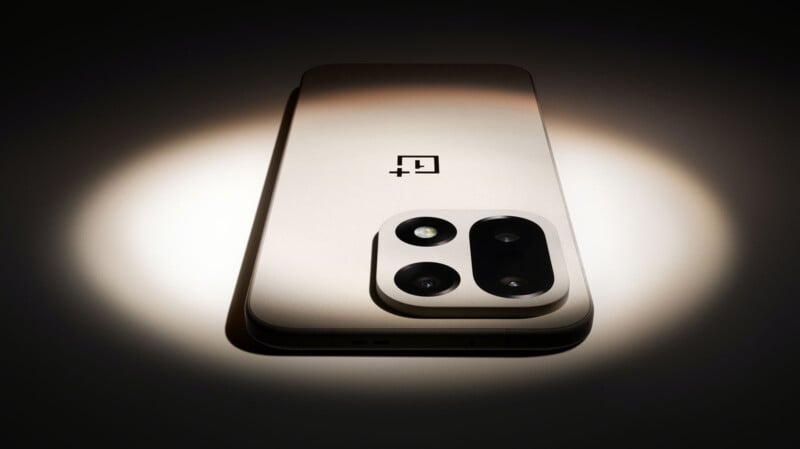
While there were sporadic partnerships, such as brief stints with T-Mobile in the US, these never translated into sustained, market-wide availability. In Canada, the situation was even more stark, with no major carrier ever stocking OnePlus devices. This absence forced consumers in both countries to purchase OnePlus phones at full retail price from online retailers like Amazon, Best Buy, or directly from the OnePlus website. For more affordable models, this was manageable, but for premium flagships costing upwards of $700-$1000, it represented a considerable financial commitment that many consumers were unwilling to make without carrier incentives.
This reliance on direct-to-consumer sales placed OnePlus at a significant disadvantage against industry titans like Apple, Samsung, and Google. These companies benefit immensely from established relationships with carriers, who often prioritize and heavily promote devices from these dominant brands. The retail environment within carrier stores, often staffed by individuals more familiar with the mainstream offerings, further compounded the issue. Anecdotal evidence suggests that sales associates, often guided by incentives and brand recognition, are more likely to recommend familiar devices, leaving less prominent brands like OnePlus overlooked, even if they offer superior value or features. This "wall of ignorance," as some have described it, presents a formidable barrier to entry and sustained growth in the North American market.
The Oppo Integration and Shifting Global Strategy
The increasing integration of OnePlus into the Oppo ecosystem is central to understanding this market exit. Oppo, a larger and more established player in many global markets, has been strategically aligning its brands. This consolidation aimed to optimize research and development, manufacturing, and marketing efforts. The decision to pull OnePlus from North America and Europe appears to be a calculated move by Oppo to concentrate its resources on markets where it sees greater potential for growth and profitability.
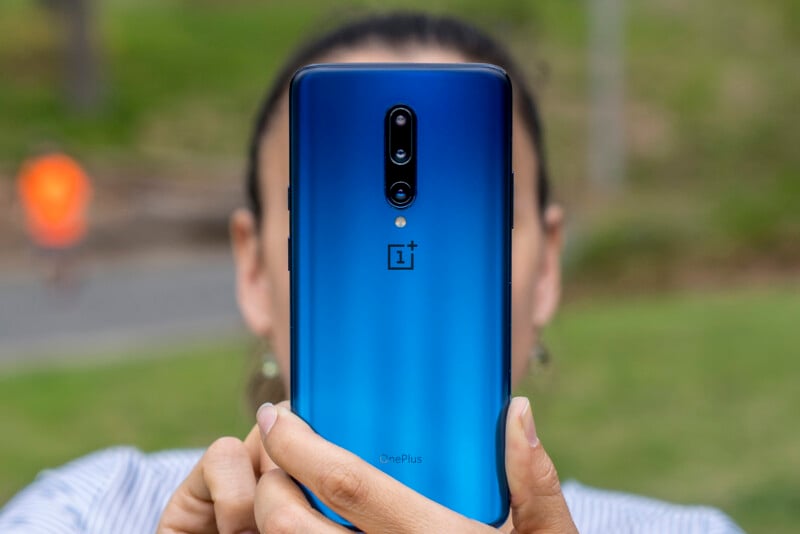
This realignment suggests a future for OnePlus that is more focused on affordable and mid-range devices, particularly in markets like India, Southeast Asia, and potentially parts of Africa and Latin America, where these segments are highly lucrative. The recent launch of the OnePlus N6 in India exemplifies this shift towards more accessible price points. While future flagship models may still be developed, their primary market focus will likely be elsewhere.
In Europe, the situation is nuanced. While OnePlus is stepping back, Oppo is expected to expand its own presence, effectively filling the void left by its sister brand. Oppo already has a significant footprint in many European countries and plans to strengthen its position, particularly in Central Europe and Nordic regions, offering a more direct alternative to the market gap.
The Future for Existing OnePlus Users
For current OnePlus users in North America and Europe, the company has provided assurances regarding ongoing support. Existing devices will continue to receive software updates, security patches, and applicable customer support. Warranties are stated to remain valid, and the official OnePlus support website will continue to operate for repairs. However, the logistical details of repair handling in North America, given Oppo’s limited direct presence, remain somewhat unclear.

OnePlus is also offering eligible users the option to transition to Oppo’s ColorOS or revert to OxygenOS, should they prefer. While this transition is not mandatory, the long-term implications for users who choose not to switch remain to be fully clarified by the company. Older devices that are no longer eligible for major software updates will still receive essential maintenance and security patches, upholding the original multi-year update commitments.
In Europe, the transition is expected to be smoother, with Oppo’s expanded presence providing a more direct support infrastructure. This localized approach aims to mitigate concerns and ensure a degree of continuity for consumers who have invested in the OnePlus brand.
A Lasting Impact on the Smartphone Industry
The departure of OnePlus from major Western markets is more than just the exit of a single brand; it represents a broader trend and a loss for market dynamism. OnePlus consistently served as a catalyst for innovation and competitive pricing. The brand’s early adoption of high refresh rate displays (90Hz), ultra-fast charging technology, and its willingness to experiment with novel hardware like the pop-up camera pushed competitors to accelerate their own development cycles.
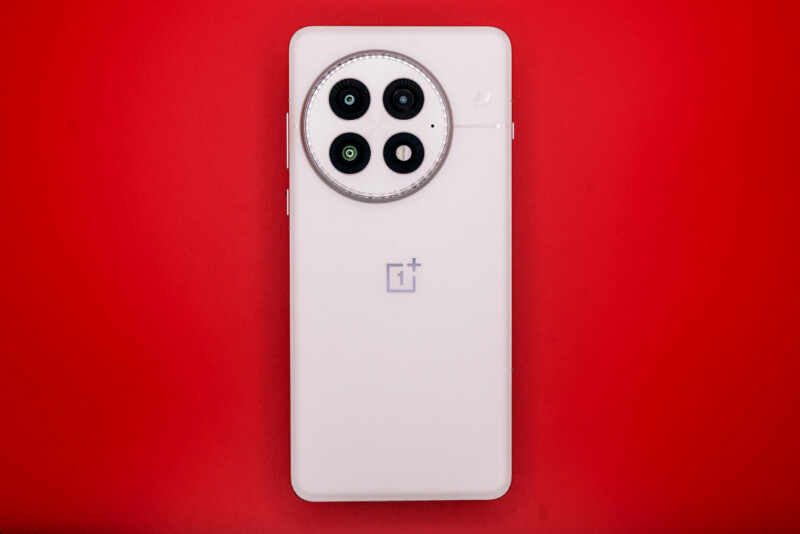
The emphasis on clean, efficient software with OxygenOS set a high bar for user experience, influencing the design and functionality of Android overlays from other manufacturers. Its aggressive pricing strategy continuously pressured established brands like Samsung and Google to justify their premium price points and to enhance their own offerings in terms of specifications and value. The company’s commitment to including chargers in the box, a practice that many competitors abandoned, also reflected a user-centric approach that garnered significant goodwill.
The collaboration with Hasselblad, even if ultimately scaled back, spurred greater industry attention on camera quality and computational photography, prompting rivals to invest more heavily in imaging research and development. It is no coincidence that following OnePlus’s efforts, companies like Samsung introduced advanced features such as Expert RAW, and Google began incorporating more robust manual controls into its Pixel cameras.
OnePlus’s journey, from its "flagship killer" origins to its current strategic realignment, underscores the intense pressures and evolving dynamics of the global smartphone market. While its presence in North America and Europe will be missed by its dedicated user base, the brand’s legacy of pushing boundaries and challenging the status quo will undoubtedly continue to influence the industry for years to come. The competition it fostered has, in many ways, made the Android ecosystem more robust and consumer-friendly, a testament to its disruptive spirit, even as it pivots away from these significant markets.