Home cinema, when meticulously crafted, transcends mere entertainment; it transforms a living space into an immersive portal, capable of transporting viewers to the heart of cinematic narratives. The allure of a colossal screen, the intimate comfort of one’s own abode, and the uninhibited freedom to indulge in personal rituals – be it a favourite film, a cherished pet, or a contemplative dram of whisky – combine to create an experience that, for many, approaches a state of pure elation. This pursuit of auditory and visual perfection is the driving force behind the dedicated teams at publications like What Hi-Fi?, who meticulously evaluate the latest hardware to empower consumers in achieving this coveted "magic."
However, the path to a truly transcendent home cinema experience is often more intricate than commonly perceived. The perceived magic is inextricably linked to the quality and, crucially, the compatibility of the hardware employed. As the technical editor at What Hi-Fi?, Ketan Bharadia, would attest, achieving a "proper home cinema" setup – one that incorporates a sophisticated multi-speaker surround sound system, a high-performance long-throw projector, a capable AV receiver (AVR), and a reliable source component – demands a nuanced understanding of how individual elements interact. This is particularly true when attempting to replicate the rich, layered soundscapes that define modern blockbusters and concert films.
A prevalent misconception, even among some engaged forum users, is that home cinema sound operates on an entirely different paradigm from hi-fi audio. This leads to an assumption that assembling a collection of highly-rated individual components will automatically yield a superior integrated system. Yet, the reality, underscored by extensive testing and practical experience, consistently reveals that the principle of "matching" remains paramount. The recent evaluation of the KEF R Meta speaker package, paired with the Denon AVC-A1H AV receiver, served as a compelling contemporary illustration of this fundamental truth.
The Initial Encounter: A Symphony of Refinement
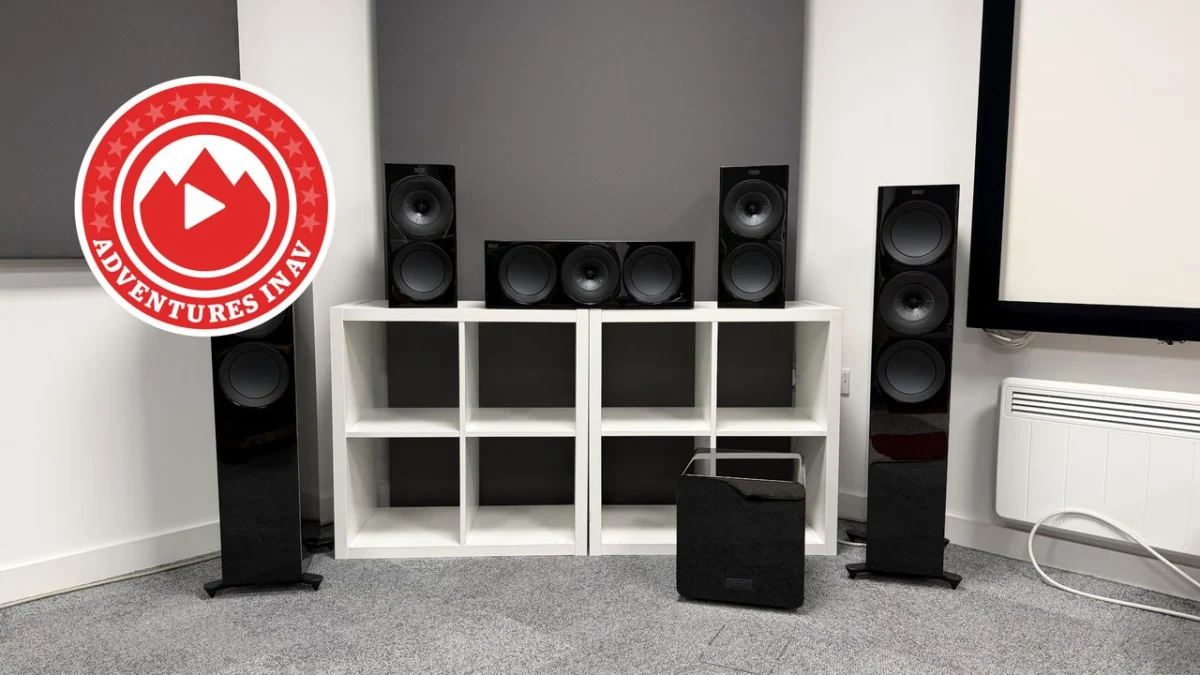
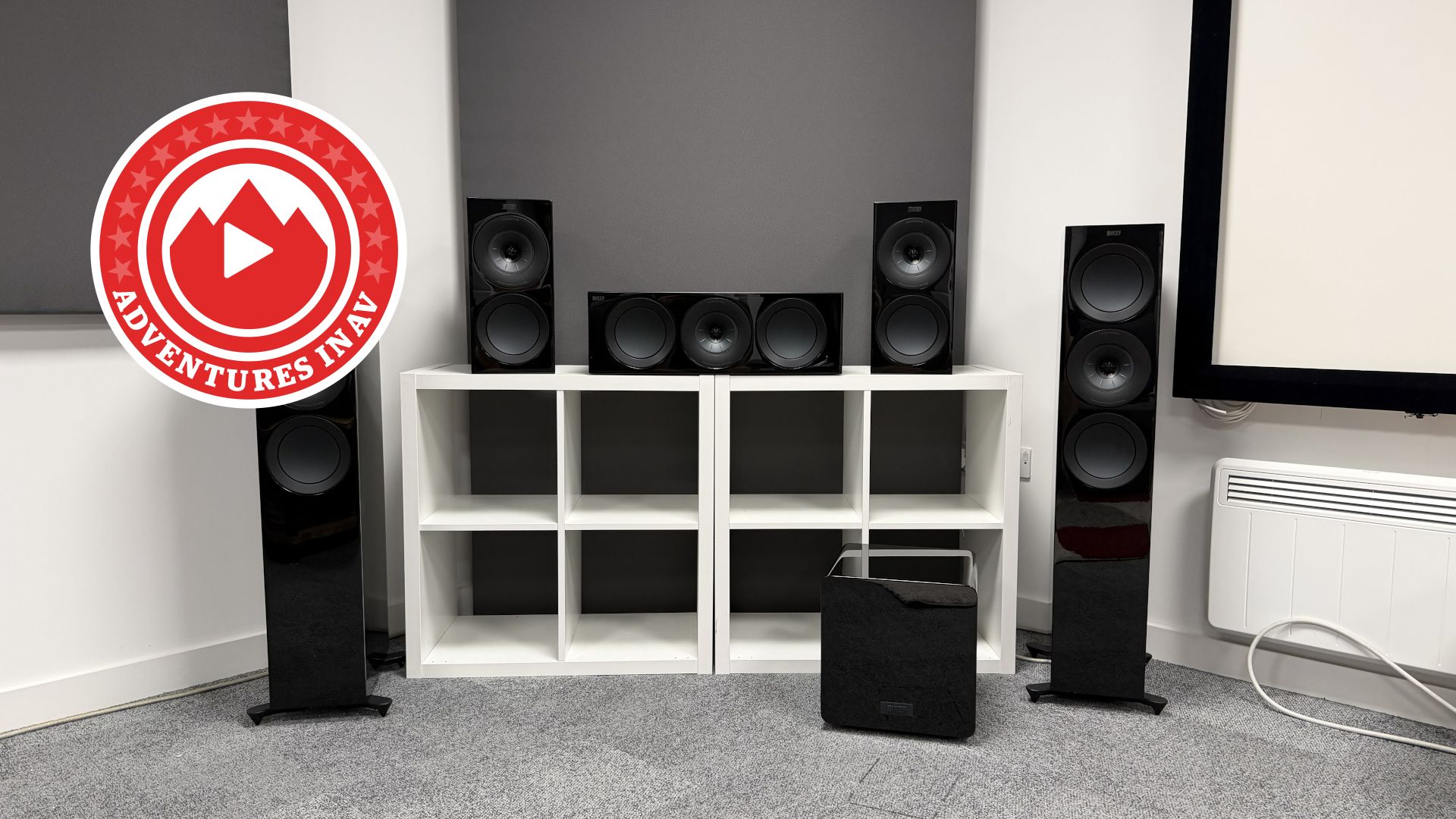
The testing process commenced with the KEF R Meta speaker package, a highly anticipated offering in the premium home cinema segment. To establish a baseline, the initial integration was with the Marantz Cinema 30 AVR, a respected component known for its sophisticated sound profile. The results, as anticipated by seasoned audio professionals, were undeniably excellent. The combined system delivered a soundstage that was both expansive and remarkably cohesive, exhibiting a level of control that fostered a deeply immersive cinematic atmosphere.
A critical test involved a demanding scene from the 4K Blu-ray of Dune: Part One. This particular sequence is renowned for its intricate dynamic range, from the visceral impact of percussive elements to the subtle atmospheric nuances. The Marantz Cinema 30 and KEF R Meta configuration demonstrated masterful command over the entire frequency spectrum. The delicate dynamics underpinning the scene’s thunderous drums were rendered with commendable presence, and the directional cues, such as the sweeping flight of ornithopters moving from the right to the left and then behind the viewer, were precisely delineated, contributing significantly to the spatial realism.
However, as the evaluation progressed and the team shifted focus to other content, including a dedicated F1 test disc and stereo music playback, a subtle disquiet began to emerge. Senior staff writer Lewis Empson, a veteran of countless audio assessments, displayed a familiar, almost imperceptible, facial cue – the tell-tale sign of something not quite aligning. This subtle unease soon became a shared sentiment across the team. In near unison, the collective observation was voiced: "Does anyone else think this sounds just a touch too smooth?"
While the audio reproduction was undeniably refined and effortlessly composed – a testament to the high caliber of both the KEF speakers and the Marantz AVR – there was a lingering sense that the synergy, while technically proficient, leaned a fraction too heavily towards an overly smooth character. The quality of the sound was never in question; rather, it was a subtle lack of the desired bite and urgency in certain passages. This wasn’t a deficiency in the individual components, but rather a consequence of their combined sonic personalities.
Unveiling the Sonic Character: A Tale of Two AVRs
The perceived "smoothness" of the Marantz Cinema 30 was a characteristic openly acknowledged by Tom Parsons, What Hi-Fi?’s TV and AV editor, who took the lead in reviewing the KEF speaker package. Parsons had described the speakers themselves as "smooth and refined." This observation, while not a critique, highlighted a potential compatibility challenge. A review of the Marantz Cinema 30 itself would likely feature similar descriptors: "smooth, refined, and always in control." This shared sonic DNA between the Marantz AVR and the KEF speakers, while contributing to a beautifully cohesive overall presentation, subtly shifted the balance towards an excess of refinement, potentially at the expense of dynamic impact.
The issue wasn’t that the Marantz and KEF pairing was fundamentally flawed – it clearly performed exceptionally well. The concern lay in the confluence of two components with such closely aligned sonic philosophies. This confluence, while creating a seamless auditory tapestry, could slightly soften the natural sense of attack and drive essential for truly electrifying playback.
This is where the introduction of the Denon AVC-A1H into the testing matrix became pivotal. The Denon AVR demonstrated a distinctly more dynamic and assertive character. This contrast proved to be a crucial element in unlocking the full potential of the KEF speaker package. The Denon’s inherent energy and assertive nature complemented the KEF’s inherent refinement, injecting a vital spark of excitement and urgency without disrupting the speakers’ natural sonic balance.
The transformative effect was immediately apparent. As the iconic opening riffs of Led Zeppelin’s "Whole Lotta Love" filled the room, the F1 scene, previously rendered with impressive clarity, now possessed a palpable electric charge. The Denon added a more pronounced bite to Jimmy Page’s guitar work, imbuing the music with a visceral urgency.
The true impact of the Denon’s assertive character was further underscored when John Bonham’s legendary drum line descended. The playback delivered a gut-churning impact, a testament to the raw power and rhythmic precision for which Bonham was universally lauded. Critics often described his drumming style as "hard-hitting," and the Denon AVC-A1H brought that characteristic to life, adding significant heft and visceral impact to the racing simulation. This was before even delving into the added sense of velocity and the sheer thrill of the race itself, amplified by the Denon’s more energetic delivery.
The Art of Culinary Harmony: A Metaphor for Audio Integration
It is crucial to reiterate that this assessment is not a detraction from the Marantz Cinema 30. The Marantz and KEF combination, when viewed in isolation or within a different system context, represents an outstanding achievement, producing a spacious, balanced, and profoundly accomplished sound. The nuance of the situation lies in the specific system architecture. In this particular instance, the Marantz Cinema 30’s inherent refinement, when paired with the KEF R7 Meta front speakers’ already wonderfully smooth presentation, tipped the sonic scales too far towards a relaxed, albeit high-fidelity, experience.
The principle of sonic compatibility can be effectively illustrated through an analogy borrowed from the culinary world. Lewis Empson aptly summarized this concept: "Even if you like salty food, if you add several salty ingredients, it’s not going to taste good." This culinary wisdom directly translates to audio system design. Just as an overabundance of a single flavour can overwhelm a dish, an overemphasis on a particular sonic characteristic – be it smoothness, brightness, or warmth – across multiple components can lead to an unbalanced and ultimately less satisfying listening experience.
Therefore, when embarking on the journey of setting up a home cinema, it is imperative to move beyond simply selecting individual components based on their independent merits. A holistic approach is required, one that considers the intricate interplay between each element. The ultimate goal is to achieve a synergistic partnership where each component not only performs to a high standard but also complements the sonic characteristics of its counterparts, creating a unified and harmonious whole.
Even for the solitary cinephile, perhaps accompanied only by a feline companion, the realm of home cinema hardware is fundamentally a team sport. The success of the entire system hinges on the ability of its individual players to collaborate effectively, each contributing its unique strengths to the collective performance. This meticulous attention to the "matching" of components, akin to a seasoned chef balancing flavours, is the secret ingredient to unlocking the true magic of immersive home entertainment.
Broader Implications for Home Cinema Enthusiasts
The insights gleaned from this comparative testing extend beyond the specific components reviewed. They serve as a vital reminder for all home cinema enthusiasts: the pursuit of sonic excellence is a journey of integration, not just aggregation. The market is replete with high-performance components, each boasting impressive specifications and critical acclaim. However, without careful consideration of their inherent sonic signatures and how they will interact within a given system, even the most expensive equipment can fall short of delivering the desired immersive experience.
This principle of system synergy is particularly relevant in the evolving landscape of home cinema. As immersive audio formats like Dolby Atmos and DTS:X become more prevalent, the demands on an AV receiver and speaker system to accurately reproduce complex, three-dimensional soundfields intensify. A receiver that is overly smooth might struggle to impart the necessary dynamism to the explosive elements of an action film, while a speaker system that is too forward might create an overly aggressive or fatiguing listening experience when paired with a similarly assertive AVR.
Data-Driven Insights and Industry Trends
While specific proprietary data on component matching is often guarded by manufacturers, industry-wide trends and expert opinions consistently emphasize the importance of system integration. Audio engineers and product designers spend considerable time calibrating their creations to achieve specific sonic targets. However, these targets are often defined within the context of intended system pairings. For instance, a speaker manufacturer might design their flagship series with a particular type of amplification in mind – perhaps one that offers a robust power delivery and a neutral-to-slightly-warm sonic character.
Conversely, AV receiver manufacturers often aim for a degree of universality, designing their products to be compatible with a wide range of speaker types. Yet, even within this broad compatibility, certain AVRs will exhibit a discernible sonic leaning. The Denon AVC-A1H, for example, has often been characterized by reviewers as offering a more powerful, dynamic, and engaging sound profile compared to some of its more laid-back competitors. This inherent characteristic, when judiciously applied, can be the key to unlocking the full potential of a system where other components might benefit from a touch of added assertiveness.
The Future of Home Cinema: A Call for Informed Choices
As home cinema technology continues to advance, with higher resolutions, more sophisticated audio codecs, and increasingly immersive display technologies, the importance of component synergy will only grow. Consumers are presented with an unprecedented array of choices, from ultra-high-definition projectors to advanced soundbars and comprehensive surround sound systems. Navigating this complex market requires not only an understanding of individual product specifications but also a keen awareness of how these products will perform when working in concert.
Publications like What Hi-Fi? play a crucial role in demystifying this process, offering in-depth reviews, comparative analyses, and expert guidance. The ongoing commitment to rigorous testing, which includes evaluating components in various system configurations, provides invaluable insights for consumers. The message is clear: the pursuit of the ultimate home cinema experience is an art form that requires careful consideration of every brushstroke, ensuring that each component harmonizes to create a masterpiece of sight and sound. The magic, it turns out, is not just in the individual stars, but in the constellation they form together.