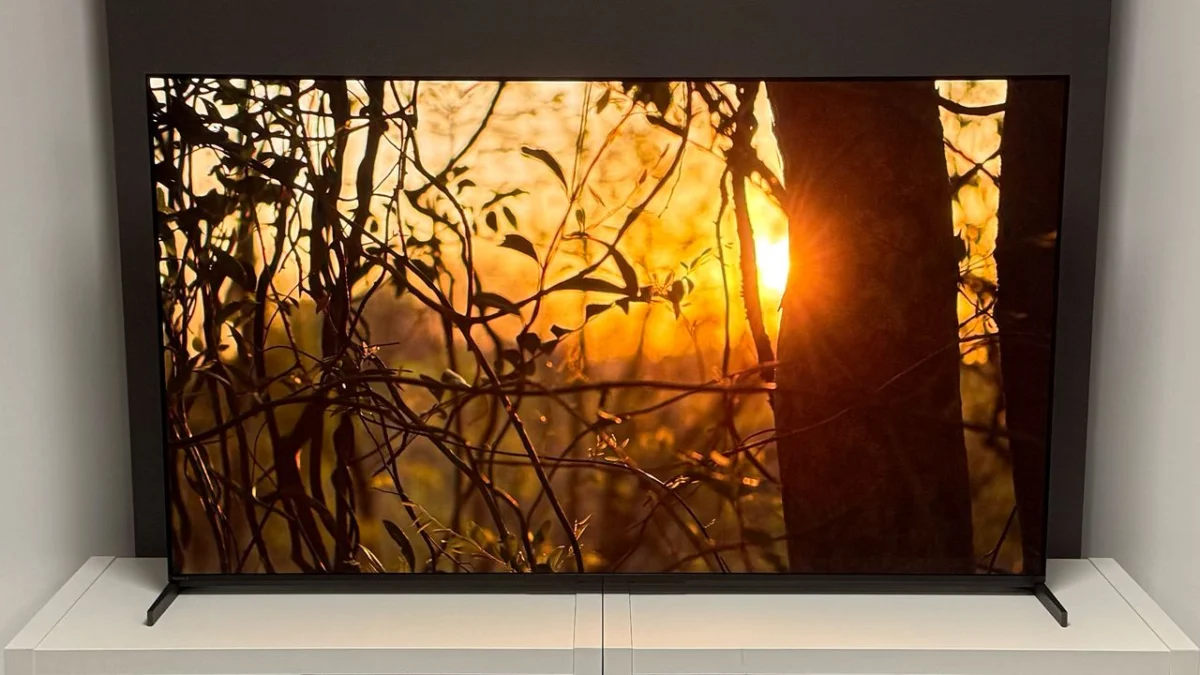
For the past several weeks, a significant number of Sony Bravia television owners have faced a frustrating decline in performance following a firmware update deployed by the manufacturer in June. The update, intended to optimize system stability, instead introduced a series of critical technical malfunctions centered on the Enhanced Audio Return Channel (eARC) functionality. These complications have disrupted home cinema setups worldwide, preventing users from enjoying the full fidelity of their external audio systems.
The issues reported by the user base are multifaceted. Many owners of current-generation Bravia models have noted that high-dynamic-range content, specifically Dolby Vision, intermittently refuses to engage. More pervasive, however, are the audio-related grievances: severe lip-sync discrepancies, where audio and video fall out of alignment, and persistent, intermittent audio dropouts. These glitches appear to manifest exclusively when high-quality audio signals are routed from external sources—such as gaming consoles, Blu-ray players, or streaming devices like the Apple TV 4K—through the television to an external soundbar or AV receiver.
A Chronology of the Firmware Crisis
The trouble began in mid-June when Sony pushed a global software update to its current Bravia lineup. While the manufacturer often issues these updates to improve security or interface responsiveness, this particular deployment immediately drew criticism on enthusiast forums and social media.
By early July, the volume of complaints regarding audio dropouts and signal negotiation failures reached a critical mass. In an initial attempt to rectify the situation, Sony released a secondary patch late last month. While this follow-up successfully addressed the widespread reports of Dolby Vision playback failure, it failed to resolve the underlying audio-sync and dropout issues, leaving a segment of the user base unable to utilize their home theater equipment as intended.
The silence from Sony’s corporate communications department during the initial weeks of the outage drew criticism from consumer advocates and technical analysts. It was not until late last week that a formal acknowledgment emerged, albeit originating from the company’s Japanese regional support portal. The translated statement from Sony Japan confirmed the existence of a “lip-sync discrepancy” and explicitly noted that a software solution was in development, with an initial target date for a corrective update set for September 2026. This timeline caused considerable concern among international users, many of whom felt that a multi-month wait for a fix was unacceptable for premium-tier hardware.
Regional Discrepancies and the Latest Update
The narrative shifted significantly within the last 48 hours. Reports originating from North American users indicate that a new firmware version, designated 114.603.100.1, was made available for download in the United States yesterday. Early feedback from the technical community suggests that this patch may serve as the definitive fix for both the lingering audio dropouts and the synchronization errors.
However, the rollout appears to be staggered. As of this report, the update has not yet been pushed to devices in the United Kingdom or other European markets. This regional inconsistency is a common practice in consumer electronics, where firmware is often released in "waves" to ensure server stability and to allow for real-time monitoring of any secondary bugs that might arise from the installation process.
The Technical Complexity of eARC
To understand the severity of the situation, one must consider the complexity of the eARC standard. Unlike the older HDMI ARC (Audio Return Channel) protocol, eARC is designed to handle high-bandwidth, uncompressed audio formats like Dolby Atmos and DTS:X. It relies on a high-speed "handshake" between the TV and the connected audio device to ensure that the television acts as a transparent bridge for the audio signal.
When a firmware update disrupts this handshake, the television may fail to negotiate the correct audio codec or timing, leading to the "dropouts" described by users. Because the TV is acting as a pass-through device for external hardware, the issue is not necessarily with the soundbar or the media player, but with the TV’s internal HDMI controller software. For users who have invested thousands of dollars in high-end sound systems, the inability to pass a stable signal is not merely an inconvenience—it is a fundamental failure of the product’s core value proposition.
Broader Implications for Modern Smart TVs
This incident highlights a growing tension in the consumer electronics industry: the reliance on "Software-Defined Hardware." Modern televisions are essentially sophisticated computers running complex operating systems, such as Google TV or specialized proprietary interfaces. While this allows for feature improvements and longevity, it also introduces the risk of "bricking" or degrading the user experience via remote updates.
Analysts note that as TVs become more integrated into the smart home ecosystem, the pressure on manufacturers to release updates increases. However, the quality assurance (QA) processes for these updates are often scrutinized. When a global company like Sony experiences a widespread regression in core functionality, it prompts a larger discussion regarding the balance between rapid feature deployment and the stability of legacy features like basic audio passthrough.
Furthermore, the delay in communication from the manufacturer serves as a case study in crisis management. In the age of social media, where technical issues are crowdsourced and documented in real-time on platforms like Reddit and AVForums, a slow corporate response can lead to a erosion of brand loyalty. Sony’s reputation as a premium manufacturer is largely built on the reliability of its imaging and sound processing; therefore, an extended period of audio instability poses a risk to that premium positioning.
Moving Forward: What Users Should Do
For owners currently affected by these issues, the recommended course of action remains one of cautious observation. While the US release of version 114.603.100.1 offers a glimmer of hope, it is standard practice to wait for a wider, confirmed rollout before drawing conclusions.
- Monitor Official Channels: Owners should keep an eye on their local Sony support pages. The software update menu on the TV settings page can be checked manually, but if the update has not been pushed to a specific region, it will not appear.
- Verify Hardware Connections: While the issue is almost certainly software-based, users are advised to ensure their HDMI cables are certified for "Ultra High Speed" to rule out physical bandwidth bottlenecks.
- Alternative Routing: For those whose audio systems include multiple HDMI inputs, it may be possible to bypass the TV’s eARC port entirely by connecting the source device directly to the soundbar or receiver. While this may result in a loss of certain TV-specific features, it remains a reliable temporary workaround for maintaining high-quality audio.
Sony’s UK division has been contacted for a localized release timeline, but no definitive date has been provided at this time. As the situation evolves, the focus will remain on whether this latest firmware successfully addresses the root cause of the signal negotiation failures across all affected Bravia models.
Ultimately, the event serves as a reminder to both manufacturers and consumers that as television technology continues to evolve, the stability of the software powering these devices is just as critical as the hardware panels themselves. For now, users in regions outside of North America are left waiting for the patch that will hopefully restore their home cinema systems to full, uninterrupted functionality. Whether this update will prove to be a comprehensive solution or merely a temporary patch remains to be seen, but the rapid deployment of the 114.603.100.1 version suggests that Sony is prioritizing a resolution to the hardware-level audio synchronization errors that have plagued the Bravia line throughout the summer.