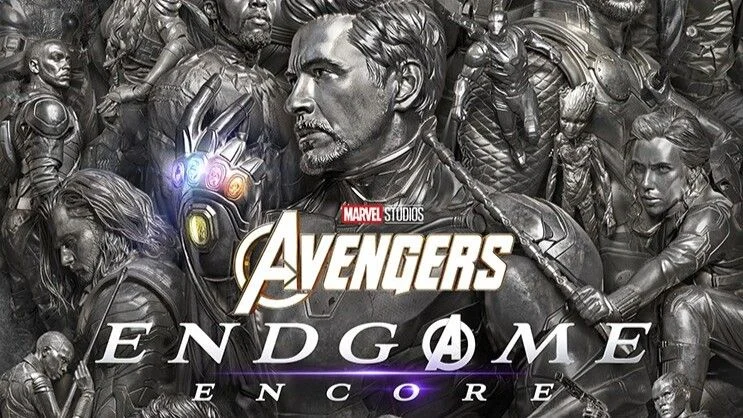
Nearly seven years after its record-shattering debut, Marvel’s Avengers: Endgame is returning to the big screen in a special theatrical engagement titled Avengers: Endgame Encore. The re-release, scheduled for late September, arrives as the studio looks to maintain momentum for its upcoming slate, specifically the highly anticipated Avengers: Doomsday. For audiences, the event serves as both a trip down memory lane to the 2019 cultural phenomenon and a technical showcase for Disney’s new premium cinema initiative, "Infinity Vision."
The Cultural Context of 2019
To understand the significance of this re-release, one must consider the historical weight of the original Avengers: Endgame premiere. Released in April 2019, the film served as the culmination of the "Infinity Saga," a sprawling narrative arc that spanned 22 films over 11 years. It was a rare moment in modern pop culture where a singular film dominated the global conversation.
The box office performance remains legendary: Endgame grossed approximately $2.798 billion worldwide, briefly unseating James Cameron’s Avatar as the highest-grossing film of all time. Beyond the financial figures, the film represented a collective milestone for cinema-goers. The communal experience of viewing the film—marked by cheers, tears, and gasps—defined the pre-pandemic theatrical landscape. Bringing it back to theaters now offers a younger generation, or those who missed the initial run, a chance to witness the conclusion of the Iron Man and Captain America arcs in a true cinematic environment.
A Technical Refresh and Visual Rumors
A point of contention for cinephiles during the original 2019 release was the film’s visual aesthetic. Many critics and fans noted that the cinematography, particularly in the darker, more somber segments of the film, suffered from a muted, grey-leaning colour grade that some felt lacked the vibrancy expected of a high-budget superhero epic.
Current speculation surrounding the Encore release suggests that Marvel may have addressed these concerns. Observers comparing the original 2019 trailers with the newly released Encore promotional material have pointed toward deeper black levels and a more saturated, vibrant colour palette. While Disney has yet to release an official statement confirming a remaster of the film’s colour grade, industry analysts suggest that such a move would be consistent with the company’s recent efforts to leverage improved display technologies in home and theatrical settings. Should the changes be confirmed, it would mark a significant departure from the original theatrical print and provide a compelling incentive for repeat viewers.
Chronology of the Avengers Saga
The timeline of the Avengers’ journey is critical to understanding why Encore is being positioned as "required viewing" by the Russo brothers, the directors of the film.
- 2008: Iron Man premieres, launching the Marvel Cinematic Universe (MCU).
- 2018: Avengers: Infinity War is released, ending with Thanos successfully eliminating half of all life in the universe.
- 2019: Avengers: Endgame provides the resolution, seeing the remaining heroes attempt to reverse the "Snap."
- 2024: Announcement of Avengers: Doomsday, the next major team-up event in the MCU franchise.
- September 2025: Avengers: Endgame Encore returns to theaters, acting as a direct narrative precursor to the upcoming Doomsday production.
The decision to re-release the film directly ahead of Doomsday suggests that Marvel is attempting to consolidate its narrative thread, ensuring audiences are fully re-immersed in the high-stakes world of the Avengers before the studio pivots toward its next major multi-film arc.
The Infinity Vision Standard
The most tangible addition to the Encore experience is the integration of "Infinity Vision," a new quality-assurance certification from Disney. Unlike proprietary formats like IMAX or Dolby Cinema, which rely on specific hardware manufacturers, Infinity Vision acts as a standardized checklist for cinema operators to ensure a "premium" experience.

To earn the Infinity Vision badge, a cinema must adhere to strict technical parameters:
- Screen Size: A minimum width of 45 feet (approximately 14 meters) to ensure the scale of the film’s cinematography is preserved.
- Sound: A mandatory Dolby Surround 7.1 audio configuration or better, ensuring that the film’s complex sound design is delivered with the intended fidelity.
- Luminance: Specific brightness levels to ensure that the visual contrast—particularly in action-heavy sequences—remains crisp and visible.
By requiring these specifications, Disney aims to eliminate the variance in quality between different multiplexes. While this is not an entirely new concept, the move signals a shift toward Disney taking a more active role in how their intellectual property is presented to the public, moving beyond simply providing a digital file to a theater and instead demanding a specific technical environment.
Content Variations: The Two-Cut Strategy
Perhaps the most intriguing detail for dedicated fans is the variance in runtime. The British Board of Film Classification (BBFC) has confirmed that the standard Encore release includes two minutes of additional footage compared to the original 181-minute runtime.
For viewers attending a screening at a theater certified under the Infinity Vision standard, this increases to five minutes of extra content. The nature of these additions remains a closely guarded secret. However, in discussions regarding the film’s importance, the Russo brothers have emphasized that these additions are not merely aesthetic, but are intended to provide greater context for the future of the MCU. Whether these additions are deleted scenes, extended dialogue sequences, or post-credits teases for Avengers: Doomsday remains to be seen.
Broader Implications for the Film Industry
The re-release of Avengers: Endgame is a calculated strategic move. In an era where streaming platforms dominate home consumption, the major studios are increasingly looking for ways to drive foot traffic back into theaters. By taking a film with a proven track record of success and adding a layer of "prestige" via the Infinity Vision badge and extra content, Disney is testing the viability of "legacy re-releases."
If Encore proves successful, it could signal a new model for major franchises. Instead of just releasing new content, studios may begin to rotate their most popular legacy films back into theaters with technical upgrades and exclusive, minor additions. This creates a recurring revenue stream while simultaneously keeping the brand top-of-mind for audiences.
However, the strategy is not without its critics. Some industry analysts have raised concerns that such releases risk being perceived as "cynical" cash-grabs, particularly if the additional content is negligible. The reliance on the Infinity Vision label also places a burden on smaller, independent theaters that may not have the capital to upgrade their facilities to meet Disney’s strict size and sound requirements. This could lead to a two-tiered system where only larger, corporate-owned cinema chains are able to host "official" versions of major studio releases.
Final Assessment
The return of Avengers: Endgame in the form of Encore is an exercise in brand reinforcement. For the studio, it is a low-risk, high-reward method to bridge the gap between their most successful project and their most ambitious upcoming one. For the consumer, the value proposition rests heavily on the quality of the projection and the significance of the five minutes of additional footage.
As the cinema industry continues to evolve in the wake of the digital transition, Avengers: Endgame Encore stands as a test case for how far audiences are willing to travel to see familiar stories on the big screen. Whether the visual enhancements and the "Infinity Vision" certification provide enough of a premium experience to justify the ticket price remains to be seen when the film arrives in theaters at the end of September. Ultimately, the success of this re-release will likely determine whether the "Encore" model becomes a staple of the modern blockbuster business plan.