In a significant move that signals a potential strategic pivot for its gaming division, Microsoft has unveiled a new Xbox Backward Compatibility program for PC, aiming to bring classic titles from its console heritage to the personal computer platform for the first time. This unexpected announcement, made via Xbox Wire, comes amidst a period of substantial restructuring for the tech giant, including recent large-scale layoffs affecting 3,200 employees and the closure of four prominent game development studios, prompting a reevaluation of Xbox’s broader operational and content strategies. The introduction of PC backward compatibility, while initially limited in scope, represents a notable effort to leverage Xbox’s extensive catalog and make older games more accessible, aligning with a broader industry trend towards game preservation and multi-platform availability.
The Dawn of PC Backward Compatibility: Technical Enhancements and Initial Offerings
The newly launched program is designed to deliver a premium emulation experience for classic Xbox titles on PC and compatible handheld devices like the ROG Ally. Microsoft has emphasized the technical sophistication of this initiative, promising a suite of modern enhancements that transcend the original console experience. Key features include up to 4x resolution upscaling, providing significantly sharper visuals on high-resolution displays; VSync support to eliminate screen tearing and ensure smoother frame delivery; comprehensive fullscreen and windowed display modes for flexible gameplay; anisotropic filtering, which dramatically improves the clarity of textures viewed at oblique angles; and enhanced anti-aliasing to smooth out jagged edges, resulting in a cleaner and more polished graphical presentation. These technical improvements are crucial for making decades-old games visually palatable to contemporary audiences accustomed to modern graphical fidelity.
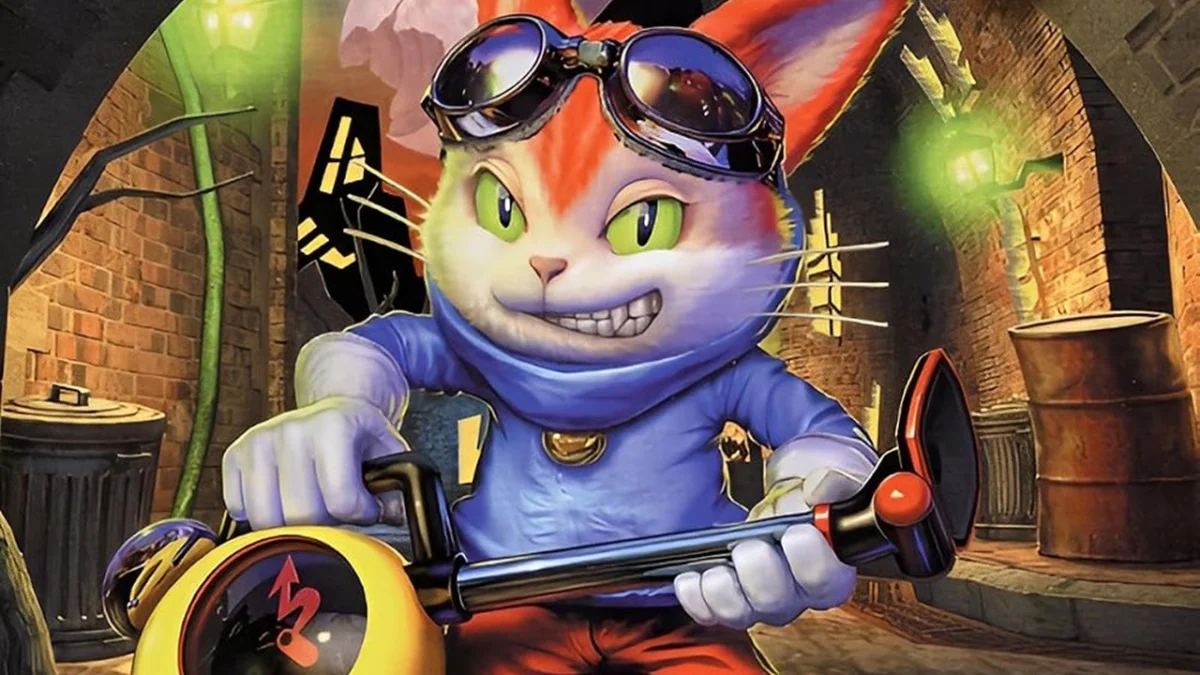
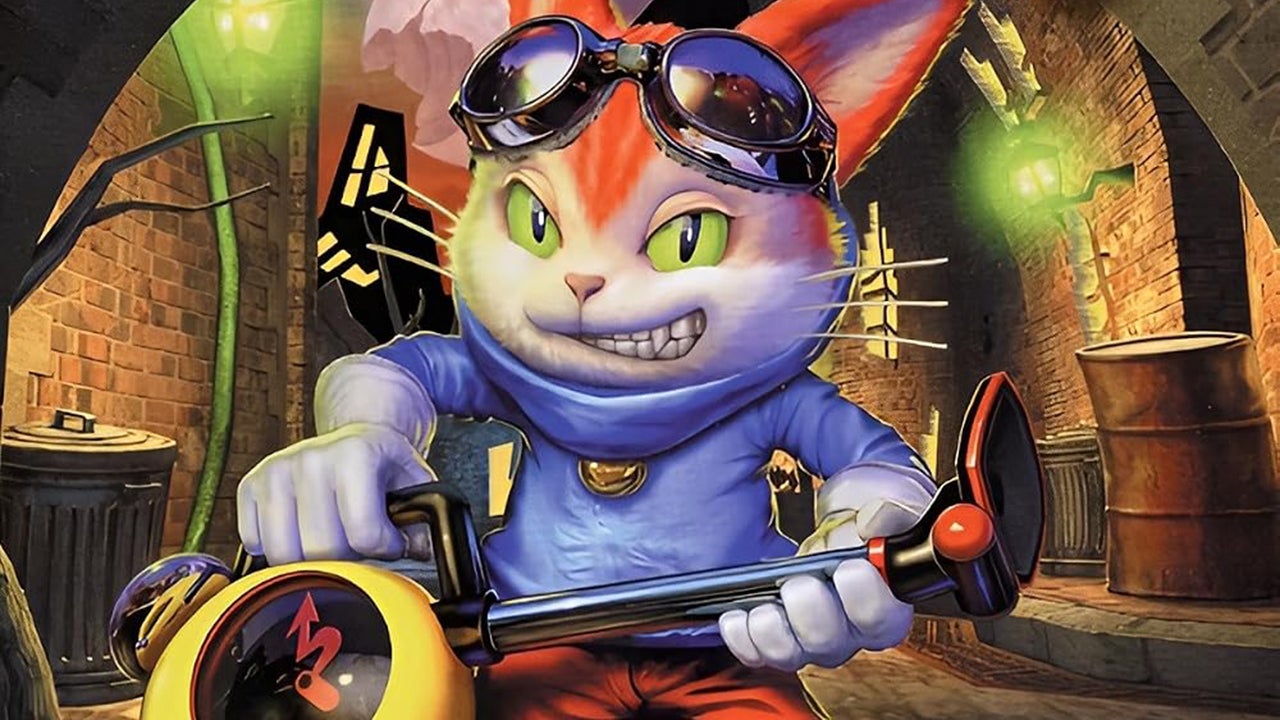
The inaugural batch of games released under this program includes four titles from the original Xbox era: Blinx: The Time Sweeper, Conker: Live and Reloaded, Crimson Skies: High Road to Revenge, and Fuzion Frenzy. While these selections may not immediately resonate as "system sellers" to all segments of the gaming community, they represent a diverse cross-section of the original Xbox’s library. Blinx: The Time Sweeper, a platformer featuring time manipulation mechanics, was a notable early exclusive for the console. Conker: Live and Reloaded brought the famously irreverent N64 title Conker’s Bad Fur Day to the Xbox with updated graphics and a new multiplayer component. Crimson Skies: High Road to Revenge is an acclaimed arcade-style aerial combat game set in an alternate 1930s, often cited by fans as a cult classic for its unique setting and engaging gameplay. Fuzion Frenzy, a party game, capitalized on the console’s multiplayer capabilities. The choice of these titles suggests a methodical approach, potentially starting with games that are technically less challenging to emulate or those with significant nostalgic value for a segment of the Xbox fanbase. This initial lineup, while modest, lays the groundwork for what could become a much larger catalog.
Accessibility and Ownership: A Player-Centric Approach
A cornerstone of the new PC backward compatibility initiative is its flexible approach to game acquisition and ownership. Each of the initial four titles is now available for direct purchase on PC, priced at $9.99, with regional pricing variations expected. This standalone purchase option caters to players who wish to own specific titles outright. More significantly, Microsoft has integrated these classic games into its popular Xbox Game Pass subscription service, making them accessible to all subscribers across various plans. This move reinforces Game Pass as a central pillar of Xbox’s content delivery strategy, offering added value to its growing subscriber base and potentially introducing a new generation of players to these older titles.
Furthermore, Microsoft has implemented a consumer-friendly digital license transfer system. Players who already own a digital license for these games on their Xbox console will find that their ownership automatically extends to the PC version without requiring an additional purchase. This "Play Anywhere" philosophy, previously applied to many first-party Xbox One and Series X|S titles, now retroactively applies to select original Xbox games, rewarding loyal customers and breaking down barriers between console and PC ecosystems. The inclusion of cloud save support further enhances player convenience, allowing progress to be seamlessly carried over between different devices, whether a dedicated gaming PC or a portable handheld like the ROG Ally. This commitment to player choice and cross-platform access underscores a broader shift in Xbox’s strategy towards platform agnosticism.
Strategic Shift at Xbox: Context of Restructuring and Evolving Vision
The introduction of PC backward compatibility cannot be fully understood without acknowledging the turbulent period Microsoft’s gaming division has experienced. In January 2024, Microsoft announced a significant round of layoffs, impacting approximately 1,900 employees across its gaming teams, including Xbox and Activision Blizzard. This was followed by another wave of closures in May 2024, which saw the complete shuttering of four Bethesda-owned studios: Tango Gameworks (known for Hi-Fi Rush and The Evil Within), Arkane Austin (developer of Redfall and Prey), Alpha Dog Games, and Roundhouse Games. These decisions, framed by Microsoft as part of a strategic restructuring to streamline operations and reallocate resources, sent shockwaves through the industry and raised questions about Xbox’s commitment to its first-party development studios and its overall content strategy.
Amidst these internal changes, Xbox leadership has also been grappling with defining its future exclusivity model. Recent comments from executives, including Phil Spencer, Head of Xbox, have indicated a more open approach to content distribution, with several first-party Xbox titles like Sea of Thieves, Grounded, Hi-Fi Rush, and Pentiment making their way to rival platforms such as PlayStation and Nintendo Switch. This shift suggests an evolving philosophy, moving away from strict console exclusivity towards a model that prioritizes reaching players "wherever they are." The PC backward compatibility initiative fits squarely into this evolving vision, expanding the reach of Xbox’s intellectual property beyond its dedicated console hardware and onto the dominant open gaming platform, PC. It allows Xbox to monetize its extensive back catalog while simultaneously enhancing the value proposition of Game Pass and its overall ecosystem.
This move also marks a revival and evolution of Xbox’s highly praised backward compatibility efforts from the previous console generation. During the Xbox One era, Microsoft invested heavily in making Xbox 360 and original Xbox games playable on its newer hardware, a project spearheaded by engineers like Kevin LaChapelle and Bill Stillwell. This initiative was widely lauded by critics and consumers alike, distinguishing Xbox from its competitors and becoming a significant brand strength. It offered a practical solution to game preservation and allowed players to revisit cherished titles without needing legacy hardware. While that console-focused program eventually slowed down, its underlying principles of extending game lifecycles and respecting player libraries appear to be foundational to this new PC-centric effort.
The Imperative of Game Preservation in a Digital Age
The broader context of game preservation further highlights the significance of Xbox’s PC backward compatibility program. In an increasingly digital-first industry, the ability to access and play older games is becoming a growing concern for players, historians, and archivists. Digital storefronts can be shut down, licenses can expire, and hardware can become obsolete, leading to the permanent loss of gaming history. Initiatives like Xbox’s new program offer a vital pathway to ensuring that classic titles remain playable and discoverable for future generations.
This effort stands in stark contrast to potential industry trends from competitors. Recent reports, particularly from Eurogamer, have suggested that Sony is considering phasing out physical game releases entirely for PlayStation consoles, potentially as early as January 2028. Such a move would have profound implications for game preservation, as physical media often serves as the most reliable long-term archive for games, independent of platform-holder servers. A digital-only future for PlayStation could complicate future backward compatibility efforts and increase reliance on digital licenses and storefronts, posing risks if those services are ever discontinued. In this environment, Xbox’s investment in making its older digital titles accessible on PC, with technical enhancements and robust ownership options, positions it as a more proactive player in the game preservation space.
Platforms like GOG (Good Old Games) have long championed the cause of game preservation, offering DRM-free versions of classic PC titles and actively working with publishers to bring forgotten gems back to life. GOG’s continuous advocacy underscores the industry’s collective responsibility to safeguard its cultural heritage. While Xbox’s initiative is specific to its console library, it contributes to this broader goal by expanding the availability of titles that might otherwise remain locked to aging hardware or obscure digital rights management systems. By making these games available on an open platform like PC, Xbox helps democratize access and reduce the risk of titles becoming permanently lost to time.

Future Prospects and Unanswered Questions
Looking ahead, Jason Ronald, VP of next generation at Xbox, has teased that "even more features" are planned for Xbox Backward Compatibility games in the future. A concrete example of this is the impending addition of achievements for the initial four titles in the coming months, a feature highly valued by the Xbox community. This suggests that the current release is merely the foundational phase of a more extensive and feature-rich program. The "sudden and half-baked nature" alluded to in the original reporting, while perhaps a harsh assessment, might more accurately describe the rapid deployment and initial limited scope, characteristic of a strategic initiative rolled out with urgency rather than a fully developed, long-term roadmap. This echoes other recent rapid announcements, such as Bethesda’s unexpected roadmap reveals.
A critical question arising from this PC initiative is whether it signals a renewed focus on backward compatibility efforts for Xbox consoles as well. The previous console backward compatibility program was immensely popular, and its unofficial pause left many fans hoping for its return. While the PC program addresses a different platform, the underlying emulation technology and philosophy could potentially be leveraged to revive or expand console backward compatibility for future Xbox hardware. Such a move would further cement Xbox’s reputation as a champion of game preservation and player-friendly practices.
The technical challenges of emulating diverse hardware architectures, particularly those of custom console systems, are considerable. However, Microsoft’s investment in this PC program demonstrates a commitment to overcoming these hurdles. The opportunities it opens are significant: a vast library of classic games becomes available to a new generation of PC gamers, existing Xbox fans can revisit their favorites on more powerful and flexible hardware, and the lifespan of these titles is extended indefinitely.
Reactions and Industry Outlook
Initial reactions from the gaming community are anticipated to be largely positive, particularly among PC gamers and Xbox enthusiasts who value game preservation. While some might express a desire for more prominent or newer titles, the very existence of the program, coupled with its technical enhancements and flexible access options, is likely to be welcomed. For developers of these older titles, or their current IP holders, this program could open new revenue streams and rekindle interest in their back catalogs, potentially leading to further remasters or sequels if demand proves sufficient.
From a market perspective, this initiative further solidifies Xbox’s position as a cross-platform content provider, moving beyond a sole reliance on console sales. By making its heritage titles accessible on PC, Xbox strengthens its Game Pass ecosystem, expands its brand presence in the dominant PC gaming market, and potentially attracts new users who may eventually engage with other Xbox services or hardware. It demonstrates a strategic adaptability in a rapidly changing industry, where traditional console wars are increasingly being augmented by battles for ecosystem dominance and content accessibility.
In conclusion, Xbox’s new PC backward compatibility program is more than just a collection of old games on a new platform; it is a clear strategic statement. Launched during a period of significant internal restructuring and amidst an evolving vision for its gaming business, it underscores Xbox’s commitment to leveraging its extensive intellectual property, enhancing player accessibility, and contributing to the vital cause of game preservation. While the initial offering is a cautious first step, the promise of future enhancements and a potential broader catalog suggests a meaningful long-term investment that could redefine how classic Xbox titles are experienced and preserved for generations to come.