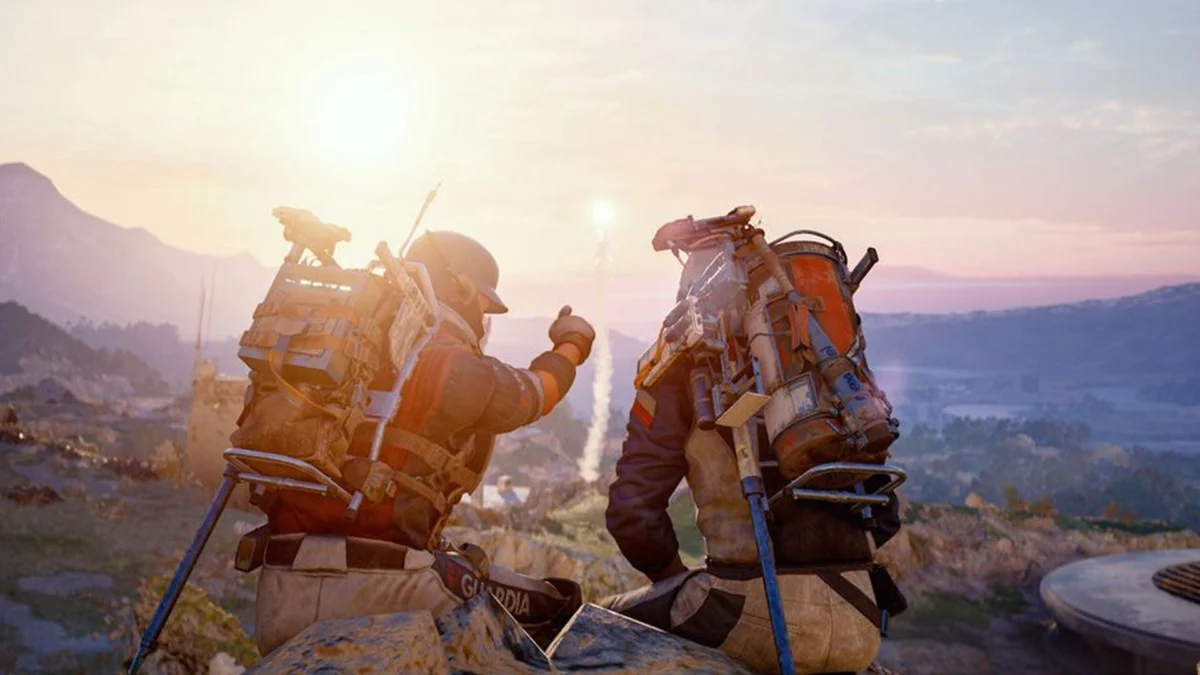
Embark Studios has announced a significant shift in the strategic direction of its extraction shooter, Arc Raiders, by introducing a limited-time Player vs. Environment (PvE) mode. Scheduled to run from October 13th to October 20th, the trial introduces a toggle that allows players to bypass the game’s traditional high-stakes player-versus-player (PvP) combat, instead focusing on co-operative survival against the game’s hostile robotic factions. This decision marks a notable response to shifting player demographics within the extraction shooter genre, where a growing segment of the community has consistently signaled a preference for collaborative play over competitive conflict.
The Evolution of the Extraction Shooter
The extraction shooter genre, characterized by the "risk-versus-reward" mechanic of entering a dangerous zone to gather loot and successfully evacuating, has historically been defined by the threat of human adversaries. Titles such as Escape from Tarkov, The Cycle: Frontier, and Hunt: Showdown have utilized the unpredictability of other human players as their primary source of tension.
However, Arc Raiders—developed by the Stockholm-based team at Embark Studios, founded by former DICE veterans—is acknowledging a structural change in how its audience engages with the "Rust Belt," the game’s primary setting. By providing a safe space where players can navigate the world without the threat of being targeted by other humans, Embark is attempting to retain a core segment of their player base that has felt alienated by the constant threat of player-initiated combat.
Chronology of the Shift
The transition toward a more flexible experience has been a gradual process for the studio. Following the initial launch of Arc Raiders, the development team closely monitored telemetry data regarding player behavior and combat encounters.
- Launch Phase: The game debuted with a rigid focus on the traditional extraction formula, requiring players to navigate hostile environments while defending against both AI-controlled "ARC" machines and rival human "Raiders."
- Data Collection: Throughout the months following the release, Embark’s analytics team observed a clear divergence in playstyles. While a dedicated group remained focused on pure PvP, a larger and rapidly expanding demographic emerged that actively avoided human-on-human combat, preferring to focus on environmental objectives and co-op scavenging.
- Strategic Announcement: In early October, Embark formally announced the PvE beta, citing the need to "support [the pacifist community] properly rather than leave them working around the game."
- The Beta Window: The test period, occurring from October 13th to the 20th, serves as a proof-of-concept to determine if the game’s core mechanics remain compelling when the threat of human betrayal is removed.
Supporting Data and Player Demographics
The move by Embark is backed by specific metrics that highlight a distinct divide in the game’s population. According to the studio’s internal findings, the purely competitive "PvP-only" cohort has remained stable at approximately 34% of the player base since the game’s inception. Conversely, the number of players engaging in "mixed" behavior—those who alternate between friendly co-operation and sudden aggression—has seen a consistent decline.
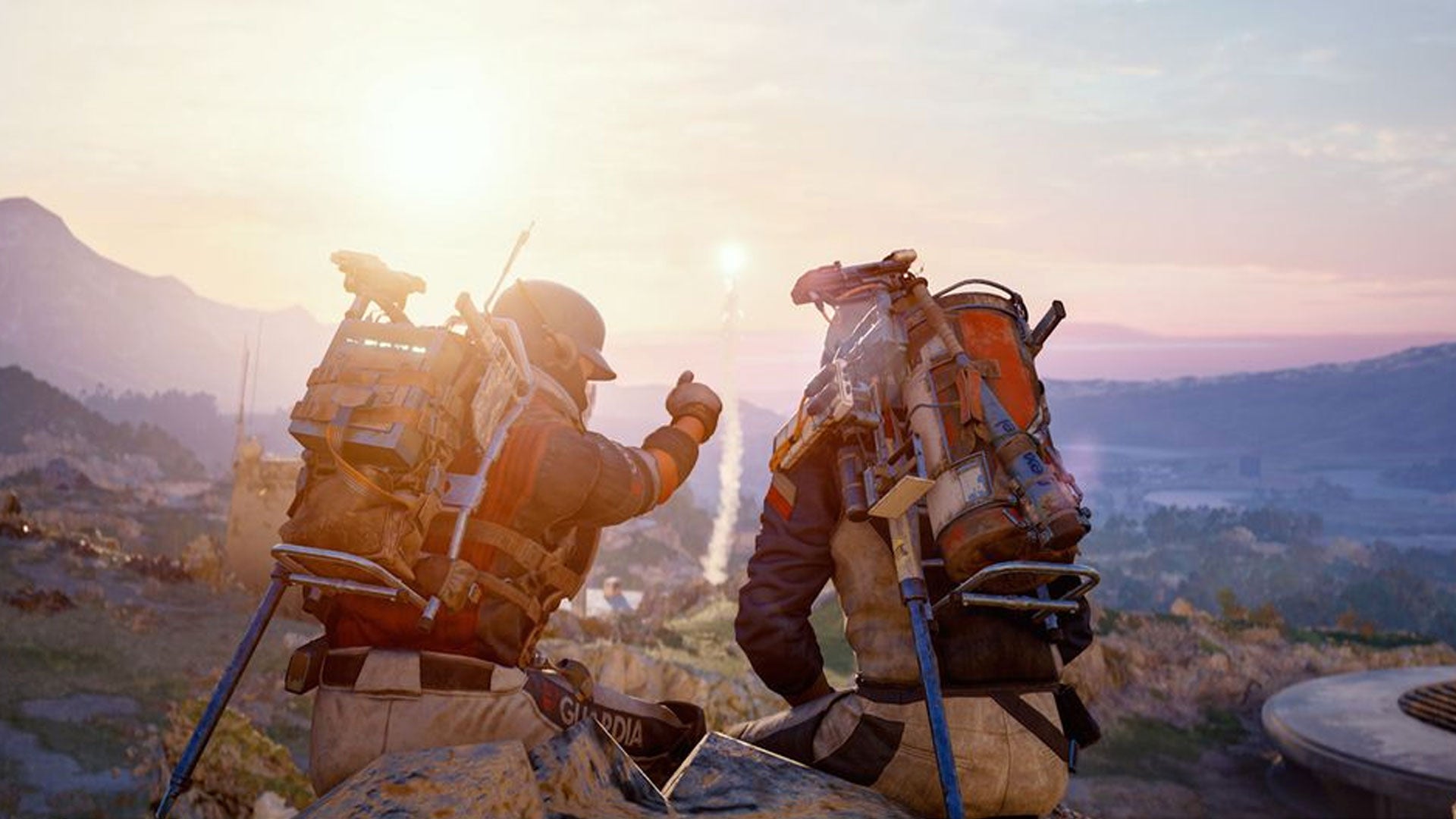
The most significant takeaway from this data is the growth of the "pacifist" segment. These players consistently avoid attacking other humans, focusing their efforts on the PvE elements of the game. By formalizing this playstyle, Embark is effectively codifying a reality that has existed on the fringes of the game’s ecosystem since its launch. The study suggests that for a majority of the community, the tension of the game is derived as much from the environment and resource scarcity as it is from the threat of being killed by another user.
Official Stance and Technical Adjustments
Embark Studios has been transparent about the limitations of this new mode. The PvE version of Arc Raiders is not intended to be a simple "easy mode." To compensate for the lack of human threats, the developers have implemented several balancing measures:
- Loot Economy Adjustments: To maintain the game’s economic balance, the value of loot found within the PvE mode has been adjusted downwards. This reflects the lower level of risk involved in the gameplay loop.
- Environmental Tuning: Specific high-intensity events, such as "Night Raids," "Hidden Bunker," and "Locked Gate" scenarios, have been disabled in the PvE mode. These events were designed around the assumption of unpredictable human interference, and the developers deemed them unsuitable for a non-competitive environment.
- Enhanced AI Aggression: While the studio does not intend to replace human threats with overwhelming AI difficulty, they have implemented a change to the behavior of the ARC robots. When a player is downed by an AI, the robots may re-acquire the player as a target if the player attempts to crawl away. Staying still, however, may cause the robots to lose interest. This mechanic is a direct attempt to preserve the tension of a potential "game over" scenario.
Broader Industry Implications
The decision to introduce PvE modes to extraction shooters is not isolated to Arc Raiders. The entire genre is currently undergoing a period of re-evaluation. Bungie, for instance, is reportedly developing a PvE-focused experience for its upcoming title, Marathon, aiming to capture a similar audience that seeks the thrill of an extraction-based loop without the high-stress requirements of competitive PvP.
This shift suggests that the "extraction" format is becoming a modular framework rather than a strict genre requirement. Industry analysts note that by lowering the barrier to entry, developers are significantly expanding the total addressable market. For casual players, the appeal of a game like Arc Raiders lies in its atmosphere and mechanical loop; by removing the fear of losing hours of progress to a single hostile player, developers can foster longer-term engagement and a more sustainable player retention rate.
Conclusion and Future Outlook
As the gaming industry moves toward more inclusive design patterns, the "pacifist" movement within extraction shooters represents a critical turning point. The success of the Arc Raiders PvE trial will likely influence the long-term roadmap for the game. If the trial succeeds in maintaining player engagement without sacrificing the game’s overall identity, it is highly probable that a permanent PvE mode will be integrated into the final release.
The challenge for Embark remains the preservation of the "frisson of tension" that defined the genre in the first place. Whether a game can sustain the same level of interest when the most unpredictable element—human nature—is removed, remains to be seen. However, by listening to the data and responding to the expressed needs of their community, Embark Studios is positioning itself as a developer that prioritizes player agency over rigid adherence to genre conventions. The outcome of this week-long experiment will undoubtedly provide a blueprint for other studios struggling to balance the competing desires of competitive and cooperative player bases in the modern digital landscape.