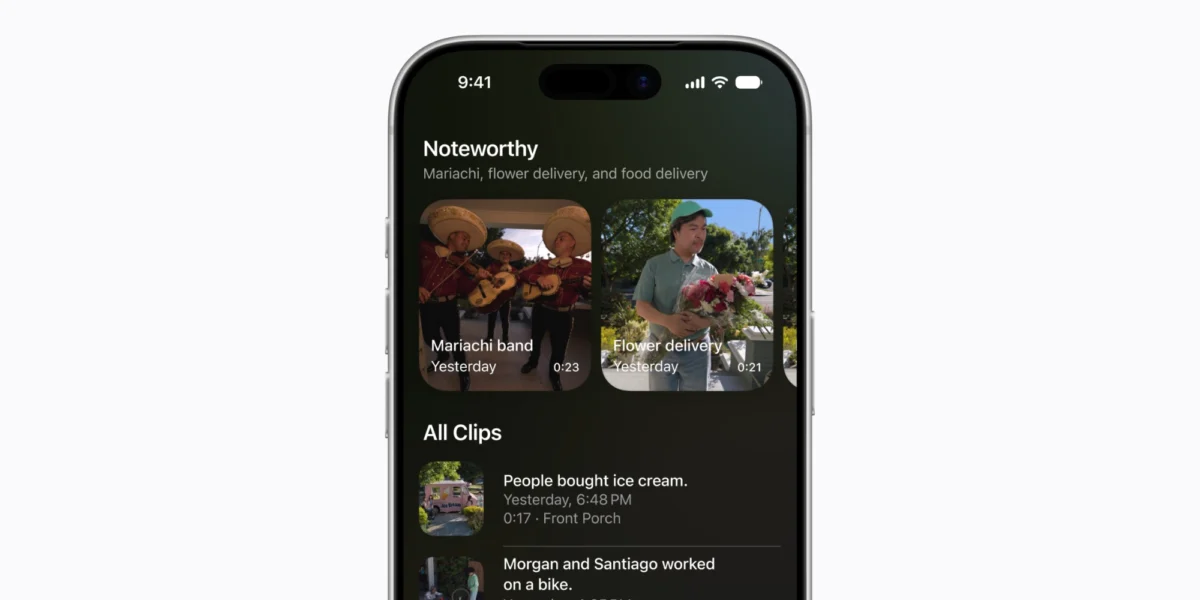
Apple is set to redefine the residential automation experience with the release of iOS 27, which introduces a suite of sophisticated upgrades to the native Home application. These enhancements arrive just days before a highly anticipated special event scheduled for October 13, 2026, where the company is expected to unveil a new generation of hardware peripherals. By integrating Apple Intelligence—the company’s proprietary generative AI framework—directly into the Home ecosystem, Apple aims to address long-standing user requests for higher video fidelity and more intuitive notification management.
Chronology of HomeKit Evolution
The evolution of the Home app has been a gradual but deliberate process for Apple since the introduction of HomeKit in 2014. Initially serving as a basic bridge for third-party accessories, the platform underwent a significant maturation in 2019 with the launch of HomeKit Secure Video. This feature allowed users to store encrypted camera footage in iCloud without sacrificing privacy.
In 2024 and 2025, Apple focused heavily on cross-platform compatibility, integrating Matter support to broaden the ecosystem. Now, with the deployment of iOS 27, the focus shifts toward "intelligence at the edge." This latest update marks the most significant architectural change to the platform in three years, moving away from simple reactive automation toward a proactive, context-aware system. The timing of this release, positioned immediately before the "Welcome Home" October event, suggests a strategic synchronization between the software’s new AI capabilities and the upcoming hardware, which industry analysts speculate will include high-definition cameras and advanced smart home controllers.
Advancements in HomeKit Secure Video
For years, the gold standard for resolution in smart home security cameras has hovered at 1080p. While this provided adequate clarity for general monitoring, it often struggled with fine details such as facial recognition or reading license plates at a distance. iOS 27 finally breaks this barrier by enabling 4K video recording and streaming for compatible hardware. This shift aligns with the growing consumer demand for higher-resolution surveillance, mirroring the standard set by modern television and mobile photography.
However, the hardware update is only half the story. The integration of Apple Intelligence into the HomeKit Secure Video stack introduces three primary AI-driven functionalities. First, the system now performs advanced semantic search on historical clips. Users can query their database for specific events, such as "show me when the delivery person left a package," and the system will isolate the relevant footage using object and activity recognition.
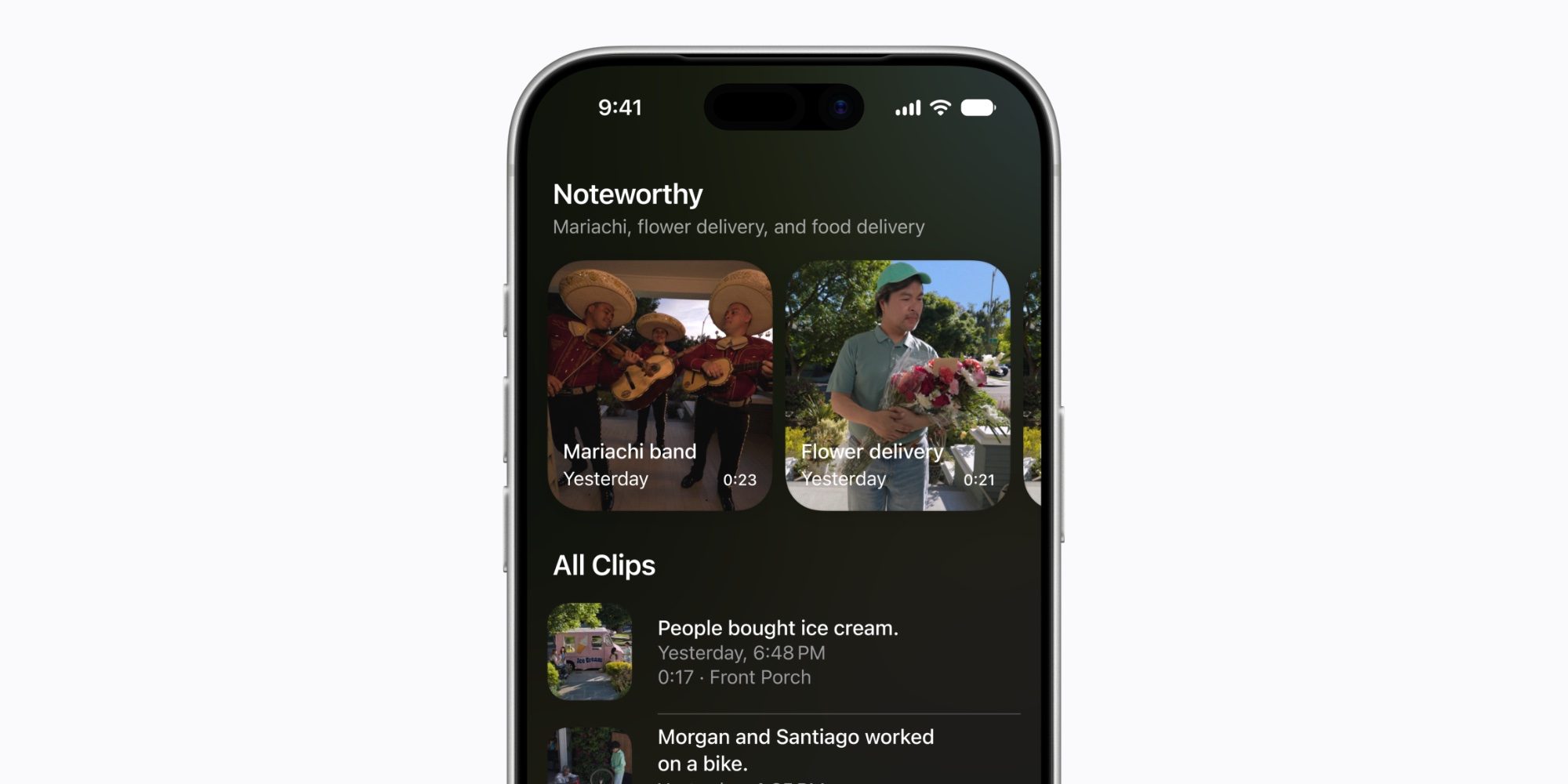
Second, the system now provides summarized activity reports. Rather than inundating the user with dozens of fragmented clips throughout the day, the AI compiles these into a digestible narrative. Third, the system utilizes improved spatial and temporal awareness to distinguish between routine neighborhood movement and genuine security threats, significantly reducing the frequency of "false positive" notifications. This reduction in digital noise is a direct response to user feedback, which has consistently highlighted "notification fatigue" as a primary pain point in smart home management.
AI-Driven Notification Optimization
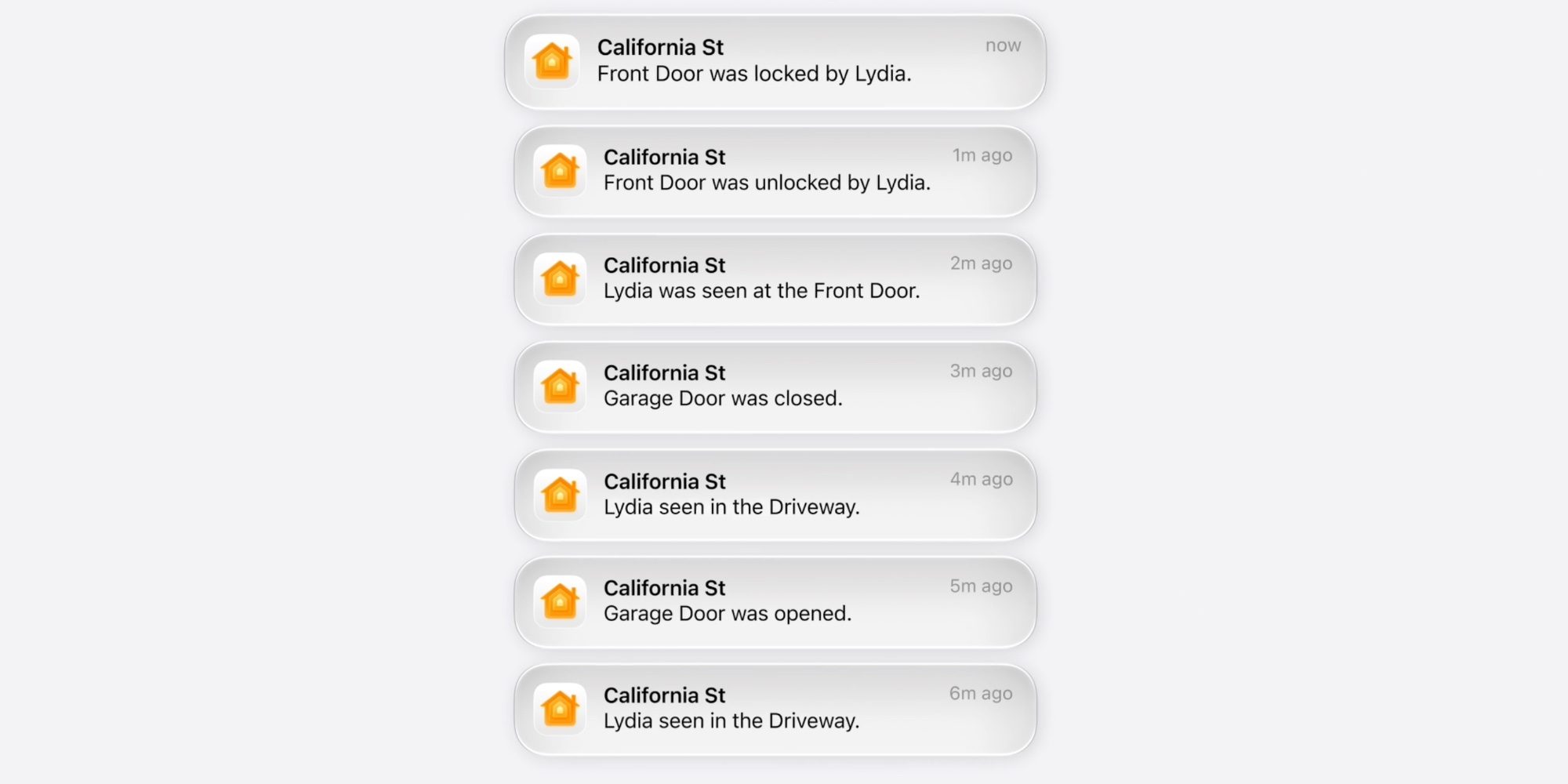
Perhaps the most notable user-facing change in iOS 27 is the introduction of "Real-Time Notification Updates." This feature utilizes Apple Intelligence to synthesize multiple, related device events into a single, evolving notification.
In previous iterations of the Home app, a common scenario—such as a visitor arriving, unlocking a smart lock, and opening the door—would trigger three distinct notifications on the user’s lock screen. Under the new iOS 27 framework, the system recognizes these events as part of a single "activity sequence." The notification on the user’s device will update in real-time, effectively consolidating the status report into a single, scrolling alert.
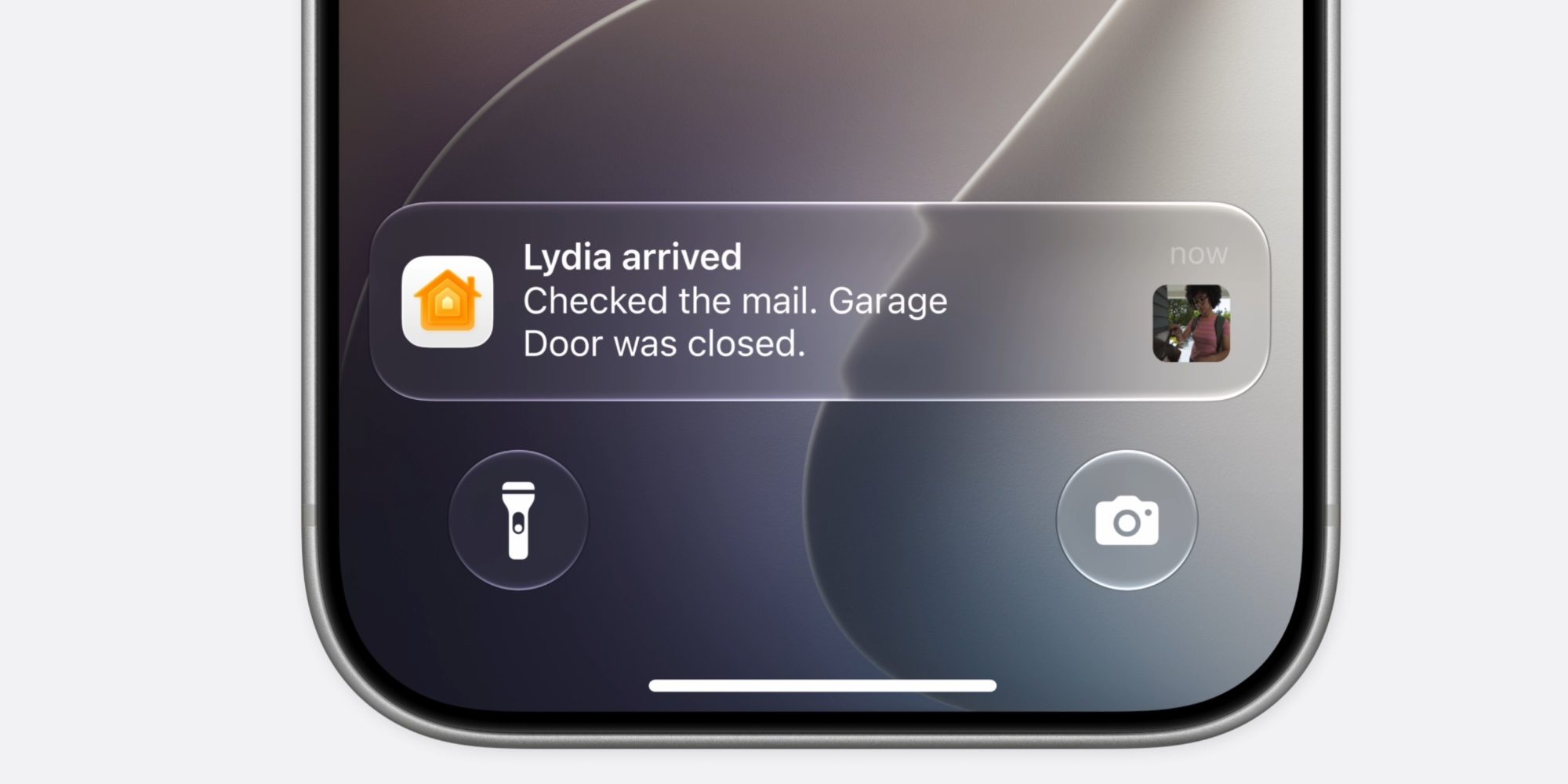
According to technical documentation provided by Apple, this functionality is managed within a new settings sub-menu titled "Apple Intelligence." Within this menu, users can toggle "Reduce Notifications," a setting designed to prevent the fragmentation of activity logs. By analyzing the time-stamped metadata of incoming sensor data, the system groups events occurring within a tight proximity window. This is not merely a cosmetic change; it is an analytical process that requires the on-device processing power of the A-series or M-series chips to maintain privacy while performing the necessary data synthesis.
Industry Context and Data Analysis
The market for smart home technology is currently experiencing a transition toward greater integration and privacy. According to recent industry reports from consumer tech analysts, the average smart home now contains between 15 and 20 connected devices. As this density increases, the volume of data generated by these devices has become overwhelming for the average consumer to manage manually.
The move by Apple to implement AI-driven synthesis reflects a broader industry trend toward "ambient computing." Instead of requiring the user to interact with a dashboard to determine the status of their home, the system is designed to provide only the most critical, summarized information. This approach is expected to increase consumer trust and long-term engagement with the HomeKit ecosystem.
Furthermore, the transition to 4K resolution is expected to drive a surge in demand for high-bandwidth home network equipment and upgraded storage plans. Since 4K footage occupies significantly more space than 1080p, users are likely to migrate toward higher-tier iCloud+ subscriptions, reinforcing the importance of the services sector to Apple’s overall revenue strategy.
Implications for Privacy and Security
One of the core pillars of Apple’s marketing strategy remains its commitment to on-device processing. Unlike competing smart home platforms that rely heavily on cloud-based processing for AI tasks, Apple emphasizes that the intelligence governing these new Home app features occurs on the user’s local device. This ensures that video footage and activity logs are not subject to the same privacy risks as systems that offload analysis to external servers.
Security experts suggest that this design choice is a significant competitive advantage. By maintaining the "Privacy by Design" ethos, Apple is positioning itself as the preferred provider for users who are increasingly wary of the data-collection practices of other major smart home ecosystem players. However, this focus on privacy requires significant local processing overhead, which may explain why some of these advanced AI features are limited to more recent hardware generations.

Broader Impact on the Smart Home Ecosystem
As the October 13 event approaches, the industry is closely watching how these software features will serve as the foundation for future hardware. The ability to process 4K video locally and synthesize event data via AI suggests that upcoming hardware may be equipped with more powerful neural engine processors.
The integration of these features also signals an end to the "siloed" era of smart home devices. By forcing a unified notification and video standard across all compatible devices, Apple is effectively creating a more cohesive user experience that transcends individual manufacturers. Whether a user buys a camera from a third-party vendor or a hypothetical Apple-branded security device, the experience within the iOS 27 Home app will remain consistent and intelligent.
As consumers look toward the future, the integration of AI into the home environment is no longer a luxury—it is becoming a necessity for managing the increasing complexity of the modern connected household. With iOS 27, Apple has provided the tools to manage this complexity, setting the stage for a new era of proactive, secure, and intelligent living. The upcoming product launch will undoubtedly demonstrate how these software advancements translate into tangible hardware improvements, solidifying Apple’s position as a dominant force in the residential technology market.