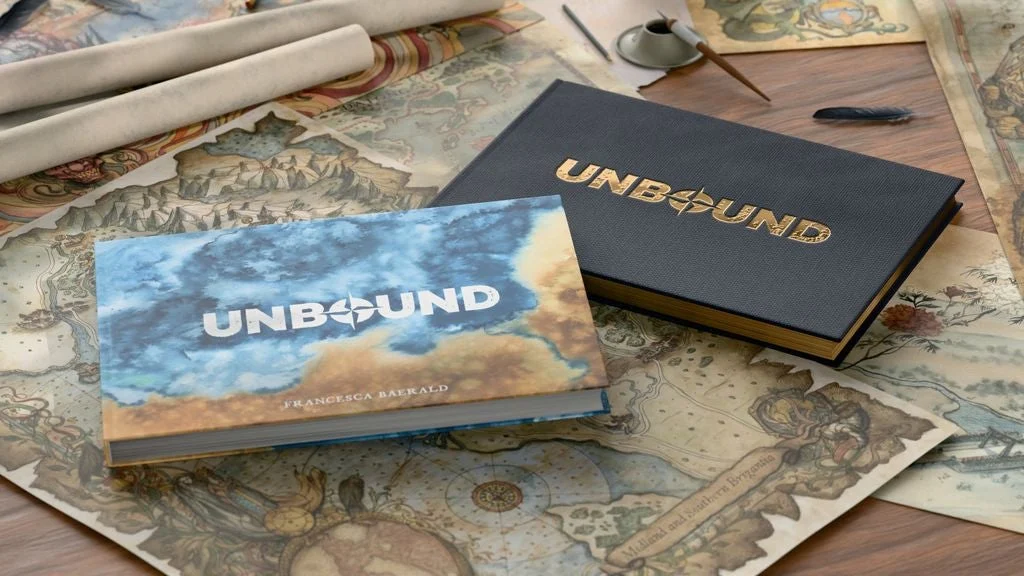
The intersection of cartography and interactive entertainment has long been defined by digital precision, yet one artist is currently redefining the genre through the tactile, traditional medium of watercolor. Francesca Baerald, a renowned cartographer whose work has graced iconic franchises including Dragon Age, Warcraft, Diablo, and Dungeons & Dragons, has launched a highly successful crowdfunding campaign for her latest project, Unbound: The Cartography Art Book. This collection represents a significant milestone in the preservation of game-world design, moving beyond the screen to offer a physical, oversized retrospective of modern fantasy geography.
A Masterclass in Traditional Cartography
Unlike the industry standard, which relies heavily on sophisticated GIS software and vector-based design tools, Baerald’s process remains steadfastly analog. Her maps are conceptualized, sketched, and painted by hand, a choice that imbues her work with an organic, historical aesthetic often lacking in purely digital assets. This distinction is the core appeal of the Unbound collection, which acts as a curated archive of her contributions to the gaming and tabletop industries.
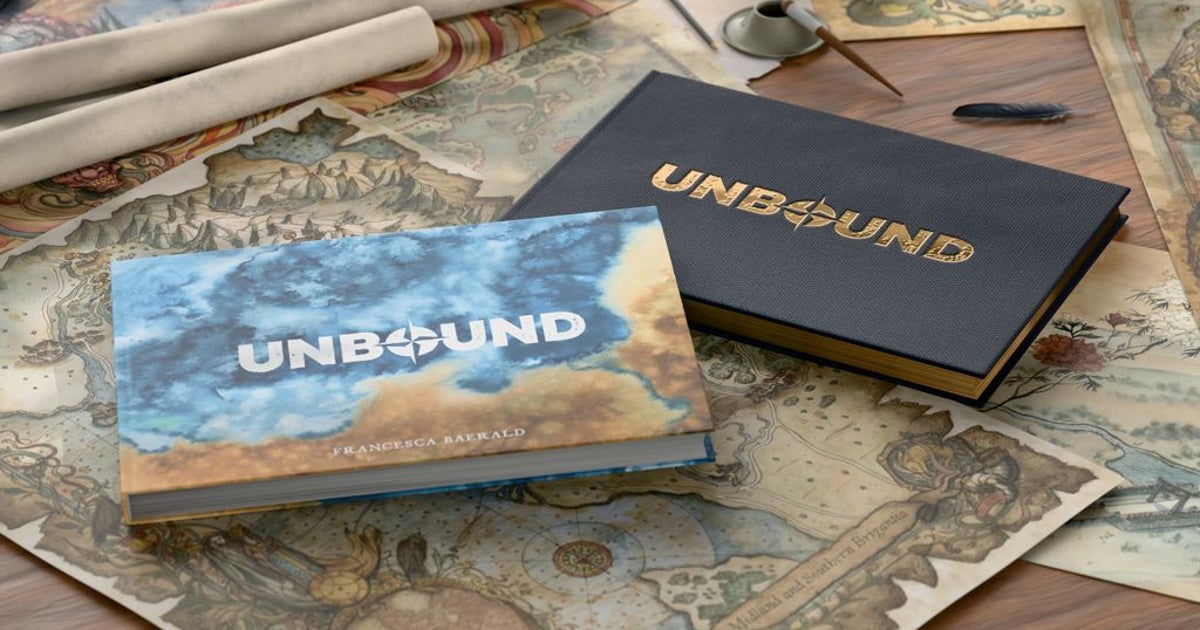
The book is an expansive A3-format publication, designed to provide the viewer with a sense of scale that traditional game manuals and digital files cannot replicate. By presenting her work in a high-quality print format, Baerald invites an appreciation for the minute details—the texture of parchment-style paper, the deliberate gradient of ink washes, and the specific illustrative flourishes—that define the environments players explore in titles like Octopath Traveler or the sprawling landscapes of Dungeons & Dragons modules.
Kickstarter Performance and Crowdfunding Milestones
The project, hosted on the Kickstarter platform, has demonstrated the immense appetite for high-end, physical art assets within the gaming community. Within a short window of its launch, the campaign surged past its initial financial target of £20,000, eventually securing more than four times that amount with several weeks remaining in the funding cycle.
This financial trajectory reflects a broader trend in the gaming industry: a resurgence in interest regarding the physical artifacts of game development. Fans and collectors are increasingly willing to invest in premium physical editions, art books, and lore compendiums that serve as tangible connections to their favorite digital worlds. The success of Unbound signals that for many, these maps are not merely functional game tools, but pieces of fine art that merit preservation.

The Philosophy of the Map
In earlier discussions regarding her methodology, Baerald articulated a distinct philosophy concerning the function of a map in fiction. She posits that a map should operate as a “welcoming doorway,” designed to incite curiosity and narrative engagement from the moment a player encounters it. This philosophy is evident in the inclusion of over 250 maps within the new volume, covering a diverse array of media including board games, graphic novels, and TTRPGs.
By framing the map as a narrative catalyst rather than a mere navigational utility, Baerald challenges the industry’s functionalist approach to world-building. Her work forces players to linger on the topography, the borders, and the illustrations of landmarks, effectively transforming the map into a primary source of environmental storytelling. This shift in perspective is what has made her an essential collaborator for studios looking to ground their digital worlds in a sense of history and lived experience.
Production and Technical Specifications
The logistical undertaking behind Unbound is as ambitious as its artistic scope. The production process involves a commitment to archival quality, ensuring that the vibrancy of the original watercolors is maintained during the printing process. According to project updates, the book is approximately 99 percent complete in its design phase, with meticulous attention being paid to color calibration and paper weight.

The tiered structure of the Kickstarter campaign offers a range of access points for potential backers. The Standard Edition, priced at €150, serves as the accessible entry point for fans of her work. However, the project also caters to the high-end collector market with a Premium Edition at €250, and a Limited Edition retailing at €2,000. The latter is particularly notable for its production method; it is being hand-bound in Italy, utilizing historical book-binding techniques provided by Bottega dei Gozzi. This collaboration with traditional artisans further bridges the gap between modern gaming culture and the ancient craft of bookmaking.
Historical Context and Industry Impact
The evolution of game cartography has undergone several distinct phases. In the 1980s and 90s, maps were often functional, low-resolution sprites or simple line drawings included in game boxes to aid players who lacked in-game minimaps. As technology progressed, these maps became integrated directly into the game engine, often generated procedurally to match the vast scale of modern open-world games.
Baerald’s work represents a sophisticated reaction to this automation. By synthesizing the ancient art of mapmaking with modern fantasy requirements, she provides a necessary human element to digital landscapes. Industry analysts note that as games become increasingly complex, the need for "grounding" elements—physical art, concept books, and detailed lore manuals—has become a key component of a franchise’s long-term retention strategy. When a player purchases an art book like Unbound, they are effectively purchasing an extension of their immersion, a way to experience the world of the game when they are away from their console or computer.

Timeline of Development and Future Distribution
The Unbound project follows a rigorous timeline designed to ensure quality control. Having launched the crowdfunding campaign to secure production costs and gauge market interest, the artist and her team have set a firm schedule for completion. While the book is nearing its final state, the intricacies of high-end printing and hand-binding necessitate a deliberate distribution schedule.
Current estimates place the shipping date for backers in the summer of the following year. This long lead time is a standard practice in the premium publishing sector, particularly for crowdfunded projects that prioritize artisan-level craftsmanship over mass-market speed. For supporters, the wait is often viewed as part of the appeal, as it underscores the labor-intensive nature of the book’s production.
Broader Implications for Gaming Preservation
The release of Unbound serves as a reminder of the fragility of digital history. As game servers shut down, updates overwrite older assets, and digital storefronts delist titles, the physical art book becomes an essential vessel for the history of game development. By archiving these maps in a permanent, high-quality format, Baerald is contributing to the canonization of game art.

The implications for the industry are clear: there is a viable, high-value market for the documentation of game aesthetics. Studios may look toward these successes as a blueprint for future engagement strategies, potentially leading to more formal collaborations between game developers and traditional artists. Furthermore, the success of such projects encourages a more diverse range of artistic mediums to enter the gaming space, moving beyond the dominance of digital painting and 3D rendering.
As the crowdfunding campaign concludes and moves toward the manufacturing phase, the gaming community continues to show strong support for the endeavor. The synthesis of Francesca Baerald’s artistic legacy with the high-fidelity demands of modern printing marks a noteworthy convergence of old-world craft and new-world technology. Whether for the casual enthusiast or the dedicated collector, Unbound stands as a testament to the enduring power of the map as an essential component of the human imagination.