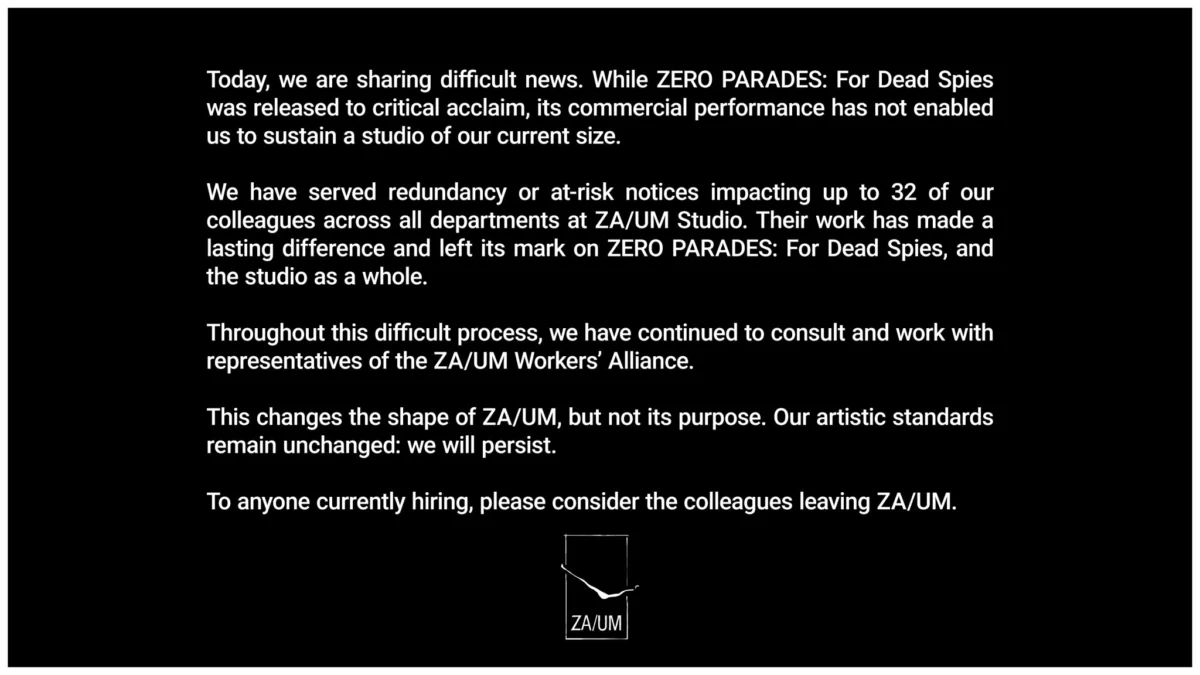
Tallinn, Estonia – Two months after the launch of Zero Parades: For Dead Spies, the highly anticipated follow-up to its critically acclaimed detective RPG Disco Elysium, Studio ZA/UM has announced significant layoffs, citing the game’s insufficient commercial performance. The studio confirmed that up to 32 employees across all departments have received redundancy or at-risk notices, marking a significant restructuring for the independent developer. This development arrives amidst a challenging period for the gaming industry, characterized by widespread layoffs and increasing economic pressures on studios, further exacerbating ZA/UM’s already complex internal history.
Studio Acknowledges Commercial Shortfall and Impact on Workforce
In an official statement released on social media, ZA/UM conveyed the difficult decision: "While Zero Parades: For Dead Spies was released to critical acclaim, its commercial performance has not enabled us to sustain a studio of our current size." The statement continued, "We have served redundancy or at-risk notices impacting up to 32 of our colleagues across all departments at ZA/UM Studio. Their work has made a lasting difference and left its mark on Zero Parades: For Dead Spies, and the studio as a whole." This acknowledgment underscores the precarious balance between critical reception and commercial viability, a struggle many developers face in a saturated market. The layoffs represent a substantial portion of the studio’s workforce, signaling a contraction in operations and a recalibration of future development strategies.
Mixed Critical Reception and Sales Challenges for Zero Parades
Zero Parades: For Dead Spies was released with a weighty legacy to uphold, following in the footsteps of 2019’s Disco Elysium, a title lauded for its groundbreaking narrative, unique RPG mechanics, and profound philosophical depth. Disco Elysium garnered numerous accolades, including multiple Game of the Year awards, and established ZA/UM as a formidable creative force in the industry. The expectation for its successor was therefore extraordinarily high, almost impossibly so.
Upon its release, Zero Parades received a more polarized critical reception compared to its predecessor. While some reviewers praised its artistic ambition, distinctive visual style, and the continuation of ZA/UM’s signature narrative density, others found it fell short of the lofty bar set by Disco Elysium. Critics pointed to issues such as a less cohesive narrative, character motivations that felt less compelling, and gameplay elements that, while innovative, didn’t always coalesce into a satisfying experience. For instance, Maddi Chilton, in her 66% review for PC Gamer, noted, "No matter how fun or well-designed individual aspects of the game are, they all swirl around Hershel’s fundamentally nonsensical approach to international espionage." She further elaborated on a perceived structural dissonance: "Unfortunately, it seems like a consequence of transplanting Disco Elysium’s structure directly onto Zero Parades without considering how it actually plays. It’s jarring to have little sister spy walking around rambling and blustering in exactly the same way as big brother cop." This sentiment highlights a common challenge for sequels or spiritual successors: maintaining the essence of the original while evolving the formula, a balance that Zero Parades struggled to strike for a significant portion of its audience. The disparity in critical scores, ranging from high 80s to mid-60s, reflected this divergence in opinion and likely contributed to a more cautious consumer base.
A Troubled Legacy: Internal Strife and a "Hostile Fanbase"
The commercial difficulties of Zero Parades cannot be fully understood without acknowledging ZA/UM’s turbulent internal history. In the years following Disco Elysium‘s breakout success, the studio became embroiled in a series of highly publicized disputes, firings, and legal battles that saw the departure of several key creative figures behind the original game. These included lead writer and designer Robert Kurvitz, art director Aleksander Rostov, and producer Kaur Kender.
Reports emerged in the early 2020s detailing allegations of fraudulent takeover, with claims that core members were dismissed on false pretenses and that intellectual property rights were contested. These internal conflicts escalated into lawsuits, creating a deeply divisive atmosphere around the studio. The specifics of these legal battles were complex and often opaque, involving allegations of financial misconduct and power struggles within the company’s ownership structure. The public fallout from these events significantly damaged ZA/UM’s reputation among a segment of its most dedicated fanbase. Many players, particularly those who deeply connected with the unique artistic and philosophical vision of Disco Elysium, viewed the new iteration of ZA/UM, led by different personnel, with suspicion and even hostility.
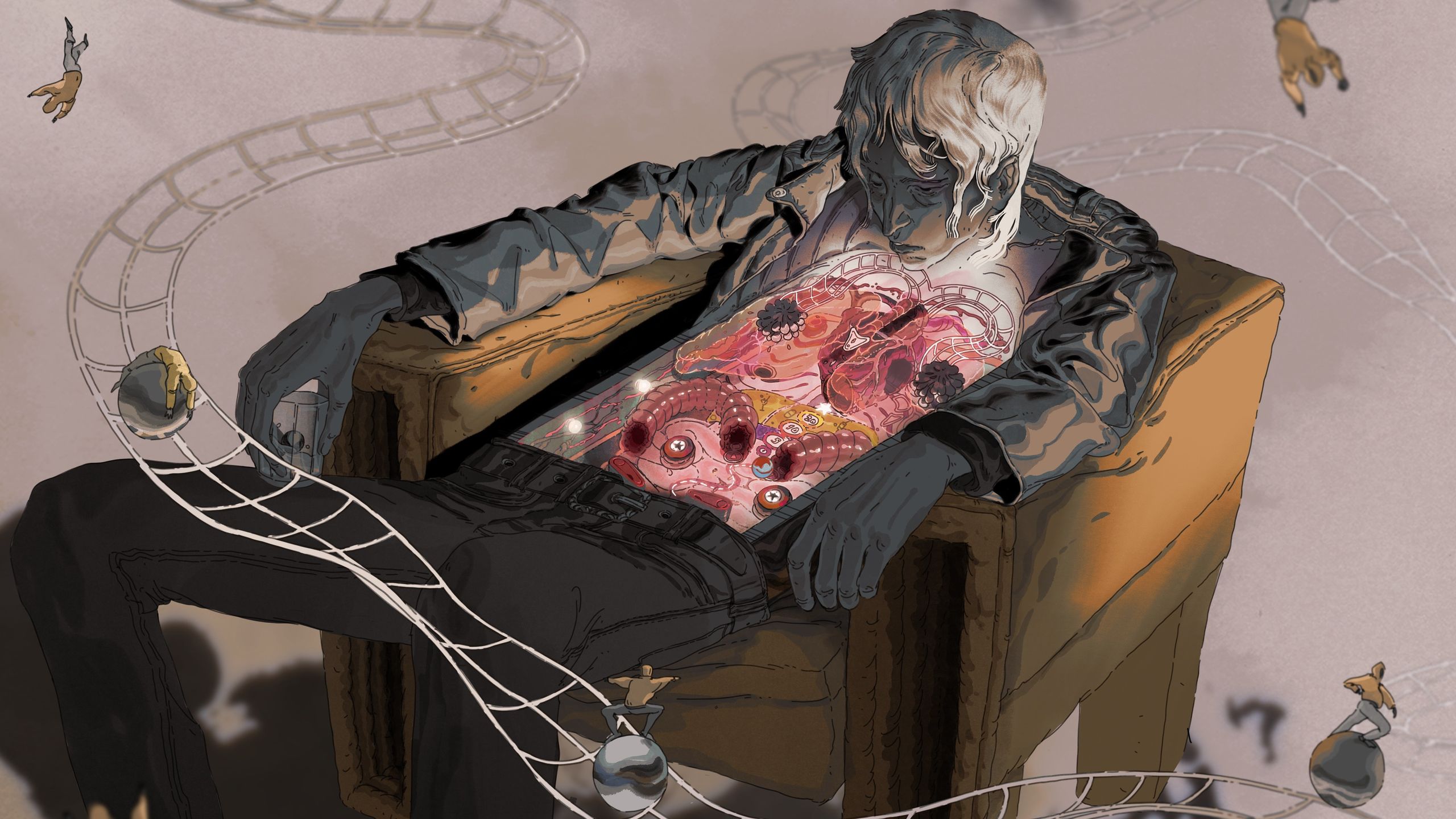
This background context is crucial to understanding the reception of Zero Parades. As PC Gamer expert Ted Litchfield noted in 2025, ahead of the game’s full reveal, "it will have to be spectacular to win back a hostile fanbase." This sentiment proved prescient. The controversy created an environment where Zero Parades was not just a new game to be judged on its own merits, but also a symbol of the ongoing drama and perceived injustices. For many, purchasing Zero Parades was seen as implicitly supporting a studio leadership that had, in their eyes, alienated or wronged the original creators. This ethical dilemma for consumers undoubtedly played a role in the game’s commercial underperformance, regardless of its intrinsic quality. The studio found itself in the unenviable position of having to prove itself anew, not just creatively, but also ethically, to an audience deeply invested in the origins of its most celebrated work.
Broader Industry Context: A Wave of Layoffs
The layoffs at ZA/UM are not an isolated incident but rather indicative of a wider trend sweeping through the video game industry. The period from late 2023 through 2024 and into 2026 has witnessed an unprecedented wave of job cuts across major publishers and independent studios alike. Companies such as Microsoft (following its Activision Blizzard acquisition), Epic Games, Unity, Embracer Group, and countless smaller developers have announced thousands of layoffs, affecting thousands of employees globally.
This industry-wide contraction is attributed to several factors:
- Post-Pandemic Correction: The boom in gaming during the COVID-19 pandemic led to significant expansion and hiring. As pandemic-era growth normalized, many companies found themselves overstaffed for current market conditions.
- Economic Headwinds: Rising inflation, increased interest rates, and a general tightening of consumer spending have impacted game sales and investment.
- Increased Development Costs: The cost of developing AAA and even AA titles has soared, leading to larger budgets and higher stakes for commercial success.
- Market Saturation: The sheer volume of new releases makes it increasingly difficult for any single game, even critically acclaimed ones, to stand out and achieve blockbuster sales without substantial marketing.
- Shifts in Business Models: The move towards live-service games, subscriptions, and platform exclusivity has also created instability for studios not aligned with these evolving strategies.
Against this backdrop, ZA/UM’s struggles with Zero Parades‘ sales performance are amplified. Even a game that receives "critical acclaim" can fall victim to these larger market forces if it doesn’t meet ambitious sales targets set by investors or internal projections. The decision to downsize often becomes a necessary, albeit painful, measure to ensure the long-term viability of the studio in such a competitive and volatile environment.
Employee Impact and Community Reactions
The announcement of layoffs has evoked a range of reactions across social media and the wider gaming community. While there is palpable sympathy for the affected employees, many of whom dedicated significant effort to Zero Parades, a considerable portion of the criticism is directed at ZA/UM’s leadership rather than the game itself or its developers.
One social media user, @bestyoutuber69.bsky.social, expressed solidarity with the departing staff: "Imagine deciding to stick with ZA/UM because you genuinely believe in the team and it’s artistic vision only to be among 32 people rewarded with layoffs after managing to make a game that stands on its own feet despite looming shadow of Disco Elysium. Every dev from Zero Parades deserves better." This highlights the perceived injustice for those who remained with the studio through its controversies, only to face job insecurity despite their creative contributions.
Another user, @gnarlyanimal.bsky.social, articulated the prevailing sentiment regarding the commercial performance: "Zero Parades likely failed to perform to their desired financial standards because the key audience that would’ve given it a chance were Disco Elysium fans – an audience already primed to hate za/um and too principled to give them money for a game that is built on what was stolen from Disco Elysium." This view underscores the significant impact of the earlier disputes on consumer trust and purchasing decisions, suggesting that the "hostile fanbase" actively chose to boycott the game.
A more nuanced perspective came from @errant-signal.com, who lamented the broader cultural context: "The way Zero Parades exists culturally not as a video game but as a signifier of specific industry practices and drama and is engaged with exclusively through that lens is incredibly disheartening to me." This observation points to the tragedy of the situation: a creative work being overshadowed by the corporate and interpersonal drama surrounding its creation, preventing it from being evaluated purely on its artistic merits by a significant portion of its potential audience.
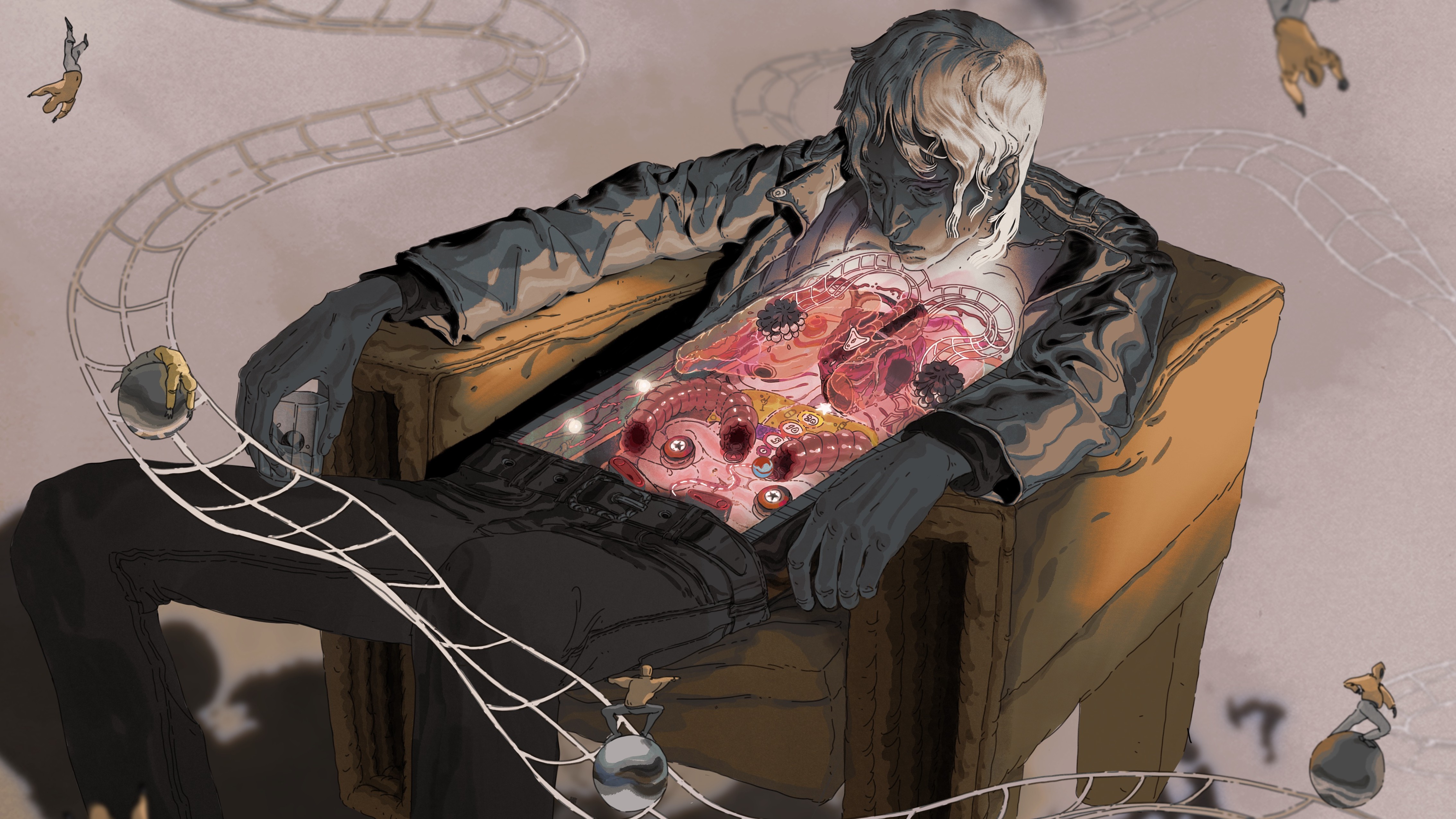
These reactions collectively illustrate the complex interplay of consumer loyalty, ethical considerations, and artistic appreciation in the modern gaming landscape. The layoffs, while a consequence of commercial underperformance, are seen by many as a direct result of the studio’s earlier internal strife and its failure to mend its relationship with a crucial segment of its player base.
Implications for ZA/UM’s Future
The layoffs at ZA/UM carry profound implications for the studio’s future. Reducing staff by up to 32 individuals, particularly across all departments, suggests a significant contraction and a potential reassessment of the studio’s scale and ambition for future projects. This downsizing could impact development timelines, the scope of upcoming games, and the overall creative output of the studio.
To survive and potentially thrive, ZA/UM will likely need to:
- Rebuild Trust: This remains perhaps the most formidable challenge. The lingering resentment from the Disco Elysium controversy continues to cast a long shadow. Any future communication or releases will need to address these historical issues, possibly through tangible actions that demonstrate a commitment to ethical practices and creative integrity.
- Re-evaluate Creative Direction: The mixed reception of Zero Parades suggests that simply replicating Disco Elysium‘s formula with different characters and setting may not be enough. The studio may need to innovate more drastically or refine its approach to narrative and gameplay design to carve out a distinct identity for its new era.
- Secure New Funding/Partnerships: With a smaller team, attracting investment for large-scale projects might be more difficult. The studio may seek smaller, more focused projects or strategic partnerships to ensure financial stability.
- Focus on Core Strengths: Identifying what elements of Zero Parades did resonate with critics and players, and doubling down on those strengths, could be a path forward. This might involve honing the unique artistic style or exploring new ways to integrate complex narrative choices.
The studio’s capacity to attract and retain top talent will also be tested. The repeated cycles of layoffs and internal turmoil could deter potential employees, making it harder to assemble a strong, cohesive development team. The long-term viability of ZA/UM hinges on its ability to navigate these multifaceted challenges, not just commercially but also culturally and structurally.
Broader Lessons for the Gaming Industry
The ZA/UM saga offers several crucial lessons for the broader video game industry:
- The Weight of Success: Following a monumental debut like Disco Elysium is incredibly difficult. Studios often face immense pressure to replicate success, sometimes leading to creative compromises or an inability to evolve beyond the initial formula.
- Importance of Studio Culture and Leadership: The internal disputes at ZA/UM highlight how critical strong, transparent, and ethical leadership is. A fractured internal environment can derail even the most promising creative ventures and irrevocably damage a studio’s public image.
- IP Ownership and Creator Rights: The controversies surrounding the departure of Disco Elysium‘s original creators underscore ongoing debates about intellectual property ownership, creator rights, and fair compensation in the industry. These issues can have profound impacts on a game’s legacy and a studio’s future.
- Fan Engagement and Trust: While commercial success is paramount, maintaining a loyal and trusting fanbase is also vital, especially for studios known for unique artistic visions. Alienating this core audience can have direct financial consequences, as seen with Zero Parades.
- Market Volatility: The incident serves as a stark reminder of the inherent volatility of the game development market. Even critically acclaimed games can struggle to find commercial footing in a crowded landscape, further compounded by broader economic pressures and internal strife.
In conclusion, the layoffs at ZA/UM represent a difficult chapter for a studio that once symbolized groundbreaking innovation. While Zero Parades: For Dead Spies received some critical praise, its commercial performance, heavily influenced by both market conditions and the studio’s complex history of internal strife, ultimately proved unsustainable for its existing operational scale. The path forward for ZA/UM will undoubtedly require a profound re-evaluation of its strategies, a commitment to rebuilding trust, and a clear vision for its creative future within an increasingly challenging industry landscape.