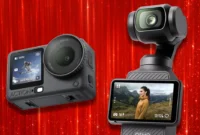
GoPro, a name synonymous with the action camera revolution, finds itself at a critical juncture. Once the undisputed king of capturing life’s most adventurous moments, the brand now faces increasing competition and a shifting market landscape. In a bid to reclaim its dominance and address evolving user needs, GoPro has unveiled its Mission 1 camera range, headlined by the intriguing Mission 1 Pro ILS. This new offering, particularly its mirrorless iteration, signals a significant departure from the company’s established formula, prompting questions about its strategic direction and potential impact on the industry.
The very mention of "GoPro" has, for years, been shorthand for any compact, rugged camera designed for extreme sports and adventurous pursuits. This brand ubiquity, a testament to GoPro’s transformative influence, echoes the impact of iconic consumer electronics like Sony’s Walkman and Apple’s iPod, devices that not only defined their categories but fundamentally altered how people consumed media and interacted with technology. However, this period of unchallenged market leadership appears to be waning. The proliferation of capable action cameras from competitors such as DJI and Insta360, coupled with the increasing versatility of smartphone cameras, has eroded GoPro’s once-unassailable market share.
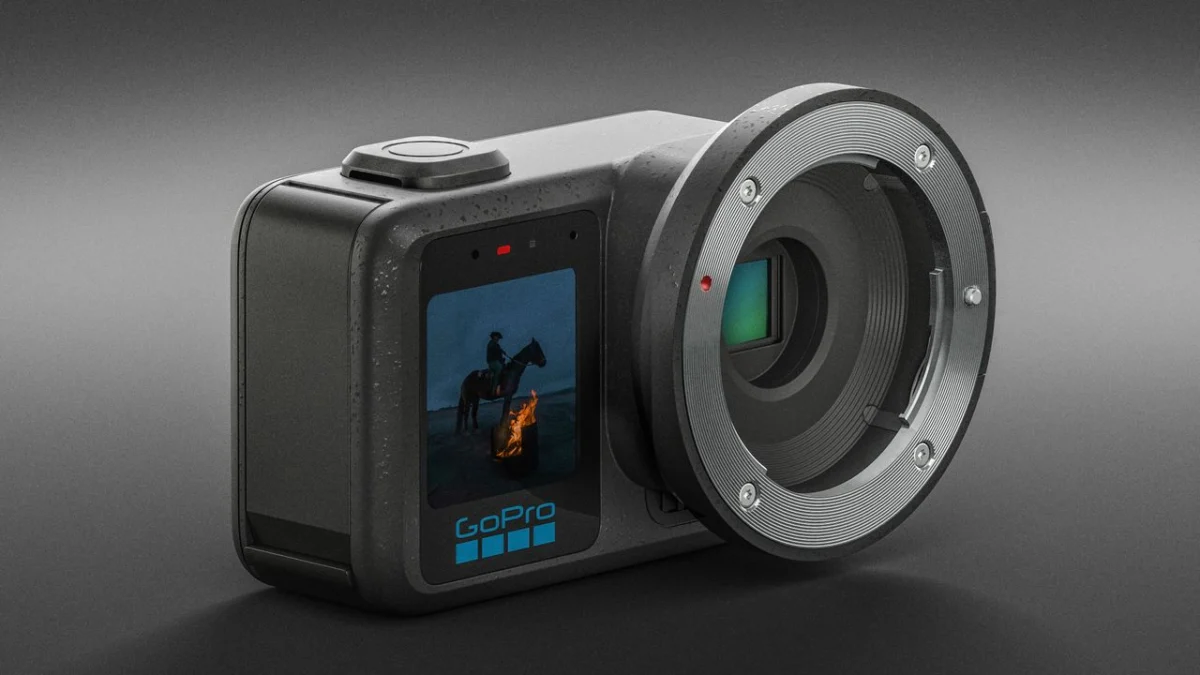
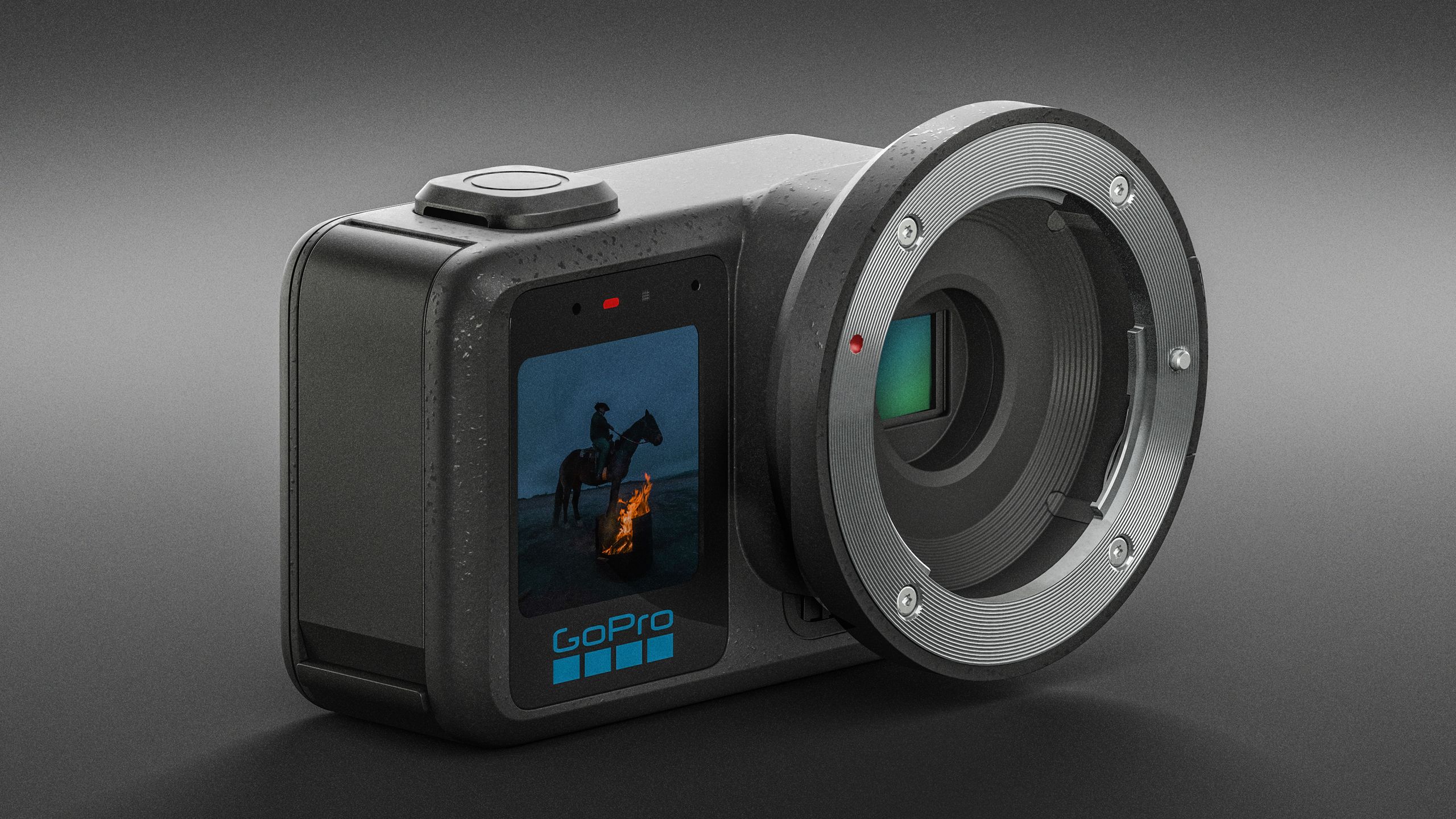
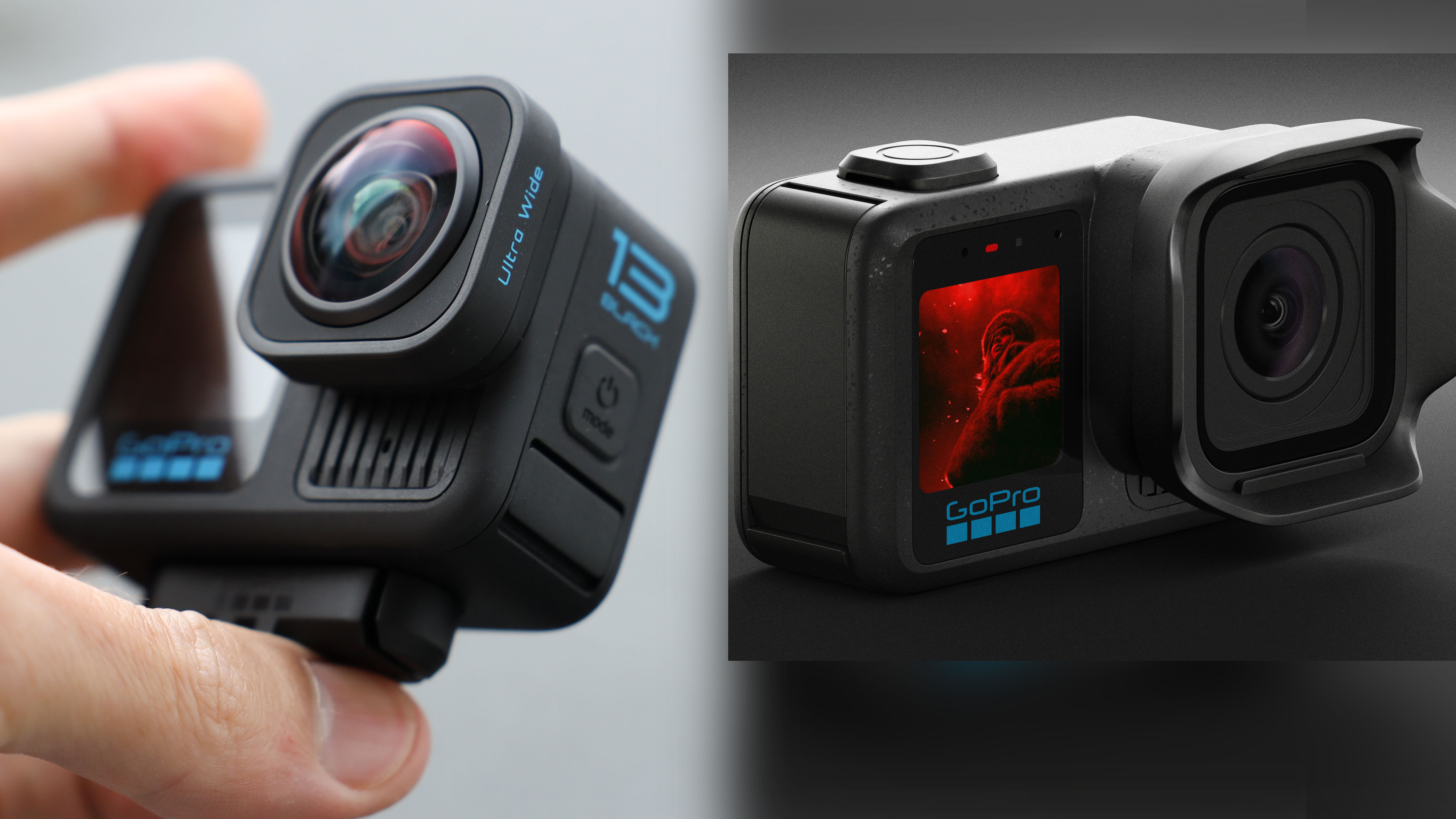
In response to this challenge, GoPro’s Mission 1 series introduces a new branding and a significant technological shift: the potential for interchangeable lenses and a move towards a more sophisticated imaging system. The Mission 1 Pro ILS, in particular, represents a radical departure by incorporating a 1-inch sensor and the promise of mirrorless capabilities, a move that has both excited and puzzled industry observers. This strategic pivot aims to elevate GoPro’s offering beyond the traditional action camera segment and into more professional photographic realms.
The Evolution of GoPro: From Fixed Focus to Interchangeable Lenses
Historically, GoPro cameras have prioritized simplicity and durability, often foregoing advanced features like autofocus in favor of a robust, fixed-focus system. The flagship GoPro Hero 13 Black, for instance, employed a fixed focus that, due to its relatively small image sensor, offered a wide depth of field, ensuring both foreground and background elements appeared acceptably sharp. This design choice aligned with the action camera’s intended use – capturing broad, dynamic scenes with minimal user intervention.
While GoPro introduced "Lens Mods" and filters for the Hero 13 Black, these were essentially external attachments that modified the camera’s fixed lens. The "HB-Series" Lens Mods, however, brought a degree of user-friendliness by enabling auto-detection of the attached modifier, prompting necessary software adjustments. Crucially, these modifications did not expose the image sensor or allow for direct manipulation of the lens elements.
A notable exception within the Hero 13 ecosystem was the Macro Lens Mod. This accessory featured a focusing ring, enabling traditional manual focus adjustments and allowing for close-up shots down to 11cm, a significant improvement over the standard lens’s minimum focus distance of approximately 60cm, which could be problematic for selfie shots. This hint of manual control and enhanced optical flexibility foreshadowed a potential shift in GoPro’s product philosophy.
The Mission 1 Pro ILS: A New Paradigm for GoPro?
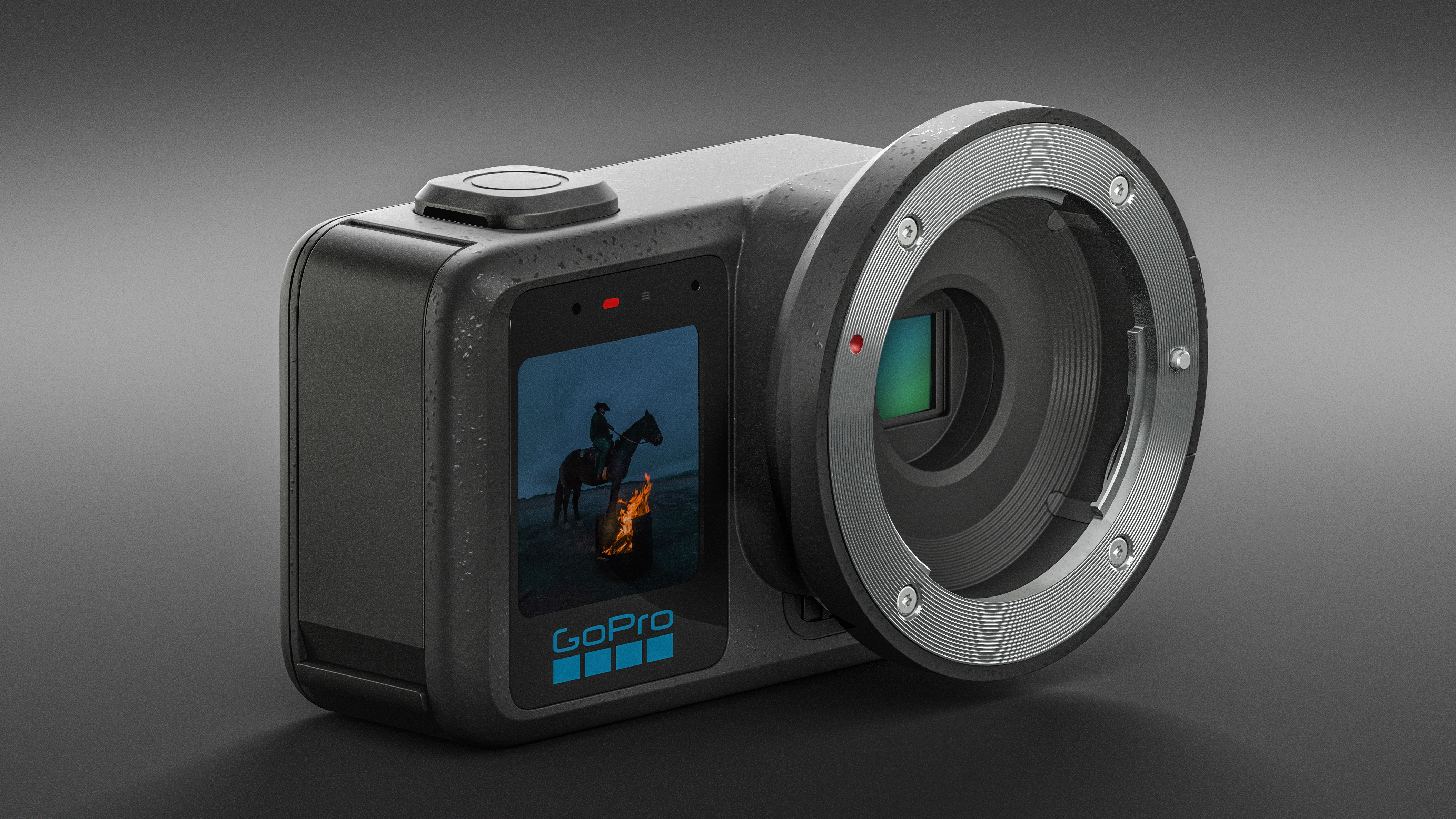
The Mission 1 Pro ILS stands to revolutionize GoPro’s approach by incorporating a larger 1-inch sensor across the diagonal. This upgrade is significant because it inherently changes the depth-of-field characteristics of the camera. With a larger sensor, achieving a wide depth of field where everything from near to far is in focus becomes more challenging without autofocus. Consequently, the Mission 1 cameras are expected to necessitate manual focus adjustments, particularly when using a wider range of interchangeable Micro Four Thirds (MFT) lenses. This move towards manual focus, while familiar to traditional photographers, represents a notable departure for an action camera brand.
The implications of this shift are multifaceted. On one hand, it offers greater creative control and the potential for superior image quality, catering to users who demand more from their imaging devices. The larger sensor is a clear indication of GoPro’s ambition to compete in segments traditionally dominated by mirrorless cameras, aiming to challenge offerings like the DJI Osmo Action 6, which has also been pushing the boundaries of image quality in the action camera space.
However, the implementation of manual focus in an action camera context raises practical concerns. The article suggests that even with manual focus, battery life might be a constraint, especially if the camera is expected to perform complex stabilization tasks that often drain power. Furthermore, the design of the Mission 1 Pro ILS, where lenses might partially obstruct the front LCD screen, and stabilization effectiveness could be compromised by significant cropping, points to potential design challenges that need to be addressed.
Strategic Considerations and Market Positioning
The introduction of the Mission 1 series, and particularly the ILS variant, prompts a critical analysis of GoPro’s market strategy. Is this a genuine attempt to innovate and expand its product portfolio into new territory, or a calculated move to generate buzz and attention in a competitive market? The extended development and uncertain release date for the mirrorless version, contrasted with the more defined timelines for the fixed-lens Mission 1 cameras, could be interpreted in several ways.
The fixed-lens Mission 1 cameras appear to be positioned as direct successors to the Hero 14 lineup, designed to directly counter advancements made by competitors in sensor size and aperture control. This part of the strategy seems more conventional, aiming to solidify GoPro’s position in its core market.
The Mission 1 Pro ILS, however, introduces an element of intrigue. The delays encountered with previous product launches, such as the GoPro Max 2, have fostered a degree of skepticism regarding the timely and successful execution of new, complex product initiatives. The question arises: Is the Mission 1 Pro ILS a fully realized product, or a concept designed to capture attention and signal future ambitions, perhaps to appease investors or gauge market reaction?
The Future of Action Cameras: Innovation or Diversification?
The action camera market has matured considerably since GoPro first burst onto the scene. Brands are now differentiating themselves through advanced image stabilization, superior low-light performance, enhanced durability, and increasingly sophisticated software features. GoPro’s move towards larger sensors and interchangeable lenses suggests an effort to transcend the "action camera" label and compete in a broader imaging market.
The implications of this strategy are significant for both consumers and the industry. If successful, the Mission 1 Pro ILS could usher in a new era of highly versatile, rugged cameras capable of delivering professional-grade results in demanding environments. This could empower content creators, adventurers, and even professional cinematographers with a compact and adaptable tool.
However, the challenges are substantial. The integration of mirrorless technology into a rugged action camera form factor is a complex engineering feat. Issues such as lens compatibility, autofocus performance in extreme conditions, battery life, and overall system stability will be critical determinants of the product’s success. Furthermore, the competitive landscape is fierce, with established camera manufacturers and agile startups constantly innovating.
The success of the Mission 1 Pro ILS will hinge on GoPro’s ability to strike a delicate balance: maintaining the ruggedness and user-friendliness that defined the brand, while integrating advanced imaging capabilities that meet the demands of a more discerning audience. The brand’s legacy is built on capturing the uncapturable, and this new venture represents a bold, and potentially risky, step in that ongoing mission. Only time will reveal whether the Mission 1 Pro ILS is a true game-changer or an ambitious experiment that ultimately falls short of its revolutionary potential.