A Design Language Rooted in History
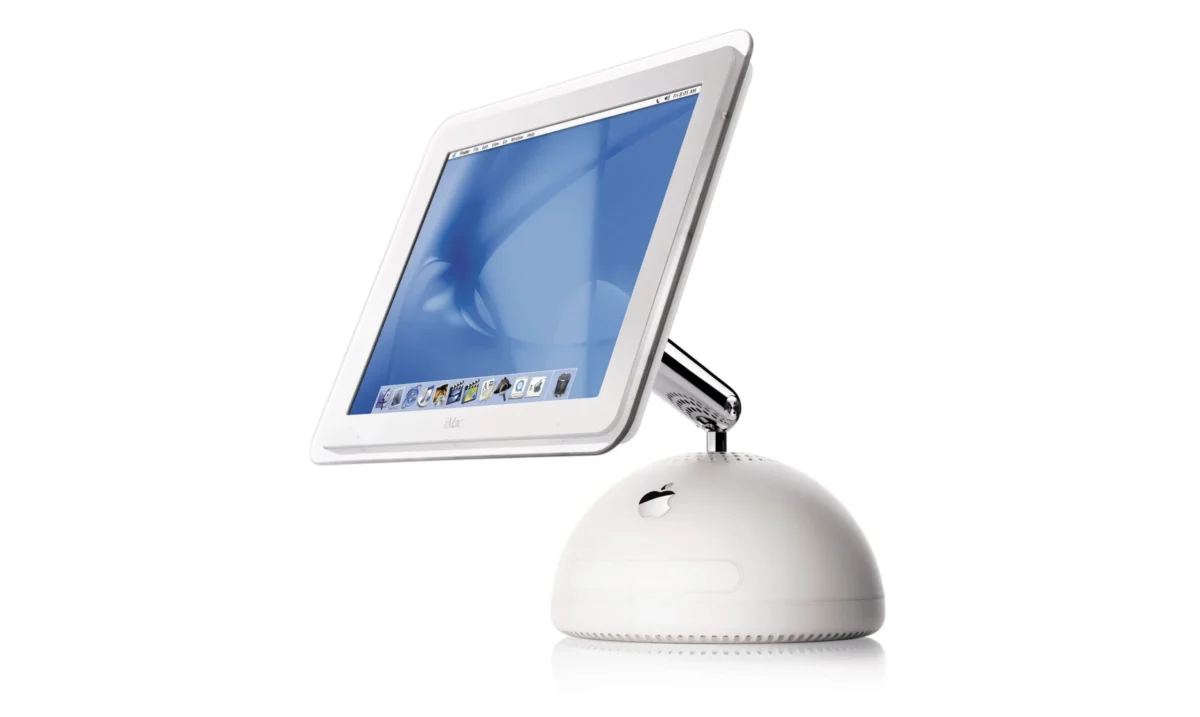
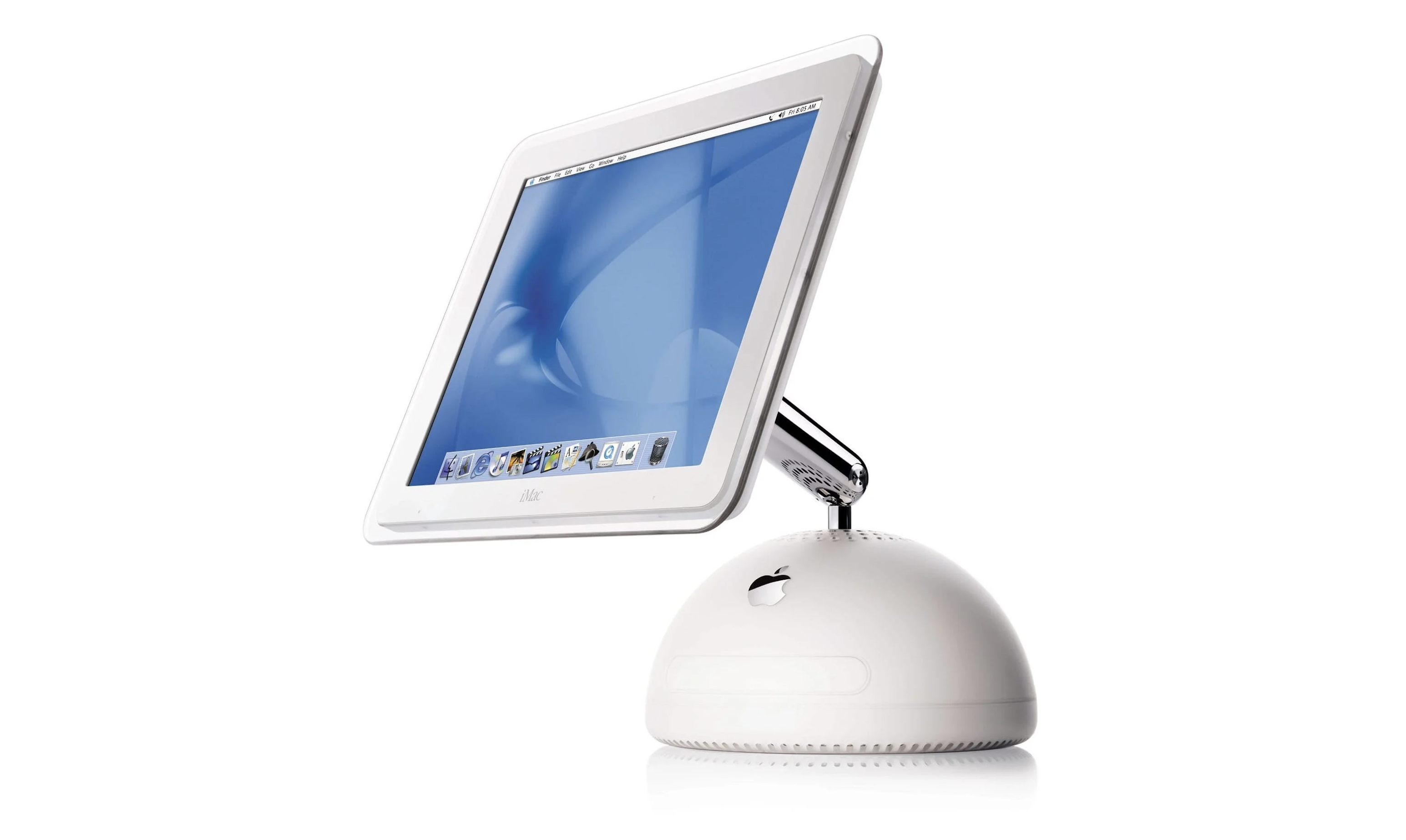
Industry insiders and supply chain reports have highlighted that the primary iteration of this smart display features a 6-inch square screen, encased in a chassis that bears a striking resemblance to the legendary iMac G4. Released in 2002, the original iMac G4 was lauded for its "sunflower" aesthetic, characterized by a hemispherical base and an adjustable metal arm that provided unparalleled ergonomic flexibility. By incorporating this design philosophy, Apple appears to be leaning into its heritage, blending high-end industrial design with functional utility.
The device is reportedly as thin as an iPhone, maintaining a slim profile that belies the internal hardware required for local processing. The screen is framed by quarter-inch black bezels, reminiscent of the aesthetic found on legacy iPad models, ensuring a familiar interface for existing Apple users. Mark Gurman, a long-time observer of Apple’s product development, has noted the device features rounded corners and a lack of sharp edges, signaling a design language focused on soft, approachable aesthetics suitable for domestic environments.
The Two-Tiered Strategy: Desktop and Wall-Mounted
Market intelligence suggests that Apple is not content with a one-size-fits-all approach. The company is allegedly preparing a two-pronged product strategy. The primary model is designed for desktop or nightstand placement, likely featuring a tiltable display and a weighted base to ensure stability.
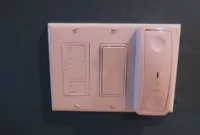
A secondary version, however, is specifically engineered for wall mounting. This iteration prioritizes space efficiency, utilizing a thinner, square-shaped base that houses high-fidelity microphones and speakers. By adopting USB-C for power, this model emphasizes a clean installation, allowing users to integrate the hub into kitchen backsplashes or entryway walls without the clutter of bulky power bricks. This dual-model launch suggests that Apple is positioning the hub as a pervasive control node rather than a mere peripheral.

Chronology of Apple’s Smart Home Ambitions
Apple’s journey toward this moment has been characterized by iterative, cautious development rather than rapid market expansion.
- 2014: Apple introduces HomeKit, providing a standardized framework for home automation, though it lacked a dedicated physical interface for many years.
- 2018: The HomePod is released, acting as a speaker-first hub. While capable of voice control via Siri, the lack of a display limited its effectiveness in managing complex smart home dashboards.
- 2023: Apple begins a concerted effort to deepen its integration with the Matter smart home standard, signaling a move toward broader interoperability with third-party devices.
- 2026 (Q3): Multiple supply chain rumors converge on the imminent release of a dedicated display device, ending years of speculation regarding a "HomePod with a screen."
This timeline demonstrates that Apple has spent over a decade refining its software ecosystem before committing to dedicated hardware. This patience is a hallmark of the company’s product strategy, which often favors late-entry refinement over first-to-market experimentation.
Competitive Landscape and Market Context
The smart home market is currently saturated with established players. Amazon’s Echo Show 15 and Google’s Nest Hub Max serve as the current benchmarks. These devices rely heavily on cloud-based voice assistants and visual information overlays. Apple’s challenge will be to differentiate its offering through privacy-centric processing and a superior user interface.
Data from market research firms such as IDC and Counterpoint Research indicates that consumer demand for "smart displays" has plateaued in recent quarters. However, there remains a persistent interest in devices that offer robust home security integration and high-quality audio. Apple’s potential advantage lies in its "walled garden" ecosystem; if the new display offers seamless handoff features with the iPhone, iPad, and Mac, it could entice millions of existing users to upgrade their home infrastructure.
Implications for Apple’s Ecosystem
The introduction of a dedicated smart home hub is expected to have a ripple effect across Apple’s service revenue. By providing a fixed, always-on screen in the home, Apple creates a new surface area for its services, including Apple Music, Apple TV+, and HomeKit-based security camera monitoring.
Furthermore, the integration of advanced local AI—likely leveraging the company’s proprietary silicon—could turn this device into a central processing unit for local home automation tasks. This would reduce latency and increase privacy, as sensitive data would not necessarily need to be transmitted to the cloud to perform basic functions like adjusting lighting or thermostat settings.
Financial and Operational Impact
From a financial perspective, this product category represents a significant expansion for Apple’s "Home and Accessories" segment. Historically, this segment has been driven by the HomePod and Apple Watch accessories. Adding a dedicated smart display could provide a much-needed volume driver for the company’s hardware division. While Apple does not typically disclose the specific profit margins of individual accessories, analysts expect this device to be priced competitively to encourage high-volume adoption, potentially acting as a "gateway device" to entice consumers to purchase additional smart home accessories from the Apple Store.
Analysts’ Perspectives and Industry Reaction
While official statements from Apple regarding the device remain pending—in accordance with the company’s strict non-disclosure policies—industry analysts are largely optimistic. The consensus suggests that Apple is playing a "long game." By waiting until 2026 to release this product, the company has bypassed the initial "growing pains" that competitors faced with first-generation smart displays.
"Apple rarely aims to be the first to invent a category," says one industry analyst. "Instead, they focus on being the best at executing a specific user experience. If they can solve the UI fragmentation that plagues current smart displays, they will likely capture the premium end of the market immediately."
The Privacy Edge
A critical differentiator for this upcoming device will be Apple’s aggressive stance on user privacy. Unlike its competitors, which have faced scrutiny over data harvesting practices linked to their smart displays, Apple is expected to emphasize that voice processing and video analysis are handled on-device. This "Privacy First" marketing angle is expected to be a cornerstone of the product’s launch campaign. For many consumers who are increasingly wary of having cameras and microphones permanently active in their living rooms, Apple’s reputation for data security may prove to be the ultimate selling point.

What to Expect at the Upcoming Launch
As the launch window approaches, market observers are looking for several key features beyond the physical design. These include the operating system—likely a specialized version of tvOS or a dedicated "HomeOS"—and the extent to which the device will support third-party apps. If Apple allows developers to build native widgets and specialized interfaces, the hub could transform from a simple controller into an essential household utility.
The launch, expected to occur in less than two weeks, will be a defining moment for the company’s smart home roadmap. Whether the device becomes a staple of the modern home or remains a niche accessory for the Apple faithful will depend on its responsiveness, integration depth, and the perceived value of its physical design in the domestic space. As the countdown to the event begins, the technology sector remains focused on how this new category will reshape the way users interact with their environments.