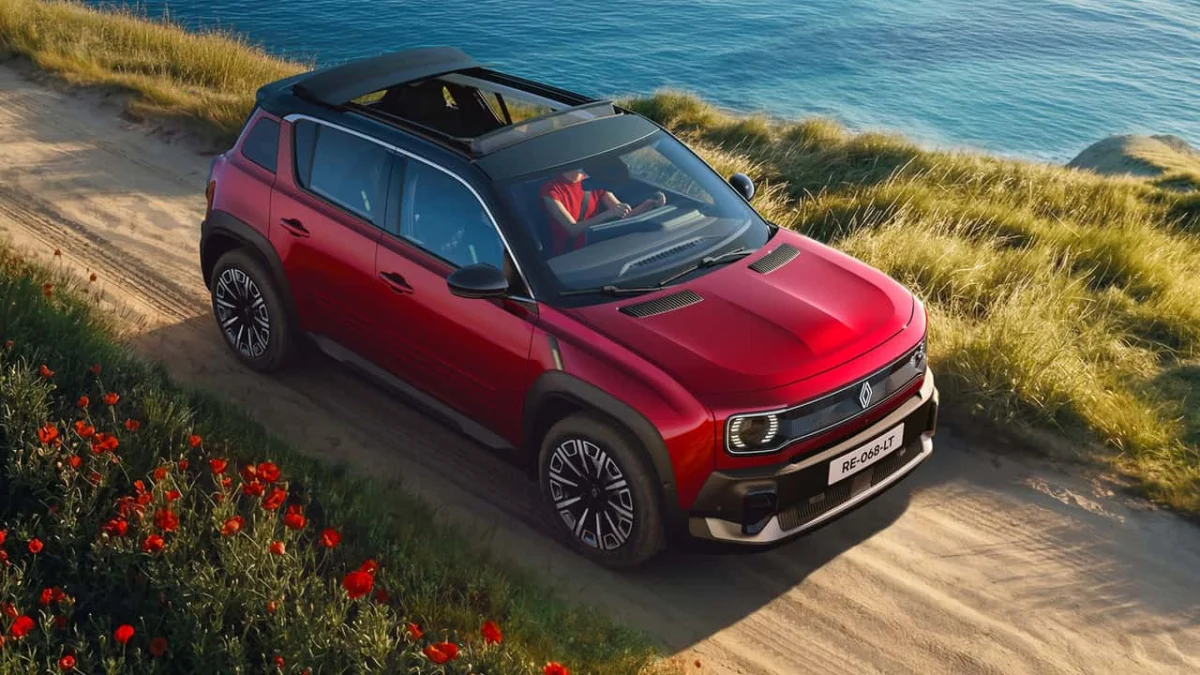
Renault is breathing new life into its iconic 4 E-Tech Electric by reintroducing a feature that defined a generation of automotive freedom: a retractable fabric roof. This addition, drawing clear inspiration from the charming 1960s Renault 4 Plein Air, aims to capture the spirit of its predecessor while embracing modern electric vehicle technology. The move underscores Renault’s commitment to blending retro aesthetics with contemporary innovation, a strategy that has proven popular in the burgeoning EV market.
A Nod to a Beloved Classic: The Plein Air Legacy
The original Renault 4, launched in 1961, was conceived as a versatile, affordable, and practical vehicle for the masses, affectionately dubbed the "do-it-all hatchback." Its enduring appeal lay in its simplicity and robust design. In the late 1960s, Renault expanded the 4’s appeal with the Plein Air variant, a more adventurous iteration designed for leisure and open-air motoring. This model, however, was notably minimalist, foregoing doors, a full roof, and a traditional tailgate to maximize the connection with the outdoors.
The new Renault 4 E-Tech Electric’s retractable roof is a modern interpretation of this open-air concept. While not as extreme as its historical counterpart—safety regulations necessitate a more integrated approach—it offers a compelling compromise. The special "Plein Sud" (meaning "due south") trim level directly references the Plein Air, signaling Renault’s intention to tap into the nostalgia and lifestyle associated with these classic models. This strategy is particularly relevant in an automotive landscape increasingly dominated by EVs that sometimes lack the emotional connection found in their internal combustion engine ancestors.
Design and Practicality: Balancing Openness and Everyday Use
The retractable fabric roof on the Renault 4 E-Tech Electric is designed for ease of use, allowing drivers to transform the hatchback into a near-convertible experience with the simple push of a button. The mechanism is engineered to be lightweight, utilizing plastic for its load-bearing components, a decision that aligns with the EV’s overall focus on efficiency.
The dimensions of the roof opening are significant: 36 inches (92 centimeters) in length and 31 inches (80 centimeters) in width. This provides a noticeable increase in headroom for the driver and front passenger, enhancing the sensation of spaciousness and connection to the surroundings, particularly during pleasant weather. However, this added functionality comes with a minor trade-off. The internal mechanism for the retractable roof occupies space within the vehicle’s structure, resulting in approximately 1.5 inches (4 centimeters) less headroom for rear passengers compared to models with a fixed roof.
While the "Plein Sud" trim highlights this feature, Renault has made the retractable roof available on other regular versions of the R4 EV as well, excluding only the entry-level trim. This broader availability suggests Renault’s confidence in the feature’s market appeal and its potential to differentiate the R4 E-Tech Electric from its competitors.
Beyond the Roof: Enhancements for Safety and Performance
The introduction of the retractable roof is not the sole update for the Renault 4 E-Tech Electric in Europe. Renault is also implementing a revised driver monitoring system across all new models sold on the continent. This advanced system is designed to detect driver fatigue and distraction, a critical safety enhancement in an era of increasingly complex vehicle technology and evolving driving conditions. In instances where the system detects significant impairment, it is programmed to automatically brake the vehicle to a complete standstill, offering a crucial layer of safety intervention.
Furthermore, a new water-to-water heat exchanger is now integrated into the electric powertrain. This component is specifically designed to address a common challenge in cold climates: the impact of freezing temperatures on EV charging times. By efficiently managing heat exchange, the system is expected to significantly reduce the time required to charge the battery when ambient temperatures are low. This is a vital improvement for EV adoption in regions with harsh winters, as it directly addresses range anxiety and the inconvenience of prolonged charging stops.
Market Context: The Evolving European EV Landscape
The Renault 4 E-Tech Electric’s updates arrive at a pivotal moment for the European electric vehicle market. Recent data indicates that EVs have achieved a significant milestone, outselling gasoline cars in Europe for the first time. This trend reflects a growing consumer acceptance of electric mobility, driven by a combination of government incentives, expanding charging infrastructure, and an increasing array of compelling electric models from various manufacturers.
Renault itself has been actively investing in its electric vehicle strategy, aiming to become a leading player in the European market. The company’s recent announcements regarding next-generation EVs and Extended Range Electric Vehicles (EREVs) underscore this commitment. The successful launch and reception of models like the Renault 5 E-Tech Electric are paving the way for vehicles like the reborn Renault 4, which leverage established brand heritage and emotional appeal.
The introduction of retro-styled EVs, like the R4 and R5, is a strategic move by Renault to capture a segment of the market that values character and individuality. While some manufacturers focus on futuristic designs, Renault’s approach acknowledges that a connection to the past can be a powerful selling point, particularly for consumers seeking more than just utilitarian transportation.
Analysis of Implications: Nostalgia Meets Modernity
The decision to reintroduce a retractable roof on the Renault 4 E-Tech Electric is more than just a cosmetic update; it’s a strategic play to enhance the vehicle’s emotional appeal and broaden its target demographic. In a market that is rapidly maturing, differentiation is key. By offering a feature that evokes a sense of freedom and leisure reminiscent of the original Plein Air, Renault aims to make the R4 E-Tech Electric stand out from more conventionally designed EVs.
The "Plein Sud" trim, with its direct nod to the past, is likely to resonate with enthusiasts of classic cars and those who appreciate unique design choices. The availability of the roof on other trims further democratizes this open-air experience, making it accessible to a wider audience. This move could also appeal to younger consumers who may not have direct memories of the original R4 but are drawn to its retro charm and the lifestyle it represents.
The safety enhancements, particularly the driver monitoring system, are crucial for reassuring consumers about the practicality and safety of EVs. As EVs become more prevalent, features that address driver well-being and accident prevention will become increasingly important selling points. Similarly, the improved cold-weather charging performance addresses a persistent concern for many potential EV buyers, particularly in Northern European markets.
The success of this strategy will depend on several factors. Firstly, the execution of the retractable roof mechanism—its durability, ease of use, and impact on interior space—will be critical. Secondly, pricing will play a significant role in determining the R4 E-Tech Electric’s competitiveness. Finally, Renault’s marketing efforts will need to effectively communicate the unique blend of nostalgia, modern technology, and lifestyle appeal that the R4 E-Tech Electric offers.
Broader Impact on the EV Industry
Renault’s approach with the 4 E-Tech Electric highlights a growing trend in the automotive industry: the leveraging of heritage to create distinctive electric vehicles. This strategy can be particularly effective for legacy automakers that possess a rich history of iconic models. By reinterpreting these classics in an electric format, they can tap into existing brand loyalty and emotional connections, while simultaneously showcasing their commitment to future mobility.
The introduction of features like a retractable roof on an EV also signals a move towards greater personalization and lifestyle-oriented offerings. As the EV market matures, consumers will likely seek vehicles that not only meet their functional needs but also reflect their personal style and aspirations. Renault’s move suggests an understanding of this evolving consumer mindset.
The focus on practical enhancements like improved cold-weather charging and advanced safety systems also reflects the industry’s ongoing efforts to address the perceived barriers to EV adoption. By tackling these issues head-on, manufacturers are working to make electric vehicles a more viable and attractive option for a broader range of consumers.
In conclusion, the Renault 4 E-Tech Electric’s revamped offering, particularly with the addition of the retractable roof, represents a thoughtful evolution. It skillfully merges nostalgic design elements with contemporary electric vehicle technology, safety innovations, and performance improvements. This approach not only pays homage to a beloved automotive icon but also strategically positions Renault to capitalize on the dynamic and expanding European EV market. The success of this strategy could inspire further exploration of heritage-driven designs in the electric era, offering consumers more choice and emotional resonance in their transition to sustainable transportation.