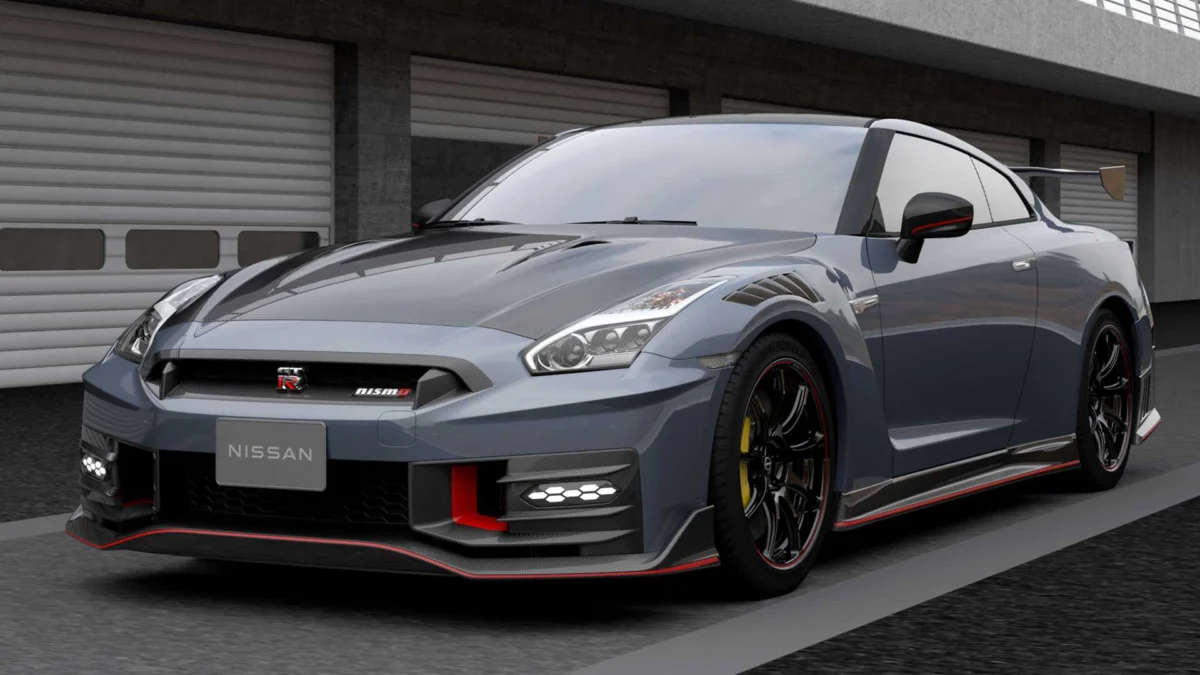
Nissan has officially confirmed that the highly anticipated next-generation GT-R, codenamed the R36, will not be a fully electric vehicle, putting an end to widespread speculation fueled by the company’s own conceptual showcases and the discontinuation of the current R35 model. The iconic Japanese supercar, affectionately known as "Godzilla," will continue its lineage with an internal combustion engine, albeit with a significant electrification component. This decision comes as Nissan navigates the complex landscape of evolving automotive technology, stringent global emissions regulations, and fluctuating market demands for high-performance electric vehicles.
Rumors Fueled by Hyper Force Concept and R35 Discontinuation
For a considerable period, the automotive community has been abuzz with theories about the R36 GT-R’s powertrain. These discussions gained significant traction following Nissan’s unveiling of the striking Hyper Force concept at the Japan Mobility Show in 2023. Nissan itself described this all-electric concept as a "high-performance supercar aiming to deliver the ultimate in driving pleasure while also offering high environmental performance and comfort for daily use." The futuristic design and its all-electric powertrain presented a compelling vision of a potential electric GT-R, leading many to believe that the legendary nameplate was transitioning to a battery-electric future.
Adding fuel to the fire was Nissan’s decision to cease production of the R35 GT-R. The final units of the R35 rolled off the production line in 2024, marking the end of an era for the revered V6 twin-turbocharged supercar that had captivated enthusiasts for nearly two decades. This strategic move, coupled with the existence of the electric Hyper Force concept, created a perfect storm for speculation, with many anticipating the R36 to be an all-electric successor. However, these rumors have now been definitively quashed by Nissan’s product strategy leadership.
Nissan’s Stance: Electric Sports Cars Not Yet Mainstream Enough
Richard Candler, Nissan’s global head of product strategy, clarified the company’s position in a recent interview with Motor1.com in Japan. He stated, "I think what we’ve seen so far is that electric sports cars haven’t been hugely popular." This candid assessment highlights a perceived gap between the capabilities of current electric vehicle technology and the specific demands of a halo performance car like the GT-R.
Candler elaborated on the technical limitations, noting, "I think they’ll come as better battery technology takes its next leap, but the current lithium chemistries are not capable of producing a GT-R-type product." This suggests that Nissan believes existing battery technology, particularly in terms of energy density, power delivery, and weight, is not yet mature enough to deliver the uncompromised performance, handling dynamics, and range expected from a next-generation GT-R without significant compromises. The focus on "GT-R-type product" implies that the vehicle must meet specific benchmarks for acceleration, top speed, track capability, and driver engagement that current EV architectures may struggle to achieve at a competitive price point.
"We’re not going to go with batteries in the next generation. No way," Candler emphatically declared, providing an unambiguous statement that leaves little room for interpretation. This firm rejection of a fully electric R36 underscores Nissan’s commitment to preserving the core identity and performance characteristics of the GT-R nameplate, which has been built upon the foundation of its potent internal combustion engine for nearly 60 years.
The Inevitable Embrace of Electrification: A Hybrid Future
While the R36 GT-R will eschew a full electric powertrain, it will not remain entirely free of electrification. Emissions regulations, particularly those mandated by markets outside of the United States, are increasingly stringent and are forcing automakers to adopt electrified powertrains across their entire model ranges, including high-performance vehicles. Consequently, the next-generation GT-R is expected to adopt a hybrid powertrain.
"It will have to be electrified because of emissions regulations at some level, of course," Candler acknowledged. "It’s just common sense that you would have a sense of electrification, but the battery’s a limiting factor." This statement reveals a pragmatic approach by Nissan. The company understands that a purely gasoline-powered GT-R would likely face significant hurdles in meeting global emissions standards, potentially limiting its market availability and long-term viability.

The integration of a hybrid system is seen as the most viable solution to balance performance aspirations with environmental compliance. This approach allows Nissan to leverage the instant torque and efficiency benefits of electric motors while retaining the power and characteristic sound of an internal combustion engine. The "limiting factor" of the battery, as Candler mentioned, suggests that the hybrid system will likely focus on supplementing the gasoline engine rather than providing extended all-electric driving range, prioritizing performance over pure EV capability.
Industry Trends and the Hybrid Supercar Landscape
Nissan’s decision to pursue a hybrid path for the R36 GT-R aligns with a broader trend within the supercar and high-performance automotive segments. Many established manufacturers have already embraced electrification to enhance performance and meet emissions targets. Brands like Ferrari, Lamborghini, Porsche, and McLaren are prominent examples, all of whom offer or are developing hybrid variants of their flagship models.
For instance, Ferrari’s SF90 Stradale and the newer 296 GTB are plug-in hybrids that combine V8 and V6 engines with powerful electric motors, delivering unprecedented levels of performance. Lamborghini has introduced its Revuelto, a V12 hybrid supercar, signaling a significant shift in its powertrain strategy. Porsche’s long-standing commitment to hybrid technology, evident in its 918 Spyder and more recently in its enhanced hybrid powertrains for models like the 911 and Panamera, further illustrates the industry’s trajectory. McLaren, too, has integrated hybrid technology into its supercars, aiming to balance power and efficiency.
These industry precedents suggest that a hybrid powertrain for the R36 GT-R is not only a pragmatic solution for Nissan but also a competitive move within its segment. Enthusiasts may initially express reservations about the introduction of electrification to the GT-R, a model historically celebrated for its raw, unadulterated gasoline-powered performance. However, the success of hybrid supercars from other prestigious marques indicates that this approach can be executed in a way that enhances, rather than detracts from, the driving experience and performance credentials. The challenge for Nissan will be to seamlessly integrate the hybrid components to deliver the visceral, engaging driving dynamics that have defined the GT-R for generations.
Nissan’s Broader EV Context and Challenges
It is also pertinent to consider Nissan’s current position within the electric vehicle market. The automaker has faced recent financial headwinds and has had to adapt to evolving political landscapes concerning EV policies, particularly in the United States. Nissan has notably pulled its Ariya EV from U.S. dealerships, leaving the third-generation Leaf as its sole electric offering in the American market. This strategic adjustment in its EV rollout indicates a period of recalibration for Nissan as it navigates a complex and competitive global automotive industry.
The decision to not make the GT-R fully electric can also be seen through the lens of market demand and profitability for performance EVs. While the EV market is growing, the segment for ultra-high-performance, electric-only sports cars remains relatively niche. Consumer preferences for range, charging infrastructure, and the perceived driving experience of EVs in this segment are still evolving. By opting for a hybrid approach, Nissan can potentially mitigate some of the risks associated with launching a flagship performance car in a still-maturing EV sports car market, while still moving towards greater efficiency and lower emissions.
The R36 GT-R: A Glimpse into the Future
While details about the R36 GT-R’s specific hybrid configuration remain under wraps, the commitment to electrification through hybridization signals a significant evolution for the legendary nameplate. The focus will undoubtedly be on achieving a harmonious blend of power, efficiency, and the signature GT-R driving experience. The development of the R36 is already underway, and its eventual debut is eagerly anticipated by automotive enthusiasts worldwide.
The transition to a hybrid powertrain represents a crucial step for Nissan in ensuring the GT-R’s continued relevance in an era of increasing environmental consciousness and technological advancement. By leveraging electrification judiciously, Nissan aims to uphold the GT-R’s legacy of cutting-edge performance while adapting to the future of automotive engineering. The coming years will reveal the full extent of Nissan’s engineering prowess as they aim to deliver a next-generation GT-R that is both true to its heritage and forward-looking in its technological execution. The "Godzilla" may not be fully electric, but its electrified future promises to be just as thrilling.